
Vaud
Term time splits between Lake Geneva and the Alps, a 140-year migration built around bilingual IB and French Baccalaureate study.
Know this school? Rate it
No community ratings yet — be the first.
Type
Boarding
Ages
7–18
Curriculum
IB · French Baccalaureate
Ratio
5:1
The Verdict
Editor's commitment
Right for
Families who want a 100% boarding school with bilingual IB or French Baccalaureate study, 10-pupil classes and a 5:1 ratio.
Wrong for
Anyone unwilling to pay an average 145,000 CHF a year, or wanting day schooling instead of Le Rosey’s 8–18 boarding model.
Watch out for
Rolle in term, Gstaad in winter is the school’s defining migration; Harvard, Yale and Princeton destinations confirm the ambition.
Ranking breakdown
Institut Le Rosey · #30 of 1591
Composite score 80.9. 8 weighted criteria.
By criterion
Academic Outcomes
Weight 20%
#668
of 1545 scored
University Placement
Weight 16%
#399
of 1529 scored
Prestige & Heritage
Weight 12%
#2
of 1590 scored
Alumni Network
Weight 12%
#1
of 1532 scored
Facilities
Weight 12%
#1
of 1564 scored
Transparency & Communications
Weight 8%
#390
of 1575 scored
Peer & Industry Review
Weight 10%
#138
of 1582 scored
Admissions Selectivity & Demand
Weight 8%
#335
of 1530 scored
Score history
Institut Le Rosey · 2026
Movement across 2024–2026. Peer average overlaid.
Overall — 2024–2026
80.9/ 100
▲ +24.5 vs 2025
year on year
Peer & Industry Review
How Institut Le Rosey is regarded in the sector
95
Top-tier · high confidence
Institut Le Rosey is consistently cited as the world's most expensive and most prestigious boarding school, frequently referenced in Tatler, Forbes, and Business Insider 'best/most elite boarding schools' rankings, with alumni including royalty (King Felipe VI of Spain, Aga Khan, Prince Rainier III's family) widely covered in international press. Peer schools and education press (e.g., Good Schools Guide International, Elite Traveler) routinely benchmark other Swiss boarding schools against Le Rosey's reputation for exclusivity and elite networking.
Evidence sources
Editors' overview
Le Rosey’s defining fact is structural, not cosmetic: every pupil boards, and the school year moves between Rolle on Lake Geneva and a winter campus in Gstaad. That split-term model gives the school a rhythm few rivals can match, and it shapes the whole proposition. This is not a conventional Swiss boarding school with a ski week bolted on. It is a highly choreographed, mobile, bilingual institution built around English and French instruction, with routes to both the IB and the French Baccalaureate. Add a 5:1 student-teacher ratio and an average class size of 10, and the academic offer lands as personal, supervised and hard to hide in. Parents paying an average 145,000 CHF a year for boarding are buying rarity, access and intensity.
What puts Le Rosey on a shortlist is the combination of scale, tradition and international reach without the anonymity that often infects elite global schools. Founded in 1880, non-religious, and accredited by CIS, NEASC and as an IB World School, it has the institutional heft families expect at this level. The school talks about holistic education; the more useful point is that it has enough time, staffing and infrastructure to enforce breadth. Languages, arts, sport, service and technology are not decorative extras in a timetable like this. They are part of the school’s operating logic. Recent university destinations include Harvard, Yale and Princeton, and the alumni footprint is genuinely deep: at least 50 notable alumni catalogued in Wikidata, including politicians, business figures, writers and artists. That does not guarantee outcomes, but it does tell parents that Rosey has long moved in rarefied circles.
The catch is obvious. Le Rosey is extravagantly expensive, socially rarefied and unapologetically full-boarding. It suits children who want an international peer group, can cope with institutional structure, and will use small classes and close adult attention well. It also suits families who value bilingualism as a working reality, not a brochure line, and who want a school where mobility, formality and expectation are built into daily life. It does not suit a child who wants an informal day-school atmosphere, a local community feel, or room to disappear. The right student for Le Rosey is intellectually able, socially assured, adaptable and not easily overawed by privilege. For that child, the school offers a singular education.
Academic Performance
Le Rosey does not publish aggregate IB or French Baccalaureate results on an annual basis. What is has published is that the school has sustained a 100% pass rate, and an IB DP average of 36.0 points, over the last five years with "roughly" 20% of its IB candidates achieving top-tier scores between 40 and 45 points.
At this fee level, and in a school that trades on scarcity, access and prestige, parents can expect better outcome data. The absence of cohort averages, top-score bands, subject distributions or multi-year trends leaves a real gap in academic transparency. Recent destinations to Harvard, Yale and Princeton show that the school places pupils into the top end of US higher education, but university offers are not the same thing as exam disclosure. For families comparing Swiss boarding schools, that limits direct benchmarking against peers that publish mean IB scores, pass rates and score ranges.
What can be said with confidence is structural. Small classes, close adult supervision and a bilingual route to two demanding leaving qualifications give pupils the conditions for serious academic preparation. The school’s university guidance operation also has visible reach: its own news feed points to sustained engagement with senior North American admissions figures. That helps at the margins; it does not replace published exam data. In the peer group Le Rosey inhabits, the school sits as an elite but slightly opaque operator on attainment: plainly ambitious, plainly capable of placing pupils well, and still unwilling to show the full examination picture.
That said, what we at WTS would really like to see is in-depth value added data, to go along with the simple, quite blunt IB DP results. The level of academic, and holistic, wrap around this school delivers should equal serious scoring here. We also would like a non-traditional measure the school (perhaps in collaboration with a small number of its peers) could author, to go alongside more traditional metrics. Why? Well given the resources here, and the promise of the school, this kind of metric could truly justify the fees in terms of the very different trajectories of its students from when they came in, to when they leave.
Facilities
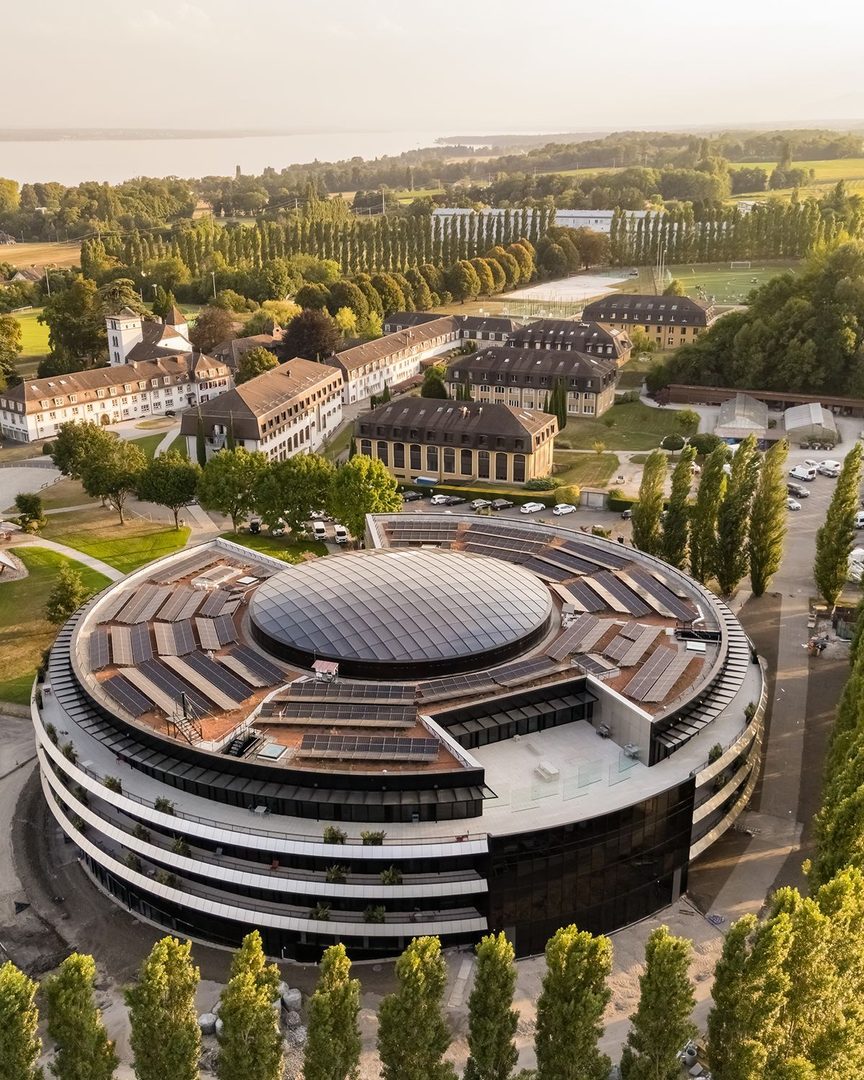
The facilities story starts with the school’s defining physical asset: two fully operational campuses with distinct purposes, not a main site plus a token outpost. The lakefront estate in Rolle carries the formal academic and residential core; the winter base in Gstaad turns the Alpine move into a working term, not a themed excursion. That remains highly unusual even among top Swiss boarders. Most rivals can offer strong sports provision, handsome grounds and a mountain week. Few can claim an entire second campus built into the school year. The Rosey Concert Hall also matters. It gives the arts visible status and lifts music provision above the school-recital standard that still passes for ambition elsewhere. For families who care about performance, production values and exposure to serious visiting talent, that is a real institutional advantage.
This is, in facility terms, a school built for constant occupation rather than day-school convenience. Full boarding raises the bar: houses, dining, recreation and indoor social space all need to work every day, in every season, for children who do not go home at four o’clock. The school’s low staffing ratio and small teaching groups reinforce that infrastructure-heavy model. Against peers, Rosey sits at the lavishly resourced end of the market, with a level of spatial variety and seasonal mobility that few can match. The trade-off is tone. The setting is formal, choreographed and expensive, not loose, local or homely. Families wanting warmth through intimacy rather than scale and polish may find more human texture elsewhere, even if they find less spectacle.
The absence of cohort averages, top-score bands, subject distributions or multi-year trends leaves a real gap in academic transparency
Prestige
Le Rosey sits in the *top tier of global boarding-school prestige*. That status rests on three things: extraordinary selectivity of milieu, a long-established international reputation, and an alumni network with real weight in public life, business and the arts. The school’s social cachet is not incidental; it is part of the product. Families do not choose Le Rosey only for teaching and pastoral structure. They choose it for the company their children keep, the doors that peer group can open, and the brand recognition the name carries in elite international circles. The school’s split-year life between lake and mountain campuses sharpens that aura. It gives Le Rosey a mythic, almost dynastic quality that few schools can imitate and none can buy quickly.
The prestige is also reinforced by outcomes and visibility beyond the classroom. Recent destinations into Harvard, Yale and Princeton confirm access to the highest reaches of university admissions, while a verified floor of 50 notable alumni in Wikidata gives the school a genuinely formidable legacy footprint. The staffing intensity and tiny teaching groups add to the sense of exceptional privilege: this is an education built for scrutiny, cultivation and confidence. That said, prestige here cuts both ways. For some families, Le Rosey represents unmatched reach and social capital. For others, it reads as rarefied to the point of insulation. The rating stays high because the school’s name still carries unusual force across continents, generations and elite networks.
Le Rosey sits in the top tier of global boarding-school prestige
Communications
Le Rosey communicates with parents in the manner of an old, confident institution: polished, controlled and selective. The public-facing website is elegant and coherent, and it does a strong job of explaining the school’s central proposition, daily life and breadth beyond lessons. News items point to active programming, outside speakers and university-facing events, which gives parents a live sense of school priorities rather than a static brochure. The tone is highly curated. That has advantages. Families get a clear sense of standards, culture and institutional self-belief. It also has limits. The school shares atmosphere and aspiration more readily than hard operational detail, and that imbalance matters in a premium, high-scrutiny school.
For current and prospective parents, effectiveness therefore depends on what they need. If the question is ethos, ambition and social world, Le Rosey communicates with precision and considerable polish. If the question is outcomes, benchmarking and measurable academic performance, communication is too guarded. The gap is plain in exam disclosure: a school charging an average 145,000 CHF a year and teaching in groups of around 10 does not earn credit for mystery. Parents paying at this level need more than narrative and image management; they need data, consistency and direct answers. Le Rosey’s communications are strong on identity and weak on transparency. That balance suits families already sold on the name. It is less satisfying for parents who insist on plain evidence over aura.
Uniqueness
Le Rosey’s real point of difference is not wealth, history or selectivity on their own. Other schools have those. The distinctive feature is the school’s institutional migration: an entire academic year divided between a château estate on Lake Geneva and a chalet village in the Alps, with every pupil moving together. That gives student life a *deliberate rhythm of reset and reassembly* that few schools can reproduce. It demands adaptability, organisation and social resilience. Children do not just attend lessons in impressive settings; they learn to live inside a community that physically relocates, keeps its standards intact, and expects them to do the same. The result is intense collective identity, stronger than in many elite schools where boarding houses fragment the experience or day pupils dilute it.
That structure brings clear gains. Pupils get an education that binds academic work, co-curricular breadth and residential life into a single system rather than parallel tracks. The school’s all-boarding model and very low 5:1 staffing ratio leave little room for passivity or anonymity, and the average 145,000 CHF annual fee buys a level of orchestration that is rare even by Swiss standards. Add the Rosey Concert Hall, a serious languages culture, and a peer group drawn from internationally influential families, and the school offers *social and cultural immersion at unusual altitude*. The benefit for the right child is confidence under scrutiny, ease across borders and institutions, and the habit of operating comfortably in high-expectation environments. The cost is obvious: this is a high-pressure, highly codified world, not a soft landing.
The staffing intensity and tiny teaching groups add to the sense of exceptional privilege: this is an education built for scrutiny, cultivation and confidence
Student Profile
The pupil who thrives here is socially assured, adaptable and comfortable living in a school that runs at full intensity. This is a community for children who can manage scrutiny, formal expectations and a peer group drawn from internationally mobile, highly advantaged families without losing their footing. A low staffing ratio of 5:1 and teaching groups of 10 make passivity hard to sustain; adults will know who is working, who is coasting and who is struggling. The best fit is a student with intellectual stamina, decent self-discipline and enough confidence to take advantage of constant access to teachers, activities and institutional opportunity. Children who need looseness, privacy or a more ordinary teenage social world will find Rosey constraining, highly managed and socially exposed.
Temperament matters as much as raw ability. The school suits pupils who enjoy operating across cultures, can move between formal and informal settings, and do not buckle in an environment where wealth and status sit in plain view. It rewards initiative: students need to use the arts, sport, languages and residential life actively rather than drift through them. There is also a premium on resilience. A fully residential, transnational community leaves little room to retreat into home routines or local friendships outside the school gate. For the right child, that produces unusual poise, cosmopolitan ease and a strong sense of personal range. For the wrong one, it produces pressure without shelter.
Le Rosey’s defining fact is structural, not cosmetic: every pupil boards, and the school year moves between Rolle on Lake Geneva and a winter campus in Gstaad
Co-curricular strengths
Arts & sport, on a separate axis
Overall 9.1/10
Scored 0-10 from the school's own published evidence. This axis is editorial-only — it does not feed the main WTS ranking.
Sports
10/10
Phenomenal dual-campus resort infrastructure (Rolle and Gstaad) hosting a private equestrian center, sailing fleet, and ski teams.
Drama
9/10
Features the spectacular Paul & Henri Carnal Hall, a futuristic performing arts center staging grand international productions.
Dance
8/10
Offered as a premium artistic track with dedicated studio spaces for classical ballet and contemporary choreography.
Music
9.5/10
Staggering musical breadth; hosts a world-class on-campus concert hall with regular visits from global philharmonic coaches.
Visual Arts
9/10
Sun-drenched, state-of-the-art studio workshops specialized for fine art, digital graphic design, and high-end architecture drafting.
Editor-verified · 10/5/2026
Outcomes & destinations
Where students go next
90 graduates
Top destinations
68 placements
- Harvard University· 3
- Yale University· 2
- Princeton University· 2
- Stanford University· 2
- Cornell University· 2
- Columbia University· 3
- University of Pennsylvania· 3
- Brown University· 2
- Cambridge· 4
- Oxford· 4
- LSE· 4
- Imperial College London· 3
- UCL· 3
- King's College London· 3
- ETH Zurich· 3
- EPFL· 3
- Bocconi University· 5
- IE University· 3
- HEC Paris· 3
- Sciences Po· 3
- University of St. Gallen· 3
- University of Edinburgh· 3
- University of St Andrews· 2
Reported by the school. Confirm with admissions.
Notable alumni · Wikidata
50notable alumni
9 historic (born pre-1930) · 10 modern (born post-1970)wikidata:2026-07-28 How we source this
WTS 300 badge
2026/27 editionInstitut Le Rosey is one of the World's Top 300 Schools for 2026/27. Claim your listing to add it to your site →
Strengths
- +Founded in 1880 by Paul-Emile Carnal on the site of the 14th-century Chateau du Rosey in Rolle, canton of Vaud, giving the school a documented history of more than 140 years.
- +Operates a distinctive dual-campus calendar, based at lakeside Rolle for autumn and spring terms before the entire school relocates to Gstaad in the Alps for the winter term (January to March).
- +Accredited by NEASC, IBO and CIS, and offers two recognised exit qualifications — the IB Diploma and the French Baccalaureate — giving graduates multiple university pathways.
- +Maintains a genuinely international student body of roughly 400 pupils drawn from around 70 nationalities.
- +Reports a low staff-to-student ratio, with the school citing a teacher ratio of around 1:4 and average class sizes near 10.
Considerations
- −Annual boarding fees reach CHF 145,000, placing the school among the most expensive in the world, with additional one-time and ancillary charges on top.
- −The school is full boarding only, with no day, weekly-boarding or part-time options, which removes flexibility for locally based expat families.
- −In 2020 the school was the subject of a widely reported lawsuit from parents alleging it failed to address bullying and cyberbullying of their daughter, generating sustained international press scrutiny.
- −The alumni network is close-knit but opaque: the school does not publish a list of former students and its alumni events are restricted to members.
- −The school does not publish aggregate IB or French Baccalaureate results in the granular form serious comparison requires, so academic outcomes rest largely on reputation and destinations.
Availability
Primary entry gate & tests
Interview + Nationality Quota
Gallery
Photo © Long Hoàng via Google Maps
Photo © Magda “KLEONIKI” G. via Google Maps
Photo © Magda “KLEONIKI” G. via Google Maps
Photo © Magda “KLEONIKI” G. via Google Maps
Photo © Magda “KLEONIKI” G. via Google Maps
Parent reviews
Have you sent your child here?
Voice reviews carry the strongest trust badge — we transcribe them for you to tidy up before they go live. Prefer to type? A written review is fine too.
Add your voice
In 60 seconds, tell other parents: what's the best thing about Institut Le Rosey, and what surprised you when your child joined?
We ask for a Google sign-in so every review has a real face behind it — no anonymous drive-by attacks on schools, and no faked positive reviews. Your email is never shown publicly.
Send this profile to a friend
International parents rely on word-of-mouth. Share this review with someone weighing the same decision.
Explore further
Schools with places
Similar schools to Institut Le Rosey with places available now.
Aiglon College
Chesières · Switzerland
- 2026-27
- WAITPOOLSpace-dependent
- 2027-28
- PLACES OPENRolling
Collège Alpin International Beau Soleil
Villars-sur-Ollon · Switzerland
- 2026-27
- WAITPOOLSpace-dependent
- 2027-28
- PLACES OPENRolling
Availability first, then country, area, curriculum, price, co-curricular
Consider also
Also worth looking at alongside Institut Le Rosey.
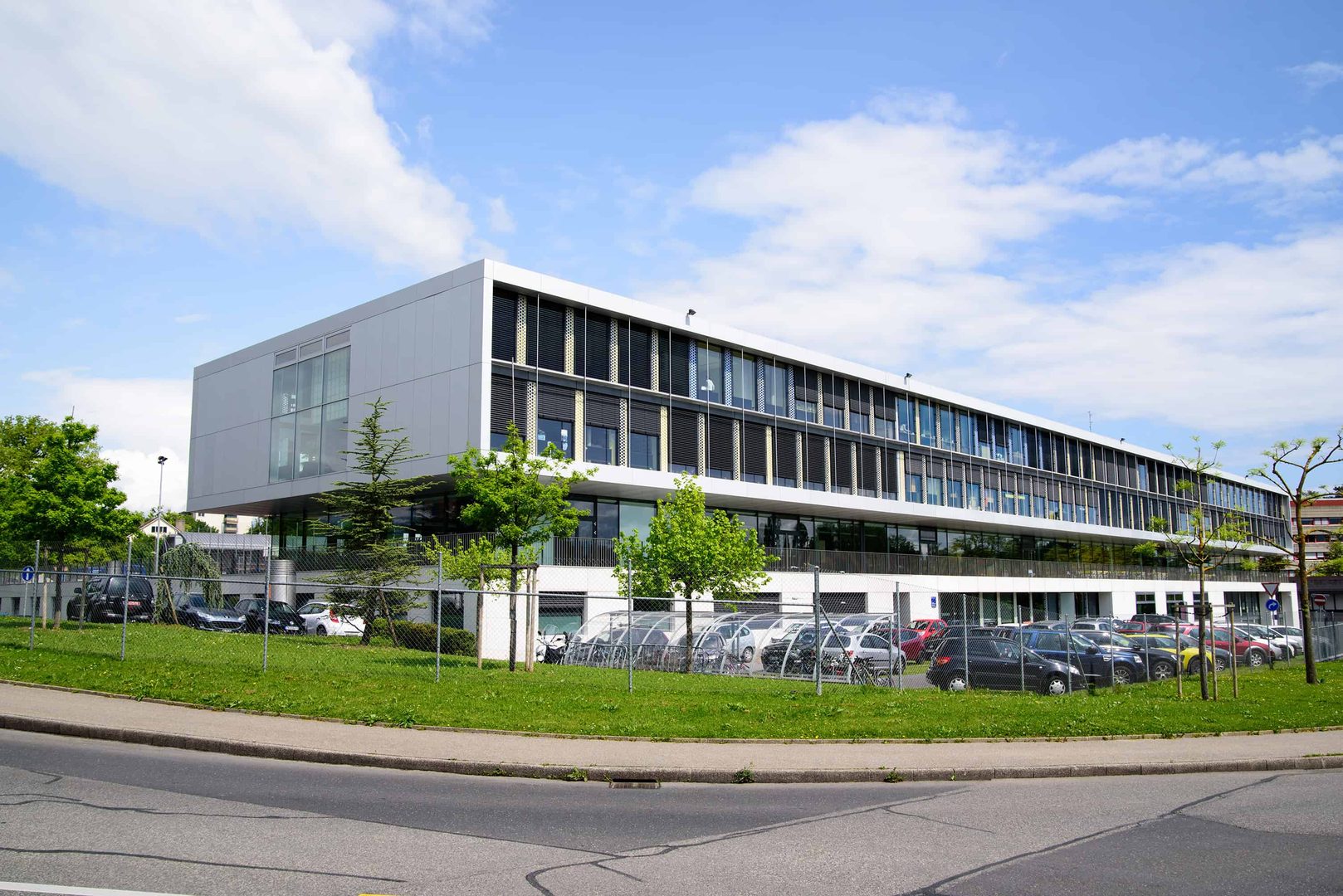
International School of Geneva
Geneva · Switzerland
Born beside the League of Nations in 1924, where its own teachers first drafted the IB diploma.
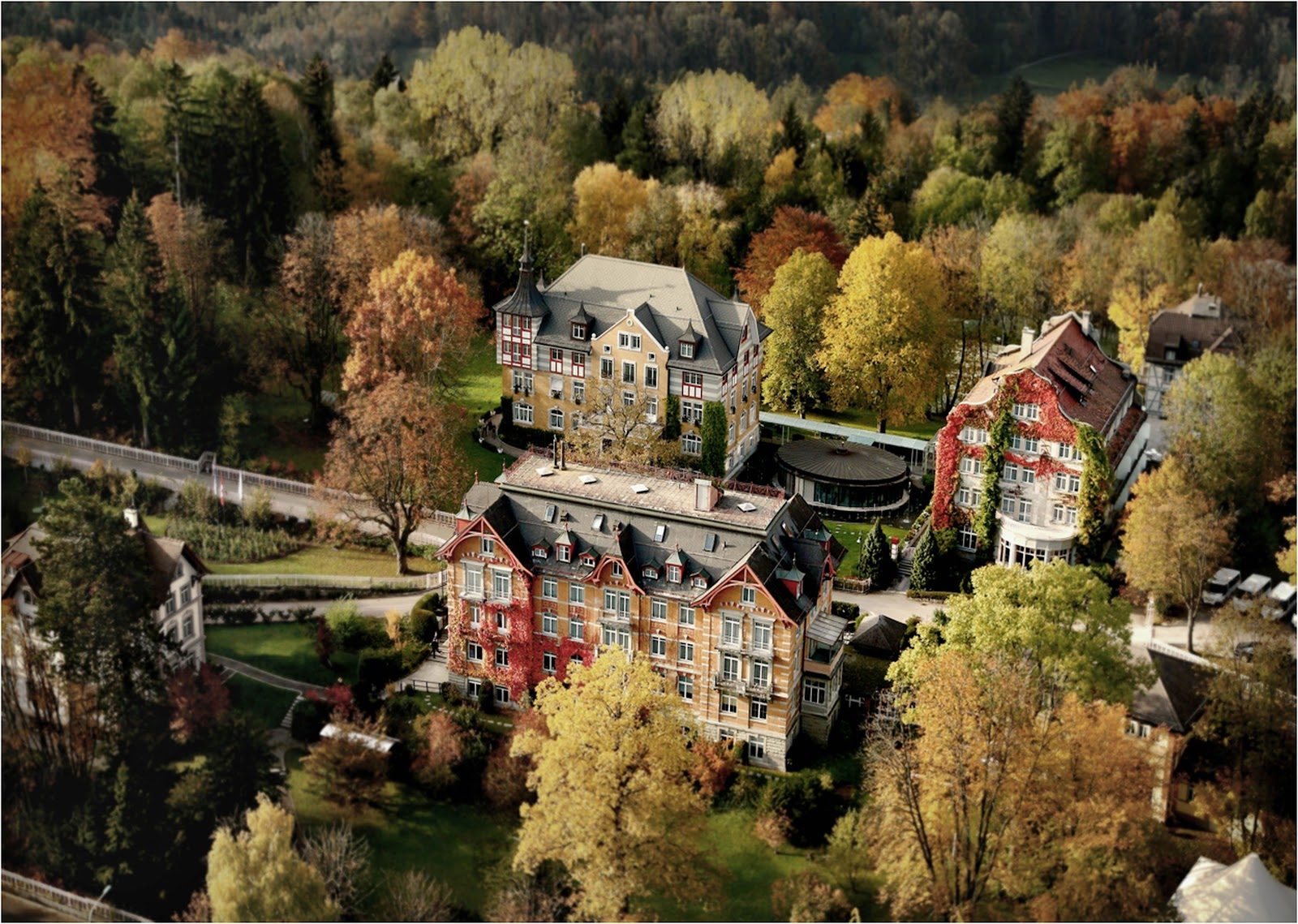
Institut auf dem Rosenberg
St Gallen · Switzerland
Above St Gallen's art-nouveau villas, a 1:2 staff ratio powers a 40-course Talent and Enrichment path from robotics to hospitality.
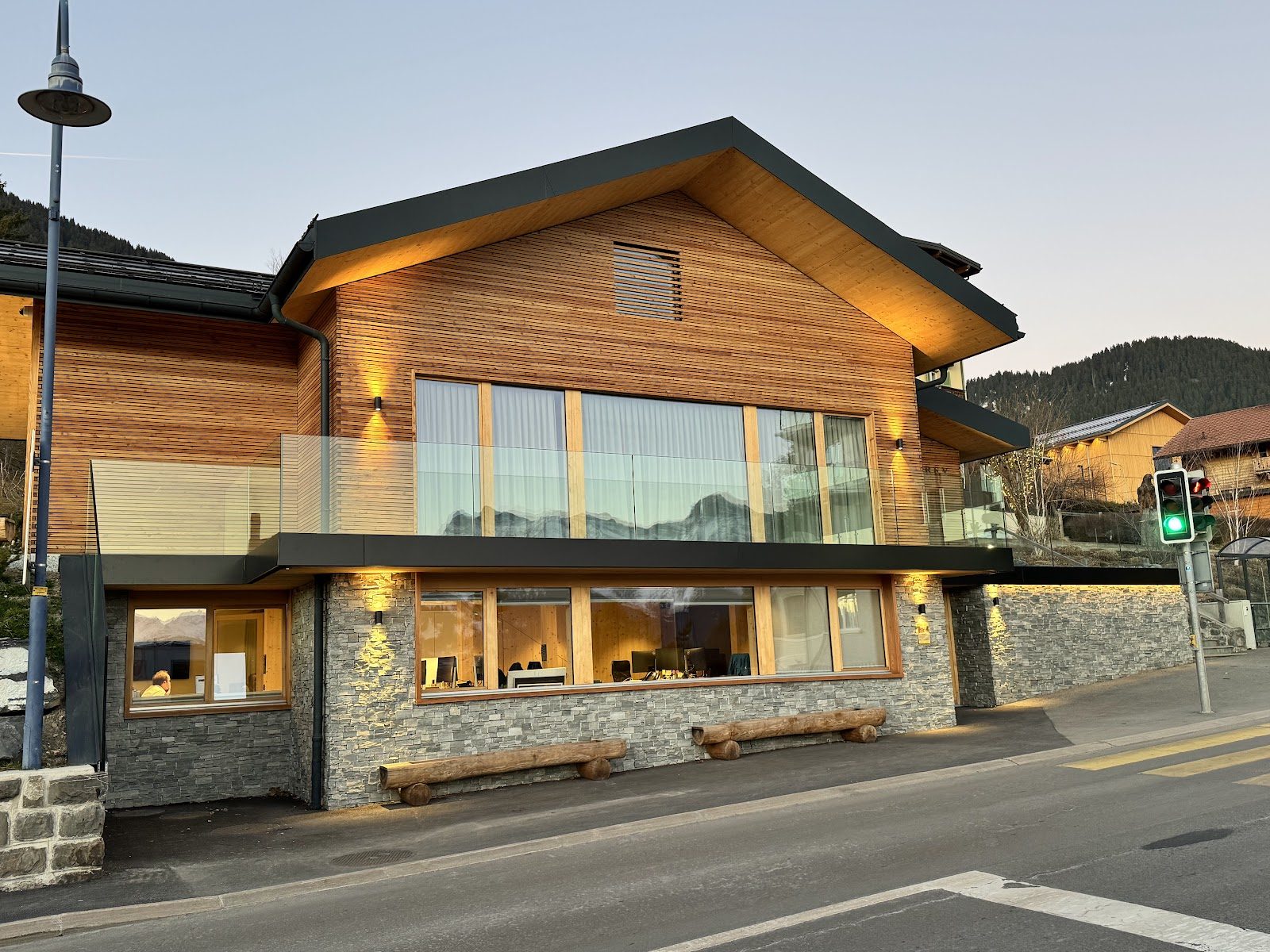
Aiglon College
Chesières · Switzerland
Perched at 1,200 metres in the Swiss Alps, meditation and expedition learning are as core to the timetable as the IB Diploma.
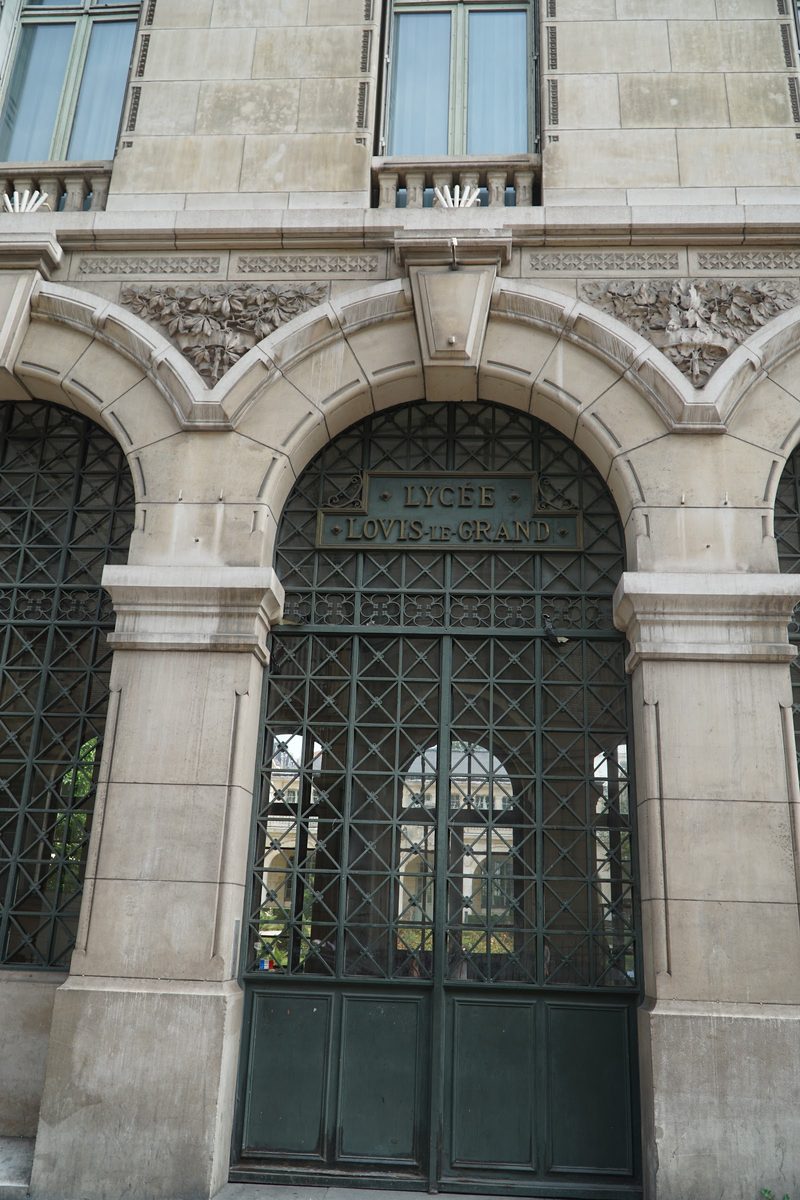
Lycée Louis-le-Grand
Paris · France
A Jesuit foundation from 1563 in the Latin Quarter, its prepa classes top national rankings across nearly every track.
Same country and curriculum — closest matches within ±10 points either way