
Bourgogne
Lycée Lyautey
low confidence· 4/6 cats · 1 avg sourcesNamed for France's first resident-general, this Casablanca lycee is the AEFE network's second-largest school worldwide
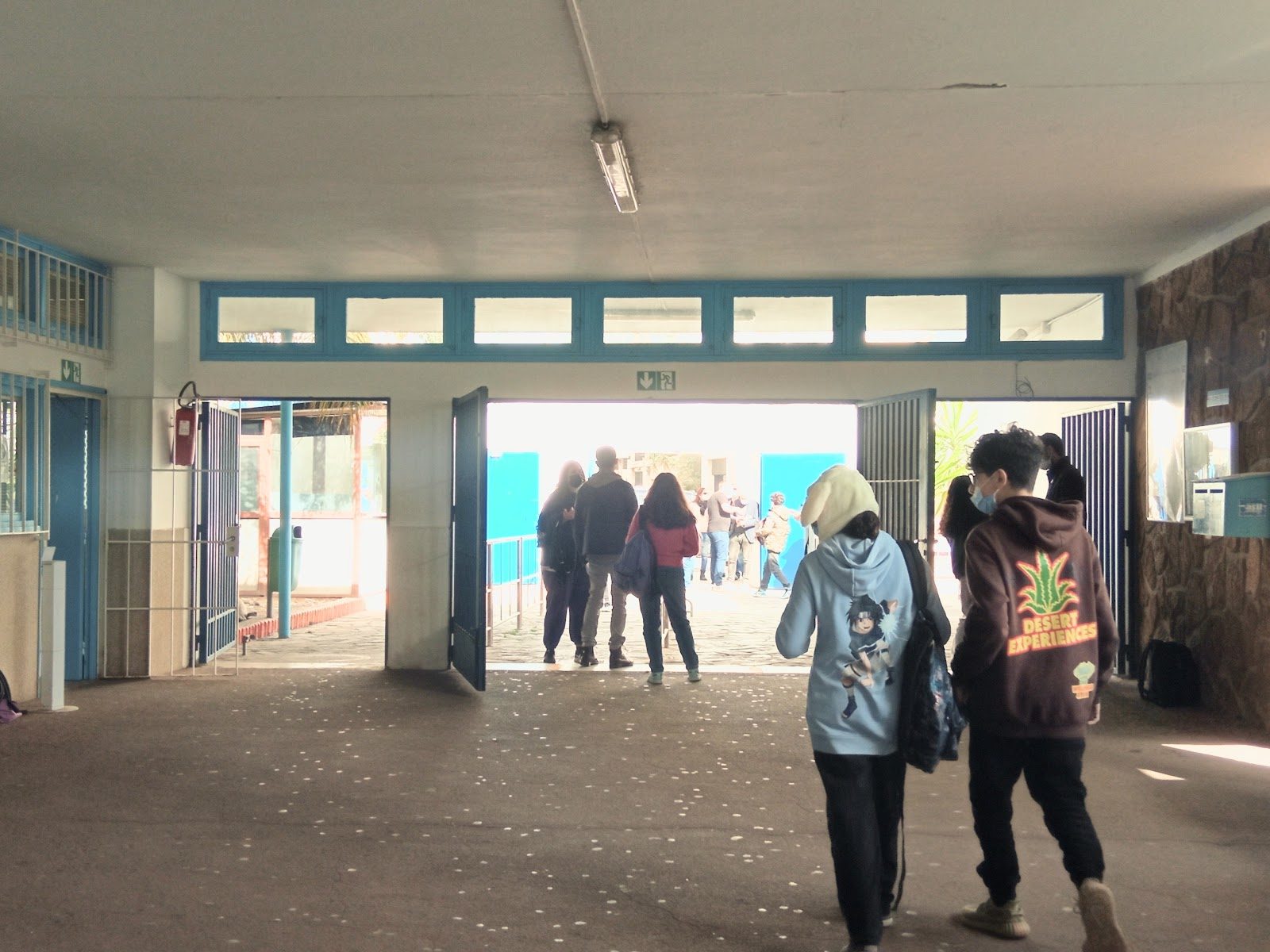
Photo © Maya Sayaline Berrada via Google Maps
Type
Day
Ages
3–18
Curriculum
French Baccalaureate
Qualifications
Brevet
Ratio
—
The Verdict
Editor's commitment
Right for
Families wanting a French Baccalaureate route inside Casablanca's biggest French-school machinery: founded 1921, 3,600 pupils, AEFE and Mission Laïque Française.
Wrong for
Parents after small-scale schooling or anything other than a day school: Lycée Lyautey runs 3–18, teaches in French, Arabic and English, and serves scale.
Watch out for
The average annual fee is 43,706 MAD, and the published headline is 99% baccalauréat success in 2024; public aggregate results still need close reading.
Ranking breakdown
Lycée Lyautey · #480 of 1591
Composite score 69.2. 8 weighted criteria.
By criterion
Academic Outcomes
Weight 20%
#512
of 1529 scored
University Placement
Weight 16%
#584
of 1529 scored
Prestige & Heritage
Weight 12%
#537
of 1571 scored
Alumni Network
Weight 12%
#338
of 1530 scored
Facilities
Weight 12%
#857
of 1533 scored
Transparency & Communications
Weight 8%
#725
of 1532 scored
Peer & Industry Review
Weight 10%
#645
of 1548 scored
Admissions Selectivity & Demand
Weight 8%
#369
of 1529 scored
Peer & Industry Review
How Lycée Lyautey is regarded in the sector
75
Strong · medium confidence
Lycée Lyautey is the largest and most prominent AEFE (French state) school outside France, frequently cited in French expat and diplomatic circles as the flagship French institution in Morocco, with a long history dating to the 1920s and a large, influential alumni network including notable Moroccan and French public figures. It is consistently referenced in French-language press (Le Monde, Jeune Afrique) and AEFE network discussions as a benchmark institution among French lycées abroad, though it lacks coverage in Anglophone rankings like Tatler or Good Schools Guide, which focus on British-curriculum schools.
Evidence sources
Editors' overview
Scale is the first thing that matters at Lycée Lyautey. With 3,600 pupils and 280 teachers, this Casablanca day school is not an intimate boutique operation; it is a serious, full-scale French lycee with the institutional depth that smaller French schools abroad rarely match. Founded in 1921 and accredited by AEFE, Homologué and Mission Laïque Française, it sits firmly inside the French international establishment rather than borrowing its vocabulary. The school teaches in French, Arabic and English, runs from ages 3 to 18, and offers the French Baccalaureate. For parents who want a direct route through the French system in Morocco, that combination puts Lyautey in the top tier of the local market. The average annual day fee across the full age range is 43,706 MAD, which looks strong value for a school of this scale and standing.
What is special here is not novelty but institutional weight. Lyautey has reach, history and numbers that give it momentum: 99% baccalauréat pass rate in 2024, with 83% mentions, and a published 2026 result of 100% in the vocational stream. Those figures matter because large schools do not hide behind tiny cohorts. The second point in its favour is cultural setting. This is a non-religious French school in Casablanca with French as the main academic language but Arabic and English embedded in the offer, which gives it a more anchored local-international identity than many imported schools. The school also puts visible energy into citizenship, sustainability and associative life through its foundation and school cooperative. That matters, though parents should keep the hierarchy clear: this is an academic lycee first, not a pastoral experiment or an arts-led progressive school.
The trade-off is plain. A school of this size can be impressive and impersonal at the same time. Families looking for hand-held warmth, heavy individualisation or the social ease of a small campus may find Lyautey too big, too structured and too rooted in the demands of the French system. It will suit students who thrive on clear expectations, can handle a formal academic environment, and want the discipline and portability of the French Baccalaureate. It will also appeal to internationally mobile francophone or francophile families who want AEFE-backed continuity without giving up a Moroccan context. Pupils who need constant nurture, loose structures or broad curriculum optionality outside the French model will fit less well. For the right child, though, Lyautey is a formidable machine: old, large, academically credible and hard to ignore.
Academic Performance
Lyautey’s published examination profile is strong by any normal measure and stronger still given the scale of the school. The headline figure is a 99% baccalauréat pass rate in the recent published cohort, with 83% mentions. That places it in the territory parents expect from an established AEFE flagship rather than a middling overseas outpost. The school has also publicised a 100% pass rate for its vocational baccalauréat stream in a later session, which adds useful detail: this is not only a school for the classic academic high-flyer, but one that can deliver across different routes inside the French system. In a market where some schools trade on brand and publish little, Lyautey at least puts exam outcomes into the open.
The limit is precision. The school publishes top-line success data, but not the finer grain that would sharpen comparison with the best French schools abroad: no subject breakdowns, no distribution by specialism, no multi-year trend table in one place, and no destination data tied cleanly to cohort performance. That leaves parents with a credible but still incomplete picture. Relative to peers, Lyautey sits comfortably in the upper tier for published attainment and institutional seriousness. It does not read as a school fighting for basic exam credibility. It reads as a high-output, results-conscious lycee whose public data are good enough to reassure, but not rich enough to settle every question.
Facilities
Facilities are not the strongest published part of the Lyautey story. The school’s public-facing information gives a clear sense of scale and day-to-day organisation, but it does not set out a serious facilities inventory in the way the best-resourced international competitors do. Parents can infer a fully operational, high-throughput campus with the infrastructure needed to run a large all-through school: school catering, yearbooks, sports sign-ups, student health provision, digital platforms such as Pronote, and the machinery for trips, projects and co-curricular life. With 3,600 pupils and 280 teachers, Lyautey plainly has the physical capacity to function at volume. What is missing is the detail that matters in a market comparison: no published showcase of science labs, performing arts spaces, libraries, design workshops or specialist sports provision.
Against peer schools, that puts Lyautey in an unusual position. The school carries the weight of a major French institution, but it does not advertise its campus in the glossy, specification-heavy style now common across premium international schools. That restraint has two readings. On one hand, it signals a school that expects parents to judge it on educational substance rather than showroom assets. On the other, it leaves a gap. Families comparing campuses need more than institutional confidence; they need specifics. Until the school publishes a fuller facilities map, Lyautey reads as functionally strong but opaque on hardware — credible, substantial, and less transparent than the best benchmarked rivals.
For parents who want a direct route through the French system in Morocco, that combination puts Lyautey in the top tier of the local market
Prestige
Lyautey carries real prestige in the French international system because it has the scale, history and institutional backing that parents recognise immediately. This is not a start-up school borrowing French branding; it is a long-established AEFE lycee with the heft of 3,600 pupils and 280 teachers behind it. That matters. Large, durable French schools abroad build reputation through continuity, exam delivery and their place in the wider state-linked network, not through marketing claims. The link to the Académie de Bordeaux reinforces that seriousness. In Casablanca, Lyautey sits in the top rank of French schools and commands the status that comes with being a major route for families who want a direct continuation of the French system outside France.
The prestige here is also hard-edged. It rests on institutional credibility and selective parent demand, not on glamour. The school’s own public language leans heavily on excellence, and the exam profile supports that claim well enough to justify the reputation. At the same time, this is not an elite school in the British independent-school sense, with mystique built around ancient houses, Oxbridge theatre or old-boy mythology. Its prestige is bureaucratic, academic and durable: strongest for francophone families, for households that value recognised public-system credentials, and for students who can thrive inside a demanding, formal structure. For parents outside that orbit, the name carries less cachet than the substance. That is not a weakness. It is a serious-school kind of prestige, and that usually ages better.
That places it in the territory parents expect from an established AEFE flagship rather than a middling overseas outpost
Communications
Lyautey communicates like a large, procedural institution: frequent website notices, term-date updates, admissions information, school-supply lists, catering guidance, bursary announcements and a steady feed of “vie du lycée” items that document daily school life. The school also signposts parent-facing systems such as Pronote and Eduka, which matters more than glossy storytelling in a school of this size. The volume is hard to miss. A parent can track calendars, practical deadlines and headline exam news without much hunting, and the public site carries enough administrative traffic to show that communication is part of the operating model, not an afterthought. The social-media stream adds another layer of immediacy, with recruitment notices, student events and anti-bullying activity reinforcing a school that communicates in real time rather than through occasional set-piece newsletters.
Effective, yes — but in a functional, institutional way rather than a warm one. The school is good at broadcasting information to a big community; it is less good at turning that information into a clean, parent-optimised narrative. News items pile up quickly, and the public-facing presentation can feel dense rather than elegantly structured. That is the trade-off. Parents who value order, routine and regular operational updates will find a communications culture that does the job. Parents who want transparent one-stop summaries of academic trends, campus resources or strategic priorities will find gaps. In short, Lyautey communicates with serious administrative competence, but not with the polish or interpretive clarity of the best international-school websites.
Uniqueness
What sets Lyautey apart is not novelty but status inside a state-linked French ecosystem that still carries real force abroad. This is a school with the scale to act as a full civic institution, not just a classroom business: a foundation pushing pupil engagement, a school cooperative funding projects and trips, published anti-bullying activity, environmental work, and visible links to student life beyond lessons. That combination gives pupils something more durable than polished enrichment menus. It gives them a structured public culture — one where school is tied to responsibility, association and collective life, not only personal advancement. In a sector crowded with schools selling individual success stories, Lyautey’s identity is more republican than boutique.
The other distinctive feature is reach. With 3,600 pupils and 280 teachers, the school has the social breadth, staffing depth and organisational muscle of a major institution. For students, that brings choice of peer group, exposure to a wider cross-section of families, and a less insulated experience than in smaller expatriate schools. It also brings pressure. Big schools create opportunity, but they demand self-management and resilience. Pupils who want constant adult choreography will struggle. Pupils who can navigate a serious, high-volume environment gain something valuable: preparation for large universities, competitive systems and adult settings where nobody arranges the path for them. That is Lyautey’s real difference. It does not cushion students from the world; it inducts them into it.
Parents who want transparent one-stop summaries of academic trends, campus resources or strategic priorities will find gaps
Student Profile
The pupil body here suits families who want a serious academic culture without the social insulation of a tiny expatriate enclave. This is a school for children who can handle scale, routine and the expectations that come with a major French lycee. The cohort will include francophone families, Moroccan families invested in the French system, and internationally mobile households that value continuity over educational experimentation. Students who thrive here tend to be organised, resilient and comfortable in a setting where standards are explicit and the institution, not the child, sets the tempo. The public emphasis on citizenship, sustainability, anti-bullying work and associative life adds another clue: Lyautey wants pupils who participate, not just consume. In a community of 3,600 students and 280 teachers, anonymity is easy for the passive and opportunity is abundant for the self-starting.
The weaker fit is just as clear. Children who need constant pastoral hand-holding, a highly personalised learning environment or a soft, low-pressure culture will find this place demanding and at times impersonal. The school’s identity is collective, structured and academically driven; it does not cater to families shopping for progressive looseness or a heavily customised programme. Socially, it will suit pupils who are comfortable moving in a large, mixed community rather than a narrow elite bubble. For ambitious students with stamina and a taste for institutional seriousness, Lyautey offers a strong match. For children who need intimacy, flexibility and regular adult buffering, it does not.
Scale is the first thing that matters at Lycée Lyautey
Co-curricular strengths
Arts & sport, on a separate axis
Overall 8.68/10
Scored 0-10 from the school's own published evidence. This axis is editorial-only — it does not feed the main WTS ranking.
Sports
9.4/10
Drama
8.5/10
Dance
8.5/10
Music
8.5/10
Visual Arts
8.5/10
Editor first-pass · editor-reviewable · 7/30/2026
Strengths
- +Operates within the AEFE network, giving direct access to the French national curriculum and the French Baccalaureate examination.
- +One of the largest French lycees outside France, offering broad course choice across scientific, economic and literary Baccalaureate tracks.
- +Long-established institution founded in the 1920s, giving it a deep local track record and alumni base in Casablanca's business and diplomatic community.
- +Day-school format keeps students embedded in family and local life rather than in boarding arrangements.
- +Location in Casablanca provides access to Morocco's main international transport hub and business district, useful for relocating professional families.
Considerations
- −Very large student population across multiple campuses can mean bigger class sizes and less individualized pastoral attention than smaller international schools.
- −Curriculum is essentially the French national programme delivered abroad, so families wanting an IB or Anglophone pathway will need to look elsewhere.
- −Demand for places is high, particularly for French-national and AEFE-priority families, which can squeeze availability for other applicants.
- −As a day school with no boarding option, it does not suit families based outside easy commuting distance of Casablanca.
Availability
Primary entry gate & tests
Affelnet / Academic Dossier
Gallery
Photo © world travel via Google Maps
Photo © Mouhcine Boss via Google Maps
Photo © Mouhcine Boss via Google Maps
Photo © AMINELID via Google Maps
Photo © AMINELID via Google Maps
Parent reviews
Have you sent your child here?
Voice reviews carry the strongest trust badge — we transcribe them for you to tidy up before they go live. Prefer to type? A written review is fine too.
Add your voice
In 60 seconds, tell other parents: what's the best thing about Lycée Lyautey, and what surprised you when your child joined?
We ask for a Google sign-in so every review has a real face behind it — no anonymous drive-by attacks on schools, and no faked positive reviews. Your email is never shown publicly.
Send this profile to a friend
International parents rely on word-of-mouth. Share this review with someone weighing the same decision.
Schools with places
Similar schools to Lycée Lyautey with places available now.
Lycee Francais International Georges Pompidou
Dubai · United Arab Emirates
- 2026-27
- CLOSEDStandard route closed
- 2027-28
- OPENS SOONOpens Jan/Feb '27
The British School of Paris
Paris · France
- 2026-27
- WAITPOOLSpace-dependent
- 2027-28
- PLACES OPENRolling
École Alsacienne
Paris · France
- 2026-27
- CLOSEDStandard route
- 2027-28
- OPENS SOONOpens Sept/Oct '26
Bilingual French International School Dubai
Dubai · United Arab Emirates
- 2026-27
- PLACES OPENApps open / space-dependent
- 2027-28
- WAITPOOL2027/28 timetable TBC
Availability first, then country, area, curriculum, price, co-curricular
Consider also
Also worth looking at alongside Lycée Lyautey.
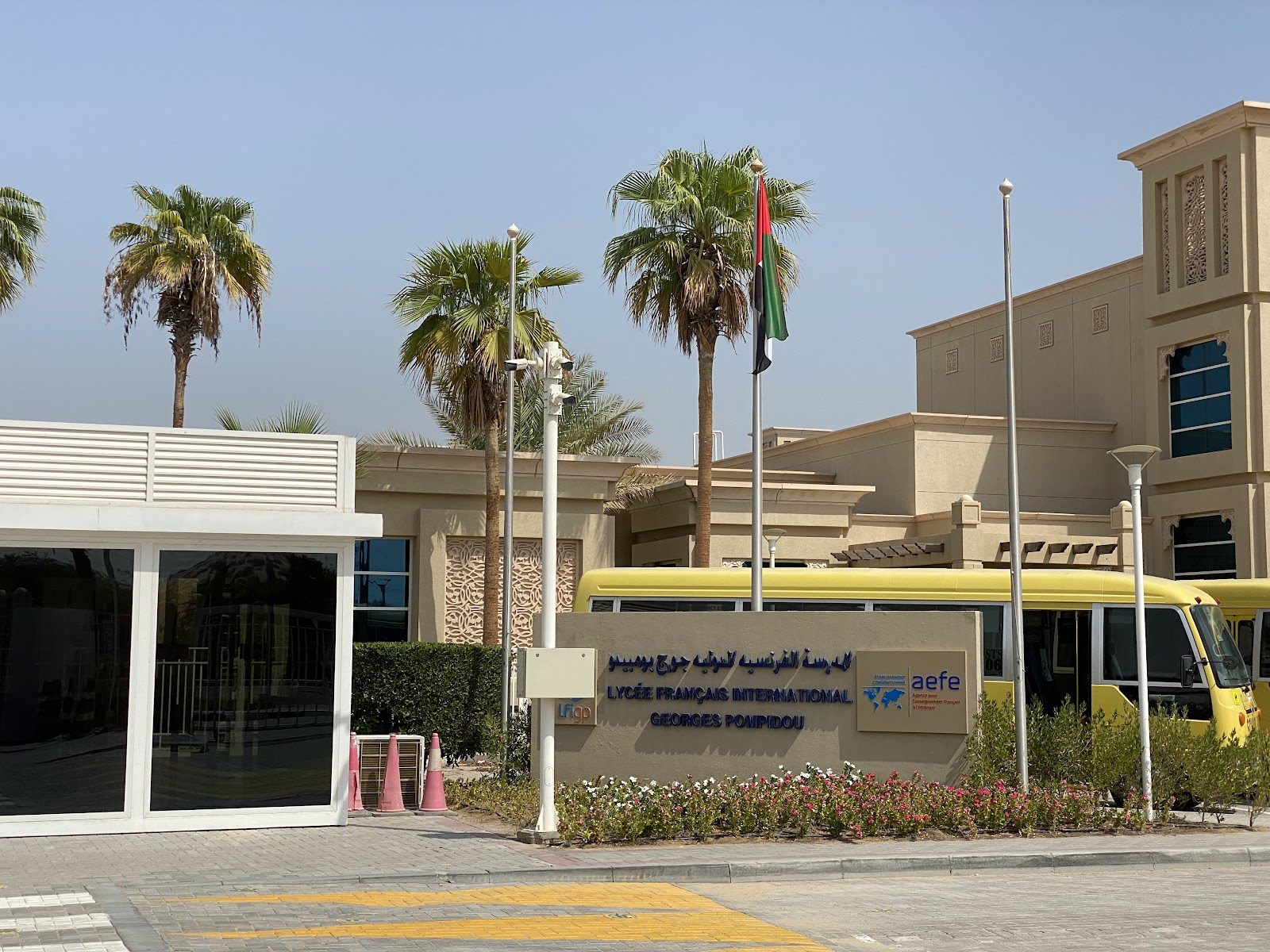
Lycee Francais International Georges Pompidou
Dubai · United Arab Emirates
Dubai's Very Good-rated French Baccalaureate school, delivering a bilingual French-English education for ages 3 to 18.
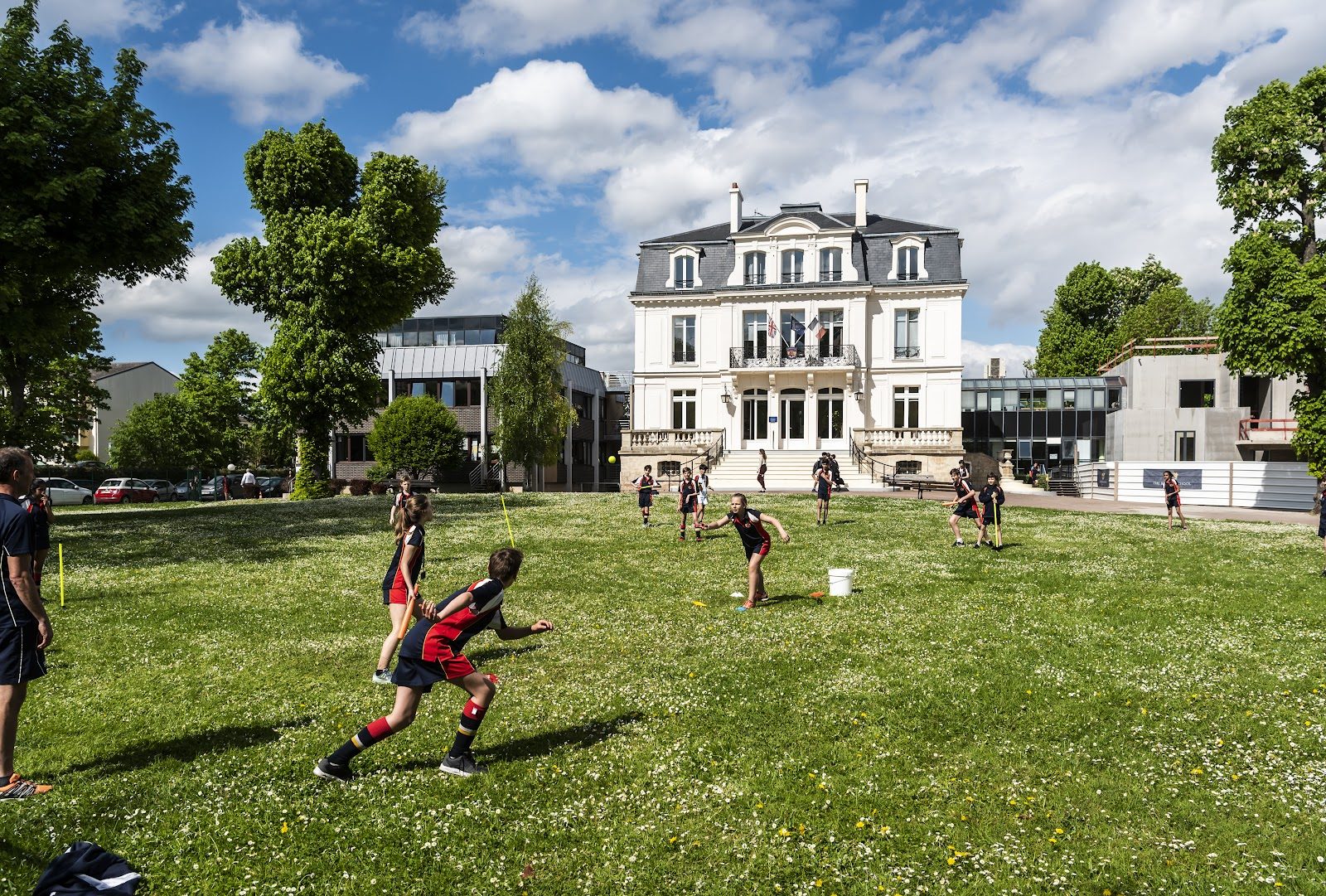
The British School of Paris
Paris · France
The only UK-government-accredited British School Overseas in France, pairing A-Levels and IB on the Seine west of Paris
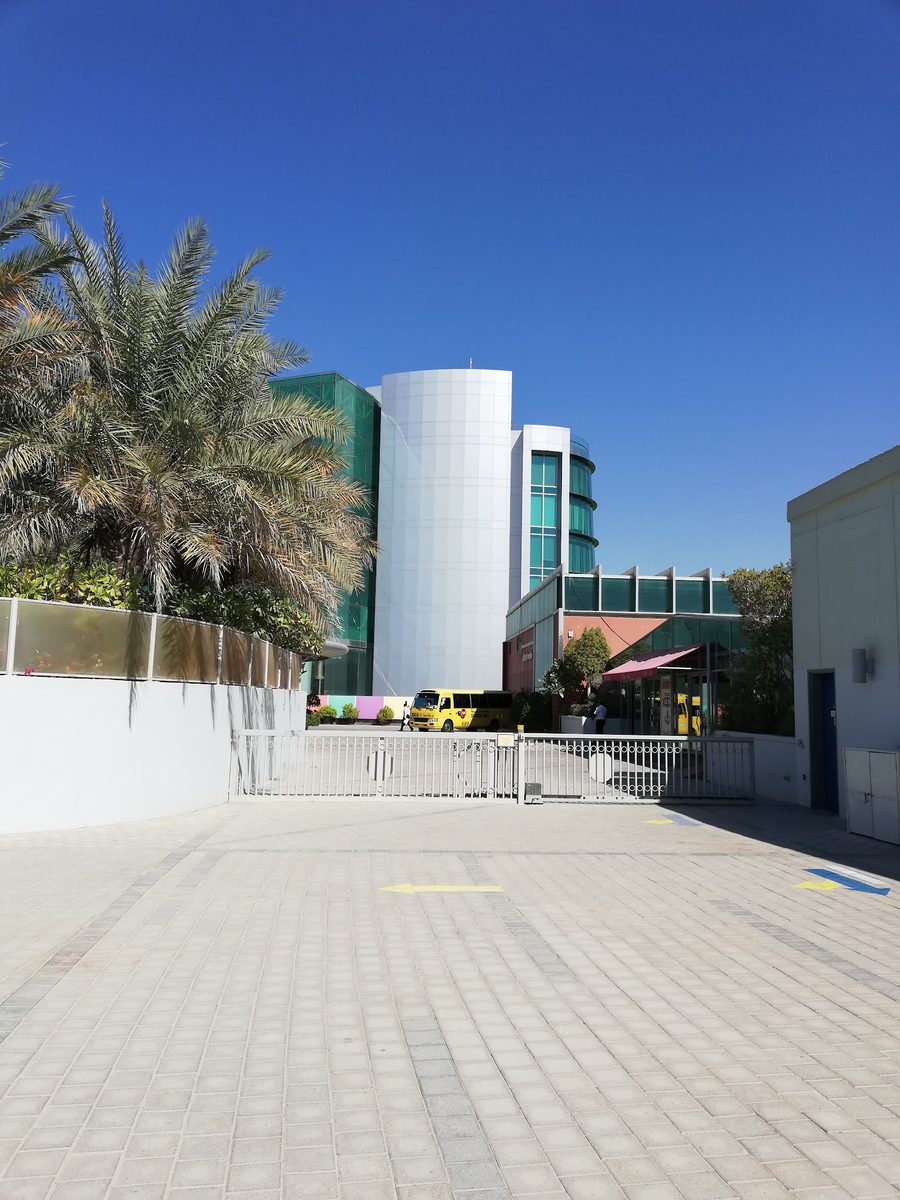
Bilingual French International School Dubai
Dubai · United Arab Emirates
Near Meydan's racecourse, four qualification pathways -- French Bac, IB, AP and Cambridge -- converge under one bilingual roof.
Lycée Libanais Francophone Privé
Dubai · United Arab Emirates
Rooted in Lebanese Francophone heritage, this trilingual lycee pairs rigorous French Baccalaureate study with a solar-powered Meydan campus.
Same country and curriculum — closest matches within ±10 points either way