
Eastern Province
American School Dhahran
Born in 1962 to educate US Consulate families, this day school in Aramco's hometown now offers both AP Capstone and full IB Diploma tracks.
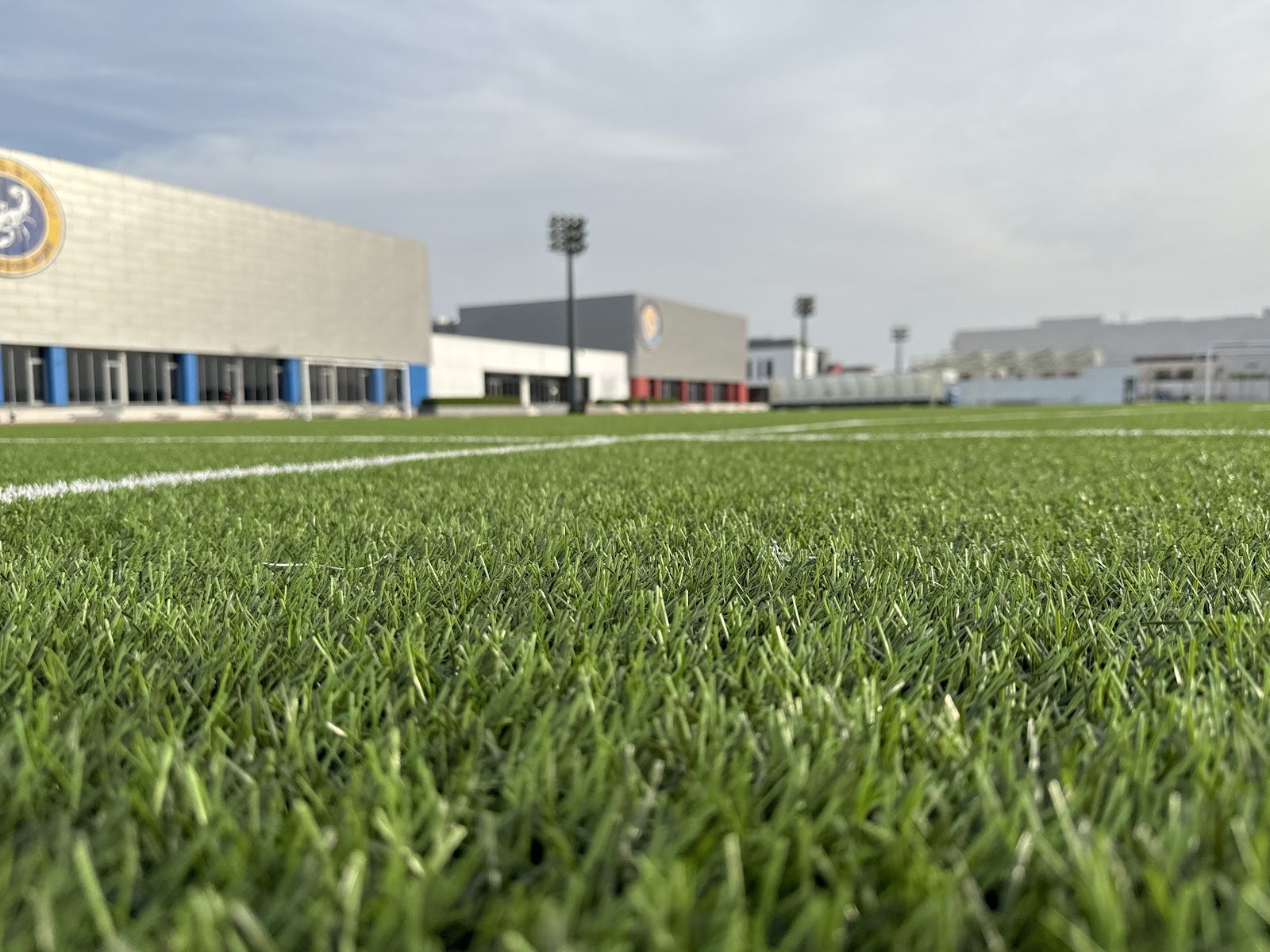
Photo © Hasan Ray via Google Maps
Type
Day
Ages
4–18
Curriculum
American
Qualifications
US High School Diploma
Ratio
—
The Verdict
Editor's commitment
Right for
Families in Dhahran wanting a non-religious English-medium day school for ages 4–18 with an American curriculum and IB Diploma plus AP Capstone.
Wrong for
Anyone wanting boarding, a faith-based education, or a British pathway; this is a day school in Dhahran serving K-12 in English.
Watch out for
The school’s history is untidy: founded in 1946 in this listing, but 1962 in public sources, with the current American School Dhahran name only since 2021.
Ranking breakdown
American School Dhahran · #1345 of 1591
Composite score 53.8. 8 weighted criteria.
By criterion
Academic Outcomes
Weight 20%
#1157
of 1529 scored
University Placement
Weight 16%
#1259
of 1529 scored
Prestige & Heritage
Weight 12%
#1396
of 1571 scored
Alumni Network
Weight 12%
#1191
of 1530 scored
Facilities
Weight 12%
#569
of 1533 scored
Transparency & Communications
Weight 8%
#1497
of 1532 scored
Peer & Industry Review
Weight 10%
#1495
of 1548 scored
Admissions Selectivity & Demand
Weight 8%
#1326
of 1529 scored
Peer & Industry Review
How American School Dhahran is regarded in the sector
50
Credible · medium confidence
American School Dhahran sits within the small circle of Saudi Aramco-affiliated and American-curriculum schools in the Eastern Province, alongside sister institutions such as the American International School of Riyadh and American International School of Jeddah, and is generally referenced there as a solid, well-resourced company school rather than a globally ranked competitor. It holds Middle States Association accreditation, which is the main external benchmark cited in regional comparisons rather than any UK-style league table. Independent education outlets such as Good Schools Guide International and WhichSchoolAdvisor do not carry a dedicated profile of the school, reflecting its niche status as an employer-run institution serving Aramco expatriate families rather than a fee-paying international market. Coverage instead appears mainly in Aramco corporate communications and US State Department overseas-schools listings, which note its US-diploma track and college placement support. Graduates are reported to matriculate into US state and mid-tier private universities, but no verifiable admissions-officer commentary or national press ranking could be confirmed. Overall regard is best described as solid and locally respected, with limited visibility in the wider international-schools commentary ecosystem.
Editors' overview
American School Dhahran sits in a narrow but valuable niche: an English-medium American day school in Saudi Arabia with a full K–12 span and two serious senior pathways, AP Capstone and the IB Diploma. That combination matters. Many schools force families into an early choice between an American transcript and an IB-style sixth form. ASD keeps both on the table. Its history also gives it shape. The school traces its roots to 1962, when it was established for US Consulate families in Dhahran; the current school took its present form in 2021 through the merger of ISG’s Dhahran Elementary Middle School and Dhahran High School. Parents who want continuity without drift from early years to graduation will put that straight onto the shortlist.
What distinguishes ASD is not romance or scale; it is function. This is a non-profit, coeducational, non-religious school in a market where those points carry weight. The American curriculum gives it a clear academic identity, while the AP Capstone and full IB Diploma tracks widen the exit routes for university-bound students. That dual-track sixth form is the strongest part of the proposition: it suits families who want academic optionality rather than a single orthodoxy. The day-only model also tells you what it is not. This is not a boarding school selling a self-contained world. It is a school for families living in the Eastern Province who want a stable, English-speaking school life with recognised international pathways.
The right student for ASD is academically purposeful, internationally mobile, and comfortable in a mixed expatriate environment. Students who thrive here will value structure, broad subject choice and a route to selective universities through either AP or IB. It will also suit children who benefit from institutional steadiness over flash: families relocating for work, families who want one school from age 4–18, and teenagers who do not want their options narrowed too early. Parents looking for a polished prestige brand or a school built around elite sporting theatre may find stronger fits elsewhere. Parents who want a clear curriculum, a full-school age range, and serious upper-school pathways will find ASD easy to justify.
Academic Performance
ASD’s academic proposition is stronger than its public results reporting. The school offers two external routes in the senior years, which gives students real choice, but the decisive question is execution: average scores, pass rates, subject distributions, and university destinations. On that front, the picture is frustratingly opaque. We have not seen aggregate IB Diploma results, AP score profiles, or multi-year outcome data in the public domain. That matters. In a market where ambitious families compare schools on hard sixth-form outcomes, non-disclosure weakens confidence. A school asking parents to trust its upper-school pathways needs to publish the numbers.
Relative to peers, ASD sits in the credible but unproven bracket on academic performance. The dual-track model is a serious offer and gives it more range than many American schools in the region, but range is not the same as demonstrated strength. Schools with published IB averages, AP pass rates, and named university destinations make an easier case to parents of able teenagers. ASD does not. That does not make the school weak; it makes it hard to verify. For families in the Eastern Province who value continuity and optionality, that may suffice. For families choosing primarily on external examination outcomes, the lack of published data is a clear handicap and keeps ASD out of the top tier of academically transparent competitors.
Facilities
ASD’s facilities profile is hard to judge because the school does not publish a clear, detailed campus case. That absence matters more here than it does at schools with an obvious specialist identity. Parents can infer the essentials of a full all-through operation: standard classrooms across the age range, science provision for secondary years, sports areas, library space, and rooms for music and art. Beyond that, the picture turns thin, and serious families notice. Peer schools competing for internationally mobile professionals now publish floorplans, specialist lab details, theatre and studio capacity, pool access, and photographs that show how teaching spaces are actually used. ASD does not make that comparison easy. The result is a facilities story that feels serviceable rather than persuasive.
Against regional peers, that places ASD in the competent but indistinct category on campus provision. The school’s strongest selling point lies elsewhere: continuity across the age range and credible senior pathways, not an arms race in architecture. For some families, that is enough. For others, especially those comparing premium schools with standout sports complexes, design labs, black-box theatres or competition-level aquatics, ASD gives too little evidence. A school serving ages 4–18 and asking parents to commit for the long term needs to show more of the physical environment. Until it does, the facilities case remains underpowered and trails peers that document their campuses with far greater confidence.
The broad outline points to a school that handles the essentials and keeps families informed, without turning communication into a distinctive strength
Prestige
ASD carries practical prestige, not glamour. In the Gulf’s international-school hierarchy, that places it in the respectable middle: a school families choose for continuity, stability and a serious route to university, not for old-money cachet or social signalling. Its connection to the International Schools Group helps. So does its long service to expatriate and internationally mobile families in the Eastern Province. That heritage gives the school institutional weight and a settled place in the local market. The merged all-through structure also matters: parents read a K-12 school as a more durable proposition than a stand-alone primary or high school. Prestige here rests on trust built over time, not on exclusivity, architectural theatre or a global luxury brand.
That is also where the ceiling sits. ASD does not command the rarefied prestige of the best-known Anglo-American names in the region, because the public case is incomplete. Top-tier prestige in this market rests on visible academic outcomes, selective university destinations, and a reputation that travels beyond its immediate catchment. ASD’s sixth-form offering is ambitious, but the school does not publish the kind of headline attainment data that turns respect into hard prestige. The result is a school with solid professional credibility among informed local families, but limited magnetism for status-driven parents building a shortlist from afar. In plain terms: well regarded, established and credible, but not a prestige heavyweight.
Its uniqueness is more quietly strategic: continuity, flexibility and institutional memory
Communications
Parent communication reads as functional rather than polished. The school sits inside a larger group structure, and that usually brings standardised channels, calendar discipline and routine notices that reach families on time. The merger that created the current all-through school also raises the bar: a school spanning the full age range needs clean handovers between sections, consistent messaging from leadership, and clear explanation when policies differ for younger children and teenagers. ASD does not publish enough public-facing evidence to rank among the best communicators in the market, but neither does it give the impression of administrative fog. The broad outline points to a school that handles the essentials and keeps families informed, without turning communication into a distinctive strength.
The weakness is depth and visibility. Strong school communication is not just announcements; it is clarity about who leads what, how decisions are made, how parents escalate concerns, and how the school reports on academic life beyond generic reassurance. Here, ASD’s public communication feels thin and under-explained. We have not seen the kind of richly detailed parent information architecture that marks out schools with high-trust relationships: expansive handbooks, transparent performance reporting, or a sharp sense of how the parent-school compact works in practice across K–12. That does not signal dysfunction. It signals a school that communicates competently, but without the openness or detail that turns routine messaging into confidence.
Uniqueness
ASD’s distinctiveness lies in its shape, not in spectacle. Few schools in its market combine an all-through American education with two different senior exit routes under one roof. That matters because it delays academic foreclosure. A child can grow through the same institution from the early years to graduation, then choose between a research-heavy pathway and a broader diploma route without changing schools at the point when stability matters most. For mobile families, that is a genuinely useful advantage. It cuts the disruption that comes with moving campuses, rebuilding friendships and relearning school systems in the final stretch to university. The school’s present form, created through a merger in 2021, also gives it an unusual internal continuity across ages 4–18.
Its origin story adds another layer. This school did not start as a prestige project or a luxury import; it was built to serve an expatriate community with a clear practical need. That heritage still shapes the offer. ASD reads as functional, steady and adult-run, with less fluff than schools built around image. Students benefit from that in tangible ways: a more settled peer culture, a school identity rooted in service rather than theatre, and a sixth-form structure that leaves room for serious reconsideration as interests sharpen. The trade-off is plain. Families seeking flashy exclusivity or a campus-led wow factor will not find the school unusual for those reasons. Its uniqueness is more quietly strategic: continuity, flexibility and institutional memory.
American School Dhahran sits in a narrow but valuable niche: an English-medium American day school in Saudi Arabia with a full K–12 span and two serious senior pathways, AP Capstone and the IB Diploma
Student Profile
The social fit is clear. ASD suits children from internationally mobile, professional families who are comfortable with turnover in the student body and do not need a school built around deep local tradition or social theatre. The best fit is a student who settles quickly, works steadily and can navigate a mixed peer group without much fuss. This is a school for children who value order over glamour and for teenagers who want serious options at the top end without changing schools midway through adolescence. Students who need a highly rarefied, status-conscious environment will find the atmosphere too plain-spoken; students who prefer a broad expatriate mix and a school with workmanlike priorities will fit well.
Temperament matters as much as attainment. ASD will suit self-directed pupils who can handle academic choice in the later years and who respond well to adults who expect independence rather than hand-holding. It also works for younger children whose families want one institution across the full 4–18 span, with fewer educational resets along the way. The least suitable students are those who need a campus with a strong performance culture in sport or the arts to define their identity, or those whose parents want heavy public proof of elite outcomes before committing. The strongest match is a family that prizes continuity, flexibility and steadiness more than flash or bragging rights.
Many schools force families into an early choice between an American transcript and an IB-style sixth form
Co-curricular strengths
Arts & sport, on a separate axis
Overall 8.3/10
Scored 0-10 from the school's own published evidence. This axis is editorial-only — it does not feed the main WTS ranking.
Sports
9/10
Drama
8/10
Dance
7.5/10
Music
8.5/10
Visual Arts
8.5/10
Strengths
- +Follows an American curriculum, easing transition for US-bound or American-curriculum families relocating within the expatriate circuit.
- +Located in Dhahran, historically linked to the Saudi Aramco compound community, offering a stable, close-knit expatriate environment.
- +Serves a broad age range from early years through to Grade 12, reducing the need for families to change schools as children progress.
- +Day-school structure keeps students within the local community rather than requiring boarding, suiting families wanting children at home each evening.
- +American curriculum schools in this region typically pursue US-recognised accreditation (e.g., Cognia), giving a familiar quality benchmark for transferring families.
Considerations
- −Admission and enrolment priority in Aramco-linked schools is often skewed toward employees of the sponsoring organisation, which can limit places for unaffiliated expatriate families.
- −Being embedded within a specific city and expatriate compound culture may narrow social and extracurricular exposure compared with larger international hubs like Riyadh or Jeddah.
- −Public information on fees, exact class sizes, and outcomes is limited, making it harder for prospective families to benchmark against other American-curriculum schools in the Gulf.
- −As a lower-profile 'rising star' institution, it lacks the long track record and alumni network of more established American schools in Saudi Arabia.
Availability
Primary entry gate & tests
School records + recommendations; standardized results / questionnaire may be requested
Gallery
Photo © Louis Lee Bastareche via Google Maps
Photo © Louis Lee Bastareche via Google Maps
Photo © دهيمان بن جمعه آل زريق النهدي via Google Maps
Photo © دهيمان بن جمعه آل زريق النهدي via Google Maps
Photo © Aziz Abdur Rakib via Google Maps
Photo © Louis Lee Bastareche via Google Maps
Photo © Louis Lee Bastareche via Google Maps
Parent reviews
Have you sent your child here?
Voice reviews carry the strongest trust badge — we transcribe them for you to tidy up before they go live. Prefer to type? A written review is fine too.
Add your voice
In 60 seconds, tell other parents: what's the best thing about American School Dhahran, and what surprised you when your child joined?
We ask for a Google sign-in so every review has a real face behind it — no anonymous drive-by attacks on schools, and no faked positive reviews. Your email is never shown publicly.
Send this profile to a friend
International parents rely on word-of-mouth. Share this review with someone weighing the same decision.
Schools with places
Similar schools to American School Dhahran with places available now.
Manarat Al Riyadh Schools
Riyadh · Saudi Arabia
- 2026-27
- WAITPOOLSpace-dependent
- 2027-28
- PLACES OPENRolling
Kingdom Schools
Riyadh · Saudi Arabia
- 2026-27
- WAITPOOLSpace-dependent
- 2027-28
- PLACES OPENRolling
American International School – Riyadh
Riyadh · Saudi Arabia
- 2026-27
- PLACES OPENApps active / space-dependent
- 2027-28
- PLACES OPENApps active / space-dependent
Availability first, then country, area, curriculum, price, co-curricular
Consider also
Also worth looking at alongside American School Dhahran.
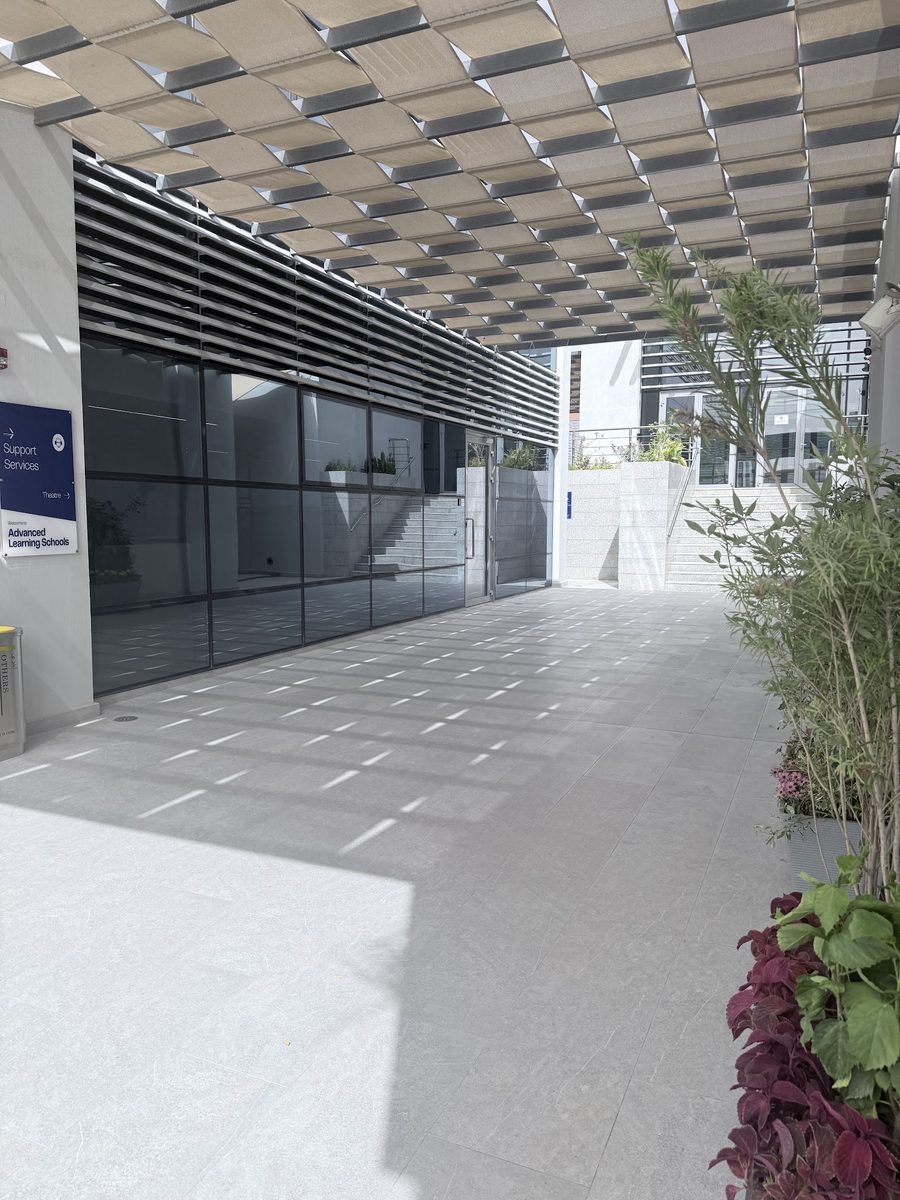
Advanced Learning Schools
Riyadh · Saudi Arabia
In central Riyadh, a full IB continuum meets American college prep for a student body that is majority Al Saud.
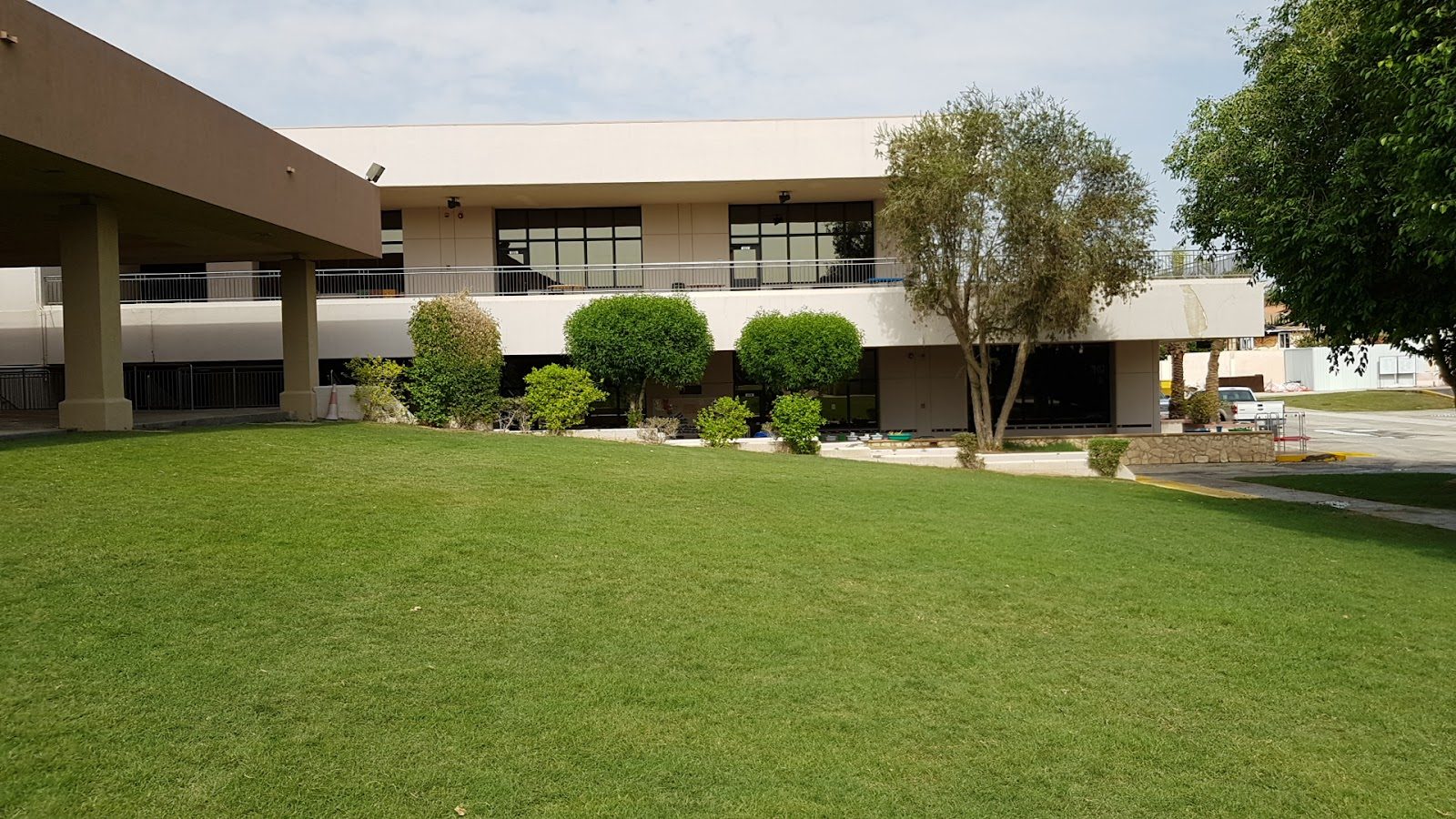
Dhahran Academy
Dhahran · Saudi Arabia
Founded in 1962 for US Consulate families, this Eastern Province campus now pairs AP Capstone rigor with a full IB Diploma pathway.
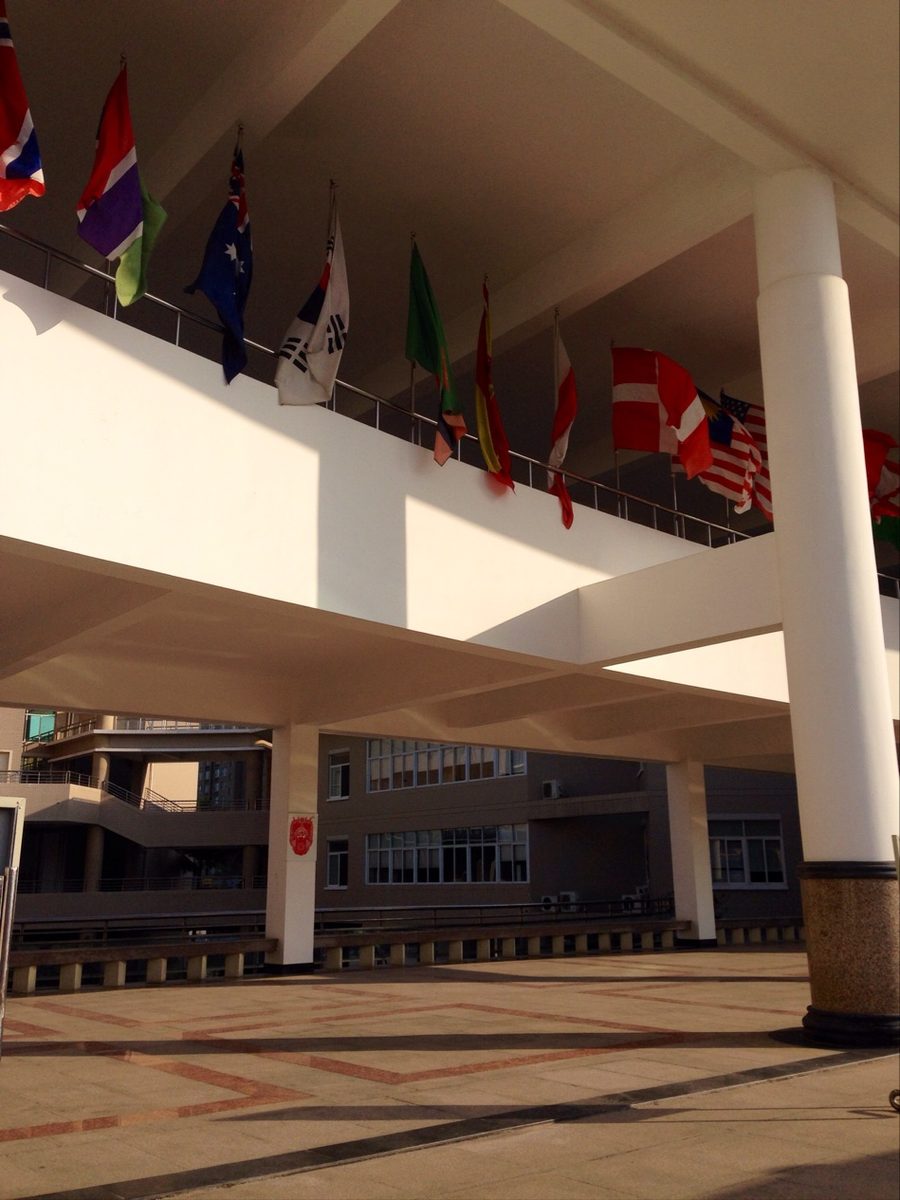
Xiamen International School
Xiamen · China
Grown from Xiamen's 1990s Kodak-era boom, this Fujian pioneer graduates seniors with bilingual IB diplomas at nearly triple the global rate.
American International School of Lusaka
Lusaka · Zambia
One of a handful of African schools authorized for the full IB continuum, PYP to DP, on a 25-acre Lusaka campus with U.S.-embassy roots.
Same country and curriculum — closest matches within ±10 points either way