
Ontario
Etobicoke School of the Arts
Canada's oldest freestanding arts high school pairs audition-only majors in dance, film and music with a full OSSD academic load.
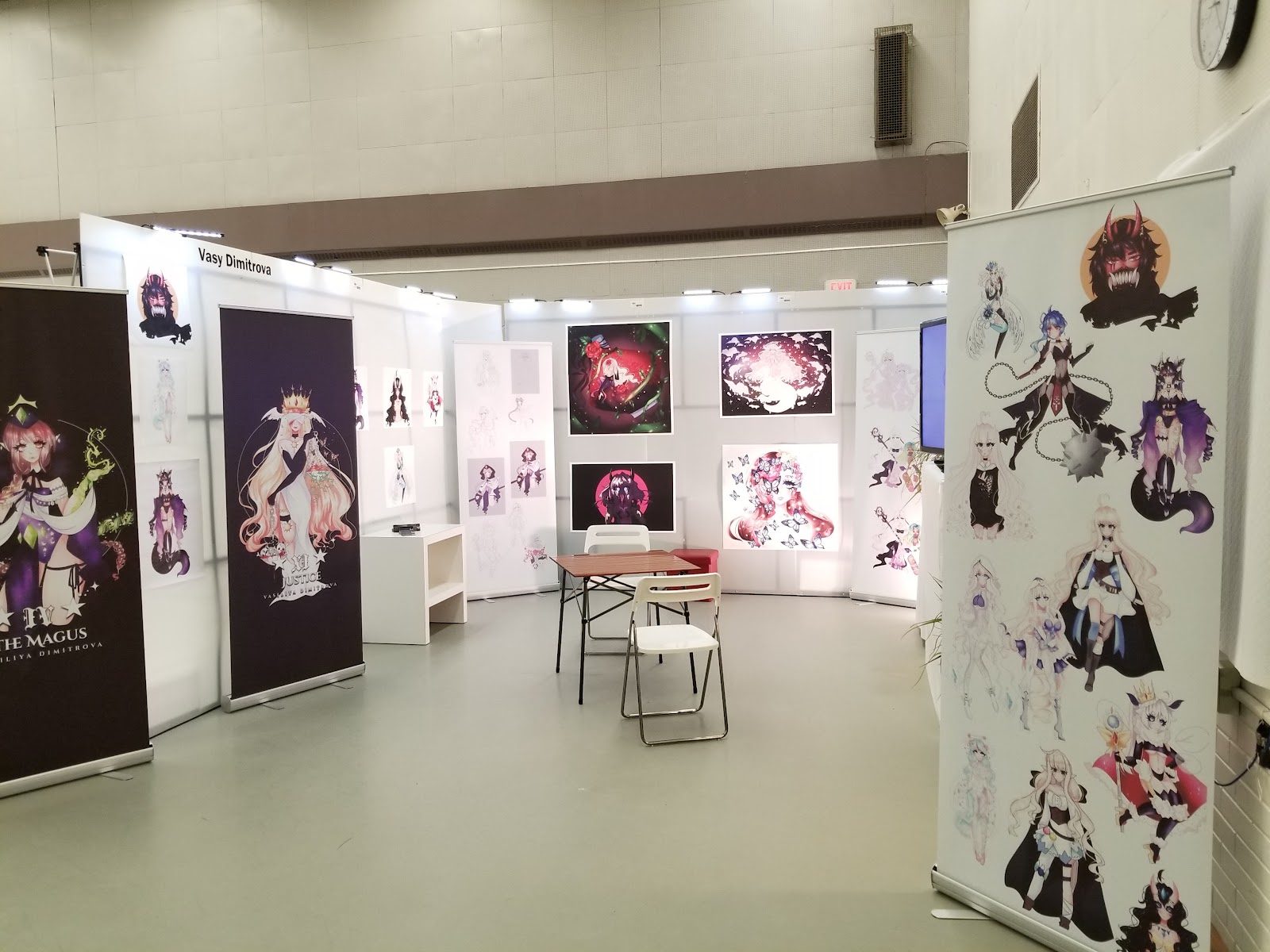
Photo © Tina Dimitrova via Google Maps
Type
Day
Ages
14–18
Curriculum
Ontario Secondary School Diploma (OSSD)
Ratio
—
The Verdict
Editor's commitment
Right for
Teen artists, 14–18, who want audition-only intensity inside a full OSSD at Canada’s oldest freestanding arts high school, founded 1981.
Wrong for
Families wanting boarding, religion, or a conventional Toronto secondary: this is a secular day school in Etobicoke, with arts at the centre.
Watch out for
Public and specialised cuts both ways: ESA shares Toronto state-school constraints, and the school does not publish headline academic outcomes beyond the OSSD.
Ranking breakdown
Etobicoke School of the Arts · #1105 of 1591
Composite score 60.7. 8 weighted criteria.
By criterion
Academic Outcomes
Weight 20%
#1085
of 1529 scored
University Placement
Weight 16%
#1164
of 1529 scored
Prestige & Heritage
Weight 12%
#912
of 1571 scored
Alumni Network
Weight 12%
#900
of 1530 scored
Facilities
Weight 12%
#857
of 1533 scored
Transparency & Communications
Weight 8%
#938
of 1532 scored
Peer & Industry Review
Weight 10%
#1319
of 1548 scored
Admissions Selectivity & Demand
Weight 8%
#888
of 1529 scored
Peer & Industry Review
How Etobicoke School of the Arts is regarded in the sector
62
Respected · medium confidence
The film major benefits from proximity to Toronto's booming production ecosystem (Pinewood Toronto, Cinespace) and industry mentor visits, earning respect among Canadian film/TV professionals as a credible feeder, though it is less cited internationally than dedicated conservatories.
Award

Elite Film 50
World's Top School · The Global Ranking
Etobicoke School of the Arts is featured on our Global Top 50 ranking at #20. This seal is available for the school's marketing team to use on their website, prospectus and social channels.
Award
Elite Drama 50
World's Top School · The Global Ranking
Etobicoke School of the Arts is featured on our Global Top 50 ranking at #45. This seal is available for the school's marketing team to use on their website, prospectus and social channels.
Award
Elite Visual & Fine Arts 76
World's Top School · The Global Ranking
Etobicoke School of the Arts is featured on our Global Top 76 ranking at #57. This seal is available for the school's marketing team to use on their website, prospectus and social channels.
- Alessia Cara — Singer-songwriter, Music
- Sarah Gadon — Actress, Film/Television
- Devery Jacobs — Actress/Director, Film/Television
Editors' overview
Etobicoke School of the Arts occupies a rare niche in Canada’s school landscape. Founded in 1981 and housed since 1983 in the former Royal York Collegiate Institute, it is Canada’s oldest freestanding arts high school. That matters. ESA is not a general secondary school with a strong drama department bolted on; the arts sit at the centre of the institution. Students pursue an Ontario Secondary School Diploma alongside specialist arts training, and the school’s age range of 14–18 places it squarely in the years when serious young performers, musicians and makers need both discipline and time. The draw is clear: serious artistic training inside the public system, without giving up a full academic programme.
What puts ESA on a shortlist is the combination of focus and structure. The school serves students who do not want arts enrichment after hours, but an education organised around it. For families weighing specialist schools, that distinction is decisive. ESA’s appeal lies in intensity: an arts-first timetable, a clear sense of purpose, and a peer group built around commitment rather than casual interest. It is a day school, secular, and teaches in English. There is no boarding offer and no claim here of broad, all-things-to-all-students provision. ESA is for students ready to commit early to an arts pathway while still completing the OSSD.
That clarity also defines the school’s limits. ESA will not suit teenagers who want a conventional comprehensive experience, a broad co-curricular menu detached from the arts, or the flexibility to drift between priorities. A specialist school asks for a specialist mindset. The right student for ESA is talented, audition-ready, and comfortable in an environment where artistic standards matter. They need stamina for the dual demand of academic study and sustained practice. For a young person who thrives on creative pressure, wants daily immersion in the arts, and values a focused, ambitious peer culture, ESA earns its place on the shortlist.
A Global Elite 50 Film school
Etobicoke School of the Arts, in Toronto, Ontario, sits at rank twenty on the Global Elite 50 Film because it runs one of the earliest dedicated screen-production majors inside Canadian public education, and its graduating filmmakers' work is showcased annually inside TIFF Bell Lightbox, the home of the Toronto International Film Festival. Every year, ESA Film has showcased the work of its graduating filmmakers at Toronto's Tiff Bell Lightbox. That is a genuinely rare pipeline for a public day school, and it anchors the ranking on production output rather than reputation alone.
The specialism is built around a four-year Film major, which was initiated in 2008-09, with ESA marking the graduation of its first class of film majors by 2012. Coursework runs from ATP 1OP - Film Technology and Skills, combining an in-depth analysis of basic filming and editing techniques with an introduction to alternative and experimental modes, through to advanced production and university-preparation levels. The program provides practical training in screenwriting, directing, cinematography, and editing, utilizing industry-standard tools like Adobe Premiere Pro and the Adobe Creative Suite. Students get annual trips to world class film festivals, the opportunity to work with guest artists from the professional film community, and the department has hosted figures including Nancy Beiman, Peter Raymont, Laurent Cantet and most recently Daniel Roher. Industry ties run deep: Shaftesbury donates to the ESA Film program and presents the Shaftesbury Student Filmmaker Awards each year at the school's Film Week.
ESA's screen-facing alumni are strongest on the acting side and predate the formal Film major, which is worth stating plainly: Devon Bostick (Diary of a Wimpy Kid film series, The 100, Saw VI), Nicola Correia-Damude (The Border, 24), Robin Dunne (Sanctuary), Brittany Allen (All My Children) and Ella Ballentine (Standoff, Anne of Green Gables) are all verifiable graduates. Keanu Reeves attended Etobicoke School of the Arts, from which he was later expelled, decades before the Film program existed. We could not verify a named cohort of Film-major graduates who have since matriculated into USC, NYU Tisch or AFI.
International openness is limited and should be understood honestly. ESA is day-only, with no boarding, and admission priority is given to students who reside in the City of Toronto, so overseas families must plan a Toronto residence or homestay before applying. All primary and secondary schools in Canada are Designated Learning Institutions, so a study permit is procedurally available, and general estimates put TDSB international day tuition around C$16,000 a year plus mandatory health insurance and ancillary fees. Audition portfolios are submitted through the TDSB portal each December for September entry, so overseas applicants should begin residency and audition preparation at least a full year ahead.
An Elite Visual & Fine Arts 76 school
Etobicoke School of the Arts, in the Etobicoke district of Toronto, Ontario, sits at rank fifty-seven on the Elite Visual & Fine Arts 76 because it is Canada's original standalone arts high school, and its Contemporary Art department has built a reputation strong enough that the school promotes itself as having taken 53.4 percent of a national body's regional Scholastic Art Awards in a single recent year. Founded in 1981, ESA holds "the distinction of being the oldest, free standing, arts-focused high school in Canada," and roughly 80 percent of its graduates go on to post-secondary study, many into visual arts.
The specialism runs through ESA Contemporary Art (ESACA) and ESA Contemporary Photography, entered by portfolio and audition rather than academic transcript alone; current applicants submit a six-slide portfolio slideshow alongside the standard ESA audition essay and interview. Admission is genuinely competitive, with outside guides citing an acceptance rate under 20 percent across ESA's programs. Students work alongside professional visiting artists in dedicated studio space, and the department has produced public murals for sites including Toronto City Hall and Woodbine Race Track, giving pupils real commissioned-work experience before graduation. The school has also navigated recent admissions controversy directly: after a 2022 equity-lottery policy for specialized programs drew criticism over cohort skill mismatches, the TDSB voted in October 2025 to revert to merit-based, portfolio-driven selection.
Notable visual-arts alumni include Elicser Elliott, a muralist who has exhibited at the Art Gallery of Ontario and the Royal Ontario Museum; Scott Treleaven, artist and filmmaker; Kara Stone, video game designer and artist; and Syrus Marcus Ware, artist, activist, scholar and co-founder of Black Lives Matter Canada.
International openness is limited by structure, not policy: ESA is a TDSB day school with no on-campus boarding, so overseas families must arrange homestay or guardianship separately through the board's Toronto International Student Programs, which issues study permits, bundles mandatory Ontario health insurance into tuition, and charges a non-refundable CAD $500 administration fee. Instruction is English-only with no dedicated ESL stream, so strong English proficiency is essential before auditioning. Fees sit within TDSB's published international fee schedule and should be confirmed directly for the current year. Families should begin portfolio preparation 12-18 months ahead of the December audition deadline, and secure homestay and study-permit paperwork well in advance of a September start.
Academic Performance
ESA’s academic-performance picture is opaque. The school does not publish aggregate OSSD outcomes, grade distributions, university-placement rates, or any comparable external exam data in the public domain. That makes a clean comparison with Ontario’s strongest selective or specialist schools impossible. Parents can infer one thing with confidence: a specialist arts timetable imposes a dual burden. Students carry a full secondary academic load while sustaining auditions, rehearsals, performances and portfolio work. That structure filters for stamina and commitment. It does not, on its own, prove top-tier academic outcomes.
Relative to peers, ESA sits in a category where headline exam tables tell only part of the story. Its closest comparators are other arts-specialist public schools, not conventional academic hothouses built around published test metrics. In that group, the key question is not whether students face pressure; they do. The key question is how well the school converts that pressure into measurable academic results, and ESA leaves that question unanswered in public. For families who want hard proof of academic strength, that is a material gap. For families who judge success through conservatoire admissions, arts progression and the quality of student work, exam statistics will carry less weight. ESA’s academic reputation rests more on selectivity and workload than on disclosed results.
Facilities
For an arts specialist, the key facility question is simple: does the building support serious daily practice across multiple disciplines, or does it force students to improvise around an ordinary secondary-school plant? ESA has one clear advantage over arts programmes tucked inside comprehensive schools: it occupies a standalone site long dedicated to secondary education, which gives it more room to stage an arts-first day than schools borrowing the odd drama room after lessons. That matters for dance, music and film, where timetabling, sound, storage and rehearsal space shape the quality of training. What is missing is hard public detail. The school does not publish a useful facilities inventory, no floor-by-floor account of studios, performance venues, technical suites or specialist equipment, and no photographic evidence that would let parents judge condition or scale. For a school selling serious artistic immersion, that lack of disclosure is a weakness.
Against peer schools, ESA’s facilities profile reads as function before glamour. Families should not expect the polished capital-project language or showcase arts centres common in expensive private schools. The benchmark here is other public arts high schools, where dedicated specialist space matters more than architectural theatre. On that measure, a freestanding campus with room for separate arts activity already puts ESA ahead of many general public schools with strong arts departments but limited specialist infrastructure. Still, without published detail, ESA cannot claim a best-in-class plant. Parents need to ask direct questions about studio quality, acoustic treatment, editing resources, instrument practice access and performance space. In this category, opaque facilities are not a minor omission.
Etobicoke School of the Arts occupies a rare niche in Canada’s school landscape
Prestige
ESA carries real specialist prestige in a narrow field. It is not a status school in the traditional Canadian sense: families do not choose it for social cachet, manicured university brag sheets or an old-boy network. They choose it because admission to an audition-based public arts school is a mark of serious ability and early commitment. That distinction matters. Among young performers, musicians and filmmakers in Toronto, ESA has name recognition that extends beyond the normal catchment logic of a public high school. The school’s claim to be Canada’s oldest freestanding arts high school gives it institutional weight, and its long survival gives it cultural legitimacy in a sector where many arts programmes sit at the margins of larger schools.
That prestige has limits, and the limits are clear. ESA’s reputation rests on artistic selectivity and identity, not on published academic outcomes or elite-brand exclusivity. It carries more weight with conservatoire-minded families, arts teachers and students already pursuing disciplined training than with parents chasing conventional academic prestige. In blunt terms, this is earned prestige, not purchased prestige. The school is selective in the area that defines it, and that creates a peer group with high internal standards. For the right student, that matters more than polish. For families who equate prestige with exam data, private-school fees or global-brand recognition, ESA will read as specialist rather than grand.
Founded in 1981 and housed since 1983 in the former Royal York Collegiate Institute, it is Canada’s oldest freestanding arts high school
Communications
ESA’s parent communications read as those of a public specialist school: functional, centralised and short on polish. The public-facing site gives the basics, but not much more than that. For current and prospective parents, the problem is not absence so much as thinness. A school with audition-led entry, heavy rehearsal demands and a non-standard weekly rhythm needs crisp operational communication: calendar changes, performance schedules, assessment pinch points, arts-department expectations and practical guidance on balancing schoolwork with training. We have not seen a strong public archive of that kind of information. Nor does the school publish the sort of deep handbook-style parent guidance that would reduce friction for families new to this model. That leaves ESA more opaque than it should be.
Effectiveness, then, rests less on glossy presentation than on whether families get timely, usable information once enrolled. In a school where students juggle multiple deadlines and public-facing events, parent communication needs to be disciplined, predictable and detailed. The website does not prove that standard. It also does not project the highly managed communications culture common at expensive independents. Some families will accept that trade-off without complaint; others will find it frustratingly bare-bones. The school’s institutional clarity helps: parents already know this is a focused environment with specific demands. But clarity of mission is not a substitute for clarity of messaging, and ESA’s public communications do not yet match the complexity of the student experience.
Uniqueness
What sets ESA apart is not the existence of arts classes, but the organising principle of the school. In most secondary schools, the arts live at the edge of the timetable: a strong department, an annual production, a few committed teachers. Here, specialist arts training drives the day. That changes the peer group, the pace and the standard of work. Students do not spend their teenage years defending a serious artistic ambition inside a culture built for something else. They work among other teenagers who arrived for the same reason, and that concentration of intent is hard to replicate in a conventional school. As a public school with audition-based entry, ESA also occupies a rare democratic niche: intensive arts education without private-school fees.
For students, that uniqueness brings both gain and pressure. The gain is daily immersion in an environment where talent is not treated as an extracurricular hobby but as a discipline that needs repetition, critique and stamina. Young artists get time, structure and a peer audience that can sharpen standards fast. The pressure is just as real. A school built around artistic commitment leaves less room for drift, casual participation or identity-by-default. That makes ESA not for the half-committed. For the right student, though, the model is powerful: sustained training, early seriousness and a school culture that treats artistic work as central rather than decorative.
ESA is not a general secondary school with a strong drama department bolted on; the arts sit at the centre of the institution
Student Profile
The students who fit ESA are the ones already working like young specialists before the school day even starts. They have a discipline that survives repetition: scales, technique classes, editing, rehearsal, redrafting, critique. Raw enthusiasm will not carry a teenager far here. Nor will a vague love of “the arts”. This school suits adolescents with a clear artistic centre of gravity and the stamina to live with correction, comparison and public standards. A student who needs constant external motivation, wants to sample everything without choosing, or recoils from audition pressure will find the culture hard-edged.
Socially, the best fit is a teenager who wants peers with the same level of intent. ESA works for students who would rather spend time with committed dancers, musicians, filmmakers and performers than chase a broad mainstream high-school experience. That can be energising for the right child and claustrophobic for the wrong one. The academic age band — 14–18 — matters because these are the years when talent either sharpens into habit or falls back into hobby. Students who thrive here are self-directed, resilient under scrutiny and prepared to let their art shape their routine, friendships and identity. Families also need realism: this is not for the half-committed, and the students who flourish are the ones who already know that sustained practice is the price of serious work.
The draw is clear: serious artistic training inside the public system, without giving up a full academic programme
Co-curricular strengths
Arts & sport, on a separate axis
Overall 8.62/10
Scored 0-10 from the school's own published evidence. This axis is editorial-only — it does not feed the main WTS ranking.
Sports
4.5/10
Drama
9.6/10
Dance
9.7/10
Music
9.6/10
Visual Arts
9.7/10
Strengths
- +As a Toronto District School Board institution, ESA charges no tuition for Ontario resident day students under the publicly funded OSSD system.
- +Offers seven specialized arts majors, including Dance, Drama, Film, Broadcasting, Music, Visual Arts and Writing, alongside the full academic OSSD curriculum.
- +Admission is competitive and audition or portfolio based, drawing serious arts-focused applicants from across the Greater Toronto Area rather than a fixed catchment.
- +Central Toronto location gives students proximity to the city's professional film, theatre and broadcasting industries for auditions and mentorship opportunities.
- +Counts working actors and musicians among its alumni, including actress Nina Dobrev, reflecting a track record of graduates entering creative professions.
Considerations
- −As a day school with no residential option, ESA is not workable for relocating international families who require boarding.
- −Admission is effectively restricted to Ontario residents under standard TDSB rules; international applicants face separate, more complex fee and visa arrangements.
- −Facilities and enrichment budgets reflect public school funding levels rather than the resources typical of private specialist arts conservatories.
- −High demand relative to available places means class sizes and arts-specific facilities can be stretched despite the school's reputation.
Gallery
Photo © Bronwyn Gibson via Google Maps
Photo © Kalin Dimitrov via Google Maps
Photo © Patrick Asselin via Google Maps
Photo © Randy G via Google Maps
Photo © Daniel via Google Maps
Photo © Baher Morcos via Google Maps
Photo © tor tom via Google Maps
Parent reviews
Have you sent your child here?
Voice reviews carry the strongest trust badge — we transcribe them for you to tidy up before they go live. Prefer to type? A written review is fine too.
Add your voice
In 60 seconds, tell other parents: what's the best thing about Etobicoke School of the Arts, and what surprised you when your child joined?
We ask for a Google sign-in so every review has a real face behind it — no anonymous drive-by attacks on schools, and no faked positive reviews. Your email is never shown publicly.
Send this profile to a friend
International parents rely on word-of-mouth. Share this review with someone weighing the same decision.
Schools with places
Similar schools to Etobicoke School of the Arts with places available now.
Ashbury College
Ottawa · Canada
- 2026-27
- CLOSEDRegular cycle closed
- 2027-28
- PLACES OPENDay Dec / Boarding rolling
Havergal College
Toronto · Canada
- 2026-27
- CLOSEDRegular cycle closed
- 2027-28
- OPENS SOONOpens 1 Sept '26 (Day) / Boarding active
Branksome Hall
Toronto · Canada
- 2026-27
- CLOSEDRegular cycle closed
- 2027-28
- PLACES OPENDay 1 Dec / boarding rolling
The York School
Toronto · Canada
- 2026-27
- CLOSEDRegular cycle closed
- 2027-28
- PLACES OPENActive now
Availability first, then country, area, curriculum, price, co-curricular
Consider also
Also worth looking at alongside Etobicoke School of the Arts.
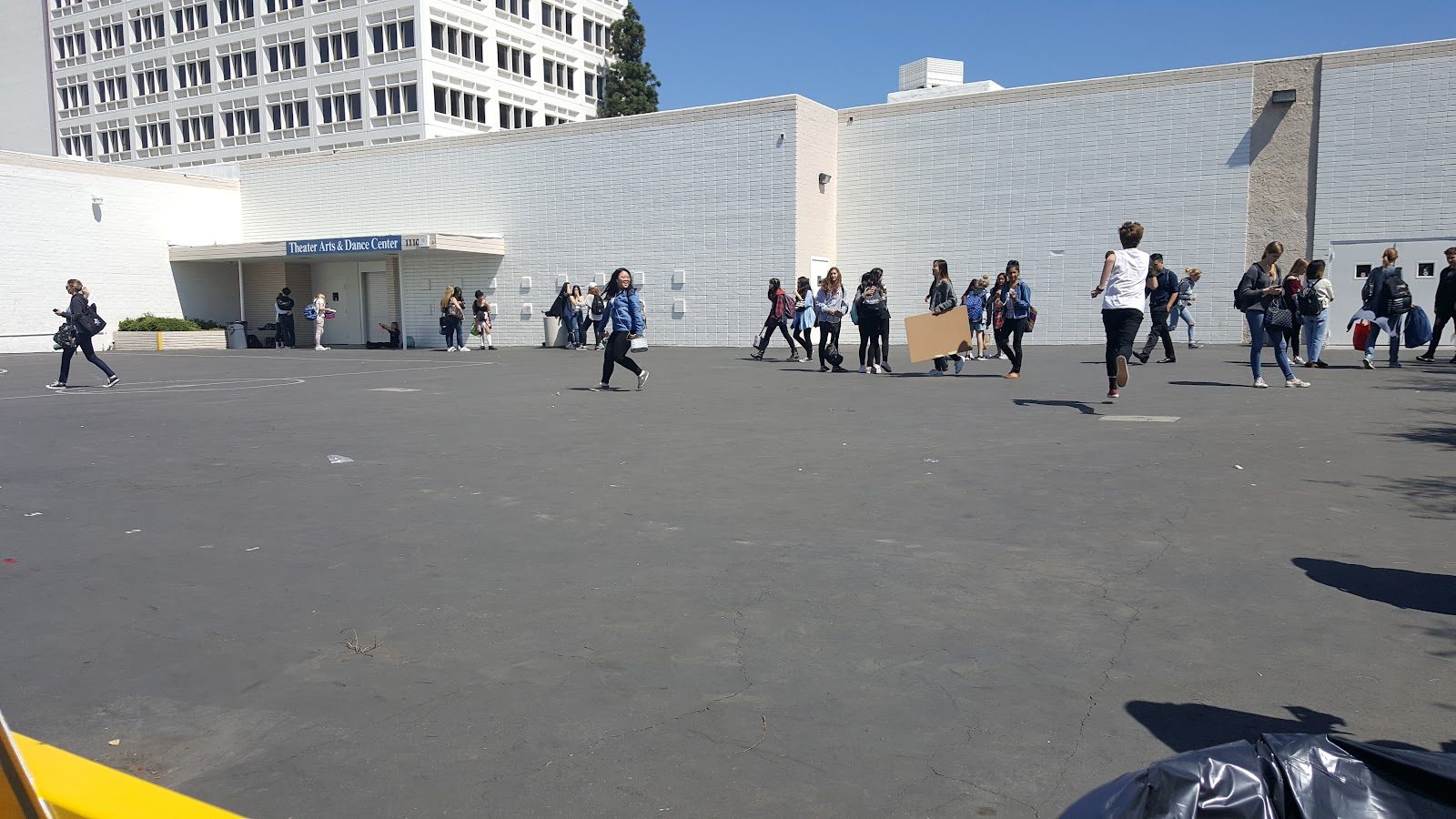
Orange County School of the Arts
Santa Ana, CA · United States
Seventeen conservatories and a half-day devoted to pre-professional training turn this Santa Ana charter school into a proving ground for young artists.
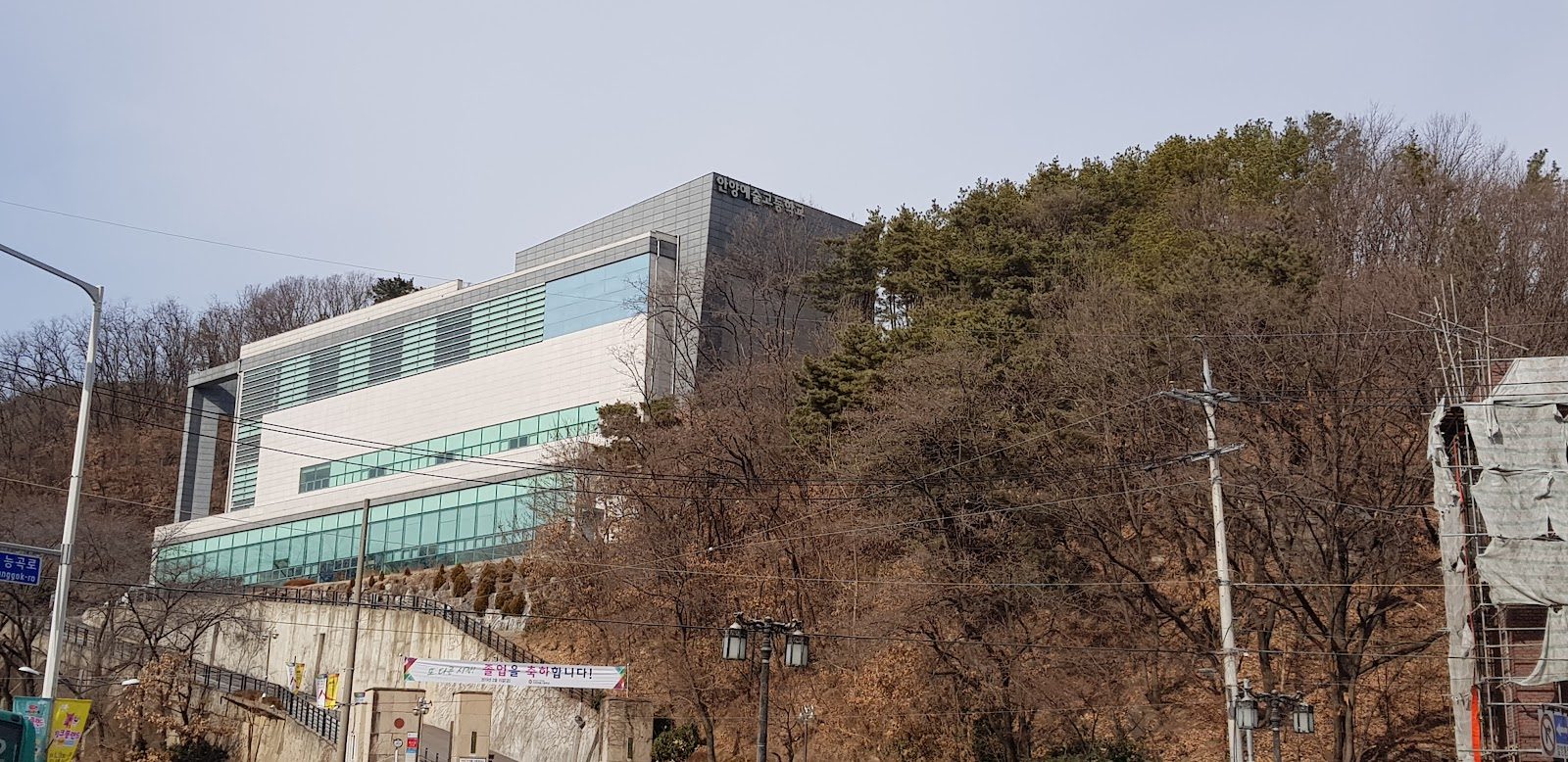
Anyang Arts High School
Anyang · South Korea
Tracing its roots to a 1960s film academy, this Anyang campus pairs literary, theater and dance training under one arts-focused roof.

G-Star School of the Arts
West Palm Beach, Florida · United States
A tuition-free arts charter where film students earned Raindance's top high-school-for-film honor in London, backed by IB and Cambridge AICE rigor.
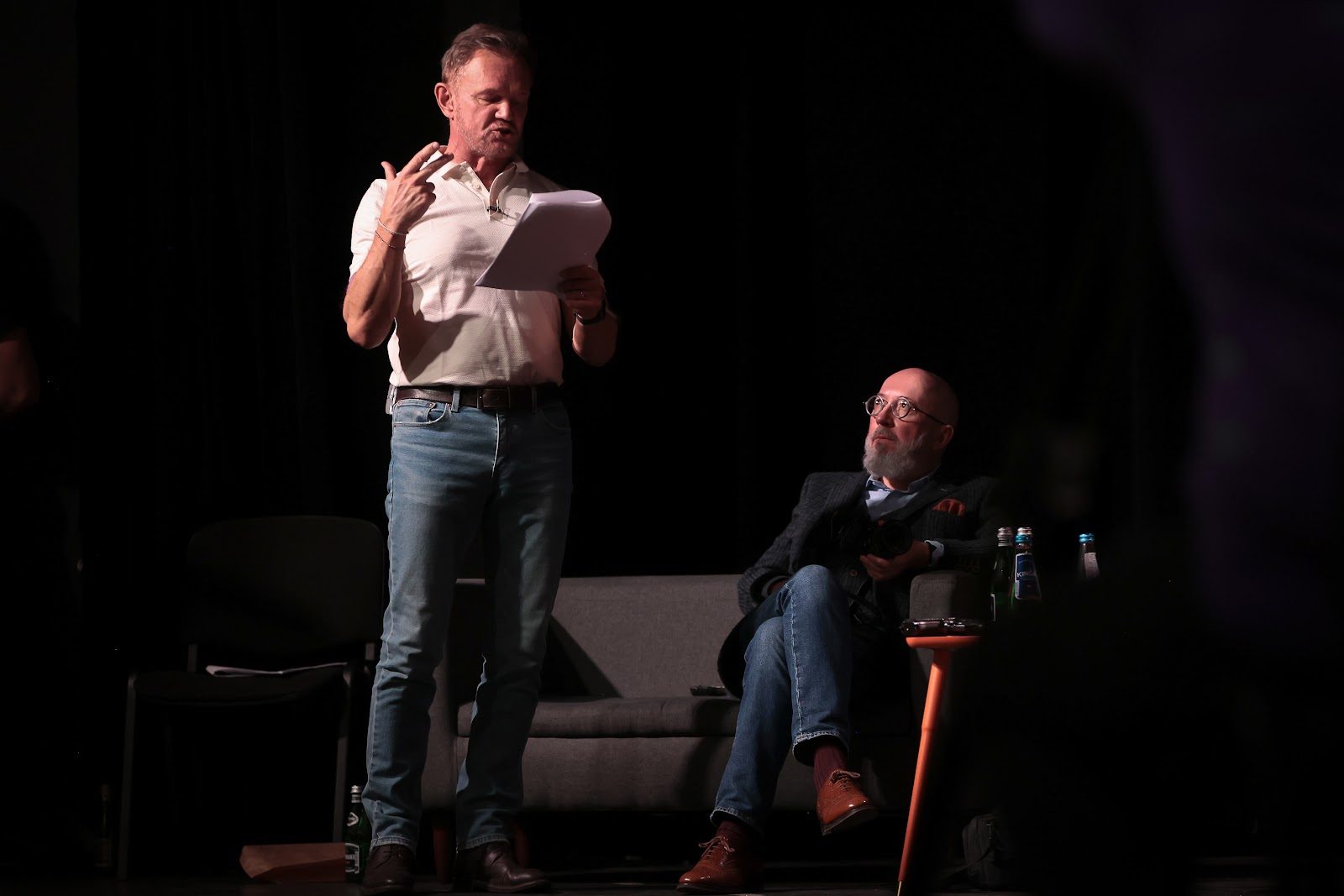
Warsaw Film High School
Warsaw · Poland
Embedded in a working film school, this matura lyceum trains students on the same gear and screens work at Kino Elektronik.
Same specialism, country and curriculum — closest matches within ±10 points either way