
New South Wales
Normanhurst Boys High School
On Sydney's upper north shore, a selective cohort climbed to the state's HSC top five, backed by a pioneering robotics team.
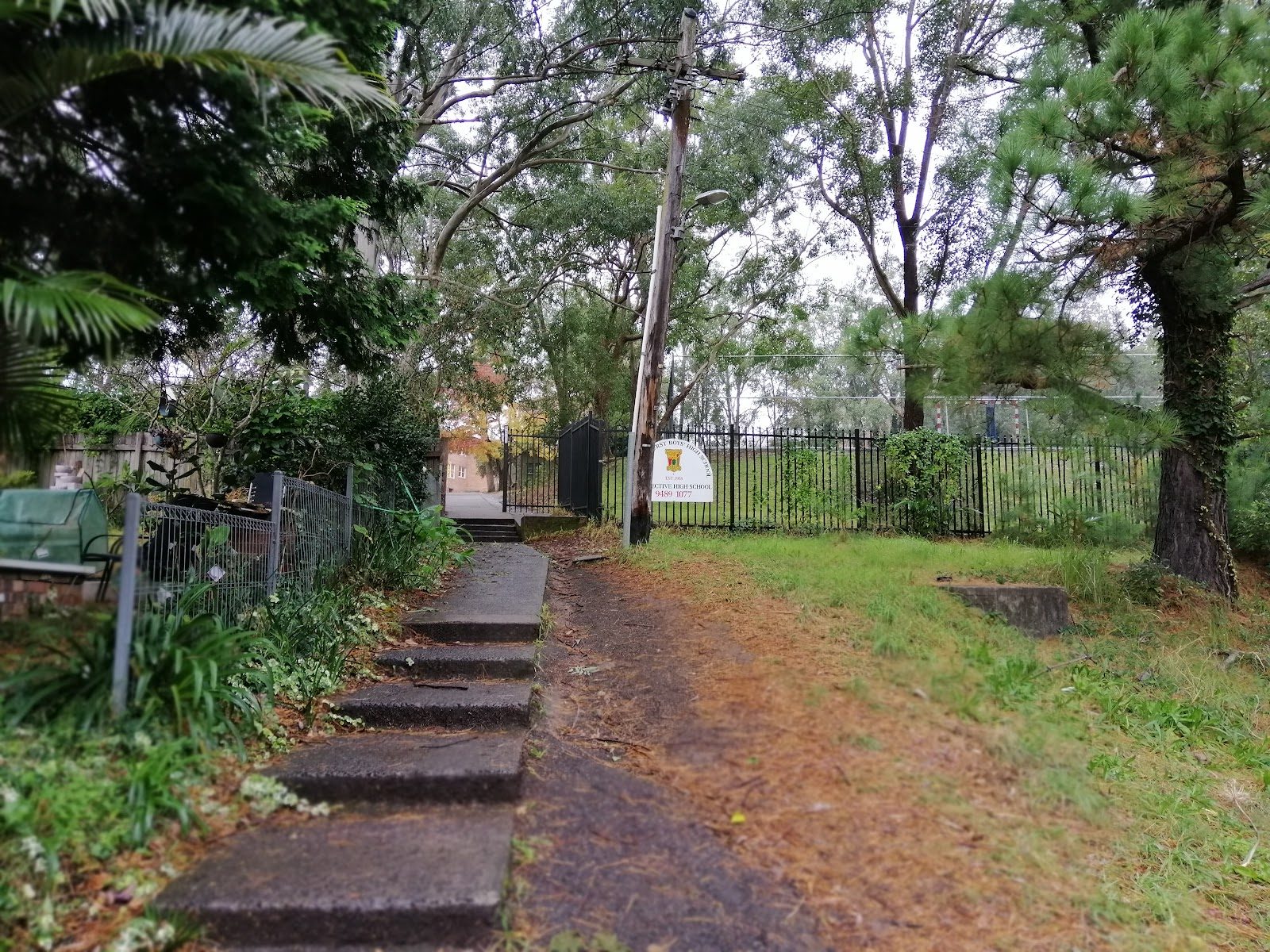
Photo © Madhav Bhattarai via Google Maps
Type
Day
Ages
12–18
Curriculum
Australian
Qualifications
HSC
Ratio
—
The Verdict
Editor's commitment
Right for
Boys aged 12–18 who can handle a government selective school in Normanhurst, with an Australian curriculum and no religious framing.
Wrong for
Families wanting co-education, boarding, girls’ places or a faith-based ethos; this is a non-religious boys’ day school founded in 1959.
Watch out for
Government selective sets the tone: admission is the hurdle, and the public profile stays thin beyond Normanhurst, Sydney and the school’s English-medium remit.
Ranking breakdown
Normanhurst Boys High School · #1246 of 1591
Composite score 55.9. 8 weighted criteria.
By criterion
Academic Outcomes
Weight 20%
#902
of 1533 scored
University Placement
Weight 16%
#1089
of 1529 scored
Prestige & Heritage
Weight 12%
#1379
of 1580 scored
Alumni Network
Weight 12%
#1156
of 1530 scored
Facilities
Weight 12%
#1517
of 1540 scored
Transparency & Communications
Weight 8%
#970
of 1547 scored
Peer & Industry Review
Weight 10%
#1459
of 1564 scored
Admissions Selectivity & Demand
Weight 8%
#400
of 1529 scored
Peer & Industry Review
How Normanhurst Boys High School is regarded in the sector
55
Credible · medium confidence
As a fully selective NSW government school, Normanhurst Boys is judged almost entirely on HSC outcomes rather than by independent-school commentary bodies like Good Schools Guide or WhichSchoolAdvisor, which focus on UK/private markets and do not profile it. Within the NSW selective-schools cohort it is consistently placed in the second tier behind James Ruse, North Sydney Boys and Baulkham Hills, based on the annual Sydney Morning Herald and Daily Telegraph HSC league tables compiled from Band 6 results and top-in-course listings. Its academic reputation is reinforced by My School (ACARA) data showing ICSEA and NAPLAN/HSC performance well above state averages. University-facing recognition comes indirectly: graduates regularly enter competitive UNSW, USyd and UTS programs (engineering, medicine, actuarial studies), reflected in ATAR cut-off achievement rather than named admissions-officer endorsement. Peer principals' associations (e.g., NSW Selective High Schools Head Teachers network) list it as an active participant in debating, Tournament of Minds and academic olympiad circuits, signalling standing among comparable selective schools rather than independent-sector elites.
Editors' overview
Normanhurst Boys High School occupies a clear niche in Sydney’s public-school hierarchy: a government selective boys’ day school with a strong academic yield and a sharper technical edge than many peers. Founded in 1959, it serves boys aged 12–18 in English and follows the Australian curriculum. The headline point is simple: this is not a broad church comprehensive with a selective stream; it is a fully selective intake, and that changes the working culture. Expectations run high, the peer group is able, and classroom pace suits boys who want stretch rather than remediation. The school’s rise into the state’s HSC top five gives it real weight. That is serious academic company.
What marks Normanhurst out is the blend of old selective-school discipline with a modern STEM identity. The robotics profile matters. In a crowded Sydney market, many schools claim innovation; few have a technical programme strong enough to become part of the school’s public identity. That gives Normanhurst a practical point of difference for families who want more than raw exam pressure. The attraction is not polish or grandeur. It is intellectual momentum, competitive energy, and a cohort that pushes itself. Parents looking for sprawling facilities, pastoral hand-holding, or a softer all-rounder culture will find stronger fits elsewhere. Boys who thrive here tend to enjoy measurable challenge, tolerate pressure, and gain confidence from being surrounded by other high performers.
It belongs on a shortlist for families who want selective standards without private-school fees, and who value outcomes over theatre. The setting on Sydney’s upper north shore adds convenience for local families, but the school’s real draw is its academic concentration. This suits the self-propelled boy: able, organised, and happy in a merit-driven environment. It also suits the student with a genuine appetite for maths, science, computing, and competitive problem-solving. For that child, Normanhurst offers a hard-edged academic culture with a credible STEM spine. For boys who need constant coaxing, a wide social mix, or a looser pace, it is the wrong school. For the right student, it is a demanding, high-yield choice.
Academic Performance
Academic performance is the school’s central claim on a parent’s attention, and the public record justifies it. Normanhurst sits in the sharp end of the New South Wales hierarchy, not merely among respectable selective schools but among the state leaders on HSC measures. A place in the top five carries weight because the comparison set is unforgiving: other fully selective government schools, high-fee independents, and long-established academic heavyweights all compete in the same table. That standing tells parents two things. First, the school converts selective intake into results rather than coasting on admissions. Second, standards in the senior years are unambiguously high. This is a school where external examinations matter, ranking matters, and underperformance is hard to hide.
Relative to peers, the distinction is not that Normanhurst alone sends boys to strong university pathways; many selective schools do that. The distinction is that it does so at a level that places it in elite academic company. That lifts it above the large middle tier of good schools with good outcomes and into a smaller group with serious examination traction. Families should read that with clear eyes. Top-tier HSC performance brings pace, competition and a narrow tolerance for drift. For self-directed boys, that environment is high-yield. For boys who need heavy academic supervision or a broader definition of success, it is exacting and less forgiving.
Facilities
The facility story is narrower than the academic story, and parents should register that at once. Normanhurst’s standout asset is not a grand estate or a catalogue of specialist centres; it is a technical infrastructure strong enough to support a robotics programme with public weight. That matters more here than ornamental campus talk. For boys interested in engineering, coding, electronics and competition work, the relevant question is whether the school has spaces and equipment that enable sustained build-test-iterate cycles. On that measure, the school has a credible technical spine. Against peer selective schools, that places it in the better group for applied STEM identity, not the top architectural tier. Families chasing showpiece facilities or private-school spectacle will not find them here.
What we have not seen is a published set of facility details substantial enough to map the full campus with confidence: no clear public breakdown of science laboratories, performing arts provision, sports infrastructure or design workshops. That opacity matters because many competitors make these basics easy to verify. In this market, silence counts against a school. The working assumption is a functional government-school campus shaped around teaching rather than display, with one genuinely distinctive technical strength. For the right boy, that is enough. For parents benchmarking against elite independents with theatres, aquatic centres and high-gloss multi-use complexes, Normanhurst sits on the plain, purpose-built side of the divide.
The working assumption is a functional government-school campus shaped around teaching rather than display, with one genuinely distinctive technical strength
Prestige
Normanhurst carries real prestige, but it is a specific kind of prestige. This is not the lacquered, old-money prestige of a grand independent school with manicured tradition and social cachet attached to fees. It is the prestige of earned academic status inside New South Wales’ most competitive public-school tier. A fully selective boys’ school that reaches the HSC top five commands attention from families who know the Sydney market. That standing gives the school serious credibility with universities, tutoring circles and academically ambitious parents. In blunt terms, it is a school that strong students recognise, and weaker schools cannot imitate by branding alone.
The reason for the rating is straightforward. Prestige here rests on results, selectivity and peer calibre, with an added technical identity that sharpens the profile beyond pure exam grinding. The robotics reputation matters because it gives Normanhurst a distinctive edge in a crowded selective field. That said, its prestige has limits. It does not trade on private-school theatre, old-boy networking glamour or a broad national mystique. Outside the eastern states, the name carries less instant recognition than the biggest heritage independents. Even so, in the circles that matter for this kind of school, it holds hard-won esteem. For families who value academic standing over polish, that is the more serious form of prestige.
The school’s rise into the state’s HSC top five gives it real weight
Communications
Parent communication is functional rather than polished. The school sits inside the New South Wales public system, so families can expect the standard government-school mix of website notices, calendar updates, permission and payment processes, and routine operational messaging. That framework does the job for day-to-day administration, but it does not create a rich public picture of school life on its own. The public-facing communication we have seen is serviceable, plain-spoken and geared more to logistics than persuasion. For some parents, that is a strength: less theatre, more information. For others, it reads as thin and leaves too much unsaid about the lived experience beyond academics and the better-known technical programmes.
Effectiveness, then, depends on what a parent wants from school communication. If the priority is clear notices, key dates and the practical mechanics of a busy government selective school, this model is perfectly adequate. If the priority is depth, transparency and a fuller account of pastoral life, co-curricular breadth, facilities and community culture, the school’s public communication is less convincing. We have not seen a detailed, parent-friendly account of those areas, and that matters. Strong schools do not need glossy copy, but they do need clear public explanation. On communication, Normanhurst lands on the efficient side of the divide, not the expansive one.
Uniqueness
What makes Normanhurst distinctive is not selective entry on its own; Sydney has other schools with that badge. The difference is the combination of a hard-driving academic cohort with a robotics identity strong enough to cut through the usual selective-school sameness. Many top public schools produce strong examination results. Fewer build a technical culture that gives boys a visible outlet for precision, competition and making things work under pressure. That matters because it shifts STEM from timetable subject to lived school character. The school’s public standing in the HSC top five gives it academic authority; the robotics profile stops that authority from collapsing into pure paper performance. The result is a school with a clear technical signature rather than a generic high-achieving blur.
For students, that brings a sharper kind of education than the standard selective formula. Boys gain from a peer group that values competence, speed and measurable improvement, but also from seeing abstract maths and science turned into buildable systems, competitive projects and team problem-solving. That mix suits the boy who wants challenge with application, not just rank with revision. It also fosters a serious merit culture: ideas are tested, errors are exposed, and resilience gets trained in public. There is a cost. The atmosphere is not soft-edged, and boys who need a slower tempo or warmer pastoral cushioning will feel the strain. For the right student, though, the school offers a rare fusion of academic intensity and practical technical ambition.
Top-tier HSC performance brings pace, competition and a narrow tolerance for drift
Student Profile
The boys who fit here are the ones who draw energy from competition rather than protection from it. This is a selective cohort in a school whose public standing sits in the state’s top five, so the social norm is achievement: fast uptake in class, solid executive function, and no romance about effort without output. A boy who likes being among other able students, can absorb correction without drama, and treats marks as feedback rather than insult will settle well. So will the student with a real appetite for maths, science, computing or technical problem-solving, especially if he enjoys turning abstract ideas into things that work. The tone is high-pressure, merit-driven and not for the faint-hearted.
The weaker fit is easy to identify. Boys who need constant reassurance, slow pacing, or a broad church social environment will feel exposed. The same goes for students whose strengths sit far from the school’s academic and technical centre of gravity, unless they are content to live in a culture where exam performance and intellectual sharpness carry status. This does not require a one-dimensional child, but it does reward a self-propelled, thick-skinned and competitive one. Parents should think less about whether their son is bright and more about whether he wants daily comparison with other bright boys. At Normanhurst, that comparison is not incidental; it is the atmosphere.
Against peer selective schools, that places it in the better group for applied STEM identity, not the top architectural tier
Co-curricular strengths
Arts & sport, on a separate axis
Overall 7.1/10
Scored 0-10 from the school's own published evidence. This axis is editorial-only — it does not feed the main WTS ranking.
Sports
8.2/10
Drama
7.5/10
Dance
4/10
Music
8/10
Visual Arts
7.8/10
Strengths
- +Ranked fifth in the state based on Higher School Certificate (HSC) results in 2025, after jumping from #8 to #4 in the 2024 HSC rankings, one of the year's most impressive improvements.
- +As a NSW government school, all financial contributions are voluntary and every student has full access to the curriculum regardless of whether contributions are made, so families pay no tuition fees, only uniforms, books and excursions.
- +First opened in 1958, the school became fully selective in 1994, giving it three decades of experience running a dedicated gifted-and-talented academic program.
- +The school runs a FIRST Robotics Team, described as the oldest public school team in Australia still competing, alongside STEM enrichment such as coding and engineering projects.
- +With 752 students across a fully selective Year 7-12 cohort, it is smaller than many comparable selective schools, which some coaching guides describe as creating closer staff-student contact.
Considerations
- −Entry is highly competitive: independent estimates put the required Placement Test score at roughly 221 out of 300 for the 2024 cohort, a level only a minority of applicants reach.
- −It is a single-sex boys' school with fully academically selective entry based competitive on academic merit, so there is no co-educational option and no local, guaranteed-entry pathway.
- −Students must be Australian citizens, New Zealand citizens or permanent residents of Australia to attend a selective high school, which rules out enrolment for families on temporary visas.
- −Mid-stream entry is scarce: entry to selective high schools in Years 8 to 11 is based on decisions made by the local school's selection committee rather than a guaranteed placement process, and only a small number of vacancies arise each year.
Availability
Primary entry gate & tests
NSW Selective Placement Test (Boys)
Gallery
Photo © Luke Vadekar via Google Maps
Photo © Luke Vadekar via Google Maps
Photo © Luke Vadekar via Google Maps
Photo © Luke Vadekar via Google Maps
Photo © Luke Vadekar via Google Maps
Photo © Luke Vadekar via Google Maps
Parent reviews
Have you sent your child here?
Voice reviews carry the strongest trust badge — we transcribe them for you to tidy up before they go live. Prefer to type? A written review is fine too.
Add your voice
In 60 seconds, tell other parents: what's the best thing about Normanhurst Boys High School, and what surprised you when your child joined?
We ask for a Google sign-in so every review has a real face behind it — no anonymous drive-by attacks on schools, and no faked positive reviews. Your email is never shown publicly.
Send this profile to a friend
International parents rely on word-of-mouth. Share this review with someone weighing the same decision.
Schools with places
Similar schools to Normanhurst Boys High School with places available now.
Pymble Ladies' College
Sydney · Australia
- 2026-27
- WAITPOOLVacancy-dependent
- 2027-28
- PLACES OPEN
Ascham School
Sydney · Australia
- 2026-27
- WAITPOOLVacancy-dependent
- 2027-28
- PLACES OPEN
The King's School (Parramatta)
Parramatta · Australia
- 2026-27
- WAITPOOLVacancy-dependent
- 2027-28
- PLACES OPEN
Sydney Grammar School
Sydney · Australia
- 2026-27
- WAITPOOLYr 7 closed; Yrs 8-11 enquire
- 2027-28
- WAITPOOLYr 7 closed; Yrs 8-11 enquire
Availability first, then country, area, curriculum, price, co-curricular
Consider also
Also worth looking at alongside Normanhurst Boys High School.
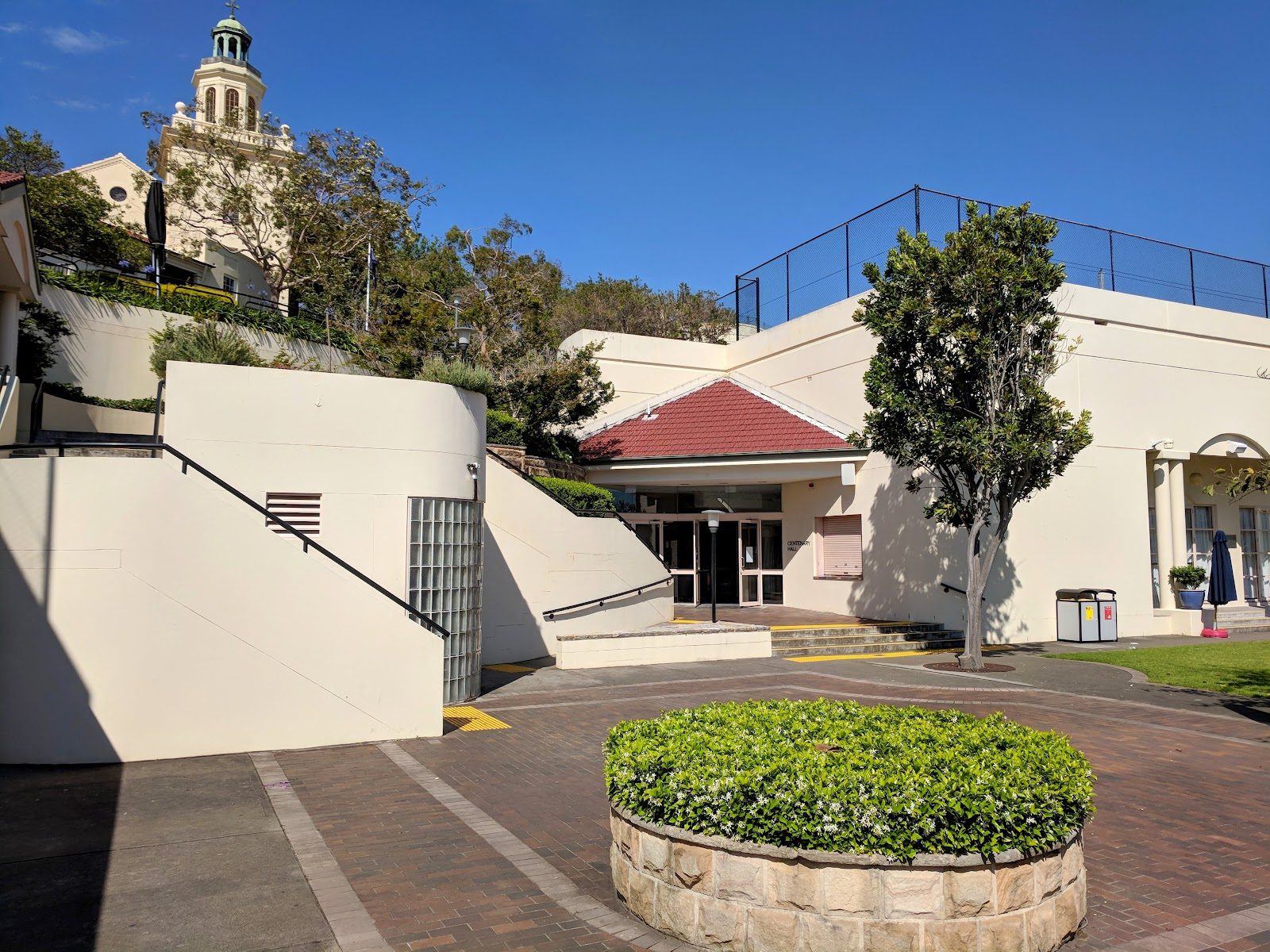
Loreto Kirribilli
Kirribilli · Australia
On Sydney Harbour since 1908, its chapel tower once guided sailors--now it anchors a top-performing Catholic girls' school.
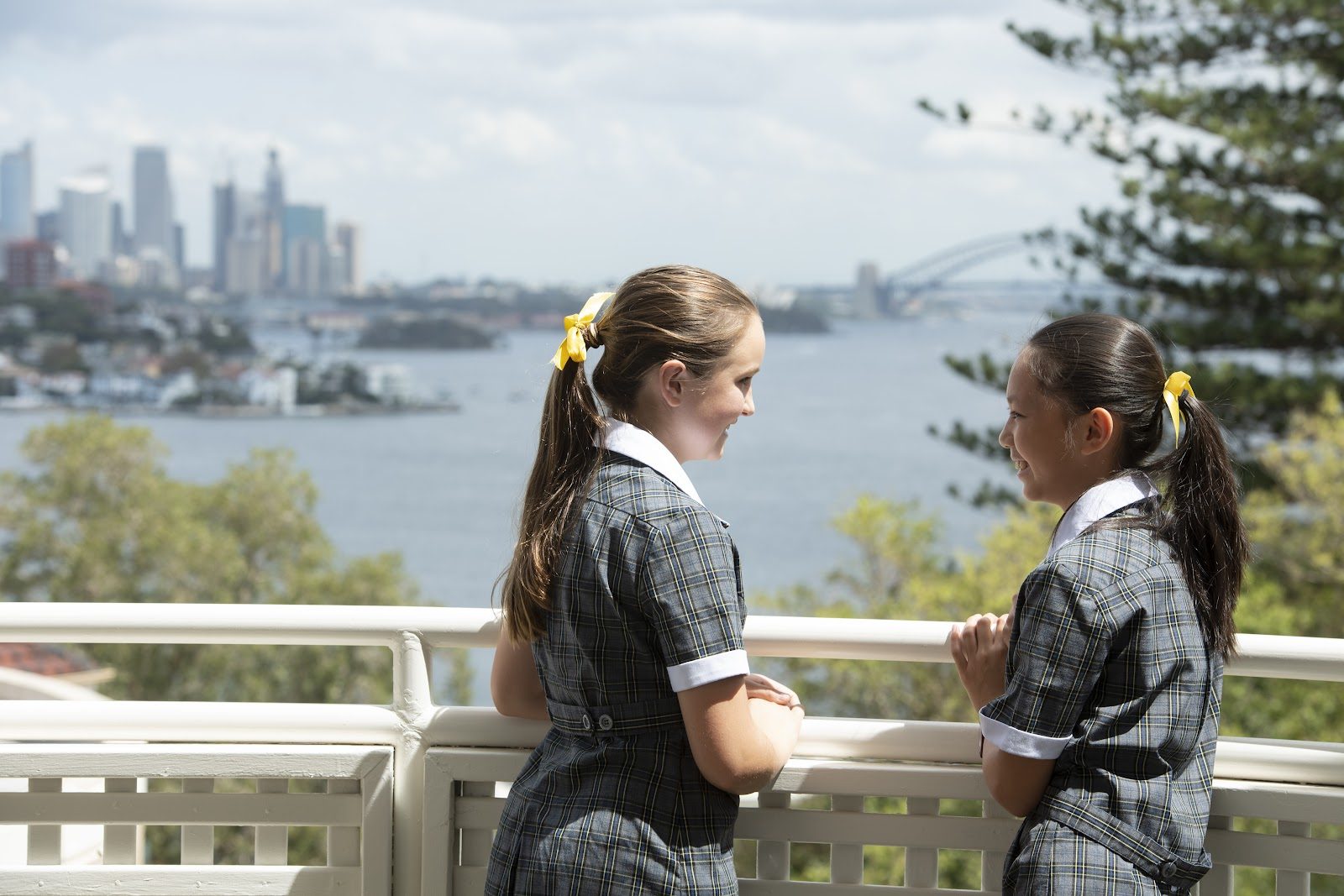
Kambala
Rose Bay · Australia
On the Tivoli headland above Sydney Harbour, a non-selective girls' school topped the state for pairing IB and HSC results in 2024.
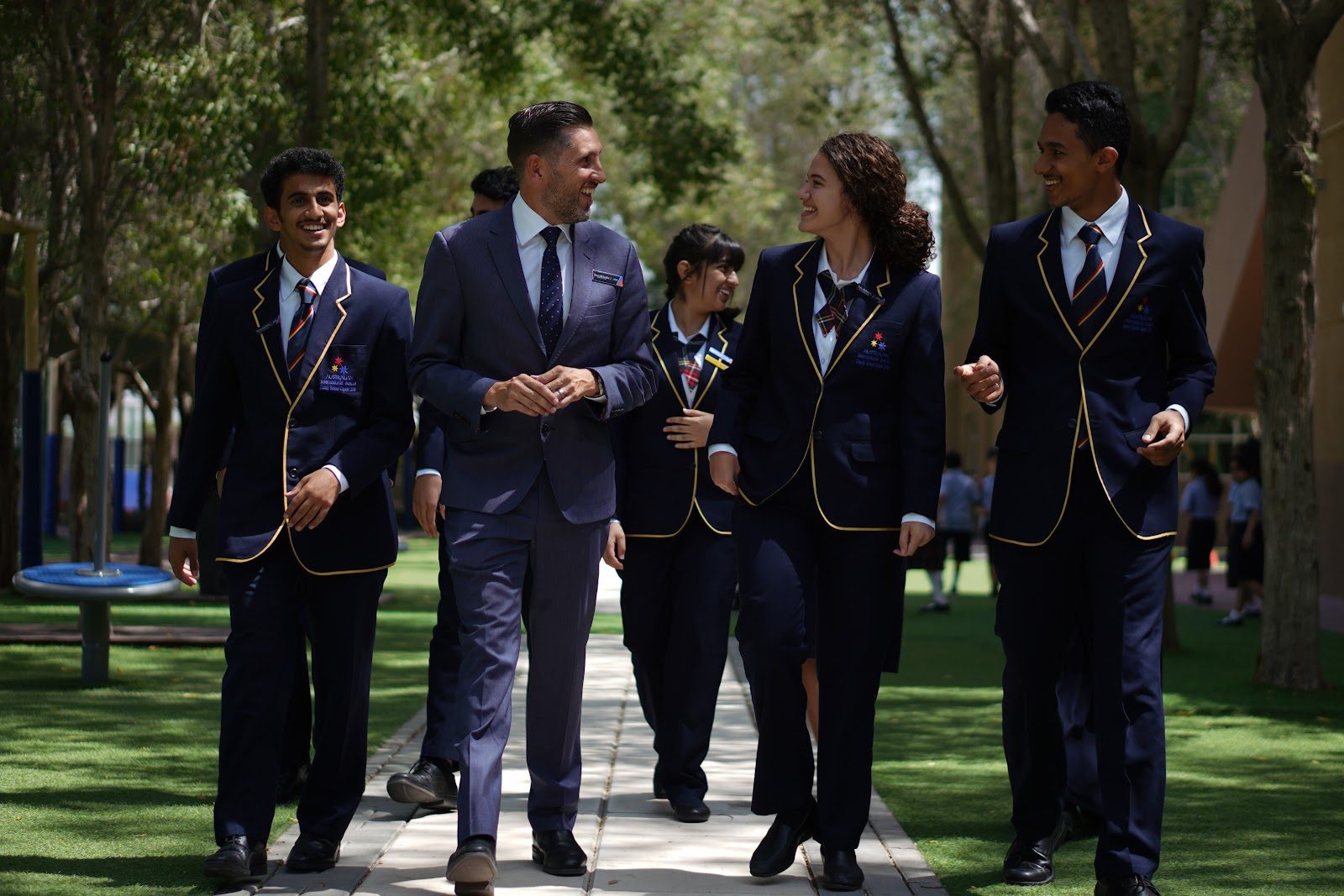
Australian International School Sharjah
Sharjah · United Arab Emirates
The UAE's only full Australian Curriculum school, pairing Queensland's QCE/ATAR pathway with deep Emirati cultural grounding since 2005.
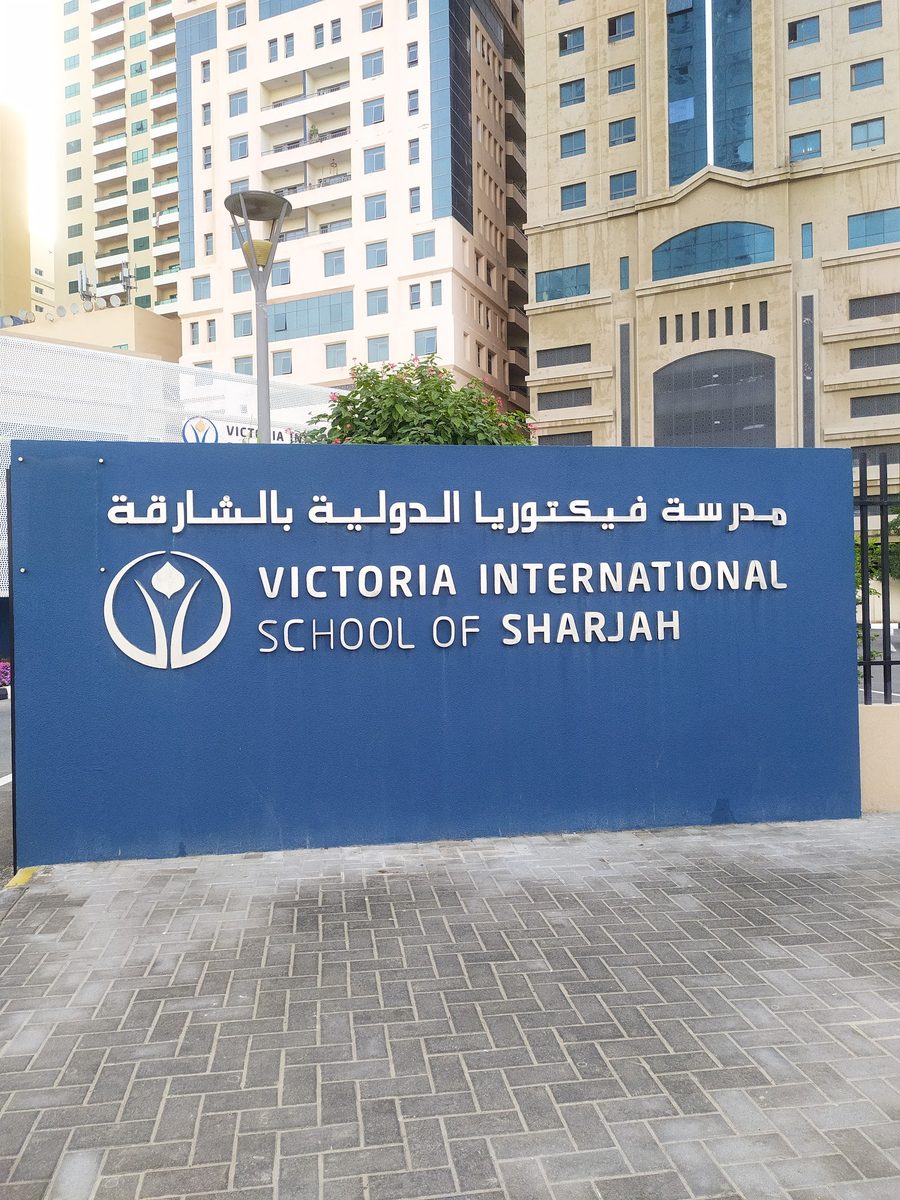
Victoria International School of Sharjah
Sharjah · United Arab Emirates
A 2005 government pact with the Australian state of Victoria seeded this Sharjah campus, its syllabus culminating in the IB Diploma.
Same country and curriculum — closest matches within ±10 points either way