
Metro Manila
Chinese International School Manila
medium confidence· 4/6 cats · 1.5 avg sourcesMandarin threads through every grade of an American curriculum before it hands off to the IB Diploma on McKinley Hill.
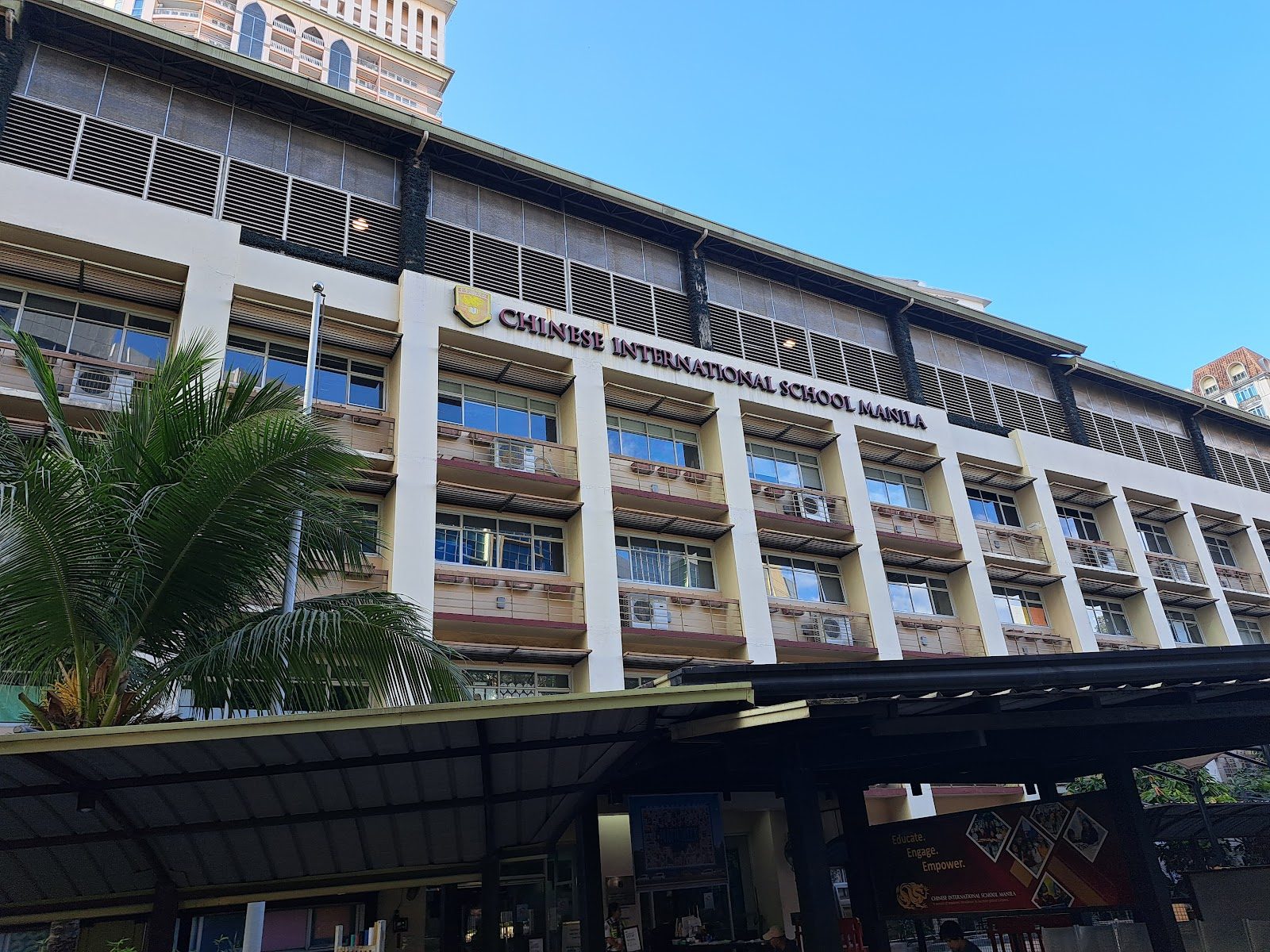
Photo © Ivan Maminta via Google Maps
Type
Day
Ages
2–18
Curriculum
American
Qualifications
AP · US High School Diploma
Ratio
—
The Verdict
Editor's commitment
Right for
Families wanting English and Mandarin daily, an American curriculum through Grade 10, then the IB Diploma in Grades 11 and 12.
Wrong for
Parents seeking a single curriculum from age 2 to 18, boarding, or a cheaper day school than PHP 922,907 a year.
Watch out for
CIS, WASC and EARCOS give external validation, but the school does not publish aggregate IB results or university destinations.
Ranking breakdown
Chinese International School Manila · #770 of 1591
Composite score 64.4. 8 weighted criteria.
By criterion
Academic Outcomes
Weight 20%
#900
of 1529 scored
University Placement
Weight 16%
#911
of 1529 scored
Prestige & Heritage
Weight 12%
#900
of 1571 scored
Alumni Network
Weight 12%
#566
of 1530 scored
Facilities
Weight 12%
#848
of 1534 scored
Transparency & Communications
Weight 8%
#943
of 1532 scored
Peer & Industry Review
Weight 10%
#791
of 1548 scored
Admissions Selectivity & Demand
Weight 8%
#686
of 1529 scored
Peer & Industry Review
How Chinese International School Manila is regarded in the sector
60
Respected · low confidence
Chinese International School Manila is a relatively young international school (founded ~2007) catering primarily to Chinese-speaking expat families in BGC/Taguig; it appears occasionally in expat-forum discussions (e.g., ExpatFinder, InterNations, and Philippines-expat parent boards) as a solid choice for Mandarin-English bilingual education but lacks coverage in major independent rankings like Tatler Asia's school guides or Good Schools Guide International, which more frequently reference British School Manila, International School Manila, or Brent International. Its niche bilingual focus and smaller alumni footprint mean it is respected within its specific community but has limited broader third-party benchmarking presence.
Editors' overview
Mandarin is not a side dish here. At Chinese International School Manila, it runs through a school-declared American programme from the early years to Grade 10, before the school shifts to the IB Diploma in Grades 11 and 12. That structure gives CISM a distinct place in the Manila market: it is for families who want English-medium international schooling without treating Chinese language and culture as an optional extra. The school is a non-profit, non-stock day school in Taguig, founded in 1994, teaching ages 2 to 18 in English and Mandarin. Its accreditations — WASC, CIS and EARCOS — give it credible international standing. The average annual day fee across the full age range is PHP 922,907, which places it firmly in the premium bracket.
What sets CISM apart is the coherence of its academic path. In the lower and middle years, students follow American standards including Common Core and NGSS; in secondary, Grades 9 and 10 are framed as preparation for the IB Diploma. That matters. Some schools bolt the IB on at sixth form and leave a curricular gear-change for students to manage on their own. CISM builds towards it. Parents looking for a straight British route, or for a school with a single-curriculum identity from start to finish, will find this model deliberately hybrid. Parents looking for bilingual fluency alongside a university-facing senior programme will find a clearer rationale. The school also states a play-based early years model and places pastoral well-being near the centre of that phase, which gives the academic structure a usefully humane edge.
This is not the obvious choice for every child. It suits students who can handle academic range, move comfortably between English and Mandarin, and value an internationally mixed environment over a narrow national one. It will also appeal to families who want the IB Diploma at the end of school but do not want an IB-only education from age 3 onwards. Children who thrive here are the ones who are linguistically agile, steady rather than fragile, and willing to work across two educational cultures at once. For parents building a Manila shortlist, CISM earns its place because it offers something concrete and scarce: a bilingual, American-to-IB pathway with established accreditation, a long-standing presence since 1994, and a fee level of PHP 922,907 that signals its market position without any ambiguity.
Academic Performance
CISM talks confidently about “exam result excellence”, but public disclosure is thin where it matters most. We have not seen aggregate IB Diploma outcomes, subject averages, pass rates, top scores, or university destination data in the public domain. That puts the school at a disadvantage against Manila peers that publish hard numbers and let parents judge academic traction for themselves. In a premium-fee market, opaque results reporting is a real weakness. The school does at least set out a coherent build-up to its senior examinations, with a structured secondary phase before the final two years, and that internal logic matters. It gives students a cleaner academic runway than schools that treat sixth-form exams as an abrupt switch.
Relative to peers, then, CISM sits in a hard-to-rank middle ground: credible programme design, explicit academic ambition, but no published outcomes strong enough to place it among the city’s clear statistical leaders. Parents who prize evidence over promise will want the school to produce concrete figures — cohort size, diploma pass rate, mean score, score distribution, and destination lists — before granting it top-tier academic status. Until then, the verdict is promising but unproven in external results terms. That does not mean weak performance; it means the school has chosen not to show its hand. In editorial terms, that keeps CISM out of the data-secure top bracket.
Facilities
CISM’s public case on facilities rests less on headline architecture than on how the campus is used. The school pushes three practical points: smaller classes, specialist teachers, and a wide spread of co-curricular activity. That signals a campus built for day-to-day teaching breadth rather than for spectacle. The academic structure itself implies dedicated provision across science, technology and the senior years, and the school also sells the site through in-person tours rather than through a long inventory of signature spaces. That restraint cuts both ways. Against Manila peers with heavy promotion of theatres, elite sports complexes or design-lab showpieces, CISM is less flamboyant and less facilities-led in its public pitch. Parents choosing on buildings alone will find the published picture thin.
What does stand out is the school’s emphasis on environment: safe, happy, nurturing, play-based in the youngest years, with pastoral care treated as central rather than decorative. For a day school, that matters more than trophy amenities. The mathematics department also describes weekly collaboration and annual curriculum review, which points to functional staff working space and a campus organised around teaching quality, not just student-facing gloss. The group link adds another layer of confidence, with 64 campuses across 11 countries, but that is institutional scale, not proof of superior on-site provision. The bottom line: CISM’s facilities read as serviceable and purposeful, but the school does not publish enough hard detail to place its campus among Manila’s clear physical standouts.
Nor does the school trade on old-world institutional mystique, famous alumni, or a singular flagship reputation beyond its own community
Prestige
CISM carries real standing in Manila’s international-school market, but it does not sit in the city’s unquestioned top prestige tier. The source of status is clear enough: premium fees, a long-established presence, recognised international accreditation, and a bilingual proposition that is rarer than the standard English-medium formula. Its link to a wider school group also adds institutional heft, with 64 campuses, 11 countries and 45k students cited by the school. That scale gives families a sense of organisational stability. The school’s non-profit, non-stock structure also matters. In a market crowded with corporate operators, that model still carries a certain seriousness for parents who care about educational purpose over brand theatre.
The limit on prestige is just as clear. Top-tier prestige rests on scarcity, selectivity, and publicly demonstrated outcomes. CISM has a distinctive identity and a credible academic arc, but not the commanding public proof that turns respect into cachet. We have not seen the kind of published results or destination data that confer elite academic prestige in a premium international market. Nor does the school trade on old-world institutional mystique, famous alumni, or a singular flagship reputation beyond its own community. The verdict, then, is *strong professional respect rather than social glamour*: a school with substance, a defined niche, and market credibility, but not one of the sector’s automatic trophy names.
We have not seen aggregate IB Diploma outcomes, subject averages, pass rates, top scores, or university destination data in the public domain
Communications
CISM communicates with parents in a clear but controlled way. The public-facing website does the basics well: admissions routes are easy to find, campus tours are pushed hard, and the school gives a usable map of how each phase works from the early years through graduation. It also puts named voices into circulation, including the principal, pastoral staff and an academic coordinator, which gives families more than anonymous institutional copy. The mathematics department’s account of weekly team meetings and annual curriculum review adds a useful operational detail that many schools omit. The scholarship page is another mark in its favour. For a school charging an average annual fee of PHP 922,907, parents need plain information on access, and CISM does not bury that offer.
Where communication weakens is in substance at the sharp end. The school talks warmly and at length about nurture, wellbeing and values, but it publishes too little hard evidence on outcomes, benchmarking and post-school destinations. That gap matters because strong parent communication is not only about tone; it is about disclosure. CISM gives a reassuring front-of-house experience and invites direct contact, which suits families who value relationship and responsiveness. It is less effective for parents who want forensic transparency before making an enquiry. In short: personable, navigable and human in tone, but selective in what it is willing to show.
Uniqueness
What makes CISM distinctive is not the mere presence of Mandarin, but its place in the school’s daily academic fabric. Many international schools offer Chinese as an add-on, an enrichment subject, or a prestige flourish. Here, it is threaded through the student experience from the earliest years onward and sits alongside an American academic spine before the final handover to the diploma years. That gives the school a clear educational identity in a crowded market. It is not trying to be all things to all families. It is built for parents who want their children to grow up academically at ease in English while also developing real command of Mandarin within the same school, not through after-hours supplementation or weekend patchwork. That structure produces a more integrated bilingual education than the standard international-school formula.
The benefit for students is practical as much as cultural. They learn to shift between languages, expectations and reference points as a matter of routine, which builds intellectual flexibility and a wider sense of belonging than a single-track school often manages. The school’s non-profit status sharpens that identity: it gives CISM a more mission-led character than glossy operators whose first differentiator is scale or spectacle. The scholarship offer adds another useful signal. A school charging an average annual fee of PHP 922,907 that still talks openly about merit and means support is making a statement about who gets access. In combination, those features make CISM distinct without gimmickry: bilingual, academically structured, and serious about education rather than image.
In editorial terms, that keeps CISM out of the data-secure top bracket
Student Profile
The best fit is a student who can live comfortably in two registers at once: academic ambition on one side, cultural and linguistic range on the other. This is not a school for children who want a narrow, single-track education or who resent switching codes across the day. It suits pupils who are mentally agile, steady in temperament and able to cope with a programme that asks for more than routine classroom compliance. Families who value Chinese language learning as a central part of schooling, not an after-school add-on, will find the student body and school culture aligned with that priority. The scholarship offer also widens the profile beyond one narrow social slice, even at an average annual fee of PHP 922,907.
Socially, CISM fits children who do well in a structured but warm environment rather than a sink-or-swim one. The school talks repeatedly about nurture, wellbeing and respect, and that points to a community that rewards cooperation, self-management and quiet confidence more than swagger. Students who need constant external pressure to perform, or who thrive on overt status competition, will find the tone less thrilling. Students who want close adult support, smaller classes, and a school day that expects them to be both kind and purposeful are the stronger match. In short: bilingual-minded, internationally oriented, and resilient without being hard-edged.
CISM carries real standing in Manila’s international-school market, but it does not sit in the city’s unquestioned top prestige tier
Co-curricular strengths
Arts & sport, on a separate axis
Overall 8.32/10
Scored 0-10 from the school's own published evidence. This axis is editorial-only — it does not feed the main WTS ranking.
Sports
8.5/10
Drama
8.2/10
Dance
8.2/10
Music
8.2/10
Visual Arts
8.5/10
Editor first-pass · editor-reviewable · 7/30/2026
Strengths
- +Offers a bilingual program pairing an American curriculum with substantial Mandarin Chinese language instruction from the early years through Grade 12.
- +Single campus covering Nursery/PreK through Grade 12, giving families continuity through one school across the full K-12 span.
- +Located in the McKinley Hill area of Taguig, close to Bonifacio Global City, convenient for expatriate and business-district families in Metro Manila.
- +Smaller enrollment than Manila's largest international schools, which typically allows closer staff-student relationships in a newer, still-growing institution.
Considerations
- −Younger and smaller than Manila's long-established international schools, with a shorter public track record of university placement outcomes.
- −Less publicly available third-party inspection or accreditation detail than more established peers, making independent verification harder for relocating families.
- −Taguig location can mean long commute times for families based in Makati, Quezon City or other parts of greater Manila given the city's traffic conditions.
- −Facilities, sports infrastructure and extracurricular breadth are likely narrower than those of larger, longer-established competitor schools with bigger endowments.
Availability
Primary entry gate & tests
Academic Record
Gallery
Photo © Rohit Chivukula via Google Maps
Photo © Marvin Lopez (Marvs) via Google Maps
Photo © Marvin Lopez (Marvs) via Google Maps
Photo © Cage Wu via Google Maps
Photo © Imee Cruz via Google Maps
Parent reviews
Have you sent your child here?
Voice reviews carry the strongest trust badge — we transcribe them for you to tidy up before they go live. Prefer to type? A written review is fine too.
Add your voice
In 60 seconds, tell other parents: what's the best thing about Chinese International School Manila, and what surprised you when your child joined?
We ask for a Google sign-in so every review has a real face behind it — no anonymous drive-by attacks on schools, and no faked positive reviews. Your email is never shown publicly.
Send this profile to a friend
International parents rely on word-of-mouth. Share this review with someone weighing the same decision.
Schools with places
Similar schools to Chinese International School Manila with places available now.
Availability first, then country, area, curriculum, price, co-curricular
Consider also
Also worth looking at alongside Chinese International School Manila.
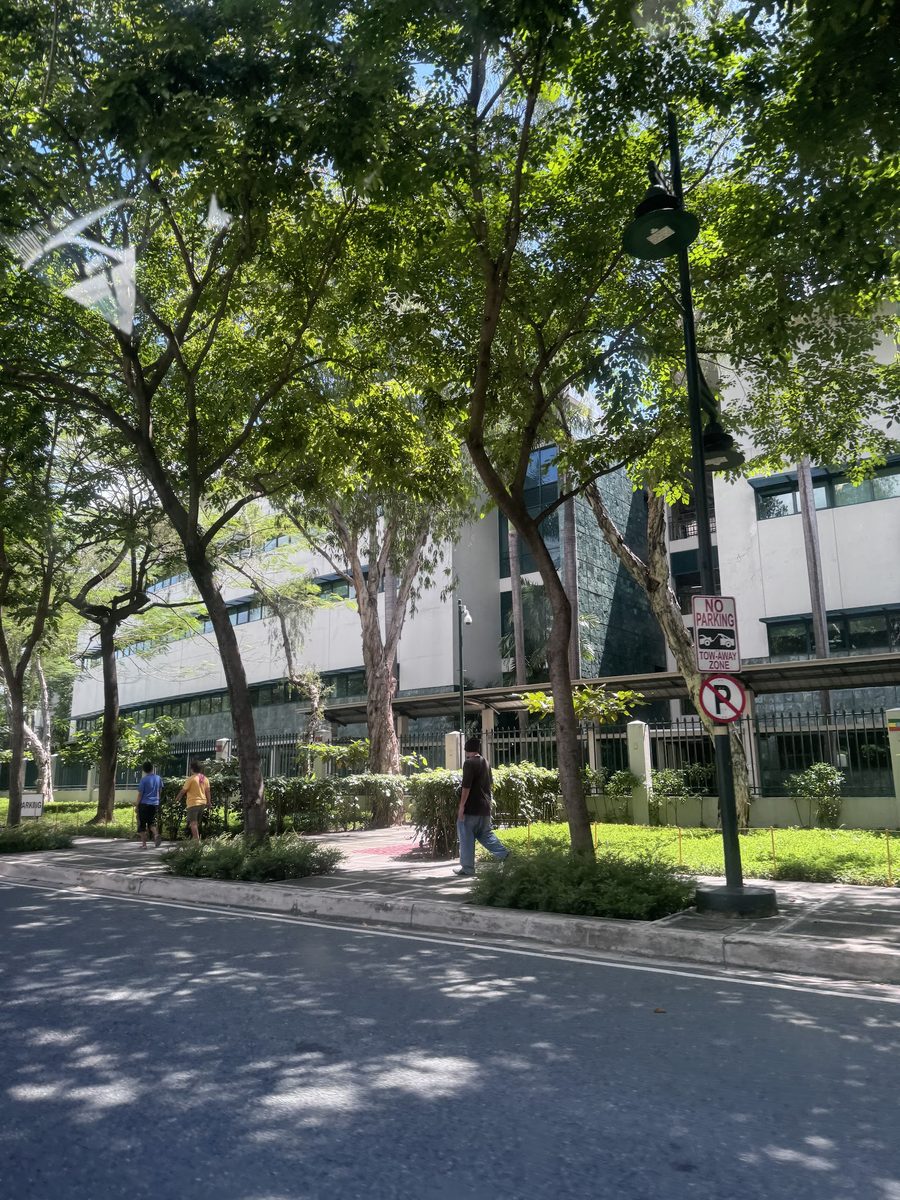
International School Manila
Manila · Philippines
Rooted in 1920 as the American School, this Bonifacio Global City campus was the first in Asia to offer the IB Diploma.

Princeton Day School
Princeton · United States
Formed by a 1965 merger of two century-old Princeton schools, pairing STEAM rigor with a rare four-year architecture program across 106 acres.
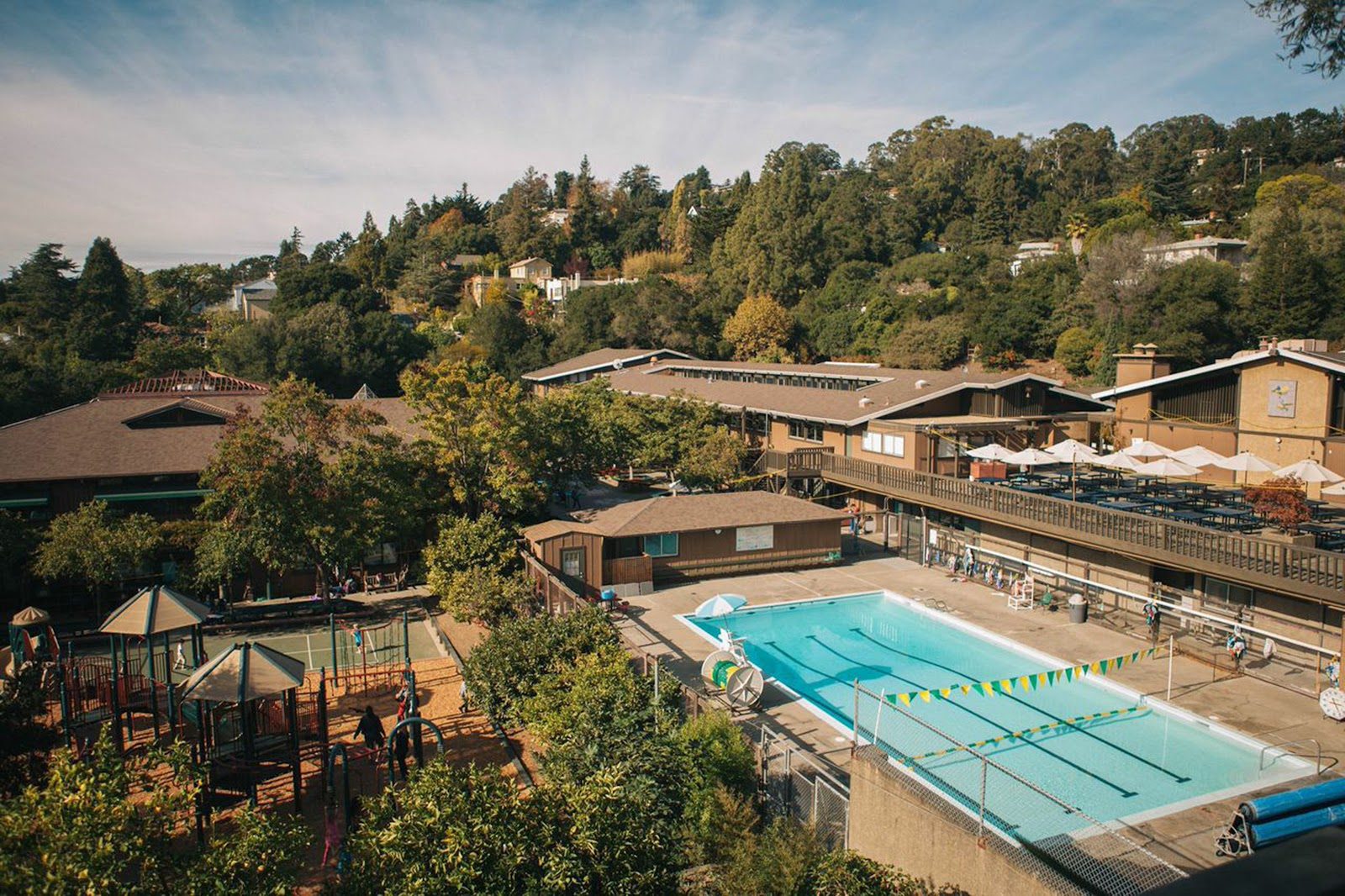
Head-Royce School
Oakland · United States
Since 1887 on a wooded Oakland hills campus, pairing rigorous scholarship with a decades-old public-school partnership that opens college doors for first-generation students
The Buckley School
New York City · United States
On Manhattan's Upper East Side since 1913, a K-9 boys' school pairing classical rigor with mandatory public-speaking training for every student.
Same country and curriculum — closest matches within ±10 points either way