
Surrey
One of England's Nine Great Public Schools, now fully coeducational, set on a 250-acre Surrey campus with IB scores averaging 37 points.
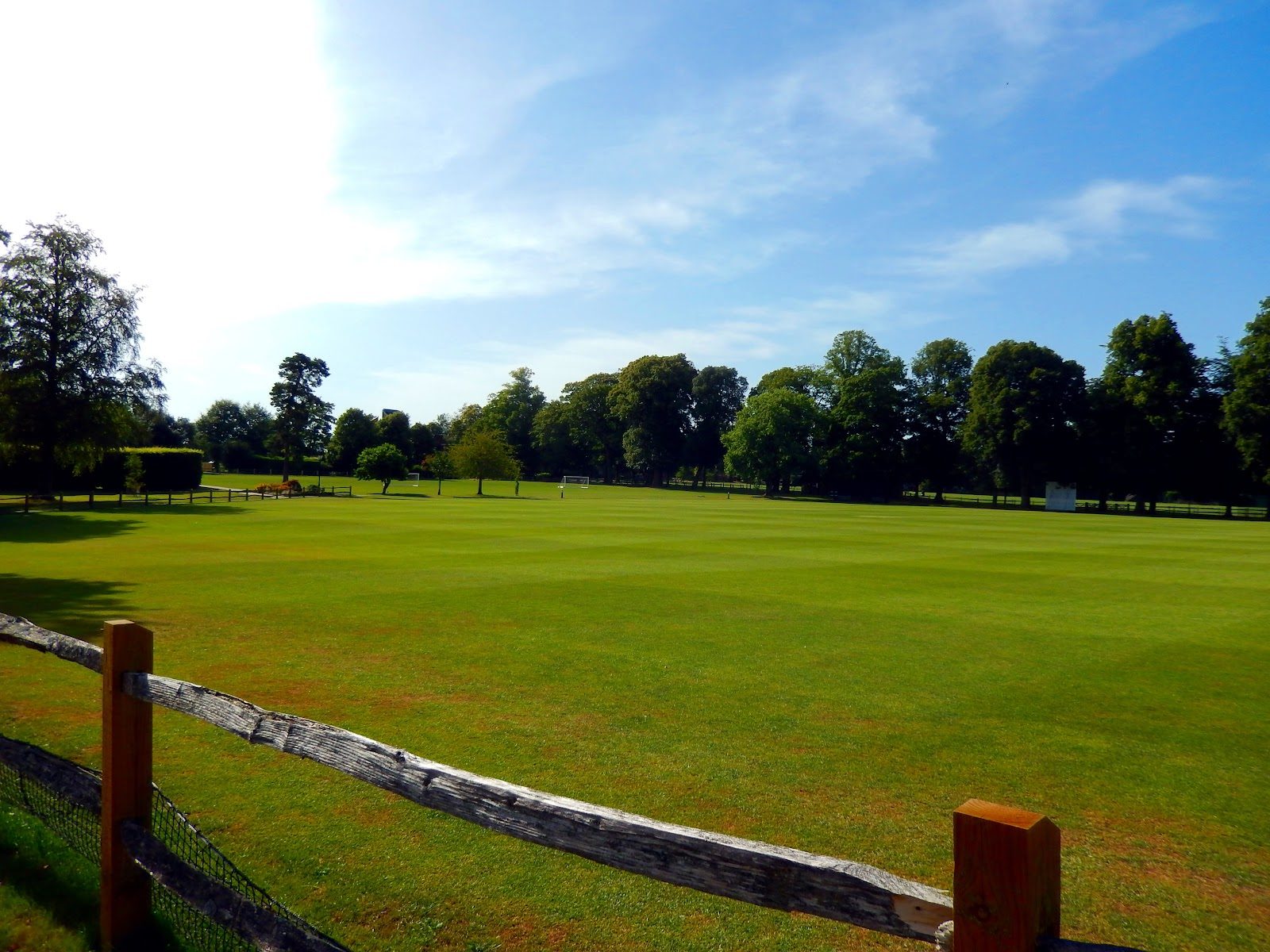
Photo © David James via Google Maps
Type
Boarding
Ages
11–18
Curriculum
British
Qualifications
A-Level
Ratio
10:1
The Verdict
Editor's commitment
Right for
Families wanting a heavyweight British boarding school: 250 acres, a 10:1 ratio, and 84% of 200 leavers into top-100 universities.
Wrong for
Children who need close adult oversight or a small-scale culture; Charterhouse is 11–18, boarding, and sends 15 pupils to Oxbridge.
Watch out for
The price is steep: average annual fees run to £49,000 day and £63,000 boarding, with IB scores averaging 37 points setting the bar high.
Ranking breakdown
Charterhouse · #84 of 1591
Composite score 78.7. 8 weighted criteria.
By criterion
Academic Outcomes
Weight 20%
#208
of 1529 scored
University Placement
Weight 16%
#219
of 1529 scored
Prestige & Heritage
Weight 12%
#40
of 1529 scored
Alumni Network
Weight 12%
#29
of 1529 scored
Facilities
Weight 12%
#126
of 1529 scored
Transparency & Communications
Weight 8%
#255
of 1529 scored
Peer & Industry Review
Weight 10%
#146
of 1529 scored
Admissions Selectivity & Demand
Weight 8%
#198
of 1529 scored
Score history
Charterhouse · 2026
Movement across 2024–2026. Peer average overlaid.
Overall — 2024–2026
78.7/ 100
▲ +20.9 vs 2025
year on year
Peer & Industry Review
How Charterhouse is regarded in the sector
93
Top-tier · high confidence
Charterhouse ranks among the handful of English schools whose reputation is settled rather than debated: one of the original Clarendon Nine public schools alongside Eton, Harrow and Winchester, it appears in Spear's Schools Index among the world's top 100 private schools, with Godalming named its only Surrey senior school entrant and its students described as "dynamic and energetically ambitious." The Good Schools Guide's verdict calls it "a class act from top to bottom," while WhichSchoolAdvisor highlights an average IB Diploma score of 37 in 2025, well above the UK average. Its alumni roster, from Peter Gabriel to Robert Baden-Powell and a former prime minister, gives it the kind of name recognition few schools can claim. The 2021 move to full co-education and merger with Edgeborough prep have only broadened its footprint without denting a peer standing that is essentially unanimous across sector commentary.
Editors' overview
Charterhouse trades on substance that still matters in the British boarding market: deep institutional history, a full boarding environment, and enough modernisation to keep it relevant. This is one of England’s Nine Great Public Schools, founded in 1611, and it now operates as a fully coeducational school for ages 11 to 18 on a 250-acre Surrey campus. That mix of old-school weight and present-day pragmatism is the point. Parents looking for a boarding school with inherited prestige can find plenty of options; Charterhouse earns its place on a shortlist because it couples that inheritance with current academic credibility, including IB results averaging 37 points. The school is not cheap. The average annual fee is £49,107 for day pupils and £63,045 for boarders, which places it firmly in the expensive, high-stakes end of the UK independent market.
Academically, the numbers are strong and concrete. The student-teacher ratio sits at 10:1 and average class size at 18, both useful indicators in a school of this scale and type. Charterhouse offers a British curriculum in English, holds ISI and HMC accreditation, and sends pupils on to serious destinations: in the 2024 leavers’ cohort of 200, 84% went to top-100 universities, with 15 to Oxbridge and 51 to Russell Group institutions; Oxford took 8 and Cambridge 7. That gives Charterhouse a hard-edged academic profile without reducing it to an exam factory. The school has enough scale and reputation to attract ambitious families, but the evidence that matters here is outcomes, and those outcomes are clear.
What is special about Charterhouse is its ability to offer full-bore British boarding without reading as a museum piece. The Anglican foundation remains part of the school’s identity, but the sharper distinction now is between Charterhouse and schools that sell heritage more convincingly than they deliver present-day results. Charterhouse delivers both. It will suit students who want a serious boarding experience, who can thrive in a structured, socially dense environment, and who have the confidence to make use of a large campus and a high-expectation culture. It is a strong fit for pupils targeting selective universities and for families who want a school with status that still has to justify itself in current terms. It is a weaker fit for children who need a gentler, less pressurised atmosphere or for parents hunting value. This is a school for students who want to be stretched and are ready for a place with real institutional gravity.
Academic Performance
Charterhouse’s academic record sits in the top tier of British boarding schools, even if the school does not trade on the sort of relentless score-chasing language used by more overtly exam-driven rivals. The clearest hard marker is the IB: an average of 37 points is strong by any serious standard and places the school in properly competitive territory for selective universities. The destinations data reinforces that point. A large majority of leavers move on to globally recognised institutions, with 15 heading to Oxbridge and 84% to top-100 universities. That is not a decorative outcomes list; it is the profile of a school that converts high prior attainment into credible university placement. Parents comparing Charterhouse with schools that publish dazzling headline grades need to note one caveat: the school’s public academic story is more convincing on higher-level outcomes than on fine-grained exam disclosure.
Relative to peers, Charterhouse reads as high-performing rather than hysterical. It has the results to satisfy ambitious families, but it does not project the results-at-all-costs culture found in some of the sector’s hardest-edged operators. That distinction matters. For able pupils who want serious academic stretch without an overtly mechanised feel, Charterhouse holds strong ground. For families who want exhaustive public breakdowns of A-level and GCSE outcomes, the picture is less transparent. The school’s academic standing is still clear: this is a selective, university-facing school with results that stand up in demanding company.
Facilities
Charterhouse’s core facility advantage is breadth of provision tied to space. A 250-acre campus gives the school room for the kind of all-day boarding life that cramped town schools struggle to match: multiple sports areas, serious outdoor capacity, and the practical separation needed for academic, pastoral and co-curricular activity to run without constant friction. For a school in this bracket, that matters. Many prestige competitors have fine buildings but tighter sites, which can make movement, training schedules and informal social time feel compressed. Charterhouse has the footprint for a properly expansive boarding environment, and that scale remains one of its clearest physical assets. It suits pupils who want activity around them, not just a handsome façade.
Against peers, the facilities profile reads as strong, old-money and functional rather than showy. The school’s appeal does not rest on a single signature building or a newly branded specialist centre; it rests on a campus that supports serious day-to-day use across sport, boarding and school life. That is an advantage over schools that have invested heavily in one or two glossy front-of-house spaces while leaving the wider estate uneven. The trade-off is obvious too: families hunting the flashiest, newest hardware in every department may find stronger immediate theatre elsewhere. Charterhouse’s estate carries more institutional weight than architectural novelty. For most parents in this market, that is the right priority.
Even so, Charterhouse remains a top-rank British boarding name
Prestige
Charterhouse carries real social and institutional weight. In the British private-school hierarchy, its name lands immediately: one of the small set of historic schools that still confer cachet in their own right, not just through raw exam output. That matters for families who value old networks, recognisable brand power and the kind of confidence that comes from a school long embedded in the country’s establishment. The university destinations strengthen that status rather than merely decorating it. A school that sends 15 leavers to Oxbridge in a single year, and places 84% into top-100 universities, holds prestige that is both inherited and current. This is not prestige built on nostalgia alone.
The rating stays high because Charterhouse has managed a difficult balance that many heritage schools mishandle. It has kept the full-dress public-school aura while updating enough of the proposition to avoid looking frozen in amber. The move to full coeducation matters here: it broadens relevance and keeps the school in step with the market without diluting the name. High fees reinforce the point that Charterhouse sits in the premium end of a status-conscious sector; families are paying for access to a recognised institution, a powerful peer group and a badge that still carries force beyond school. The only limit on its prestige is that some rivals project a more aggressive aura of exclusivity or publish more exhaustive academic data. Even so, Charterhouse remains a top-rank British boarding name.
That gives Charterhouse a hard-edged academic profile without reducing it to an exam factory
Communications
Charterhouse communicates with parents in the way old British boarding schools tend to operate at their best: with institutional confidence, a clear expectation that families will engage with the school as an ongoing community, and enough formal structure to keep things orderly. The public-facing side is competent rather than expansive. Core facts are there, and the school gives parents a usable sense of academic direction, university outcomes and the wider life of the school. Where it is less strong is granular disclosure. Families who want exhaustive publication of exam breakdowns, department-level detail or a highly data-rich running commentary do not get that. That does not read as disorganisation; it reads as a school that still prefers controlled communication over radical transparency.
For existing parents, that style will work best if they value measured, traditional communication and do not need constant hand-holding. In a full boarding environment, that matters more than it does at a day school: parents are entrusting the school with a larger share of daily life, so clarity, cadence and responsiveness carry more weight. Charterhouse has the stature and internal discipline to manage that relationship credibly, and the low staffing ratio points to the capacity for direct contact when needed. The limit is tone. Some families will read the school’s style as assured and grown-up; others will find it guarded and less open than the best modern operators, which now treat parent communication as a serious part of the educational offer rather than an administrative afterthought.
Uniqueness
What marks Charterhouse out is not heritage on its own. England has no shortage of old boarding schools with chapel, rituals and polished lawns. Charterhouse’s distinction lies in how far it has dragged a heavyweight public-school inheritance into a modern coeducational setting without hollowing it out. That matters in practice. Students get the density, continuity and social confidence that come from a school with deep-rooted customs, but they do not have to buy into a fusty, boys-only relic. The place carries institutional muscle and still speaks to the present. For pupils, that translates into a school life with more than academic throughput: stronger identity, a sharper sense of belonging, and a peer culture that expects participation rather than passive attendance.
The other point of difference is the combination of status with measurable academic delivery. Plenty of famous schools still lean too hard on name recognition; Charterhouse backs its reputation with outcomes that hold up, including an IB average of 37 points and 15 Oxbridge places in a single leaving cohort. That mix brings tangible advantages to students: ambitious classmates, staff used to teaching towards selective destinations, and a university pipeline with real force behind it. The trade-off is clear. This is a *high-pressure social and academic ecosystem*, not a soft landing. Pupils who thrive in demanding, tradition-conscious institutions gain access to one of the rare schools that still offers both old English boarding gravitas and current competitive relevance.
What is special about Charterhouse is its ability to offer full-bore British boarding without reading as a museum piece
Student Profile
The best fit at Charterhouse is a teenager with drive, stamina and social confidence. This is not a school for children who want to disappear into the background or pick their way through adolescence at a gentle pace. The culture rewards pupils who can handle competition, manage themselves and make active use of a large boarding environment. Academic ambition matters, but so does appetite for the whole-school life: houses, sport, organised activity and the daily intensity of living among peers. With classes averaging 18 and a staffing ratio of 10:1, pupils still get adult attention, but the institution expects them to meet it halfway. The strongest candidates are self-starting, robust under pressure and comfortable in a high-expectation peer group.
Socially, Charterhouse suits students who can live with tradition without becoming trapped by it. Its move to full coeducation broadens the mix, but this remains a school with serious institutional gravity and a clear sense of its own standards. Pupils who thrive here tend to enjoy structure, accept visible benchmarks of success and have enough maturity to navigate a community where plenty of classmates will be talented, polished and well resourced. That can be energising; it can also be hard-edged. Children who need close emotional buffering, low social pressure or a more openly nurturing atmosphere will find stronger fits elsewhere. This school works for adolescents who want to be stretched, noticed and held to account.
Relative to peers, Charterhouse reads as high-performing rather than hysterical
Co-curricular strengths
Arts & sport, on a separate axis
Overall 8.92/10
Scored 0-10 from the school's own published evidence. This axis is editorial-only — it does not feed the main WTS ranking.
Sports
9.4/10
Massive Surrey grounds host historic athletic traditions; fields highly competitive day-track programs in varsity football (soccer) and cricket pipelines.
Drama
9/10
The Ben Travers Theatre operates as a professional-grade creative hub for staging multi-genre classical and contemporary productions.
Dance
8/10
Kept primarily as an ensemble component to support physical performance blocks inside their large-scale theater tracks.
Music
9.2/10
Exceptional music wing supporting top-tier youth orchestras, chamber groups, and elite choirs with deep cathedral pipelines.
Visual Arts
9/10
Highly disciplined fine arts track emphasizing technical portfolio mastery and advanced graphic design suites.
Editor-verified · 8/6/2026
Outcomes & destinations
Where students go next
Editorial estimateClass of 2024
200 graduates
A-Level & IB distribution
98% covered
- A*33%
- A32%
- B26%
- C7%
Top destinations
66 placements
- Oxford· 8
- Cambridge· 7
- Durham· 12
- Edinburgh· 10
- Bristol· 9
- Exeter· 8
- UCL· 7
- Warwick· 5
Surrey co-ed boarding since 1611; broad Russell Group placement.
Editor-approximated from the school's own leavers report. Awaiting school-attested figures.
The story in one line
Average A-Level grade A- (APS 45.2)·ISI Routine Inspection 2024
AAB with 2 facilitating subjects is the Department for Education's published predictor of admission to a top-third UK university: the pupil has scored high grades in at least two of the classic Russell-Group subjects (maths, sciences, English, history, geography, or a modern language). Independent schools don't appear in the state-only HE-destinations dataset, so this is the strongest DfE-verified sixth-form signal available. Source: DfE 16-18 school and college performance data · 2023/24. Value-added +0.21
DfE-verified statistics
Official GCSE data · 2024/2025
Progress 8
—
Value-added score. State-schools only; 0 = expected progress, +1 = one grade above.
Attainment 8
23.3
Average grade across 8 GCSEs (score out of 90). National ≈ 46.
EBacc average score
1.19
Avg grade across the 5 EBacc pillars (English, Maths, Sciences, Language, Humanity).
EBacc slots filled
1.4
How many of the 5 EBacc pillars pupils typically enter (max 5).
A-Level attainment
Cohort · 2023/24
Avg A-Level grade
A-
APS per entry: 45.24
Best 3 grade
B+
Best-3 APS: 41.70
≥ AAB + 2 fac.
28.9%
Russell-Group predictor.
Progress (value-added)
+0.21
Above average
Read with care. Independent schools frequently sit IGCSEs or Pre-U qualifications instead of standard GCSEs — DfE data only counts standard GCSEs, so these numbers may reflect a partial cohort. For a fuller picture, cross-check with the school's own annually-published results.
URN 125340Verified · DfE 2024/2025
Official inspection
ISI report · 2024
Inspectorate
Independent Schools Inspectorate
The Government-approved inspectorate for English independent schools.
Latest report
17 September 2024
Routine Inspection
Report history
Verified · Independent Schools InspectorateSource-of-truth
WTS 300 badge
2025/26 editionCharterhouse is one of the World's Top 300 Schools for 2025/26. Claim your listing to add it to your site →
Strengths
- +Charterhouse is one of the original nine English public schools reported upon by the Clarendon Commission, giving it a rare four-century institutional pedigree among UK boarding schools.
- +The Surrey campus supports a wide programme of organised sport, including grass and Astroturf pitches, a sports centre, tennis courts and a golf course.
- +The school publishes strong results: in 2024, 33% of A-Level grades were A* and a further 32% at A, and its most recent ISI inspection carried a rating of Excellent.
- +University outcomes are substantial: 84% of the 2024 cohort progressed to top-100 universities, with 15 Oxbridge places and 51 Russell Group destinations.
- +Both day and boarding routes give access to the same academic and co-curricular programme, offering flexibility for local and relocating families alike.
Considerations
- −Fees sit at the top end of the UK independent sector, with boarding at £55,000 and day places at £30,000 annually, putting the school out of reach for most families without a bursary.
- −Entry is heavily gated: assessment is by the ISEB Common Pre-Test, interview and a reference from the candidate's current school, with 13+ offers remaining conditional on later Common Entrance results.
- −There is no on-site junior or prep department: the age range is 13 to 18, so relocating families with younger children must arrange interim schooling before the main entry point.
- −The dominant single 13+ entry point makes mid-stage entry harder to secure and requires careful timing for international relocations.
Availability
Primary entry gate & tests
13+ ISEB / 16+ Exams
(3-year delay)
Gallery
Photo © David James via Google Maps
Photo © Ivan via Google Maps
Photo © David James via Google Maps
Photo © Faintlightofdawn via Google Maps
Photo © Julian Curtis via Google Maps
Photo © Julian Curtis via Google Maps
Photo © Adam Keir via Google Maps
Photo © Adam Keir via Google Maps
Photo © Charterhouse School via Google Maps
Recommended reading
Independent write-ups of this school from editorial outlets we trust.
- Charterhouse reviewGood Schools Guide
Parent reviews
Have you sent your child here?
Voice reviews carry the strongest trust badge — we transcribe them for you to tidy up before they go live. Prefer to type? A written review is fine too.
Add your voice
In 60 seconds, tell other parents: what's the best thing about Charterhouse, and what surprised you when your child joined?
We ask for a Google sign-in so every review has a real face behind it — no anonymous drive-by attacks on schools, and no faked positive reviews. Your email is never shown publicly.
Send this profile to a friend
International parents rely on word-of-mouth. Share this review with someone weighing the same decision.
Schools with places
Similar schools to Charterhouse with places available now.
Availability first, then country, area, curriculum, price, co-curricular
Consider also
Also worth looking at alongside Charterhouse.
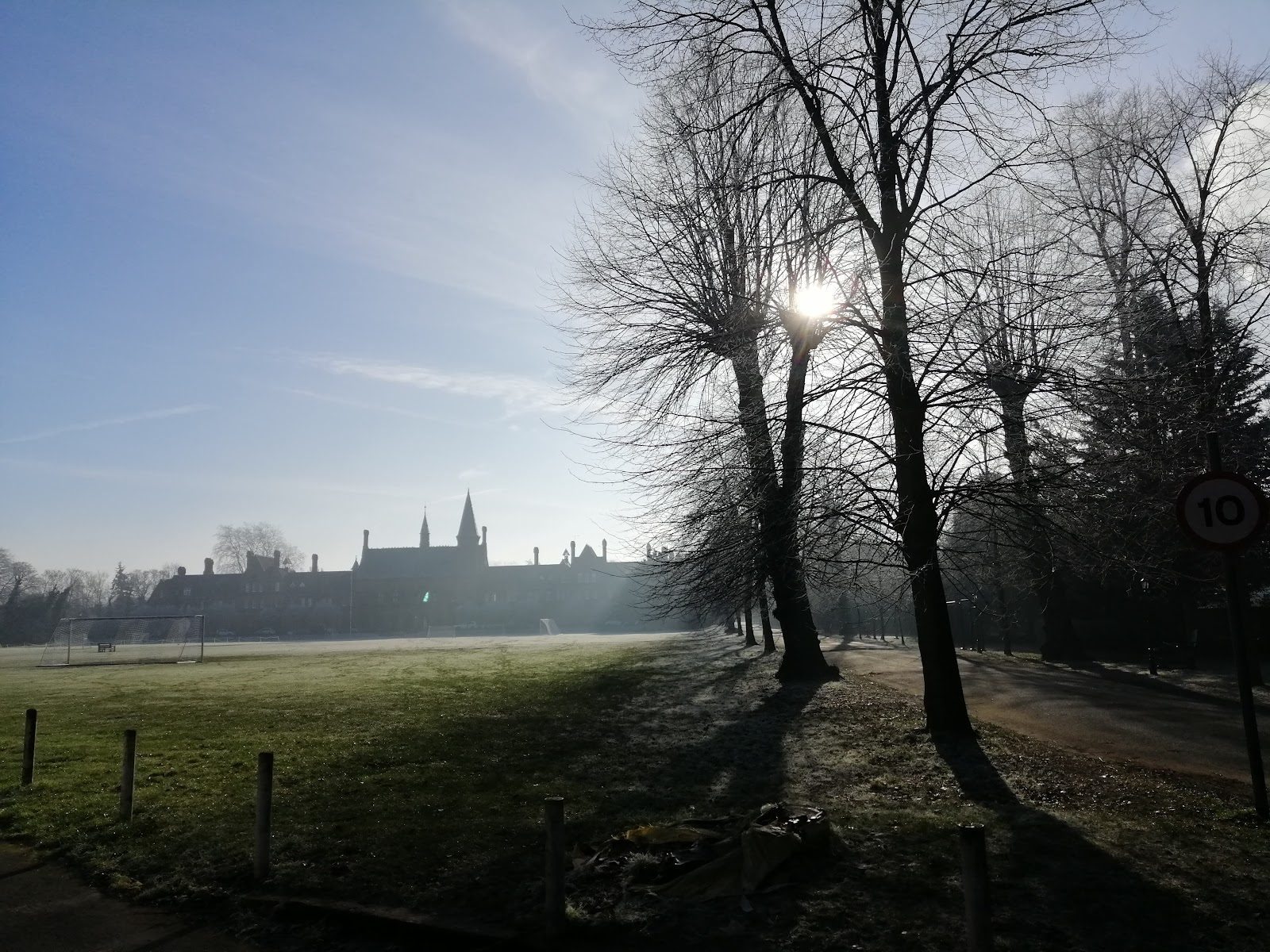
Reading School
Reading · United Kingdom
Founded within Reading Abbey in 1125, this selective state grammar for boys still sends the bulk of its leavers to Russell Group and Oxbridge places.
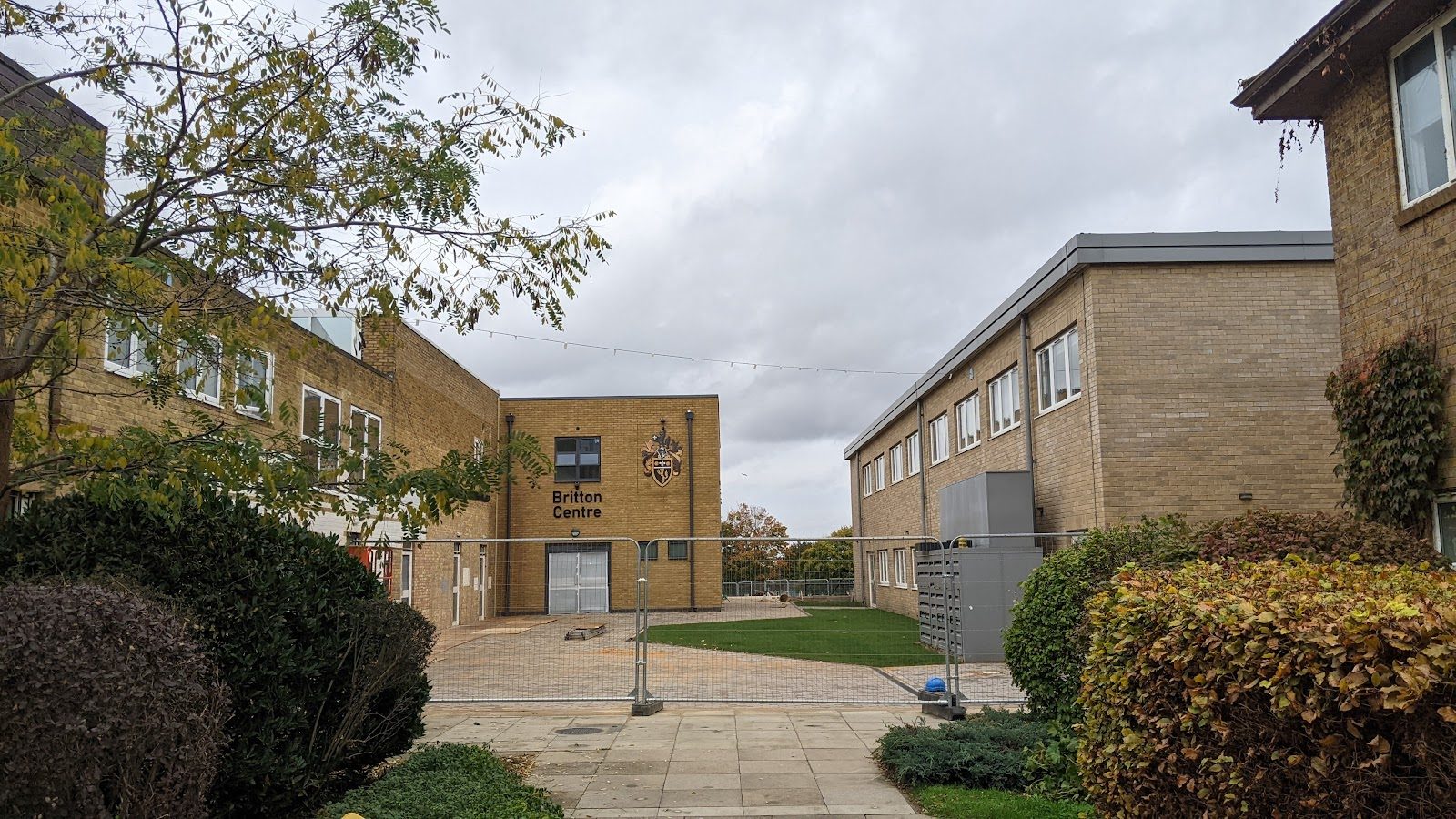
Wilson's School
Sutton · United Kingdom
A 1615 charity foundation turned super-selective grammar, thriving on a former Croydon airfield with a sharp focus on maths and computing.

Colchester Royal Grammar School
Colchester · United Kingdom
A state grammar bearing two royal charters, from Henry VIII to Elizabeth I, with its own boarding house and a science-and-languages bent.
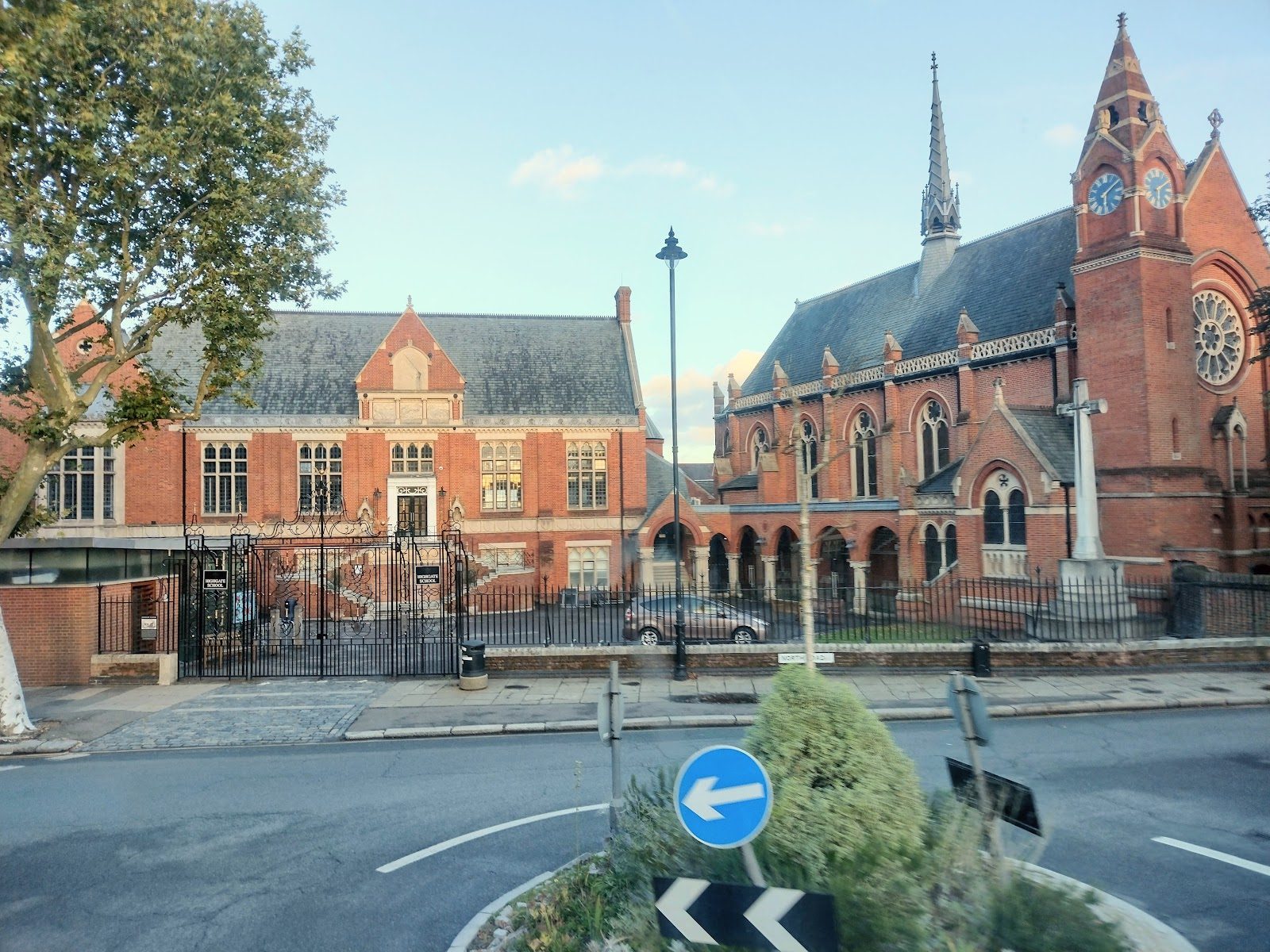
Highgate School
London · United Kingdom
Chartered by Elizabeth I in 1565, this Highgate grammar school now founds access academies alongside its Oxbridge-bound sixth form.
Same country and curriculum — closest matches within ±10 points either way