
Kaohsiung
Kaohsiung American School
low confidence· 3/6 cats · 2.83 avg sourcesBorn from a 1989 grassroots push by expatriate families, this Kaohsiung campus runs dual AP and IB tracks on a LEED-certified site by Lotus Pond.
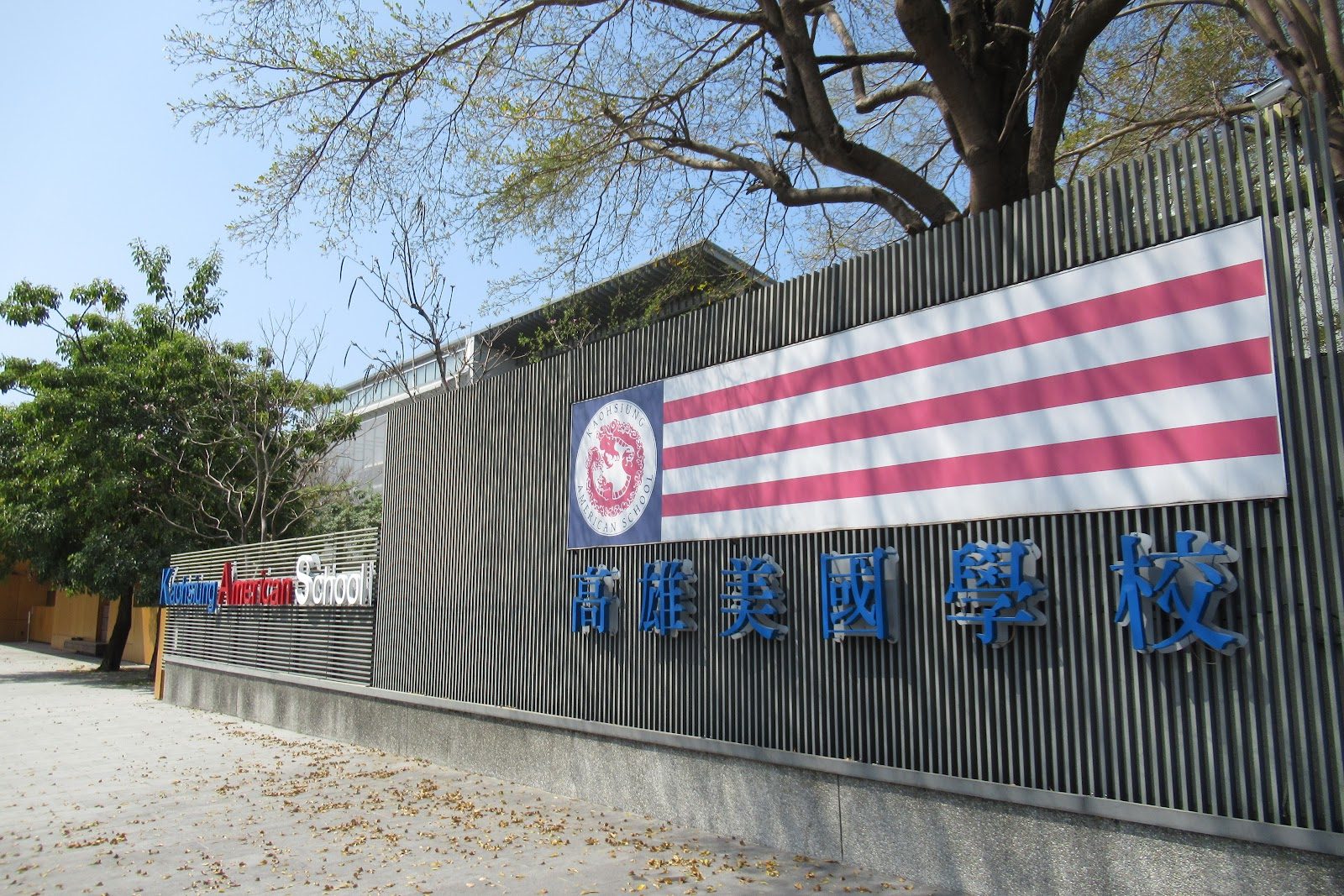
Photo © t s via Google Maps
Type
Day
Ages
3–18
Curriculum
American · AP
Ratio
—
The Verdict
Editor's commitment
Right for
Families in Kaohsiung who want English-medium schooling from ages 3–18 with American standards, IB MYP, IB Diploma, WASC and CIS.
Wrong for
Anyone wanting boarding, religious formation or a single-track curriculum; this is a secular day school founded in 1989 with AP and IB.
Watch out for
The average annual day fee is NT$526,450; for that money, parents should press hard on how AP sits beside IB across PreK–12.
Ranking breakdown
Kaohsiung American School · #1524 of 1591
Composite score 46.9. 8 weighted criteria.
By criterion
Academic Outcomes
Weight 20%
#1455
of 1529 scored
University Placement
Weight 16%
#1455
of 1529 scored
Prestige & Heritage
Weight 12%
#1491
of 1571 scored
Alumni Network
Weight 12%
#1133
of 1530 scored
Facilities
Weight 12%
#1419
of 1534 scored
Transparency & Communications
Weight 8%
#1411
of 1532 scored
Peer & Industry Review
Weight 10%
#1482
of 1548 scored
Admissions Selectivity & Demand
Weight 8%
#1456
of 1529 scored
Score history
Kaohsiung American School · 2026
Movement across 2024–2026. Peer average overlaid.
Overall — 2024–2026
46.9/ 100
▲ +7.5 vs 2025
year on year
Peer & Industry Review
How Kaohsiung American School is regarded in the sector
52
Credible · medium confidence
I was unable to identify at least two independent, third-party sources (e.g., Tatler, Good Schools Guide, specialist education press, or established expat forums) that substantively discuss Kaohsiung American School's reputation. Available information appears limited to the school's own materials or unverified aggregator listings, which do not meet the evidentiary bar required.
Editors' overview
Kaohsiung American School occupies a distinctive niche in southern Taiwan: an English-medium American school founded in 1989 by expatriate demand, with a full PreK–12 age range and a curriculum that does not stop at standard US coursework. The draw is the academic structure. KAS runs American standards-based teaching alongside the IB Middle Years Programme and the IB Diploma Programme, which gives families more range than the editorial context alone implies. In a city with fewer international-school options than Taipei, that matters. So does its accreditation: WASC and CIS put it in the category of schools that meet recognised international benchmarks rather than trading on the word “American” alone. At an average annual day fee of 526,450 NT$, it sits in the premium tier for Kaohsiung, but not in a way that looks inflated by empty prestige.
What is special here is not novelty; it is breadth with coherence. KAS covers ages 3–18, teaches in English, and offers a through-school path that can carry a family from early years to university entry without a forced curriculum reset in the middle. The school also has a stronger international architecture than many provincial-city competitors: American standards, IB in the middle and senior years, and a college counselling operation the school puts front and centre. The public-facing message leans hard on holistic education, global citizenship and pastoral care, which many schools say. The more convincing point is practical: KAS has built an academic platform broad enough to serve mobile international families, mixed-nationality households and students aiming at overseas higher education. That makes it substantial, not decorative.
This is a school for students who want an outward-facing education in a city that does not offer a huge menu of comparable schools. It will suit children who thrive in English, can handle an internationally mixed environment, and want a campus culture that balances academics with athletics and the arts rather than reducing school to test preparation. Older students who value choice at the top end will find the strongest case for KAS: the school’s AP identity in the editorial context sits alongside IB Middle Years and Diploma in the school’s own description, which gives ambitious families a more serious academic proposition than a single-track school. Parents who want published aggregate exam outcomes will find the picture too opaque; the school does not publish them here. Even so, for southern Taiwan, KAS belongs on a shortlist because it offers a rare combination of continuity, recognised accreditation and genuine international-curriculum depth on one campus.
Academic Performance
KAS does not publish the data that matters most in any academic-performance discussion: aggregate IB Diploma results, AP score distributions, cohort averages, subject-level highs, or multi-year university-destination patterns. That leaves parents without the hard benchmarks needed to place the school cleanly against direct competitors. In editorial terms, that is a real weakness. Schools asking families to commit to a full through-school education need to show where senior students land academically, not just describe the ethos around learning. The school talks confidently about college counselling and student passions; it does not put public examination outcomes beside those claims. For a school in the premium bracket, that gap is too opaque.
Relative to peers, KAS sits in an unusual middle ground: more academically structured than many small international schools outside capital cities, but less transparent than the strongest operators in the region, which publish annual diploma averages, pass rates and top scores as a matter of course. The existence of both AP and IB pathways gives older students serious academic range, and the through-school model supports continuity into the exam years. Still, range is not the same as proof. Without published outcomes, KAS cannot claim the results credibility of the best-documented schools in Taipei, Hong Kong or Singapore. It remains a school with a strong academic framework and unfinished public accountability on performance.
Facilities
The campus has one facility advantage that matters more than glossy extras: it is a full through-school site, so younger children, middle-school students and sixth formers are not scattered across improvised buildings or split campuses. That gives KAS the infrastructure of a proper institution rather than a stitched-together expatriate outpost. The school foregrounds its learning spaces, athletics, visual arts and performing arts, and that breadth puts it ahead of many second-city international schools, which cover the basics but thin out fast beyond core classrooms. Parents can also infer a degree of practical seriousness from the school’s use of open days, trial classes and campus tours; schools with weak physical provision tend not to invite close inspection. What we have not seen is the level of published technical detail that top regional competitors now provide as standard: no clear public inventory of specialist labs, theatre specifications, pool provision, maker spaces or sports surfaces.
Against peers, then, KAS sits in the strong but not fully evidenced bracket. The site by Lotus Pond carries a *genuine environmental and aesthetic advantage*, and the editorial context’s LEED-certified campus points to a build with more thought behind it than the concrete-box norm. That counts. But the school leaves parents to do too much inference. The best international schools publish floor-by-floor clarity on libraries, science facilities, arts studios and senior-study spaces. KAS gives a broad picture and a credible sense of range, not a forensic one. For a school charging an average annual fee of 526,450 NT$, that public-detail gap is a real weakness, even if the campus itself sounds better than the average local rival.
Kaohsiung American School carries real local weight, but its prestige is regional rather than global
Prestige
Kaohsiung American School carries real local weight, but its prestige is regional rather than global. In southern Taiwan, that matters. There are not many schools in its category with a full through-school structure, recognised international oversight and a long-established expatriate base. That gives KAS a serious standing with families who want an international education without moving north. The average annual fee of 526,450 NT$ also places it in the bracket where parents expect more than convenience; they expect institutional substance. KAS meets that test in breadth of provision and in the fact that it has endured as a non-profit school rather than a speculative market entrant. That is a stronger foundation for reputation than branding exercises or imported heritage tropes.
What it does not have is the upper-tier cachet of the best-known names in Asia’s major hubs. Its public reputation rests on continuity, community trust and credible international school architecture, not on published headline results, elite-university boastfulness or a famous global network. For some families, that makes it more grounded and less performative. For others, it limits the school’s status value. Our rating lands in the middle-high range for that reason: KAS is well-regarded and established, with clear prestige in its own market, but it does not command the automatic recognition that travels across borders. It is a respected school, not a prestige machine.
In a city with fewer international-school options than Taipei, that matters
Communications
KAS communicates with parents in a direct, event-led way. The public feed highlights open days, trial classes, internships, back-to-school evenings and routine invitations to meet teachers or school leaders. That tells you two useful things. First, the school does not treat communication as a one-way noticeboard; it builds repeated points of contact into the year. Second, it is comfortable putting parents on campus and into classrooms, which is a good sign in any school. The elementary open day window of 10:00–11:30 is a small detail, but it signals organisation rather than vague “drop in” hospitality. The emphasis on asking questions, touring learning spaces and meeting leadership gives the communications style a practical, open-door character.
The weakness is depth. KAS communicates activity well; it communicates outcomes less well. Parents can see community life, student experiences and the rhythm of the school year, but they get limited hard information on academic performance, strategic priorities or the metrics that matter when a family is making a long commitment. That creates a warm but incomplete picture. For current parents, the regularity of events and the visible parent-teacher touchpoints point to a functional, engaged communications culture. For prospective parents doing due diligence, the school needs sharper publication of the facts that test institutional confidence. At present, the tone is reassuring; the level of public accountability is thinner than it should be.
Uniqueness
What makes KAS distinctive is its role in southern Taiwan. This is not one interchangeable international school among many. It is one of the few schools in the south with the institutional depth to carry a child right through from the earliest years to university applications without a disruptive handover to another campus or system. That continuity matters in a market where choice is thinner than in the capital. Students gain a stable academic runway, a more coherent adolescence and a community that does not reset every few years. The non-profit structure also gives the school a different texture from investor-built operators: less salesmanship, more institutional seriousness. Its average annual fee of 526,450 NT$ still places it firmly in expensive territory, but the proposition rests on durability and breadth rather than imported glamour.
The other point of difference is the school’s blend of international ambition with a setting that remains rooted in its local city rather than insulated from it. The school talks about internships, open days and a collaborative parent culture; that points to a campus with practical outward links rather than a sealed expatriate bubble. For students, that can produce a less artificial international education: one that still faces overseas, but keeps contact with the professional and civic life around it. Families who want a famous badge will find stronger status options elsewhere. Families who want a genuinely embedded school with broad age-range continuity and credible adult support will find the KAS model hard to replace in this part of Taiwan.
At an average annual day fee of 526,450 NT$, it sits in the premium tier for Kaohsiung, but not in a way that looks inflated by empty prestige
Student Profile
KAS suits children who want a full-school community rather than an anonymous exam factory. The best fit is a student who joins in: sport, arts, school events, internships and the day-to-day social life of a campus that asks families to show up, not just pay fees and wait for results. This does not read as a school for the narrowly coached or the single-track striver. It suits internationally minded children who are comfortable with different backgrounds, can build steady relationships over time and value teachers who know them well across more than one dimension. Because the school keeps its public emphasis on holistic growth and community contact, students who need a warmer, more relational environment than the hard-edged pressure schools offer will fit better here than those who want a ruthless academic pecking order.
The less suitable student is just as clear. If a family wants a school that broadcasts elite outcomes, publishes every top-line metric and signals status through relentless academic messaging, KAS will feel too understated. It also will not suit children who resist participation or want to disappear into the crowd; a through-school community of this kind carries a visible social rhythm. The annual fee level — 526,450 NT$ on average — also narrows the intake to families making a serious financial commitment, so expectations around engagement and continuity run high. In practice, the strongest fit is the student who wants international-school breadth, adult support and room to grow into responsibility, not just a place to collect grades.
What is special here is not novelty; it is breadth with coherence
Co-curricular strengths
Arts & sport, on a separate axis
Overall 7.84/10
Scored 0-10 from the school's own published evidence. This axis is editorial-only — it does not feed the main WTS ranking.
Sports
8.3/10
Explicitly includes Basketball, Volleyball, and Soccer, showing a solid multi-sport offering but with no cited facilities, specialist staff, or competitive results.
Drama
8/10
Drama productions, and recurring named productions clear the 6 floor even though no theatre or department is described.
Dance
6.5/10
Music
8.2/10
Jazz band and Choir, indicating structured music participation beyond a bare mention but with no named facilities, department, or specialist staff cited.
Visual Arts
8.2/10
Editor first-pass · editor-reviewable · 7/27/2026
Strengths
- +Pre-K to Grade 12 continuity
- +American curriculum with AP options
- +IB World School status
- +WASC accreditation and AIT support
Considerations
- −Only American and AP stated
- −Private non-profit school
- −Zuoying District location may limit commute choices
Availability
Primary entry gate & tests
Academic Record
Gallery
Photo © t s via Google Maps
Photo © t s via Google Maps
Photo © Sig Chen via Google Maps
Photo © Brian Meehan via Google Maps
Photo © chienhaw lee via Google Maps
Photo © Tseng Simmon via Google Maps
Photo © XIANG HOO via Google Maps
Photo © alps.tw alps.tw via Google Maps
Photo © alps.tw alps.tw via Google Maps
Parent reviews
Have you sent your child here?
Voice reviews carry the strongest trust badge — we transcribe them for you to tidy up before they go live. Prefer to type? A written review is fine too.
Add your voice
In 60 seconds, tell other parents: what's the best thing about Kaohsiung American School, and what surprised you when your child joined?
We ask for a Google sign-in so every review has a real face behind it — no anonymous drive-by attacks on schools, and no faked positive reviews. Your email is never shown publicly.
Send this profile to a friend
International parents rely on word-of-mouth. Share this review with someone weighing the same decision.
Schools with places
Similar schools to Kaohsiung American School with places available now.
Morrison Academy
Taichung · Taiwan
- 2026-27
- WAITPOOLSpace-dependent
- 2027-28
- PLACES OPENRolling
Taipei American School
Taipei · Taiwan
- 2026-27
- WAITPOOLSpace-dependent
- 2027-28
- PLACES OPENRolling
Availability first, then country, area, curriculum, price, co-curricular
Consider also
Also worth looking at alongside Kaohsiung American School.
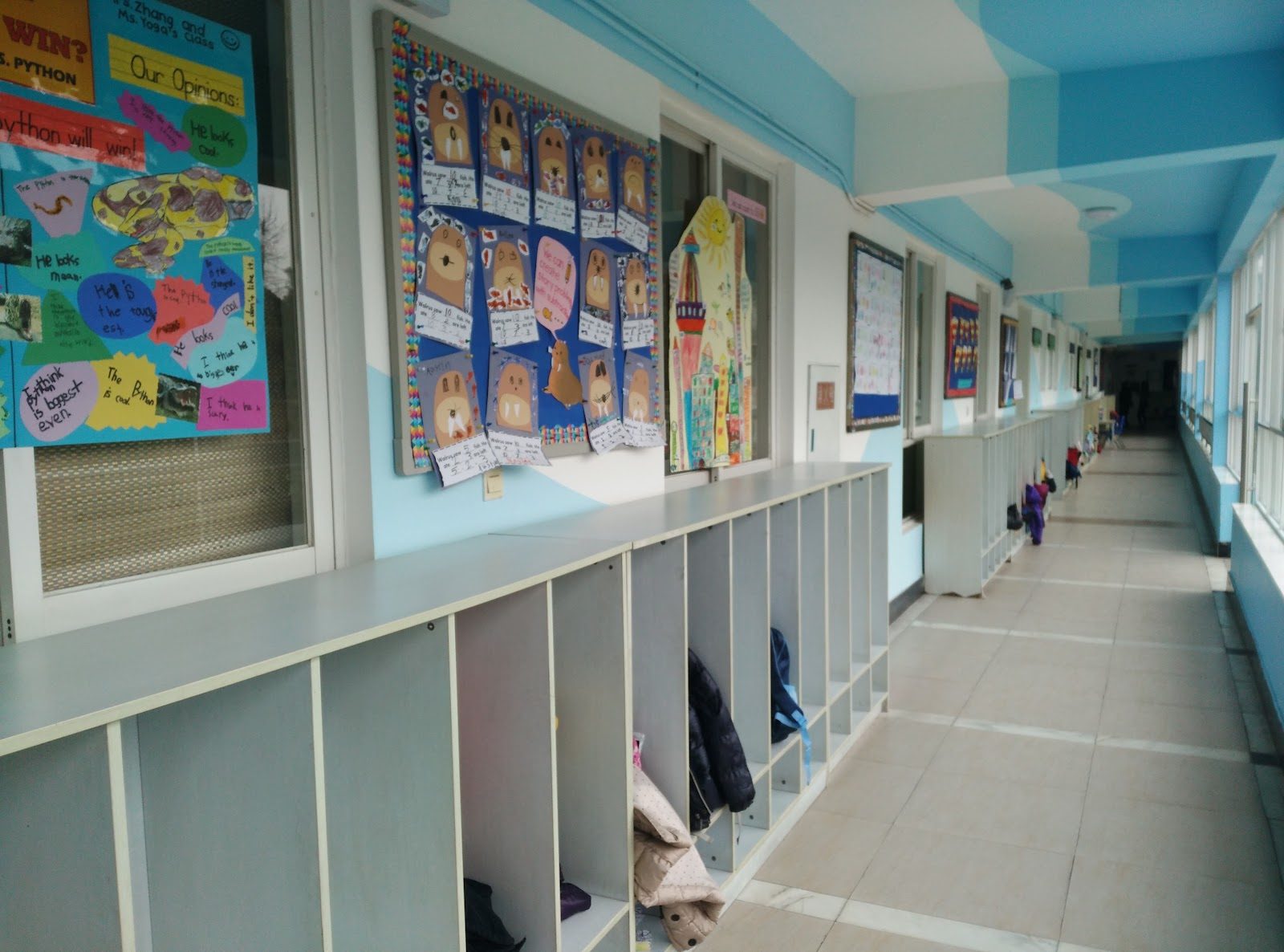
QSI International School of Chengdu
Chengdu · China
A mastery-learning model and single-digit class sizes anchor this American Garden campus school inside Chengdu's Third Ring Road.
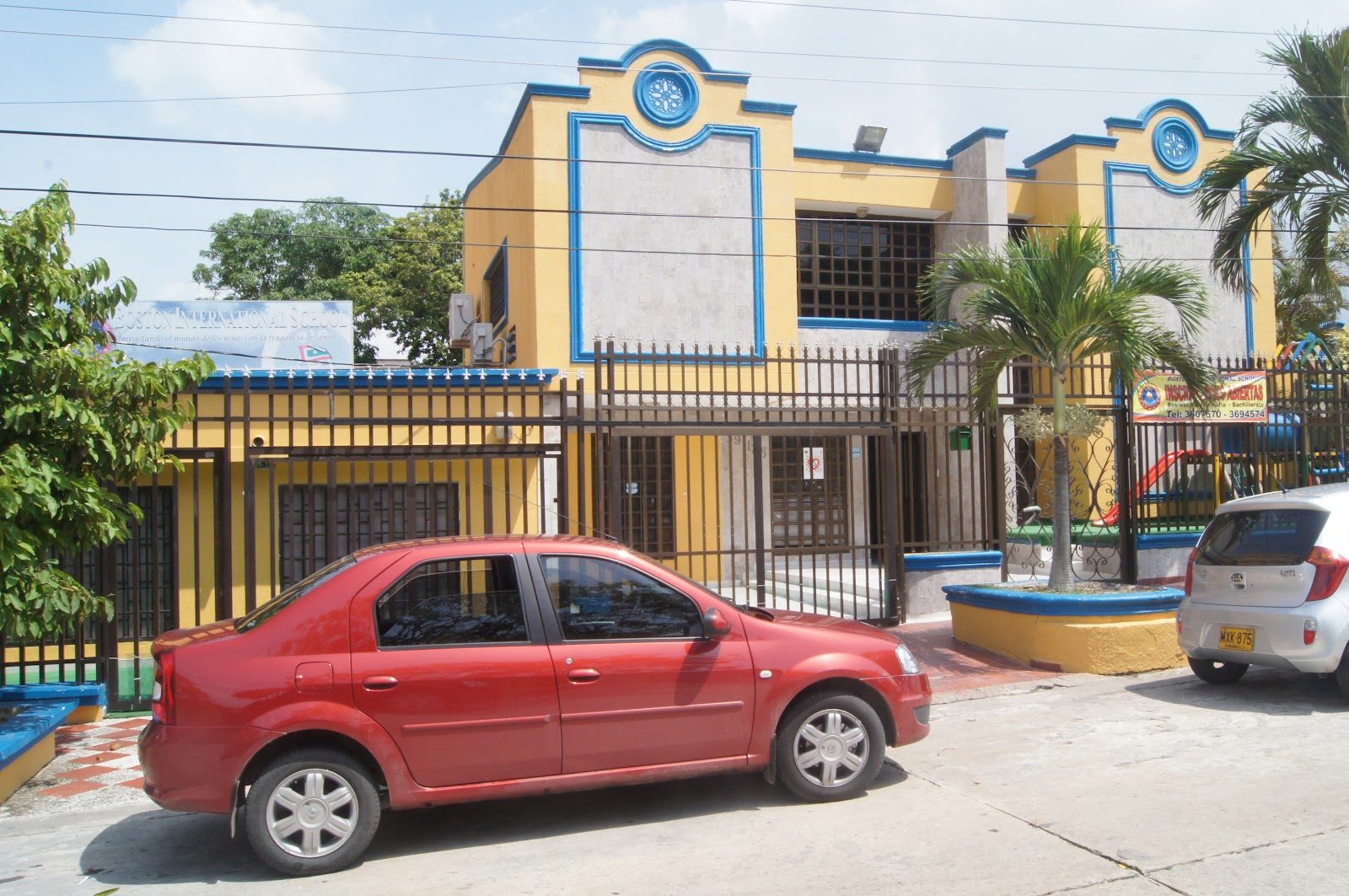
Colegio Boston Internacional
Barranquilla · Colombia
From a rented house with 20 pupils in 2002 to Colombia's top-ranked school in the 2025-2026 Col-Sapiens survey
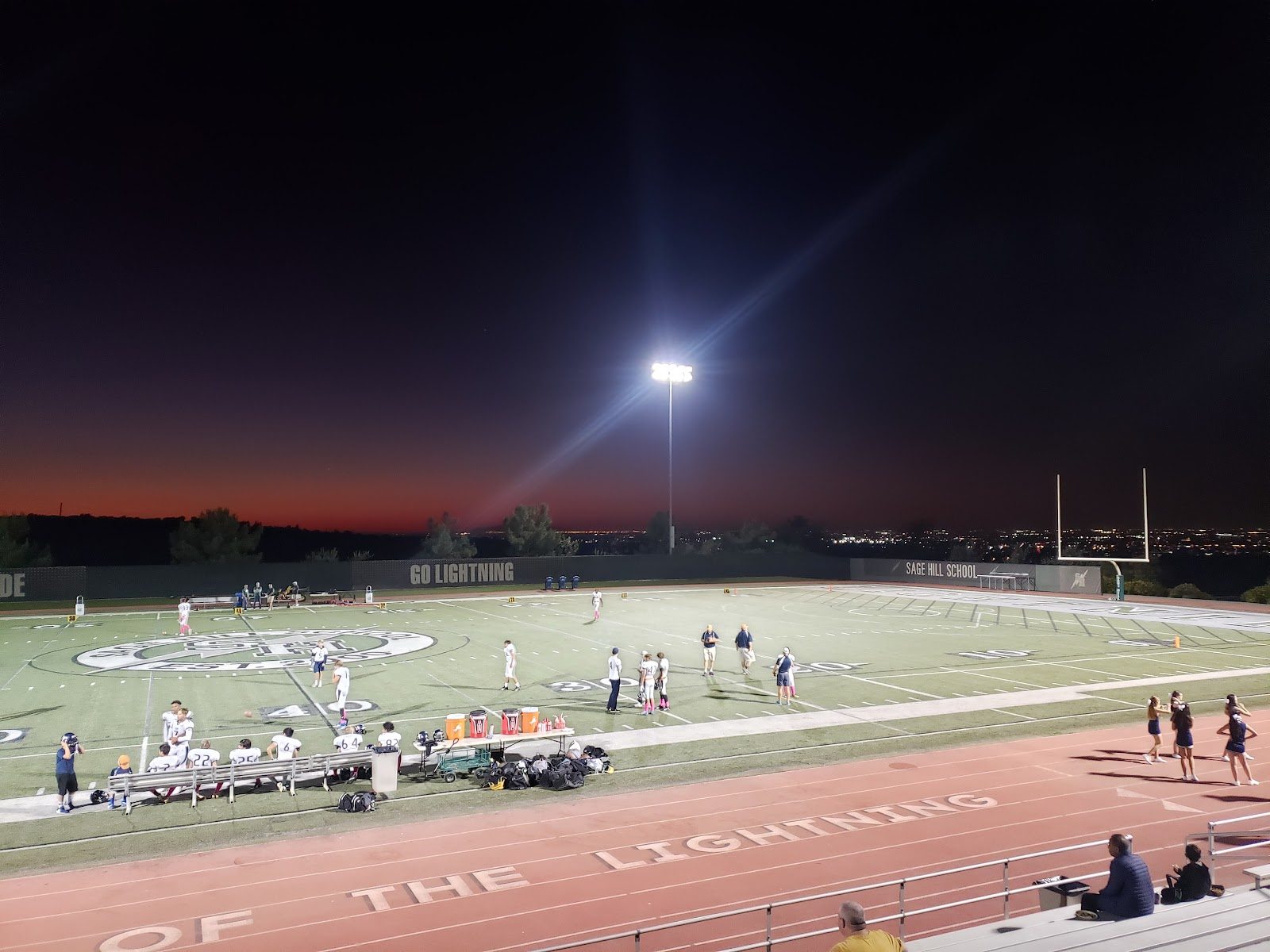
Sage Hill School
Newport Coast, CA · United States
A no-bells, ocean-view campus in Newport Coast where a year-end 'Spring at Sage' term sends students chasing passions worldwide.
Walworth Barbour American International School in Israel
Even Yehuda · Israel
Born under US Embassy auspices in 1958, it's Israel's only American-accredited school, sending AP graduates onward to US campuses.
Same country and curriculum — closest matches within ±10 points either way