
Banten
In a Bintaro campus of bird-named houses, a full PYP-to-DP continuum made this one of Indonesia's first schools to run IB's MYP e-assessment.
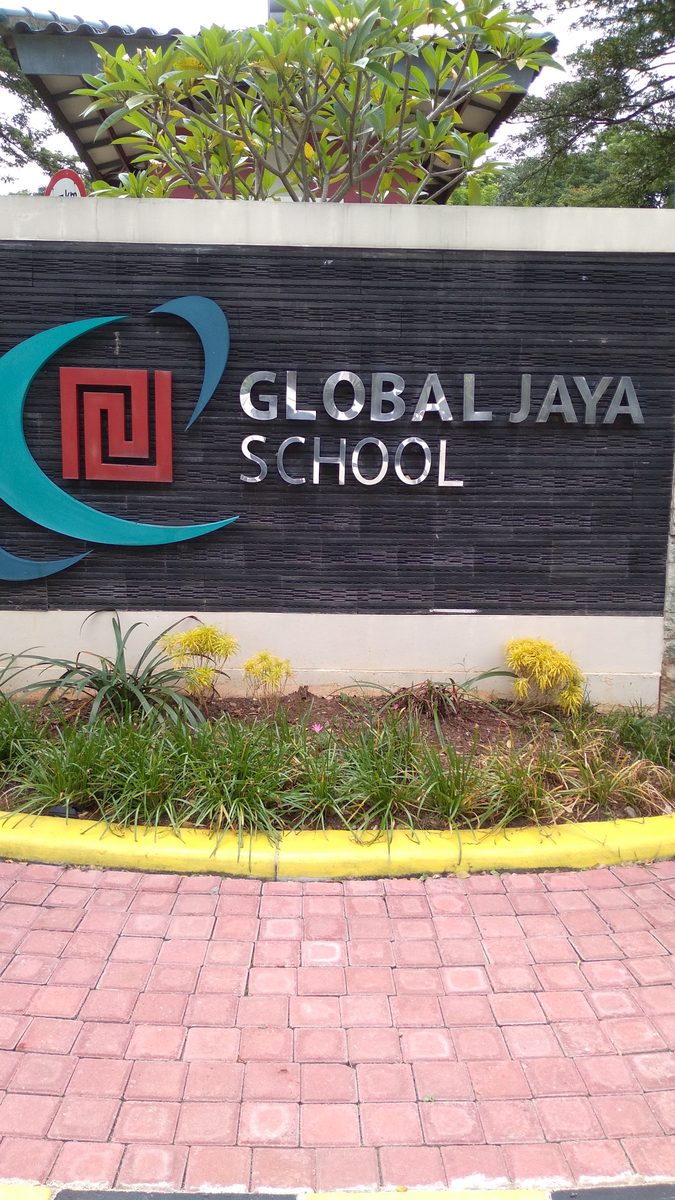
Photo © Muhammad Azhari via Google Maps
Type
Day
Ages
3–18
Curriculum
IB
Qualifications
IB Diploma · IB MYP · IB PYP
Ratio
—
The Verdict
Editor's commitment
Right for
Families in South Tangerang wanting a 1995-founded, non-religious day school with full IB PYP, MYP and DP under CIS oversight.
Wrong for
Parents who want boarding, a faith setting, or a non-IB route; Global Jaya School is a day school and IB World School.
Watch out for
English and Indonesian both matter here, and the school does not publish public exam outcomes or university destinations on its website.
Ranking breakdown
Global Jaya School · #769 of 1591
Composite score 65.6. 8 weighted criteria.
By criterion
Academic Outcomes
Weight 20%
#959
of 1529 scored
University Placement
Weight 16%
#911
of 1529 scored
Prestige & Heritage
Weight 12%
#734
of 1571 scored
Alumni Network
Weight 12%
#584
of 1530 scored
Facilities
Weight 12%
#857
of 1533 scored
Transparency & Communications
Weight 8%
#123
of 1532 scored
Peer & Industry Review
Weight 10%
#533
of 1548 scored
Admissions Selectivity & Demand
Weight 8%
#1232
of 1529 scored
Peer & Industry Review
How Global Jaya School is regarded in the sector
70
Respected · medium confidence
I was unable to identify at least two independent, verifiable third-party sources (e.g., Tatler, Good Schools Guide, specialist education press, or established expat forums) discussing Global Jaya School's reputation. Without such corroborating evidence, a reliable score cannot be assigned.
Editors' overview
Global Jaya School occupies a useful niche in Greater Jakarta: a long-established, non-religious day school in Bintaro with the full IB run from PYP through MYP to Diploma. Founded in 1995, it has longevity that many newer operators lack, and its location in South Tangerang gives families a serious international option outside the central Jakarta circuit. The distinguishing feature is curricular continuity. Plenty of schools offer one or two IB stages; fewer carry the whole sequence cleanly from ages 3–18. That matters for families who want one academic language, one assessment philosophy and one school culture across the entire school journey. The result is institutional steadiness, clear academic continuity and a proposition that is easy to understand.
This is not a boutique specialist school and not a hyper-selective finishing factory. Its strength sits elsewhere: a mature all-through structure, English and Indonesian as languages of instruction, and an Indonesian setting that the school itself states remains central to its identity. That combination will appeal to expatriate and Indonesian families who want an international education without cultural detachment. The Bintaro campus and its house structure give it more of a settled community feel than the transient, tower-block style that defines parts of the Jakarta market. Parents should also note the practical markers of seriousness: IB World School status and CIS accreditation. Those are baseline signals of process, governance and review, not glamour. The school also publishes a School Action Plan, which counts in its favour; schools that put strategic priorities in public invite scrutiny.
Why shortlist it? Because it offers a coherent IB pathway, a grounded international identity and a stable suburban campus model in a market full of noise. It suits students who thrive in broad, concept-driven learning rather than narrow exam drilling; students who want the full IB experience without changing schools at 16; and families who value community, routine and a school that has had time to build systems. The right child for Global Jaya is academically capable, internationally minded and comfortable in a school that asks for reflection, inquiry and sustained organisation. The wrong fit is the student who wants a hard-edged, overtly competitive academic culture or a school built around elite branding. Global Jaya’s appeal lies in consistency over flash and substance over theatre.
Academic Performance
Global Jaya does not publish headline examination data in the public domain. We have not seen aggregate Diploma averages, pass rates, subject breakdowns, university destination lists with numbers, or trend lines over multiple cohorts. That is a real weakness in a market where serious IB schools increasingly understand that parents expect hard outcome data, not atmosphere. The school can still point to one concrete academic marker: it was among Indonesia’s first schools to run the MYP eAssessment, which signals operational competence and a willingness to engage with external benchmarking rather than rely only on internal grades. That matters, but it is not a substitute for published Diploma results.
Against peers, Global Jaya sits in the credible but opaque tier. The full IB continuum gives academic coherence, and long institutional memory tends to help with curriculum delivery, moderation and transitions between stages. Yet without published outcome figures, it does not earn a place in the results-forward bracket occupied by schools that release IB averages and pass rates every year. Parents comparing Jakarta-area options on academic performance alone should press for cohort size, Diploma points distribution, higher-level subject results and multi-year consistency. Until those figures are disclosed, Global Jaya’s academic standing rests more on structure and reputation than on hard public proof.
Facilities
The campus matters here. Global Jaya sits on a settled suburban site rather than in a retrofitted office block or a vertical city campus, and that gives it an advantage many Jakarta-area peers do not have: room to function as a school, not just occupy space. The school itself points to a beautiful and spacious campus, and while that phrase is promotional, the underlying point stands. Families get a proper day-school environment with open circulation, outdoor breathing room and a stronger sense of community than the tight, traffic-heavy compounds common in the market. The bird-named house structure adds identity without gimmickry. For younger children in particular, that kind of campus layout supports a more settled, human-scale daily routine than the anonymous feel of some newer operators.
What is missing is the detail parents need. The school does not publish a clear facilities inventory on the public site: no serious overview of libraries, laboratories, arts spaces, performance venues, indoor sports provision or specialist teaching rooms. That is a weakness. Peer schools competing for internationally mobile families spell this out because facilities are part of the educational offer, not a footnote. Without that disclosure, Global Jaya benchmarks as credible but under-explained: stronger on campus setting and day-to-day atmosphere, weaker on public transparency. Parents should ask direct questions and insist on a full tour. A school with a site this potentially attractive needs to show the substance room by room.
Good school communication does not stop at welcome messages and key links; it shows how the institution thinks, decides and delivers
Prestige
Global Jaya carries solid local standing rather than elite cachet. In the Greater Jakarta market, that still has weight. It has been around long enough to build recognition with families, staff and universities, and the all-through structure gives it a seriousness that single-phase schools struggle to match. The school board meets 3–4 times each year, which signals functioning oversight rather than owner-led improvisation. The public child-protection commitment and the publication of a school action plan also help: these are not glamorous markers, but they are the marks of a school that understands accountability. Prestige here rests on institutional competence, continuity and a campus community with enough permanence to feel established.
It does not sit in the trophy-school category. There is no aura of inherited British-brand prestige, no famous parent chain, and no published set of headline outcomes strong enough to force its way into the top academic conversation. That limits its status among parents who buy schools for social signalling. Its reputation instead comes from being a credible, grown-up choice: a school families pick for stability, coherent schooling and a less performative version of international education. That is respectable prestige, not rarefied prestige. For the right family, that distinction is a strength, not a compromise.
Global Jaya’s distinctiveness lies in combination rather than spectacle
Communications
Global Jaya’s parent communication has one clear strength: it puts core governance and operational documents in public view. The school calendar is easy to find, the school action plan is published, child-protection and policy pages are signposted, and the board’s meeting rhythm — 3–4 times each school year — is stated plainly. That matters. Schools that publish these basics make family life easier and expose their priorities to scrutiny. The admissions contact details are also presented without friction, which sounds minor but counts. This is functional transparency, and too many schools still fail at it. The tone across the public-facing pages is warm and institutional rather than slick, which fits a school built around continuity and community more than aggressive salesmanship.
The weakness is depth. Communication is competent but thin. Parents can find the framework, but not enough of the substance behind it. The public site does not give a strong sense of how the school reports academic progress, handles parent concerns, shares leadership decisions beyond board cadence, or explains outcomes with hard data. The result is a school that communicates the structure of accountability better than the lived detail of school performance. For existing families, day-to-day channels may be stronger; in public view, the picture stays under-explained. For prospective parents, that limits trust. Good school communication does not stop at welcome messages and key links; it shows how the institution thinks, decides and delivers.
Uniqueness
Global Jaya’s distinctiveness lies in combination rather than spectacle. It gives families a full all-through education in one place, but set inside an Indonesian frame that the school itself treats as central, not decorative. In a market where “international” can slide into cultural detachment, that matters. Students do not move through a sealed expatriate bubble; they study in a school with a clearer relationship to its host country and a more grounded international identity. The suburban setting strengthens that effect. This is not a transient downtown operation built around convenience and branding. It has the feel of a settled community school, with enough permanence to create habits, relationships and institutional memory that last beyond a single phase. The board’s 3–4 annual meetings also point to a school with governance routines, not just front-of-house polish.
What students get from that mix is continuity without rootlessness. They can grow up in one academic culture, one social environment and one physical campus, which reduces the churn that unsettles many internationally mobile children. The bird-named houses sharpen belonging in a way that is simple but effective: identity, affiliation, healthy competition. Add the school’s early adoption of external middle-years assessment and the picture becomes clearer. Global Jaya is unusual not because it is flashy, selective or status-obsessed, but because it offers a stable, coherent, grown-up version of international schooling. For the right student, that brings confidence, steadier transitions and a stronger sense that school life hangs together.
Students who want a hard-charging, status-conscious environment with relentless public celebration of top scorers will find this too understated
Student Profile
The best fit here is the student who values continuity more than churn. Global Jaya suits children who settle into a community, build long friendships and benefit from staying in one institutional culture as they grow. The house system gives that social architecture some shape, so students who enjoy belonging to a team, taking part and recognising familiar faces across age groups will do well. This is a strong match for families who want an anchored school life rather than a transient expatriate carousel. It also suits pupils who can handle inquiry-led learning without constant spoon-feeding: organised, reflective children with decent self-management, intellectual curiosity and the patience for sustained projects rather than endless test rehearsal.
The weaker fit is just as clear. Students who want a hard-charging, status-conscious environment with relentless public celebration of top scorers will find this too understated. Children who need a highly pressurised academic culture to stay motivated, or who want a school built around social prestige, will get less of that here. By contrast, students who are internationally minded but still want a recognisable connection to Indonesian life have more to work with. Because the school runs right through to 18, it also suits families who want to avoid another transition before university. In character terms, this is a school for the steady, engaged, community-minded student, not the child chasing a showpiece brand.
Global Jaya School occupies a useful niche in Greater Jakarta: a long-established, non-religious day school in Bintaro with the full IB run from PYP through MYP to Diploma
Co-curricular strengths
Arts & sport, on a separate axis
Overall 8.3/10
Scored 0-10 from the school's own published evidence. This axis is editorial-only — it does not feed the main WTS ranking.
Sports
8.5/10
Drama
8.5/10
Dance
7.5/10
Music
8.2/10
Visual Arts
8.8/10
Editor first-pass · editor-reviewable · 7/30/2026
Strengths
- +Authorised as a full IB continuum school, offering the PYP, MYP and Diploma Programme under one roof.
- +One of the longer-established IB World Schools in Indonesia, having offered international curricula since the mid-1990s.
- +Holds Indonesian 'Sekolah Nasional Plus' status, permitting enrolment of both Indonesian and foreign-passport students, unlike embassy-restricted international schools.
- +Purpose-built campus in the planned Bintaro Jaya township, South Tangerang, with facilities designed around the IB inquiry model.
- +Bilingual academic approach that blends Indonesian national curriculum elements with the IB framework, useful for families wanting local-language retention.
Considerations
- −Editorial tier places it as a 'rising star' rather than an established top-bracket Jakarta international school, so global name recognition is limited.
- −Single campus location means families outside Bintaro/South Tangerang face a significant commute compared with Jakarta-based alternatives.
- −Fee levels, while not independently verified here, sit in the mid-to-upper range for Jakarta-area international schooling, a real budget consideration.
- −Extracurricular and co-curricular breadth is less extensively documented in public sources than at larger, longer-established international schools in the capital.
Availability
Primary entry gate & tests
Academic Record
Gallery
Photo © hobbys kweon via Google Maps
Photo © Januar Rizky via Google Maps
Photo © DSV multimedia via Google Maps
Photo © Nisaul Nurus Sobah via Google Maps
Photo © Januar Rizky via Google Maps
Parent reviews
Have you sent your child here?
Voice reviews carry the strongest trust badge — we transcribe them for you to tidy up before they go live. Prefer to type? A written review is fine too.
Add your voice
In 60 seconds, tell other parents: what's the best thing about Global Jaya School, and what surprised you when your child joined?
We ask for a Google sign-in so every review has a real face behind it — no anonymous drive-by attacks on schools, and no faked positive reviews. Your email is never shown publicly.
Send this profile to a friend
International parents rely on word-of-mouth. Share this review with someone weighing the same decision.
Schools with places
Similar schools to Global Jaya School with places available now.
Green School Bali
Abiansemal · Indonesia
- 2026-27
- WAITPOOLSpace-dependent
- 2027-28
- PLACES OPENRolling
Jakarta Intercultural School
Jakarta · Indonesia
- 2026-27
- WAITPOOLSpace-dependent
- 2027-28
- PLACES OPENRolling
Availability first, then country, area, curriculum, price, co-curricular
Consider also
Also worth looking at alongside Global Jaya School.
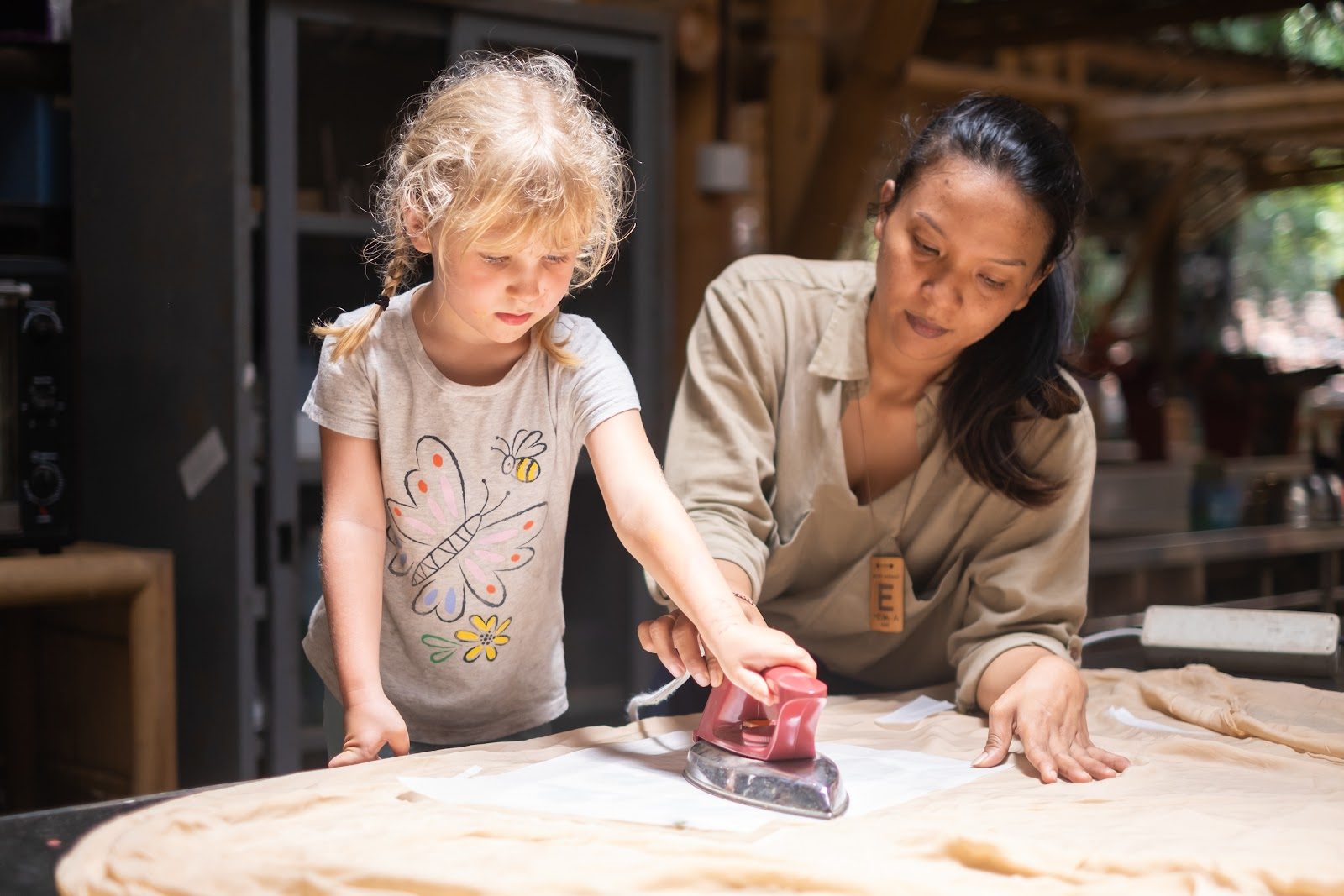
Green School Bali
Abiansemal · Indonesia
A walless bamboo campus on the Ayung River where IB study runs alongside rice cultivation and river ecology
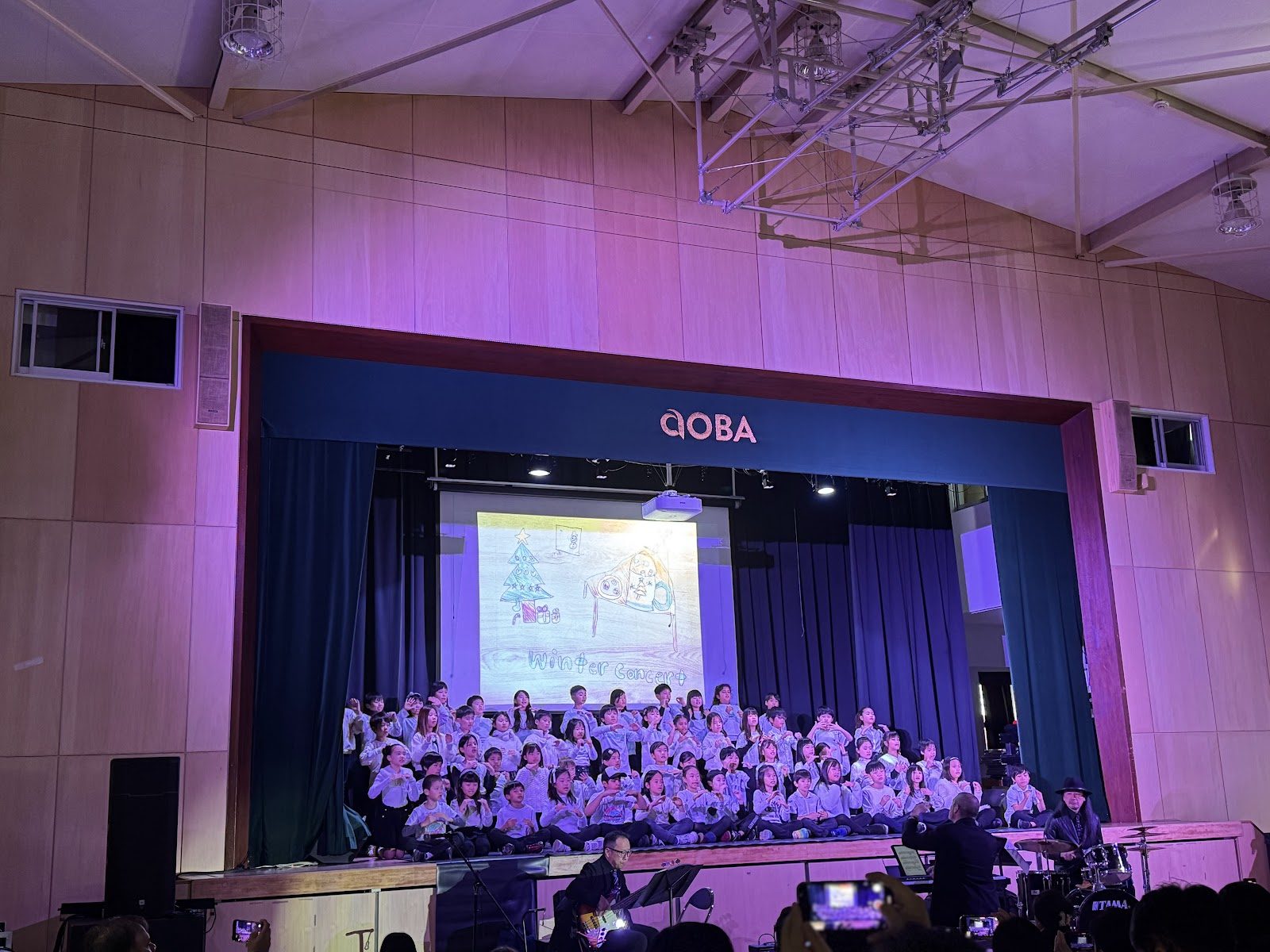
Aoba-Japan International School
Tokyo · Japan
Home to Asia's first online IB Diploma pilot, this Tokyo IB Continuum school pairs the DP with its own Global Leadership Diploma track.
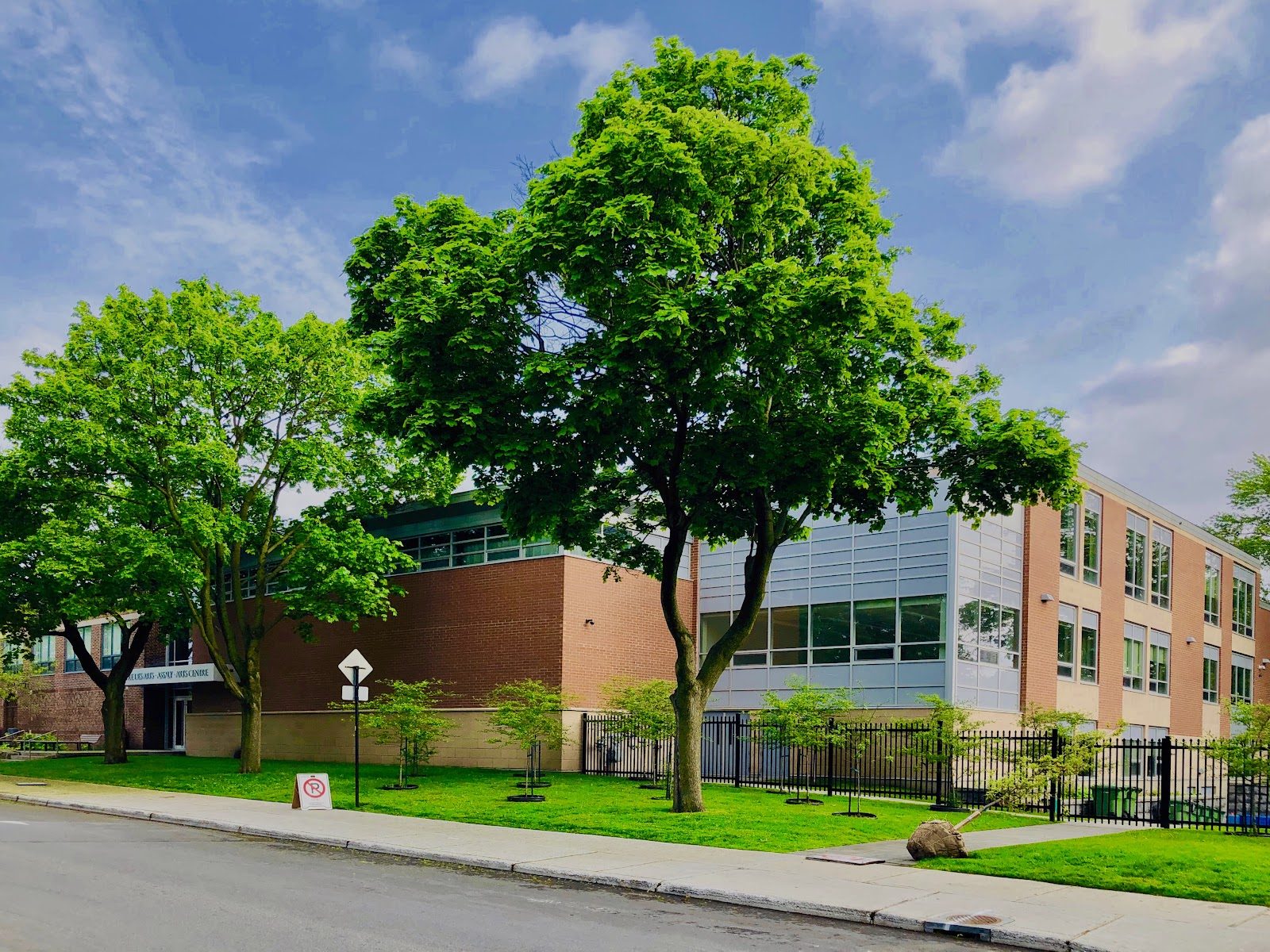
Lower Canada College
Montreal · Canada
Rooted in an 1861 boarding-school lineage, the only English-language Quebec school running both IB Middle Years and Diploma Programmes side by side
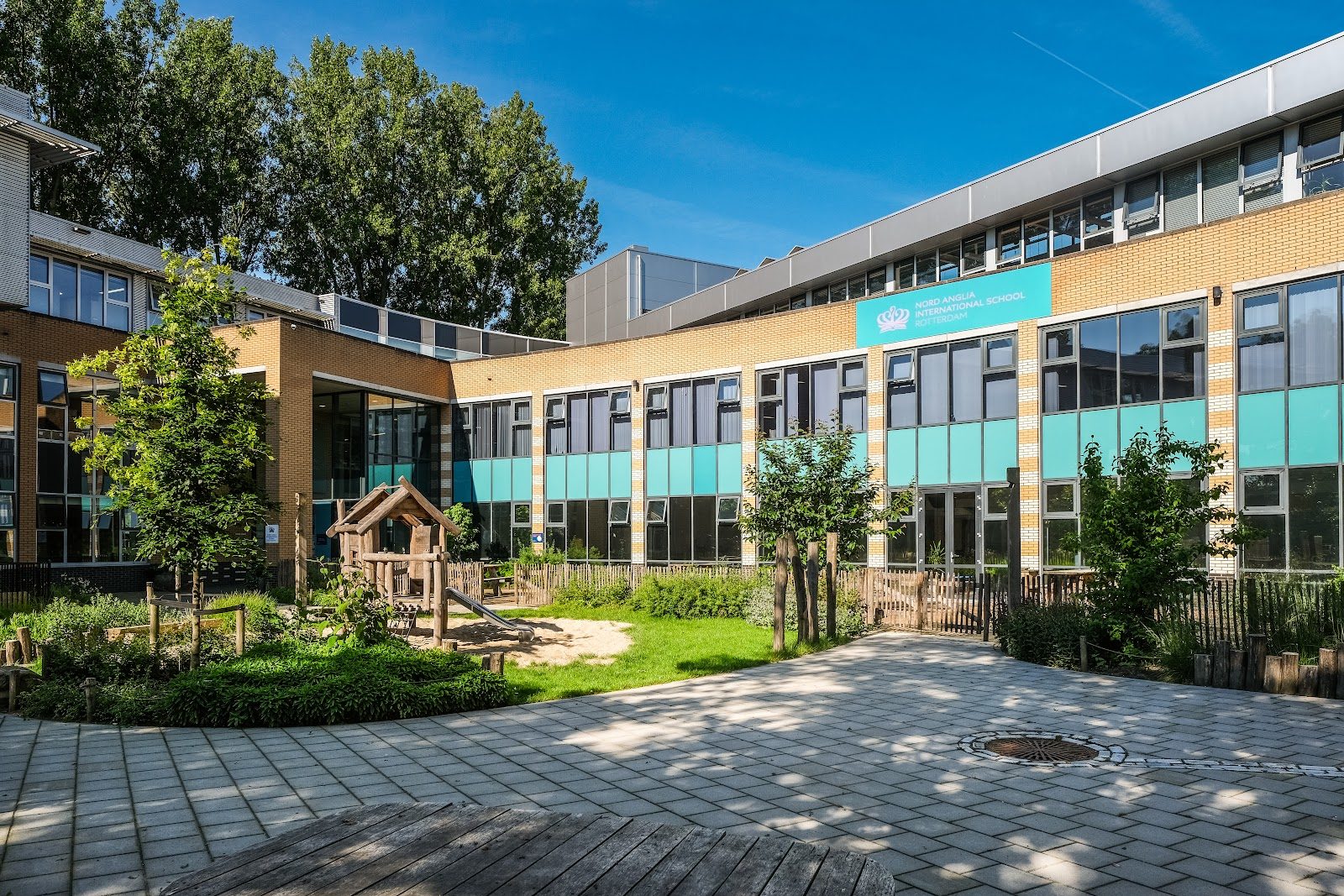
Nord Anglia International School Rotterdam
Rotterdam · Netherlands
Born from a 1959 American community, this Hillegersberg school pairs IB rigor with MIT-designed STEAM and Juilliard arts training.
Same country and curriculum — closest matches within ±10 points either way