
Hong Kong
Founded in 1862, Hong Kong's first government secondary school still runs the world's oldest Anglo-Chinese school magazine.
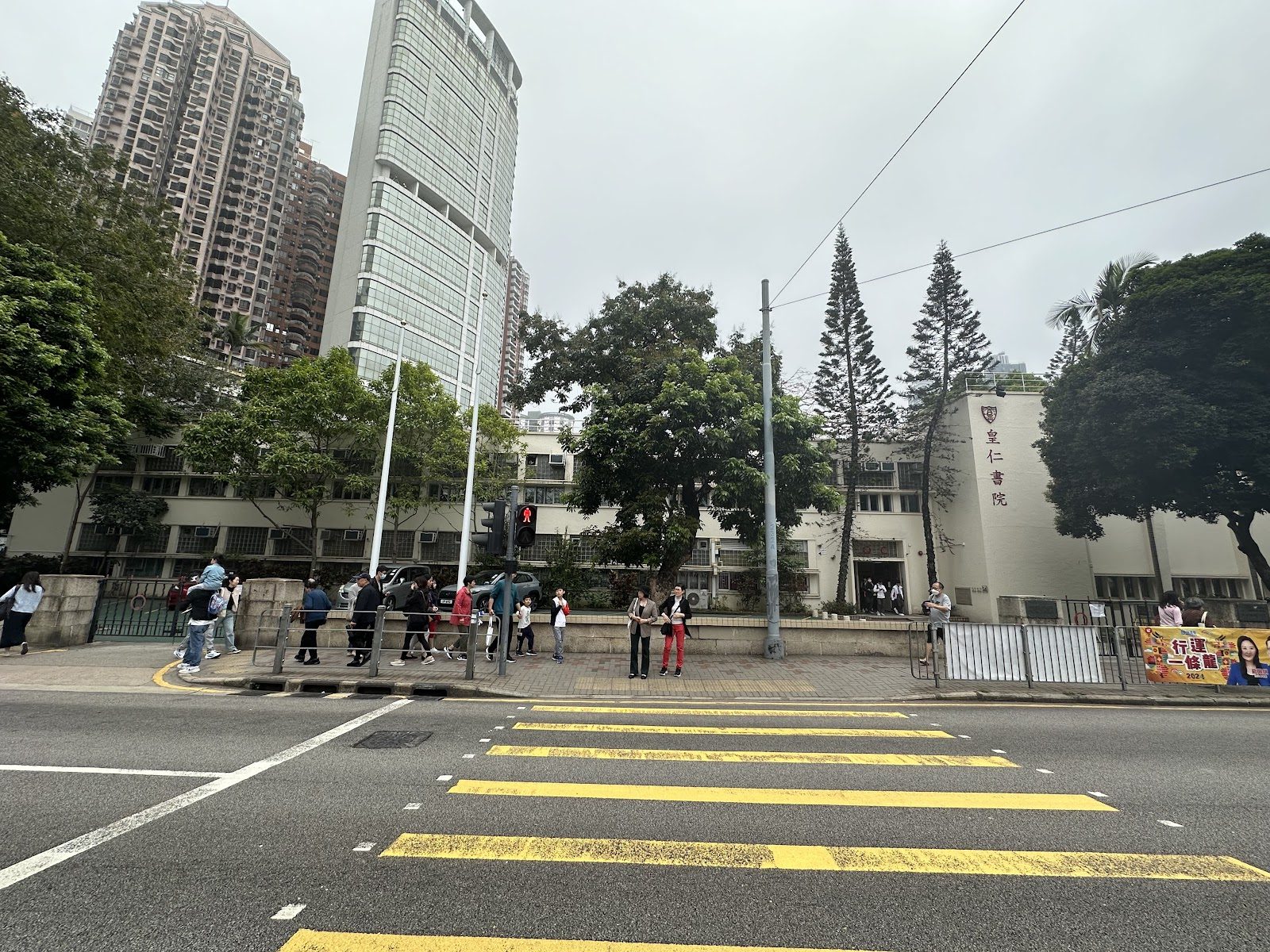
Photo © Daniel Ko via Google Maps
Type
Day
Ages
5–18
Curriculum
Hong Kong DSE
Ratio
18:1
The Verdict
Editor's commitment
Right for
Families wanting English-medium schooling from ages 5–18 at a day school founded in 1862, with Hong Kong DSE and real institutional weight.
Wrong for
Girls, boarders, and anyone wanting small classes: Queen's College is boys-only, day-only, with an 18:1 ratio and average classes of 36.
Watch out for
The public pitch leans hard on history and leadership; beyond DSE high scorers, the school does not publish aggregate outcomes or destination data.
Ranking breakdown
Queen's College · #73 of 1591
Composite score 78.7. 8 weighted criteria.
By criterion
Academic Outcomes
Weight 20%
#43
of 1529 scored
University Placement
Weight 16%
#59
of 1529 scored
Prestige & Heritage
Weight 12%
#122
of 1571 scored
Alumni Network
Weight 12%
#81
of 1530 scored
Facilities
Weight 12%
#732
of 1533 scored
Transparency & Communications
Weight 8%
#254
of 1532 scored
Peer & Industry Review
Weight 10%
#164
of 1548 scored
Admissions Selectivity & Demand
Weight 8%
#81
of 1529 scored
Peer & Industry Review
How Queen's College is regarded in the sector
62
Respected · medium confidence
Queen's College is one of Hong Kong's oldest and most storied local institutions, and its reputation rests on genuine academic pedigree rather than marketing. The South China Morning Post routinely names it among the territory's "traditional elite schools" that dominate the DSE top-scorer lists, with Queen's College producing multiple top scorers again in the 2026 cohort alongside St Paul's Co-educational College and La Salle. Its alumni roll, headed by Sun Yat-sen and stretching to Legislative Council members and a former Chief Justice, gives it a historical cachet few local schools can match. That said, as a government EMI day school outside the international curriculum system, it sits largely off the radar of the specialist review platforms expat families typically consult, so its standing is best read as strong within Hong Kong's local sector press rather than the international schools circuit.
Evidence sources
Editors' overview
Queen’s College occupies a narrow, distinguished lane in Hong Kong schooling: a government day school with deep institutional memory, a boys’ tradition, and an academic culture that takes scholarship seriously. Founded in 1862, it carries a claim few schools anywhere can match: Hong Kong’s first government secondary school, born as an Anglo-Chinese school and still operating in English. That matters. The school’s identity is not manufactured through branding; it is embedded in history, ritual, houses, publications and an old boys’ network with real civic weight. The student-teacher ratio of 18:1 and average class size of 36 tell a plain story: this is not a boutique school built around pastoral intimacy. It is a large, demanding public institution that expects boys to keep up.
What stands out is the breadth of serious intellectual life beyond the timetable. The public face of the school is saturated with Olympiads, subject societies, debates, exchange tours, computing, AI projects, and a long list of clubs that runs from physics to drama to bridge. This is not decorative co-curricular padding. It reflects a school built for boys who want competitive stretch, earned distinction and busy days with substance. The mission statement’s language about producing “leaders of tomorrow” is standard school rhetoric; the more convincing evidence lies elsewhere, in the density of academic societies, public competitions and the persistence of institutions such as The Courier, billed in your editorial line as the world’s oldest Anglo-Chinese school magazine. That combination of scholarship, continuity and student activity is rare.
Parents should shortlist Queen’s College if they want a high-prestige local route through the Hong Kong DSE in an English-medium environment, without the fees or gloss of the international-school market. It offers old-school seriousness, public-sector credibility and a culture that rewards boys who are self-propelled. It does not sell softness. A child who needs extensive hand-holding, tiny classes or a therapeutic pastoral model will find the scale and pace unforgiving. A boy who relishes academic competition, enjoys clubs that do real work, and wants to join a school with historic ballast and intellectual pressure will understand the appeal at once.
Academic Performance
Queen’s College advertises its “DSE high scorers” and gives sustained prominence to Olympiads in physics and biology, along with a dense subject-society culture. That points to a school with real academic horsepower at the top end. What it does not publish, at least on its public front end, is the data parents need for clean benchmarking: no aggregate HKDSE score profile, no subject-by-subject pass rates, no share of students meeting local university entrance thresholds, and no multi-year trend line. That opacity matters. In Hong Kong’s top state and aided-school tier, the strongest schools can usually point to a public record of external results. Queen’s College asks parents to infer performance from high scorers, scholarships and competition visibility instead.
Even with that caveat, the broad placement is clear. This is not a middling comprehensive struggling for credibility; it belongs in the selective, high-prestige band of local boys’ schools where exam pressure and academic competition are part of daily life. The volume of Olympiad activity and the school’s habit of showcasing public-exam standouts place it above the average government secondary school. What we cannot verify is the exact distance between Queen’s College and the very top handful of Hong Kong academic heavyweights, because the school does not disclose the figures that would settle the point. For families who care about measurable outcomes, that is the central weakness in an otherwise serious, high-attainment academic picture.
Facilities
Queen’s College does not trade on glossy campus marketing, and that restraint tells its own story. The facilities that matter sit in plain sight through the school’s structure: a named library, a full spread of science-facing societies, computing provision strong enough to support AI-themed project work, Campus TV and photo/multimedia production, music groups including string orchestra and a cappella, and a sports programme broad enough to sustain aquatics, athletics, football, rowing, tennis and volleyball. There is also the institutional infrastructure of a serious older school: houses, student council, publications, debate, drama and a large roster of specialist clubs. For parents, the key point is that Queen’s uses its site for working school life, not lifestyle theatre. This is a high-functioning academic plant, not a luxury build.
Against Hong Kong peers, that places it in a strong middle-to-upper band for practical educational provision, but not in the premium bracket for architectural spectacle. International schools at the top fee levels will beat it on sheer space, shine and specialist design. Elite local academic schools are the proper comparison, and here Queen’s holds up well: the sports offer is wide, the co-curricular rooms are clearly active, and the library retains symbolic and academic weight. What we do not get is a clear public account of labs, performing-arts venues, design workshops or campus scale. That gap matters. Parents can infer a well-used, intellectually serious campus; they cannot verify a best-in-class physical estate.
That points to a school with real academic horsepower at the top end
Prestige
Queen’s College carries serious public prestige in Hong Kong because it sits in a category few schools can occupy: an old, academically competitive government school with durable civic recognition. This is not prestige manufactured by fees, imported branding or luxury facilities. It comes from selectivity, institutional continuity and a reputation that has survived across generations. The old boys’ association matters here. So do the school’s houses, publications, subject societies and public competition record. Together they create the kind of entrenched status that families, universities and employers recognise at once. In the local hierarchy, a Queen’s College education signals that a boy has come through a demanding, high-expectation environment rather than a sheltered one.
We rate its prestige highly because the school combines public-sector legitimacy with elite academic culture, and that combination is rare. The breadth of clubs and societies, the visible stream of Olympiad activity, and the continued prominence given to scholarships and exam high scorers all reinforce the same point: this is a school associated with intellectual seriousness and earned distinction. Its average class size of 36 and student-teacher ratio of 18:1 also sharpen that reputation. Success here does not rest on boutique levels of adult attention; it rests on students keeping pace in a large, competitive system. The only drag on a top-tier prestige verdict is the school’s thin public disclosure of aggregate results. Even so, Queen’s College remains one of Hong Kong’s best-known scholarly institutions in the boys’ state-school sphere.
In Hong Kong’s top state and aided-school tier, the strongest schools can usually point to a public record of external results
Communications
Queen’s College communicates in the manner of a serious public institution: through a dense, regularly updated website with notices, admissions information, school plans and reports, policies, calendars, examination pages, scholarship pages, PTA links and a long running archive of events. Parents are not left guessing where formal information lives. The navigation is extensive, and the school clearly treats publication as part of governance rather than a cosmetic extra. That matters in a large school with an average class size of 36. The site also gives parents a live read on school culture through event coverage, competition results, exchange tours and student activities. This is institutional communication, not brand theatre.
Its effectiveness is mixed. For routine operational communication, it looks solid, disciplined and usable. Admissions pathways are visible, organisational structures are named, and parent-facing bodies are easy to find. For strategic transparency, the school is weaker. It promotes high scorers and achievements but does not publish the aggregate outcomes that parents use to judge academic consistency. The tone is also formal, even austere. Families who want warmth, storytelling and a strong pastoral voice will not find much of it here. Families who want order, documentation and the sense that the school runs on systems rather than charm will read the communication as reassuringly hard-edged.
Uniqueness
What sets Queen’s College apart is not generic “heritage” but continuity with weight behind it. This school still carries the institutional DNA of an Anglo-Chinese foundation inside a modern government-school structure, and that combination is rare. The house system is extensive at 7 houses; the student culture is documented through The Courier and The Yellow Dragon; the old boys’ association is prominent enough to sit in the school’s core architecture rather than at the margins. Add the sheer spread of subject societies, debate, drama, computing, publications, service groups and specialist clubs, and you get a school where tradition is not ornamental. It is lived, organised and demanding. Many schools claim to build character through co-curricular life. Queen’s has built an internal civic culture that boys enter, inherit and are expected to sustain.
For students, that brings two clear advantages. First, the place offers earned identity: a boy is not just passing through classes but joining institutions with rules, memory and standards. Second, it creates serious intellectual range. A school that can support Olympiad activity, AI project work, exchange tours, Campus TV, orchestra, scouts and public speaking under one roof gives able boys multiple routes to distinction beyond exams alone. The trade-off is plain. This is a tradition-bound, high-pressure environment with little interest in reinvention for its own sake. Boys who value structure, competition and belonging to something larger than themselves will thrive. Boys who want a looser, more individualised culture will not.
International schools at the top fee levels will beat it on sheer space, shine and specialist design
Student Profile
The boys who fit Queen’s College are the ones who do not need school to be translated into entertainment. This is a place for students who like subjects for their own sake, can handle large-class dynamics, and treat competition as a spur rather than a threat. The public life of the school points to a clear internal hierarchy of esteem: Olympiads, debates, academic societies, publications, computing projects, music, sport and service all carry weight. That suits a boy who wants earned standing and is willing to work for it across several fronts at once. With classes averaging 36 and a staffing ratio of 18:1, the school rewards independence, stamina and the ability to organise oneself inside a high-pressure mainstream system.
It is a strong fit for academically ambitious boys who want serious peers, a visible house culture and a timetable that extends well beyond lessons. Students who enjoy joining institutions — societies, teams, magazines, councils, exchange programmes — will find real traction here. So will boys with a taste for old-school discipline and formal structure. It is a poor fit for children who need constant pastoral cushioning, heavy adult prompting or a highly individualised learning environment. Queen’s asks boys to step into an established culture and keep up with it. Those who want intellectual stretch and are comfortable being measured against able peers will thrive; those who need softness will not.
The only drag on a top-tier prestige verdict is the school’s thin public disclosure of aggregate results
Co-curricular strengths
Arts & sport, on a separate axis
Overall 7.56/10
Scored 0-10 from the school's own published evidence. This axis is editorial-only — it does not feed the main WTS ranking.
Sports
8/10
Drama
7.7/10
Dance
6.8/10
Music
8.1/10
Visual Arts
7.2/10
WTS 300 badge
Queen's College is one of the World's Top 300 Schools. Claim your listing to add it to your site →
Strengths
- +Founded in 1862 as the Government Central School, it is the oldest government secondary school in Hong Kong, with a nearly 160-year continuous history.
- +As a government (public) school, it provides free education, unlike private or international alternatives, which removes tuition-fee barriers for local families.
- +Consistently strong HKDSE outcomes, with students regularly awarded top 5** grades and securing places at the University of Hong Kong, CUHK, HKUST and overseas universities including Cambridge.
- +Publishes The Yellow Dragon, first issued in 1899, which is recognised as the world's oldest existing Anglo-Chinese school magazine.
- +Historical alumni roll includes politically and socially significant figures such as Sun Yat-sen, reflecting a long tradition of civic engagement.
Considerations
- −Single-sex boys' school, so it is not an option for families wanting co-education.
- −Compact urban campus of approximately 2.5 acres, modest by the standards of newer schools with larger grounds and sports facilities.
- −Curriculum is exclusively the Hong Kong DSE track with no IB or A-level alternative, narrowing options for families uncertain of long-term university destination.
- −Admission runs through the government SSPA banding and catchment system rather than open enrolment, which can disadvantage newly arrived expatriate families without an established Hong Kong primary school record.
Availability
Primary entry gate & tests
HK Discretionary Places / Exam
Gallery
Photo © Terry Yip via Google Maps
Photo © Henry Man via Google Maps
Photo © Sunny Hiker via Google Maps
Photo © Terry Yip via Google Maps
Photo © Leon Lee via Google Maps
Photo © Tommy Wong via Google Maps
Photo © Tommy Wong via Google Maps
Photo © Nick Yung via Google Maps
Photo © Siu Square via Google Maps
Parent reviews
Have you sent your child here?
Voice reviews carry the strongest trust badge — we transcribe them for you to tidy up before they go live. Prefer to type? A written review is fine too.
Add your voice
In 60 seconds, tell other parents: what's the best thing about Queen's College, and what surprised you when your child joined?
We ask for a Google sign-in so every review has a real face behind it — no anonymous drive-by attacks on schools, and no faked positive reviews. Your email is never shown publicly.
Send this profile to a friend
International parents rely on word-of-mouth. Share this review with someone weighing the same decision.
Schools with places
Similar schools to Queen's College with places available now.
Chinese International School
Hong Kong · Hong Kong
- 2026-27
- CLOSEDStandard route
- 2027-28
- PLACES OPENReception Active; Sec. opens 1 Sept
Diocesan Boys' School
Hong Kong · Hong Kong
- 2026-27
- CLOSEDStandard route
- 2027-28
- OPENS SOONExpected late Oct '26
Hong Kong International School
Hong Kong · Hong Kong
- 2026-27
- WAITPOOLVacancy-dependent
- 2027-28
- PLACES OPENPriority 1 Oct/1 Nov
St. Paul's Co-educational College
Hong Kong · Hong Kong
- 2026-27
- CLOSEDStandard route
- 2027-28
- OPENS SOONExpected late Oct '26
Availability first, then country, area, curriculum, price, co-curricular
Consider also
Also worth looking at alongside Queen's College.
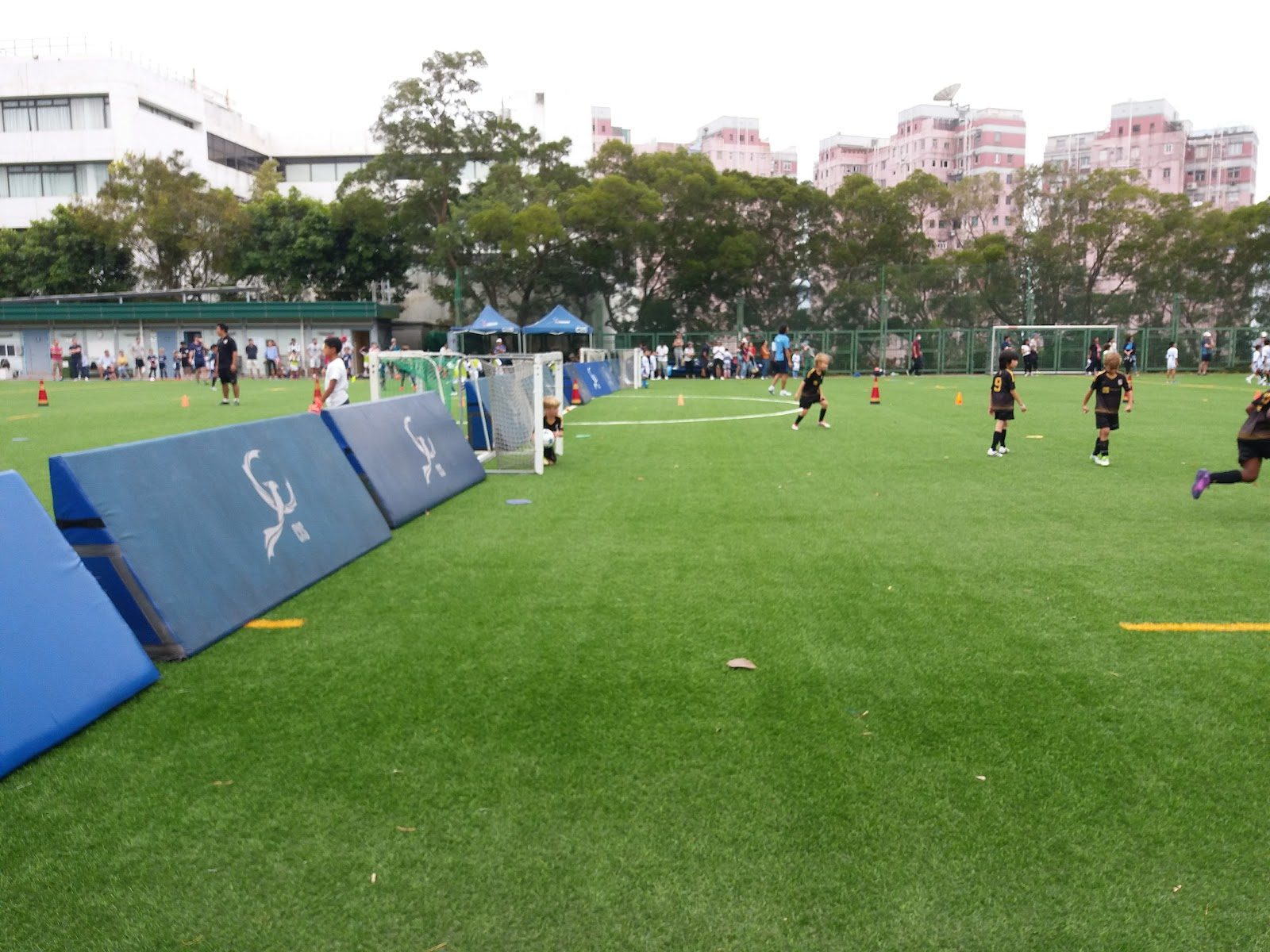
Chinese International School
Hong Kong · Hong Kong
Equal parts English and Mandarin from day one, capped by a mandatory immersion year in Hangzhou before the IB Diploma.
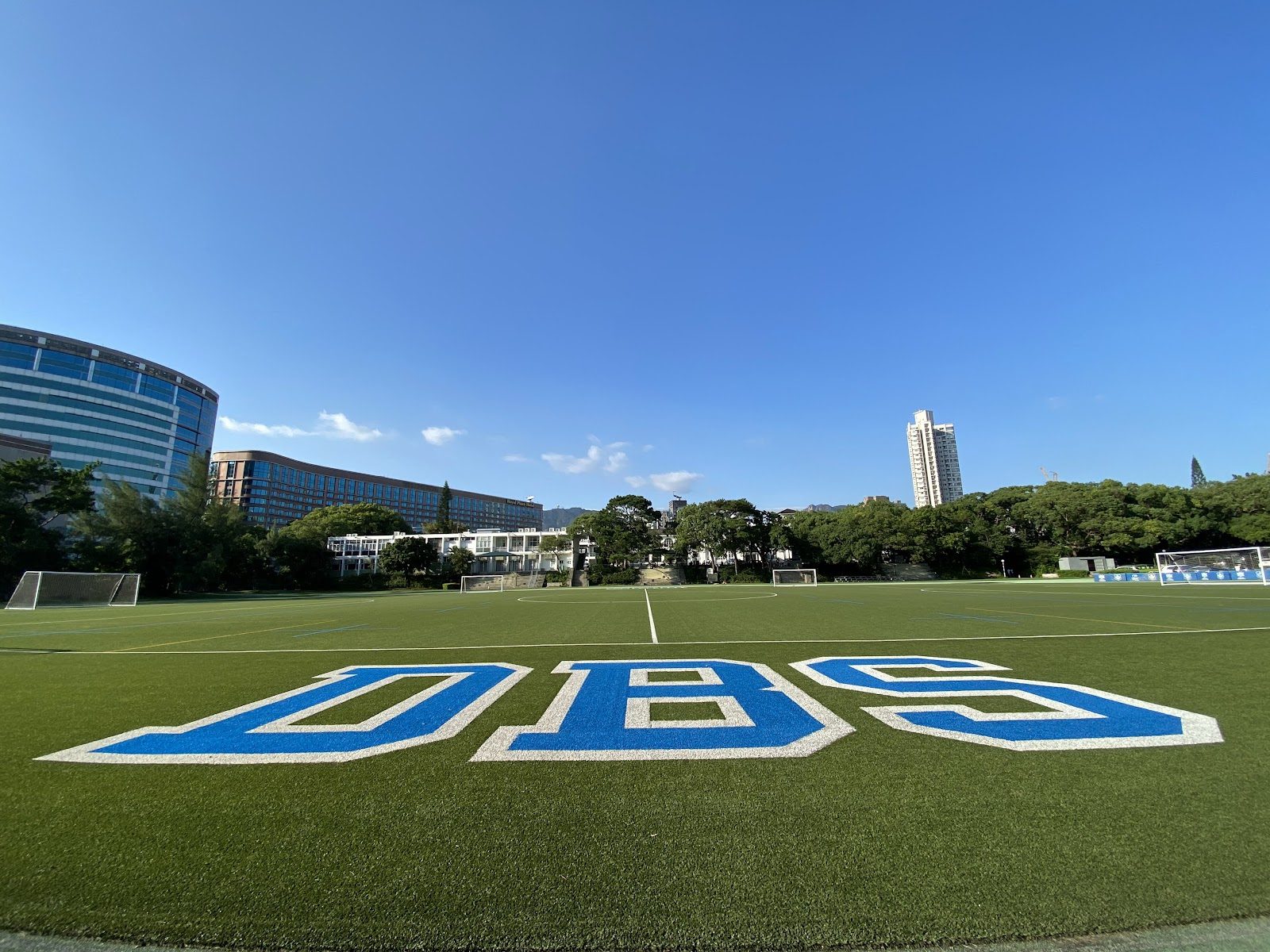
Diocesan Boys' School
Hong Kong · Hong Kong
Founded in 1869 on Kadoorie Hill, this Anglican foundation runs parallel IB and HKDSE tracks around a rare full-size sports field in Kowloon.
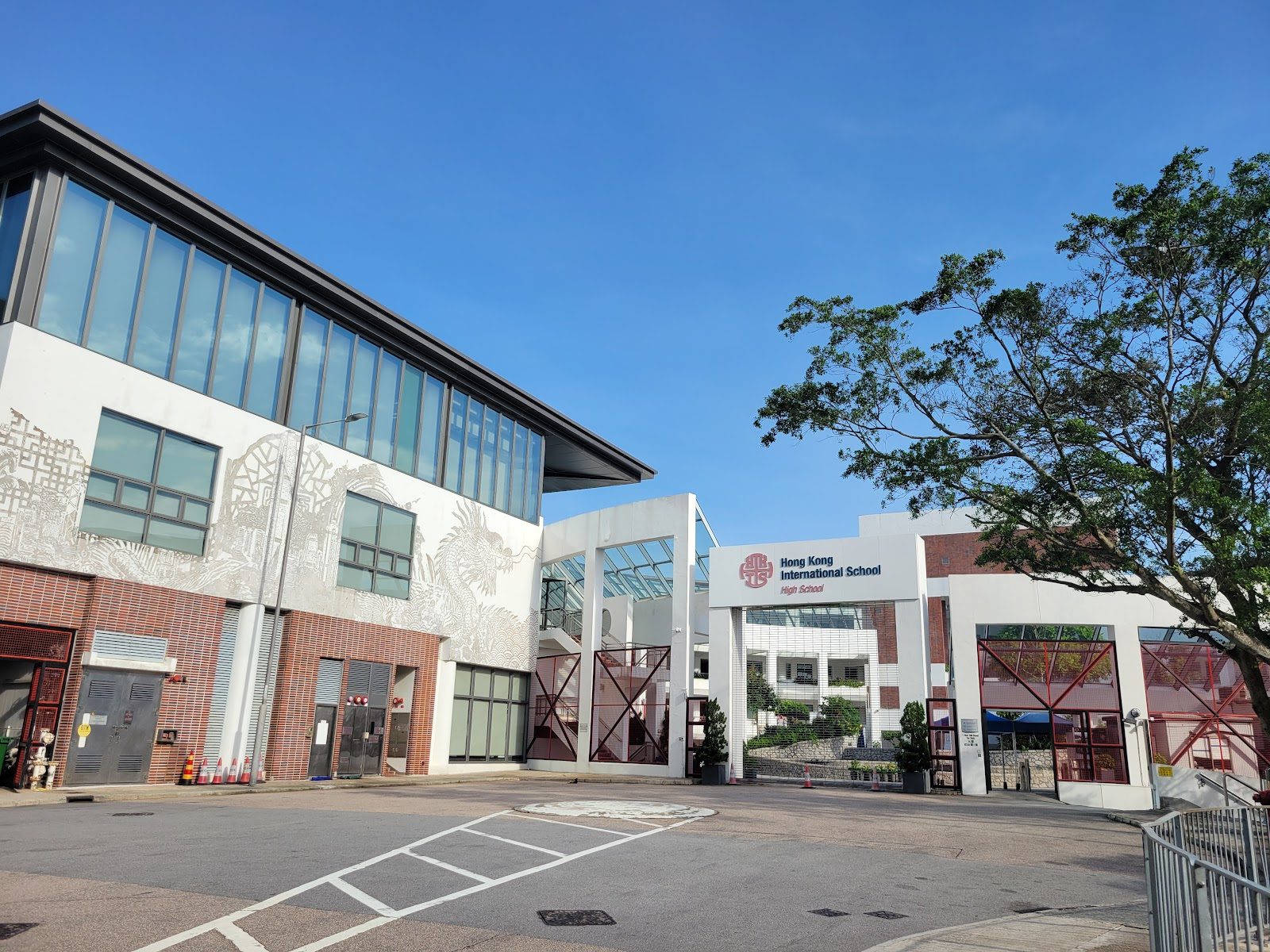
Hong Kong International School
Hong Kong · Hong Kong
Since 1966, an American-style curriculum with Lutheran roots spans two Hong Kong Island campuses framed by mountains and Tai Tam Bay.
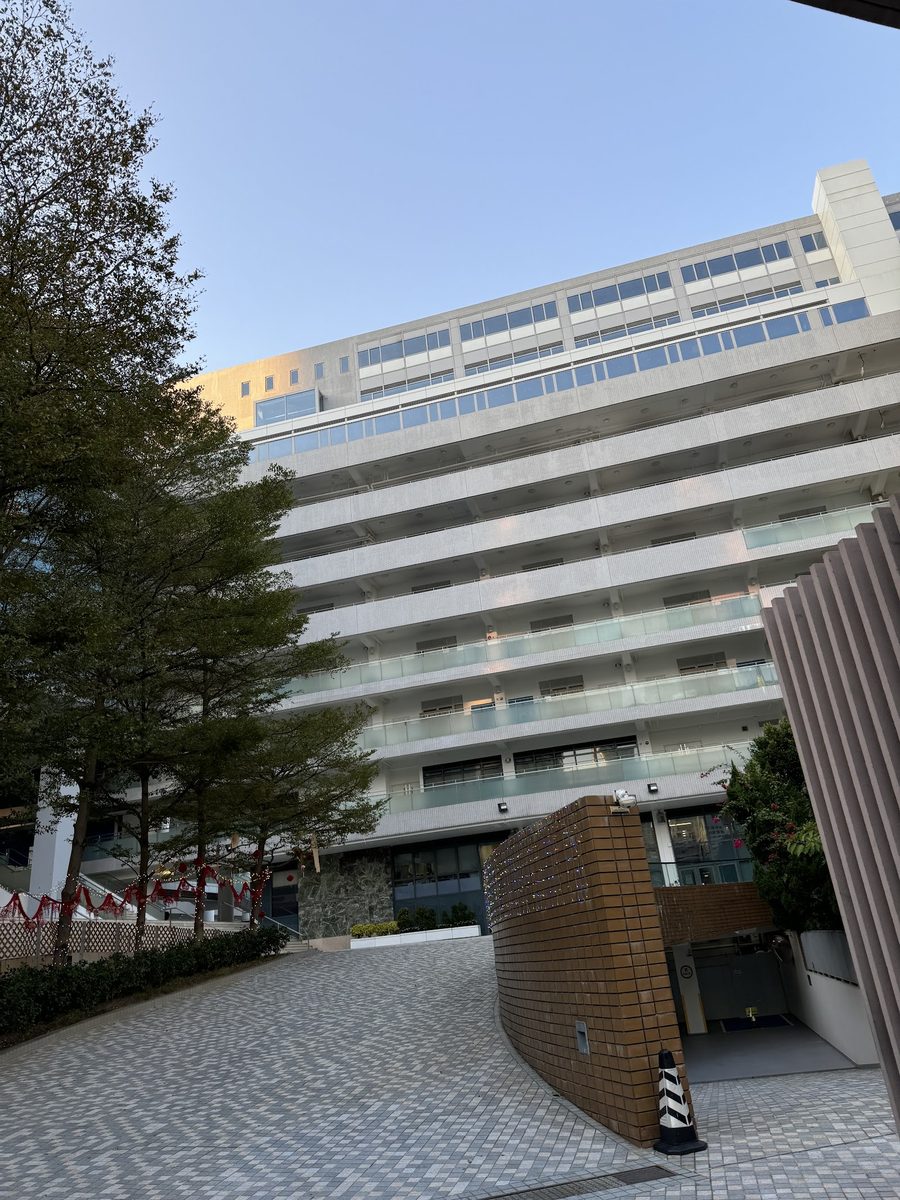
Diocesan Girls' School
Hong Kong · Hong Kong
Since 1860, this Kowloon institution has topped Hong Kong's Outstanding Student Awards tally for decades.
Same country and curriculum — closest matches within ±10 points either way