
Massachusetts
No class rank, no academic prizes, and mandatory arts study set apart this selective day-and-boarding school in literary Concord.
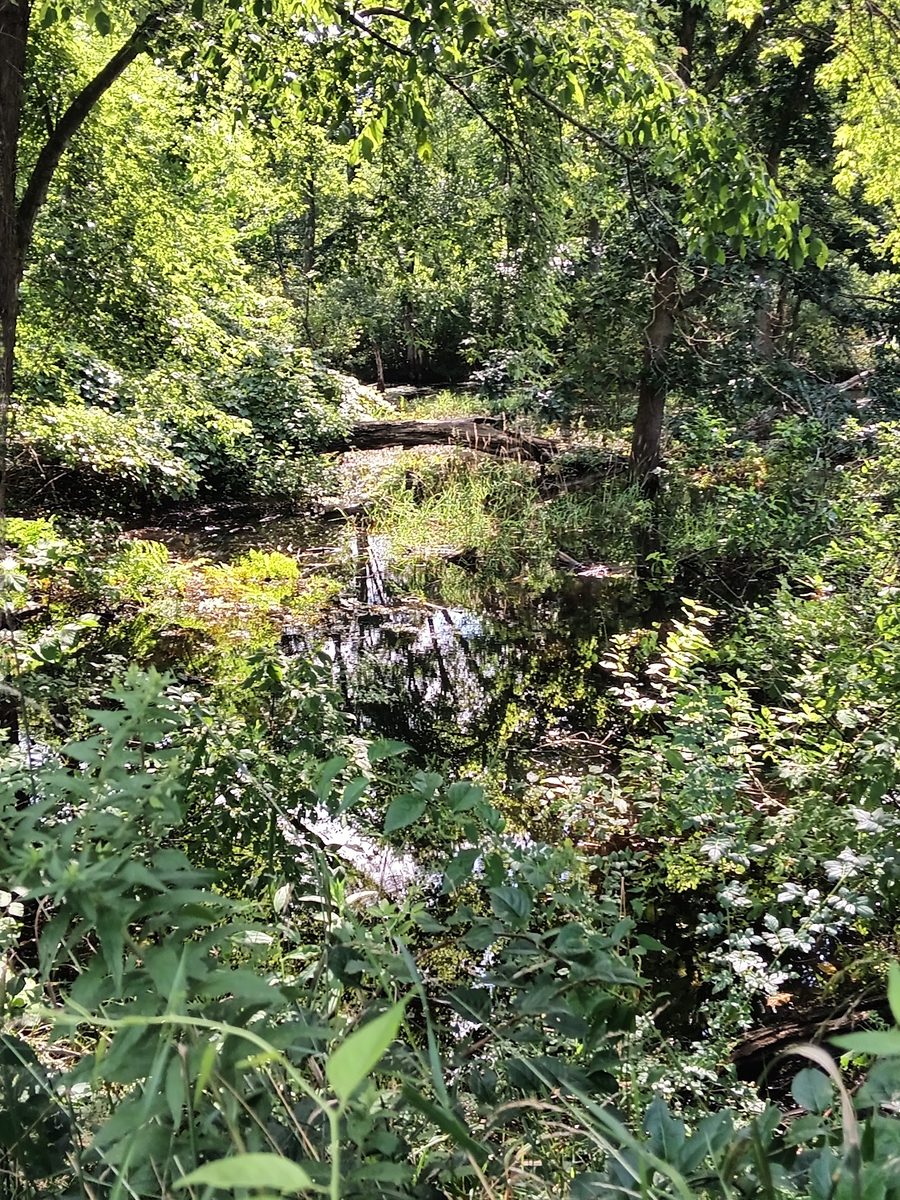
Photo © Anthony Tobio via Google Maps
Type
Both
Ages
14–18
Curriculum
American
Qualifications
AP
Ratio
6:1
The Verdict
Editor's commitment
Right for
Selective 14–18 education with a 6:1 ratio, mandatory arts study and a 400-student scale suits intellectually confident teenagers.
Wrong for
Families wanting class rank, academic prizes or a larger social field than 400 pupils will find Concord Academy doctrinaire.
Watch out for
Average annual fees are steep at $67,610 day and $84,410 boarding; NEASC and NAIS accreditation do not make opacity cheaper.
Ranking breakdown
Concord Academy · #111 of 1591
Composite score 77.3. 8 weighted criteria.
By criterion
Academic Outcomes
Weight 20%
#118
of 1529 scored
University Placement
Weight 16%
#136
of 1529 scored
Prestige & Heritage
Weight 12%
#206
of 1571 scored
Alumni Network
Weight 12%
#139
of 1530 scored
Facilities
Weight 12%
#329
of 1534 scored
Transparency & Communications
Weight 8%
#123
of 1532 scored
Peer & Industry Review
Weight 10%
#205
of 1548 scored
Admissions Selectivity & Demand
Weight 8%
#180
of 1529 scored
Score history
Concord Academy · 2026
Movement across 2024–2026. Peer average overlaid.
Overall — 2024–2026
77.3/ 100
▲ +26.0 vs 2025
year on year
Peer & Industry Review
How Concord Academy is regarded in the sector
82
Strong · medium confidence
Concord Academy is consistently regarded as a top-tier New England prep school, frequently cited alongside Andover, Exeter, and Deerfield in boarding school rankings by Niche and Boarding School Review. It has a strong reputation for its arts programs and progressive academic approach, with notable alumni including filmmakers, writers, and public figures covered in independent press. It is a member of the Eight Schools Association, a consortium of elite New England prep schools, reinforcing its peer standing among selective independent schools.
Evidence sources
Editors' overview
No class rank, no academic prizes, and compulsory arts study tell you almost everything important about Concord Academy. This is a small American high school of about 400 pupils in grades 9 to 12, with a 6:1 student-teacher ratio and a deliberate resistance to the usual machinery of adolescent competition. In a US market crowded with prestige schools that still trade on hierarchy, Concord Academy takes a different line: intellectual seriousness without public peacocking. That gives it a distinctive place on a shortlist for families who want challenge, but do not want their child schooled inside an arms race.
The setting matters too. Concord is not a random suburb; it carries a strong literary and intellectual association, and the school’s own structure fits that atmosphere. Concord Academy is coeducational, non-religious, and serves ages 14 to 18 as both a day and boarding school. It holds NEASC and NAIS accreditation, which gives parents the basic institutional reassurance expected at this level, but the more telling fact is the school’s scale. At around 400 students, it is intentionally small. That size buys access, visibility and close adult attention; it also narrows the social and curricular sprawl that larger American boarding schools can offer. Families who want endless programme breadth, big-spectacle sport, or the social energy of a campus twice the size may find it too contained.
Fees place it firmly in the top tier of the US independent market: an average annual day fee of $67,610 and an average annual boarding fee of $84,410 across the full ladder. At that price, parents are paying for selectivity, intimacy and a clear educational philosophy, not grandiosity. The school’s alumni footprint adds weight: Wikidata records 36 notable alumni, with unusual strength in writing, journalism, the arts and scholarship. That pattern fits the school’s refusal to treat the arts as decorative. Concord Academy suits bright, self-directed teenagers who read, write, make things, and want teachers to know them well. It is not for status-hunters who need class rank, public academic prizes, or a louder institutional drumbeat.
Academic Performance
Concord Academy does not trade on the usual American scoreboard. The school does not publish class rank, and no aggregate AP, SAT or ACT figures are in the public domain. That leaves parents without the clean comparative data that many US competitors provide. In one sense, that opacity is consistent with the school’s deliberate anti-pecking-order culture: it refuses to turn academic performance into a public league table. In another, it asks families to buy into the school’s judgement without the external numbers that sharpen accountability. For a selective school with around 400 pupils and a 6:1 staffing ratio, that is a conscious choice, not an oversight.
Relative to peers, then, Concord sits in an unusual category: clearly ambitious, plainly college-preparatory, yet resistant to the metrics arms race. That can work very well for students who thrive in discussion-heavy classrooms, sustained writing, and teacher feedback rather than constant public sorting. It is less satisfying for hard-nosed parents who want published score ranges, subject-level pass rates, and a direct line of sight on exam outcomes. The absence of prizes and rank does not signal low standards; it signals a school that measures success in a more private, more adult way. Whether that reads as principled or evasive depends on how much value a family places on disclosed results.
Facilities
Concord Academy’s facilities matter less for scale than for fit with the school’s programme. This is not a giant New England campus with the infrastructure of a small university. Parents should expect a compact, purpose-built environment that serves a small high school well rather than trying to impress through acreage. The standout provision sits where the school’s philosophy sits: the arts. At a school that requires every pupil to keep making art, arts spaces carry more weight than decorative “creative hubs” do elsewhere. That gives Concord an edge over peers that talk expansively about creativity but still treat it as an elective side stream. The academic side also benefits from the school’s low staffing ratio — 6:1 — which reduces pressure on classrooms, advising spaces and teacher access in day-to-day use.
Against peer boarding schools, the trade-off is clear. Concord offers serious, human-scale facilities aligned to a literary, discussion-driven education, not the sprawling athletic complexes, large arenas or endless specialist centres that bigger rivals use to signal muscle. For some families, that restraint is a strength: less dead space, less institutional theatre, more direct use. For others, it is a limit. Students who want heavyweight spectator sport, extensive campus grandeur or the sheer menu of spaces found at larger competitors will find Concord narrower in physical range. Students who want intimate teaching, strong arts provision and a campus that does not drown adolescence in infrastructure will find it well judged.
No class rank, no academic prizes, and compulsory arts study tell you almost everything important about Concord Academy
Prestige
Concord Academy carries real prestige, but not the brass-band version. In the American independent-school market, its name has force with families, counsellors and universities because it combines selectivity with a clear institutional point of view. The school has refused the usual status props — public ranking rituals, prize culture, constant score-signalling — and that refusal itself has become part of the brand. Prestige here rests less on volume and spectacle than on intellectual self-possession. The alumni record reinforces that: even a floor count of 36 notable alumni shows unusual depth in writing, scholarship and the arts rather than a generic wash of wealth and title. That gives the school a serious cultural identity many competitors cannot match.
That said, this is discerning prestige, not mass-market prestige. It does not have the broad public recognisability of the biggest New England boarding names, and some families will read its low-drama style as underpowered. The school’s small scale cuts both ways: it sharpens intimacy and adult attention, but it limits the institutional heft, athletic visibility and social reach that drive status in parts of the US market. The fees — $84,410 for boarding on average across the full ladder — place it firmly among expensive schools, so the burden of proof is high. Concord meets that test through coherence, selectivity and a distinctive anti-hierarchy ethos. Parents who value intellectual seriousness over peacocking will rate its prestige highly; families chasing a louder badge may not.
Concord Academy is coeducational, non-religious, and serves ages 14 to 18 as both a day and boarding school
Communications
Concord Academy’s parent communication follows the school’s wider temperament: low-drama, intellectually serious and short on salesmanship. That has strengths. A small school can keep communication personal, and Concord has the scale for direct contact between families and the adults who teach and advise their children. The school’s culture also gives parents a clear read on what matters. This is not an institution built around public ranking rituals, prize announcements or scoreboard messaging, so communication carries more weight in the everyday business of progress, expectations and pastoral oversight. The low staffing ratio — 6:1 — strengthens that model. Parents are not relying on a distant central office to interpret school life; they have access to a community where individual students are known.
The weakness sits in transparency at the top level. Concord does not publish the big aggregate outcome numbers many parents use as shorthand for institutional performance, and that limits how informative its outward communication is before enrolment and during the school years. Families who value plain data, comparative exam figures and a steady flow of measurable proof will find the school’s style frustratingly opaque. Families who care more about thoughtful contact, adult judgement and a school that does not turn every achievement into content will rate it more highly. In practical terms, Concord communicates best with parents who already accept its anti-hierarchy creed. It communicates less well with parents who want evidence packaged in the bluntest possible form.
Uniqueness
What sets Concord Academy apart is not a flashy specialism but a disciplined refusal of the rituals that dominate selective American schooling. No class rank. No academic prizes. Mandatory arts study for every student. That combination is rare, and it changes the texture of school life. The message to pupils is clear: work matters, public pecking order does not; creative practice is part of an educated life, not an optional extra for the talented few. In a school of roughly 400 students, that ethic has force. Teenagers are harder to hide, teachers know who is stretching and who is coasting, and achievement has to stand on substance rather than on constant ceremonial display.
For students, the gain is real freedom from performance theatre. Bright adolescents who dislike status games, yet still want demanding teaching, get room to think, write, discuss and make work without being trained to chase badges. The compulsory arts element also broadens the school’s idea of merit. A mathematically strong student still has to draw, perform or compose; a gifted writer still has to engage beyond the page. That produces a more rounded, more intellectually honest education than the narrow winner-takes-all model common at expensive US schools. The trade-off is plain. Students who need overt competition, public validation or the charge of a bigger institutional machine will find Concord too self-contained. Students who want seriousness without spectacle will find a rare coherence here.
Concord Academy suits bright, self-directed teenagers who read, write, make things, and want teachers to know them well
Student Profile
The right student for Concord Academy is bright, articulate and inwardly driven. This school suits teenagers who do not need a public ladder to climb every day. If a child draws energy from class rank, prize lists, loud varsity culture or constant institutional applause, the fit is weak. Concord works best for pupils who can tolerate ambiguity, take criticism without theatrics and keep working when nobody is pinning a medal on them. The school’s scale and 6:1 ratio leave little room to drift anonymously, so self-possession matters. So does intellectual range: mandatory arts study cuts against the American habit of early over-specialisation, and students who resent being pushed beyond their strongest lane will chafe.
Socially, the school suits young people with a quiet centre of gravity. Writerly, artistic and academically serious pupils will find peers; performative status-seekers will find less oxygen. The atmosphere favours discussion over display and substance over swagger. Boarding adds another filter: students need the maturity to live in a close community without turning every difference into a drama. This is a strong match for thoughtful adolescents who read, make things, ask difficult questions and value adults who know them well. It is a poor fit for teenagers who want a bigger stage, a more overtly competitive culture or the cover that a much larger school provides.
Concord Academy does not trade on the usual American scoreboard
Co-curricular strengths
Arts & sport, on a separate axis
Overall 8.96/10
Scored 0-10 from the school's own published evidence. This axis is editorial-only — it does not feed the main WTS ranking.
Sports
8.8/10
A co-curricular athletics programme with 28 teams in 23 sports, 75% student participation, the SHAC athletic centre, and the 13-acre Moriarty Athletic Campus with multiple courts and fields, which evidences dedicated facilities and broad provision.
Drama
9/10
Theater productions, describes theatre and performance space as important on campus, and Wikipedia names a PAC (Performing Arts Center), giving both explicit productions and a dedicated facility for drama.
Dance
9/10
Music
9/10
Jazz ensemble and chamber orchestra, mentions art and music spaces supporting serious participation, and the PAC plus notable music alumni including Grammy-nominated jazz pianist Larry Goldings.
Visual Arts
9/10
Art spaces that support serious participation, and the Math and Arts Center and newly built Centennial Arts Center, indicating dedicated arts facilities beyond a bare listing.
Editor first-pass · editor-reviewable · 7/28/2026
Notable alumni · Wikidata
36notable alumni
1 historic (born pre-1930) · 14 modern (born post-1970)wikidata:2026-07-28 How we source this
WTS 300 badge
2026/27 editionConcord Academy is one of the World's Top 300 Schools for 2026/27. Claim your listing to add it to your site →
Strengths
- +Very low student-teacher ratio of 6:1 with an average class size of 12, allowing for individualized instruction across grades 9-12.
- +Financial aid is need-based and covers 100% of a family's computed need, with grants extended to roughly 26% of the student body.
- +Notable alumni include Drew Gilpin Faust, the first female president of Harvard University, and cinematographer Rachel Morrison, the first woman nominated for an Academy Award for Best Cinematography.
- +Broad academic offering of more than 220 courses across sciences, arts, and humanities, paired with weekly one-on-one faculty advising for every student.
- +39-acre historic campus in Concord, Massachusetts, roughly 16 miles from Boston and Logan International Airport, combining a small-town New England setting with proximity to a major city.
Considerations
- −Highly selective admissions, with acceptance rates cited in the low-to-mid teens percent, meaning most applicants are turned away.
- −Tuition is substantial: for 2026-27 boarding costs $84,410 and day costs $67,610, plus roughly $1,100 in additional fees.
- −The school does not offer AP courses or rank students, which may be unfamiliar or a disadvantage for expat families targeting university systems that expect AP credentials.
- −A small total enrollment of around 419 students limits the scale of facilities, course sections, and extracurricular breadth compared with larger boarding schools.
Availability
Primary entry gate & tests
SSAT/ISEE + Interview
Gallery
Photo © Zachary Miller via Google Maps
Photo © P L (PL) via Google Maps
Photo © Sheilyn Salcedo via Google Maps
Photo © Valika Trivisvavet via Google Maps
Photo © Concord Academy via Google Maps
Photo © Concord Academy via Google Maps
Photo © Concord Academy via Google Maps
Photo © Concord Academy via Google Maps
Photo © Concord Academy via Google Maps
Parent reviews
Have you sent your child here?
Voice reviews carry the strongest trust badge — we transcribe them for you to tidy up before they go live. Prefer to type? A written review is fine too.
Add your voice
In 60 seconds, tell other parents: what's the best thing about Concord Academy, and what surprised you when your child joined?
We ask for a Google sign-in so every review has a real face behind it — no anonymous drive-by attacks on schools, and no faked positive reviews. Your email is never shown publicly.
Send this profile to a friend
International parents rely on word-of-mouth. Share this review with someone weighing the same decision.
Schools with places
Similar schools to Concord Academy with places available now.
Noble and Greenough School
Dedham · United States
- 2026-27
- CLOSEDRegular cycle
- 2027-28
- PLACES OPENJan 15 '27 Deadline
Middlesex School
Concord · United States
- 2026-27
- CLOSEDRegular cycle
- 2027-28
- OPENS SOONOpens 1 Sept '26
Commonwealth School
Boston · United States
- 2026-27
- CLOSEDRegular cycle
- 2027-28
- OPENS SOONOpens 1 Sept '26
Buckingham Browne & Nichols School
Cambridge · United States
- 2026-27
- CLOSEDRegular cycle
- 2027-28
- PLACES OPENJan 10 '27 Deadline
Availability first, then country, area, curriculum, price, co-curricular
Consider also
Also worth looking at alongside Concord Academy.
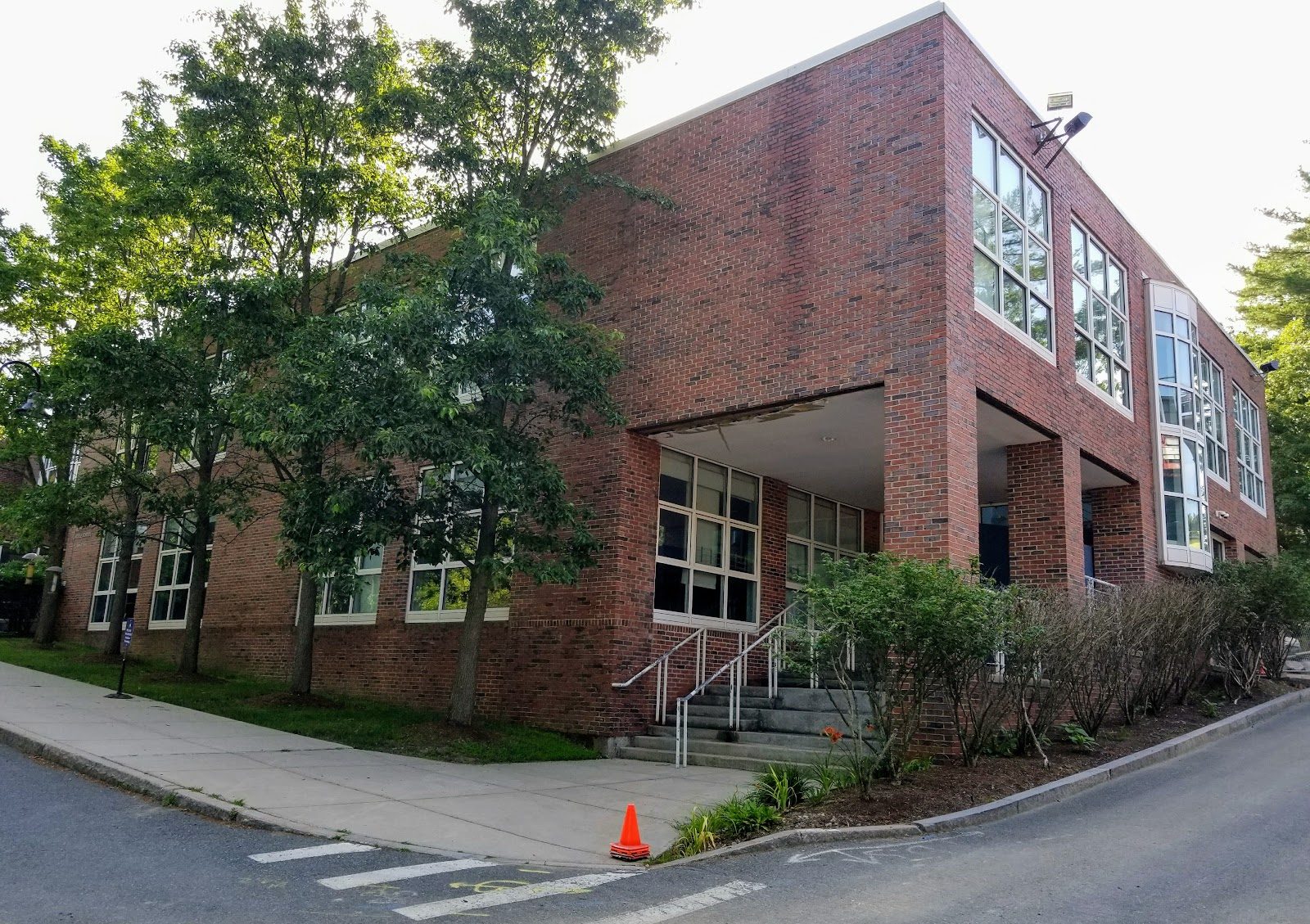
Noble and Greenough School
Dedham · United States
Founded in Boston in 1866, this Charles River campus pairs rigorous academics with hands-on EXCEL leadership training.
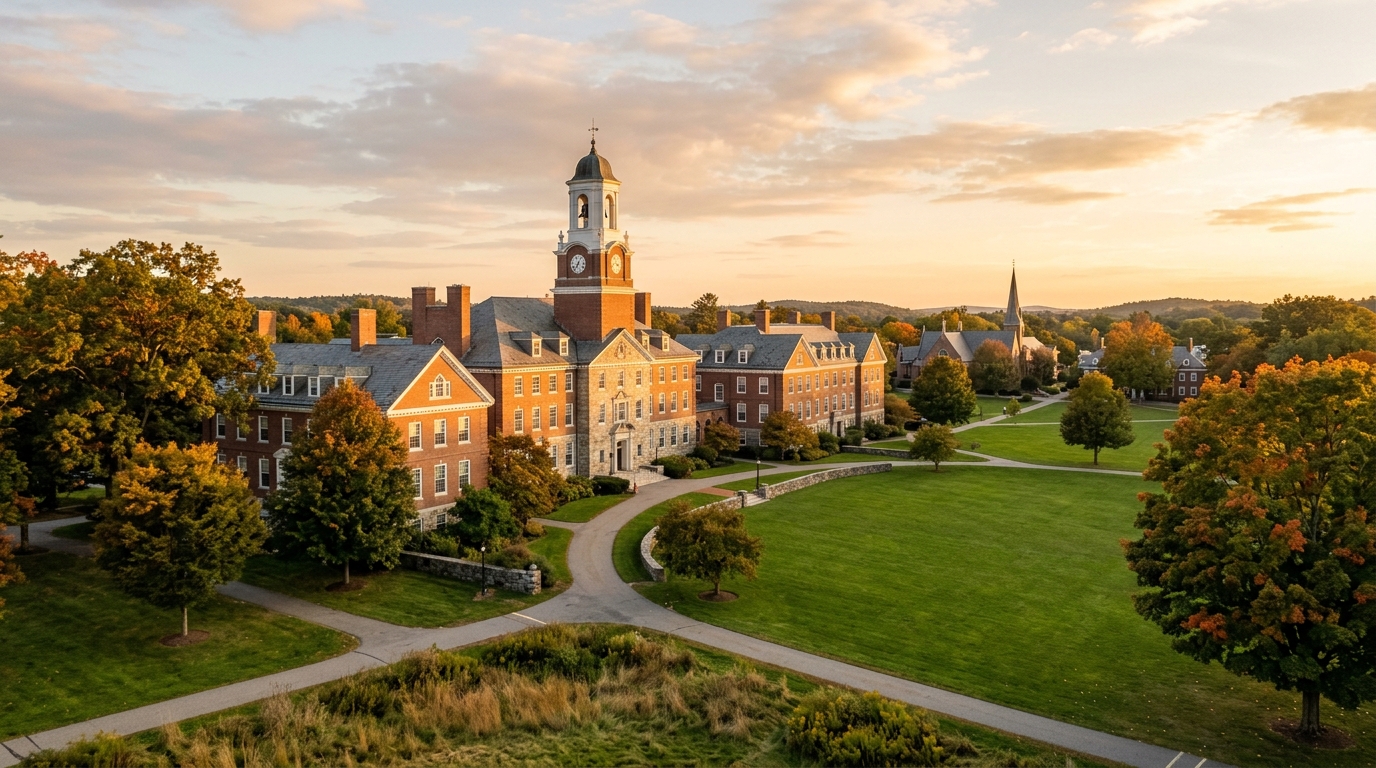
Middlesex School
Concord · United States
A secular alternative to New England's church-affiliated academies since 1901, on an Olmsted-designed campus in historic Concord.

Cate School
Carpinteria · United States
A century-old mesa-top boarding school above the Pacific, where equestrian roots meet inquiry-driven academic rigor.
Commonwealth School
Boston · United States
In Back Bay brownstones, a 150-student cohort takes college-level seminars from set theory to Shakespeare
Same country and curriculum — closest matches within ±10 points either way