
Greater London
A free East London sixth form built around industry-standard studios, training music, games and film talent for direct industry entry.
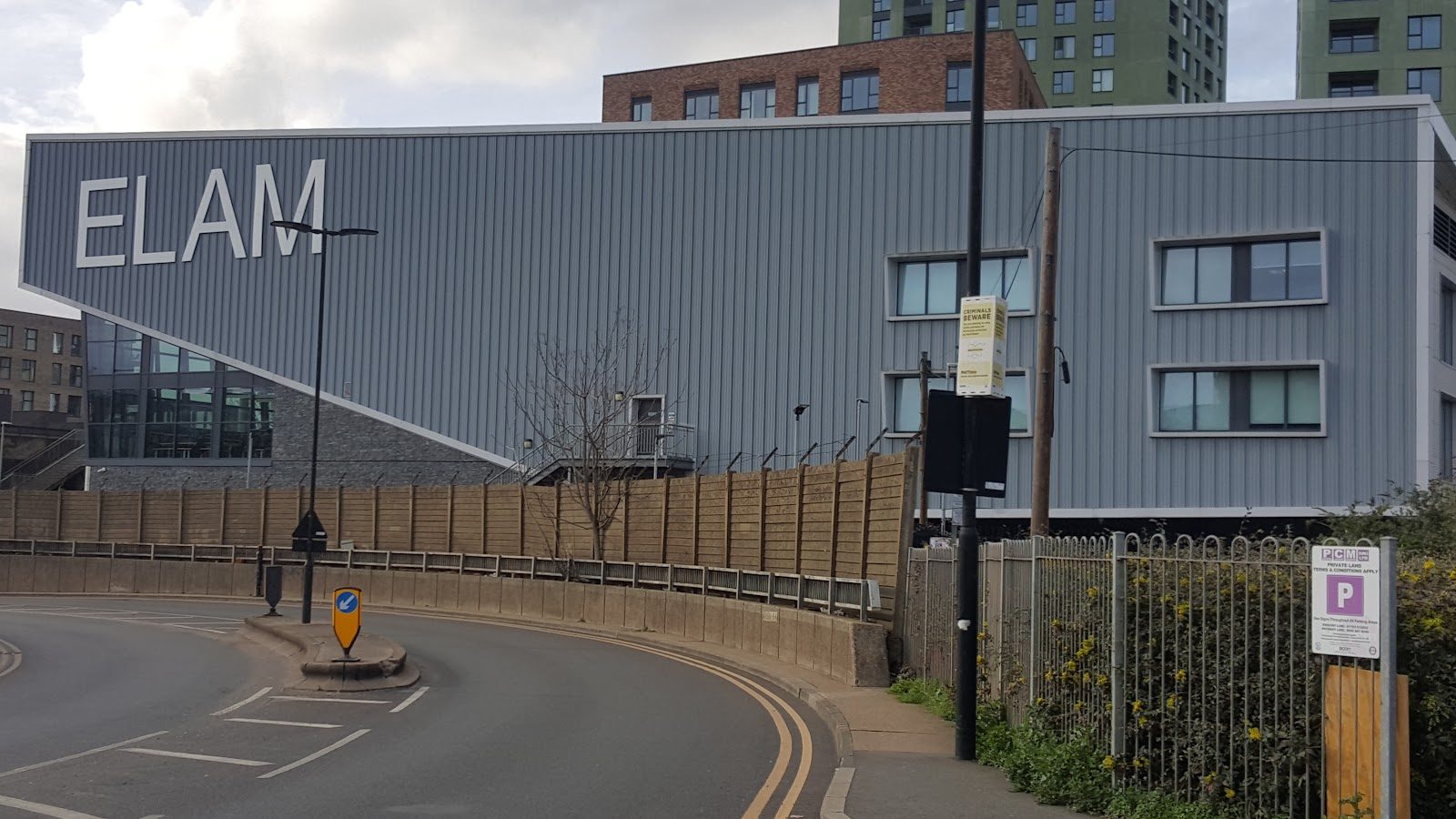
Photo © James W H via Google Maps
Type
Day
Ages
16–19
Curriculum
BTEC
Ratio
—
The Verdict
Editor's commitment
Right for
London 16–19-year-olds set on music, games or film/TV who want a free BTEC sixth form with industry-standard studios.
Wrong for
Anyone wanting A-levels, a broader sixth-form menu, or an academic sixth form built around traditional subjects rather than three creative pathways.
Watch out for
Founded in 2013 and accredited by Ofsted, ELAM sells industry access hard; the school does not publish aggregate destination or exam data here.
Ranking breakdown
ELAM · #1562 of 1591
Composite score 41.0. 8 weighted criteria.
By criterion
Academic Outcomes
Weight 20%
#1298
of 1529 scored
University Placement
Weight 16%
#353
of 1529 scored
Prestige & Heritage
Weight 12%
#1568
of 1571 scored
Alumni Network
Weight 12%
#1298
of 1530 scored
Facilities
Weight 12%
#1533
of 1533 scored
Transparency & Communications
Weight 8%
#1524
of 1532 scored
Peer & Industry Review
Weight 10%
#1542
of 1548 scored
Admissions Selectivity & Demand
Weight 8%
#1076
of 1529 scored
Peer & Industry Review
How ELAM is regarded in the sector
56
Credible · medium confidence
ELAM maintains industry partnerships and an advisory network drawing on media and entertainment professionals, giving it credibility within UK creative-education circles, though it is less internationally recognized than major film conservatoires.
Award

Elite Film 50
World's Top School · The Global Ranking
ELAM is featured on our Global Top 50 ranking at #9. This seal is available for the school's marketing team to use on their website, prospectus and social channels.
Editors' overview
ELAM occupies a narrow but important niche in London: a free specialist sixth form for ages 16–19 built around BTEC study and direct preparation for the creative industries. That matters. Most teenagers with serious ambitions in music, games or film face a blunt choice between a conventional sixth form that treats creative work as an extra, or an expensive specialist route. ELAM offers a third option: state-funded, full-time, and explicitly vocational. The school’s case rests on its facilities and industry alignment — studios, edit suites, games labs and performance spaces — and on the fact that its courses are framed as the equivalent of three A-levels. For families who want clear vocational intent, serious creative training and a route that does not depend on private-school fees, ELAM deserves a place on the shortlist.
What is special here is not breadth; it is focus. ELAM does not try to be an all-purpose sixth form. It trains students in Music Performance & Production, Games Design, and Film & TV Production, then reinforces that with English and maths. The pitch is straightforward: industry-standard environments, masterclasses, mentoring, placements and collaboration with employers. That gives the school a professional edge many sixth forms cannot match. It also sets a limit. This is not the right setting for a student who wants a wide academic menu, a traditional A-level experience, or time to keep options open. ELAM suits teenagers who already know that creative production is not a hobby but a planned working life.
For parents, the strongest argument is access. ELAM states that it looks for potential rather than privilege and backs that claim with bursaries, equipment support and pastoral care. In East London, that matters. Creative training too often carries hidden costs and social gatekeeping; ELAM’s market position rests on lowering those barriers without diluting the vocational focus. The school also leans hard into diversity and representation, which fits both its mission and the industries it serves. Parents who value industry realism, purposeful sixth-form study and *a direct route into work or further training* will find the model compelling.
The student who will want ELAM is not a dabbler. This is for the teenager who already spends hours making tracks, editing footage, building game concepts or performing; who wants peers with the same drive; and who responds to a culture built on resilience, independence and collaboration. A student who needs the safety of a broad, academic sixth form will find ELAM too narrow. A student who wants a creative tribe, practical momentum and proper studio-based learning will find it unusually well targeted.
A Global Elite 50 Film school
East London Arts and Music (ELAM) is a free, non-selective-by-fee state industry academy in East London whose Film & TV strand anchors its status as an elite film specialism. What separates ELAM from schools that bolt a media course onto a conventional sixth form is that filmmaking is a genuine institutional focus, delivered through a vocational Level 3 Film and Television production diploma treated as one of three core strands alongside Music and Games Design.
The film cohort is deliberately small, giving students concentrated studio and production time. Year One trainees build a short film from concept to final cut — writing, storyboarding, directing, filming and editing — alongside music-video and photography work; Year Two moves into branded content and documentary projects pitched to industry mentors. Teaching draws heavily on working industry professionals rather than conventional classroom media teachers, and the majority of curriculum time sits with the vocational specialism rather than generic academic study.
The strongest evidence of the pathway's rigour is its published results: in summer 2026 the school reports that 100% of Film & TV trainees achieved a Distinction, the highest available grade. This sits alongside strong company-wide outcomes, including top-decile national value-added in Music and Games Design. The school's most publicly documented graduate success remains the R&B group FLO, formed by three ELAM alumni who won the BRIT Rising Star Award in 2023; film-industry alumni are still emerging, so the results record is the clearest measure of the film strand's quality.
International openness is limited and should be stated plainly: ELAM's admissions policy requires UK residency status and eligibility for public funds, so it cannot accept international applicants, and it has no boarding provision, being a day-only 16-19 free school. There are no fees to weigh, since tuition and support are state-funded, but that access applies only to trainees already resident in the UK. For an overseas family seeking a film-specialist secondary pathway with visa sponsorship and boarding, ELAM is not a viable relocation option; it belongs on this list as evidence of what a tuition-free, vocationally serious film diploma can achieve for UK-resident talent.
Academic Performance
ELAM does not publish aggregate external exam results in the public domain. That is the central fact, and it matters. For a specialist sixth form built around creative vocational study, the absence of headline pass rates, top-grade distributions or destination breakdowns leaves parents without the simplest way to benchmark outcomes against other state sixth forms or specialist arts providers. The school states that its courses are equivalent to three A-levels and describes a route into universities, apprenticeships and creative roles, but that is not the same as hard attainment data. In a sector where proof matters, this is a clear weakness in public accountability.
Relative to peers, ELAM sits in a difficult category to compare cleanly: not a conventional academic sixth form, but not a private conservatoire-style route either. That makes published outcomes even more important. Families need to know completion rates, high-grade attainment and destinations into higher education or paid industry work. Without those figures, ELAM’s academic performance reads as opaque rather than poor. That distinction is important. A vocational specialist can deliver strong real-world preparation without producing the kind of league-table profile seen in academic sixth forms. Even so, schools asking families to commit at 16 need to show where students finish at 18. ELAM has not done that clearly enough.
Facilities
ELAM’s facilities matter more here than they do at a conventional sixth form, because the whole proposition depends on students working in spaces that mirror entry-level professional practice. The important assets are clear: recording studios and performance spaces for music, edit suites for screen production, and dedicated games labs for design work. That mix gives ELAM a proper production environment rather than a generic arts block with a few specialist rooms attached. In peer terms, that puts it ahead of most state sixth forms, where creative courses share multipurpose classrooms and technical access is thinner. It also gives ELAM a clear edge over schools that talk about employability but train students in rooms that do not resemble the workplaces they are targeting.
The comparison gets tighter against specialist arts providers, where studio access and industry-grade kit are the baseline rather than the exception. ELAM does not win on breadth of campus amenity: families looking for sprawling sports provision, extensive science infrastructure or a broad sixth-form estate are in the wrong market. Its facilities are deliberately narrow and tied to a single vocational mission. That is a strength, not a flaw, for the right student. The real test is whether those rooms stay busy, supervised and integrated into serious project work. ELAM’s public case rests on exactly that. Against its nearest peers, the facilities read as *hard-working, sector-specific and credible; against traditional schools, they are unusually focused* and far more relevant to a teenager intent on creative production.
ELAM offers a third option: state-funded, full-time, and explicitly vocational
Prestige
ELAM’s prestige sits in a specific, narrow lane. It does not carry the cachet of an old academic sixth form, a famous conservatoire, or an elite independent school with generations of brand equity behind it. Its reputation rests on specialism, access and industry relevance, not social status. For some families, that lowers its standing at a glance. For others, it is precisely the point: a serious vocational route without the private-school tax. In the creative sector, prestige attaches less to marble foyers and more to networks, facilities, practical standards and where students land next. ELAM has built its name around that logic. The fact that it is free, full-time and restricted to 16–19 gives it a clear identity, but also caps its aura. This is a working school, not a finishing school.
That leaves ELAM with credible sector prestige rather than broad public prestige. Within the niche of teenagers aiming straight at music, games or screen production, the school has a distinctive proposition: specialist spaces, employer contact and a peer group with the same career intent. That carries weight. Outside that niche, the name does not command instant recognition, and the school has not helped itself by leaving outcome data thin in public view. Prestige without transparent results is always fragile. My rating, then, is solid but conditional: respected in the lane it serves, far less powerful beyond it, and strongest with families who value direct creative training over conventional academic status.
ELAM suits teenagers who already know that creative production is not a hobby but a planned working life
Communications
ELAM’s parent-facing communication is clear about mission and offer, and weaker on the operational detail that families need once interest turns into commitment. The school explains its purpose crisply: specialist training, industry contact, support for access, and a values-led culture. That gives parents a sharp sense of intent. It also tells you what matters internally. This is not a school talking first about tradition, house life or broad extracurricular polish; it talks about training, progression and inclusion. For the right family, that directness is refreshing. For a cautious parent, it leaves gaps. We have not seen much published detail on the cadence of parent updates, reporting structure, response expectations, or the mechanics of day-to-day communication. A specialist post-16 provider still needs disciplined, practical communication, not just a strong pitch.
That distinction matters because students at 16–19 occupy an awkward age: old enough for independence, young enough that parents still need visibility. ELAM’s public messaging gives a convincing picture of ethos, specialist pathways and student support, but less evidence of the routine systems that build trust over time. There is a difference between communicating identity and communicating well. ELAM does the first confidently. The second remains under-explained. Parents who are comfortable with vocational independence will accept that balance more easily. Parents who want frequent academic tracking, predictable reporting and high transparency on outcomes will find the school’s communication less robust than it needs to be.
Uniqueness
What sets ELAM apart is not creative branding but structural intent. It takes teenagers at the point where most schools still hedge between “academic” and “practical” and puts them into a single-track vocational environment built around music, games and screen production. That changes the daily experience. Students are not squeezing creative work around a conventional sixth-form timetable; creative production is the timetable. The school’s six stated values — inquisitiveness, resilience, reflectiveness, dependability, independence and collaboration — also make more sense here than they do in many schools’ value statements, because each one maps directly onto freelance and project-based creative work. The result is a work-pattern mindset early: deadlines, peer reliance, revision, criticism and output matter as much as inspiration.
The other point of difference is access. Specialist creative training in Britain too often sits behind fees, informal networks or expensive equipment. ELAM cuts through that with a rare state-funded route and practical support that targets the real barriers: kit, transport pressure, confidence and continuity. That matters for students with talent but no industry foothold. It also creates a peer group united by ambition rather than family spending power. For the right student, that brings more than technical skill. It brings professional socialisation, a clearer sense of where their work fits in the industry, and the discipline to treat a creative ambition as a career plan rather than a fantasy.
ELAM states that it looks for potential rather than privilege and backs that claim with bursaries, equipment support and pastoral care
Student Profile
ELAM suits a teenager with a clear vocational identity before most peers have chosen one. The best fit is the student who is already making, editing, performing or designing outside school hours and wants that practice treated as the centre of education rather than an extracurricular add-on. They need stamina for collaborative project work, tolerance for criticism, and the discipline to keep producing when inspiration runs dry. This is not a haven for the half-interested or the chronically indecisive. At 16–19, students are old enough to benefit from adult expectations and young enough to derail without structure; ELAM works best for those who can handle freedom without wasting it. It also suits families who value industry realism over academic prestige and who accept a narrower route in exchange for stronger alignment with a creative career.
The social fit matters as much as the technical one. ELAM is built for students who want peers with the same fixation, not a broad sixth-form crowd with mixed priorities. The school’s emphasis on inclusion, bursaries and practical support also makes it a strong option for talented applicants shut out of fee-charging specialist routes. That brings a cohort shaped more by intent than polish. Students who need a wide academic safety net, a conventional school culture or the status comfort of a traditional sixth form will feel constrained. Students who want serious creative immersion, hard-edged feedback and a peer group that treats creative work as future employment will fit.
A student who needs the safety of a broad, academic sixth form will find ELAM too narrow
Co-curricular strengths
Arts & sport, on a separate axis
Overall 5.56/10
Scored 0-10 from the school's own published evidence. This axis is editorial-only — it does not feed the main WTS ranking.
Sports
2.5/10
Drama
4.5/10
Dance
2.5/10
Music
9.8/10
Visual Arts
8.5/10
Strengths
- +State-funded free school with no tuition fees, giving access to specialist creative arts training regardless of family income.
- +Specialises in Music, Film & TV and Games Design, taught through vocational Level 3 qualifications with strong published outcomes (100% Distinction in Film & TV, summer 2026).
- +Located in East London, within the capital's creative-industry corridor, giving proximity to studios, agencies and production companies.
- +Purpose-built facilities include recording studios and editing suites geared toward practical, industry-style production work.
- +Industry-embedded curriculum with mentoring and input from working creative professionals.
Considerations
- −As a state sixth form it offers no boarding option, so it is not a relocation route for families needing residential provision.
- −Curriculum is narrowly vocational, unsuitable for students who want a broad academic route or need multiple A-levels for certain university courses.
- −Popular pathways such as Music and Film & TV have limited places, making entry competitive despite tuition-free admissions.
- −Smaller scale and shorter track record than long-established specialist film or performing arts schools, so industry prestige and alumni network are less developed.
- −Admission requires UK residency, so it is not open to international applicants seeking visa sponsorship.
Gallery
Photo © Christiano Castellano via Google Maps
Photo © Christiano Castellano via Google Maps
Photo © Christiano Castellano via Google Maps
Photo © Christiano Castellano via Google Maps
Photo © Christiano Castellano via Google Maps
Photo © Kish Hirani via Google Maps
Photo © Adeyemi Smart via Google Maps
Parent reviews
Have you sent your child here?
Voice reviews carry the strongest trust badge — we transcribe them for you to tidy up before they go live. Prefer to type? A written review is fine too.
Add your voice
In 60 seconds, tell other parents: what's the best thing about ELAM, and what surprised you when your child joined?
We ask for a Google sign-in so every review has a real face behind it — no anonymous drive-by attacks on schools, and no faked positive reviews. Your email is never shown publicly.
Send this profile to a friend
International parents rely on word-of-mouth. Share this review with someone weighing the same decision.
Schools with places
Similar schools to ELAM with places available now.
Thomas's Battersea
London · United Kingdom
- 2026-27
- CLOSEDStandard route closed
- 2027-28
- PLACES OPENRegistration open for Sept 2027 and beyond
Southbank International School
London · United Kingdom
- 2026-27
- CLOSEDStandard route closed
- 2027-28
- PLACES OPEN11+ / 13+ / 16+ active
Tiffin School
Kingston upon Thames · United Kingdom
- 2026-27
- CLOSEDStandard route
- 2027-28
- PLACES OPENCloses 1 Sept '26, 12pm
University College School
London · United Kingdom
- 2026-27
- CLOSEDStandard route
- 2027-28
- PLACES OPEN11+ (9 Nov); 16+ (28 Sept)
Availability first, then country, area, curriculum, price, co-curricular
Consider also
Also worth looking at alongside ELAM.
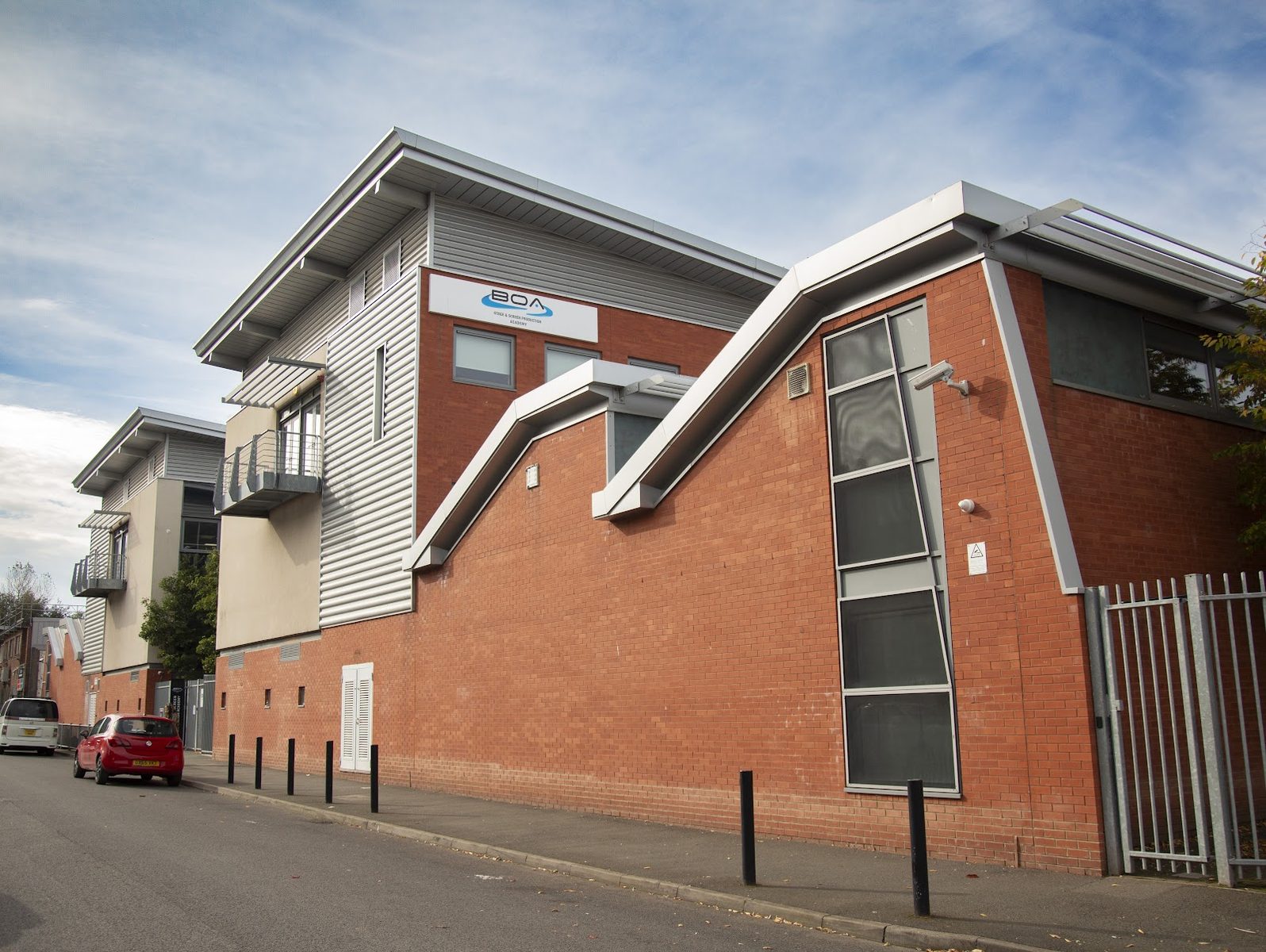
BOA Stage & Screen Production Academy
Birmingham · United Kingdom
In Birmingham's Jewellery Quarter, a 16-19 academy trains backstage talent for the BBC, the RSC and Birmingham Royal Ballet.
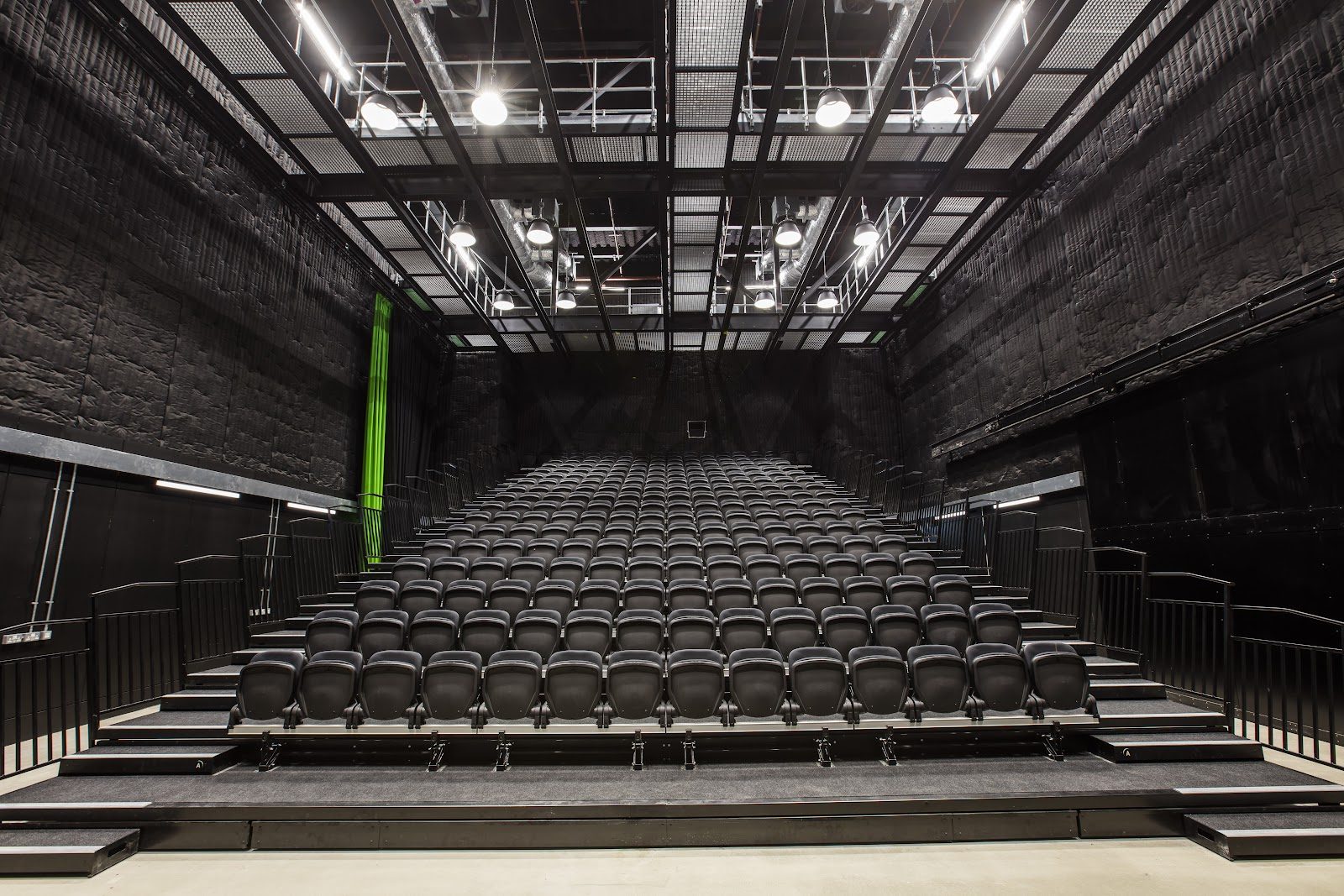
London Screen Academy
Islington, London · United Kingdom
Housed in a 1930s radio factory in Islington, this free sixth form trains students for screen careers via industry masterclasses.
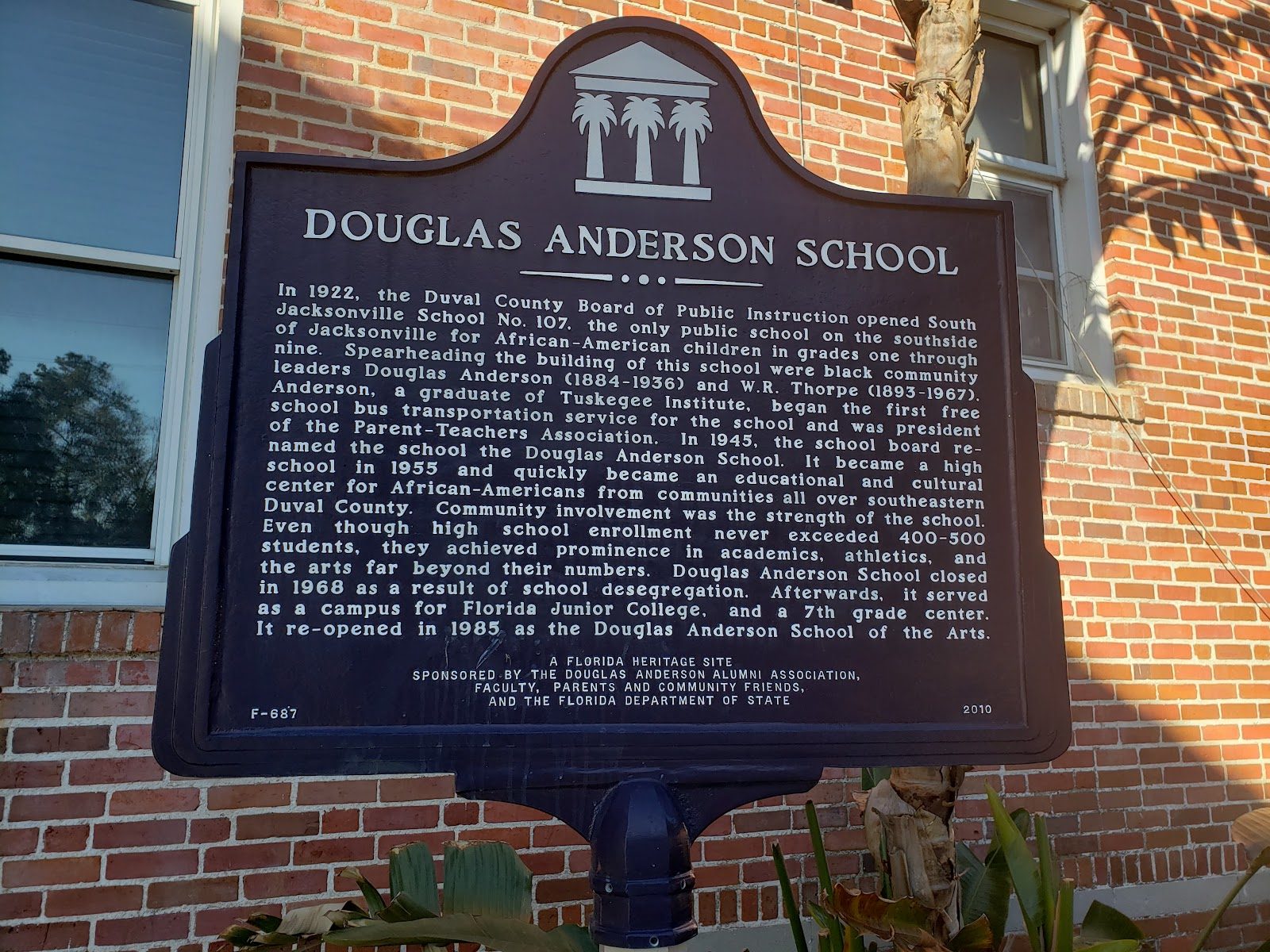
Douglas Anderson School of the Arts
Jacksonville, Florida · United States
A Duval County magnet where auditioned students pair AP courses with training across seven arts disciplines.

The Cinema School
Bronx, New York · United States
A South Bronx public high school built with Ghetto Film School, where seniors write, shoot, and produce original movies on real sets.
Same specialism, country and curriculum — closest matches within ±10 points either way