
Oxfordshire
Educating Magdalen College's choristers since 1480, this Oxford day school is now opening its ancient choir stalls to girls for the first time.
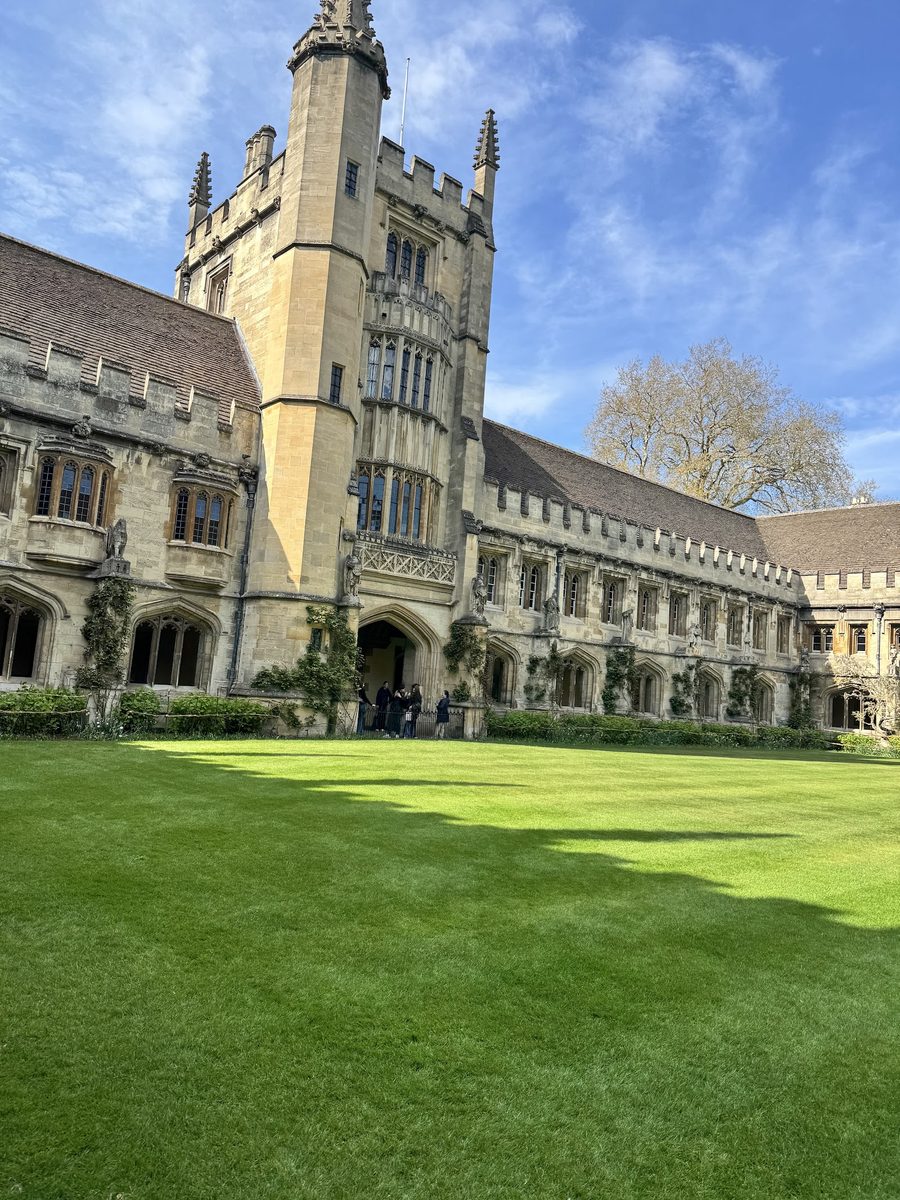
Photo © Dilan N via Google Maps
Type
Day
Ages
11–18
Curriculum
British
Qualifications
A-Level
Ratio
10:1
The Verdict
Editor's commitment
Right for
Girls and boys aiming high: 92% to top-100 universities, 40 to Oxbridge, with a 10:1 student-teacher ratio.
Wrong for
Families wanting co-education lower down; this day school only covers 11–18, and its Anglican culture will not suit every household.
Watch out for
At an average £30,249 a year, expectations are steep; class size is 18, so teaching is focused but never hand-held.
Ranking breakdown
Magdalen College School · #25 of 1591
Composite score 80.7. 8 weighted criteria.
By criterion
Academic Outcomes
Weight 20%
#43
of 1529 scored
University Placement
Weight 16%
#24
of 1529 scored
Prestige & Heritage
Weight 12%
#44
of 1571 scored
Alumni Network
Weight 12%
#37
of 1530 scored
Facilities
Weight 12%
#406
of 1533 scored
Transparency & Communications
Weight 8%
#123
of 1532 scored
Peer & Industry Review
Weight 10%
#83
of 1548 scored
Admissions Selectivity & Demand
Weight 8%
#93
of 1529 scored
Score history
Magdalen College School · 2026
Movement across 2024–2026. Peer average overlaid.
Overall — 2024–2026
80.7/ 100
▲ +20.3 vs 2025
year on year
Peer & Industry Review
How Magdalen College School is regarded in the sector
83
Strong · high confidence
Magdalen College School sits among Oxford's most academically formidable day schools, with WhichSchoolAdvisor noting it "boasts some of the top GCSE and A Level grades in the country" and highlighting its centuries-old chorister foundations. The Good Schools Guide's independent verdict is emphatic, praising a "superb and consistent academic record with outstanding pastoral care" across sport, music, art and drama. That standing is reinforced by The Sunday Times naming MCS Independent School of the Year twice, in 2004 and 2008, making it the first boys' school to win the accolade twice, while Muddy Stilettos' review still rates it "academically outstanding" ahead of its 2027 move to full co-education. With over a quarter of leavers progressing to Oxbridge, peer and press consensus places it firmly in the country's top tier of day schools, short only of the handful of schools with truly national name-recognition.
Editors' overview
Magdalen College School trades on something few schools can match: an unbroken link to Oxford’s collegiate and choral life since 1480, now paired with a modern decision to admit girls into a tradition that sat with boys for centuries. That combination gives it a distinctive cultural weight in the market. This is not a glossy all-rounder built for broad appeal. It is a serious Anglican day school for ages 11 to 18, academically driven, intellectually self-confident and rooted in place. Parents looking for a boarding-school atmosphere without boarding will find part of that draw here; parents who want a large, loose, easy-going environment will not. The numbers support the pitch: a 10:1 student-teacher ratio and average class size of 18 give pupils direct access to staff, while ISI and HMC accreditation place the school firmly inside the established independent-school mainstream.
Its strongest selling point is academic destination power, and here the data are concrete. In the 2024 leavers’ cohort of 154, 92% moved on to top-100 universities, with 40 to Oxbridge and 49 to Russell Group institutions; Oxford took 22 and Cambridge 18. That is hard-edged evidence of a school that prepares pupils for selective higher education and does it at scale, not with a handful of headline cases. The average annual day fee across the full ladder is £30,249, which puts Magdalen in expensive territory, but not at the top of the London day-school market. For Oxford and the wider south of England, that price buys a school with real academic traction and a clear sense of what it is for.
The right pupil for Magdalen is bright, disciplined and comfortable in a culture that prizes scholarship, structure and commitment. This suits students who want strong teaching, a serious peer group and a school identity with genuine historic depth. It also suits families who value Anglican tradition and the school’s choral inheritance, including the symbolism of girls now entering a space that was closed to them for generations. It does not suit children who need a soft-edged, highly progressive or conspicuously therapeutic environment. Magdalen belongs on a shortlist because it offers something rare: a fiercely academic Oxford education with institutional substance, strong university outcomes and a character that no newer competitor can imitate.
Academic Performance
Magdalen College School sits in the high-output end of the English independent day-school market. The university destinations already point in that direction, but they do not replace exam transparency, and that is where the public picture is thinner than it should be. The school has clear evidence of serious academic conversion into selective higher education, including 40 Oxbridge places in the latest leaving cohort, yet it does not publish the kind of full headline breakdown that lets parents benchmark cleanly against the strongest London and Oxfordshire competitors: no complete A-level grade profile in the public domain here, no aggregate GCSE grade spread, no multi-year trend table. For a school with this reputation, that absence matters.
Even so, the available outcomes place Magdalen among the country’s scholarship-first day schools rather than the broad middle of the sector. A leavers’ cohort sending 92% to top-100 universities is not normal performance; it reflects a school with a hard academic centre and a pupil body geared towards selective courses. Relative to peers, Magdalen reads less like a polished all-rounder and more like a school built for students who can thrive under sustained intellectual pressure. That profile will appeal to ambitious families. It will also narrow the fit. Schools at this level need to show their exam data in full, and Magdalen has not done that plainly enough.
Facilities
Magdalen’s facilities matter less for spectacle than for fit. Parents choosing this school are buying into an Oxford academic institution with access to spaces shaped by scholarship and music, not a purpose-built suburban campus engineered to impress on an open morning. The school’s Anglican and choral inheritance points to one clear asset: serious music provision, with chapel and choir life embedded into the school’s identity rather than bolted on as an extra. For the right pupil, that is more valuable than a glossy performing arts centre with weak standards behind it. The trade-off is obvious. Families expecting the all-singing, all-dancing sports villages, theatre complexes and acres of playing fields seen at wealthier boarding schools will not find that scale here.
Against academic day-school peers, that is not a fatal weakness. In this part of the market, strong schools win on teaching rooms, laboratories, libraries and specialist spaces that support intellectual work first, with sport and co-curricular provision built around an urban footprint. Magdalen fits that pattern. What it does not publish clearly enough is a detailed, parent-friendly account of its estate: no clean public inventory of standout science, arts or sports facilities, no sharp explanation of what is on site and what depends on shared or off-site arrangements. That opacity is a weakness. At this fee level, schools need to show parents exactly what daily life looks like beyond the headline tradition. Magdalen’s physical offer reads as functional, historic and purposeful, not lavish.
Magdalen College School sits in the high-output end of the English independent day-school market
Prestige
Magdalen College School carries real prestige in the English day-school market, but it is a precise kind of prestige, not the inflated, all-purpose version schools like to claim for themselves. Its status rests on three things: deep institutional age, a direct association with one of Oxford’s great collegiate foundations, and a record of sending leavers to the most selective universities in the country. That combination gives the school serious national standing among academically ambitious families. It does not operate as a fashionable London brand, and it does not need to. In schools circles, the name already has weight. The recent destinations data sharpen that reputation: 40 places at Oxbridge in a single leaving cohort, with 22 to Oxford itself, mark out a school that converts academic promise into elite admissions at a level most independents do not reach.
That said, prestige here has a hard-edged, old-established character. It draws families who value scholarship, discipline and institutional continuity more than social gloss. The Anglican identity and choral inheritance add cultural distinction that newer competitors cannot manufacture, and the move to admit girls changes the school’s profile without stripping out its core seriousness. The limit to Magdalen’s prestige lies in visibility, not substance: it has less of the high-shine public profile of the biggest metropolitan names, and its published exam data remain thinner than a school of this stature should permit. Even so, for intellectual reputation and university credibility, this is top-tier by any sensible measure.
That combination gives it a distinctive cultural weight in the market
Communications
Magdalen’s parent communication has the strengths and weaknesses of an old, self-assured school. The public-facing message is clear on identity: serious, Anglican, academically ambitious, and closely tied to music and tradition. That clarity helps. Parents do not need to decode a fog of marketing language to work out what kind of place this is. The school also publishes destination data in a way that gives families something concrete to judge, and the size of the leaving cohort — 154 — gives that information weight. Where communication falls short is in operational detail. Key areas that parents scrutinise closely, especially at a school charging an average of £30,249 a year, are handled too sparingly: exam results lack full breakdowns, facilities are not mapped out with enough precision, and the day-to-day picture of school life remains more institutional than intimate.
That matters because effective communication is not just about tone; it is about reducing uncertainty. Magdalen communicates ethos with force and institutional confidence, but it does not communicate the practical texture of the pupil experience with the same discipline. Families drawn to high-trust, old-school institutions will tolerate that and may even welcome the absence of salesmanship. Other parents will read it as needlessly opaque. The school’s communication works best when stating what it stands for. It works less well when parents need sharp answers on outcomes, provision and the lived details behind the tradition.
Uniqueness
What separates Magdalen from its competitors is not just age or selectivity, but the way those things are fused to a living collegiate and liturgical tradition. This is a school still shaped by chapel, choir and the intellectual habits of Oxford, not one that borrows a few ceremonial cues for effect. That gives it a rare institutional coherence. The recent decision to bring girls into a school and chorister tradition long reserved for boys does more than widen access; it changes the texture of the place while keeping its core identity intact. Few schools can offer pupils that mix of historic seriousness, daily musical discipline and a direct connection to one of England’s great academic settings.
For students, the benefit is a culture with unusually clear expectations. Magdalen offers a high-pressure, high-reward environment in which scholarship carries status, music has real weight and university ambition sits in the open rather than behind pastoral euphemism. The scale of its higher-education outcomes, including 40 Oxbridge places and 92% progressing to top-100 universities, shows what that culture produces. The trade-off is just as clear. This school suits pupils who want to be stretched by a demanding, tradition-conscious institution with a strong sense of hierarchy, ritual and purpose. It does not suit children who want anonymity, looseness or a more casual version of sixth-form life.
The average annual day fee across the full ladder is £30,249, which puts Magdalen in expensive territory, but not at the top of the London day-school market
Student Profile
The pupils who thrive at Magdalen are the ones who want standards stated plainly and enforced consistently. This is a strong fit for able, self-motivated children who take academic work seriously, cope well with competition and do not need constant reassurance to keep moving. Music matters too, not as a decorative extra but as part of the school’s bloodstream, so students with commitment to choir, chapel or disciplined ensemble work will find a culture that gives that effort status. The social fit is narrower than at a more relaxed day school. Magdalen suits adolescents who are comfortable with structure, adult authority and a degree of formality in daily life. It does not suit pupils who need a looser atmosphere, a softly managed culture or wide latitude to drift between interests without pressure.
The sixth-form outcome pattern tells you a great deal about the peer group. A school sending 40 leavers to Oxbridge and 92% on to top-100 universities attracts students with serious academic intent and families who expect visible results. That produces a driven, high-expectation environment in which ambition is normal and underperformance does not hide easily. The recent move to admit girls into a historically male institution also means the student body is in transition: families need to be comfortable joining a school that is widening its identity while keeping a tradition-conscious core. For the right child, that mix is compelling. For a student seeking social ease, low pressure or a more casual sixth-form culture, it is the wrong school.
Even so, for intellectual reputation and university credibility, this is top-tier by any sensible measure
Co-curricular strengths
Arts & sport, on a separate axis
Overall 8.1/10
Scored 0-10 from the school's own published evidence. This axis is editorial-only — it does not feed the main WTS ranking.
Sports
8.3/10
High-performance UK independent day athletic powerhouse; fields nationally dominant rowing, cricket, and rugby programs across state-of-the-art grounds.
Drama
8.8/10
Ambitious theater curriculum utilizing an exceptional on-campus theater venue, providing deep training in scriptwriting and tech, heavily linked to the Oxford arts scene.
Dance
6/10
Active afternoon co-curricular activity offering structured contemporary and jazz choreography classes.
Music
9.2/10
Outstanding musical depth; supports world-famous chapel choirs, massive symphonies, and elite ensembles with direct university-level integration.
Visual Arts
8.2/10
Breathtaking visual studios producing top-tier design portfolios, digital multimedia creations, and fine art pieces.
Editor-verified · 8/6/2026
Outcomes & destinations
Where students go next
Editorial estimateClass of 2024
154 graduates
A-Level distribution
99% covered
- A*48%
- A33%
- B14%
- C4%
Top destinations
89 placements
- Oxford· 22
- Cambridge· 18
- UCL· 14
- Imperial College London· 12
- Durham· 8
- Bristol· 6
- Warwick· 5
- LSE· 4
Oxford day boys' school with historically the highest Oxbridge conversion rate in the country.
Editor-approximated from the school's own leavers report. Awaiting school-attested figures.
The story in one line
77% achieved ≥ AAB in 2+ facilitating subjects·ISI Routine Inspection 2023
AAB with 2 facilitating subjects is the Department for Education's published predictor of admission to a top-third UK university: the pupil has scored high grades in at least two of the classic Russell-Group subjects (maths, sciences, English, history, geography, or a modern language). Independent schools don't appear in the state-only HE-destinations dataset, so this is the strongest DfE-verified sixth-form signal available. Source: DfE 16-18 school and college performance data · 2023/24. Value-added +0.44
DfE-verified statistics
Official GCSE data · 2024/2025
Progress 8
—
Value-added score. State-schools only; 0 = expected progress, +1 = one grade above.
Attainment 8
45
Average grade across 8 GCSEs (score out of 90). National ≈ 46.
EBacc average score
2.77
Avg grade across the 5 EBacc pillars (English, Maths, Sciences, Language, Humanity).
EBacc slots filled
1.5
How many of the 5 EBacc pillars pupils typically enter (max 5).
A-Level attainment
Cohort · 2023/24
Avg A-Level grade
A+
APS per entry: 51.96
Best 3 grade
A+
Best-3 APS: 52.43
≥ AAB + 2 fac.
77.3%
Russell-Group predictor.
Progress (value-added)
+0.44
Well above average
Read with care. Independent schools frequently sit IGCSEs or Pre-U qualifications instead of standard GCSEs — DfE data only counts standard GCSEs, so these numbers may reflect a partial cohort. For a fuller picture, cross-check with the school's own annually-published results.
URN 123311Verified · DfE 2024/2025
Official inspection
ISI report · 2023
Inspectorate
Independent Schools Inspectorate
The Government-approved inspectorate for English independent schools.
Latest report
10 October 2023
Routine Inspection
Report history
Verified · Independent Schools InspectorateSource-of-truth

WTS 300 badge
2025/26 editionMagdalen College School is one of the World's Top 300 Schools for 2025/26. Claim your listing to add it to your site →
Strengths
- +A-level results are heavily weighted to the top grades, with 48% A* and 33% A in 2024, placing MCS among England's strongest academic schools.
- +Ninety-two per cent of 2024 leavers progressed to top universities, with 22 Oxford and 18 Cambridge places that year, reflecting a long-standing Oxbridge pipeline.
- +The school has educated the boy choristers of Magdalen College Choir for over five centuries, giving music a genuinely embedded rather than bolt-on role.
- +Means-tested bursaries alongside Music, Art, Sport, Drama and All-Rounder scholarships are available at multiple entry points to widen access beyond fee-paying families alone.
- +Its central Oxford location beside Magdalen College allows routine engagement with university lectures, departments and academic competitions rather than occasional outreach visits.
Considerations
- −The school remains boys-only from age 7 to 16, with girls admitted only into the Sixth Form; full co-education will not be completed across all year groups until around 2034.
- −Fees are substantial at roughly £30,000 a year for day places, before optional extras such as music tuition.
- −Entry is by competitive written testing and interview at almost every stage (7+ through Sixth Form), making unprepared or later-arriving applicants unlikely to succeed against well-coached local competition.
- −As a day school with no boarding, families must be able to commit to a daily Oxford commute, ruling it out for those relocating without a base in or near the city.
Availability
Primary entry gate & tests
Written Exams + Interview
Gallery
Photo © Magdalen College School via Google Maps
Photo © Ryan Chen-Wing via Google Maps
Photo © Karl Cheuk via Google Maps
Photo © Carmel Engin via Google Maps
Photo © Carmel Engin via Google Maps
Photo © Magdalen College School via Google Maps
Photo © Karl Cheuk via Google Maps
Photo © Karl Cheuk via Google Maps
Photo © Karl Cheuk via Google Maps
Recommended reading
Independent write-ups of this school from editorial outlets we trust.
- Magdalen College SchoolGood Schools Guide
Parent reviews
Have you sent your child here?
Voice reviews carry the strongest trust badge — we transcribe them for you to tidy up before they go live. Prefer to type? A written review is fine too.
Add your voice
In 60 seconds, tell other parents: what's the best thing about Magdalen College School, and what surprised you when your child joined?
We ask for a Google sign-in so every review has a real face behind it — no anonymous drive-by attacks on schools, and no faked positive reviews. Your email is never shown publicly.
Send this profile to a friend
International parents rely on word-of-mouth. Share this review with someone weighing the same decision.
Schools with places
Similar schools to Magdalen College School with places available now.
Abingdon School
Abingdon · United Kingdom
- 2026-27
- CLOSEDStandard route
- 2027-28
- PLACES OPEN11+/16+ Active (Closes 30 Oct); 13+ Closed
Oxford High School
Oxford · United Kingdom
- 2026-27
- CLOSEDStandard route
- 2027-28
- PLACES OPENCloses Oct/Nov
Availability first, then country, area, curriculum, price, co-curricular
Consider also
Also worth looking at alongside Magdalen College School.
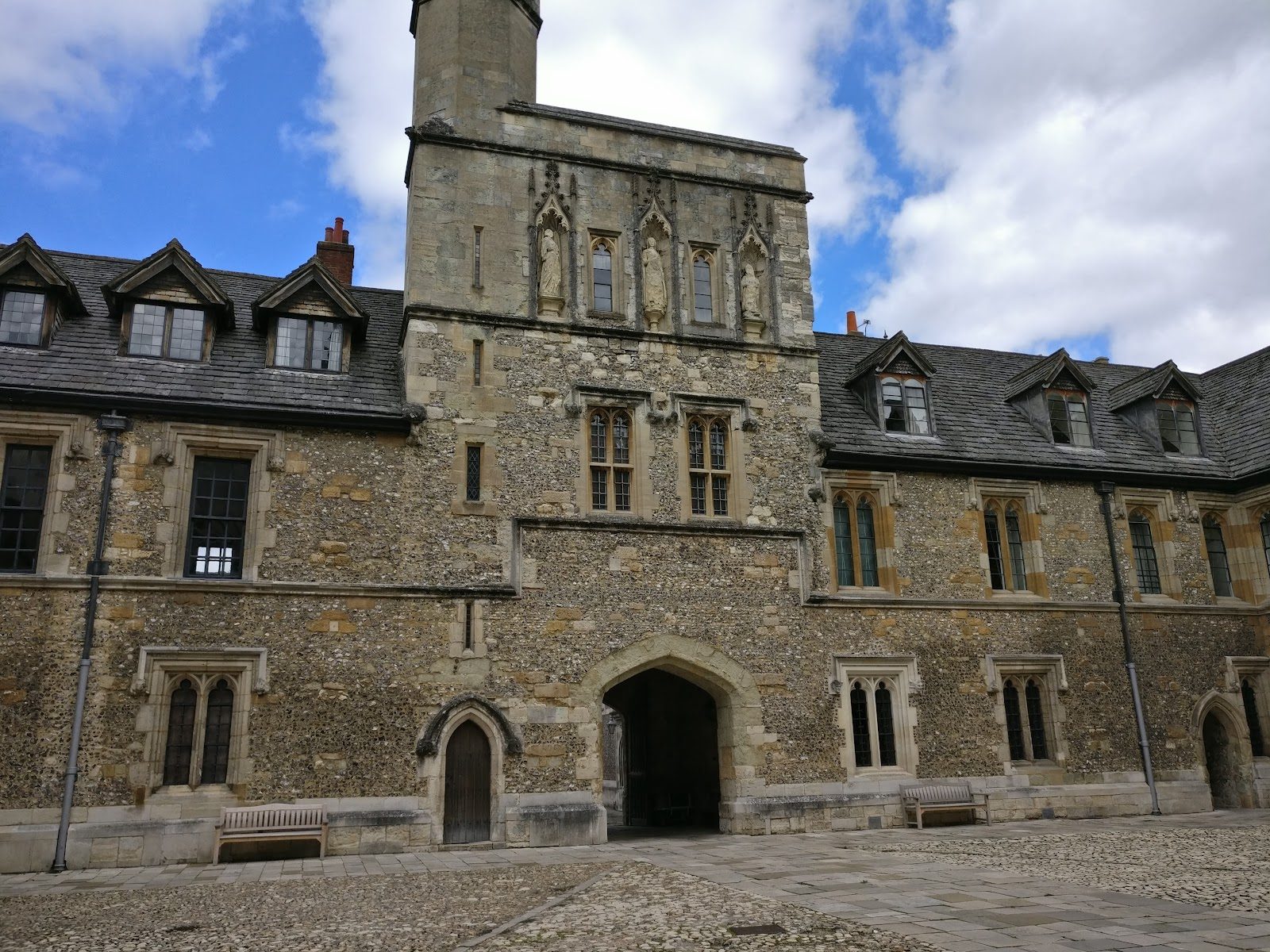
Winchester College
Winchester · United Kingdom
Six hundred years on College Street, still built around Div - unexamined seminars in history, literature and philosophy.
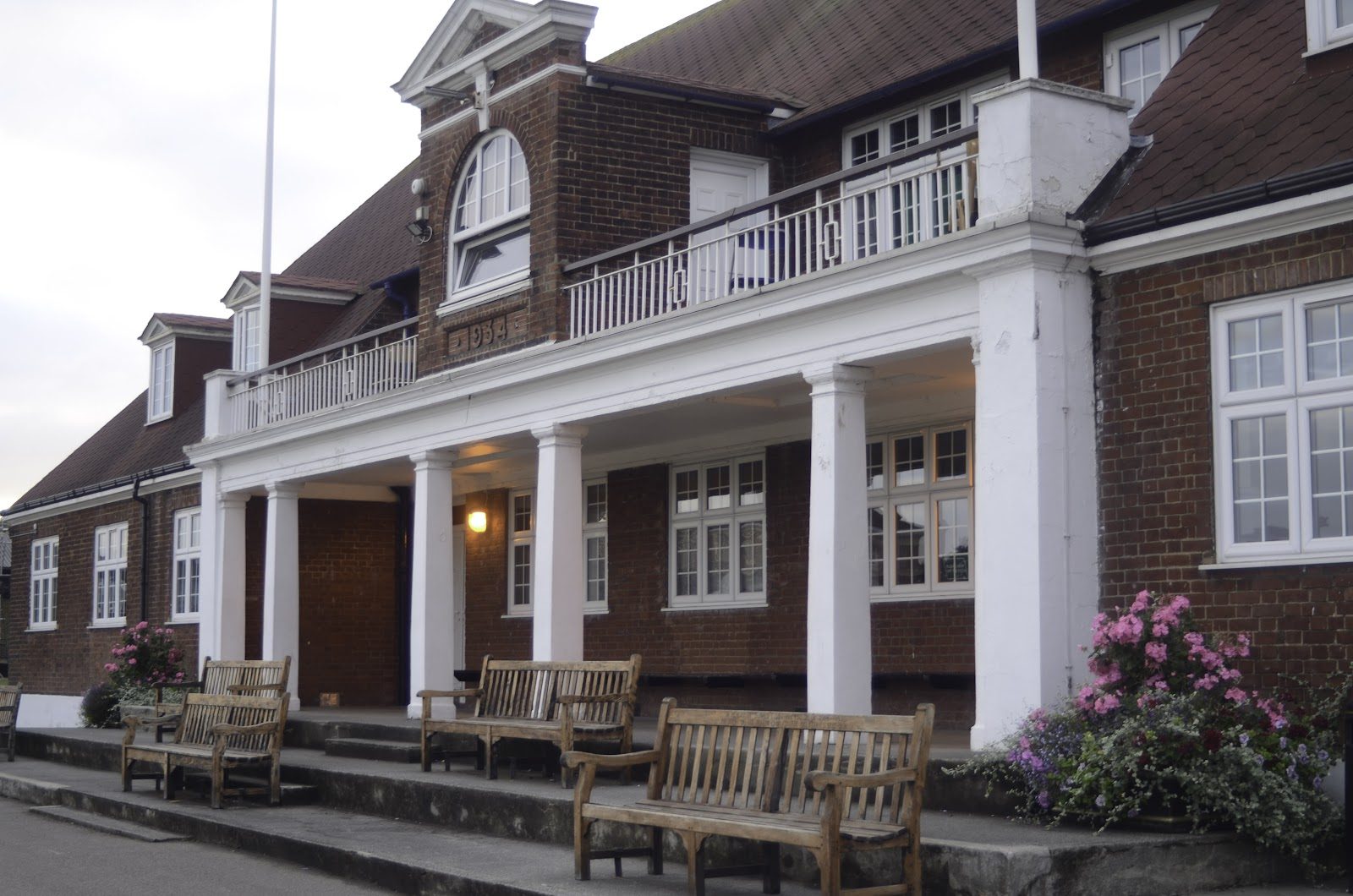
Dulwich College
London · United Kingdom
Founded in 1619 by an Elizabethan stage actor, its 75-acre South London campus still runs on three historic boarding houses.
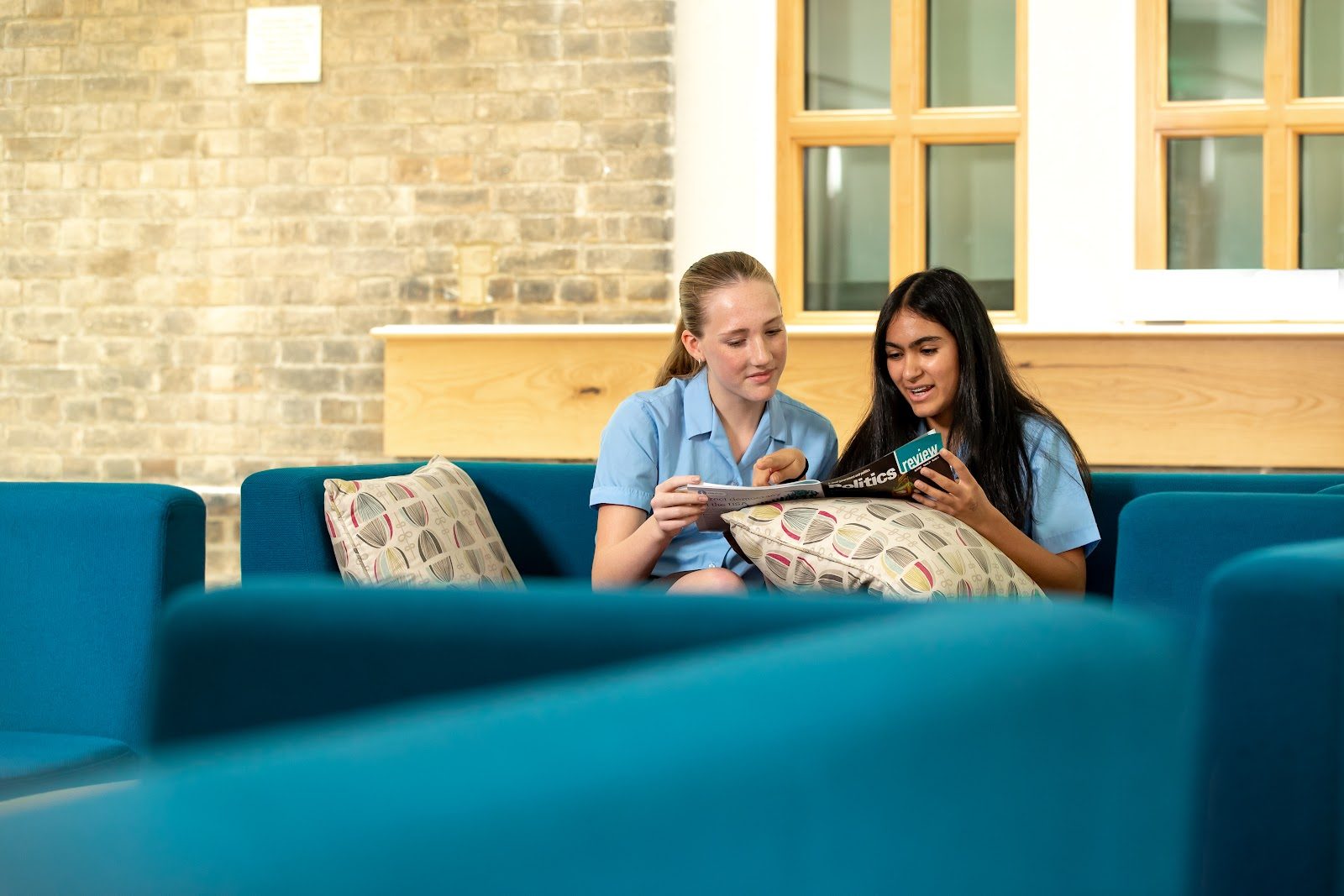
North London Collegiate School
London · United Kingdom
Founded in 1850 as Britain's first day school giving girls a boys'-standard education, it still tops national GCSE and A-level tables from its Edgware campus.
St Paul's School
London · United Kingdom
A 1509 founding charter to teach boys 'from all nacions and countres indifferently' still anchors this riverside Barnes campus on the Thames.
Same country and curriculum — closest matches within ±10 points either way