
West Sussex
Hurstpierpoint College
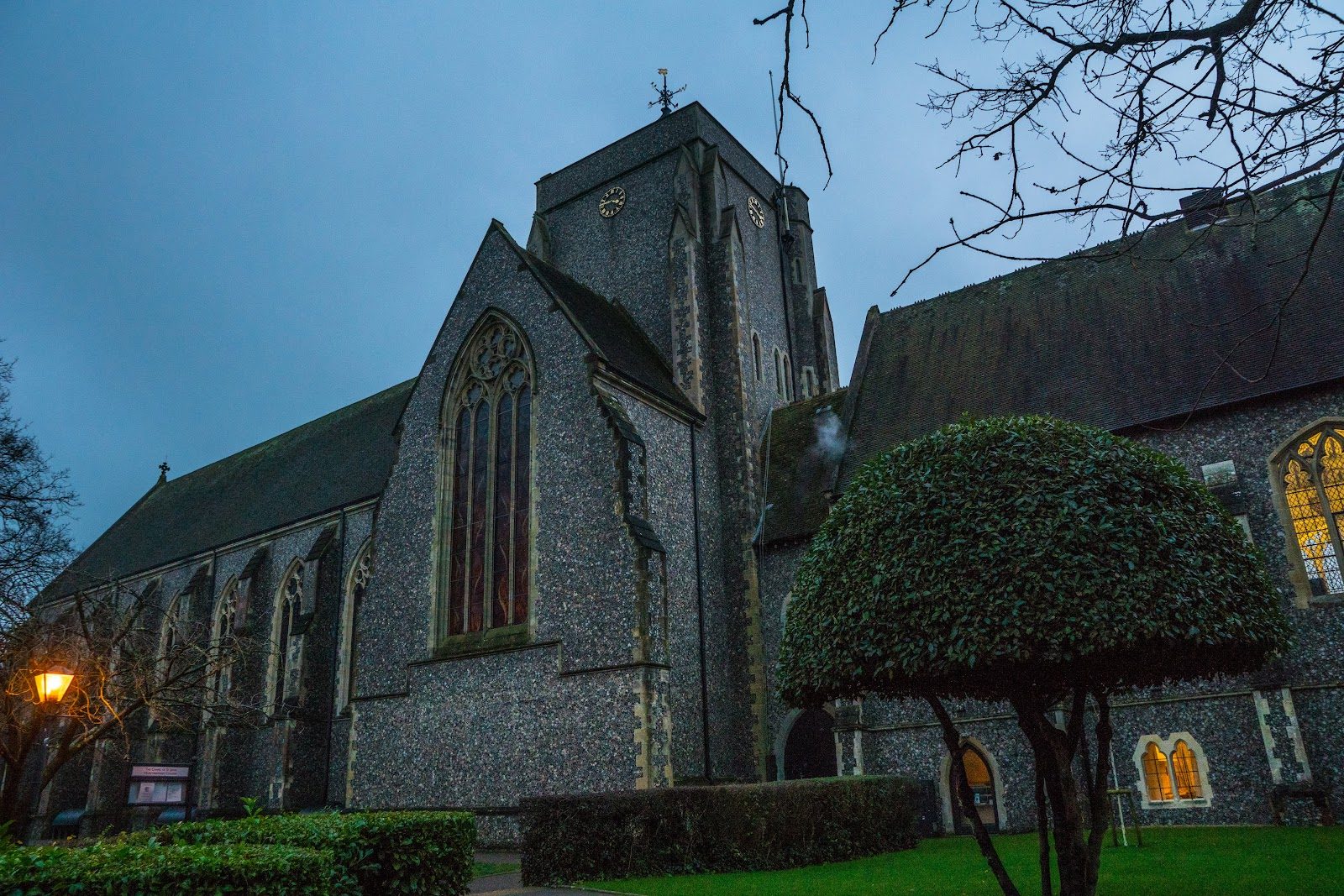
low confidence· 2/6 cats · 3 avg sourcesOn a 140-acre Gothic Revival campus below the South Downs, a Shakespeare society older than the RSC still takes the stage every year
Type
Both
Ages
4–18
Curriculum
British
Qualifications
A-Level · GCSE
Ratio
—
The Verdict
Editor's commitment
Right for
Families wanting a 4–18 British, Anglican day-and-boarding school on a 140-acre Sussex campus, with flexi and weekly boarding built in.
Wrong for
Parents seeking a purely academic hothouse, a secular culture, or an urban school: Hurst is in Hurstpierpoint, between Haywards Heath and Brighton.
Watch out for
This is expensive by any measure: average annual fees run about £25,000 day and £48,000 boarding across the full 4–18 ladder.
Ranking breakdown
Hurstpierpoint College · #789 of 1591
Composite score 66.7. 8 weighted criteria.
By criterion
Academic Outcomes
Weight 20%
#857
of 1529 scored
University Placement
Weight 16%
#793
of 1529 scored
Prestige & Heritage
Weight 12%
#713
of 1571 scored
Alumni Network
Weight 12%
#510
of 1530 scored
Facilities
Weight 12%
#679
of 1533 scored
Transparency & Communications
Weight 8%
#778
of 1532 scored
Peer & Industry Review
Weight 10%
#894
of 1548 scored
Admissions Selectivity & Demand
Weight 8%
#760
of 1529 scored
Peer & Industry Review
How Hurstpierpoint College is regarded in the sector
66
Respected · medium confidence
Among Sussex independents, Hurstpierpoint is generally regarded as a solid, improving second-tier option, sitting below Brighton College and Lancing in academic reputation but competitive on sport and pastoral care; heads of neighbouring Woodard schools such as Ardingly College are often mentioned in the same regional conversation. The Good Schools Guide has praised its pastoral culture and sporting strength while noting academic results are respectable rather than exceptional. University admissions tutors and school-placement advisers typically place Hurst leavers into strong Russell Group courses rather than Oxbridge in significant numbers, consistent with its own published destinations data. Independent education press, including WhichSchoolAdvisor-style regional round-ups, tend to describe it as a 'rising' rather than established name, reflecting steady ISI inspection outcomes and incremental exam-result gains rather than headline-grabbing league table jumps. It maintains visibility at Woodard Corporation conferences and Sussex heads' forums, but is rarely cited in national broadsheet top-50 rankings.
- Nevil Shute — Novelist and aeronautical engineer, Literature/Engineering
- John Christie — Founder of Glyndebourne Festival Opera, Arts/Business
- Robin Marlar — Cricketer and journalist, Sports/Media
Editors' overview
A 140-acre Gothic Revival campus below the South Downs gives Hurstpierpoint College a scale and sense of place that many rivals cannot match, but the sharper point is structural: this is a single school that carries children from age 4–18 across Junior Prep, Senior Prep, Senior School and Sixth Form. That matters for parents who want continuity without the conveyor-belt feel of a huge urban foundation. Hurst is Anglican, co-educational, day and boarding, with flexi and weekly boarding alongside full boarding; that mix widens its catchment and makes it more adaptable than the old-model full-boarding public school. It also has practical reach: transport runs across Sussex, Surrey and Kent, plus a chaperoned weekly return train from Clapham Junction. This is a school built for families who want countryside scale without cutting ties to London.
What is special here is not novelty but range with coherence. Hurst offers a British education in English, is accredited by ISI and HMC, and states plainly that academic excellence sits at the centre of the proposition. Many schools say that. The difference at Hurst is that the set-up supports a broad version of school life: a large campus, boarding in several forms, chapel and community baked into the structure, and enough organisational heft to serve local day pupils and boarders from further afield in one system. The old Shakespeare society matters for the same reason as the campus: it signals institutional memory and a school that values performance, tradition and participation, not just exam throughput. Parents who want published league-table chest-beating will find the picture more opaque than ideal; the school does not publish aggregate public exam outcomes here. Parents who value an established, full-spectrum independent school with serious extracurricular depth will still put Hurst on a shortlist.
In market terms, Hurst sits in the expensive end of the UK independent sector without pushing into the stratosphere of the most inflated London boarding brands. The average annual day fee across the full age range is £24,669; the average annual boarding fee is £47,595. That places it in the bracket where parents expect breadth, facilities, transport and boarding flexibility, not bare-bones academics. The child who will want Hurst is not the ultra-niche specialist who wants a tiny hothouse or an aggressively metropolitan school. Hurst suits pupils who will use space, sport, drama, boarding options and the long runway from prep to sixth form; children who thrive in a big-hearted, tradition-minded environment with clear expectations, but who still want room to move between day and boarding life. It is not for families seeking minimalism. It is for families who want the full independent-school apparatus, on a grand campus, with enough scale to give a pupil several ways to belong.
Academic Performance
Hurst states that academic excellence sits at the centre of its offer, but the public picture on outcomes is thinner than it should be. We have not seen aggregate GCSE or A-level results in the public domain here, no grade distribution tables, and no clear year-on-year results profile that would let parents place the school securely against academic peers. That matters. In this part of the market, parents need more than aspiration and warm prose; they need hard attainment data. Without it, Hurst is harder to benchmark than the results-forward independent schools that publish top-grade rates, subject performance and university destinations in clean detail.
That does not put Hurst in a weak academic bracket; it puts it in an opaque one. The school’s through-school structure, its stated ambition for pupils to progress to university or into a chosen profession, and the scale of provision all point to a school built for broad attainment rather than a narrow exam factory. For some families, that balance will appeal. For others, the lack of published headline results is a clear drawback. Relative to peers, Hurst sits outside the group of academically transparent, league-table-conscious independents and closer to the longstanding all-rounders that expect reputation, continuity and institutional depth to carry more weight than published scorecards. That is a defensible stance, but parents must do more work in admissions meetings to test academic strength.
Facilities
Facilities are one of Hurst’s strongest cards. A 140-acre site gives the school room to do more than stack lessons into compact buildings and call it breadth. Parents get a genuine all-through campus with separate spaces for the younger years, the middle years and the senior end, which matters because age-appropriate provision is the difference between a through-school that works and one that feels administratively stitched together. The school also gives unusual practical weight to access: extensive transport across the surrounding counties and a chaperoned rail link from London widen the school day beyond the village and make the campus usable for families who do not live on the doorstep. Add chapel, food provision and boarding to that, and this is a *fully equipped independent-school operation*, not a thin academic core with a few extras attached.
Against peer schools, the edge lies in scale and completeness rather than in a single trophy facility. Plenty of established independents have good sports fields, theatres or boarding houses; fewer combine those with one site that serves children from the first years through sixth form without losing coherence. The long-running Shakespeare society points to a culture that has dedicated performance spaces and sustained support for drama, not a token annual production. That breadth puts Hurst ahead of schools with tight urban footprints or piecemeal expansion, and in line with the stronger all-round public-school competitors in the South East. The trade-off is familiar: this is a big institutional campus, not an intimate boutique school, and some families will read that as breadth while others will read it as scale.
This is not the brittle, hyper-signalling status of a London day school or an exam machine that trades on published top-grade tables
Prestige
Hurst has real prestige, but it is a specific kind of prestige. This is not the brittle, hyper-signalling status of a London day school or an exam machine that trades on published top-grade tables. Its standing rests on continuity, setting, institutional memory and the old public-school model updated for modern family logistics. The Woodard link matters, as does HMC membership, because both place the college inside a recognisable upper tier of established British independent education. The campus scale — 140 acres — adds to that impression in a concrete way: space, buildings and infrastructure still shape parent perception in this market. So does the fact that it carries pupils right through the school years in one organisation. That gives Hurst a settled, well-bred identity that families read quickly.
The limit to that prestige is clarity. Hurst carries social weight and traditional cachet, but it does not convert that status into a crisp public academic narrative. Parents can see the breadth, the chapel-and-community architecture, the transport reach and the boarding culture. They cannot see the same level of published attainment detail that the most academically assertive independents now provide as standard. That keeps Hurst out of the very top bracket of schools whose prestige rests on both heritage and relentless results disclosure. Our rating therefore lands in the strong-but-not-dominant tier: properly established, genuinely respected, and still short of the undisputed heavyweights.
That keeps Hurst out of the very top bracket of schools whose prestige rests on both heritage and relentless results disclosure
Communications
Hurst communicates with parents through the habits of a fully built institution: the website carries the practical scaffolding families need, with dedicated pages for term dates, the school day, transport, uniform, food, policies, inspection reports, wellbeing, chapel and contact routes. That breadth matters. Schools that serve children across so many stages need to answer operational questions before they turn into friction, and Hurst does a solid job of putting those basics in public view. The transport information is a good test case: this is a school drawing families from a wide radius, and it treats logistics as a core parent concern rather than an afterthought. The site navigation also signals a school that expects sustained parent engagement over time, not just at admissions. There is substance here, not glossy evasion.
The weakness is tone and precision. Hurst’s public writing leans heavily on values, warmth and aspiration; it gives less space to the hard-edged detail many parents now expect, above all on academic outcomes. That limits credibility. Strong communication is not only about being welcoming; it is about publishing the information that lets families test the school’s claims. Hurst does the practical and pastoral side well, and the website reflects a serious operational machine serving ages 4–18. It is less effective where scrutiny sharpens: performance data, comparative context and evidence of academic delivery. Parents will leave with a clear sense of how the school runs, and a less clear sense of how results stack up.
Uniqueness
What separates Hurst is not a single flagship programme but a rare all-through composition: one institution carrying children from the first school years to sixth form, on one substantial estate, with enough internal differentiation to avoid the usual through-school problem of younger pupils being swallowed by the senior end. The split into junior prep, senior prep, senior school and sixth form gives each phase its own identity while keeping movement between them direct. For students, that brings real continuity — pastoral, social and organisational — without forcing a child into the same experience at every age. The transport network and London rail link extend that advantage beyond immediate locals. Hurst can function as a country school for day families, a boarding school, and a bridge between the two. Few schools combine those roles without becoming structurally messy.
The other distinctive thread is cultural memory. A Shakespeare society older than the Royal Shakespeare Company is not a decorative anecdote; it signals a school where performance, ritual and participation sit deep in the grain. Add chapel and a clear moral vocabulary about duty, respect and maturity, and Hurst offers a full-fat institutional life that many newer or more transactional schools cannot reproduce. That brings students more than extracurricular choice. It gives them a setting with serious inherited habits: public performance, inter-year belonging, and repeated chances to test themselves in front of others. For the right child, that produces confidence with substance rather than polish alone.
Our rating therefore lands in the strong-but-not-dominant tier: properly established, genuinely respected, and still short of the undisputed heavyweights
Student Profile
The pupil who fits Hurst is one who wants a full-spectrum school life, not a narrow academic drill. This is a through-school with day pupils and boarders in the same system, so it suits children who value continuity, can handle a sizeable peer group and will make use of the options around them rather than stick to one lane. The best fit is a student who will join in: sport, drama, chapel, house life, trips, shared routines, public occasions. The long-established Shakespeare tradition gives a clue to the social texture. Hurst rewards pupils who are willing to stand up, take part and be known. It will also suit families who want flexibility across the years rather than a rigid single-mode school experience.
It is a weaker match for the child who wants anonymity, a tiny hothouse atmosphere or a school built around relentless public proof of top exam performance. Hurst’s public identity rests more on breadth, values and institutional life than on hard-edged academic signalling. That does not make it soft. It makes it tradition-minded, community-heavy and demanding in a different way: pupils need to navigate a substantial campus, a broad age range from 4–18, and a culture that expects maturity, respect and contribution. Confident joiners, balanced all-rounders and pupils who grow through structure will do well here. The ultra-specialist, the fiercely minimalist and the child who wants school to feel small will not.
It is a weaker match for the child who wants anonymity, a tiny hothouse atmosphere or a school built around relentless public proof of top exam performance
Co-curricular strengths
Arts & sport, on a separate axis
Overall 9/10
Scored 0-10 from the school's own published evidence. This axis is editorial-only — it does not feed the main WTS ranking.
Sports
9.3/10
High-performance co-educational athletic infrastructure, fielding dominant varsity teams across hockey, rugby, and cricket on state-of-the-art turf grounds.
Drama
9/10
The modern Bury Theatre complex provides a conservatory-style framework for staging high-production mainstage plays and musicals.
Dance
9/10
Popular choreographic development track explicitly integrated within their collaborative theater and musical networks.
Music
9.2/10
Outstanding chamber orchestras, wind ensembles, and choral troupes that routinely headline major regional youth music festivals.
Visual Arts
8.5/10
Sun-drenched studio spaces running advanced design pipelines, ceramics, and photography portfolios.
Strengths
- +Full-through co-educational school from prep to sixth form on one site.
- +Day, flexi, weekly and full boarding options available.
- +World-class sport, particularly hockey, rugby and cricket.
- +Strong published 2025 results: 79% of GCSE grades at 7-9 and over 88% of A-level grades at A*-B.
- +Extensive transport across Sussex, Surrey and Kent plus a chaperoned weekly train from Clapham Junction.
- +Inspection rating of Excellent (ISI) and HMC membership.
Considerations
- −Anglican Woodard foundation may not suit non-faith families.
- −British curriculum only; no IB offered.
- −Rural West Sussex setting, not an urban campus.
Availability
Primary entry gate & tests
Written Exams + Interview
Gallery
Parent reviews
Have you sent your child here?
Voice reviews carry the strongest trust badge — we transcribe them for you to tidy up before they go live. Prefer to type? A written review is fine too.
Add your voice
In 60 seconds, tell other parents: what's the best thing about Hurstpierpoint College, and what surprised you when your child joined?
We ask for a Google sign-in so every review has a real face behind it — no anonymous drive-by attacks on schools, and no faked positive reviews. Your email is never shown publicly.
Send this profile to a friend
International parents rely on word-of-mouth. Share this review with someone weighing the same decision.
Schools with places
Similar schools to Hurstpierpoint College with places available now.
Availability first, then country, area, curriculum, price, co-curricular
Consider also
Also worth looking at alongside Hurstpierpoint College.
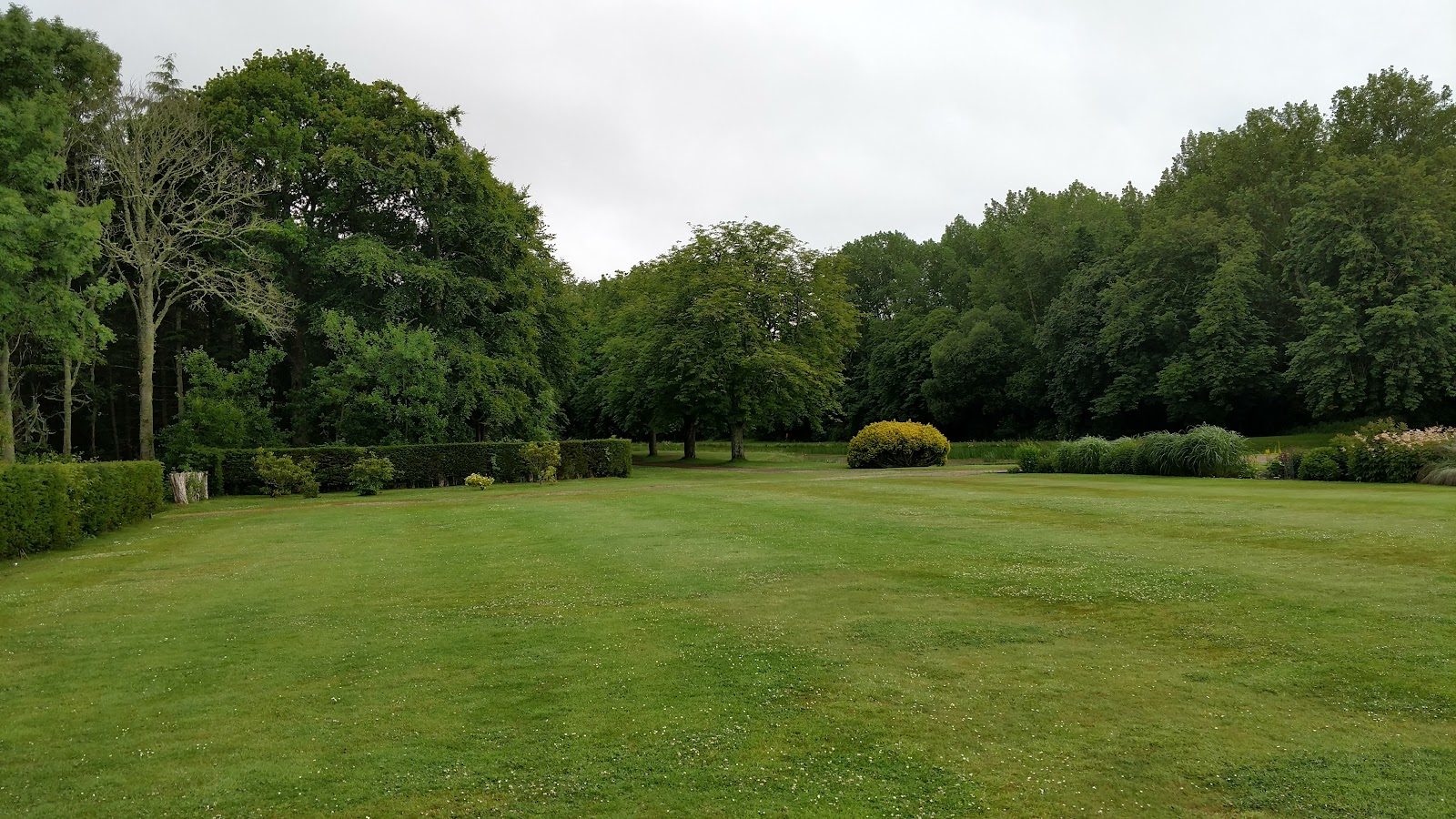
Gordonstoun
Elgin · United Kingdom
On Scotland's Moray coast, birthplace of Outward Bound, where sail training aboard the school's own ocean-going yacht counts as curriculum.
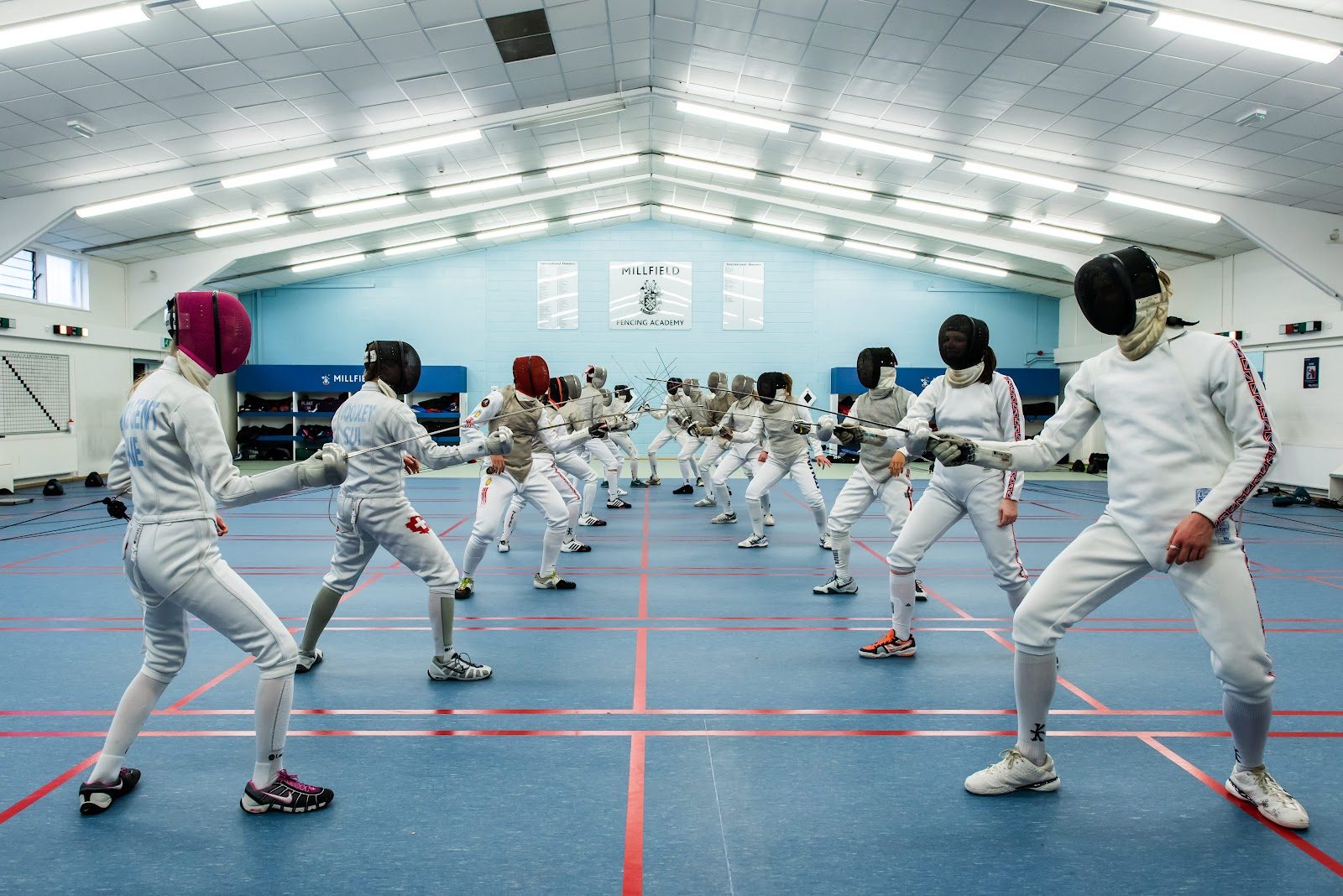
Millfield School
Street · United Kingdom
Sixty-plus sports and an Olympic-length pool anchor a 240-acre Somerset campus built for athletes and scholars alike.
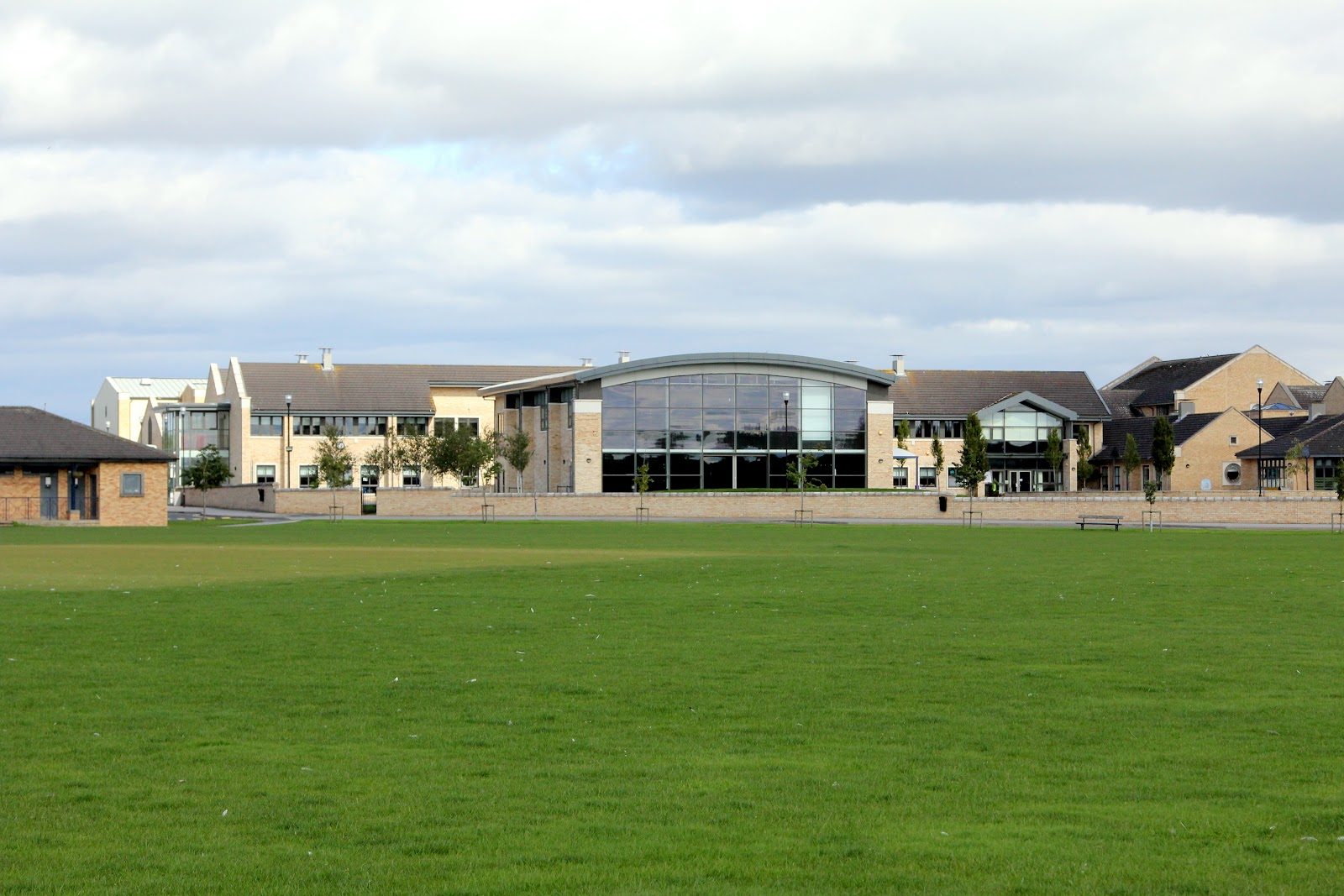
The Grammar School at Leeds
Leeds · United Kingdom
Where a 1552 boys' grammar school and an 1876 girls' high school fused into one diamond-model campus across 140 Yorkshire acres
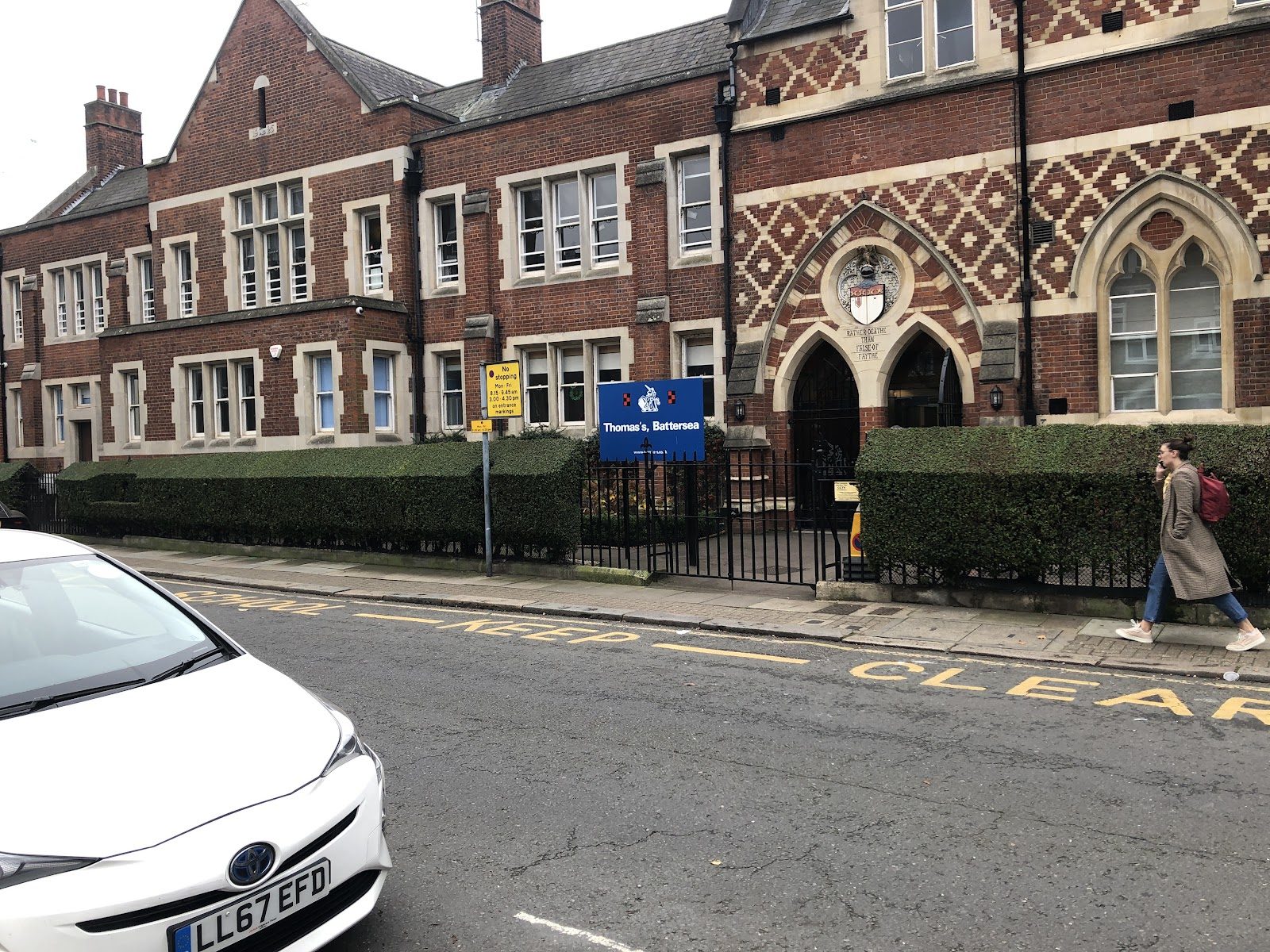
Thomas's Battersea
London · United Kingdom
In a former Victorian art school, an 'enquiry mindset' and a 'Be Kind' ethos feed London's top senior schools.
Same country and curriculum — closest matches within ±10 points either way