
Eastern Cape
Grey High School Gqeberha
Founded in 1856 on the Eastern Cape coast, a storied rugby stronghold still built on mind, body and spirit.

Photo © Carla Simmons via Google Maps
Type
Day + Boarding
Ages
13–18
Curriculum
National Senior Certificate
Ratio
—
The Verdict
Editor's commitment
Right for
Families set on a Christian day-and-boarding school in Gqeberha, with English teaching and the National Senior Certificate at ages 13–18.
Wrong for
Anyone wanting curricular choice beyond the National Senior Certificate, a secular ethos, or schooling outside the 13–18 secondary years.
Watch out for
Founded in 1856 carries weight, but the school's own website is currently a parked domain for sale; that is a serious communications failure.
Ranking breakdown
Grey High School Gqeberha · #876 of 1591
Composite score 46.6. 8 weighted criteria.
By criterion
Academic Outcomes
Weight 20%
#1527
of 1529 scored
University Placement
Weight 16%
#1164
of 1529 scored
Prestige & Heritage
Weight 12%
#909
of 1571 scored
Alumni Network
Weight 12%
#1426
of 1530 scored
Facilities
Weight 12%
#62
of 1533 scored
Transparency & Communications
Weight 8%
#1309
of 1532 scored
Peer & Industry Review
Weight 10%
#300
of 1548 scored
Admissions Selectivity & Demand
Weight 8%
#991
of 1529 scored
Peer & Industry Review
How Grey High School Gqeberha is regarded in the sector
78
Strong · medium confidence
Grey High School Gqeberha is consistently ranked among South Africa's top public boys' schools alongside Bishops, Hilton College, Michaelhouse and Selborne College, its historic Eastern Cape rival. Its rugby and cricket programmes attract regular national press coverage, with SA Schools rugby selections and Craven Week representation cited yearly by outlets like SA Rugby mag and School Sport Zone, cementing peer respect among traditional sporting powerhouses. Academically, Grey consistently posts strong National Senior Certificate pass rates and Bachelor-pass percentages reported in Eastern Cape provincial league tables, feeding graduates into UCT, Stellenbosch, Rhodes and UPE/NMU engineering and commerce faculties, where alumni networks (Old Greys) are noted for strong representation in Eastern Cape professional and legal circles. As a public (Model C) heritage school rather than a fully independent one, it falls outside typical WhichSchoolAdvisor/Good Schools Guide independent-school coverage, but it features regularly in Eastern Cape media (The Herald, Algoa FM) and old-boy alumni publications as a benchmark institution for public schooling standards, reflecting strong regional prestige despite limited international independent-school press visibility.
Award

Elite Sport 80
World's Top School · The Global Ranking
Grey High School Gqeberha is featured on our Global Top 80 ranking at #69. This seal is available for the school's marketing team to use on their website, prospectus and social channels.
- Percy FitzPatrick — Author, businessman, and politician
- Graeme Pollock — Cricketer, sport
- Peter Pollock — Cricketer and clergyman
Editors' overview
Grey High School Gqeberha occupies a rare place in South African schooling: a boys’ secondary school with deep colonial-era roots, a Christian frame, boarding as well as day provision, and a public identity built around “mind, body and spirit”. Founded in 1856, it trades on history, ritual and competitive sport, above all rugby. That gives it a distinct market position. This is not a progressive, experimental school and not a soft one. It is a traditional senior school for families who want structure, loyalty to institution and a strong extracurricular spine alongside the National Senior Certificate. For the right boy, that mix carries real force: old-school discipline, institutional pride, sporting intensity and a clear sense of belonging.
What is special here is the combination of age, continuity and culture. Grey’s reputation rests less on glossy educational fashion than on the durable appeal of a school that knows exactly what it is. The day-and-boarding model for ages 13–18 widens its catchment beyond Gqeberha itself and strengthens the all-in character of school life. Parents looking for a campus where sport sits at the centre of status, where tradition matters in daily practice, and where boys are expected to contribute with seriousness will find Grey compelling. That same profile narrows the fit. Families who want a more pastoral, less pressurised atmosphere, or a school defined first by arts innovation or educational experimentation, will find stronger options elsewhere.
There is also a blunt caveat. The school’s stated website currently resolves to a domain-sale page, which is poor. For an established school, that is a credibility problem and a practical one for international or relocating parents trying to verify admissions, boarding details and academic information. A school with this much heritage should manage its public information better. Even so, Grey remains shortlist material because the underlying proposition is still strong: serious tradition, competitive spirit, boarding camaraderie and a school culture that asks boys to commit, not drift.
The boy who will want Grey is one who likes institutions with weight and expectations. He will value team sport, tolerate hierarchy, and respond to a culture where standards are visible and earned. He does not need a therapeutic environment or a highly personalised academic model; he needs momentum, peers who push him, and a school identity bigger than himself. For that student, Grey offers a hard edge and a powerful tribal loyalty that few schools can match after 169 years.
An Elite Sport 80 school
Grey High School in Gqeberha (formerly Port Elizabeth) sits at rank sixty-nine on the Elite Sport 80 because it is one of the Eastern Cape's core rugby and cricket boys' schools with a sustained Springbok and Proteas pipeline across generations. The Grey High 1st XV rugby squad is a national schoolboy finals fixture, and the 1st XI cricket squad regularly supplies Eastern Cape franchise cricket and Proteas representatives.
The specialisms are rugby union (with a formal academy model, professional coaching and links to the Sharks Super Rugby franchise and Eastern Province Rugby), cricket (a Warriors and Proteas pipeline through Eastern Province Cricket), athletics, hockey and swimming. Water polo, basketball and rowing run at high schoolboy standard.
Notable alumni across codes include Graeme Pollock (widely regarded as one of the greatest batsmen of all time), Herschelle Gibbs's contemporaries at Eastern Cape cricket, several current Springboks and Currie Cup professionals from the Sharks and Cheetahs franchises, and — in cricket — a rolling roster of current Proteas and franchise-level players. In athletics, multiple South African representative sprinters have come through.
International openness is genuine but modest. The school admits pupils from neighbouring African countries and, in smaller numbers, from Europe, Australasia and the Americas, and runs a full boarding house on-site. Fees are extremely modest by international-boarding standards, sitting around ZAR 90,000-115,000 including boarding, making Grey High one of the highest value-for-money elite-sport schools on this list. Language of instruction is English. Overseas admissions go through the normal application process plus a rugby or cricket trial. For a family relocating from a rugby- or cricket-strong nation to the Eastern Cape and targeting a genuine Springbok or Proteas pathway alongside South African NSC academic pathways, Grey High is one of the most efficient boarding options in the region. Overseas boarding families typically begin conversations 12-18 months before the intended entry point, particularly for the Grade 8 (Standard 6) intake where competition for house places is at its highest.
Academic Performance
Grey has a strong academic reputation in South Africa’s independent-school market, but the school does not publish the core figures that would let parents test that reputation properly. We have not seen aggregate National Senior Certificate outcomes, bachelor-pass rates, subject distinctions, or a multi-year results profile in the public domain tied to the school’s current official channels. That matters. Among schools competing for academically serious families, result transparency is not optional; it is basic due diligence. At present, Grey asks parents to rely on institutional standing and anecdote more than hard numbers. For a school with such an established name, that is a clear weakness.
Relative to peers, Grey sits in a familiar category: a long-established boys’ school whose public stature rests on a blend of academics, sport and old-boy prestige rather than on relentless publication of exam metrics. That does not make it weak academically. It does mean families comparing it with more data-rich rivals will get a murkier picture of classroom outcomes than they should. The key question is not whether able boys can do well here; they can. The question is how consistently the school converts its selective reputation and high-pressure culture into measurable examination performance across the cohort. Until Grey publishes fuller results data, its academic standing remains credible but insufficiently evidenced for parents who want hard comparative proof.
Facilities
Facilities are the hardest area to judge because the school’s official web presence has collapsed into a domain-sale page. That failure blocks basic verification of classrooms, laboratories, boarding houses, arts spaces and specialist teaching rooms. For parents, that is not a minor irritation; it is a serious information gap. At a school whose identity rests on full-bodied school life, facilities matter because they shape the daily experience as much as teaching does. We have not seen a current campus map, estate plan, boarding overview or published investment priorities. Against peer schools in South Africa’s old-guard boys’ sector, that leaves Grey behind on public transparency even if the physical plant itself is strong.
What can be said with confidence is structural rather than glossy. This is a secondary day-and-boarding school for boys aged 13–18, so parents should expect the core estate to centre on senior academic spaces, houses, dining, assembly and a substantial sporting footprint rather than early-years or family-style facilities. The school’s long-standing reputation in rugby and institutional sport points to fields and competitive sports provision as a central asset; that is where Grey’s campus value almost certainly sits. Against peers, the question is not whether there are games facilities, but how modern, extensive and well maintained they are relative to stronger-published rivals. Until the school restores a functioning official site and discloses its campus properly, its facilities profile remains plausibly strong but unproven, with sport carrying the case more than published detail.
So the rating lands in the upper tier of domestic prestige, not at the top of the market in all respects
Prestige
Grey’s prestige is real, but it is a specific kind of prestige. This is not the prestige of polished global branding, selective data disclosure or fashionable educational rhetoric. It is the prestige of institutional memory, old-boy loyalty and a name that carries weight in South African school culture far beyond its immediate catchment. In that sense, Grey belongs to a narrow band of historic boys’ schools whose status rests on continuity, competitive identity and a durable social network. For families who value that world, the badge still opens doors of recognition. The school’s age — 169 years — matters here not as a decorative fact but as the basis of a deep-rooted reputation built over generations.
That prestige, though, has hard limits. It sits strongest in the traditional independent-school market, above all among families who prize rugby, hierarchy and institutional seriousness. It carries less force with parents who judge schools by published outcomes, digital competence or contemporary educational thinking. The broken public website does damage: a school asking for trust at this level cannot neglect basic public-facing credibility. So the rating lands in the upper tier of domestic prestige, not at the top of the market in all respects. Grey remains socially and culturally formidable, with serious old-school cachet, but it does not convert that standing into the full modern package of transparency and presentation that elite status now demands.
Grey’s uniqueness lies in the force of its institutional culture
Communications
Parent communication is Grey’s weakest public function. The school’s stated website routes to a domain-sales page offering the address for $3,795, which is deeply damaging for any parent trying to verify admissions, term dates, boarding arrangements, staff contacts or policies. That single failure does two things at once: it blocks routine practical access and it raises a question about administrative grip. For a school with a strong institutional identity, this is careless in the extreme. Communication is not a branding extra; it is the mechanism through which trust is maintained. At present, Grey’s main outward-facing channel is broken, and that makes the school harder to assess than it has any right to be.
That does not mean parents inside the school community get poor day-to-day communication; many long-established schools run competently through direct channels even when their public-facing systems lag badly behind. But Grey does not give prospective families a clean way to test that. We have not seen a functioning official platform carrying current notices, leadership messages, event calendars, academic guidance or pastoral information. In practical terms, that leaves outsiders reliant on word of mouth and informal networks, which suits entrenched local families far more than new entrants. For relocating or international parents, the result is opaque, old-fashioned and needlessly exclusionary. Until the school restores a working official site and basic information architecture, its communications profile remains well below the standard expected of a serious fee-charging school.
Uniqueness
Grey’s uniqueness lies in the force of its institutional culture. Plenty of schools claim to educate the whole boy; Grey has built an identity around exactly that triad and has sustained it over 169 years. The result is a school where belonging carries weight, loyalty is earned through participation, and status does not rest on classroom performance alone. Sport, house life, chapel tradition and the daily grammar of a senior boys’ school all feed the same outcome: a thick sense of membership. For the right student, that produces real stamina, tribal confidence and a habit of turning up properly for team, school and peers. Boys who thrive on structure and competitive energy get more than extracurricular enrichment here; they get a social code.
What sets Grey apart from many contemporaries is that it has not diluted that code to suit every taste. This is a tradition-bound institution with a hard competitive centre, and that gives it clarity. Students gain resilience, confidence in formal settings and ease within hierarchy; they also learn to operate in an environment where standards are public and comparison is constant. That can be formative and bracing. It can also be constraining for boys who want a looser, more individualised adolescence. Grey’s distinctiveness, then, is not novelty but concentration: an old-established senior school experience, sharpened by boarding, Christian framing and a culture that asks boys to commit fully rather than browse at the edges.
Founded in 1856, it trades on history, ritual and competitive sport, above all rugby
Student Profile
The boy who fits Grey is not searching for reinvention or gentle curation. He is comfortable in a school where identity sits outside the individual and where belonging depends on contribution. He will cope well with visible standards, competitive peers and a culture that rewards commitment to team, house and school. Sport matters here, and not as an optional extra for the keen few. A boy who enjoys physical contest, accepts hierarchy and takes pride in collective reputation will find traction quickly. The best fit is institutionally minded, thick-skinned and energised by pressure. Boys who need constant affirmation, a highly personalised pace or freedom to drift between interests without scrutiny will chafe.
This is also a strong fit for families who want adolescence shaped by routine, expectation and a clear moral frame. Boarders and day boys alike need enough self-discipline to live inside a school culture with a hard competitive centre. Social confidence helps. So does a willingness to be known in a community where effort is visible and underperformance does not disappear into the crowd. Grey suits boys who want to join something older and larger than themselves, and who gain confidence from that bargain. It does not suit the wilfully detached, the anti-tribal, or the boy who wants school to function as a loose platform for individual preference.
This is not a progressive, experimental school and not a soft one
Co-curricular strengths
Arts & sport, on a separate axis
Overall 7.62/10
Scored 0-10 from the school's own published evidence. This axis is editorial-only — it does not feed the main WTS ranking.
Drama
7.5/10
Dance
4/10
Music
9/10
Visual Arts
7.8/10
Strengths
- +Founded in 1856, Grey High is one of South Africa's oldest continuously operating schools, giving it a long-established institutional identity and alumni network.
- +Offers both day and boarding places, useful for expat or relocating families needing residential schooling in the Eastern Cape.
- +As a public (state) school, fees are markedly lower than those of South Africa's independent private schools, easing cost pressure for relocating families.
- +Long-standing reputation for rugby and other school sport, with facilities and coaching structures built up over more than a century.
- +Follows the National Senior Certificate, a recognised and standardised state matriculation qualification accepted by South African universities.
Considerations
- −Single-sex boys' school, which rules it out for families wanting coeducation or with daughters to place locally.
- −The NSC is a South Africa-specific curriculum; families expecting to relocate again may find IB or Cambridge credentials more portable internationally.
- −Located in Gqeberha, a secondary South African city with a smaller expat community and fewer international-school peers than Cape Town or Johannesburg.
- −As a government-funded school, facilities and staffing depend partly on state allocation alongside fees, so resourcing may trail top-tier independent schools.
Gallery
Photo © Like Exploring via Google Maps
Photo © Robert Hogben via Google Maps
Photo © Michael Hopkins via Google Maps
Photo © Michael Hopkins via Google Maps
Photo © richard rautenbach via Google Maps
Photo © Awonke Fernandez via Google Maps
Photo © Awonke Fernandez via Google Maps
Parent reviews
Have you sent your child here?
Voice reviews carry the strongest trust badge — we transcribe them for you to tidy up before they go live. Prefer to type? A written review is fine too.
Add your voice
In 60 seconds, tell other parents: what's the best thing about Grey High School Gqeberha, and what surprised you when your child joined?
We ask for a Google sign-in so every review has a real face behind it — no anonymous drive-by attacks on schools, and no faked positive reviews. Your email is never shown publicly.
Send this profile to a friend
International parents rely on word-of-mouth. Share this review with someone weighing the same decision.
Schools with places
Similar schools to Grey High School Gqeberha with places available now.
Availability first, then country, area, curriculum, price, co-curricular
Consider also
Also worth looking at alongside Grey High School Gqeberha.
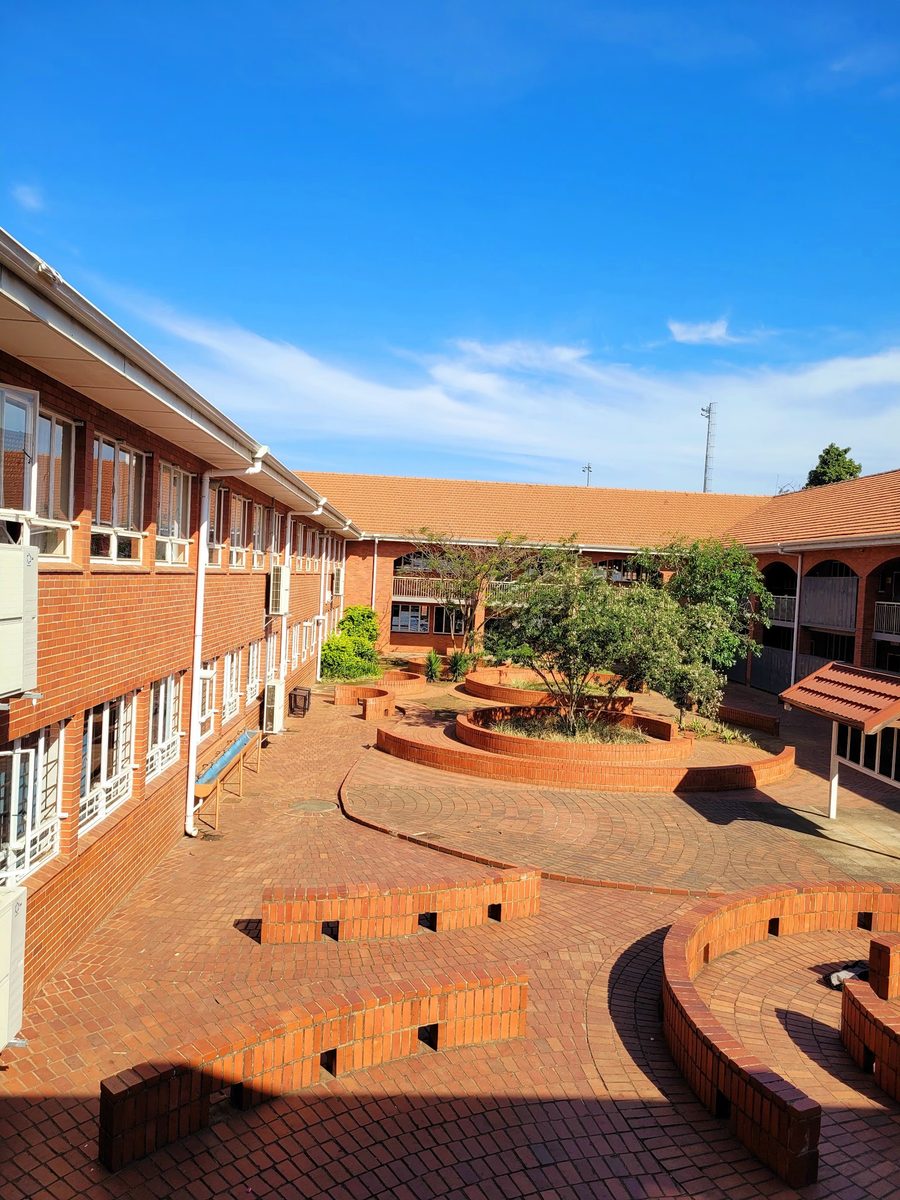
Maritzburg College
Pietermaritzburg · South Africa
Since 1863, KwaZulu-Natal's oldest boys' school has turned Victorian-era tradition into a rugby pedigree few provincial rivals can match.
Ipswich Grammar School
Ipswich, QLD · Australia
Queensland's oldest grammar school, its Gothic Revival Great Hall still anchoring lessons atop Grammar School Hill.
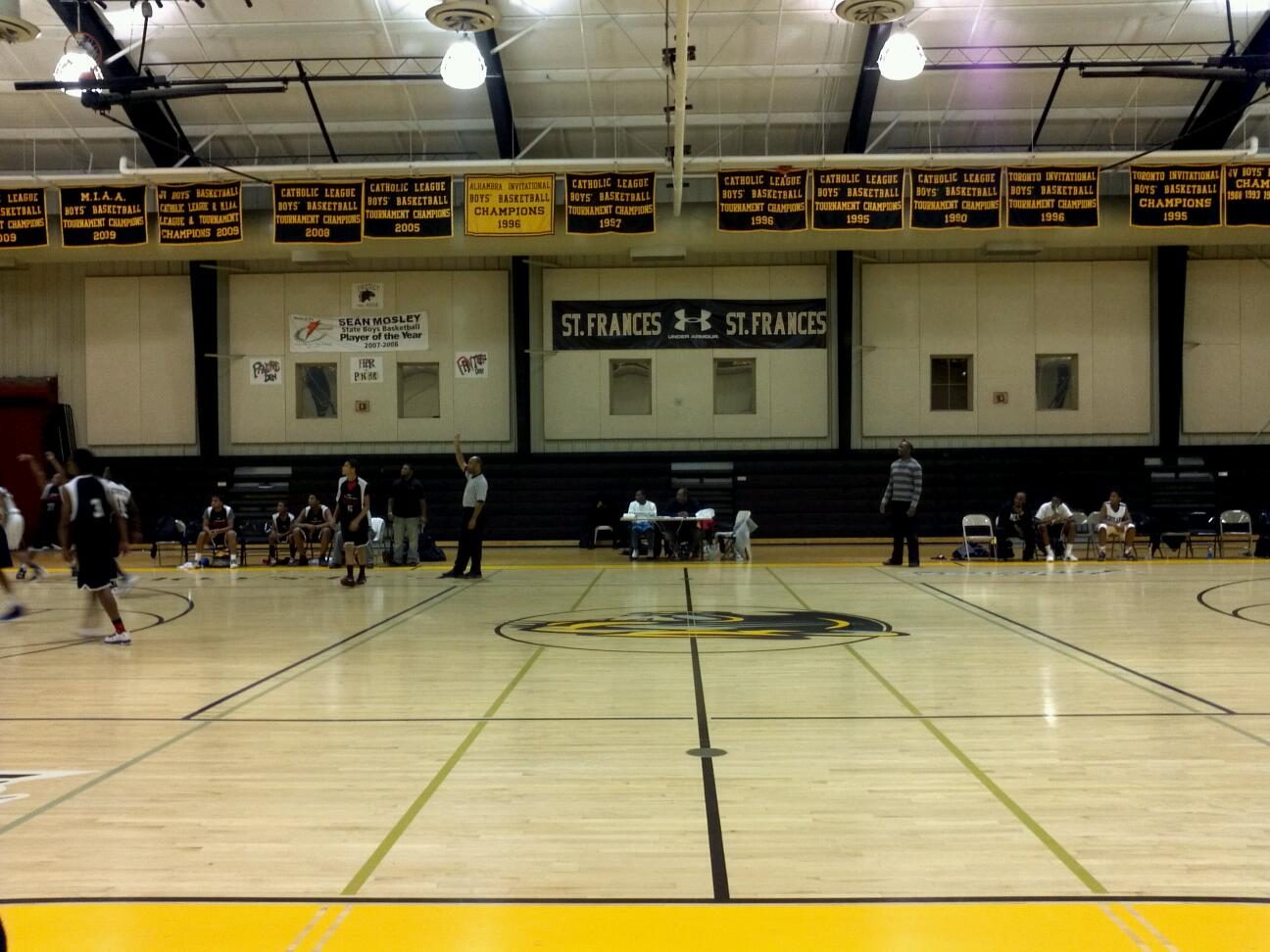
St. Frances Academy
Baltimore, MD · United States
Founded in 1828 as the nation's first Black Catholic school, now fielding a No. 1-ranked football dynasty in East Baltimore.
Maribyrnong Sports Academy
Maribyrnong, VIC · Australia
Where VCE study and elite training share a timetable, inside Victoria's only state-funded sports school program.
Same specialism, country and curriculum — closest matches within ±10 points either way