
Surrey
Cranleigh School
low confidence· 6/6 cats · 0 avg sourcesBorn in 1865 to educate Surrey's farming families, now a 280-acre campus where 'culture breeds strength' still shapes the timetable.
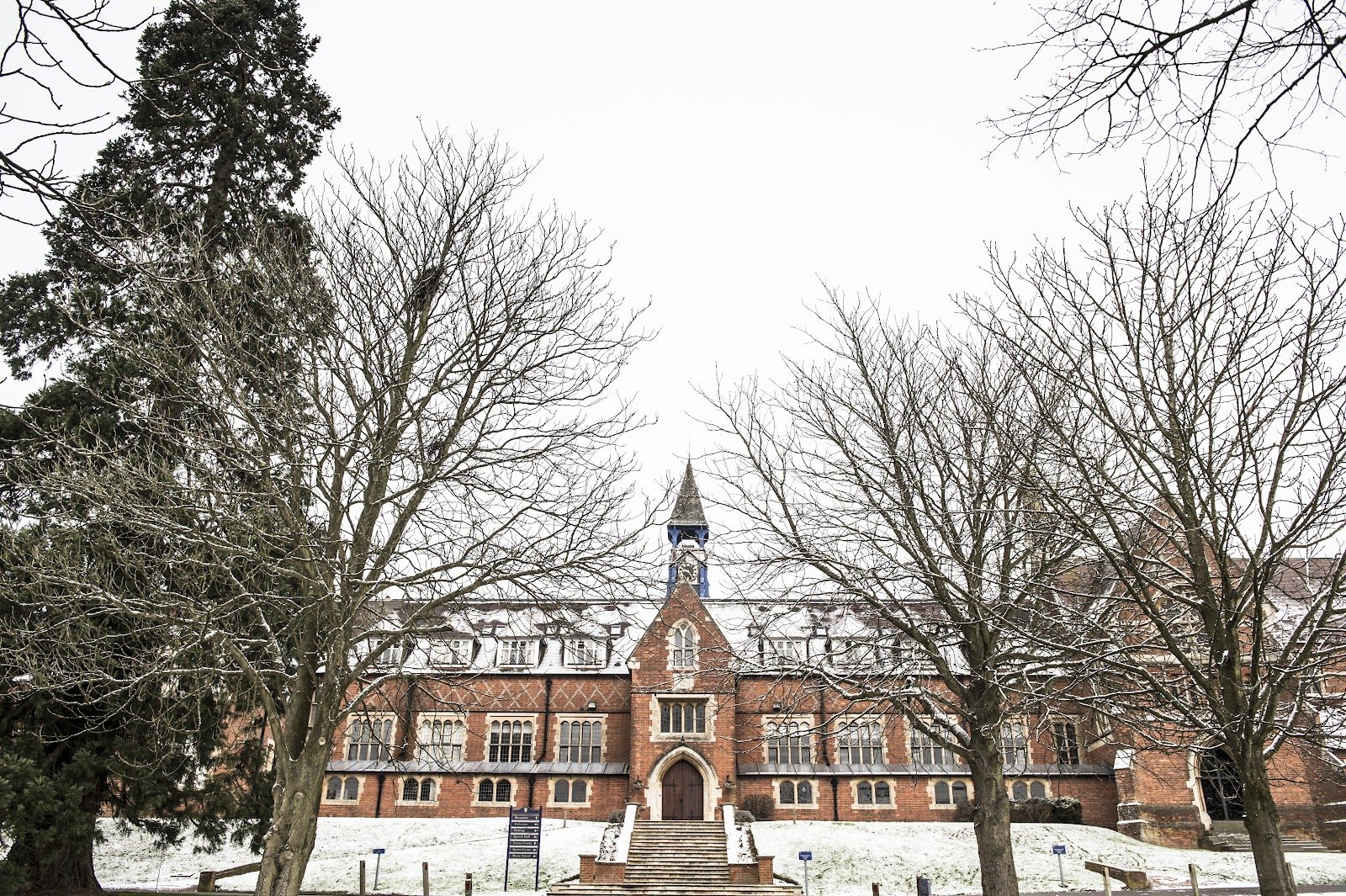
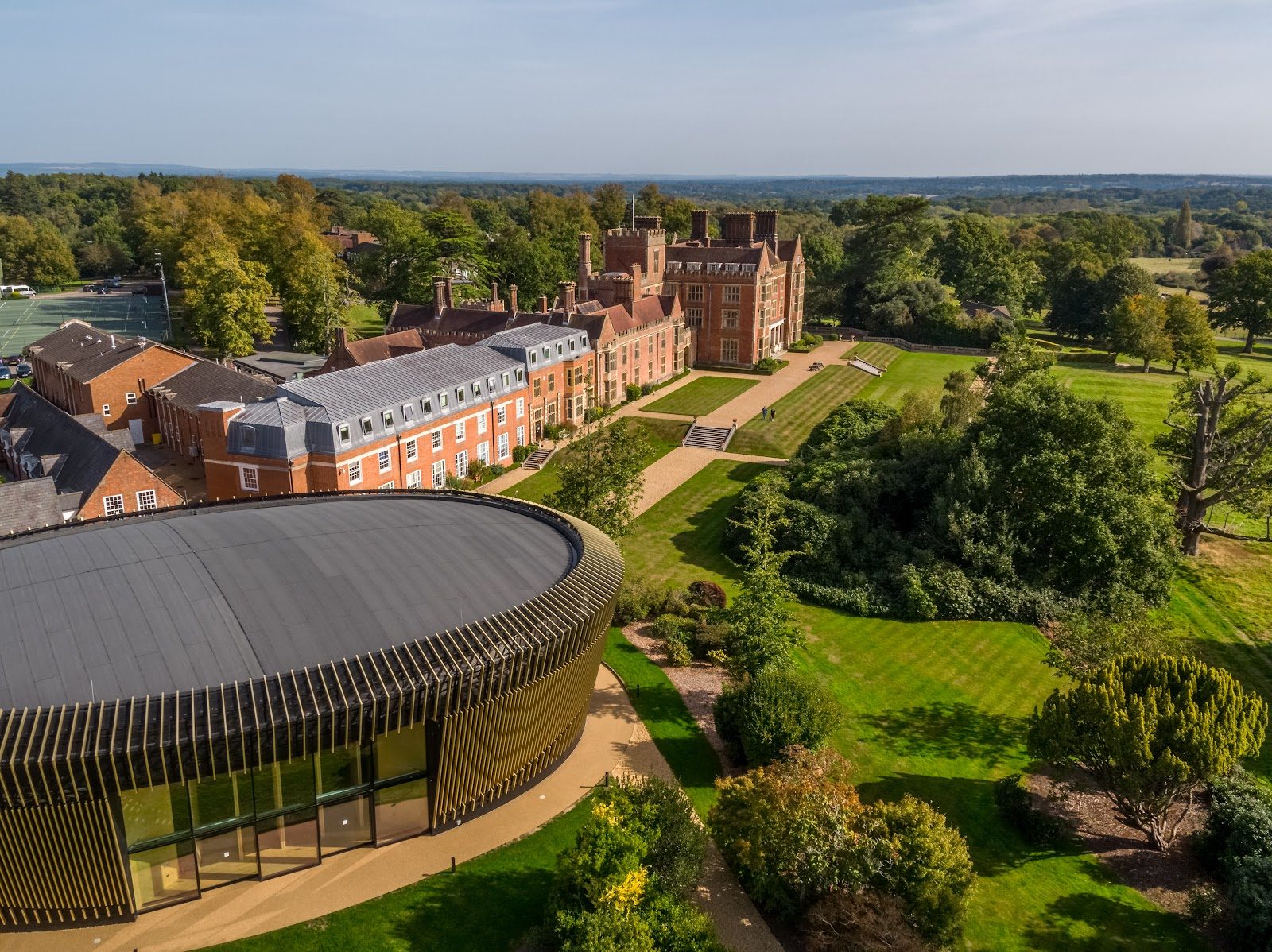
Photo © Cranleigh School via Google Maps
Type
Both
Ages
13–18
Curriculum
British
Ratio
8:1
The Verdict
Editor's commitment
Right for
Pupils aged 13–18 who want a British senior school on a 280-acre campus, with an 8:1 ratio and full or weekly boarding.
Wrong for
Families wanting a through-school below 13, a religious ethos, or cheaper pricing than £35,000 day and £61,000 boarding averages.
Watch out for
The school day runs 8.00am to 5.45pm, with Day Plus until 8.45pm; this is a long, tightly scheduled school life.
Peer & Industry Review
How Cranleigh School is regarded in the sector
78
Strong · high confidence
Cranleigh School holds a well-established place among Britain's leading co-educational boarding schools, its standing anchored by long-standing HMC membership and consistent inclusion in the Tatler Schools Guide, which prizes it for its blend of academic rigour and holistic ethos. WhichSchoolAdvisor's review praises its "excellent sporting and design facilities" and a "forward thinking" approach under recent leadership changes, while The Good Schools Guide's independent verdict notes the new head has "truly rolled up her sleeves to put the school firmly back on the map." Around 80% of leavers progress to Russell Group universities, and its sporting alumni network, spanning Premiership rugby and Team GB hockey, reinforces sector-wide recognition beyond academics. Coverage is broad and consistently positive rather than superlative, placing it firmly in the strong-reputation tier without quite reaching the handful of schools treated as unanimous top-tier benchmarks.
Editors' overview
Cranleigh still carries the stamp of its original purpose. Opened in 1865 for Surrey’s farming families, it now runs a 280-acre campus for pupils aged 13 to 18, but the old motto, culture breeds strength, still governs the offer: long days, full houses, and a timetable that treats academic work, sport, drama and communal life as one package rather than separate departments. The school day runs from 8.00am to 5.45pm, with a Day Plus option until 8.45pm, and boarding is offered on both a weekly and full basis. That matters. Cranleigh is not a school for children who want to do the minimum and disappear home; it is built for teenagers who want a thick, structured school life and have the stamina for it.
The attraction here is scale without anonymity. A 8:1 student-teacher ratio gives Cranleigh the staffing depth parents expect at this price point, and the senior school’s five-year run from Year 9 to Upper Sixth gives it room to shape pupils properly rather than rush them through exam stages. The academic model is British, with the school flagging its own Cranleigh Diploma in Year 9 before GCSEs and sixth form. The public case the school makes rests heavily on wellbeing and confidence-building, but the more telling point is the rhythm of the place: chapel or assembly, lessons, sport, activities, prep and house life all built into a single day. That creates a high-contact, all-consuming environment that can do a great deal for the right child and feel oppressive to the wrong one.
Parents should shortlist Cranleigh if they want a full boarding-school education rather than a day school with boarding attached. The average annual fee is £60,540 for boarders and £34,815 for day pupils, which places it firmly in the expensive end of the British independent market, so the case for value rests on breadth, supervision and access to campus life across the whole week. Cranleigh’s best fit is a pupil who is busy by nature, socially willing, and happy in a house system that asks for participation. It will also suit families who want flexibility between day, extended day and boarding without giving up the coherence of one community. It is a serious, big-hearted school for teenagers who want to be occupied from breakfast to lights out.
Academic Performance
Cranleigh’s published outcomes put it in the upper tier of broad-entry British independent schools without placing it among the country’s exam-factory specialists. The school reports that 72% of GCSE grades landed at 9–7, while 83% of A-level grades were at A–B, with half at A–A*. Those are strong numbers by any sensible measure. They point to secure teaching, a pupil body that works, and a sixth form that converts effort into credible university-ready grades. They do not point to the kind of rarefied, ultra-selective profile where almost every top grade is routine.
That distinction matters. Cranleigh sells a full education rather than a narrow academic machine, and the results fit that claim: robust, competitive, and well above the national baseline, but still tied to a school that gives real timetable weight to sport, performing arts, activities and house life. For families comparing it with academically sharper independents, that means a different bargain. Cranleigh delivers serious examination performance inside a busy, all-day boarding-school structure, not in spite of it. What it does not publish here is the finer-grained destination picture by course or institution, so parents can see the grades clearly but not the full conversion rate into the most selective universities.
Facilities
Cranleigh’s facilities matter because the school runs a long, supervised day and expects pupils to spend large stretches of it on site. The important assets are not gimmicks but the infrastructure that keeps a full boarding-school routine working: houses that anchor daily life, dining that serves pupils from breakfast through supper, and enough sport and activity space to absorb large numbers after lessons rather than funnel everyone into a token programme. The school’s own description of the day — meals, prep, sport, evening activities — points to a campus built for continuous occupation, not just classroom teaching. Among British peers in this bracket, that marks Cranleigh as a proper all-day operation rather than a day school with a boarding wing bolted on. The estate size already noted above reinforces that advantage.
The other strength is breadth. Cranleigh points parents towards dedicated strands in sport, performing arts, adventure, service, clubs and activities, plus a late-stay option that lets day pupils tap into the evening programme until 8.45pm. That matters more than brochure language about “opportunity”: it means facilities are available deep into the day and are woven into school life, not rationed around dismissal time. Against close competitors, this is a resource-heavy, high-contact offer with stronger integration between academic, pastoral and co-curricular spaces than many schools manage. The limit is that Cranleigh does not publish a sharp public inventory here — no flagship theatre, science centre or elite sports complex is foregrounded — so the facilities read as substantial and workmanlike rather than architecturally iconic.
They do not point to the kind of rarefied, ultra-selective profile where almost every top grade is routine
Prestige
Cranleigh carries real domestic prestige, but it is a specific kind of prestige. In the British independent sector, it sits below the tiny group of name-above-all schools whose brand alone can dominate a university or social conversation. That is not a weakness. It has the standing of an established, high-cost, full-service senior school with a serious boarding culture, a substantial physical estate, and the staffing depth to deliver a densely programmed education. The combination of a low 8:1 ratio, a long structured day and published results of 83% at A–B gives it weight with parents who care about substance rather than cachet alone. Among families who know the market, Cranleigh reads as well-regarded, not mythologised.
That is why the school’s prestige rests more on institutional confidence than on raw social glamour. It offers houses, evening prep, sport, drama, chapel or assembly, and a future-pathways programme as one integrated system; that breadth still carries status in England because it signals resources, supervision and seriousness of intent. The school also benefits from continuity on its original site and from a recognisable international footprint through associated campuses abroad. The limit is clear: Cranleigh does not publish the kind of elite destination breakdown that would lift it into the hard-edged, ultra-selective bracket. Its prestige is substantial, traditional and durable, but it stops short of the country’s most socially magnetic or academically intimidating institutions.
Its prestige is substantial, traditional and durable, but it stops short of the country’s most socially magnetic or academically intimidating institutions
Communications
Cranleigh communicates with parents in the same way it runs the school: through structure, routine and clear signalling of expectations. The public-facing information is organised around the actual shape of a pupil’s day and week — timings, collection points, meal rhythm, house life, late stay, future pathways, fees and funding. That matters. Parents are not left decoding a fog of brand language to work out what their child’s life will look like. The school also states its options plainly, including Day Plus at £48,675, and explains practical distinctions between day attendance and access to the evening programme. For a school with a demanding, all-day culture, that kind of operational clarity is a strength.
The effectiveness is strong, with one caveat. Cranleigh gives families a coherent, adult picture of the experience and backs it with concrete academic data rather than soft testimonials alone. Samantha Price’s message is prominent, but it is not the only voice carrying the case; the stronger communication comes from the school’s willingness to spell out how the place functions from morning to evening. Where it is thinner is in public accountability beyond the headline. We get broad outcomes and a polished explanation of pastoral intent, but not the deeper destination detail, parental survey evidence or sharper breakdowns that would let families test the school’s claims harder. So the communication is disciplined and useful, but still carefully curated.
Uniqueness
What makes Cranleigh distinctive is the way it treats adolescence as a managed, communal project rather than a set of lessons with extras attached. The school’s own daily sequence — breakfast, chapel, lessons, lunch, sport, prep, supper, evening activities — tells you exactly what it values: structure, shared time and sustained adult oversight. Day pupils are not pushed to the margins of that model either; the late-stay option keeps them in the same social and academic rhythm deep into the evening, with collection at 8.45pm. That creates a school in which houses matter, meals matter and showing up matters. For the right pupil, that produces real steadiness: fewer dead hours, fewer opportunities to drift, and more chances to build habits, friendships and confidence through repetition.
The other unusual feature is the school’s refusal to split “serious” work from the rest of life. Year 9 starts with the Cranleigh Diploma before the main exam years, and the wider programme in drama, sport, service, clubs and practical activities is treated as core business, not decorative garnish. This is not a casual fit for an independent-minded teenager who wants maximum personal slack or a light-touch day-school routine. It is a high-pressure in a healthy way institution for pupils who benefit from momentum, companionship and adults setting the pace. The gain is clear: children leave with academic results, but also with the useful toughness that comes from living in a demanding community where participation is the norm, not a slogan.
What makes Cranleigh distinctive is the way it treats adolescence as a managed, communal project rather than a set of lessons with extras attached
Student Profile
The pupil who thrives at Cranleigh is energetic, socially game and willing to live in public. This is a house-centred school where much of adolescent life happens in company: meals, prep, sport, activities and unstructured time all sit inside one organised community. Children who like retreat, guard their privacy closely or want a clean split between school and the rest of life will find that intense and, at times, claustrophobic. The better fit is the teenager who likes being busy, joins in without constant coaxing and can cope with adults setting a firm daily rhythm. The staffing depth signalled by the 8:1 ratio helps quieter pupils too, but Cranleigh still rewards those who show up willingly.
Temperament matters more here than polish. Cranleigh does not demand a child who is all scholar or all sports field; it suits the pupil who can balance work with performance, teams, service, clubs and house loyalties without treating any of them as beneath notice. There is room for confidence to grow, but this is not a low-demand environment for chronic dawdlers or teenagers who resent communal expectations. Boarders and day pupils with stamina, decent social judgement and a taste for structured independence will do well. Families choosing the school need to want more than lessons and grades. They need to want a full-immersion adolescence, with all the benefits and pressures that brings.
The school day runs from 8.00am to 5.45pm, with a Day Plus option until 8.45pm, and boarding is offered on both a weekly and full basis
Co-curricular strengths
Arts & sport, on a separate axis
Overall 8.7/10
Scored 0-10 from the school's own published evidence. This axis is editorial-only — it does not feed the main WTS ranking.
Sports
9/10
Absolute athletic powerhouse with massive acreage; fields historic, fiercely competitive rugby, field hockey, and cricket programs within the independent circuits.
Drama
8.8/10
The specialized Vivian Performing Arts Center provides a pre-professional training model for acting, set construction, and design.
Dance
8/10
Popular choreographic asset utilized to build movement and synchronization ensembles for large-scale performance showcases.
Music
9/10
Outstanding symphonic wind bands, jazz big bands, and orchestral ensembles that highlight major cultural showcases.
Visual Arts
8.7/10
Studio-intensive fine arts focus housed within custom studio environments, prioritizing landscape painting and portfolio layout.
Editor-verified · 8/6/2026
Strengths
- +Established in 1865 on its original 280-acre Surrey Hills campus
- +Both day and boarding options for the senior school
- +Reported 8:1 student-teacher ratio and average class size of 15
- +Strong published A-Level outcomes: 85% of grades at A*-B and 88% to Russell Group or equivalent universities
- +World-class sport and music provision, with elite drama and visual arts
- +Extensive facilities across science, the arts, design and sport
Considerations
- −Predominantly British pupil body, less internationally diverse than some rivals
- −Rural location about a mile from Cranleigh village limits easy access to London
- −Fees sit at the upper end of the independent sector
- −Senior school begins at age 13, so younger children require the associated prep
Availability
Primary entry gate & tests
Written Exams + Interview
Gallery
Photo © Cranleigh School via Google Maps
Photo © Cranleigh School via Google Maps
Photo © Cranleigh School via Google Maps
Photo © Cranleigh School via Google Maps
Photo © Cranleigh School via Google Maps
Parent reviews
Have you sent your child here?
Voice reviews carry the strongest trust badge — we transcribe them for you to tidy up before they go live. Prefer to type? A written review is fine too.
Add your voice
In 60 seconds, tell other parents: what's the best thing about Cranleigh School, and what surprised you when your child joined?
We ask for a Google sign-in so every review has a real face behind it — no anonymous drive-by attacks on schools, and no faked positive reviews. Your email is never shown publicly.
Send this profile to a friend
International parents rely on word-of-mouth. Share this review with someone weighing the same decision.
Schools with places
Similar schools to Cranleigh School with places available now.
Availability first, then country, area, curriculum, price, co-curricular
Consider also
Also worth looking at alongside Cranleigh School.
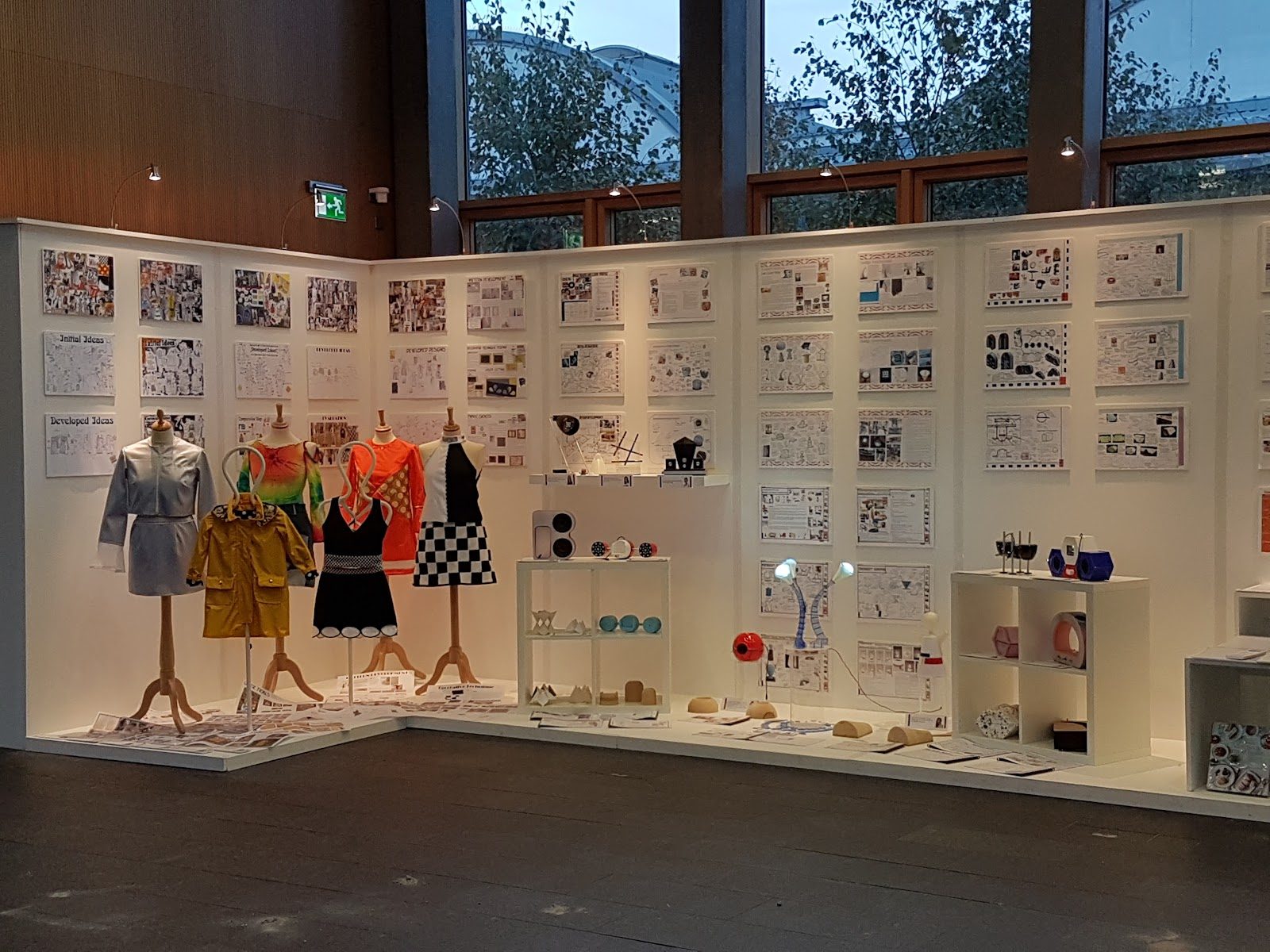
Lady Eleanor Holles School
Hampton · United Kingdom
Since 1710 on a 24-acre Hampton site, a Thames boathouse has bred record-holding rowing eights alongside Oxbridge-track academics.
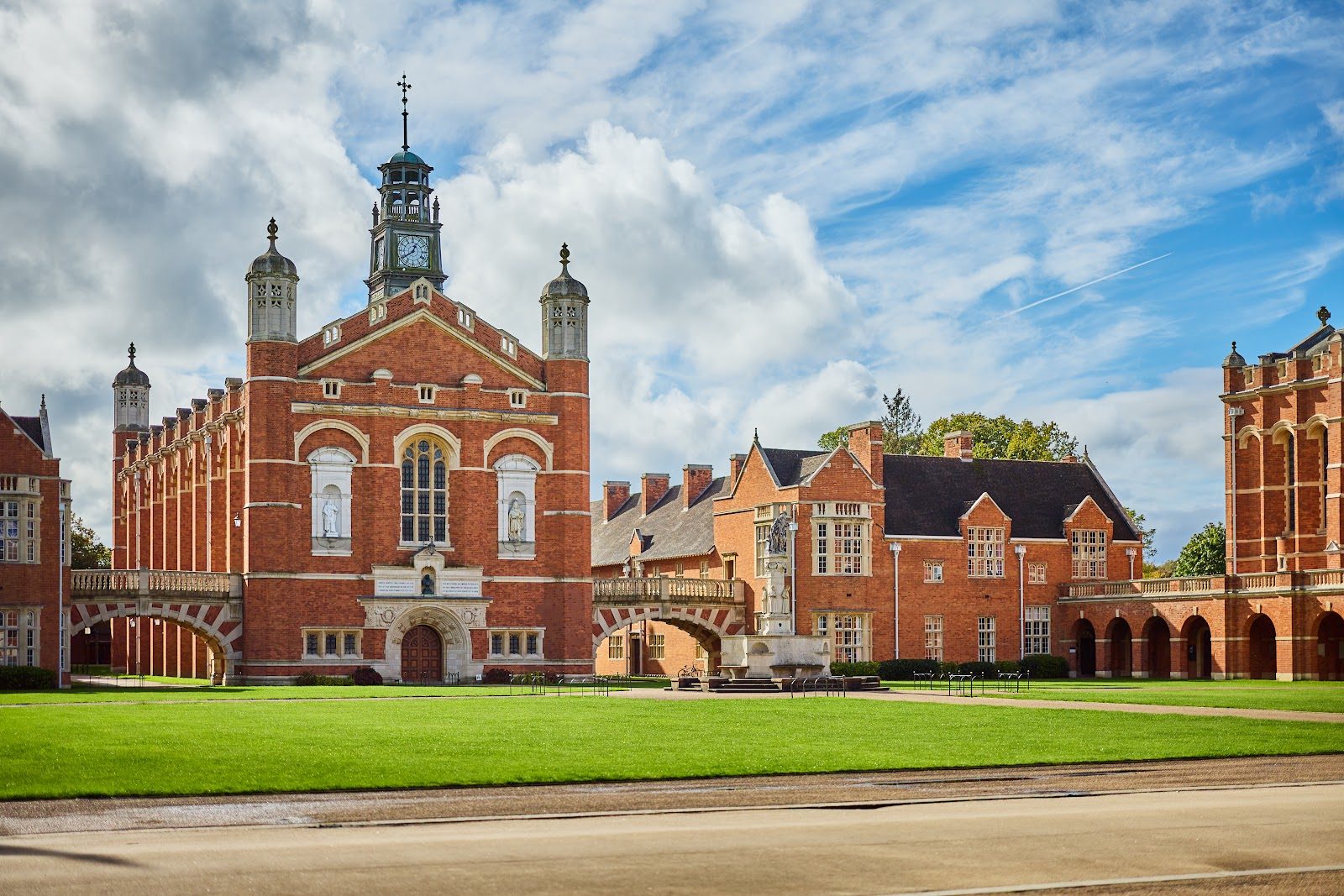
Christ's Hospital
Horsham · United Kingdom
Tudor bluecoat uniforms unchanged since 1552 meet a bursary scheme that funds most pupils, set across 1,200 acres of Sussex countryside.
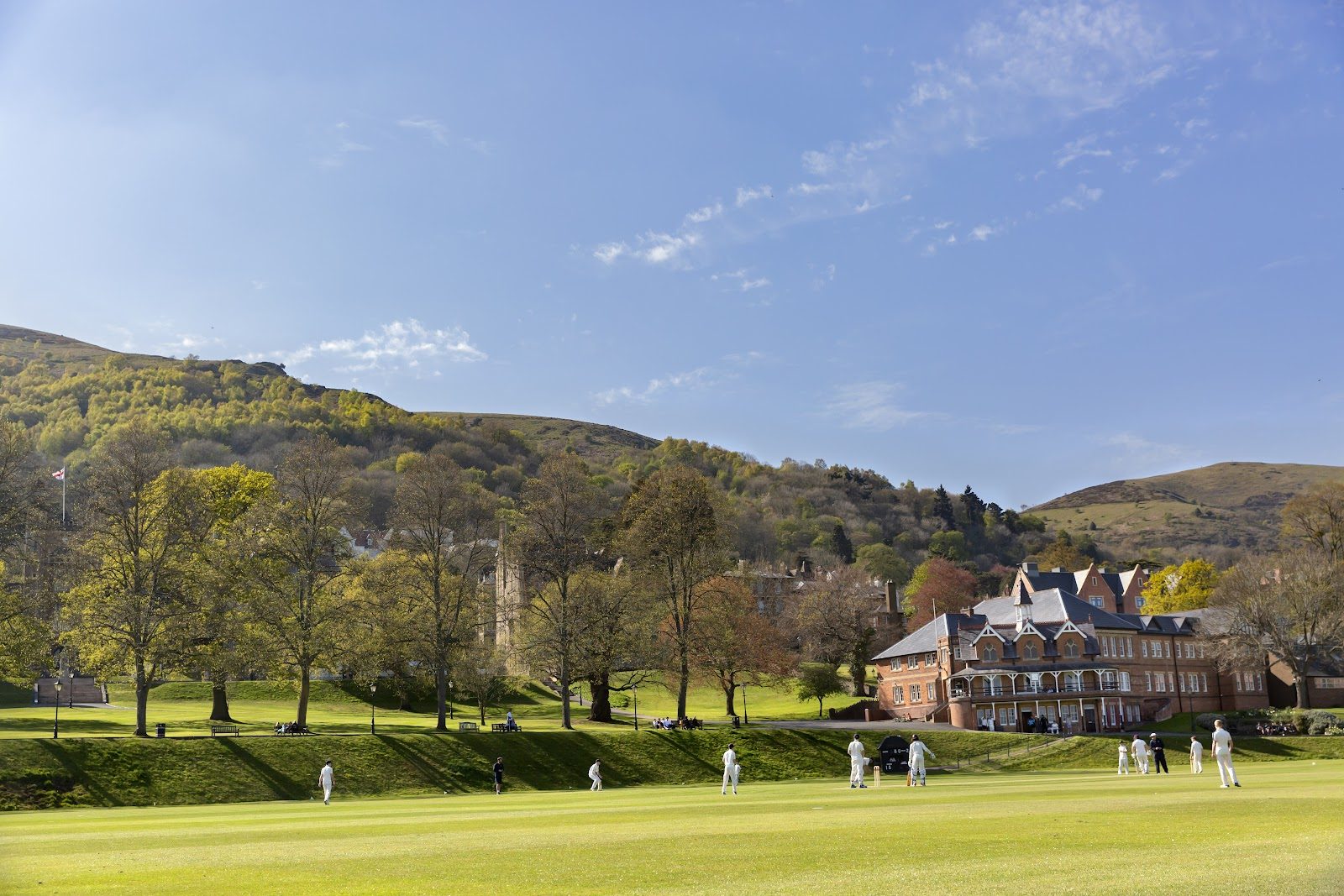
Malvern College
Malvern · United Kingdom
Beneath the Malvern Hills, a campus that once housed wartime radar research has produced four Nobel Prize winners.
Benenden School
Cranbrook · United Kingdom
Amid 250 acres of Wealden parkland, the full-boarding spirit that inspired Malory Towers still runs through ten close-knit houses
Same country and curriculum — closest matches within ±10 points either way