
New South Wales
Westfields Sports High School
Australia's first dedicated sports high school, pairing HSC study with pathways to NRL squads and Olympic teams in western Sydney.
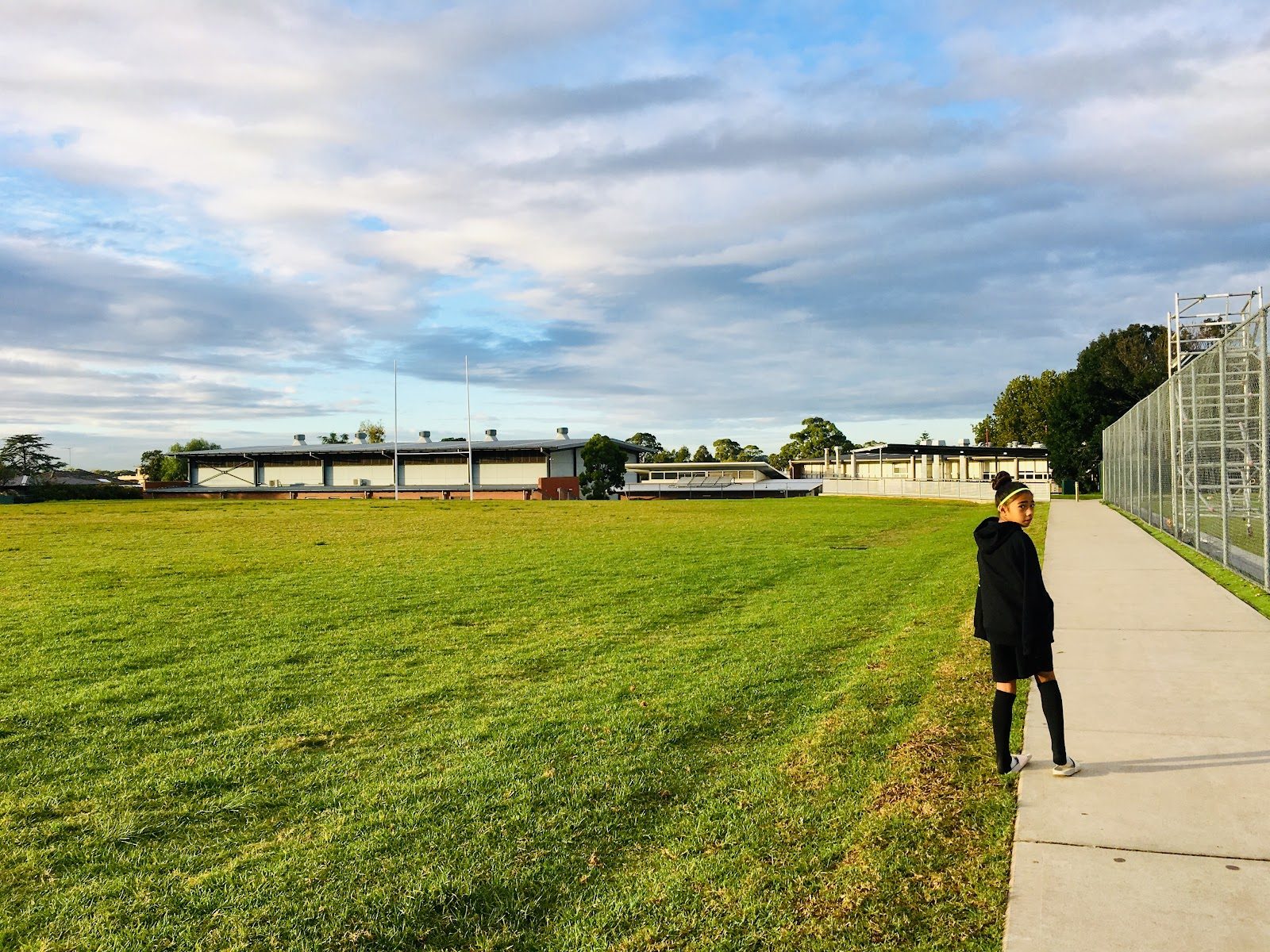
Photo © MJ La-Fernandez via Google Maps
Type
Day
Ages
12–18
Curriculum
Higher School Certificate (HSC)
Ratio
—
The Verdict
Editor's commitment
Right for
Families in Fairfield West who want a government-funded day school for ages 12–18, with HSC study tied to sport.
Wrong for
Parents seeking boarding, religion, or a conventional academic identity first; Westfields is secular, English-medium and built around sport.
Watch out for
Australia's first dedicated sports high school is a clear proposition, but the school does not publish hard academic outcome data here.
Ranking breakdown
Westfields Sports High School · #1338 of 1591
Composite score 54.2. 8 weighted criteria.
By criterion
Academic Outcomes
Weight 20%
#1481
of 1529 scored
University Placement
Weight 16%
#1504
of 1529 scored
Prestige & Heritage
Weight 12%
#1396
of 1571 scored
Alumni Network
Weight 12%
#785
of 1530 scored
Facilities
Weight 12%
#1110
of 1533 scored
Transparency & Communications
Weight 8%
#288
of 1532 scored
Peer & Industry Review
Weight 10%
#164
of 1548 scored
Admissions Selectivity & Demand
Weight 8%
#991
of 1529 scored
Peer & Industry Review
How Westfields Sports High School is regarded in the sector
78
Strong · medium confidence
As a NSW Department of Education selective sports high school, Westfields sits outside the private-school league tables that WhichSchoolAdvisor and the Good Schools Guide typically cover, so independent education press commentary is limited to sports and mainstream news outlets rather than dedicated school-review sites. Its reputation is built almost entirely on athletic output: Sydney Morning Herald and Daily Telegraph sports pages regularly cite it as a leading production line for the NRL, AFL and Australian representative teams, and rival specialist sports high schools (e.g. Endeavour, Hunter) are frequently benchmarked against it in state sporting competitions. University pathways are less publicised than for academically selective peers, with attention focused instead on TAFE/elite-sport scholarship routes and professional club academies rather than university admissions officers' commentary. Overall, Westfields is regarded within the NSW public system as the benchmark specialist sports school, but it registers little in the international independent-school press or global league tables that typically inform peer_industry_review assessments for the best_300 tier.
Award

Elite Sport 80
World's Top School · The Global Ranking
Westfields Sports High School is featured on our Global Top 80 ranking at #23. This seal is available for the school's marketing team to use on their website, prospectus and social channels.
- Josh Reynolds — NRL player, Rugby League
- David Klemmer — NRL player, Rugby League
- Reagan Campbell-Gillard — NRL player, Rugby League
Editors' overview
Westfields Sports High School occupies a rare niche in Sydney: a government secondary day school built around sport, not sport as an extracurricular add-on. That matters. For the right child, this is not a standard comprehensive with a strong PE department; it is a specialist setting where athletic development sits alongside the Higher School Certificate. In a market crowded with expensive independent schools selling “balanced excellence”, Westfields offers a public-sector route for students whose ambitions run through elite training environments, representative pathways and disciplined time management. The draw is clear: serious sporting intent, clear competitive focus, and a school identity that does not treat high-level sport as a hobby.
Its market position is strongest for families in western Sydney who want access to a specialist sports culture without private-school fees. The school serves ages 12–18, operates as a day school, and teaches in English. It is co-educational, government-funded and secular. The decisive question for parents is not whether the school is “well rounded” in the generic sense; it is whether their child thrives in a setting where sport shapes the rhythm of school life. Students targeting state-level or national-level pathways, and those who want their HSC studied in parallel with structured athletic commitment, will find Westfields more relevant than a conventional comprehensive. Purpose-built ambition is the point here.
Why place it on a shortlist? Because specialisation has value when it is real. A student with genuine talent, training discipline and appetite for competition will gain from peers who share that focus, staff who work within that culture, and a school brand tied directly to sport. For families weighing options, Westfields stands out less for polished rhetoric than for function: it is a school for young athletes who need school to accommodate performance goals, not compete with them. Competitive intensity, team-first culture and high-output routines suit one type of teenager very well and will repel another. That clarity is a strength.
The best fit is not simply a child who likes sport. It is a child who wants sport to be central to daily life, accepts the demands that follow, and can keep HSC study on track while training seriously. Students who need a broad all-purpose school identity, or who want academic life to dominate the timetable, have stronger options elsewhere. Westfields earns shortlist status for a narrower reason: it gives committed young athletes in western Sydney a specialist public-school pathway that few schools can match. In a sector where many schools promise everything, Westfields offers a sharper bargain and a distinct lane.
An Elite Sport 80 school
Westfields Sports High School is a state-funded specialist sports school in western Sydney and sits at rank twenty-three on the Elite Sport 80 because it is Australia's most productive Olympic and professional-sport feeder among public schools. Formally recognised as an Australian Olympic Committee Pathway School, Westfields has consistently supplied athletes to Australia's Olympic and Paralympic teams as well as to the NRL, A-League and AFL. Multiple pupils have competed at the Tokyo and Paris Games.
The specialisms are football, rugby league, netball, athletics, swimming, hockey, softball, cricket, basketball and touch football, each running as a formal academy within the school with dedicated coaching, sports-science support and integrated academic scheduling. The school's football programme is particularly strong and has partnerships with Western Sydney Wanderers and the wider FA academy network.
Notable alumni include a rolling cohort of NRL players (with several currently in first-grade squads), A-League professionals, Australian age-group internationals across multiple sports, and Olympians and Paralympians across athletics, swimming and hockey. The school has produced full Matildas and Socceroos squad members.
International openness is limited by design. Westfields is a New South Wales public school and admits primarily on a sport-selective basis for local pupils; there is no boarding house and no dedicated fee-paying international stream. Overseas admissions are handled via the NSW Department of Education International Students Centre, with a formal fee schedule — around A$16,000-18,000 per year — plus a sport-selection trial. Language of instruction is English. Australian student visas are straightforward via the DoE process. For a family already relocating to Sydney with a sport-selective child in one of the flagship sports, Westfields is one of the highest-value elite-sport public pathways in the country; for a family arriving purely as sport tourists it will feel more like a genuinely selective public school than a boarding academy. Boarding accommodation and the Australian student visa process should be started 9-12 months in advance for overseas families targeting an entry into the school.
Academic Performance
Westfields’ academic performance sits behind a wall of public-data scarcity. We have not seen aggregate HSC outcomes, band distributions, university entrance data or any school-published benchmark that lets parents place it cleanly against selective schools, high-performing comprehensives or academic independents. That absence matters. For a school with a specialist brief, the central academic question is not whether sport dominates the identity — it does — but whether exam results hold up alongside that commitment. On that point, the public record is thin, opaque and hard to test. Parents who care about academic comparators need more than general statements about learning and wellbeing.
Relative to peers, Westfields fits best in a specialist category rather than an academic one. The relevant comparison group is schools built around elite sport pathways, not schools whose public profile rests on HSC league-table traction. That does not make its academic offer weak; it makes it narrowly defined and mission-driven. A strong verdict on examination performance needs hard numbers, and the school does not publish them. Families therefore need to ask directly for recent HSC summaries across the past 3 years: top bands by subject, post-school destinations, retention into the senior years, and how many students balance representative sport with full academic loads. Until those figures are on the table, Westfields remains an outcomes-light academic proposition with a clear specialist rationale.
Facilities
The crucial facilities question at Westfields is not libraries or theatres; it is sport infrastructure and the timetabling machinery around it. The school identifies “facilities and resources” as central to student growth, but it does not publish a clear, parent-useful inventory of specialist venues, high-performance spaces or sport-specific training assets. That gap matters. At a specialist sports school, families need to know the hard detail: quality of playing surfaces, access to strength and conditioning areas, recovery provision, indoor training options, transport links to external venues, and how heavily those spaces are booked. Without that, the facilities picture stays frustratingly opaque. What we can say with confidence is structural: as a government specialist secondary day school for ages 12–18, Westfields has a facilities brief shaped by competitive sport rather than broad campus spectacle.
Against peer schools, that places it in a practical, performance-first bracket, not the arms race of private-school capital projects. Parents should not expect the showpiece excess of wealthy independent campuses with aquatic centres, elite rowing sheds and architect-designed arts blocks. The benchmark here is different: whether the school’s sporting spaces support disciplined daily training and representative-level development without wasting time or money on prestige frills. If those assets are well run, Westfields can outperform richer schools for the athlete it serves. If they are stretched, dated or shared too thinly, the specialist label loses force. The school needs to publish more. Right now, its facilities case rests on mission, not hard public detail.
Westfields Sports High School occupies a rare niche in Sydney: a government secondary day school built around sport, not sport as an extracurricular add-on
Prestige
Westfields carries real niche prestige and limited general prestige. That distinction matters. In the world that counts for this school — competitive youth sport, talent pathways, coaches, selectors and families who organise adolescence around training blocks and fixtures — the name has weight. It was built for that purpose, and a specialist public school with that degree of focus stands apart from the standard comprehensive field. For a young athlete chasing representative sport, that focus gives Westfields hard-edged credibility. For families shopping for broad academic cachet, polished social capital or the status theatre attached to expensive independents, it does not. This is not a school whose prestige rests on exclusivity, manicured tradition or glossy outcomes marketing. Its standing rests on function.
That is why the rating sits in the respected specialist bracket rather than the all-purpose elite one. The school’s prestige is strongest with a narrow audience: ambitious athletes, sporting networks and parents who value structured performance culture over conventional school-brand hierarchy. Outside that lane, the signal weakens. It is a government school, not a fee-driven badge of class position, and the public record on academic outcomes does not strengthen its claim beyond sport. The result is a clear but bounded reputation: powerful for the right child, thin for the wrong one. Among specialist sports schools, that is an asset. In the wider pecking order of secondary education, it remains *mission-specific rather than universally coveted*.
The draw is clear: serious sporting intent, clear competitive focus, and a school identity that does not treat high-level sport as a hobby
Communications
Westfields’ parent-facing communication is functional, but thin. The public website covers the institutional basics — enrolment, staff, facilities, stories, policies and reports — and that tells parents where to click for standard school information. It does not do the harder job with enough precision. For a specialist school, communication needs to explain daily logistics in hard practical detail: training commitments, fixture demands, attendance expectations, assessment clashes, injury management, travel arrangements and how the school handles students whose sporting schedules cut across ordinary routines. We have not seen that level of public clarity. The tone reads system-first rather than parent-first, with broad statements about community and learning but little that answers the questions families actually bring to a specialist sports setting.
That leaves the overall communications picture serviceable, not sharp. A government school does not need glossy production values, but it does need clean, usable information. Westfields gives parents the framework and not enough operating detail. The “stories and highlights” approach adds colour, yet colour is not communication if the essentials stay vague. Parents weighing this school need direct answers on how staff communicate absences, academic concerns, competition schedules and welfare issues across the school year. Until the school publishes that more openly, its communications remain adequate for orientation and weak on decision-grade detail.
Uniqueness
What sets Westfields apart is plain: sport is not a side programme bolted onto school life, but the organising idea of the school itself. In the public system, that remains genuinely unusual. The school’s specialist identity changes the peer group, the daily rhythm and the standard of commitment expected from students. A child who trains hard benefits from classmates who treat competition, selection and physical discipline as normal rather than eccentric. That matters more than glossy branding. It creates a focused tribe of teenagers who understand early starts, interrupted weekends and the grind that sits behind representative sport. For the right student, that social environment is a serious asset.
The gain is not only athletic. A specialist school like this teaches students to handle competing demands without romanticising either one: schoolwork still has to be done, training still has to be met, and excuses wear thin quickly. That can produce useful adult habits — stamina, accountability, recovery discipline and the ability to perform under scrutiny. It also gives families a route into high-level sport without private-school fees, which is a sharp public-sector advantage. The trade-off is clear. Students who want a diffuse, all-things-to-all-people adolescence will find the culture too narrow. Students who want school life built around performance will find very few direct rivals for ages 12–18.
Its market position is strongest for families in western Sydney who want access to a specialist sports culture without private-school fees
Student Profile
The right student for Westfields is not a casual sports enthusiast or a teenager who wants school to flex around changing interests from term to term. This school suits young people whose identity already has a competitive edge: students who train seriously, cope with repetition, take coaching, and do not need constant persuasion to meet physical demands. They fit best if they can handle a peer group shaped by selection, performance and hierarchy. In that environment, effort is visible and excuses wear thin. A student who enjoys intensity, accepts scrutiny and draws energy from teammates with similar ambitions will settle well. A student who wants a softer, more exploratory secondary experience will not.
The other half of the fit is discipline away from the field. Westfields works for students who can absorb a specialist culture without letting the rest of school life drift. That means staying organised, recovering from setbacks, and managing the plain fact that athletic ambition does not cancel ordinary school expectations for ages 12–18. Families should also be realistic about temperament. The best match is a teenager with thick skin, routine tolerance and a willingness to be measured against others. The wrong match is a child who dislikes comparison, resists structure or wants broad campus life to matter more than sport. This is a clear-lane school for serious young athletes, not a catch-all comprehensive with extra fixtures.
The school serves ages 12–18, operates as a day school, and teaches in English
Co-curricular strengths
Arts & sport, on a separate axis
Overall 7.9/10
Scored 0-10 from the school's own published evidence. This axis is editorial-only — it does not feed the main WTS ranking.
Drama
7.5/10
Dance
7/10
Music
7.5/10
Visual Arts
7.5/10
Strengths
- +Operates as a NSW government comprehensive high school with a specialist sports selective entry program, meaning no private tuition fees for domestic students.
- +Long-standing reputation, dating back decades, as a talent pathway school for elite junior athletes, most notably in rugby league.
- +Sports training is integrated into the weekly timetable, allowing selected student-athletes to combine structured elite coaching with standard HSC study.
- +Offers both a local comprehensive intake for the Fairfield West area and a separate selective sports entry stream drawing students from across Sydney.
Considerations
- −Located in Fairfield West, Western Sydney, which represents a significant commute for families outside the local catchment or outer Sydney suburbs.
- −Sports-selective entry is narrow and skill-specific, favouring particular codes (notably rugby league), which may not suit families seeking a broad-based academic selective school.
- −As a hybrid comprehensive/selective public school, published HSC and ATAR outcomes are not consistently as high as fully academically selective NSW state schools.
- −Being a government day school, there is no boarding provision and limited dedicated support infrastructure for relocating international or expatriate families.
Gallery
Photo © MJ La-Fernandez via Google Maps
Photo © MJ La-Fernandez via Google Maps
Photo © MJ La-Fernandez via Google Maps
Photo © MJ La-Fernandez via Google Maps
Photo © Westfields Sports High School via Google Maps
Photo © Westfields Sports High School via Google Maps
Photo © Westfields Sports High School via Google Maps
Parent reviews
Have you sent your child here?
Voice reviews carry the strongest trust badge — we transcribe them for you to tidy up before they go live. Prefer to type? A written review is fine too.
Add your voice
In 60 seconds, tell other parents: what's the best thing about Westfields Sports High School, and what surprised you when your child joined?
We ask for a Google sign-in so every review has a real face behind it — no anonymous drive-by attacks on schools, and no faked positive reviews. Your email is never shown publicly.
Send this profile to a friend
International parents rely on word-of-mouth. Share this review with someone weighing the same decision.
Schools with places
Similar schools to Westfields Sports High School with places available now.
Pymble Ladies' College
Sydney · Australia
- 2026-27
- WAITPOOLVacancy-dependent
- 2027-28
- PLACES OPEN
Ascham School
Sydney · Australia
- 2026-27
- WAITPOOLVacancy-dependent
- 2027-28
- PLACES OPEN
The King's School (Parramatta)
Parramatta · Australia
- 2026-27
- WAITPOOLVacancy-dependent
- 2027-28
- PLACES OPEN
Sydney Grammar School
Sydney · Australia
- 2026-27
- WAITPOOLYr 7 closed; Yrs 8-11 enquire
- 2027-28
- WAITPOOLYr 7 closed; Yrs 8-11 enquire
Availability first, then country, area, curriculum, price, co-curricular
Consider also
Also worth looking at alongside Westfields Sports High School.
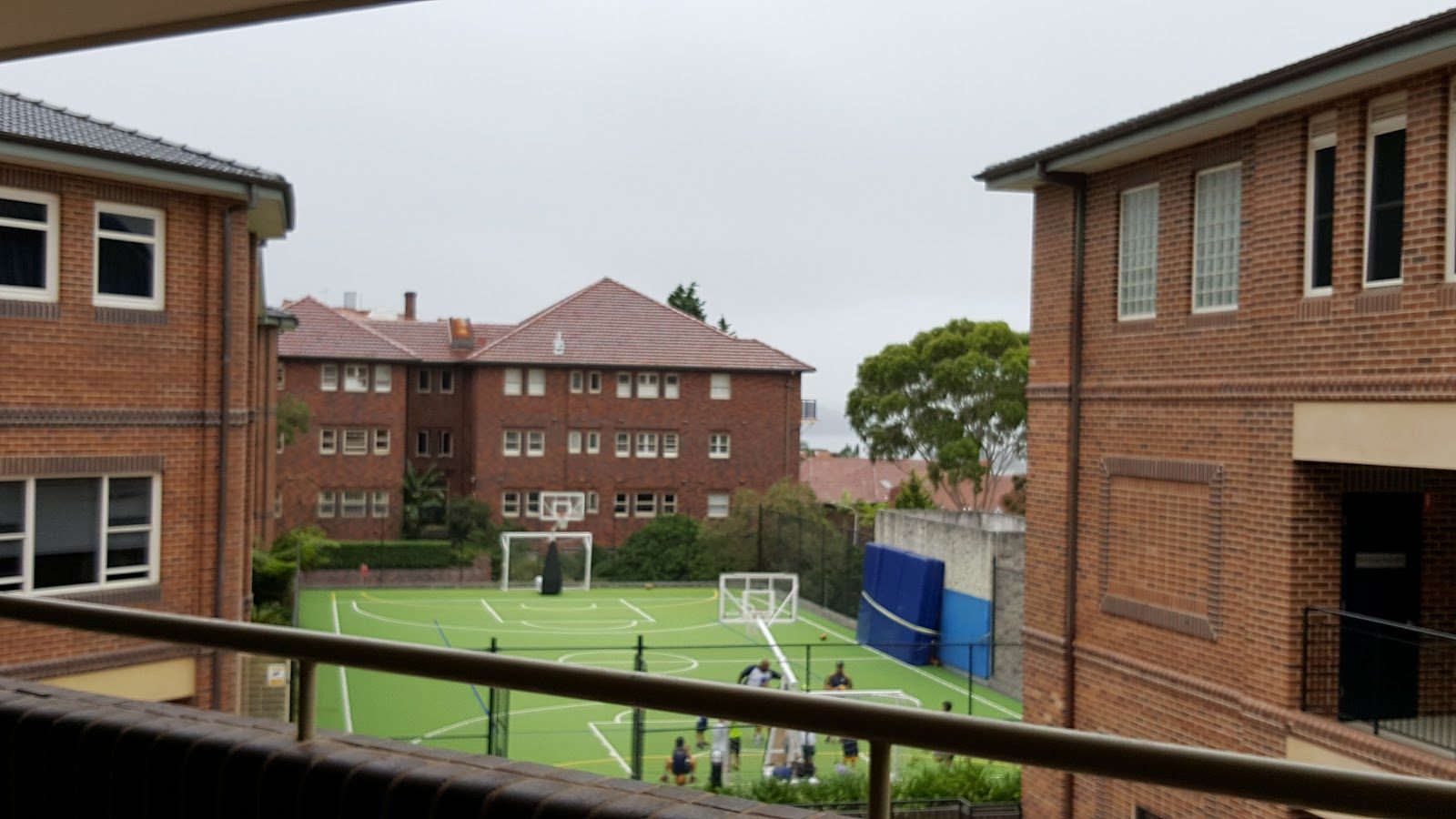
The Scots College
Bellevue Hill, NSW · Australia
Presbyterian boys' school since 1893, blending IB and HSC study with a Kangaroo Valley outdoor campus and five heritage boarding houses.
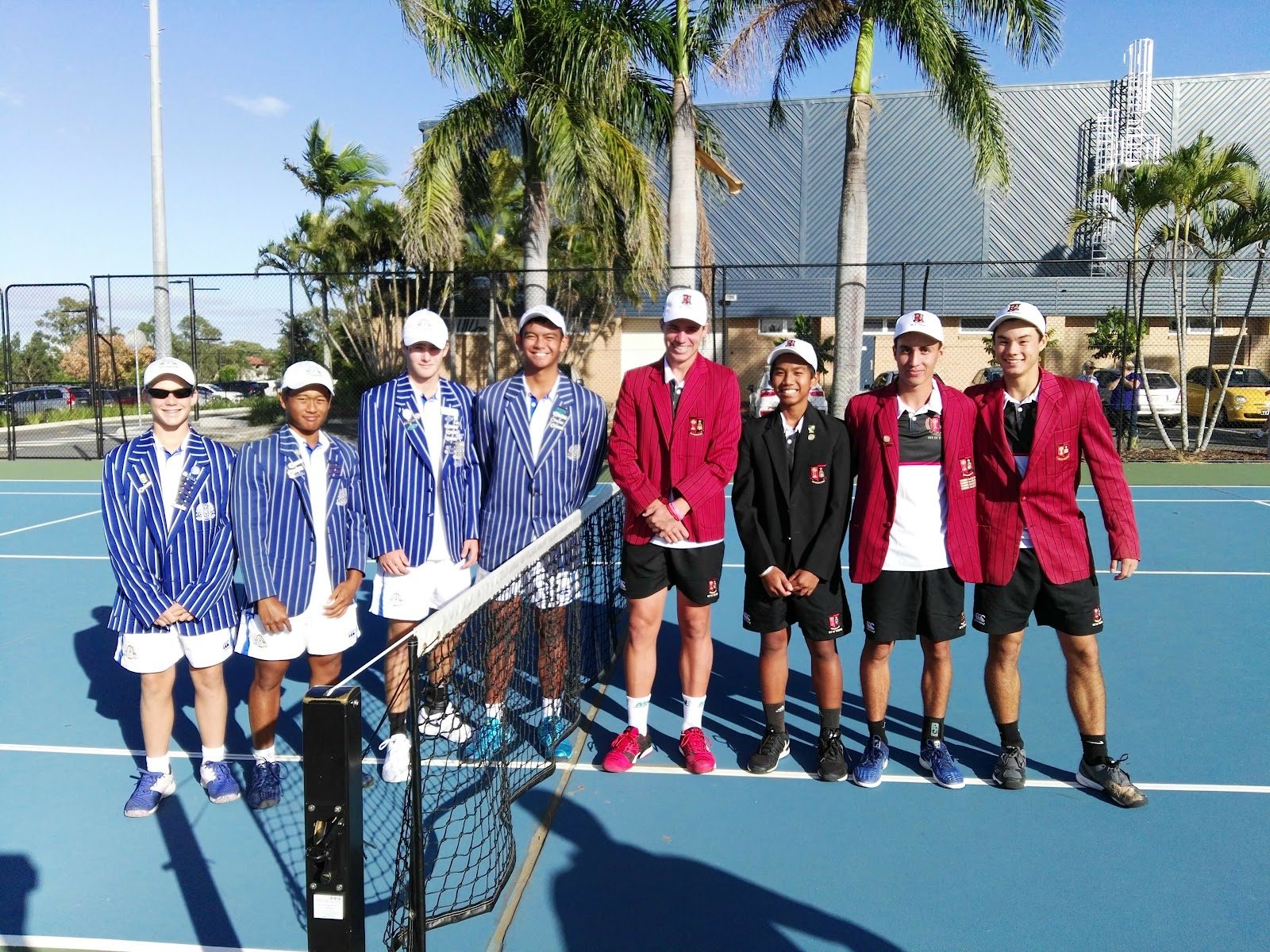
St Joseph's Nudgee College
Boondall, QLD · Australia
Founded in 1891 as Queensland's first purpose-built Catholic boarding college, its Boondall campus still spans working farmland and wetlands.
Ipswich Grammar School
Ipswich, QLD · Australia
Queensland's oldest grammar school, its Gothic Revival Great Hall still anchoring lessons atop Grammar School Hill.
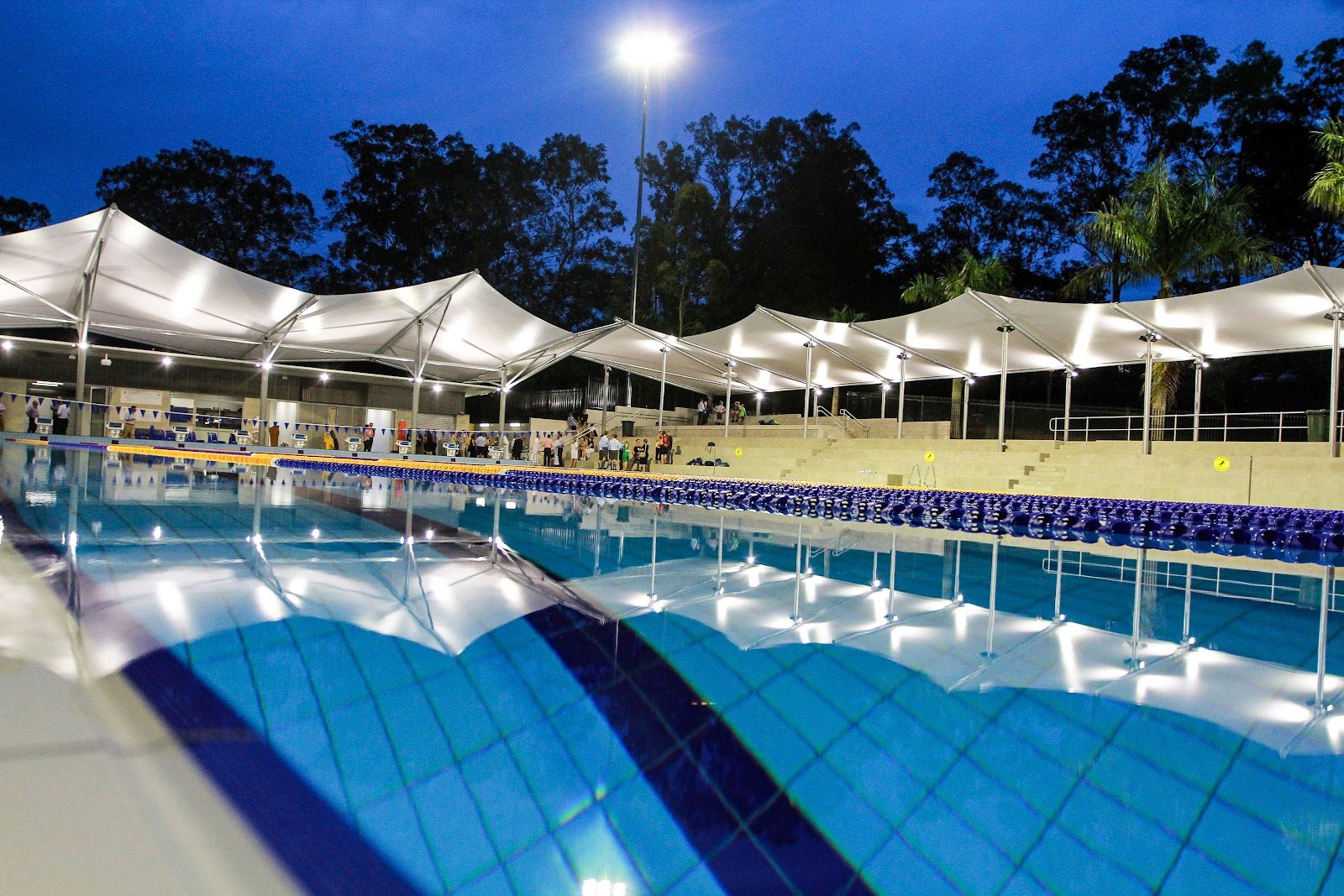
Marist College Ashgrove
Ashgrove, QLD · Australia
Brisbane's only Marist day-and-boarding school for boys, where rugby pedigree and faith-led character rise beneath the landmark Tower Block.
Same specialism, country and curriculum — closest matches within ±10 points either way