
Dorset
Clayesmore School
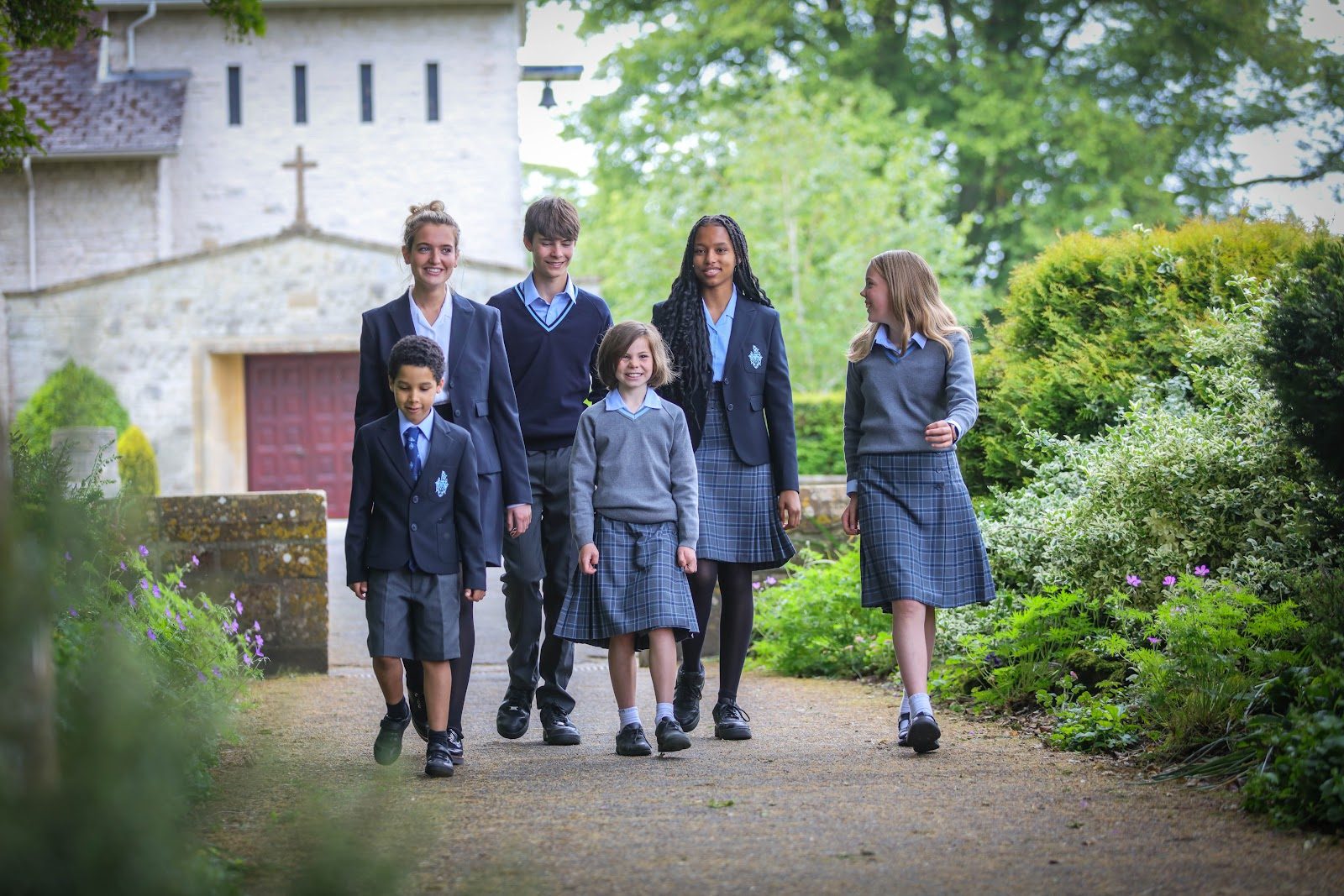
low confidence· 2/6 cats · 2.75 avg sourcesHoused in a High Victorian Alfred Waterhouse mansion on 62 Dorset acres, design and technology run through the curriculum from prep to A-level.
Type
Both
Ages
3–18
Curriculum
British
Qualifications
A-Level · GCSE
Ratio
1:8
The Verdict
Editor's commitment
Right for
Families wanting full boarding or day, ages 3–18, on 62 Dorset acres with a clear all-through British structure.
Wrong for
Anyone seeking a city school, religious ethos, or published academic outcomes beyond HMC membership and ISI accreditation.
Watch out for
The 1:8 ratio is attractive, but small-scale warmth does not replace hard data; the school does not publish aggregate results.
Ranking breakdown
Clayesmore School · #893 of 1591
Composite score 62.2. 8 weighted criteria.
By criterion
Academic Outcomes
Weight 20%
#1084
of 1529 scored
University Placement
Weight 16%
#1057
of 1529 scored
Prestige & Heritage
Weight 12%
#845
of 1571 scored
Alumni Network
Weight 12%
#532
of 1530 scored
Facilities
Weight 12%
#923
of 1534 scored
Transparency & Communications
Weight 8%
#943
of 1532 scored
Peer & Industry Review
Weight 10%
#1319
of 1548 scored
Admissions Selectivity & Demand
Weight 8%
#991
of 1529 scored
Peer & Industry Review
How Clayesmore School is regarded in the sector
62
Respected · medium confidence
Among Dorset and Wessex independents, Clayesmore is consistently placed a tier below selective heavyweights such as Sherborne, Canford and Bryanston, both in academic league tables published by national newspapers and in informal head-teacher circles, where it is regarded as a solid, well-run boarding option rather than an academic powerhouse. The Good Schools Guide and similar independent commentary have repeatedly highlighted its learning-support department and arts provision as genuine differentiators, praise echoed in ISI inspection language around inclusivity and pastoral care. University admissions patterns show a broad Russell Group spread with creative-arts and design destinations featuring more prominently than at academically hyper-selective peers, consistent with its non-selective intake. It does not feature prominently at HMC or Oxbridge-feeder conferences focused on academic outcomes, but is more visible in discussions of SEN provision, co-education models and full-boarding pastoral practice, reflecting a niche but respected reputation rather than top-tier prestige.
Editors' overview
Clayesmore School occupies a useful niche in the English independent market: an all-through, co-educational British school with both day and full boarding, set on 62 acres in rural Dorset and anchored by a generous 1:8 staff-to-pupil ratio. Founded in 1896, it trades on continuity rather than reinvention. The draw is not metropolitan polish or selective-school swagger; it is scale, coherence and a campus life that starts in Nursery and runs to Sixth Form without the fractures that come with changing schools at 7, 11 or 13. For parents who want one institution to carry a child from early years to university application, with English as the language of instruction and inspection oversight from ISI plus HMC membership, Clayesmore earns a serious look. The setting adds to the appeal: deep countryside calm, space to move, and the kind of physical environment that still matters in a boarding school.
What marks Clayesmore out is the combination of breadth and manageability. This is not a giant brand-name boarding school where weaker self-starters disappear into the machinery. The school’s own line that “every pupil is known and supported” lands because the format makes that plausible. The editorial tagline also points to a real differentiator: design and technology running through the curriculum from prep to A-level. That matters for families who want a school that values making, building and applied problem-solving alongside the standard academic route. In a market crowded with schools that talk in abstractions about “holistic education”, Clayesmore has a more concrete proposition: hands-on intellectual life, a through-school structure, and enough room in the timetable and on the campus for sport, arts and practical disciplines to coexist without feeling bolted on.
The school will suit children who benefit from close adult attention, a settled boarding rhythm and a community with less social theatre than the grandest public schools. It fits pupils with multiple strengths: the child who can handle academics but does not want to live in a narrow hothouse; the boarder who wants full boarding without urban distraction; the designer, engineer or maker who wants those interests taken seriously before sixth form; and the younger pupil whose parents value an all-through route from age 3 to 18. It will also appeal to families who prefer unflashy competence over spectacle. Parents seeking hard published outcome data will find the public picture thin; the school does not publish aggregate exam figures here. That does not remove Clayesmore from a shortlist, but it does mean any serious visit needs pointed questions about sixth-form destinations, subject strength and academic value added. On fit, though, the case is clear: a humane scale, strong continuity and a practical, full-campus education.
Academic Performance
Clayesmore’s public academic picture is frustratingly thin. The school does not publish aggregate GCSE or A-level results here, and that matters. In the English independent sector, serious academic operators give parents enough hard data to judge attainment, subject strength and consistency across cohorts. Clayesmore does not. One news item on the site records national success in the Anthea Bell Translation Competition, which tells you that strong individual performance exists, but isolated wins are not the same as a transparent results profile. For a school selling an all-through education and sixth-form progression, the absence of headline exam data leaves a real gap in the case.
That places Clayesmore in an awkward position relative to peers. Against the most academically driven boarding schools, it loses ground on published proof. Against schools with a broader, less hothouse mission, it still needs clearer disclosure than this. The low staffing ratio of 1:8 points to capacity for close academic support, and the school’s emphasis on pupils being known fits that model; what parents cannot see is how that support converts into external outcomes at GCSE, A-level and university entry. The result is an academic proposition that reads as credible but unverified. Any parent considering Clayesmore needs direct, pointed questions: recent exam distributions, value added, destination patterns, and which departments deliver the school’s strongest results year after year.
Facilities
The estate does a great deal of the work here. A school set in an Alfred Waterhouse mansion on 62 acres starts with assets many peers cannot match: scale, architectural presence and enough land for school life to spread out rather than stack up. That matters in practice. Day pupils get space; boarders get a campus with proper breathing room; sport, outdoor activity and ordinary movement between lessons all benefit. The through-school structure also points to facilities planned across age groups rather than a senior school bolted onto a prep. The school’s own emphasis on design and technology from prep to A-level is the clearest specialist clue in the profile, and it marks Clayesmore out from country boarding schools that still treat practical making as a side department. For families with a child who likes to build, design and test ideas physically, that is a genuine point of difference.
There is, however, a limit to how far the public picture goes. Clayesmore does not publish the kind of detailed facilities inventory stronger competitors now provide: no serious public breakdown of laboratories, performance spaces, sports infrastructure, boarding-house stock or specialist creative provision. Against peer schools, that leaves the offer easier to admire than to measure. The setting and house carry weight; the campus breadth is clear; the practical-technical strand adds substance. But parents comparing Clayesmore with rival British boarding schools need a visit to test the real standard of upkeep, workshop provision, music and drama spaces, and whether the sports estate matches the visual promise of the grounds.
It has name recognition in the right circles, but not the social cachet or admissions mythology of the top-flight public schools
Prestige
Clayesmore has solid mid-tier prestige in the British independent sector: established, credible and recognised by informed parents, but not a national trophy school. HMC membership matters because it places the school inside the main professional circle of senior independent schools. The Dorset setting, the Waterhouse house and the acreage give it the visual grammar of traditional boarding education, and for some families that still carries weight. So does the through-school structure and the low staffing ratio of 1:8, which signals attention and capacity rather than institutional sprawl. This is the kind of school people choose for substance over status display. It has name recognition in the right circles, but not the social cachet or admissions mythology of the top-flight public schools.
That rating stays below the first rank for one clear reason: prestige without public proof stalls. The school does not publish the level of aggregate academic outcomes that would lift it into a more commanding bracket. In this market, prestige rests on a mix of history, architecture, peer-group reputation, university destinations and hard results. Clayesmore has parts of that package, but not the full set in public view. Its standing is stronger with families who value grounded boarding culture, practical breadth and a less theatrical social environment than with those shopping for maximum brand power. In blunt terms, Clayesmore is respected rather than rarefied: a serious school with a good profile, not a grand marque.
Founded in 1896, it trades on continuity rather than reinvention
Communications
Clayesmore’s parent-facing communication is competent but thin. The website does the core jobs cleanly: enquiry routes are prominent, visits and open events are pushed hard, and the school’s age-range structure is easy to follow. Parents can work out the shape of the school quickly and act on it without friction. That matters. Too many independent schools bury admissions steps under mood photography and vague rhetoric; Clayesmore does not. The public tone is warm, orderly and confidence-building, with the head visible and the calendar of touchpoints clear. The open-day cadence also tells its own story: this is a school that expects parents to come in, look around and test the culture in person, not just absorb a polished digital sales pitch.
Where the communication weakens is depth. The site offers atmosphere, access points and broad ethos, but not enough decision-grade detail. Parents get invitation and reassurance; they do not get much hard disclosure. Academic outcomes are the clearest omission, but the same pattern extends to facilities, department strength and the practical workings of school life. News items help keep the front end active, yet a handful of celebratory stories does not amount to serious transparency. For existing families, the real test is the rhythm and candour of everyday operational communication, and that is impossible to judge from the public side. For prospective parents, the verdict is plain: good at first contact, less good at proof. The school communicates a settled, personable culture; it does not communicate enough evidence.
Uniqueness
Clayesmore’s distinctiveness sits in the combination, not any single claim: a through-school structure that starts in nursery, a country boarding setting, and a clear practical streak in design and technology that runs well past the token workshop model many traditional schools still offer. That gives the school a more joined-up educational shape than rivals where prep, senior and sixth form feel like separate institutions sharing a badge. Children move through one culture, with fewer institutional resets and less of the churn that comes with multiple admissions points. For pupils who need continuity, that matters. So does the low staffing ratio of 1:8, which supports the school’s case that pupils are known individually rather than processed in batches.
What this brings in day-to-day terms is a school life with more room for mixed strengths. Clayesmore is not built only for the exam-maximiser or only for the sporty boarder. Its practical-technical emphasis gives real standing to the child who thinks through making, designing and building, not just through essays and tests. The result is a less narrow version of independent schooling: still structured, still ambitious, but with space for intellectual, creative and hands-on competence to sit together. In a market full of schools selling “whole person” education in vague language, Clayesmore has a more concrete identity: continuity, craft, and a grounded community that does not depend on social grandeur to make its case.
The setting adds to the appeal: deep countryside calm, space to move, and the kind of physical environment that still matters in a boarding school
Student Profile
The best fit is a child who benefits from steady adult oversight without the pressure-cooker atmosphere of a prestige-chasing boarding school. Clayesmore suits pupils with a broad profile: strong enough academically to keep pace, but not intent on turning school into a narrow exam campaign. The public case the school makes for itself rests on pupils being known, supported and challenged, and the low staffing ratio of 1:8 gives that claim weight. This is a good environment for children who need teachers to notice when they are thriving, drifting or stuck. It also fits boarders and day pupils who want a school with clear routines, open space and a community that values participation over show.
It will suit the hands-on thinker especially well: the pupil whose strengths sit not only in essays and tests but in designing, making and solving practical problems. The all-through structure from the earliest years to sixth form also favours families who want continuity without churn and children who do better with one institutional culture than a string of transitions. Socially, Clayesmore fits pupils who want a grounded, less performative peer group than the grandest public schools attract. It is less well suited to the child chasing maximum academic intensity, high-gloss urban energy or the cachet of a national-name super-school. The attraction here is humane scale, breadth of ability, and room for a child’s different strengths to count.
What marks Clayesmore out is the combination of breadth and manageability
Co-curricular strengths
Arts & sport, on a separate axis
Overall 8.84/10
Scored 0-10 from the school's own published evidence. This axis is editorial-only — it does not feed the main WTS ranking.
Sports
9.2/10
Competes honorably in regional tournaments, utilizing beautiful Dorset grounds to focus heavily on inclusive and equestrian athletics.
Drama
9/10
Creative engine staging highly complex, experimental, and student-written theatrical works inside modern theater spaces.
Dance
7.8/10
Active ensemble choreography integrated heavily into school arts festivals and collaborative musical theater shows.
Music
9.2/10
Robust private vocal and instrumental infrastructure feeding active jazz big bands and full chamber symphonies.
Visual Arts
9/10
Breathtaking visual studios producing top-tier design portfolios, digital multimedia creations, and fine art pieces.
Strengths
- +Co-educational full boarding and day schooling with genuine residential depth
- +All-through education from Nursery to Sixth Form on one campus
- +World-class provision in sport, music, drama and visual arts
- +Wide choice of A-Levels and BTEC Level 3 courses
- +Most recent ISI inspection rating of Excellent
Considerations
- −Rural Dorset location may feel isolated to some families
- −English-medium instruction limits non-English speakers
- −No religious ethos for faith-prioritising families
- −Detailed public examination profiles were not readily available to us
Availability
Primary entry gate & tests
Written Exams + Interview
Gallery
Parent reviews
Have you sent your child here?
Voice reviews carry the strongest trust badge — we transcribe them for you to tidy up before they go live. Prefer to type? A written review is fine too.
Add your voice
In 60 seconds, tell other parents: what's the best thing about Clayesmore School, and what surprised you when your child joined?
We ask for a Google sign-in so every review has a real face behind it — no anonymous drive-by attacks on schools, and no faked positive reviews. Your email is never shown publicly.
Send this profile to a friend
International parents rely on word-of-mouth. Share this review with someone weighing the same decision.
Schools with places
Similar schools to Clayesmore School with places available now.
Badminton School
Bristol · United Kingdom
- 2026-27
- CLOSEDStandard route closed
- 2027-28
- PLACES OPENCloses Oct/Nov '26
Christ's Hospital
Horsham · United Kingdom
- 2026-27
- CLOSEDStandard route closed
- 2027-28
- PLACES OPEN2027 entry assessment timetable active
St Swithun's School
Winchester · United Kingdom
- 2026-27
- CLOSEDStandard route closed
- 2027-28
- PLACES OPENCloses Nov '26
Thomas's Battersea
London · United Kingdom
- 2026-27
- CLOSEDStandard route closed
- 2027-28
- PLACES OPENRegistration open for Sept 2027 and beyond
Availability first, then country, area, curriculum, price, co-curricular
Consider also
Also worth looking at alongside Clayesmore School.
Uppingham School
Uppingham · United Kingdom
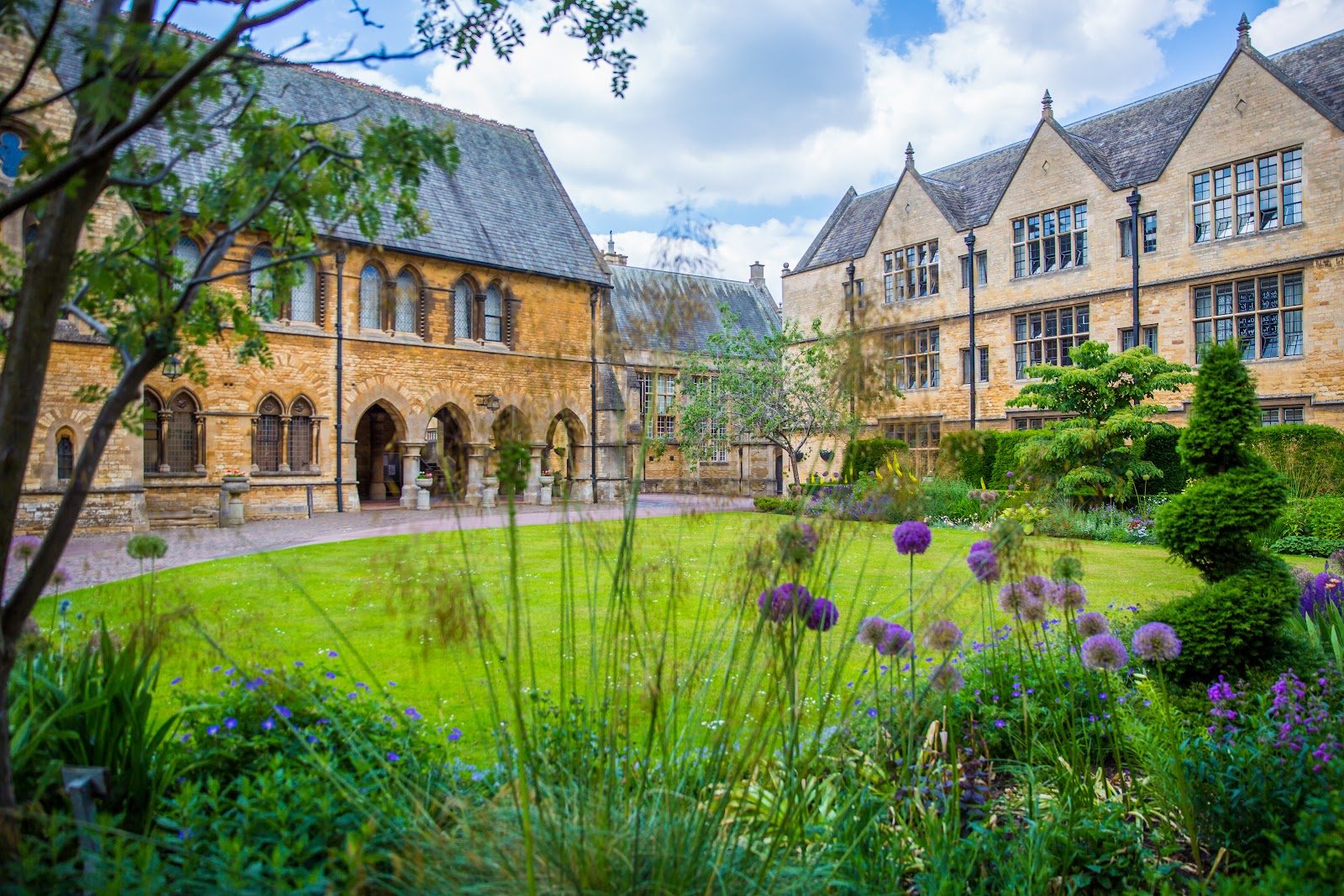
A Rutland boarding school where Thring's music-first Victorian philosophy still shapes seven-day house life today
Badminton School
Bristol · United Kingdom
On a Bristol campus where girls have played cricket since 1858, science labs for women followed decades ahead of the curve
Lady Eleanor Holles School
Hampton · United Kingdom
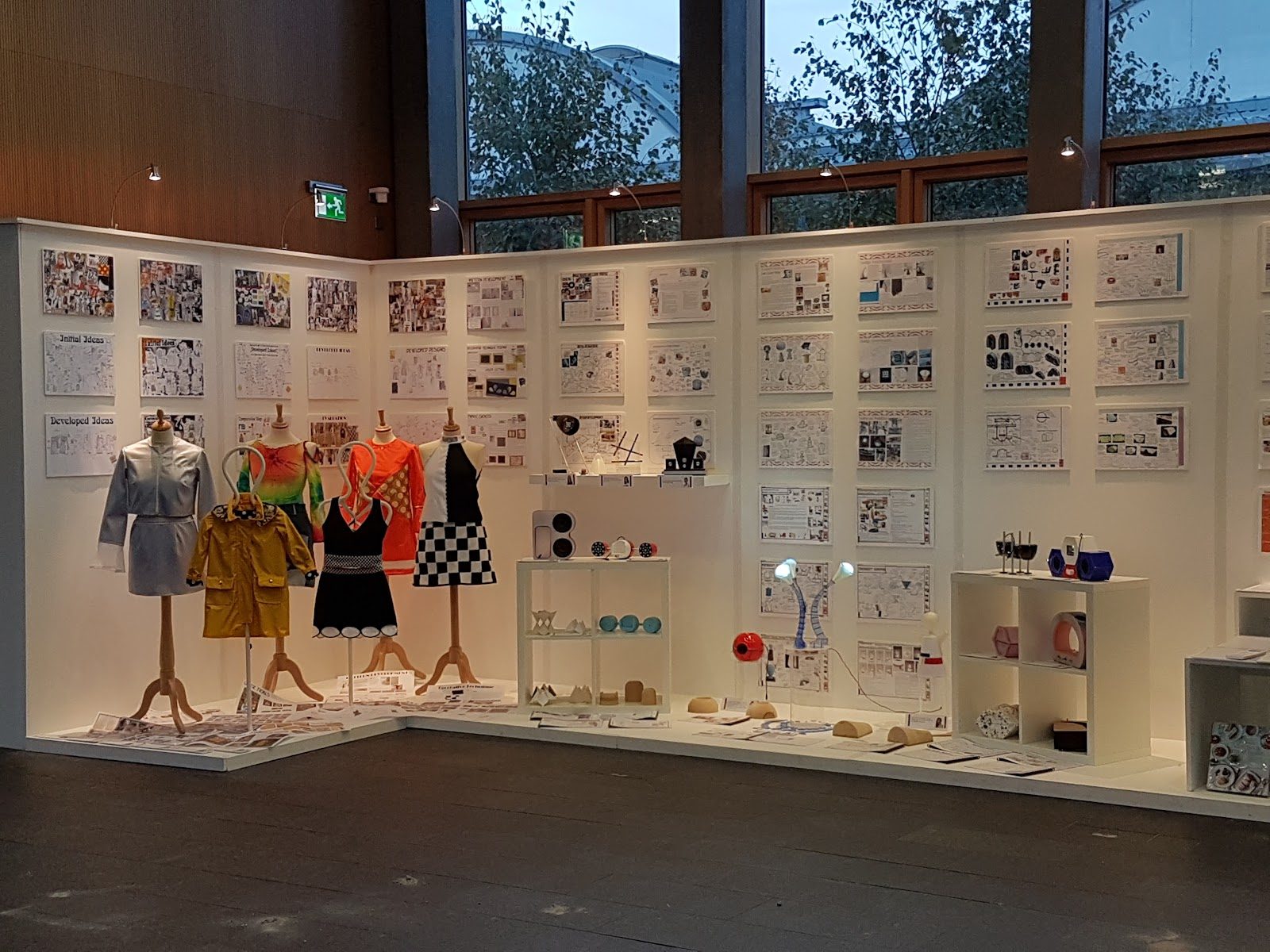
Since 1710 on a 24-acre Hampton site, a Thames boathouse has bred record-holding rowing eights alongside Oxbridge-track academics.
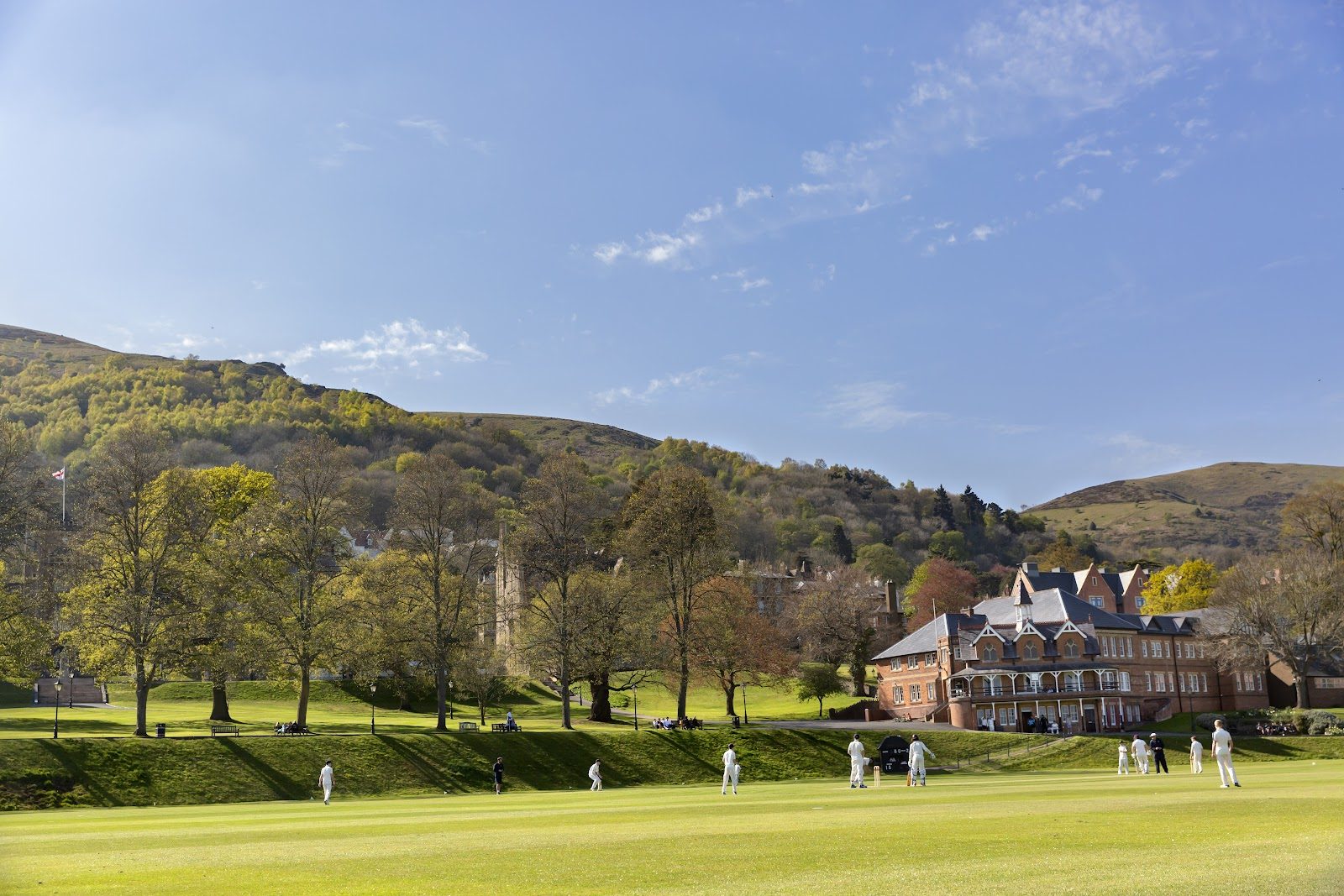
Malvern College
Malvern · United Kingdom
Beneath the Malvern Hills, a campus that once housed wartime radar research has produced four Nobel Prize winners.
Same country and curriculum — closest matches within ±10 points either way