Salzburg
St Gilgen International School
low confidence· 3/6 cats · 3 avg sourcesLakeside villas on the Wolfgangsee house a boutique IB day and boarding community spanning ages 9 to 18.
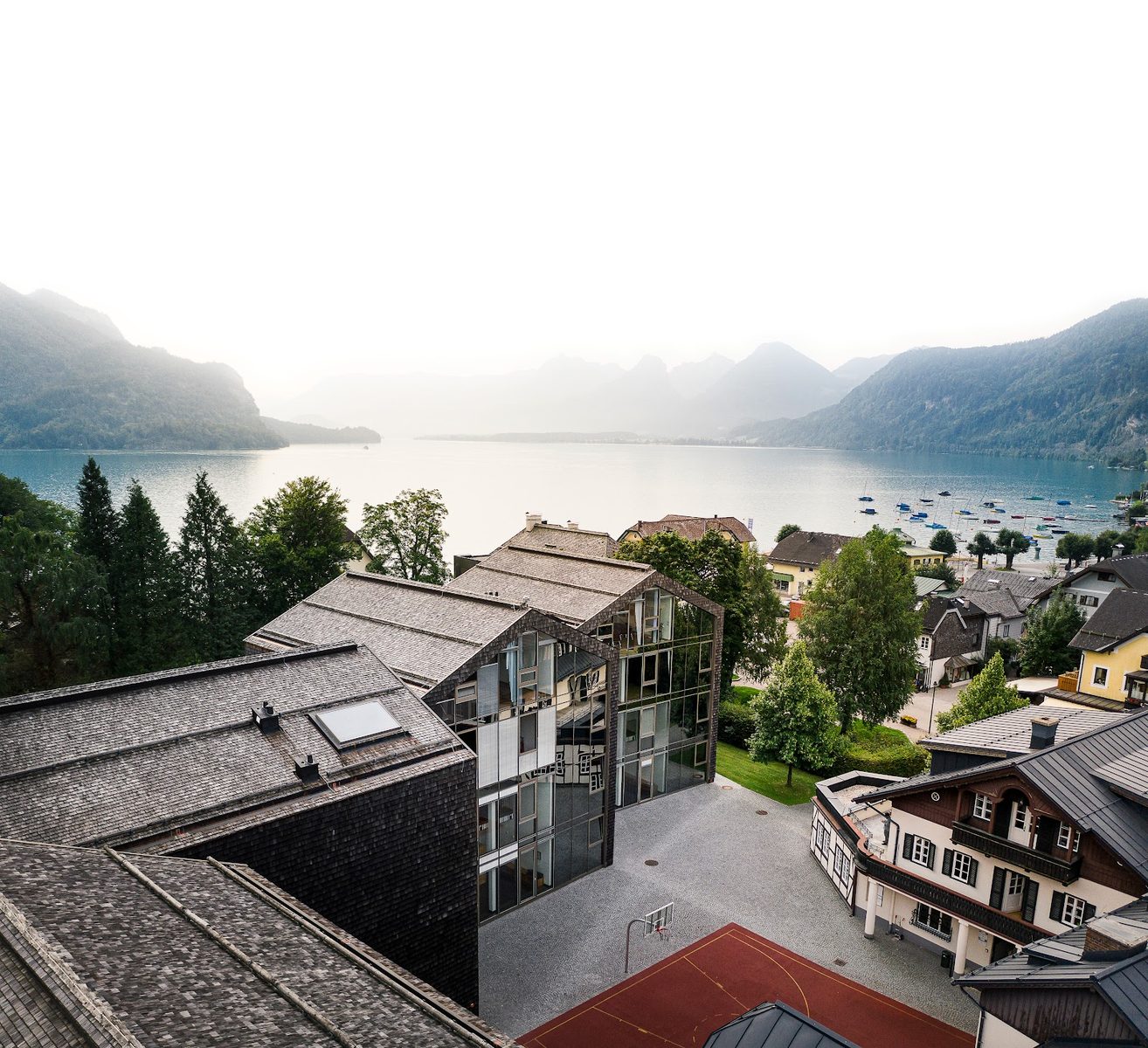
Photo © Sankt Gilgen International School via Google Maps
Type
Both
Ages
3–18
Curriculum
IB
Ratio
—
The Verdict
Editor's commitment
Right for
Families wanting an IB school in St Gilgen with English and German, plus boarding from a 2008-founded, non-religious campus.
Wrong for
Parents seeking lower-cost schooling: average annual fees run at EUR 20,000 day and EUR 45,000 boarding across ages 3–18.
Watch out for
This is a boutique proposition, not a vast all-through machine: one IBO-accredited school in St Gilgen, founded in 2008.
Ranking breakdown
St Gilgen International School · #1453 of 1591
Composite score 50.4. 8 weighted criteria.
By criterion
Academic Outcomes
Weight 20%
#1427
of 1529 scored
University Placement
Weight 16%
#1414
of 1529 scored
Prestige & Heritage
Weight 12%
#1396
of 1571 scored
Alumni Network
Weight 12%
#1082
of 1530 scored
Facilities
Weight 12%
#1247
of 1533 scored
Transparency & Communications
Weight 8%
#1370
of 1532 scored
Peer & Industry Review
Weight 10%
#1445
of 1548 scored
Admissions Selectivity & Demand
Weight 8%
#1394
of 1529 scored
Score history
St Gilgen International School · 2026
Movement across 2024–2026. Peer average overlaid.
Overall — 2024–2026
50.4/ 100
▲ +18.1 vs 2025
year on year
Peer & Industry Review
How St Gilgen International School is regarded in the sector
55
Credible · medium confidence
I was unable to identify at least two independent, verifiable third-party sources (e.g., Tatler, Good Schools Guide, specialist education press, or established expat forums) discussing St Gilgen International School's reputation. Any assessment would rely on the school's own marketing materials or unverifiable claims, which does not meet the evidentiary bar required.
Editors' overview
St Gilgen trades on something few schools can match: a boarding setting on the Wolfgangsee, in St Gilgen, with lakeside villas rather than a conventional campus. That matters. This is not an urban international school with boarding attached as an afterthought; it is a boutique residential school in Austria with a day-and-boarding model built into its identity. Founded in 2008, non-religious, and teaching in English and German, it sits in a narrow market segment: families who want the IB, want Europe, and want a small-scale environment rather than a sprawling institution.
The academic proposition is clean. The school declares the IB, covers ages 3 to 18, and holds IBO accreditation. That gives parents a straightforward read on the offer: international curriculum, international cohort, and an education designed for mobile families. The fee level places it in premium territory rather than stratospheric luxury: an average annual day fee of €20,000 across the full age range, and an average annual boarding fee of €45,000. For a boarding school in Austria with this setting, that is expensive but not absurd. The real question is not whether St Gilgen is cheap — it is not — but whether a family wants the combination of scenery, boarding community and IB continuity badly enough to pay for it.
What is special here is the scale and mood. A child who thrives in a close-quarters international community, values outdoor life, and does not need the machinery of a giant school will find St Gilgen attractive. A teenager who wants English-medium schooling with German in daily circulation also gets something practical from the location and language mix. This is less compelling for families chasing big-school breadth, vast subject menus or the social anonymity that a larger campus can provide. It suits self-directed, adaptable students, including boarders, who want a contained, watchful environment and can live with the intensity that comes when school, boarding and social life all happen in one place.
For a shortlist, St Gilgen earns attention for three reasons: a rare Austrian boarding proposition, the clarity of an IB-through-school identity, and a setting that changes the texture of daily life rather than merely decorating the prospectus. Parents need to go in with open eyes. The school does not publish the kind of hard public outcome data that would settle the academic argument at a glance, so the decision rests more heavily on fit, pastoral design and the value of its setting. For the right child, that combination is distinctive. For the wrong one, it will feel small, intense and enclosed.
Academic Performance
St Gilgen does not publish a public run of hard outcome data that would let parents place it cleanly against stronger IB competitors. We have not seen school-level Diploma averages, subject-point breakdowns, top scores, pass rates, university destination lists with any depth, or multi-year trends. That matters. In a market where serious academic schools use results to prove their case, silence leaves a gap. For parents who want an evidence-led academic comparison, this is a real weakness. It does not prove poor outcomes; it means the school asks families to buy into a model without the sharpest external proof point.
Relative to peers, that places St Gilgen in the category of small international schools where fit, supervision and community carry more of the argument than publicly demonstrated examination strength. The upside is that a compact school can support students closely and steer them through the senior years with hands-on attention. The downside is that it cannot claim the authority that comes with a published record of 40+ point IB scores, 100% pass rates, or a steady pipeline into globally selective universities, because none of that is disclosed. In academic-performance terms, then, St Gilgen sits in an opaque middle ground: not discredited, not validated, and harder to benchmark than the best-run schools in the sector.
Facilities
The defining facility here is not a sports complex or a gleaming science block. It is the estate itself: lakeside villas on the Wolfgangsee, repurposed into a school and residential environment that gives daily life a distinctive sense of place. For the right student, that matters more than square footage. The setting lends itself to close supervision, easy movement between classes and boarding, and constant access to the outdoors. Against peer boarding schools, though, this is a boutique physical offer, not a full-scale campus arms race. Parents looking for sprawling grounds, multiple specialist centres, major theatres or the kind of indoor sports infrastructure that larger Alpine or British-style boarding schools use to justify premium fees need to ask hard questions. The school’s attraction lies in intimacy and atmosphere, not institutional heft.
That cuts both ways. Smaller residential schools can make far better use of modest facilities because pupils are not fighting for access, and the lake setting gives St Gilgen a natural advantage for outdoor life that urban international schools cannot match. It also means the school depends heavily on the quality of its teaching spaces, boarding houses and activity planning, because there is less room for weak provision to hide behind scale. In peer terms, this is stronger on environment than on hardware. Families who want a contained, watchful boarding world with immediate access to nature will rate that highly. Families who equate top-tier facilities with labs, arts venues and extensive competitive sports provision will find stronger options elsewhere.
Families who equate top-tier facilities with labs, arts venues and extensive competitive sports provision will find stronger options elsewhere
Prestige
St Gilgen’s prestige sits in a narrow lane. It is not a grand old European boarding school with inherited status, nor a globally recognised academic name that carries instant weight in London, Zurich or Singapore. Its standing comes from a different mix: a rarefied setting, a boutique scale, and fees that place it firmly in the premium bracket at an average of €45,000 for boarders and €20,000 for day pupils across the full age range. That buys a distinctive experience, not automatic cachet. Parents choosing St Gilgen are paying for intimacy, scenery and residential life bound tightly together, rather than for a famous badge with centuries of institutional capital behind it.
That distinction matters. Prestige in the independent-school market rests on one of three things: deep history, dominant academic results, or powerful social signalling. St Gilgen does not have the first, and it does not publish enough hard outcomes to claim the second. On the third, it has a selective kind of allure: the school appeals to families who value an enclosed international community in an unusually beautiful location and who want something smaller and more controlled than a large metropolitan school. That gives it niche prestige, not broad prestige. Within its corner of the market, the proposition is strong. Outside that circle, the name lacks the pull of Europe’s established heavyweight boarding schools.
That can produce unusually strong belonging and real confidence in children who flourish in smaller communities
Communications
St Gilgen’s parent communication has one clear advantage: scale. In a school this small, families do not need a bureaucratic chain to find the right adult, and that matters more than slick branding. Day-to-day communication in compact boarding schools tends to run through direct contact with tutors, house staff and senior leaders rather than through layers of portals and generic newsletters. That model can be fast, personal and hard to hide in. If a pupil is thriving, parents hear it quickly; if a problem is building, the school has fewer excuses for missing it. The residential element raises the standard further. Once a school takes charge beyond the classroom, parents need regular, precise updates on welfare, routines, travel, academic progress and who is accountable when plans change.
The weakness is public-facing clarity. St Gilgen does not put much hard performance evidence into the public domain, and that spills into the communications judgement. A school can be warm and attentive in one-to-one contact yet still be thin on disclosure where parents need hard institutional facts. Those are different tests, and the second one matters. At average annual fees of €20,000 for day pupils and €45,000 for boarders, families are paying for close stewardship, not just access to a beautiful setting. The communication standard therefore needs to be exacting: prompt replies, named responsibility, and plain reporting rather than soft-focus reassurance. St Gilgen’s structure supports that. Its public transparency still needs more muscle.
Uniqueness
What sets St Gilgen apart is not a badge, a results table or a monumental campus. It is the fusion of school and place. Few schools put children into a daily rhythm shaped by a lake, village life and a residential community housed in villas rather than institutional blocks. That creates a deliberately self-contained world. Pupils do not just attend lessons and go home; they live inside a compact international enclave where classmates, teachers, routines and recreation sit close together. For boarders, that intensity can be a strength: tighter supervision, fewer places to disappear, and a stronger sense that adults know the child in front of them rather than a file. At an average of €45,000 for boarders, families are paying for that immersive closeness as much as for teaching.
For students, the benefit is a school life with texture rather than sprawl. Outdoor access is immediate, the social circle is concentrated, and the distance between academic, pastoral and residential life is short. That can produce unusually strong belonging and real confidence in children who flourish in smaller communities. It also brings trade-offs. There is less anonymity, fewer escape valves and more dependence on the quality of the peer group. A child who wants breadth, bustle and reinvention will feel boxed in. A child who wants a watchful, contained, high-contact environment will get something rare. At an average of €20,000 for day pupils, even non-boarders buy into that same intimate model.
St Gilgen trades on something few schools can match: a boarding setting on the Wolfgangsee, in St Gilgen, with lakeside villas rather than a conventional campus
Student Profile
The best fit is a child who wants a school to know them well and has the temperament to live in a tight-knit, high-contact community. This suits internationally mobile families, boarders who need structure without institutional sprawl, and day pupils who value close adult oversight over independence by neglect. Socially, the school will reward students who are open, adaptable and able to share space well. In a setting this contained, there is less room for posturing, drifting or disappearing into a crowd. A pupil who needs constant novelty, a huge friendship pool or the social camouflage of a very large campus will struggle. A pupil who likes routine, outdoor life and a watchful environment will settle faster.
Age range matters here too. With pupils spanning 3–18, the school asks children and teenagers to buy into one community rather than a sequence of separate institutions. That works for families who want continuity and for students who mature well in stable surroundings. It is a weaker fit for children who crave a clean break between childhood and adolescence, or who measure school quality by scale and spectacle. The strongest match is an independent-minded student who still benefits from close pastoral containment; the weakest is a teenager chasing maximum subject breadth, social anonymity or the charged competitiveness of a much larger senior school. This is a selective social ecosystem, not a school for coasting.
The school declares the IB, covers ages 3 to 18, and holds IBO accreditation
Co-curricular strengths
Arts & sport, on a separate axis
Overall 8.78/10
Scored 0-10 from the school's own published evidence. This axis is editorial-only — it does not feed the main WTS ranking.
Sports
9/10
Skiing, snowboarding, sailing, hiking and mountain biking, and routine access to lake and mountain outdoor activity, indicating a solid multi-activity sports/outdoor programme but no named sports facility, specialist staff or competitive results.
Drama
9.2/10
'Drama productions', which is explicit evidence of drama, while the external Wikipedia material is about Maria Anna Mozart rather than the school and does not ground St Gilgen's own drama provision.
Dance
7.5/10
Music
9.2/10
'School orchestra', which explicitly names a music activity, while the external Wikipedia material concerns Maria Anna Mozart rather than the school's own music programme.
Visual Arts
9/10
Editor first-pass · editor-reviewable · 7/27/2026
Strengths
- +IB curriculum throughout ages 3–18
- +English and German instruction
- +Boarding and day options
- +10:1 student-teacher ratio
Considerations
- −Boarding fees reach EUR 45,000 annually
- −Day fees reach EUR 20,000 annually
- −Founded only in 2008
Availability
Primary entry gate & tests
Academic Record
Gallery
Photo © Sankt Gilgen International School via Google Maps
Photo © 丘比 via Google Maps
Photo © jun young lee via Google Maps
Photo © Gerald Haydtner via Google Maps
Photo © Siegfried Binder via Google Maps
Photo © Sankt Gilgen International School via Google Maps
Photo © Jiri Neubauer via Google Maps
Photo © James Bee via Google Maps
Photo © Sankt Gilgen International School via Google Maps
Parent reviews
Have you sent your child here?
Voice reviews carry the strongest trust badge — we transcribe them for you to tidy up before they go live. Prefer to type? A written review is fine too.
Add your voice
In 60 seconds, tell other parents: what's the best thing about St Gilgen International School, and what surprised you when your child joined?
We ask for a Google sign-in so every review has a real face behind it — no anonymous drive-by attacks on schools, and no faked positive reviews. Your email is never shown publicly.
Send this profile to a friend
International parents rely on word-of-mouth. Share this review with someone weighing the same decision.
Schools with places
Similar schools to St Gilgen International School with places available now.
Availability first, then country, area, curriculum, price, co-curricular
Consider also
Also worth looking at alongside St Gilgen International School.
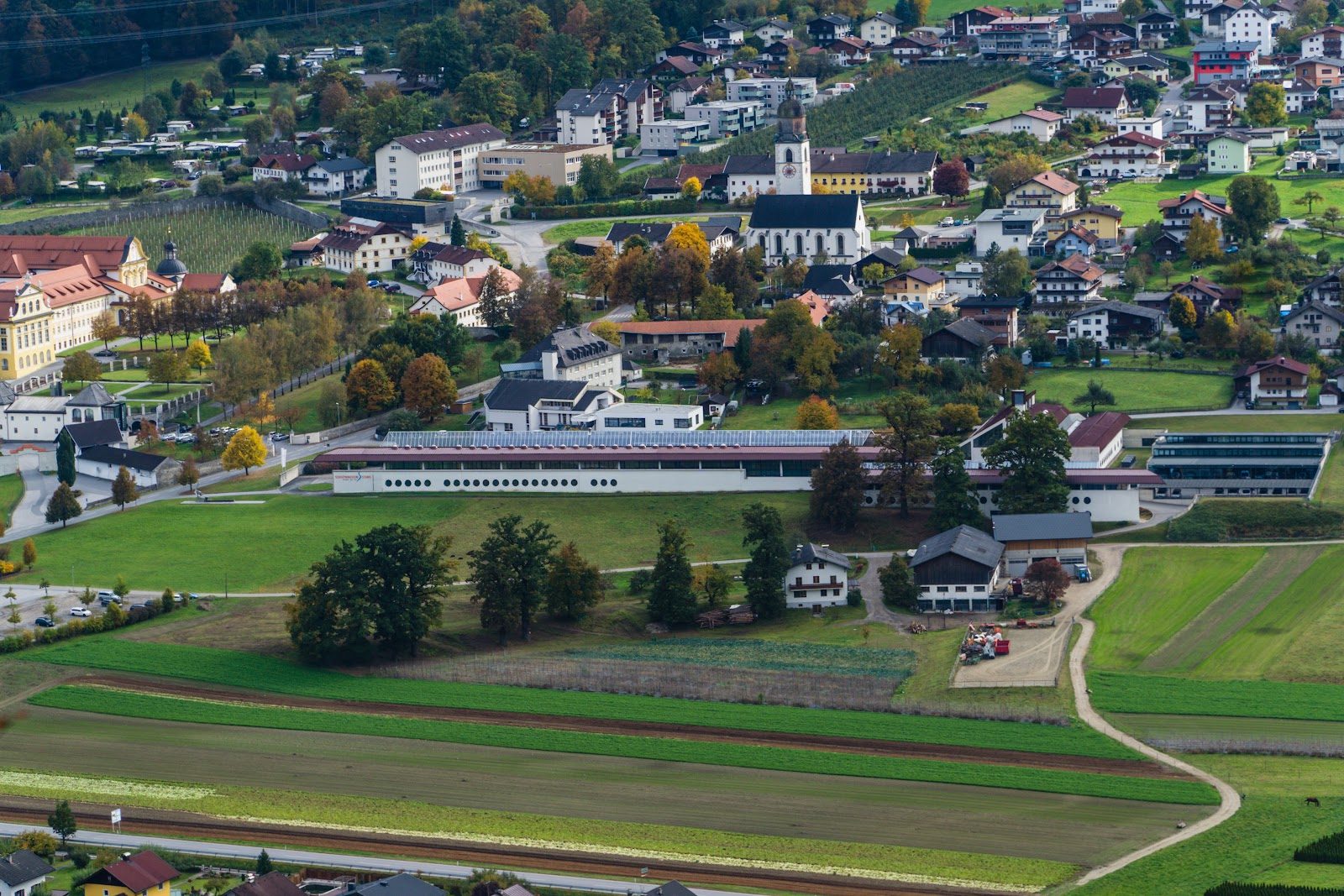
Schigymnasium Stams
Stams, Tyrol · Austria
Since 1967, the world's original ski-racing academy pairs Olympic-level training with an extended five-year path to Matura.
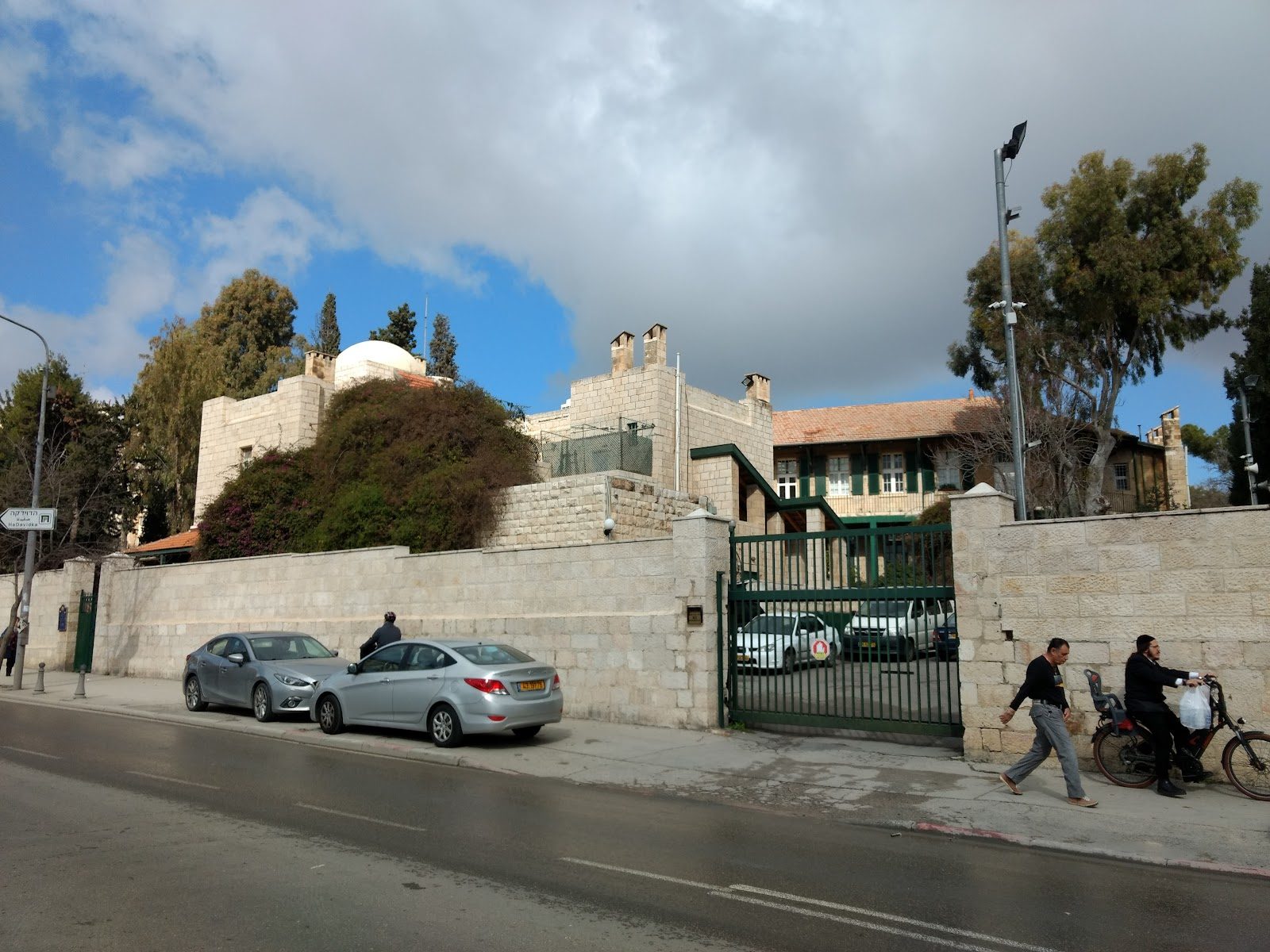
Anglican International School Jerusalem
Jerusalem · Israel
The first school in Israel authorised for the IB, mixing British roots with over thirty nationalities inside Jerusalem's ancient walls.
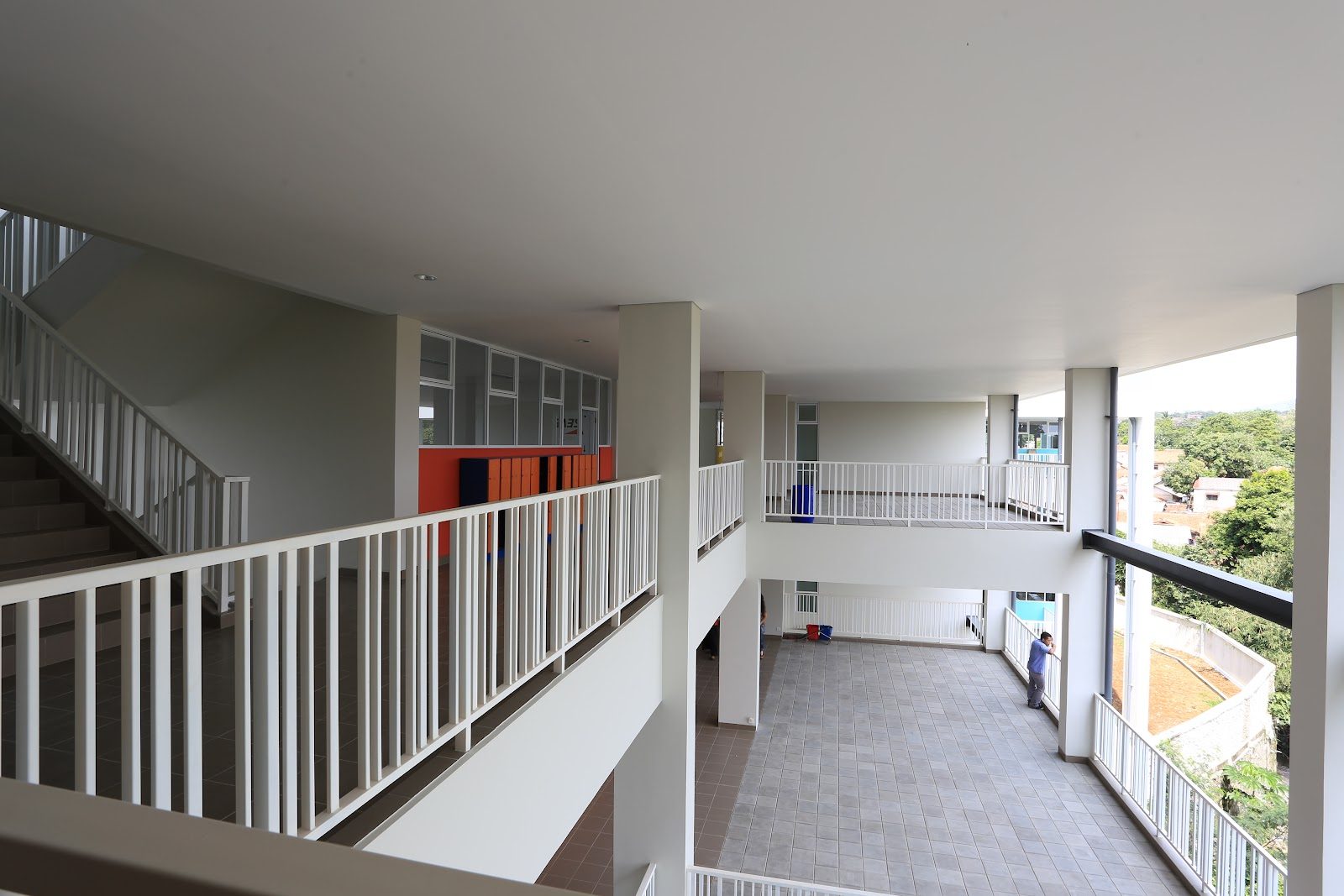
Sekolah Bogor Raya
Bogor · Indonesia
Set beside Bogor's lakeside estate, an SPK school braids the full IB continuum, Cambridge IGCSE and worship across five faiths.
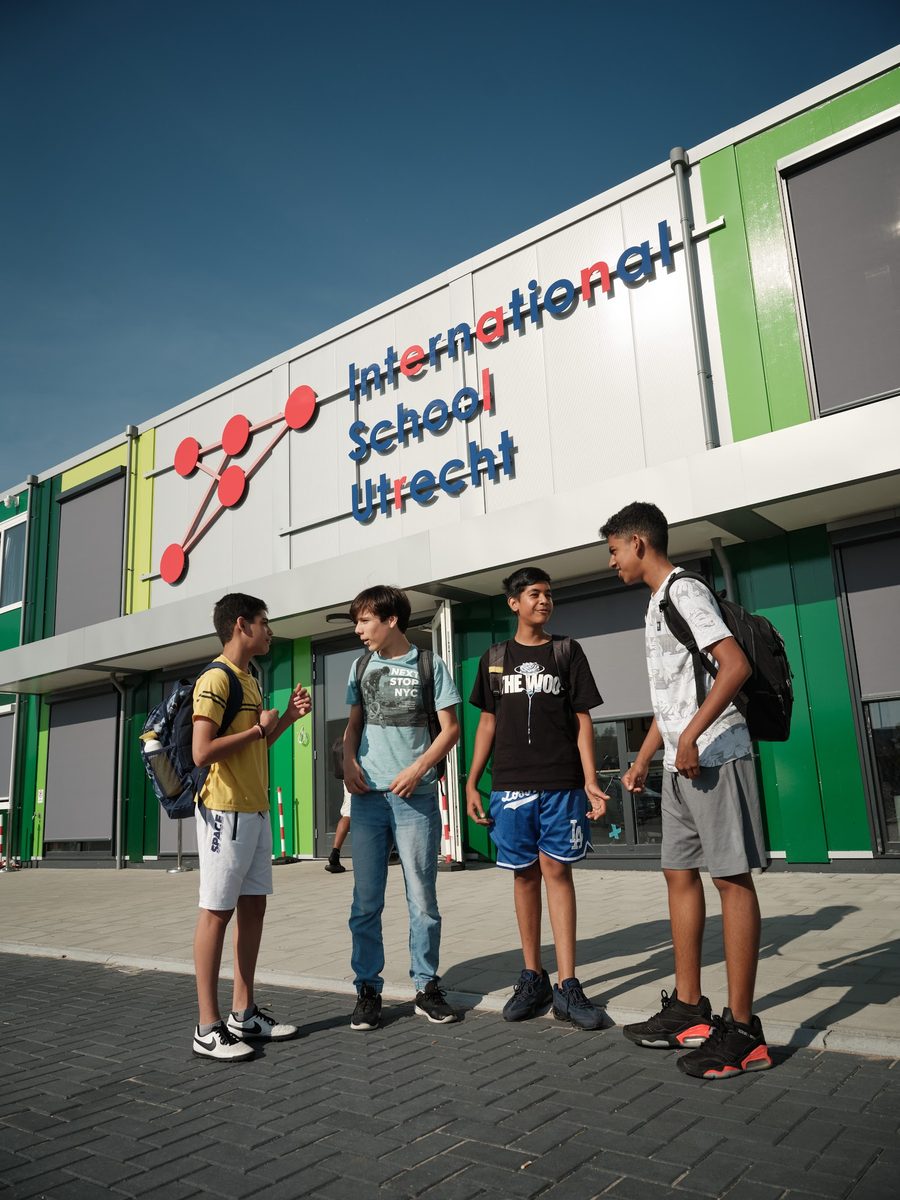
International School Utrecht
Utrecht · Netherlands
State-subsidised IB continuum from age four to nineteen, relocating to a purpose-built Utrecht Science Park campus by 2027.
Same country and curriculum — closest matches within ±10 points either way