
Suffolk
Set within 480 acres of Repton-landscaped Suffolk parkland around an 18th-century mansion, home to specialist tennis and golf academies.
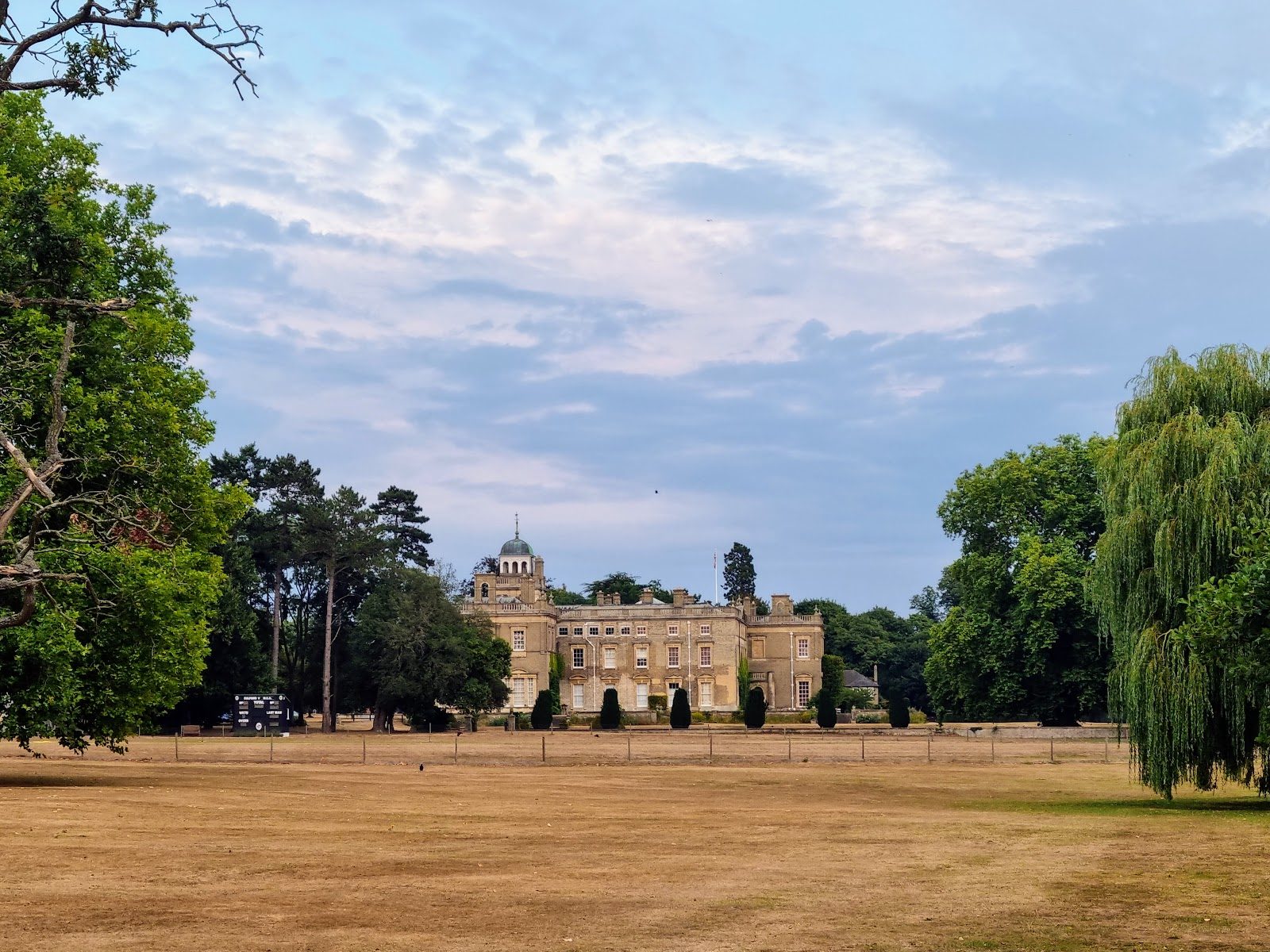
Photo © Stuart Shepherd via Google Maps
Type
Day + Boarding
Ages
4–18
Curriculum
GCSE · A-Level
Ratio
1:9
The Verdict
Editor's commitment
Right for
Families wanting 4–18 continuity on one 480-acre Suffolk campus, with specialist tennis and golf academies and a 1:9 ratio.
Wrong for
Parents who want an urban school, a non-religious ethos, or anything beyond GCSE and A-Level at 16–18.
Watch out for
ISI, HMC and IAPS credentials are solid, but Culford does not publish aggregate GCSE or A-Level results here.
Ranking breakdown
Culford School · #1219 of 1591
Composite score 57.6. 8 weighted criteria.
By criterion
Academic Outcomes
Weight 20%
#1220
of 1529 scored
University Placement
Weight 16%
#1332
of 1529 scored
Prestige & Heritage
Weight 12%
#1357
of 1571 scored
Alumni Network
Weight 12%
#1224
of 1530 scored
Facilities
Weight 12%
#71
of 1533 scored
Transparency & Communications
Weight 8%
#725
of 1532 scored
Peer & Industry Review
Weight 10%
#424
of 1548 scored
Admissions Selectivity & Demand
Weight 8%
#1506
of 1529 scored
Peer & Industry Review
How Culford School is regarded in the sector
72
Respected · medium confidence
Culford School is regarded within the UK independent sector as a solid, well-rounded HMC boarding and day school rather than a top-tier academic powerhouse, and industry commentary reflects this positioning. The Good Schools Guide highlights its strong pastoral care, breadth of co-curricular provision, and international boarding cohort, while noting academic results are respectable but not consistently at the level of Suffolk's more selective peers. WhichSchoolAdvisor and Tatler school guides similarly place it as a dependable, family-oriented choice rather than a league-table headline name, with Sunday Times and Telegraph independent school rankings typically situating it mid-table nationally. As an HMC member, it participates in the same accreditation and governance networks as leading schools, giving it credibility among heads of comparable establishments, though it is rarely cited by rival heads as a benchmark competitor. University progression data (via its own published destinations) shows steady placement at Russell Group universities, but Oxbridge numbers remain modest compared to top-300 academic leaders, reinforcing its reputation as a strong all-rounder school valued for character development over elite academic selectivity.
Award

Elite Sport 80
World's Top School · The Global Ranking
Culford School is featured on our Global Top 80 ranking at #54. This seal is available for the school's marketing team to use on their website, prospectus and social channels.
- Ed Sheeran — Musician, Entertainment
- Terry Waite — Humanitarian/Hostage Negotiator, Public Service
Editors' overview
Culford sells a strong English boarding-school picture and, in this case, the substance is there: 480 acres of Suffolk parkland, an 18th-century mansion at the centre, and a campus with enough scale to sustain real breadth in sport, arts and boarding life. This is a day-and-boarding school for ages 4–18, teaching GCSE and A Level in English, with Methodist roots and the conventional independent-school badges of ISI, HMC and IAPS. The ratio of 1:9 matters. It points to a school that can give individual attention without pretending to be tiny. The specialist draw is sport. Culford has built serious provision around tennis and golf, with a championship-standard indoor tennis centre, an indoor golf studio and on-site driving range, alongside hockey, football, swimming, dance, drama, art and music facilities. For families who want a campus that feels expansive, ordered and properly equipped, Culford has a clear case.
Its market position sits between the old-guard prestige boarding schools and the smaller local independents. It does not trade on metropolitan polish or intellectual grandstanding. It offers a broad, traditional all-round education with visible investment in pastoral care, houses and co-curricular life, then sharpens that offer through sports academies. That makes it attractive to parents who want a full boarding-school environment without the scale, pressure or social theatre of the biggest names. The school also has enough pupil numbers to avoid feeling niche: the school cites over 420 pupils in the senior school, 260 in the prep school and 110 in pre-prep and nursery. The sales language on “unlocking potential” is standard independent-school fare; the more persuasive point is practical: this is a campus built to keep children busy, coached and known.
Why shortlist it? Because Culford gives families a lot of what they pay independent-school fees for: space, structure, strong staffing levels, boarding culture, extensive facilities and a timetable that does not stop at the classroom door. The specialist academies give it an edge in a crowded market. A child with genuine ambition in tennis or golf gets more than an extracurricular bolt-on here; those areas are part of the school’s identity. The arts facilities also matter. A theatre, drama studio, dance studio, art centre and 24-track recording studio signal a school that understands that confidence and achievement are built in many arenas, not one. The inspection line is solid too: the school states that it received the highest grading in all areas of its recent ISI educational quality inspection. That is useful reassurance, not a substitute for hard academic data. Culford does not publish aggregate GCSE or A-level results in the public domain on the information here, and parents should ask for current outcomes, university destinations and value added in plain numbers.
The pupil who will want Culford is not hard to picture. This is a good fit for children who thrive in a busy, full-spectrum school day, enjoy teams and coached activity, and want a campus with real breadth rather than a narrowly academic hothouse. Boarders and day pupils who value house identity and a grounded, pastoral culture will do well. So will sporty children who want high-performance support without giving up a conventional school education. The less obvious fit is the student who wants an intensely scholarly, urban or sixth-form-college atmosphere. Culford’s appeal lies elsewhere: space to grow, serious sport, and a school structure that prizes participation as much as results.
An Elite Sport 80 school
Culford School in Bury St Edmunds earns its place among Britain's elite sport schools on the strength of a world-class co-curricular sport programme - its sport provision scores 9.3 on our co-curricular index - anchored by a serious performance tennis pathway. Pupils train on a four-court indoor tennis centre that is open all year round, supported by a 900-square-metre sports hall, a 25-metre indoor pool and a strength-and-conditioning suite, allowing them to combine substantial training loads with a full GCSE and A-level timetable.
The school's sporting identity is genuinely multi-code, with strong hockey, golf and other pathways alongside tennis; its senior girls' hockey side has won a national T3 title, and its results pages feature leavers taking full sport scholarships to American universities in both golf and tennis. The tennis pathway is the clearest differentiator: it offers a route for talented young players to pursue high-level training without leaving mainstream schooling.
International openness is a core part of the model. Culford is a co-educational boarding school offering full, part and occasional boarding, with a dedicated admissions process for overseas families and integrated pastoral and language support. Sport scholarships (including tennis) are assessed separately from academic awards. Fees vary by boarding type, so families should confirm current figures directly with the school, as no single all-in figure applies across day and boarding places.
For a family relocating with a sport-oriented child - particularly from Europe, the Middle East, Asia or the Americas - who wants a fully accredited British boarding-school academic pathway alongside genuine high-level sport development, Culford is a strong destination. Boarding capacity and sport-scholarship places open on a rolling basis, so overseas families should typically begin conversations well ahead of the intended entry point.
Academic Performance
Culford makes strong claims about teaching quality and inspection strength, but its public academic data are thin. We have not seen aggregate GCSE or A-level results, no grade profile is published here, and no university destination list is in the public domain in the sources above. That puts Culford at a disadvantage against sharper independent-school competitors, many of which publish headline pass rates, top-grade proportions and destination detail in plain view. For parents comparing academic return on substantial fees, that opacity matters. A school can be pastoral, busy and well equipped; it still needs to show what pupils achieve in external examinations. On published evidence, Culford does not do that clearly enough.
Where does that leave it relative to peers? Not in the fiercely academic tier led by schools that trade on relentless results and broadcast them. Culford fits better in the all-rounder segment: a conventional independent school where academics sit alongside boarding life, sport and co-curricular breadth rather than dominating the whole proposition. The school’s own emphasis points that way. It highlights personalised learning, teacher development and high inspection grades, not hard exam metrics. That does not mean weak results; it means unproven public performance. Parents serious about academic stretch should ask for the latest GCSE and A-level outcomes, subject-level value added, and destination data before treating Culford as a first-rank academic option.
Facilities
The facilities that matter at Culford are the ones that change daily school life rather than decorate the prospectus. Sport is the clearest example. The indoor tennis centre is not a token court under a roof; it gives the school year-round depth in a specialist area that many peer schools cannot match. The indoor golf studio and on-site driving range push that further. Among mid-market British boarding schools, dedicated golf provision on site is genuinely distinctive. Add a sports centre, a heated pool, full-size hockey pitches and academy support across multiple sports, and Culford moves beyond the standard “good games programme” into a serious performance environment. For families with a strong athlete, that matters more than another polished reception area or heritage façade.
The arts provision also clears the bar comfortably. A theatre, drama studio, dance studio, art centre and 24-track recording studio give pupils proper working spaces, not improvised corners. The library at the centre of the school adds practical academic value if it is well used. Set against peers, Culford is stronger on breadth of specialist space than many schools in its bracket, especially outside the highest-fee national names. What it lacks is the research, design or advanced STEM language that some competitors now use to signal future-facing investment. This is a campus built around sport, performance and participation first. If that suits your child, the estate and facilities feel amply equipped rather than merely grand.
Among mid-market British boarding schools, dedicated golf provision on site is genuinely distinctive
Prestige
Culford sits in the *second tier of British independent-school prestige*: recognised, respectable and established, but not one of the names that carries automatic international cachet on its own. Its standing rests on the classic ingredients parents read as status markers — a substantial country estate, a mansion-centred campus, boarding houses, HMC membership and the full English public-school visual grammar. That still counts. For families who want a school with traditional social signalling and a polished boarding-school frame, Culford has enough weight. The school’s inspection profile also helps, with the highest ISI grading across both senior and lower schools. So do the specialist sports academies. Tennis and golf, backed by dedicated facilities, give Culford a distinctive edge that many mid-market independents lack.
But prestige here has limits, and they matter. Culford does not occupy the top-table bracket dominated by the best-known boarding schools with deep alumni networks, relentless academic branding and globally recognised name power. Its reputation is stronger in the East of England and among families prioritising an all-round education than among those chasing maximum institutional clout. The school’s own pitch leans on pastoral care, breadth and facilities more than on intellectual ferocity or elite outcomes. That places Culford in the category of a well-regarded all-rounder with selective appeal, not a prestige heavyweight. If your child needs a school name that opens doors on reputation alone, Culford is not that school. If you want a credible, well-equipped boarding environment with real sporting identity, it is.
Tennis and golf, backed by dedicated facilities, give Culford a distinctive edge that many mid-market independents lack
Communications
Culford’s parent-facing communication is polished in the way independent schools now need to be: clear navigation, a defined structure by school stage, and an easy route into visits, applications and inspection reading. The site gives parents the broad shape of school life without making them dig for the basics. It also communicates priorities with no ambiguity. Pastoral care, houses, sport and co-curricular breadth sit front and centre; academic messaging sits behind them. That is useful because it tells families what the school values. The busiest signals are facilities, wellbeing and opportunity, with more than 50 activities used as a headline marker of breadth. If you want a school that speaks in the language of care, structure and activity, Culford does that cleanly.
The weakness is precision. The school talks at length about personalised learning, teacher quality and future success, but parents do not get enough hard evidence to test those claims. We have not seen public aggregate exam results, no destination data is set out here, and the heavy use of stock independent-school phrasing dulls trust. “Unlock potential”, “ready for life” and similar lines tell you nothing measurable. For a school selling a serious fee-paying proposition, that is a gap. Communication is effective on atmosphere, ethos and daily experience; it is less convincing on outcomes. Parents who value substance over slogan should press for current results, leavers’ destinations and a sharper account of academic performance before reading too much into the warm tone.
Uniqueness
What separates Culford from the pack is not one glossy feature but a coherent campus identity. Plenty of British independents have pretty grounds, a house system and a long extracurricular list. Fewer build the school around specialist performance pathways that are visible in daily life. At Culford, tennis and golf are not peripheral add-ons for a handful of keen pupils; they sit near the centre of the offer, backed by facilities and coaching that give the school a clear sporting signature. That changes the shape of the pupil body. It draws children who want disciplined training woven into an ordinary school week, not bolted on at evenings and weekends. The result is a school with a more purposeful sporting culture than the standard all-round boarding school, without narrowing itself into a single-sport academy.
The other point of difference is scale with containment. Culford has enough breadth to sustain houses, arts, sport and a busy activity programme, but it still reads as a self-contained community rather than an institution so large that pupils vanish into it. The school cites more than 50 activities across its sections, and that breadth matters because it gives non-athletes substance too: theatre, dance, art and music all have proper space and status. Add the parkland setting — 480 acres arranged around a mansion rather than a town campus — and the experience becomes immersive, structured and intensely residential in feel, even for day pupils. For the right child, that brings confidence, routine and strong adult oversight. For the wrong one, it can feel insular.
It points to a school that can give individual attention without pretending to be tiny
Student Profile
Culford suits children who want a structured, full-throttle school life and do not need to be coaxed into joining in. The social centre of gravity sits with pupils who are comfortable in houses, games, rehearsals, activities and a school day that extends well beyond lessons. Sport carries real status here, so ambitious athletes, especially those drawn to the school’s specialist academies, will find peers who take training seriously. That does not make Culford a one-type school. The arts infrastructure and the school’s menu of more than 50 activities give room to pupils who prefer the stage, studio or practice room to the pitch. A child who likes routine, adult oversight and visible community will fit. A child who wants anonymity will not.
Personality matters as much as talent. Culford works for pupils who are grounded, coachable and willing to commit to a shared culture rather than perform detachment. The school talks a lot about pastoral care and house belonging; that points to an environment where warmth and supervision go together. Boarders who value a contained, community-minded setting will settle well, as will day pupils who want a school that still feels immersive. The weaker fit is the teenager chasing a hard-edged academic hothouse, a highly urban sixth-form scene, or a more independent, lightly managed atmosphere. Culford rewards participation, stamina and team-mindedness more than intellectual theatre.
For families who want a campus that feels expansive, ordered and properly equipped, Culford has a clear case
Co-curricular strengths
Arts & sport, on a separate axis
Overall 8.92/10
Scored 0-10 from the school's own published evidence. This axis is editorial-only — it does not feed the main WTS ranking.
Strengths
- +Set within a 480-acre historic parkland estate near Bury St Edmunds, giving pupils unusually extensive grounds and sports facilities.
- +Co-educational and all-through, offering continuity for families who want to keep siblings on one site from the early years to Sixth Form.
- +World-class sport provision, with a performance tennis pathway supported by a four-court indoor tennis centre, a 25-metre indoor pool and a large sports hall.
- +Flexible boarding on offer - full, part and occasional - alongside day places and a free extended day until 19:00, suiting a range of family circumstances.
- +Publishes multi-year GCSE and A-level results tables and links an ISI inspection report, giving prospective families clear, verifiable evidence.
- +Runs structured leadership and outdoor-activity opportunities such as CCF alongside its sport programmes.
Considerations
- −Rural Suffolk setting means families without a car, or wanting a London base, will find the school less immediately accessible than capital-city day schools.
- −As a boarding and day school, fees represent a significant ongoing commitment, particularly for overseas families paying full boarding rates.
- −Academic outcomes reflect a broad-ability, non-selective intake and sit below the most academically selective UK schools, so league-table-focused families should compare data directly.
- −Less internationally recognised brand name than long-established rivals such as Eton, Harrow or Wycombe Abbey, which may matter for some relocating families.
- −WSA lists no current inspection rating for the school, so families wanting an up-to-date regulator verdict should check the latest published report directly.
Gallery
Photo © Malcolm Skinner via Google Maps
Photo © Ryan McAlister via Google Maps
Photo © Culford School via Google Maps
Photo © shayan via Google Maps
Photo © shayan via Google Maps
Photo © Kerchil Chan via Google Maps
Photo © Kerchil Chan via Google Maps
Parent reviews
Have you sent your child here?
Voice reviews carry the strongest trust badge — we transcribe them for you to tidy up before they go live. Prefer to type? A written review is fine too.
Add your voice
In 60 seconds, tell other parents: what's the best thing about Culford School, and what surprised you when your child joined?
We ask for a Google sign-in so every review has a real face behind it — no anonymous drive-by attacks on schools, and no faked positive reviews. Your email is never shown publicly.
Send this profile to a friend
International parents rely on word-of-mouth. Share this review with someone weighing the same decision.
Schools with places
Similar schools to Culford School with places available now.
Millfield School
Street · United Kingdom
- 2026-27
- CLOSEDStandard route closed
- 2027-28
- PLACES OPEN11+ / 13+ / 16+ active
Thomas's Battersea
London · United Kingdom
- 2026-27
- CLOSEDStandard route closed
- 2027-28
- PLACES OPENRegistration open for Sept 2027 and beyond
Badminton School
Bristol · United Kingdom
- 2026-27
- CLOSEDStandard route closed
- 2027-28
- PLACES OPENCloses Oct/Nov '26
Christ's Hospital
Horsham · United Kingdom
- 2026-27
- CLOSEDStandard route closed
- 2027-28
- PLACES OPEN2027 entry assessment timetable active
Availability first, then country, area, curriculum, price, co-curricular
Consider also
Also worth looking at alongside Culford School.
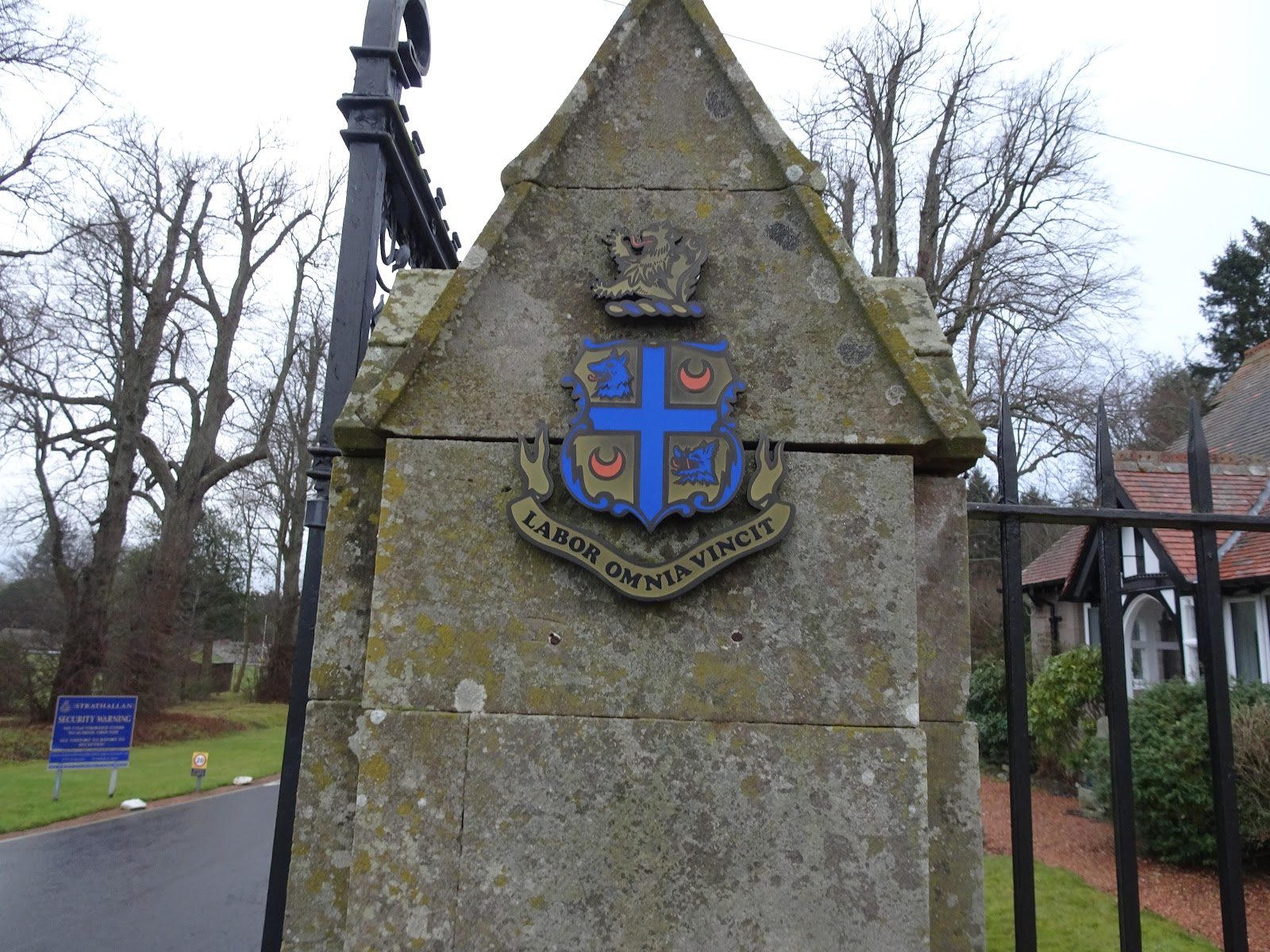
Strathallan School
Perthshire, Scotland · United Kingdom
The only Scottish boarding school running Highers, Advanced Highers and A-Levels side by side across 153 acres of Perthshire countryside.
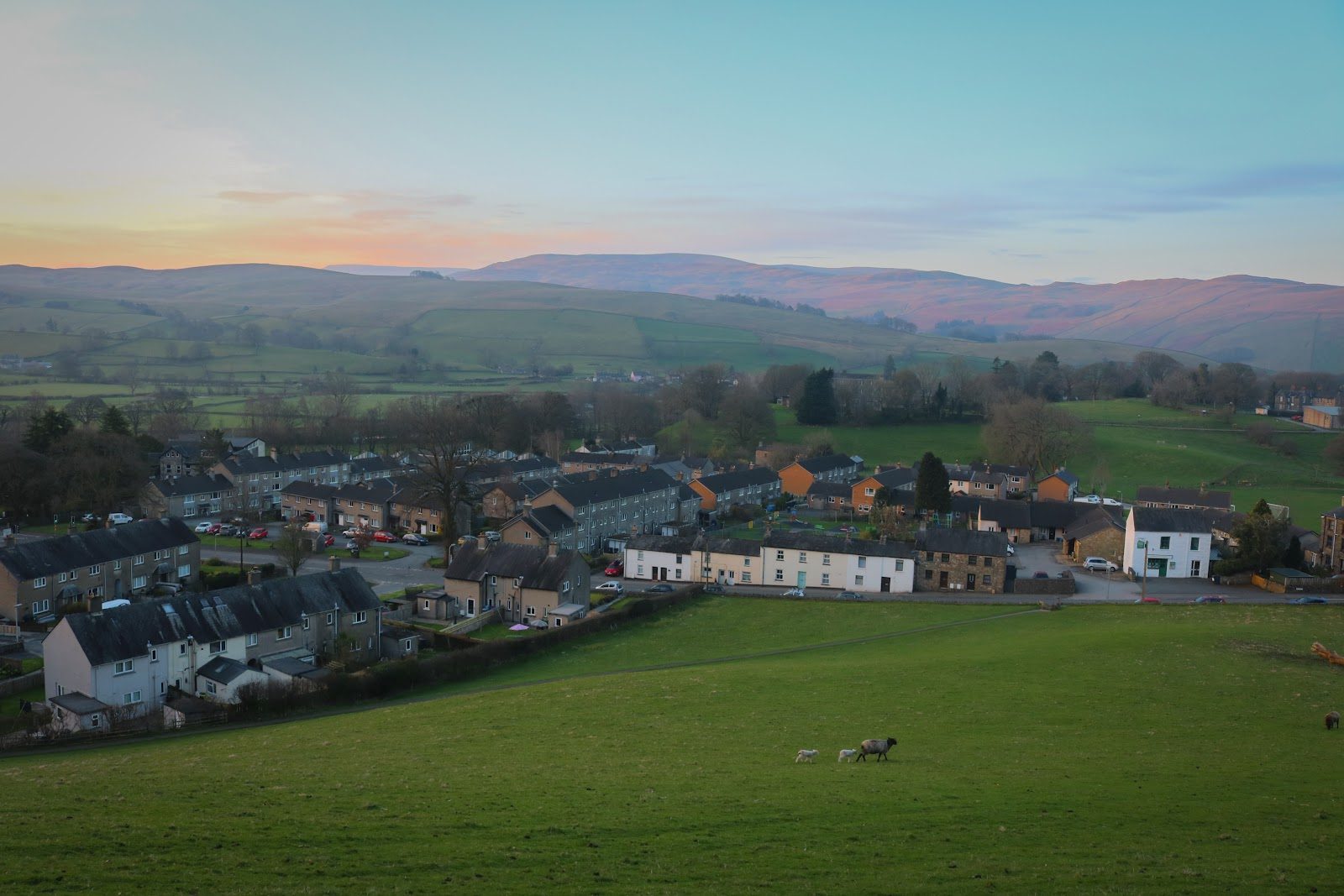
Sedbergh School
Sedbergh, Cumbria · United Kingdom
Beneath the Howgill Fells, five centuries of boarding tradition pairs rugby pedigree with rare GCSE jewellery design and A-level geology.
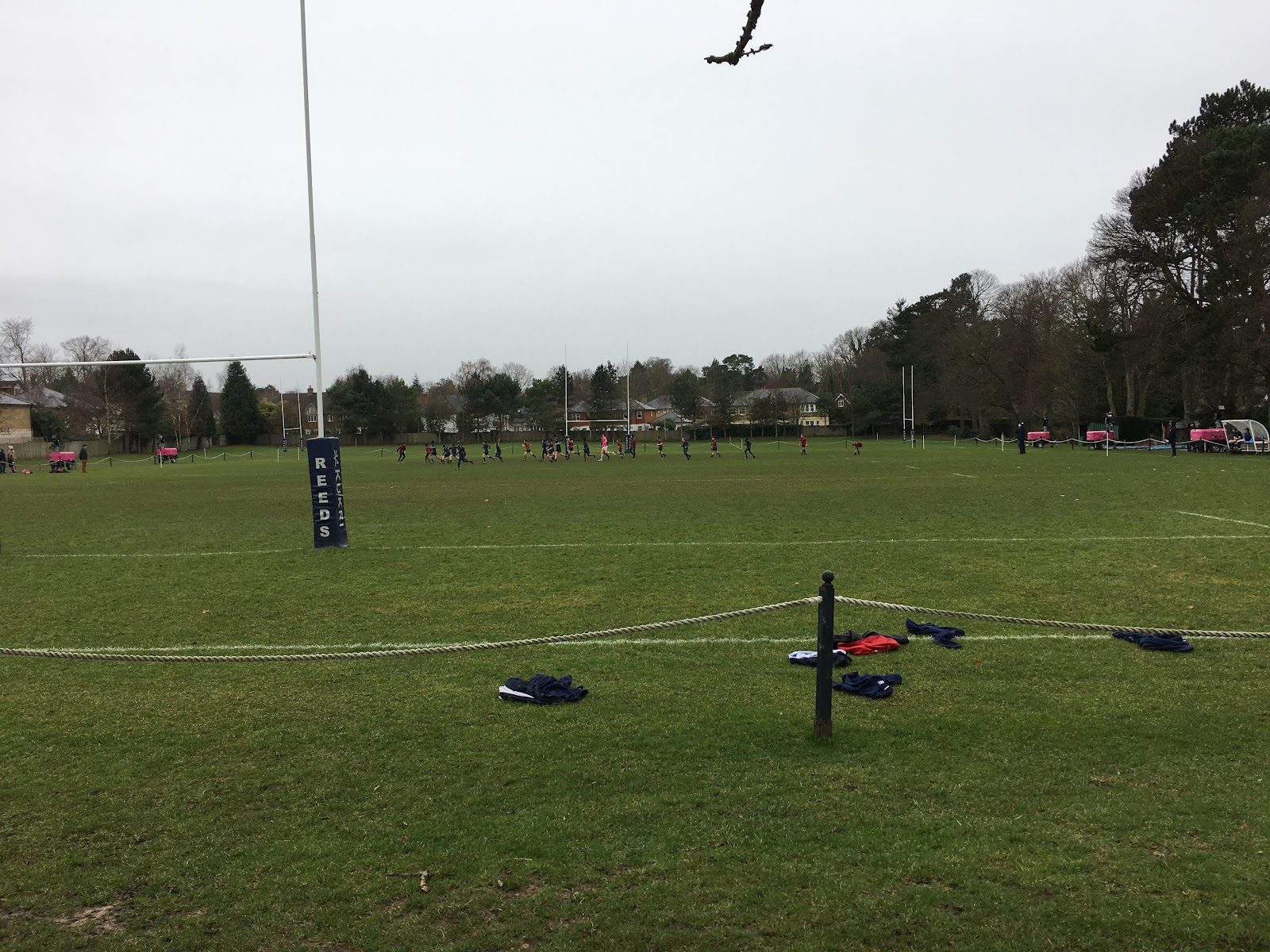
Reed's School
Cobham, Surrey · United Kingdom
A 1813 orphan charity in Cobham that still funds bursaries while quietly turning out national tennis talent on its 40-acre campus
Ellesmere College
Ellesmere, Shropshire · United Kingdom
Shropshire countryside campus built around six specialist sport academies, from cricket to a new PSG football partnership
Same specialism, country and curriculum — closest matches within ±10 points either way