
New South Wales
Trinity Grammar School Sydney
low confidence· 6/6 cats · 0 avg sourcesIn Sydney's Inner West, this Anglican boys' school has let Year 11s choose between the HSC and the IB Diploma since 1998.
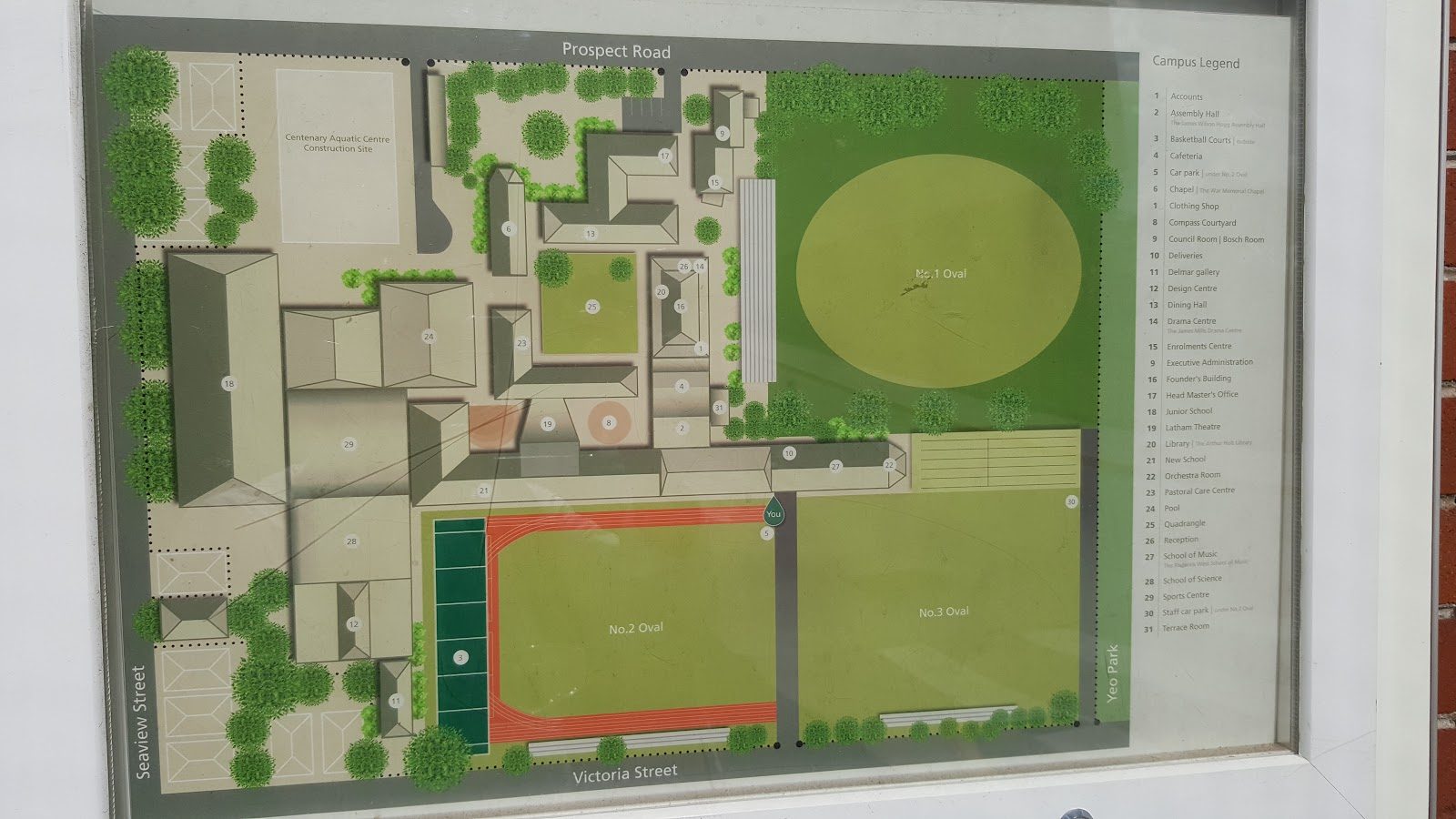
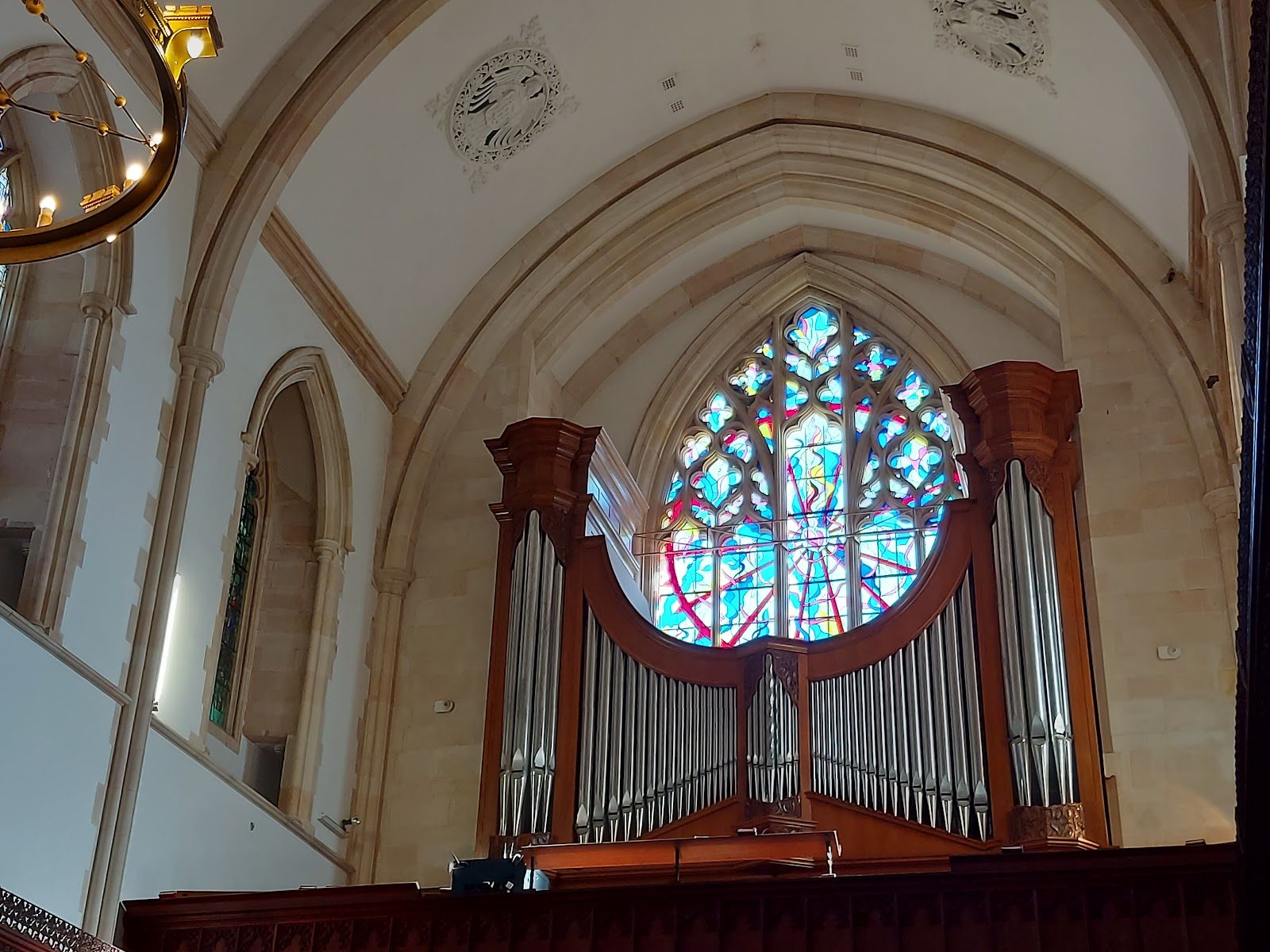
Photo © Hong Lam via Google Maps
Type
Both
Ages
11–18
Curriculum
Australian HSC · IB (Diploma)
Ratio
11:1
The Verdict
Editor's commitment
Right for
Boys 11–18 who want an Inner West day school with Anglican structure and a real HSC-or-IB Diploma choice from Year 11.
Wrong for
Families wanting co-education, a secular ethos, or schooling before 11; Trinity is a boys’ school in Summer Hill founded in 1913.
Watch out for
Average annual day fees run to AUD 37,481, and the school does not publish headline academic results in the information here.
Ranking breakdown
Trinity Grammar School Sydney · #1111 of 1591
Composite score 60.8. 8 weighted criteria.
By criterion
Academic Outcomes
Weight 20%
#1085
of 1529 scored
University Placement
Weight 16%
#1089
of 1529 scored
Prestige & Heritage
Weight 12%
#1071
of 1571 scored
Alumni Network
Weight 12%
#878
of 1530 scored
Facilities
Weight 12%
#1103
of 1533 scored
Transparency & Communications
Weight 8%
#1100
of 1532 scored
Peer & Industry Review
Weight 10%
#1000
of 1548 scored
Admissions Selectivity & Demand
Weight 8%
#837
of 1529 scored
Peer & Industry Review
How Trinity Grammar School Sydney is regarded in the sector
68
Respected · medium confidence
Trinity Grammar School Sydney is consistently included in Australian media rankings of leading independent boys' schools (e.g., Sydney Morning Herald and The Australian coverage of HSC results and top-performing schools), and is regularly benchmarked among Sydney's established GPS (Greater Public Schools) competitors alongside Scots College, Newington, and Sydney Grammar. It has a recognisable alumni network in business, sport, and public life reported in Australian press, though it receives less international or specialist-press attention (e.g., Tatler, Good Schools Guide) than the very top-tier globally recognised institutions.
Evidence sources
Editors' overview
What marks Trinity Grammar School Sydney out is not its rhetoric but its structure: in Summer Hill, this boys’ school gives Year 11 students a genuine choice between the Australian HSC and the IB Diploma, and it has done so since 1998. That matters. In a market where many schools force families into one senior pathway, Trinity keeps two distinct academic routes open inside one school. For the right student, that is a serious advantage. The school covers ages 11 to 18, teaches in English, and charges an average annual day fee of AUD 37,481 across the full ladder. That places it in the expensive end of the Sydney day-school market, but not in absurd territory for a long-established independent school with a full secondary offering.
The other point of difference is the blend of academic ambition and institutional weight. Trinity was founded in 1913, and the school’s own language is blunt about its priorities: academic heights, pastoral care, co-curricular breadth and a clear moral framework. There is a tension here worth noting. The context supplied lists the school as non-religious, while the school itself states that it stands on an Anglican foundation and is shaped by a Christian ethos. Parents who want a fully secular culture need to interrogate that point directly. Parents who want a school with strong internal structure, a house system, chaplaincy, counselling and psychological services, English as an additional language support, and an obvious concern with character formation will find Trinity’s offer more coherent than many softer, vaguer rivals.
This is not the school for a child who wants a loose, experimental environment or a broad co-ed social setting. It suits boys who thrive with clear expectations, substantial co-curricular commitments, and an academic programme that builds towards a defined senior qualification. It will also appeal to families who want optionality at sixth-form equivalent level without moving schools at 16. Trinity belongs on a shortlist because it combines real academic choice, established infrastructure and a disciplined, traditional frame in a part of Sydney where those things still carry weight. The best fit is a boy who is capable, busy, resilient and comfortable in a school that expects him to engage fully rather than drift.
Academic Performance
Trinity at least gives parents a direct route to the numbers: the school maintains a dedicated results page for its senior pathways, which is more than can be said for rivals that bury outcomes in marketing copy. That baseline transparency matters. It also tells you where the school wants scrutiny to land — on external examinations, not vague claims about “holistic” success. The dual-track structure raises the bar internally. A school running both senior routes needs serious academic organisation, strong guidance and clean subject counselling, because families are making a consequential choice before the final two years. Trinity’s public emphasis on “Learning Pathways”, extension and support, careers advice, and a named academic leadership structure fits that demand. This is an exam-facing school with a deliberate senior architecture, not a place that treats the final years casually.
The limitation is plain: we have not seen aggregate HSC or IB statistics in the public domain from the extracts here, so no responsible editor can place Trinity precisely against Sydney’s top academic performers on raw results alone. That gap matters. For a school that puts academic ambition near the centre of its identity, published headline outcomes are the evidence that counts. Even so, the underlying read is clear. Trinity belongs in the conversation with strong mainstream independents rather than lightweight all-rounders; the school has built the structures, pathways and academic support of a properly competitive senior school. Parents who want hard proof of elite standing need the school’s latest published results page, not aspiration.
Facilities
Facilities are a strength here, and the list has more substance than the token theatre-and-pitch package many old schools trade on. Trinity runs distinct preparatory, junior, and middle/senior campuses, plus a dedicated field studies centre at Woollamia. That matters because it expands the school’s working footprint beyond a single urban site and gives outdoor learning a proper base rather than a borrowed camp model. Add the Delmar Gallery, library services, technology and innovation provision, a health care centre, counselling and psychological services, chaplaincy, English additional language support, and a structured house framework, and the picture is of a thickly resourced institution built for full days, not narrow classroom delivery. The current renewal project also signals continued capital spending rather than complacent stewardship.
Against Sydney peers, that puts Trinity above schools that offer strong teaching but thinner infrastructure around it. The field studies centre is the clearest differentiator: many competitors organise trips; fewer control their own specialist site. The gallery and archives add cultural weight that boys’ schools with a purely athletic identity often lack. What Trinity does not advertise in these extracts is equally important. We have not seen the hard detail parents increasingly expect at the top end: named performing arts venues, standout sports complexes, design labs, or science facilities described with precision. So the verdict is institutionally substantial rather than flashily equipped: a school with serious operational depth, strong welfare infrastructure and a broader physical estate than many rivals, but without the arms-race swagger some peers now push.
But prestige at the very top demands numbers and outcomes that close the argument
Prestige
Trinity carries real Sydney independent-school weight, but its prestige sits in the second category below the handful of institutions that dominate national shorthand. That is not a slight. It reflects a school with a long-established name, a substantial alumni culture, visible institutional confidence and the kind of campus infrastructure that includes a dedicated field studies centre, gallery, archives and a named renewal project. Schools do not build that ecosystem without money, continuity and demand. The average annual day fee of AUD 37,481 also places Trinity firmly in the expensive professional-class bracket: this is not a marginal player trying to buy status through glossy branding. It already has social recognition among families who know the Sydney market.
Why not rate it at the absolute summit? Because top-tier prestige rests on a mix of social cachet, academic proof and scarcity value, and Trinity’s public case is stronger on heritage, culture and institutional depth than on indisputable headline dominance. The school’s membership of the International Boys’ School Coalition adds to that profile, and the partnership with Meriden gives it another layer of establishment credibility. But prestige at the very top demands numbers and outcomes that close the argument. We have not seen those here. So the fair verdict is high prestige, not untouchable prestige: a serious old-line school with strong name recognition, a traditional inner-ring identity and the confidence of a place that has held its ground for generations.
The distinctive feature is the way Trinity joins hard academic choice to a tight pastoral machine inside one secondary school
Communications
Trinity communicates like a school that expects parents to stay inside a structured system. The public-facing website is busy but functional: core parent tasks sit in plain view, including fee payment, term dates, uniforms, calendars, transport, event bookings and enrolment steps. More important is the architecture behind it. Trinity runs both an InSite portal and a parent portal through its app, which signals a proper operational backbone rather than ad hoc email traffic. The school also gives parents multiple formal entry points — tours, open days, prospectus requests and direct enrolment contact — so access is not hidden behind a registrar’s gatekeeping. That matters at a large, process-heavy institution. A school with several campuses and a broad co-curricular load needs disciplined communication systems, and Trinity has built them.
The tone is less impressive than the mechanics. Public copy leans hard on ethos and identity, with plenty of institutional language about character, spirit and growth. Some parents will find that reassuringly clear; others will find it formulaic. What counts more is whether the school publishes practical information cleanly, and here Trinity does enough to inspire confidence. Named sections for pastoral care, wellbeing, support services, learning pathways and student advice tell parents where responsibility sits. The dedicated results page also shows a school that knows parents want outcomes, not just values language. The verdict: orderly, centralised and competent communication, stronger on structure than warmth, and well suited to families comfortable with systems, portals and a school that runs on institutional rhythm rather than intimacy.
Uniqueness
What sets Trinity apart is not old-school polish or boys’ school ritual. Plenty of schools have that. The distinctive feature is the way Trinity joins hard academic choice to a tight pastoral machine inside one secondary school. Students are not funnelled down a single senior route and left to sink or swim; the school has built visible support around the decision point, with named learning pathways, careers and student pathway advice, extension and support, English additional language provision, counselling, chaplaincy and a house structure that gives the place a firm internal scaffold. That combination matters for adolescents who are capable but uneven, ambitious but not identical. Trinity’s model accepts that boys in the same cohort do not all need the same final runway.
The other point of difference is the school’s insistence on formation as well as performance. “Growing Good Men” is not subtle branding; it is the organising idea. For some families that will read as bracingly clear. For others it will feel too prescribed, especially alongside smartphone delay policies, chaplaincy and a moral vocabulary rooted in character. Either way, the school is not vague about the kind of conduct and identity it wants to cultivate. Students get a more structured adolescence than they would at a loose, laissez-faire school: more adult oversight, more expectation to participate, more pressure to contribute beyond the classroom. For the right boy, that brings confidence, range and discipline. For the wrong one, it will feel constraining.
In a market where many schools force families into one senior pathway, Trinity keeps two distinct academic routes open inside one school
Student Profile
The best fit is a boy who can handle structure without chafing at it. Trinity’s public language leaves no doubt: this is a school that prizes character, adult guidance and purposeful busyness. Boys who do well here will not want a low-friction adolescence. They will cope with a school day shaped by houses, chaplaincy, wellbeing systems, co-curricular expectations and close pastoral oversight. The student who thrives is steady under pressure, responsive to authority and willing to be known by staff rather than disappear into the crowd. A self-starter who also accepts direction will get more from Trinity than a contrarian who resists institutional rules on principle.
It also suits boys with range. The school builds around more than classroom performance, so the strongest match is not a narrow exam machine but a student who can juggle academics with sport, arts, service or wider school commitments. Families who want a disciplined, traditional environment for adolescence will find a clear social fit. Families looking for a looser, more experimental culture will not. Nor is this the right setting for a boy who wants co-educational daily life or minimal moral framing. Trinity asks students to buy into a collective idea of conduct and contribution. For boys who want that firm scaffolding and can carry a full, demanding schedule, it is a strong match.
The school covers ages 11 to 18, teaches in English, and charges an average annual day fee of AUD 37,481 across the full ladder
Co-curricular strengths
Arts & sport, on a separate axis
Overall 8.66/10
Scored 0-10 from the school's own published evidence. This axis is editorial-only — it does not feed the main WTS ranking.
Sports
9.5/10
Absolute athletic powerhouse in the Southwest CAS league, utilizing state-of-the-art indoor pavilions, pools, and pristine turf layouts.
Drama
8.5/10
High-quality seasonal theater tracker staging complex, technically demanding productions inside the modern Delmar Gallery theater.
Dance
7.5/10
Strong afternoon performance track providing core choreography assets for major collaborative musical theater shows.
Music
9/10
Outstanding musical depth; features the renowned Trinity Choir alongside active jazz ensembles and symphonic bands.
Visual Arts
8.8/10
Exceptional art school infrastructure running top-tier advanced studios for architecture, fine oil painting, and high-end digital photography.
Editor-verified · 8/7/2026
Strengths
- +IB Diploma and Australian HSC pathways available
- +11:1 student-teacher ratio allows more individual attention
- +Average class size 22 is relatively contained
- +Ages 11–18 suits families seeking secondary continuity
Considerations
- −Summer Hill location may limit commute flexibility
- −English-only instruction may not suit non-English speakers
- −Non-religious ethos may not suit faith-based preferences
Availability
Primary entry gate & tests
Academic Record + Interview
Gallery
Photo © Peter hassapis via Google Maps
Photo © Harry Protopsaltis via Google Maps
Photo © Victor Ramanauskas via Google Maps
Photo © Michael Evtushenko via Google Maps
Parent reviews
Have you sent your child here?
Voice reviews carry the strongest trust badge — we transcribe them for you to tidy up before they go live. Prefer to type? A written review is fine too.
Add your voice
In 60 seconds, tell other parents: what's the best thing about Trinity Grammar School Sydney, and what surprised you when your child joined?
We ask for a Google sign-in so every review has a real face behind it — no anonymous drive-by attacks on schools, and no faked positive reviews. Your email is never shown publicly.
Send this profile to a friend
International parents rely on word-of-mouth. Share this review with someone weighing the same decision.
Schools with places
Similar schools to Trinity Grammar School Sydney with places available now.
The King's School (Parramatta)
Parramatta · Australia
- 2026-27
- WAITPOOLVacancy-dependent
- 2027-28
- PLACES OPEN
Pymble Ladies' College
Sydney · Australia
- 2026-27
- WAITPOOLVacancy-dependent
- 2027-28
- PLACES OPEN
Ascham School
Sydney · Australia
- 2026-27
- WAITPOOLVacancy-dependent
- 2027-28
- PLACES OPEN
Sydney Grammar School
Sydney · Australia
- 2026-27
- WAITPOOLYr 7 closed; Yrs 8-11 enquire
- 2027-28
- WAITPOOLYr 7 closed; Yrs 8-11 enquire
Availability first, then country, area, curriculum, price, co-curricular
Consider also
Also worth looking at alongside Trinity Grammar School Sydney.
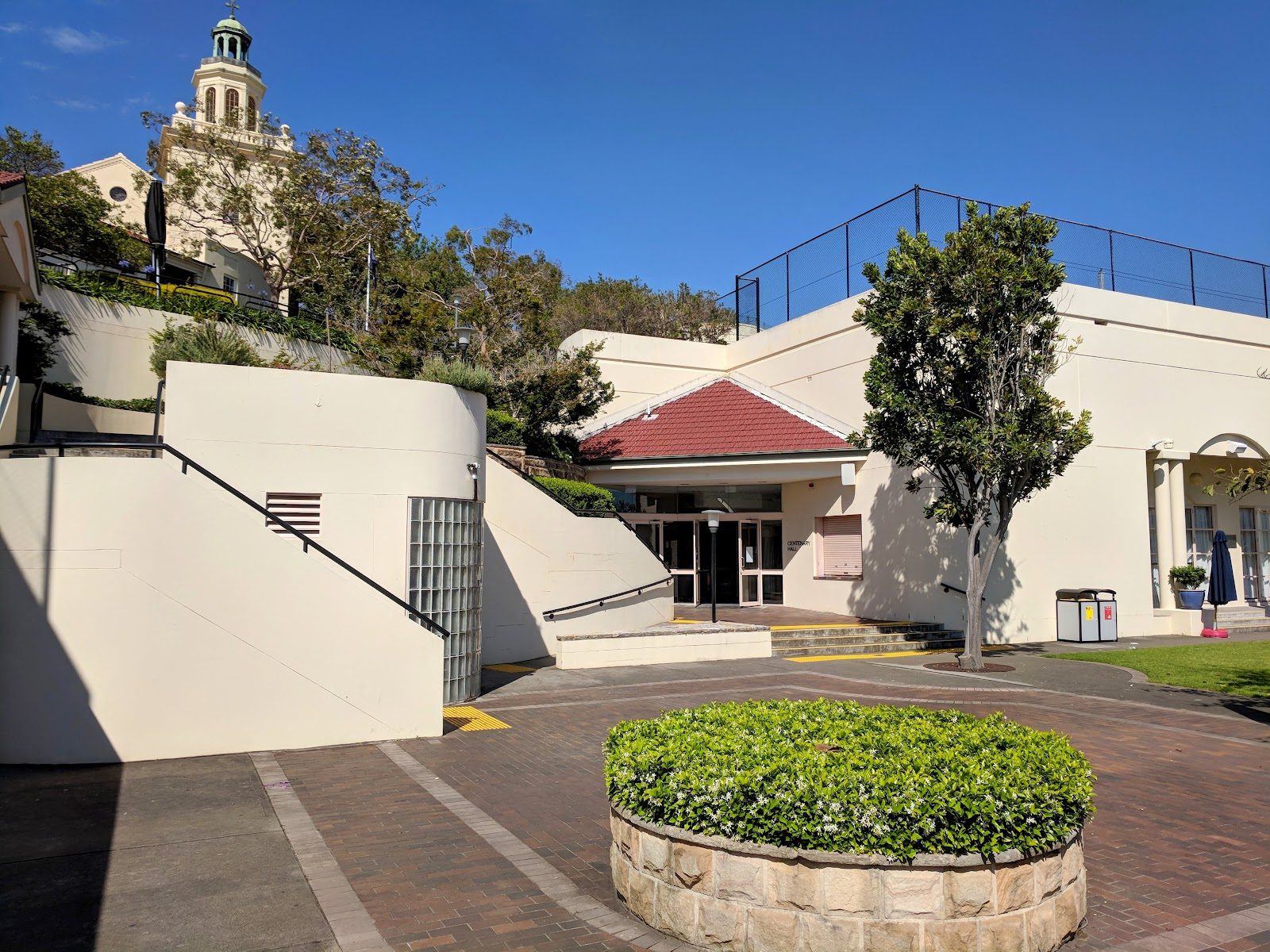
Loreto Kirribilli
Kirribilli · Australia
On Sydney Harbour since 1908, its chapel tower once guided sailors--now it anchors a top-performing Catholic girls' school.
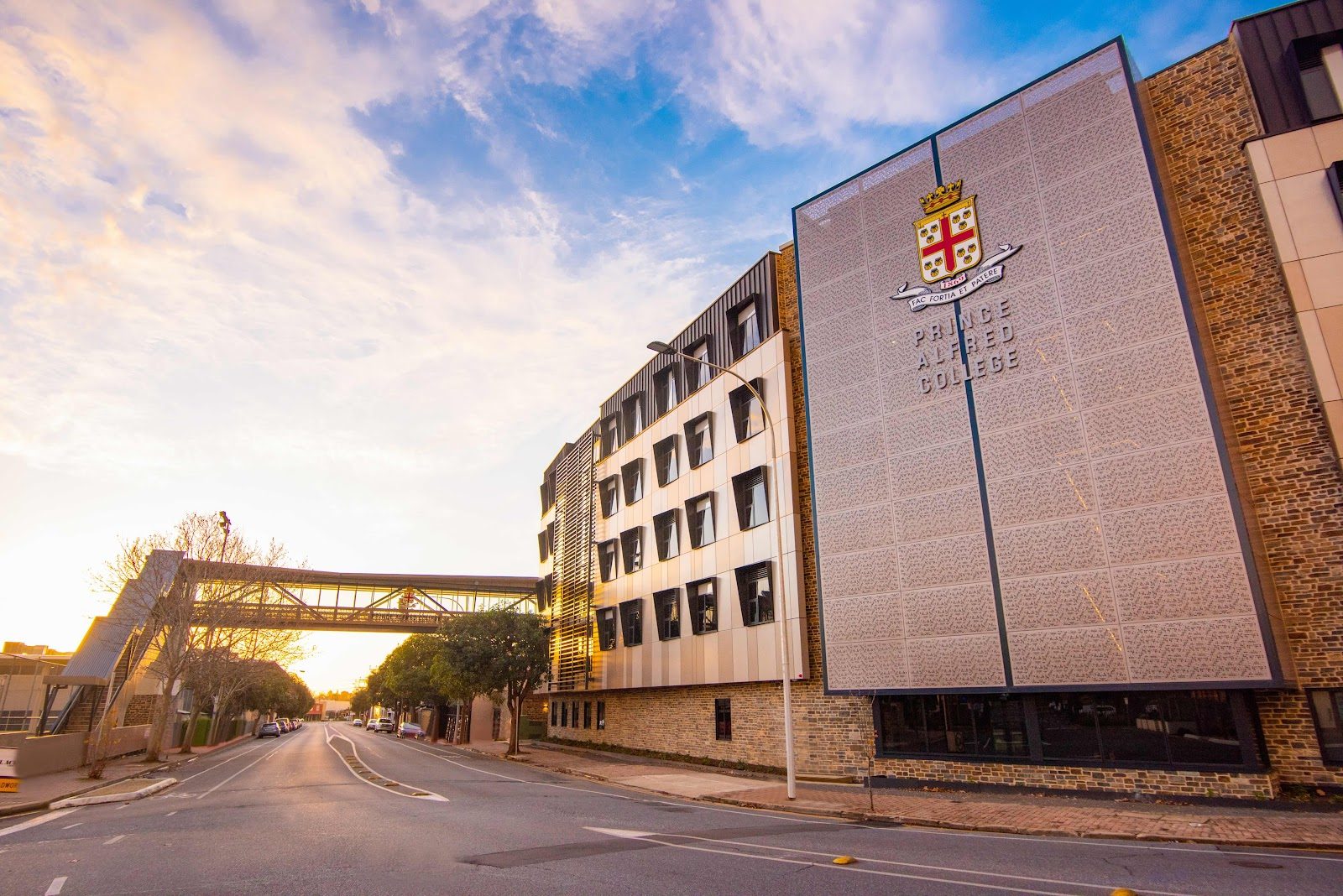
Prince Alfred College
Adelaide · Australia
A Duke laid its 1867 foundation stone; today this Adelaide college ships Year 9 boys to riverside and peninsula campuses for a term outdoors.
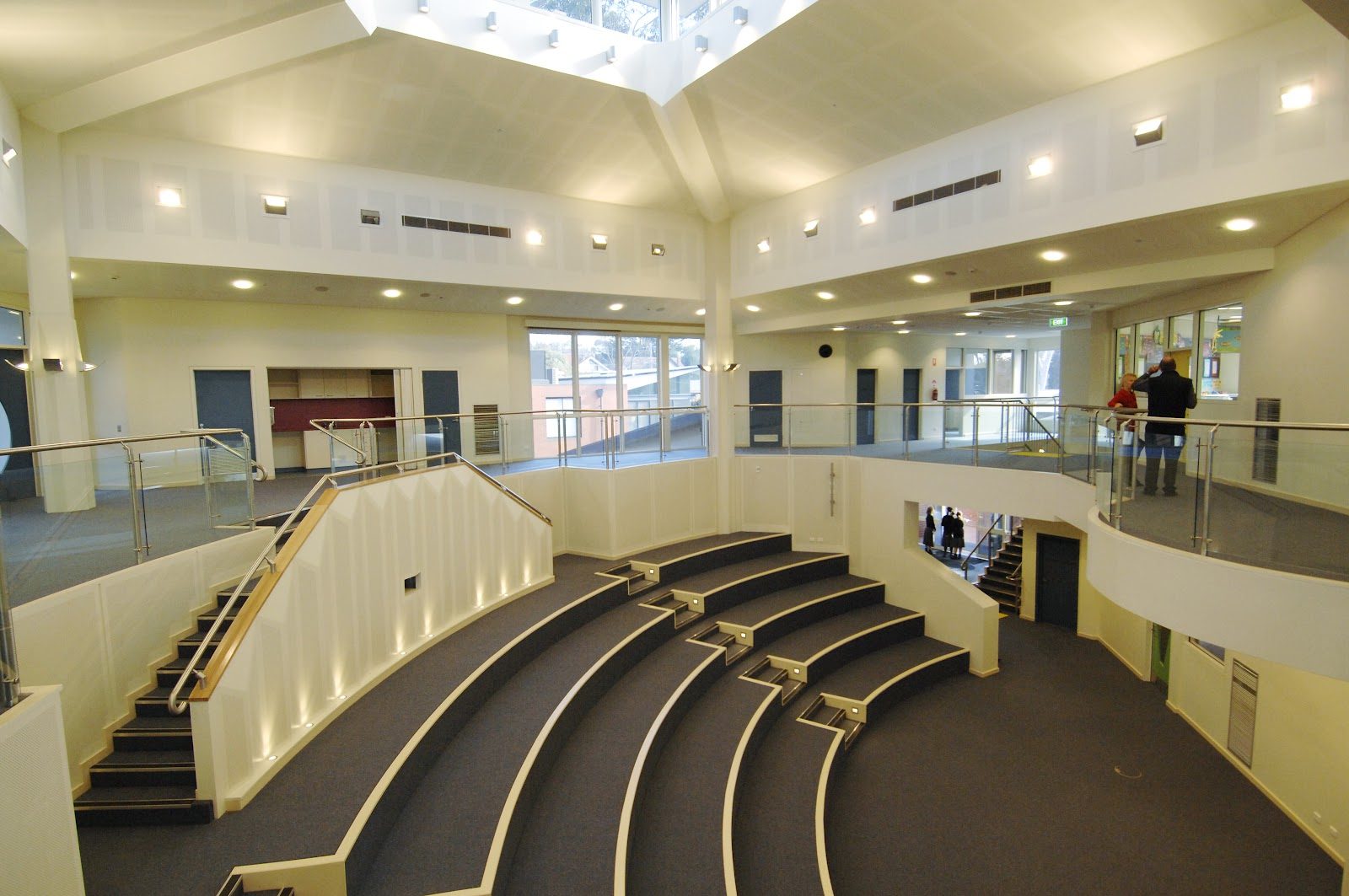
Ivanhoe Grammar School
Melbourne · Australia
A Year 9 campus embedded at La Trobe University anchors a Round Square network across Melbourne's north, offering both VCE and IB pathways.
Guildford Grammar School
Guildford · Australia
Beside the Swan River since 1896, a heritage boarding school that has produced more Rhodes Scholars than any other in WA.
Same country and curriculum — closest matches within ±10 points either way