
Ohio
Saint Ignatius High School
low confidence· 1/6 cats · 3.33 avg sourcesA Gothic-revival Jesuit landmark in Cleveland's Ohio City, pairing rigorous college prep with a four-year theology core.
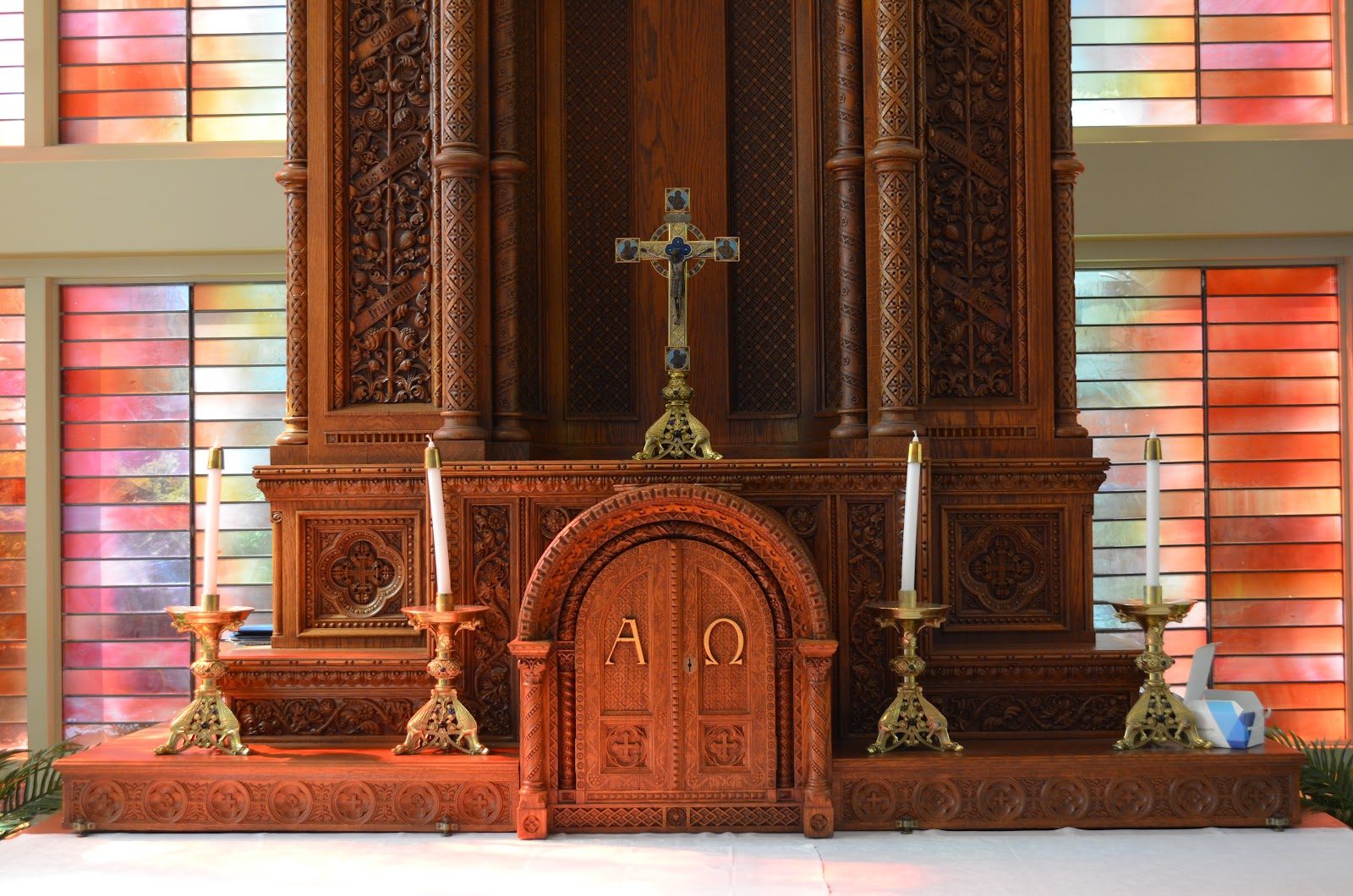
Photo © Saint Ignatius High School via Google Maps
Type
Day
Ages
14–18
Curriculum
American
Qualifications
US High School Diploma
Ratio
1:12
The Verdict
Editor's commitment
Right for
Boys aged 13–18 who want a Catholic, Jesuit day school in Cleveland with a 1:12 ratio and explicit theology-heavy formation.
Wrong for
Girls, secular families, and students who want co-education or boarding: Saint Ignatius is all-boys, Catholic and day-only, founded in 1886.
Watch out for
NAIS accreditation and a 1:12 ratio are solid; public data on academic outcomes is thin, so parents must press for hard results.
Ranking breakdown
Saint Ignatius High School · #823 of 1591
Composite score 63.4. 8 weighted criteria.
By criterion
Academic Outcomes
Weight 20%
#513
of 1533 scored
University Placement
Weight 16%
#459
of 1529 scored
Prestige & Heritage
Weight 12%
#373
of 1580 scored
Alumni Network
Weight 12%
#1378
of 1530 scored
Facilities
Weight 12%
#474
of 1540 scored
Transparency & Communications
Weight 8%
#438
of 1547 scored
Peer & Industry Review
Weight 10%
#455
of 1564 scored
Admissions Selectivity & Demand
Weight 8%
#547
of 1529 scored
Peer & Industry Review
How Saint Ignatius High School is regarded in the sector
71
Respected · medium confidence
Within the Jesuit Schools Network, Saint Ignatius is regarded as a flagship institution, frequently mentioned alongside St. Xavier (Cincinnati) and other Jesuit peers for its debate and athletic pedigree rather than experimental curricula. Regional university admissions offices in Ohio and the Midwest routinely cite its graduates as well-prepared, disciplined applicants, consistent with its reputation among Catholic college-prep rivals. Independent education press coverage is modest compared to national boarding schools; commentary tends to appear in Catholic education outlets (America Magazine, NCEA materials) and local Cleveland press (cleveland.com school rankings, Niche.com) rather than WhichSchoolAdvisor or Good Schools Guide, reflecting its status as a strong regional day school rather than an internationally benchmarked institution. Its national profile rests substantially on competitive debate results recognized within NSDA circuits and its football program's Ohio championship history, both of which give it visibility among peer Jesuit and Catholic schools disproportionate to its broader academic marketing.
- Don King — Boxing Promoter/Founder, Business
- Tim Russert — Journalist, Media - Meet the Press
- Austin Carr — NBA Player, Sports
Editors' overview
Saint Ignatius High School occupies a distinct place in Cleveland: an all-boys Catholic Jesuit day school with scale, history and a clear formation agenda. Founded in 1886, it is not a boutique operation. Enrolment sits at 1,400, the alumni network at 21,000, and the school’s public identity rests on the Jesuit idea of forming “Men for Others”. That phrase can turn hollow in weaker schools; here it is backed by a full institutional structure — a four-year theology core, service, spiritual formation and a campus culture built around male adolescence rather than around a co-educational compromise. The market position is straightforward: this is a serious American college-preparatory school for families who want intellectual discipline tied to Catholic formation, not merely adjacent to it.
What lifts Saint Ignatius onto a shortlist is the combination of depth and infrastructure. The school publishes a 1:12 student-teacher ratio, states that 93% of faculty hold advanced degrees, and points to substantial tuition assistance of $6.6 million. That matters. It signals a school with real staffing strength and a budget capable of sustaining academics, arts, athletics and pastoral life at scale. The Gothic-revival setting adds ceremony and weight; the Jesuit frame adds moral seriousness. Parents who want a school with institutional confidence, broad extracurricular provision and a defined religious mission will find substance here. Parents who want a secular environment, a progressive pastoral vocabulary, or a looser relationship with authority will not.
The right student for Saint Ignatius is a boy who will thrive in a structured, tradition-minded, high-expectation culture. He does not need to be narrowly pious or narrowly academic, but he does need some appetite for discipline, community standards and visible participation. The school sells a life that reaches beyond lessons — leadership, sport, arts, service and faith — and that breadth suits boys who want a full secondary-school experience rather than a transactional route to university. For the right family, that mix has clarity of purpose, deep-rooted identity and old-school ambition. For the wrong one, it will feel confining. That distinction is exactly why Saint Ignatius is worth serious consideration.
Academic Performance
Saint Ignatius gives a strong account of academic seriousness, but it does not publish the kind of outcome data that lets parents place it cleanly against top US Catholic or independent-school peers. We have not seen aggregate SAT or ACT averages, AP participation and score distributions, National Merit totals, or university matriculation breakdowns by destination tier. That is a real gap. For a school with this level of confidence and scale, the absence of public external-results reporting leaves parents to infer quality from inputs rather than judge it from outputs. Those inputs are still substantial: a low staffing ratio, 93% of faculty holding advanced degrees, and a college-preparatory programme inside a discipline-heavy, mission-driven institutional culture. That combination usually produces solid attainment; the school does not prove it in public with enough precision.
Relative to peers, Saint Ignatius fits best in the bracket of large, academically serious Catholic boys’ schools with deep institutional muscle and a broad sixth-form-equivalent experience rather than in the small set of US independents that publish reams of performance data and court comparison. The school’s scale, alumni reach and staffing strength point to a high-functioning academic operation, not a marginal one. But parents comparing selective day schools at the top end should ask direct questions: AP breadth, top-score rates, standardised testing patterns, college destinations over multiple years, and subject-level strength in maths, sciences and writing. Until those figures are disclosed, Saint Ignatius remains credible but opaque on academic performance.
Facilities
The campus itself is one of Saint Ignatius’s strongest assets. The school’s Gothic-revival setting gives it real architectural authority and a sense of permanence that many American Catholic schools, housed in piecemeal suburban builds, do not match. More important than style, the estate supports a full secondary-school life rather than a narrow academic day: athletics, arts, service activity and faith formation all sit inside one institutional frame. The school plainly has the capacity to run at scale, and that matters for facilities. A student body of 1,400 needs proper circulation, specialist teaching space and robust shared areas; this is not a small campus where breadth exists only on a prospectus. Parents looking for a thin, improvised operation will not find one here.
Against peers, Saint Ignatius stands above the average diocesan high school on infrastructure and breadth, and closer to the stronger end of the US Catholic independent market. The school points to countless opportunities across sport, the arts and clubs, and that breadth only works when rooms, halls, playing spaces and support areas exist in sufficient quantity. We have not seen the kind of room-by-room facilities inventory that top independent schools publish, so there is a limit to precision here: no detailed theatre specification, no public fine-arts complex summary, no published science-lab count. That lack of granularity keeps Saint Ignatius short of the hyper-documented top tier. Still, the physical plant reads as *substantial, confident and built for immersion*, not as an afterthought.
Saint Ignatius High School occupies a distinct place in Cleveland: an all-boys Catholic Jesuit day school with scale, history and a clear formation agenda
Prestige
Saint Ignatius carries real prestige in its market: not national-brand glamour, but deep-rooted local authority and the kind of standing that matters in one city and one alumni network over decades. This is an old Jesuit institution with scale, a conspicuous physical presence and a public identity that is disciplined rather than fashionable. The all-boys model sharpens that identity. So does the Catholic frame. Families are not buying generic college preparation with chapel attached; they are buying entry into a high-definition institutional culture with clear expectations about formation, conduct, service and belonging. The alumni base — 21,000 strong — matters here. It gives the school reach, memory and social durability. In Cleveland, that carries weight.
I rate its prestige as strong rather than universal because the school’s reputation rests on institutional seriousness, not on publicly documented academic supremacy. The brand is powerful among families who value Jesuit education, male formation and a dense extracurricular life, and less powerful among parents chasing the most nationally legible outcome data or the status language of elite secular independents. The school’s visible confidence, broad provision and substantial tuition support — $6.6 M — reinforce a sense of established clout. So does a faculty body in which 93% hold advanced degrees. That is a serious signal. The limitation is simple: prestige built on history, mission and network is persuasive; prestige built on transparent external results is stronger. Saint Ignatius has the former in abundance and the latter in short supply.
That lack of granularity keeps Saint Ignatius short of the hyper-documented top tier
Communications
Saint Ignatius communicates with parents through a *clear, high-frequency institutional voice* rather than through polished intimacy. The public-facing site is segmented cleanly for “Parents & Guardians”, with calendar access, news stories, event notices and a strong sense that family participation matters. That matches the school’s culture: this is a place that expects parents to attend, volunteer and buy into the mission, not just pay fees and wait for reports. The breadth of campus life also helps communication by giving families multiple points of contact — academics, faith life, service, arts and sport all generate their own rhythms of information. For a school of 1,400, that matters. Large schools can drift into fragmentation. Saint Ignatius works hard against that risk by keeping the message *coherent, mission-led and unmistakably institutional*.
The limitation is tone. The school communicates values and belonging more strongly than it communicates scrutiny-ready detail. Public messaging leans heavily on formation language, community sentiment and testimonials, with less hard operational information than exacting parents may want at first glance. We have not seen a rich public archive of academic reporting, parent handbooks surfaced prominently, or a sharply data-led explanation of outcomes and school performance. That does not make communication weak; it makes it selective. Parents who want a *disciplined, old-school home-school compact* will read that as strength. Parents who want forensic transparency and a dashboard of evidence will find the communications style less satisfying.
Uniqueness
What marks Saint Ignatius out is not one feature in isolation but the tight integration of several: an all-boys setting, Jesuit formation, serious scale, and a school day built around more than classroom performance. Many schools claim to develop character. Saint Ignatius hardwires that claim into the institution’s design. Theology is not a decorative add-on. Service is not a one-off charity gesture. Spiritual formation, leadership, sport, arts and brotherhood all sit inside the same high-control, high-expectation culture. The result is a school with a distinct male formation agenda: not merely getting boys into university, but training them to think about duty, conduct and responsibility in public terms. For the right student, that gives adolescence shape. He gets structure, ritual, clear standards and a strong sense that school belongs to a moral tradition larger than himself.
The other point of difference is scale with coherence. Saint Ignatius serves a large student body without reading like a generic mass-market high school. Its Jesuit identity keeps the place from becoming diffuse, while its resources give boys room to try things seriously rather than symbolically. The school’s 1,400 pupils and 21,000-strong alumni base create reach, memory and opportunity; the stated $6.6 M in tuition assistance also widens access beyond a narrow social slice. What students gain from that mix is institutional depth: more activities, more peers, more adult support, and a network that extends well beyond graduation. What they do not get is looseness. This is a tradition-minded, mission-led school that asks boys to submit to a defined culture.
Enrolment sits at 1,400, the alumni network at 21,000, and the school’s public identity rests on the Jesuit idea of forming “Men for Others
Student Profile
The right boy for Saint Ignatius wants structure and can live inside it without constant friction. This school suits students who respond to adult authority, clear expectations and a moral vocabulary that is explicit rather than optional. He does not need to arrive as a model Catholic or a polished scholar, but he does need the capacity to engage with theology, service, communal ritual and a culture that treats character formation as part of the core job. The all-boys setting sharpens the social atmosphere: energetic, collective, competitive and at times old-school. Boys who like belonging to something larger than themselves tend to do well here. Boys who resist conformity, dislike public expectations or want maximum personal latitude will find the environment confining.
This is also a school for boys who want a full institutional life, not just lessons and a transcript. With 1,400 students and more than 20,000 alumni, Saint Ignatius offers social range, visible tradition and plenty of ways to attach yourself to the place. That breadth helps students who want sport, arts, clubs, service and faith to sit alongside academics rather than compete with them. The best fit is a student with stamina, some social confidence and a willingness to show up across the day, not just in class. Quiet boys can thrive here too, but only if they are willing to participate. The school rewards boys who accept a demanding communal culture and who want adolescence to have shape, standards and purpose.
What lifts Saint Ignatius onto a shortlist is the combination of depth and infrastructure
Co-curricular strengths
Arts & sport, on a separate axis
Overall 8.24/10
Scored 0-10 from the school's own published evidence. This axis is editorial-only — it does not feed the main WTS ranking.
Sports
9/10
Drama
9/10
Dance
5/10
Music
9.2/10
Visual Arts
9/10
Strengths
- +Jesuit college-preparatory school founded in 1886, with its historic Gothic-style main building listed on the National Register of Historic Places since 1974.
- +Recognized by the U.S. Department of Education as a Blue Ribbon School, reflecting formal federal recognition of academic performance.
- +Offers a broad Advanced Placement program alongside 16 interscholastic sports and roughly 100 non-academic clubs, giving students wide extracurricular choice.
- +More than half of students receive need-based tuition assistance, and merit scholarships are awarded to top scorers on the entrance exam, widening access beyond wealthy families.
- +Long-established alumni network spanning law, politics, business and the arts, including U.S. Congressman Ted Lieu and Adobe co-founder Charles Geschke.
Considerations
- −All-boys institution, which rules out the school for families seeking a coeducational environment for their children.
- −Day school only with no boarding option, making it impractical for relocating international families unless they already have local housing near Cleveland's Ohio City neighborhood.
- −Entry is gated by a competitive admissions test (the HSPT), offered only twice a year in the fall, which narrows the practical application window.
- −Annual tuition of $21,450 plus a separate $500 education fee represents a significant recurring cost for a non-boarding, single-sex school.
Availability
Primary entry gate & tests
HSPT + Interview (Boys)
Gallery
Photo © Saint Ignatius High School via Google Maps
Photo © Inkyung You via Google Maps
Photo © Andrew Michalko via Google Maps
Photo © Saint Ignatius High School via Google Maps
Photo © Luke Chesney via Google Maps
Parent reviews
Have you sent your child here?
Voice reviews carry the strongest trust badge — we transcribe them for you to tidy up before they go live. Prefer to type? A written review is fine too.
Add your voice
In 60 seconds, tell other parents: what's the best thing about Saint Ignatius High School, and what surprised you when your child joined?
We ask for a Google sign-in so every review has a real face behind it — no anonymous drive-by attacks on schools, and no faked positive reviews. Your email is never shown publicly.
Send this profile to a friend
International parents rely on word-of-mouth. Share this review with someone weighing the same decision.
Schools with places
Similar schools to Saint Ignatius High School with places available now.
Greenwich Academy
Greenwich · United States
- 2026-27
- CLOSEDRegular cycle closed
- 2027-28
- OPENS SOONOpens Sept '26
The Browning School
New York City · United States
- 2026-27
- CLOSEDConfirmed full
- 2027-28
- OPENS SOONOpens 25 Aug '26; appointments from 8 Sep
Princeton Day School
Princeton · United States
- 2026-27
- CLOSEDRegular cycle closed
- 2027-28
- OPENS SOONOpens Sept '26
Head-Royce School
Oakland · United States
- 2026-27
- CLOSEDRegular cycle
- 2027-28
- OPENS SOONOpens Sept '26
Availability first, then country, area, curriculum, price, co-curricular
Consider also
Also worth looking at alongside Saint Ignatius High School.
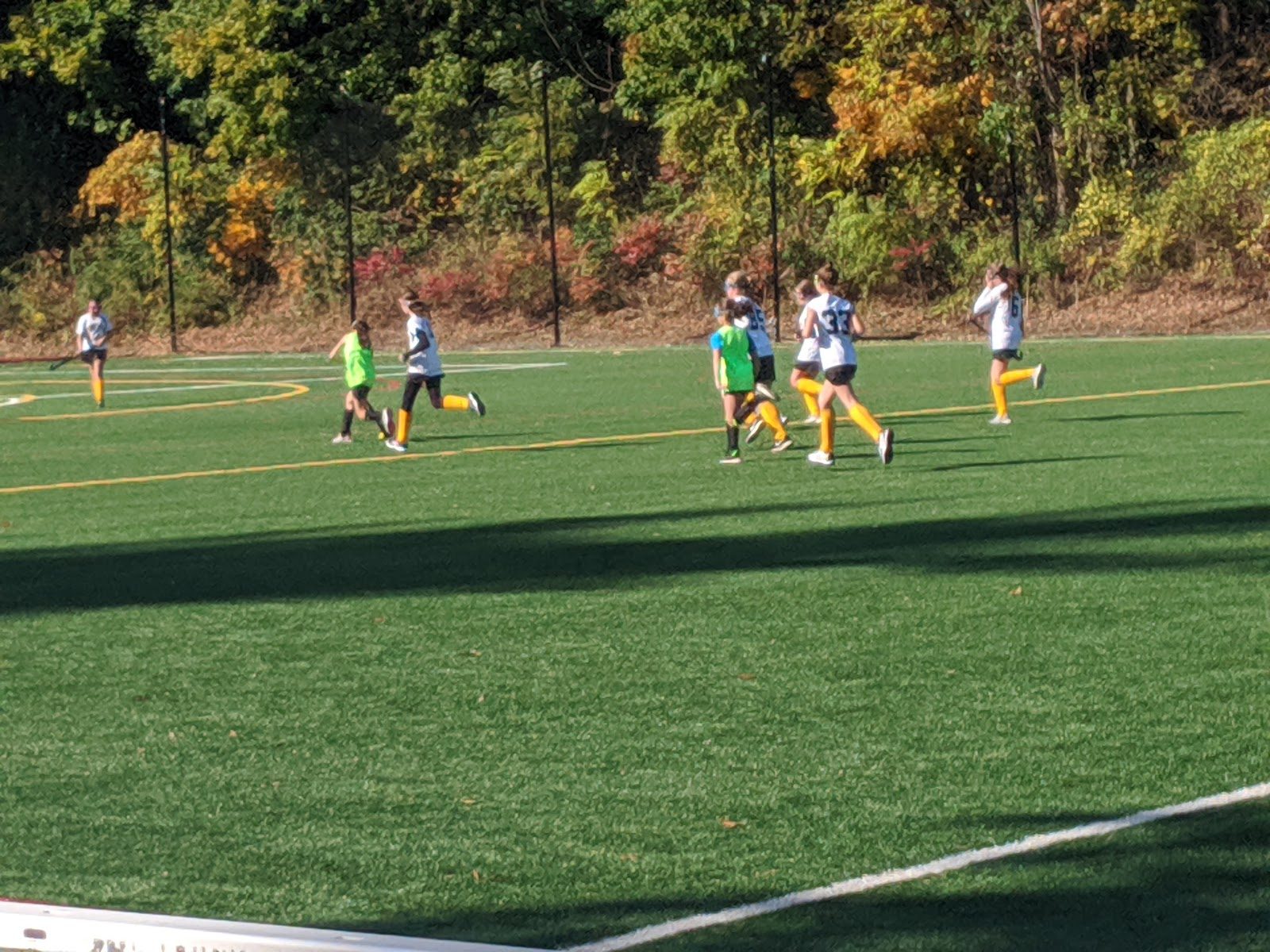
Greenwich Academy
Greenwich · United States
Connecticut's oldest all-girls school pairs single-sex grounding with coeducational upper-school classes shared alongside Brunswick's boys.

The Browning School
New York City · United States
Manhattan's only K-12 all-boys day school, expanding onto East 64th Street after nearly 140 years on the Upper East Side.
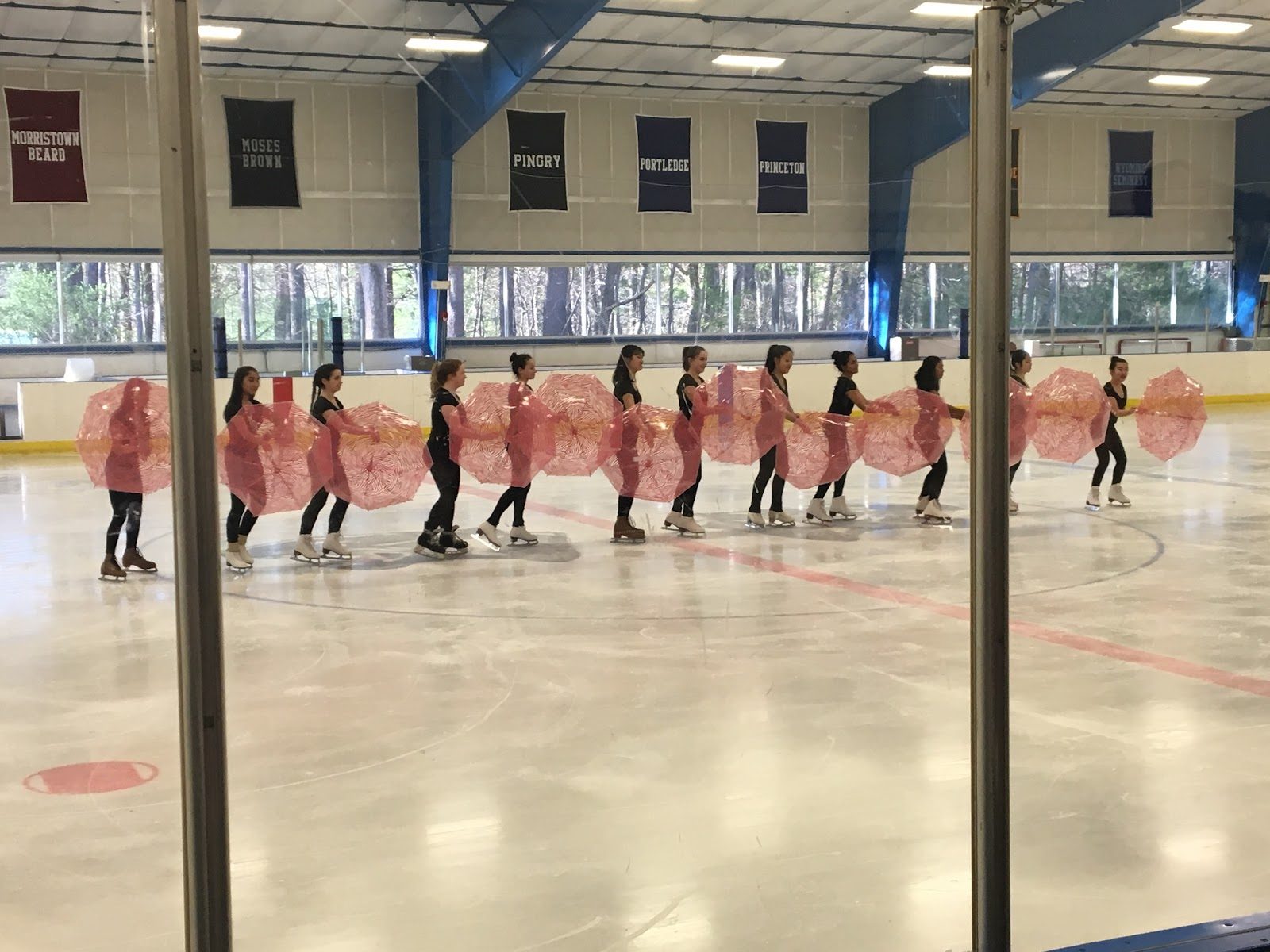
Princeton Day School
Princeton · United States
Formed by a 1965 merger of two century-old Princeton schools, pairing STEAM rigor with a rare four-year architecture program across 106 acres.
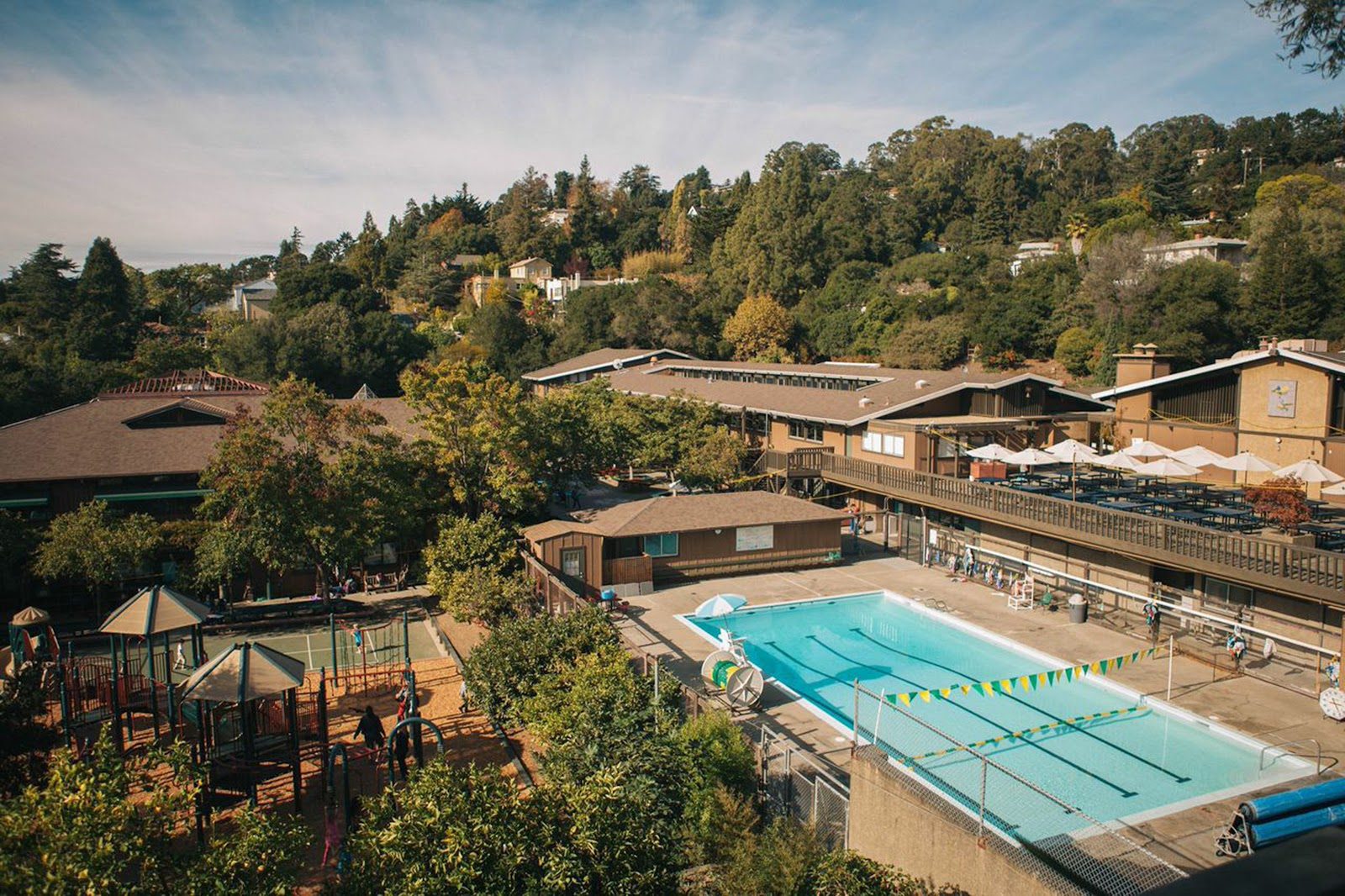
Head-Royce School
Oakland · United States
Since 1887 on a wooded Oakland hills campus, pairing rigorous scholarship with a decades-old public-school partnership that opens college doors for first-generation students
Same country and curriculum — closest matches within ±10 points either way