
New South Wales
St Joseph's College
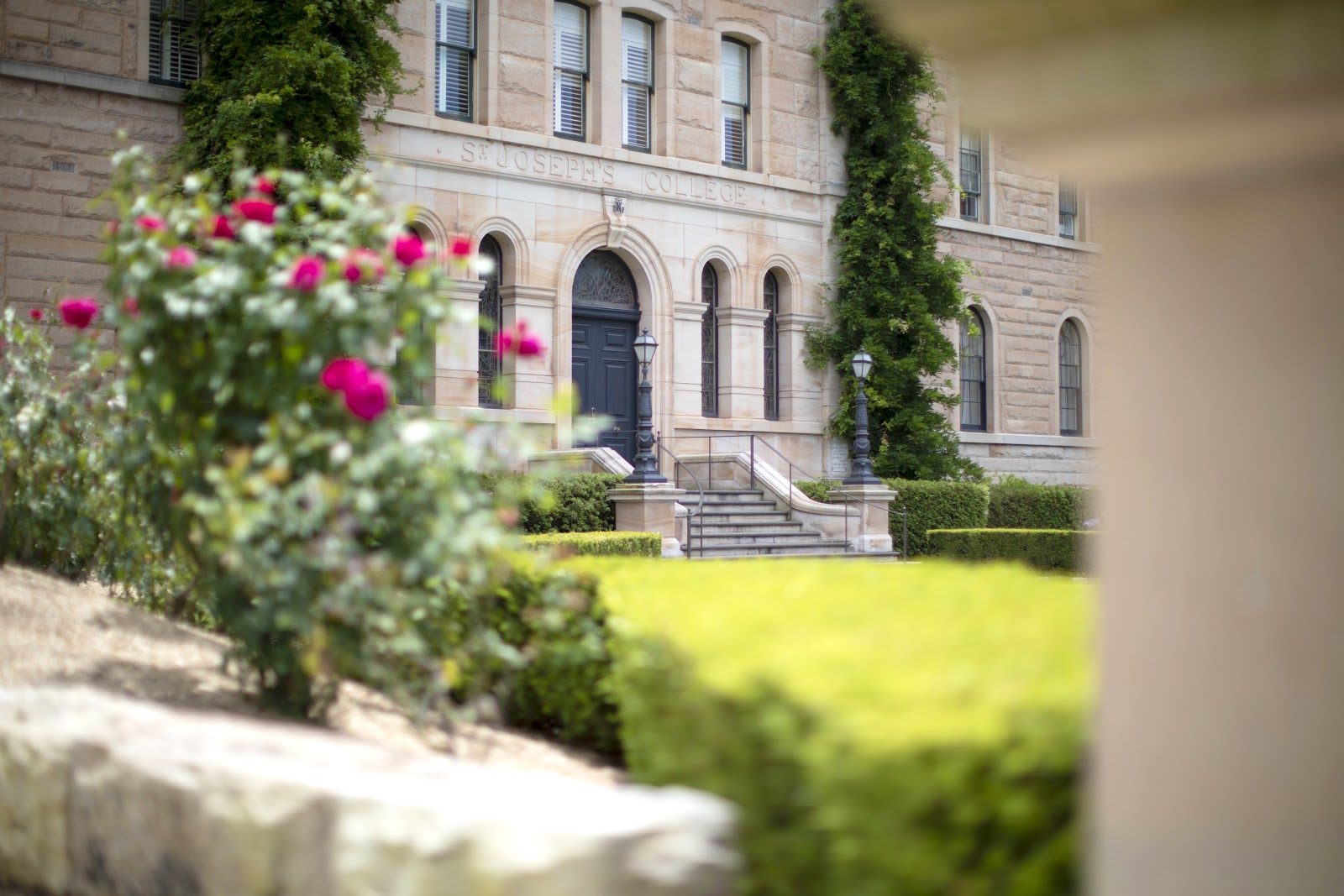
low confidence· 2/6 cats · 3.25 avg sourcesSandstone towers above Sydney Harbour house Australia's largest all-boys boarding community, blending city and country since 1881.
Type
Both
Ages
11–18
Curriculum
Australian
Qualifications
HSC
Ratio
—
The Verdict
Editor's commitment
Right for
Boys aged 11–18 who want a Catholic education at Hunters Hill, with boarding in a school founded in 1881.
Wrong for
Girls, younger children, or families wanting a co-educational sixth form: this is an all-boys school for ages 11–18.
Watch out for
Day fees average AUD 43,960 a year, and AHISA membership plus boarding scale do not hide a traditional, single-sex proposition.
Ranking breakdown
St Joseph's College · #1031 of 1591
Composite score 60.6. 8 weighted criteria.
By criterion
Academic Outcomes
Weight 20%
#791
of 1529 scored
University Placement
Weight 16%
#736
of 1529 scored
Prestige & Heritage
Weight 12%
#526
of 1571 scored
Alumni Network
Weight 12%
#1343
of 1530 scored
Facilities
Weight 12%
#654
of 1534 scored
Transparency & Communications
Weight 8%
#685
of 1532 scored
Peer & Industry Review
Weight 10%
#640
of 1548 scored
Admissions Selectivity & Demand
Weight 8%
#726
of 1529 scored
Peer & Industry Review
How St Joseph's College is regarded in the sector
68
Respected · medium confidence
Among Sydney's GPS schools, Joeys is regarded as a foundational member of the competition and a serious rival in rowing, rugby and cricket, with heads at Riverview, Scots and Newington routinely treating the Joeys-Riverview fixture as the emotional highlight of the winter season. Academic standing draws more muted comment: independent commentary and the annual HSC league tables published by the Sydney press typically place it mid-table among GPS schools, behind selective and top-tier rivals such as Sydney Grammar or Knox, a gap acknowledged even by supportive alumni commentators. University admissions offices in Sydney and Canberra know Joeys chiefly as a reliable feeder into law, medicine and commerce faculties rather than a pipeline into Oxbridge or Ivy League places. Guides such as the Good Schools Guide and local education press frame it as a values-led, Marist Catholic institution whose strength lies in pastoral formation and sport rather than academic selectivity, a reputation the school itself does not contest.
Award
Elite Sport 80
World's Top School · The Global Ranking
St Joseph's College is featured on our Global Top 80 ranking at #33. This seal is available for the school's marketing team to use on their website, prospectus and social channels.
- Chris O'Brien — Surgeon, founder of Chris O'Brien Lifehouse, Medicine
- Michael Cheika — Former Wallabies Head Coach, Sport
- Phil Kearns — Former Wallabies captain, Sport
Editors' overview
Sandstone on Sydney Harbour is the point here, but the real distinction is scale and identity. St Joseph’s College in Hunters Hill has run since 1881, teaches boys aged 11 to 18, and carries Australia’s largest all-boys boarding community. That gives it a social mix many city schools cannot replicate: day boys and boarders, metropolitan Sydney families and country families, all folded into one Catholic institution with a long-set culture. Parents looking for a co-educational, loosely structured environment should move on. This is a school with a strong tribal character, and boys who thrive in that setting tend to enjoy it enormously.
The academic offering is straightforward rather than exotic: the school declares an Australian curriculum, teaching in English, and it sits within the established independent-school world through AHISA accreditation. The draw is not curricular novelty; it is the combination of tradition, boarding scale and a very specific all-boys ethos. That will suit families who want structure, camaraderie and a school identity that extends well beyond the classroom. It will suit boys who like belonging to something larger than themselves, and who do well in a setting with visible expectations and a settled hierarchy. It will not suit every child. Boys who need a highly personalised niche environment, or who recoil from institutional culture, may find Joeys too monolithic.
The fee level places it firmly in Australia’s independent-school upper tier, with an average annual day fee of AUD 43,960 across Years 7 to 12. For that money, parents are not buying innovation or boutique intimacy. They are buying continuity, Catholic formation, a harbour-side campus in Hunters Hill, and access to a school that has been doing one thing for 1881 onward: educating adolescent boys inside a deeply traditional model. On a shortlist, St Joseph’s College belongs there for families who want boarding strength, a defined culture and an all-boys school that is unapologetically itself.
An Elite Sport 80 school
St Joseph's College Hunters Hill is at rank thirty-three on the Elite Sport 80 because it is one of Sydney's premier Great Public Schools rugby and rowing institutions, with a sustained pipeline of Wallabies, Super Rugby players and Olympic rowers over the past decade. The 1st XV competes at the top of the GPS competition, and the rowing squad regularly reaches finals at the Australian Rowing Championships and the GPS Head of the River.
The specialisms are rugby union (a formal academy model with professional coaching and links to the Waratahs and NSW Rugby), rowing (with a boathouse on the Parramatta River and a full training programme integrated into the school day), athletics, cricket, water polo and swimming. Basketball and football operate at nationally competitive schoolboy standard.
Notable alumni across codes include Bernard Foley, Jeremy Paul, Angus Bell, Rob Simmons — a rolling group of Wallabies and Super Rugby regulars from the last two decades. Rowing has produced Olympic medallists and world-championship representatives. In cricket, several current and recent NSW Blues squad members are alumni.
International openness is genuine. St Joseph's is a full Catholic boarding school with an established overseas intake — particularly from the Pacific islands, Papua New Guinea, southern Africa, Fiji and the UK — and integrated ESL and pastoral support. Fees for full boarding sit around A$50,000-55,000 per year, making it more affordable than most equivalent US boarding schools and comparable to mid-tier UK independent boarding. Admissions is a standard Catholic boarding-school process plus a sport-specific reference or trial where relevant. Australian student visas are straightforward for full-time enrolment. For a family relocating from a rugby-strong nation to Sydney and targeting a genuine Wallabies or Super Rugby pathway alongside HSC and NCAA D1 recruiting options, St Joseph's Hunters Hill is one of the top three rugby boarding schools in Australia.
Academic Performance
St Joseph’s College does not publish a clean, easily comparable set of aggregate external exam results. That matters. In a market where top Australian independents use ATAR medians, HSC band distributions or subject distinctions to signal academic position, Joeys leaves parents with an opaque academic picture. The absence of headline attainment data does not mean weak outcomes; it means the school asks families to trust reputation, culture and institutional confidence more than hard numbers. For a school of this scale and standing, that is a deliberate omission, and serious academic shoppers will notice it at once.
Relative to peers, that places St Joseph’s in an unusual bracket: prominent, established and socially formidable, but not transparent in the way the most exam-focused schools are. Schools that lead with published subject results and tertiary-entry metrics make comparison easy. Joeys does not. The academic read-across, then, has to come from context rather than tables: a selective independent boys’ school with a large senior cohort and strong internal expectations will produce a solid university pipeline, but the school does not disclose the data that would pin it precisely within Sydney’s top academic tier. If exam outcomes sit high, the school has every opportunity to say so. It has not done that. For parents who want cold academic clarity, that is the central fact.
Facilities
The campus itself is one of the school’s strongest assets. A large harbour-side site with landmark sandstone buildings gives Joeys physical presence that many Sydney independents cannot match, and that matters in daily school life as much as in photographs. For boarders, scale is the key advantage: a school with the country’s largest all-boys boarding population needs serious residential infrastructure, not token dormitory space, and Joeys has built its identity around that demand. Parents should read the estate less as boutique luxury and more as a working institutional machine: chapel, boarding houses, playing fields and communal spaces designed to absorb a big male adolescent population without feeling improvised. That is a rare operational strength.
Against peers, the clearest facilities edge lies in boarding and sport rather than in flashy specialist showpieces. Day schools with tighter urban footprints cannot replicate the same residential depth or the same sense of a self-contained world. The trade-off is equally clear. Families hunting for the sleekest contemporary campus or a visibly high-tech, architect-led academic environment will find stronger competition elsewhere in the top tier. Joeys’ physical offer is imposing, functional and tradition-heavy rather than polished to within an inch of its life. For the right boy, that is exactly the point: space, routine, mass and a campus built for belonging, not for display.
Sandstone on Sydney Harbour is the point here, but the real distinction is scale and identity
Prestige
Prestige here rests less on published academic bragging rights than on institutional weight. St Joseph’s College carries the status of a school that sits deep in the old Australian independent network: Catholic, male, socially recognisable, and woven into family traditions that run across generations. The harbour setting, the monumental architecture and the scale of the boarding operation all add to that aura, but the real marker is social reach. This is a school that draws both city families and country families into one community, and that blend gives it a distinct national cachet rather than the narrower polish of a purely metropolitan day school. The average annual day fee of AUD 43,960 places it in expensive company, and families pay that premium for membership of a powerful old-school tribe.
I rate its prestige highly because the name carries cultural force well beyond the classroom. In Sydney school circles, Joeys is not neutral; it signals loyalty, sport, Catholic identity and a very fixed sense of belonging. That is prestige of a specific kind: less sleekly academic than the city’s most data-forward schools, more anchored in network, tradition and confidence. The limitation is clear. Prestige built on history and community is real, but it is not the same as transparent academic supremacy. Parents who prize social standing, institutional continuity and a school identity that boys inhabit fully will see strong value in it. Parents who want prestige proven through hard attainment tables will find the case incomplete.
St Joseph’s College in Hunters Hill has run since 1881, teaches boys aged 11 to 18, and carries Australia’s largest all-boys boarding community
Communications
Communication at Joeys works best for families who buy into the institution before the first email lands. In schools with a strong internal culture, parent communication does not need to sell the school every week; it needs to keep families aligned with routines, expectations and calendar demands. That creates efficiency, but it also narrows the tone. Parents who value crisp logistics, clear lines of authority and a school that speaks with one voice will find that reassuring. Parents who want a more dialogic relationship — regular public data, expansive explanation, or the sense that every concern gets a bespoke response — face a more one-directional model. That fits the school’s wider character: confident, tradition-heavy and not especially interested in over-explaining itself.
The weakness is transparency, not volume. This is an expensive school, with an average annual day fee of AUD 43,960, and families paying at that level can ask for more than notices and community tone. They can ask for sharper public academic disclosure, clearer evidence of outcomes and stronger signalling about how the school measures success beyond loyalty and reputation. On that front, Joeys is guarded. The communication style reinforces institutional cohesion, but it does less for parents who want hard information and easy comparison with rival schools. Effective for committed insiders, then. Less effective for analytical parents who expect plain dealing backed by published proof.
Uniqueness
What marks Joeys out is not one feature but the fusion of worlds it sustains every day: a serious day school and a serious boarding school under one roof, with metropolitan boys and country boys sharing the same rhythms, loyalties and pecking order. Many schools claim community; this one runs on group identity at unusual scale. That gives students a social education as forceful as the formal one. Boys learn to live with difference inside a single male institution: different family backgrounds, different routines, different assumptions about home life, all pressed into a common culture with very little room for detachment. For the right student, that breeds durability, confidence and allegiance. For the wrong one, it can feel all-consuming.
The other point of difference is the school’s refusal to dilute itself. Joeys does not chase a modern, hyper-customised version of adolescence. It offers a full-blooded institutional life with visible traditions, strong expectations and a social code boys absorb quickly. That brings real advantages: belonging carries weight, older pupils model the culture, and friendships gain depth from shared routine rather than convenience. It also produces a kind of education that many polished urban day schools cannot offer — less individualised, more tribal, and built around the demands of living and growing up in a large community. Families who want softness, flexibility and constant personal tailoring will find stronger fits elsewhere. Families who want boys shaped by something bigger and tougher than themselves will understand the appeal at once.
Parents looking for a co-educational, loosely structured environment should move on
Student Profile
The boy who fits here is comfortable inside a strong collective culture. He does not need school to bend around every preference, and he will not be fazed by hierarchy, ritual or the constant visibility that comes with a large male community. Competitive boys tend to do well, not only in sport but in the broader social life of the place: house loyalties, shared routines, communal standards and the rough-and-ready confidence that boarding schools reward. This is a good match for boys who like clear rules, enjoy camaraderie and gain energy from being part of a big institutional machine. It is a weaker match for boys who need a gentler social climate, a highly bespoke pastoral style or wide scope to remain detached from the main current of school life.
There is also a distinct family fit. Joeys suits parents who want their sons educated in a Catholic environment with a deeply traditional tone, and who see value in the meeting of city and country cultures under one roof. The average annual day fee of AUD 43,960 sets the bar high, so families need more than sentimental attachment to justify the cost; they need a boy who will use the school fully. If he wants belonging with force, visible expectations and friendships forged through shared pressure, this school has real power. If he wants anonymity, looseness or a more modern, negotiated version of school life, he will grind against it.
This is a school with a strong tribal character, and boys who thrive in that setting tend to enjoy it enormously
Co-curricular strengths
Arts & sport, on a separate axis
Overall 8.12/10
Scored 0-10 from the school's own published evidence. This axis is editorial-only — it does not feed the main WTS ranking.
Sports
9.8/10
Absolute athletic giant in Sydney's AAGPS league; home to historically dominant rugby programs that consistently produce international and professional talent.
Drama
8.5/10
Ambitious theater curriculum staging large-scale classical and contemporary plays inside their primary performing arts spaces.
Dance
5/10
Offered primarily as a movement asset within theatrical physical training rather than an independent classical track.
Music
8.8/10
Exceptional music wing supporting top-tier youth orchestras, chamber groups, and elite choirs with deep performance lines.
Visual Arts
8.5/10
Highly disciplined fine arts track emphasizing technical portfolio mastery and advanced graphic design suites.
Strengths
- +Established 1881; unusually longstanding Sydney school.
- +Day and boarding options add flexibility for families.
- +Ages 11–18 suits full secondary schooling.
- +AHISA accreditation offers recognised school association membership.
Considerations
- −Boys-only school limits co-educational experience.
- −Catholic setting may not suit non-Catholic families.
- −English-only instruction may challenge non-native speakers.
Availability
Primary entry gate & tests
Application + family interview; no general entrance test
Gallery
Parent reviews
Have you sent your child here?
Voice reviews carry the strongest trust badge — we transcribe them for you to tidy up before they go live. Prefer to type? A written review is fine too.
Add your voice
In 60 seconds, tell other parents: what's the best thing about St Joseph's College, and what surprised you when your child joined?
We ask for a Google sign-in so every review has a real face behind it — no anonymous drive-by attacks on schools, and no faked positive reviews. Your email is never shown publicly.
Send this profile to a friend
International parents rely on word-of-mouth. Share this review with someone weighing the same decision.
Schools with places
Similar schools to St Joseph's College with places available now.
Pymble Ladies' College
Sydney · Australia
- 2026-27
- WAITPOOLVacancy-dependent
- 2027-28
- PLACES OPEN
Ascham School
Sydney · Australia
- 2026-27
- WAITPOOLVacancy-dependent
- 2027-28
- PLACES OPEN
The King's School (Parramatta)
Parramatta · Australia
- 2026-27
- WAITPOOLVacancy-dependent
- 2027-28
- PLACES OPEN
Sydney Grammar School
Sydney · Australia
- 2026-27
- WAITPOOLYr 7 closed; Yrs 8-11 enquire
- 2027-28
- WAITPOOLYr 7 closed; Yrs 8-11 enquire
Availability first, then country, area, curriculum, price, co-curricular
Consider also
Also worth looking at alongside St Joseph's College.
Kambala
Rose Bay · Australia
On the Tivoli headland above Sydney Harbour, a non-selective girls' school topped the state for pairing IB and HSC results in 2024.
Loreto Kirribilli
Kirribilli · Australia
On Sydney Harbour since 1908, its chapel tower once guided sailors--now it anchors a top-performing Catholic girls' school.
Pymble Ladies' College
Sydney · Australia
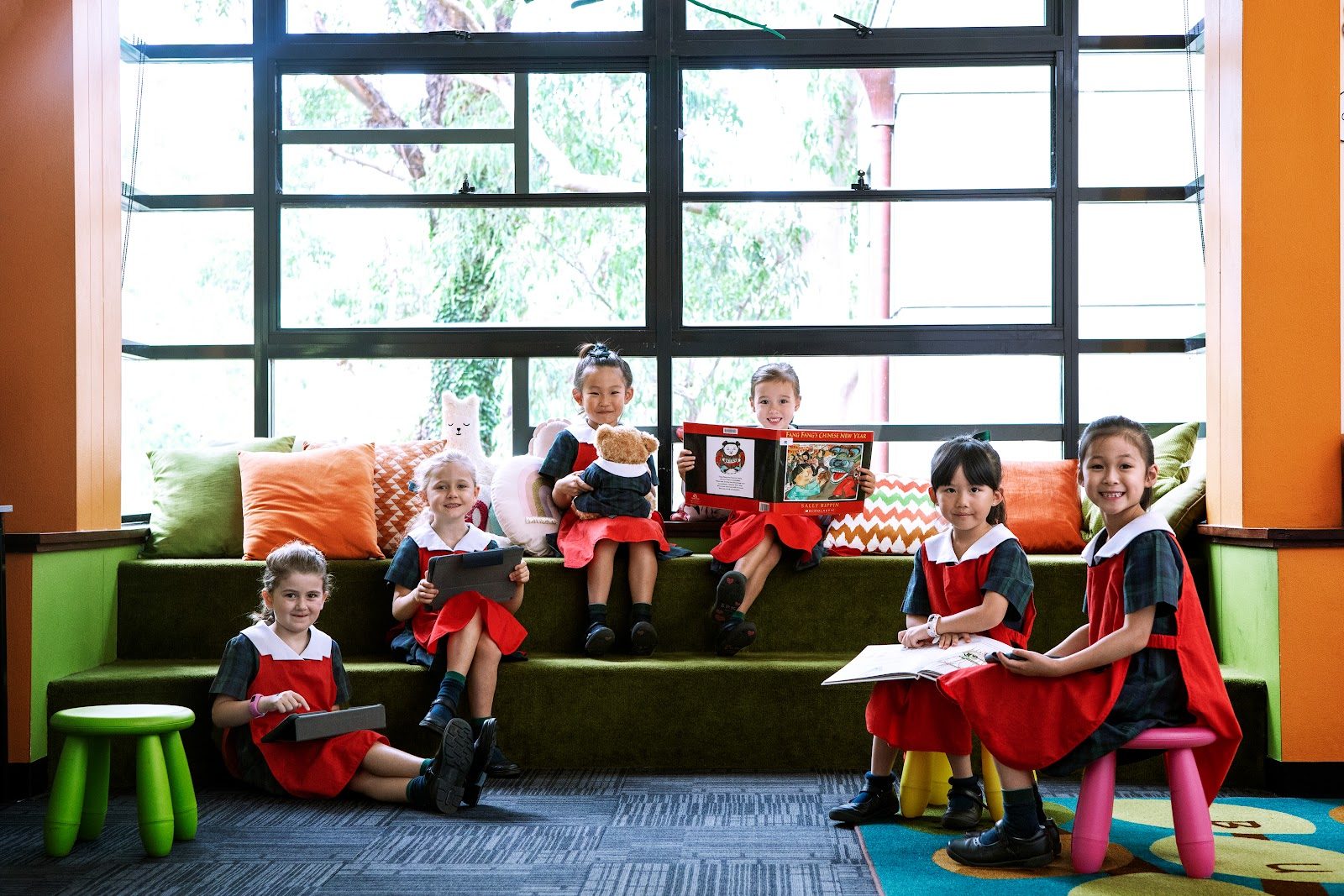
On Sydney's Upper North Shore, a non-selective campus of five schools lets girls choose between the IB and HSC pathways.
Prince Alfred College
Adelaide · Australia
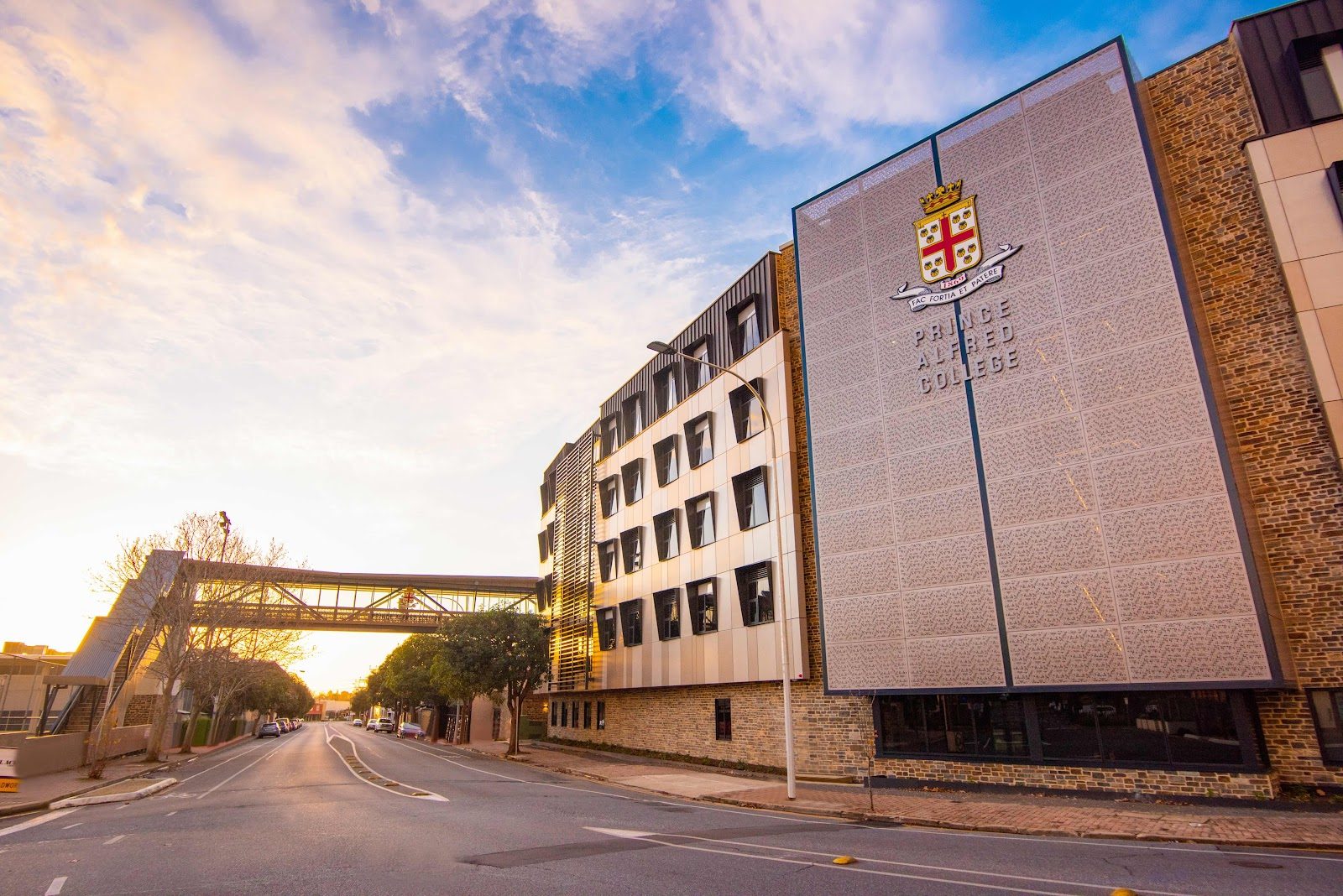
A Duke laid its 1867 foundation stone; today this Adelaide college ships Year 9 boys to riverside and peninsula campuses for a term outdoors.
Same country and curriculum — closest matches within ±10 points either way