
Poland
Państwowe Liceum Sztuk Plastycznych im. Antoniego Kenara, Zakopane
New · 2026/27Type
Ages
—
Curriculum
—
Ratio
—
Ranking breakdown
Państwowe Liceum Sztuk Plastycznych im. Antoniego Kenara, Zakopane · # of 1591
Composite score 53.8. 8 weighted criteria.
By criterion
Academic Outcomes
Weight 20%
No data yet
1529 of 1591 scored
University Placement
Weight 16%
No data yet
1529 of 1591 scored
Prestige & Heritage
Weight 12%
#88
of 1571 scored
Alumni Network
Weight 12%
No data yet
1530 of 1591 scored
Facilities
Weight 12%
No data yet
1534 of 1591 scored
Transparency & Communications
Weight 8%
No data yet
1532 of 1591 scored
Peer & Industry Review
Weight 10%
No data yet
1548 of 1591 scored
Admissions Selectivity & Demand
Weight 8%
No data yet
1529 of 1591 scored
Peer & Industry Review
How Państwowe Liceum Sztuk Plastycznych im. Antoniego Kenara, Zakopane is regarded in the sector
Insufficient peer signal
We couldn't find enough independent third-party evidence to score this school's peer & industry standing with confidence. It doesn't mean the school isn't well regarded — only that public reputation sources we trust don't yet cover it. This axis is left blank for now and the composite score is median-imputed from the other six categories.
Award
Elite Visual & Fine Arts 76
World's Top School · The Global Ranking
Państwowe Liceum Sztuk Plastycznych im. Antoniego Kenara, Zakopane is featured on our Global Top 76 ranking at #41. This seal is available for the school's marketing team to use on their website, prospectus and social channels.
Editors' overview
Full editorial coverage forthcoming. This institution has been included in the 2026 Visual Arts & Fine Art audit on the strength of its specialist Fine Art pathway. A long-form editorial review — covering curriculum, faculty, graduate conversion, portfolio provision and international accessibility — will be published as editorial capacity allows. The rank position, country and international-access classification shown on the ranking page have been verified against the methodology.
An Elite Visual & Fine Arts 76 school
Panstwowe Liceum Sztuk Plastycznych im. Antoniego Kenara in Zakopane, in Poland's Tatra foothills, sits at rank forty-one because it is arguably the most historically consequential woodcarving and sculpture school in Central Europe. Founded in 1876 as a wood-carving school by the Tatra Society, its students formed the artistic backbone of Poland's prize-winning pavilion at the 1925 Paris International Exhibition, where alumnus Jan Szczepkowski's Nativity shrine took the Grand Prix and the French government purchased it outright. That founding claim to fame has never been diluted; the school still trains in the same wood-based crafts that made its name.
The specialism is built around five-year Liceum tracks rather than generic academic streams: Formy Rzezbiarskie (sculptural forms, with a Snycerstwo woodcarving specialization), Projektowanie Uzytkowe (applied design, split into artistic furniture-making, textile art, fashion design and, uniquely among Polish art lycea, artistic violin-making), and Techniki Graficzne (graphic design). Entry is by practical and theoretical art examination, not a paper application. Teaching posts are held by working artists such as sculptors Piotr Bies and Ewa Ross-Baczynska and graphic specialists Anna Filipczak and Marcin Tas, continuing a lineage that once included Antoni Rzasa, Wladyslaw Hasior and Grzegorz Pecuch on the same staff. The school runs its own International Triennial of Woodcut and, under the honorary patronage of Magdalena Abakanowicz, an International Youth Triennial of Drawing.
Its alumni roll is the strongest argument for inclusion: sculptor and eventual school director Antoni Kenar, for whom the school is named; Wladyslaw Hasior, one of postwar Poland's most significant sculptors and installation artists; Antoni Rzasa; and Jan Szczepkowski, whose 1925 Paris Grand Prix remains the school's signature achievement. Contemporary sculptor Tomasz Ross, creator of the Satyrykon festival's 'Filip' statuette, is a more recent graduate carrying the woodcarving tradition forward.
International openness is limited and should be approached with clear eyes. Instruction is entirely in Polish; foreign languages taught are English and French, not the medium of instruction. Non-Polish citizens may enrol but pay tuition fees set by Ministry of Culture regulation, unlike Polish nationals, for whom study is free. Admission is by in-person practical and theoretical exam, with candidates required to be under seventeen and to hold a primary-school certificate; there is no online application portal. Boarding exists across three dormitories, including the school's own Strug and Maraton houses, at a nominal monthly charge. This is not a turnkey international school; it is a serious destination only for a genuinely committed young sculptor or craftsperson prepared to learn in Polish, apply well over a year ahead of the June entrance exam, and commit to a demanding studio culture.
Academic Performance
The school combines a standard state lyceum curriculum, culminating in the matura exam, with a demanding six-year track in applied and fine arts. Students choose a specialization such as sculpture, ceramics, woodworking, exhibition design or photography, and each completes a supervised diploma project assessed by an external arts commission. General subjects such as Polish, mathematics, history and foreign languages are taught alongside art history, drawing, painting and technical crafts, giving graduates a dual qualification: a matura certificate and a vocational diploma in applied arts. The workload is heavy, with long studio hours added to academic classes. Many graduates proceed to fine arts academies in Krakow, Warsaw, Poznan and Wroclaw, and the school is widely regarded within Poland as one of the strongest feeder institutions for such academies, particularly in sculpture and woodcraft, reflecting its founding traditions.
Facilities
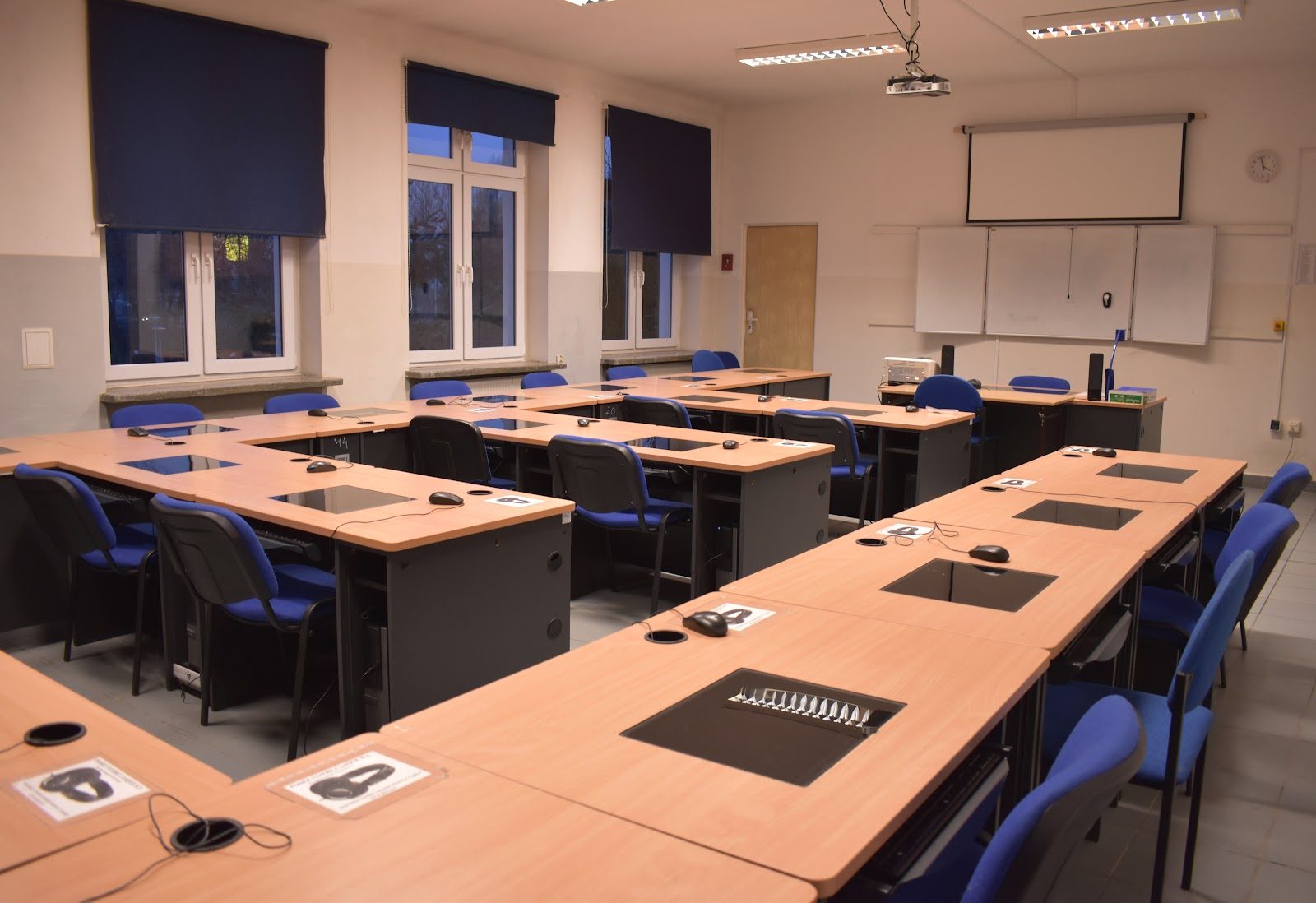
Housed in buildings shaped by the distinctive Zakopane regional style, the school has purpose-built studios for sculpture, ceramics, woodworking, metalwork, drawing and painting, along with kilns and workshop equipment suited to traditional and contemporary techniques. Exhibition spaces display student and diploma works, and the campus includes storage and preparation areas for large sculptural pieces, a legacy of its founder Antoni Kenar's emphasis on hands-on craft training. As a specialized arts lyceum, it does not maintain extensive sports infrastructure comparable to general schools, though standard physical education facilities are provided. Science teaching follows the general lyceum curriculum in standard classrooms rather than dedicated laboratories, since the institution's resources are concentrated on the applied arts disciplines that define its identity. The setting in Zakopane, in the Tatra foothills, also gives students direct access to the region's woodworking and folk-art traditions that inform much of the coursework.
This institution has been included in the 2026 Visual Arts & Fine Art audit on the strength of its specialist Fine Art pathway
Prestige
Founded in 1947 and named after sculptor and educator Antoni Kenar, the school holds a distinctive place in Polish art education as one of the country's oldest and most respected state lyceums of plastic arts. Its founding was closely tied to the Zakopane style movement associated with Stanislaw Witkiewicz, and the school has long been considered a guardian of Podhale regional craft traditions, particularly in wood sculpture. Over decades it built a reputation as a serious training ground feeding students into Poland's major fine arts academies. Within the network of Polish plastic arts lyceums, it is consistently named among the most demanding and prestigious, valued for combining rigorous general education with intensive craft and design instruction. Its standing rests less on international rankings than on its recognized role within Polish cultural and artistic life, and on the continuing visibility of its diploma exhibitions and alumni within regional and national art circles.
The rank position, country and international-access classification shown on the ranking page have been verified against the methodology
Communications
As a public institution operating under Poland's Ministry of Culture and National Heritage oversight for artistic schools, the lyceum communicates with families primarily through official administrative channels, printed notices, parent-teacher meetings and a school bulletin board system typical of Polish state schools. Admissions information, exam schedules and workshop requirements are distributed directly to enrolled families rather than through extensive public marketing. Public visibility comes largely through student and diploma exhibitions, which serve as the school's main form of outward communication, showcasing sculpture, ceramics and design work to local audiences in Zakopane and occasionally beyond. Local press in the Podhale region periodically covers exhibitions, competitions or notable student achievements. Compared with international schools, its communications remain modest and locally oriented, consistent with its identity as a specialized state institution rather than a globally marketed one, with limited digital or multilingual outreach.
Uniqueness
The school's defining feature is its fusion of a full academic secondary curriculum with an intensive, craft-based arts education rooted in the specific cultural heritage of the Podhale region. Founded by Antoni Kenar to preserve and modernize local woodworking and sculptural traditions, it remains one of the few Polish institutions where students train seriously in sculpture and applied crafts alongside standard matura subjects from early adolescence. Its architecture and setting in Zakopane, the historic center of the Zakopane style, reinforce this link between place, craft and curriculum in a way few other schools can claim. The requirement that every student complete a supervised diploma artwork, judged by an external commission, gives the school a distinctly professional, academy-like rigor unusual at secondary level. This combination of regional cultural mission, craft specialization and formal art diploma sets it apart from both ordinary Polish lyceums and most international art schools.
The school combines a standard state lyceum curriculum, culminating in the matura exam, with a demanding six-year track in applied and fine arts
Student Profile
Students are drawn mainly from southern Poland, particularly the Podhale region and surrounding towns, though the school's reputation attracts applicants from further afield who seek specialized training in sculpture, ceramics or design. Admission requires passing practical drawing and craft examinations in addition to standard academic criteria, so entrants typically already show demonstrated artistic aptitude and commitment before enrolling. The student body tends to be serious and self-selecting, prepared for a demanding schedule that combines full academic coursework with extensive studio hours from the first year. Many come from families with some connection to regional craft, woodworking or artistic trades, reflecting the school's historical roots, though this is not a strict pattern. Graduates commonly continue into fine arts academies, so the culture of the school is oriented toward professional artistic formation rather than general secondary education, producing a comparatively focused and vocationally motivated pupil population.
The workload is heavy, with long studio hours added to academic classes
Co-curricular strengths
Arts & sport, on a separate axis
Overall 5.68/10
Scored 0-10 from the school's own published evidence. This axis is editorial-only — it does not feed the main WTS ranking.
Sports
4.5/10
Drama
5/10
Dance
4.5/10
Music
5/10
Visual Arts
9.4/10
Parent reviews
Have you sent your child here?
Voice reviews carry the strongest trust badge — we transcribe them for you to tidy up before they go live. Prefer to type? A written review is fine too.
Add your voice
In 60 seconds, tell other parents: what's the best thing about Państwowe Liceum Sztuk Plastycznych im. Antoniego Kenara, Zakopane, and what surprised you when your child joined?
We ask for a Google sign-in so every review has a real face behind it — no anonymous drive-by attacks on schools, and no faked positive reviews. Your email is never shown publicly.
Send this profile to a friend
International parents rely on word-of-mouth. Share this review with someone weighing the same decision.
Schools with places
Similar schools to Państwowe Liceum Sztuk Plastycznych im. Antoniego Kenara, Zakopane with places available now.
Availability first, then country, area, curriculum, price, co-curricular
Consider also
Also worth looking at alongside Państwowe Liceum Sztuk Plastycznych im. Antoniego Kenara, Zakopane.
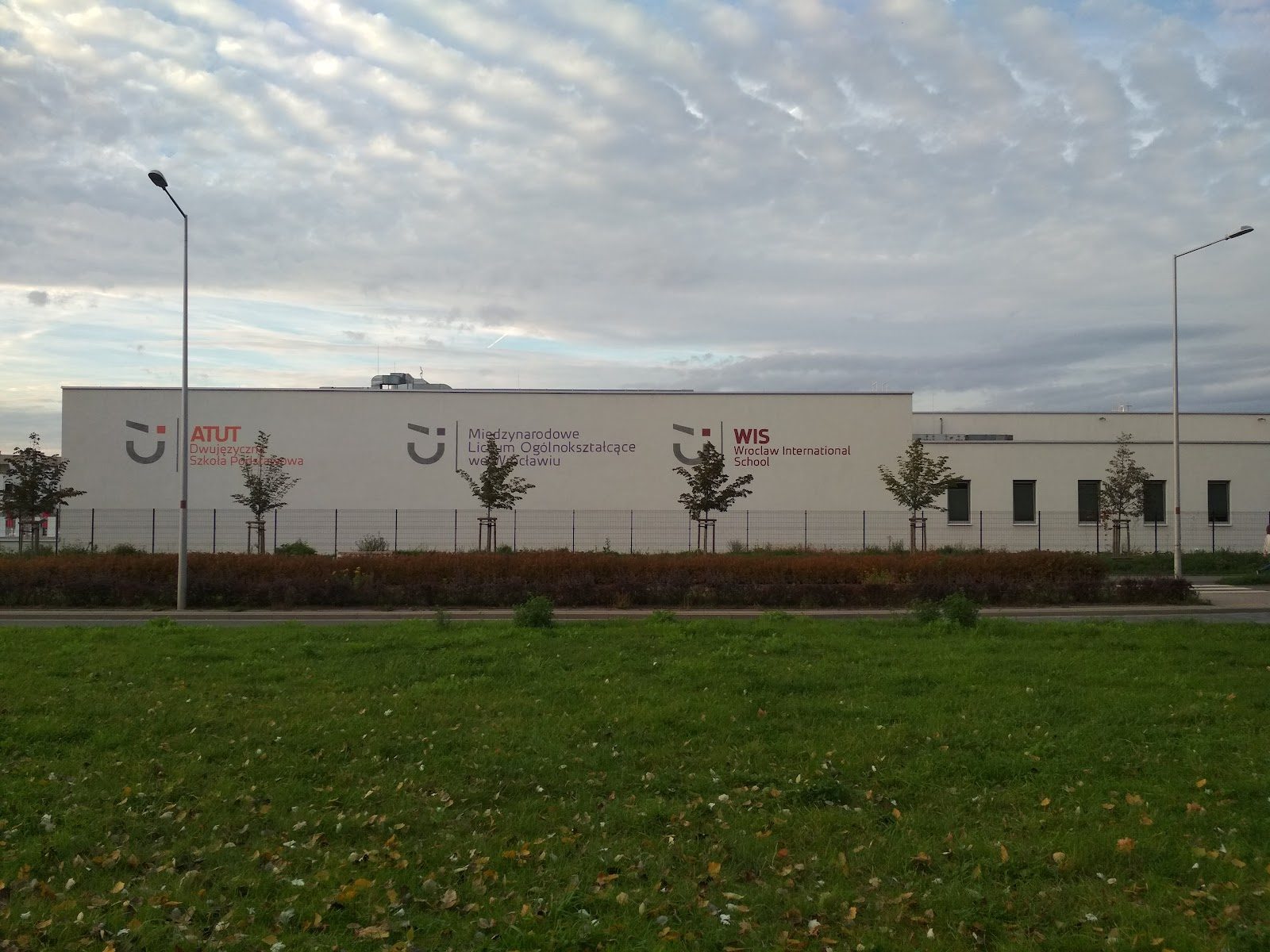
Wrocław International School
Wrocław · Poland
Lower Silesia's inquiry-led IB pioneer, the first in Poland authorised for both the Primary and Middle Years Programmes.
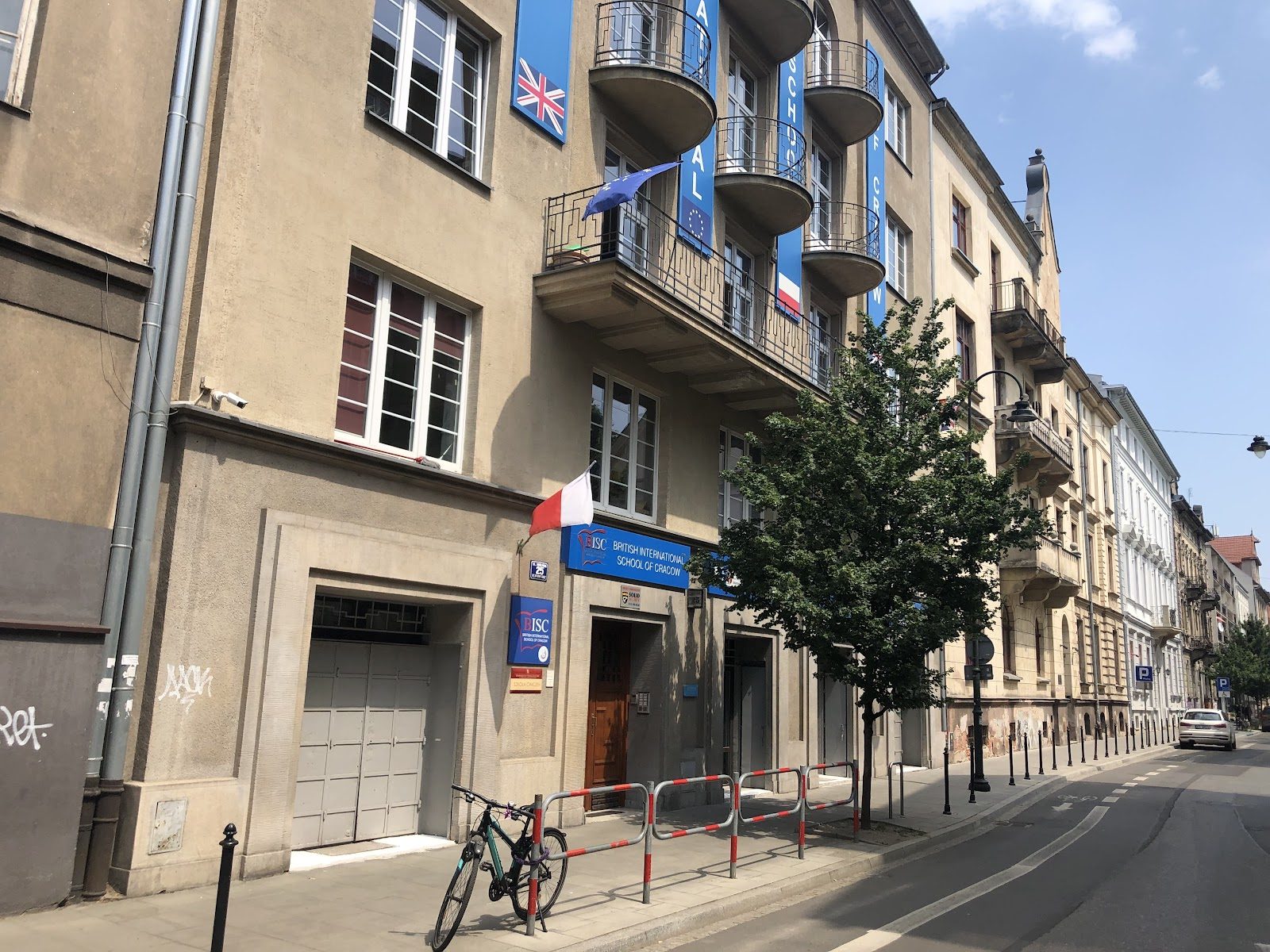
British International School of Cracow
Kraków · Poland
In Krakow's Old Town, three decades of British schooling meet the IB Diploma, small classes, and Tatra ski-week traditions.
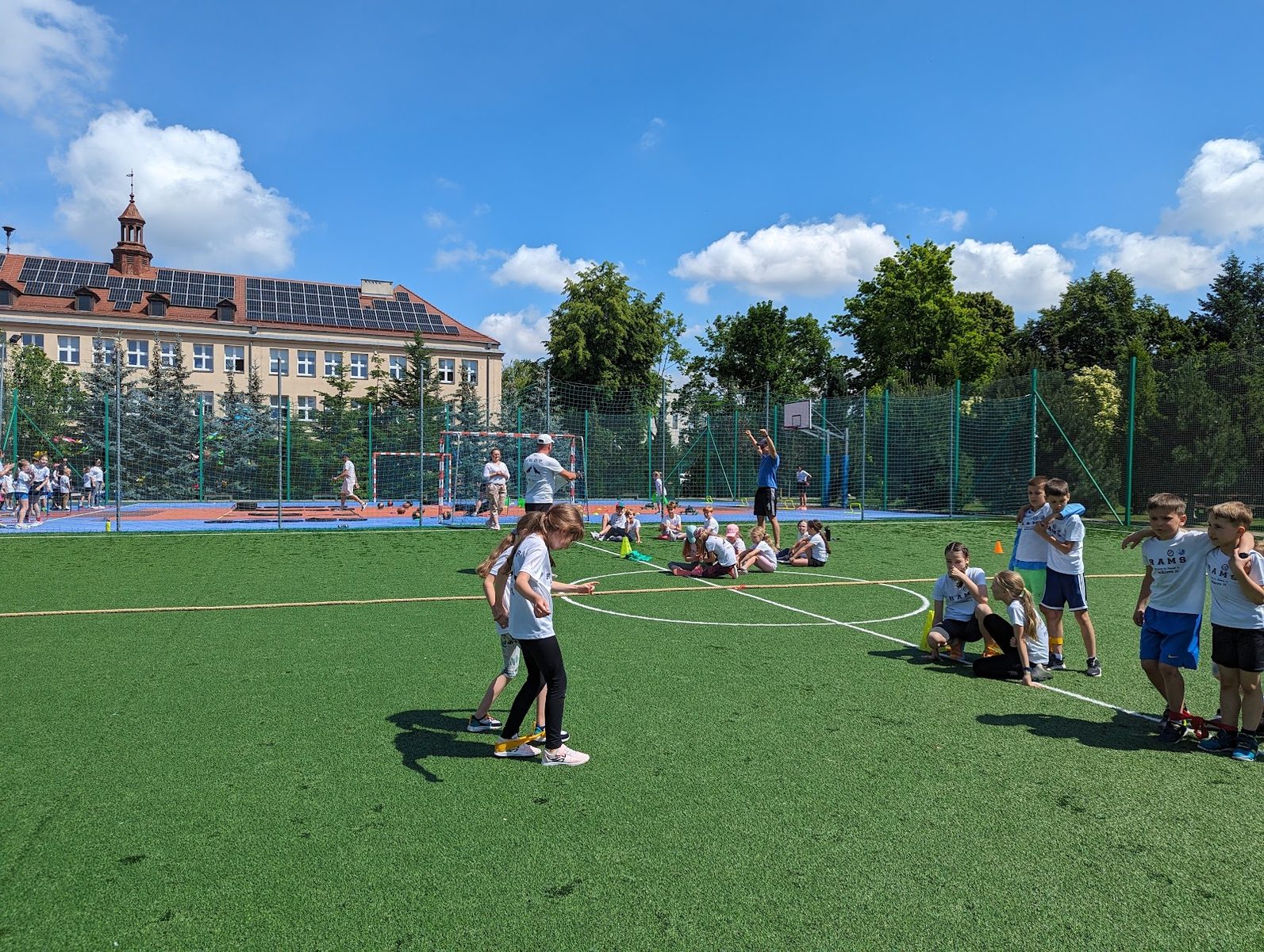
International School of Poznań
Poznań · Poland
Poznan's original IB Diploma authorization, now closing in on a full PYP-MYP-DP continuum via its own induction year for newcomers.
Lycée Français de Varsovie
Warsaw · Poland
Founded in 1919 as a diplomatic bridge between Paris and a newly independent Poland, its Baccalaureate classrooms still run on trilingual rigor.
Same country and curriculum — closest matches within ±10 points either way