
Lisbon
Lycée Français Charles Lepierre
Since 1907, Portugal's first Francophone lycee blends baccalaureat rigor with a bilingual Portuguese track in Lisbon's Amoreiras quarter.
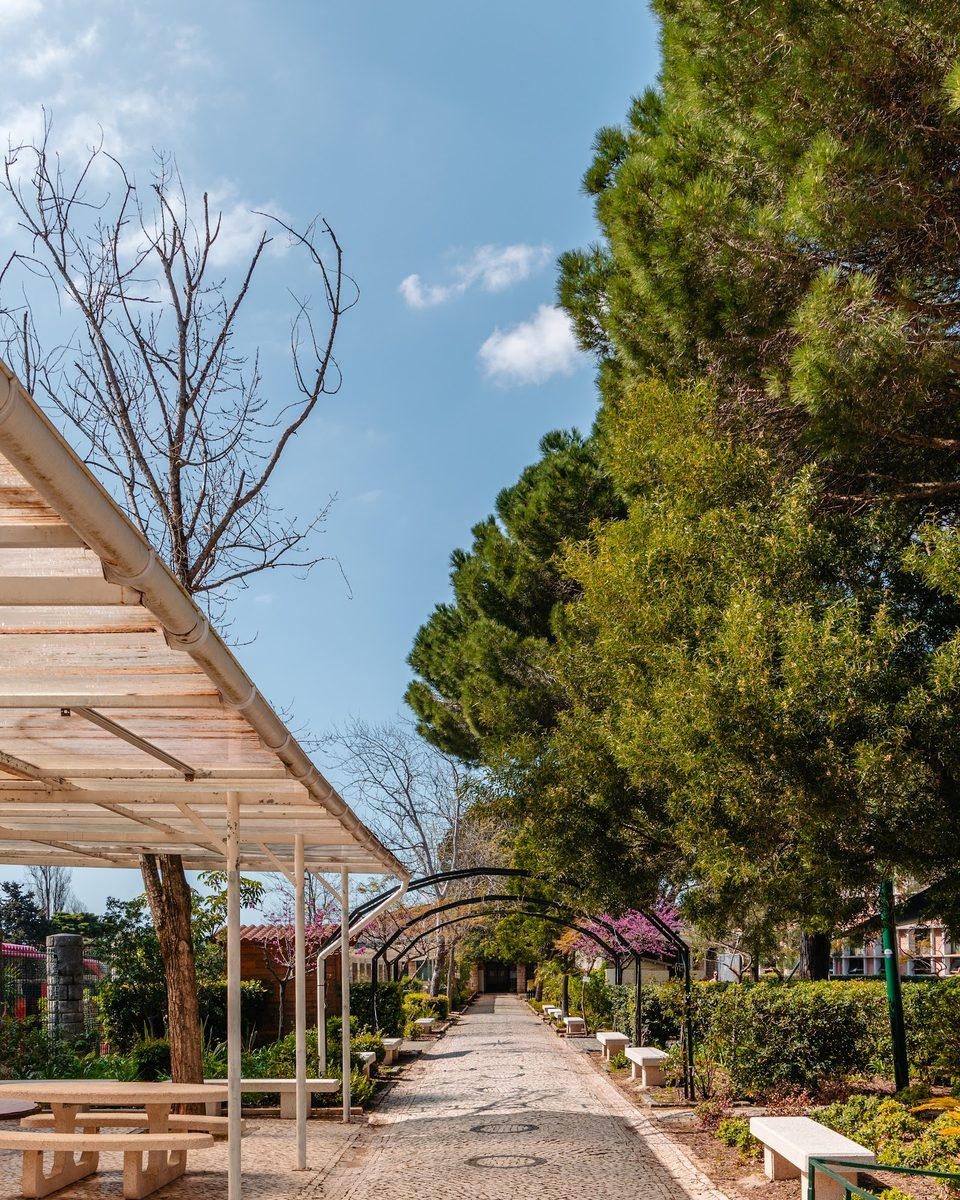
Photo © Liceu Francês Charles Lepierre / Lycée français Charles Lepierre via Google Maps
Type
Day
Ages
3–18
Curriculum
French
Qualifications
French Baccalaureate
Ratio
—
The Verdict
Editor's commitment
Right for
Families in Lisbon who want the French curriculum from age 3 to 18 at an AEFE-accredited day school with 2,000-plus pupils.
Wrong for
Parents wanting boarding, English-medium teaching or a small-school feel; this is a secular French lycee in Amoreiras with 280 staff.
Watch out for
Founded in 1952 and firmly French in language and structure, it rewards families ready to commit early rather than dabble later.
Ranking breakdown
Lycée Français Charles Lepierre · # of 1591
Composite score 58.7. 8 weighted criteria.
By criterion
Academic Outcomes
Weight 20%
#900
of 1529 scored
University Placement
Weight 16%
#965
of 1529 scored
Prestige & Heritage
Weight 12%
#1132
of 1571 scored
Alumni Network
Weight 12%
#1133
of 1530 scored
Facilities
Weight 12%
#1102
of 1534 scored
Transparency & Communications
Weight 8%
#1099
of 1532 scored
Peer & Industry Review
Weight 10%
#1415
of 1548 scored
Admissions Selectivity & Demand
Weight 8%
#991
of 1529 scored
Peer & Industry Review
How Lycée Français Charles Lepierre is regarded in the sector
58
Credible · medium confidence
Within Portugal, Lycee Francais Charles Lepierre is regarded chiefly through its AEFE homologation rather than through independent school-guide commentary: it sits alongside St Julian's, St Dominic's and Carlucci American International as one of Lisbon's recognised foreign-curriculum options for expatriate and bilingual Portuguese families, but it is rarely benchmarked in Portuguese national league tables (Publico, Expresso) since those track the Portuguese national exam system, not the Baccalaureat cohort. Its standing is instead anchored in the AEFE network's own inspection regime, which requires periodic French Ministry of Education re-accreditation, a signal other AEFE lycees and French education officials treat as the operative quality marker rather than press rankings. Baccalaureat results give graduates recognised entry routes into French public universities and classes preparatoires, and the school participates in Sciences Po's international baccalaureat admissions track common to AEFE schools worldwide. There is no substantive WhichSchoolAdvisor or Good Schools Guide review on record, and no independently verifiable rival-head or admissions-officer quotation could be sourced, reflecting the school's lower international press visibility compared with Lisbon's English-curriculum international schools despite its established local reputation.
Editors' overview
Lycée Français Charles Lepierre occupies a clear niche in Lisbon: a full French state-aligned education, from age 3 to 18, inside the AEFE network, at serious scale. With 2,000+ pupils, 280 staff and 40 nationalities, it offers something many international schools in Portugal do not: depth, continuity and a ready-made Francophone community from nursery to the baccalauréat. The draw is not novelty. It is institutional heft, academic sequence and a school culture built around French educational expectations. For families who want academic spine, cultural continuity and a route that keeps France firmly in play, that matters.
What sets it apart in Lisbon is not glossy internationalism but commitment to a national system. This is a French school, not a hybrid that borrows a few French labels. The teaching language is French; the age range is complete; the AEFE affiliation gives the school a place inside a global network of 600 schools across 138 countries. That gives parents a practical advantage if work moves them between capitals. It also gives pupils a curriculum with a fixed logic rather than a patchwork of imported programmes. The school’s size cuts both ways. It brings breadth, peer group and operational weight. It also means families looking for a small, intimate setting will not find one here. This is a large urban lycée, and it carries itself like one: structured, busy, and academically purposeful.
It belongs on a shortlist for parents who value French intellectual rigour, a serious bilingual horizon in Lisbon, and a school where children can stay put for the long term. It will suit French families abroad, binational households, and internationally mobile parents who want a stable connection to the French system without sacrificing life in Portugal. It will also suit pupils who thrive in clear structures, can handle a demanding academic rhythm, and benefit from being surrounded by a large, mixed student body. It will not suit families who want progressive looseness, heavy pastoral branding or an English-medium international school experience. The appeal here is substance over theatre and continuity over reinvention.
Academic Performance
The school does not publish aggregate baccalauréat results, distinction rates, subject-level outcomes or university destinations in the public domain. That is a real weakness. For a large, established French lycée, exam transparency matters, and Charles Lepierre gives parents far less hard performance data than the strongest schools in this market. There is no published run of pass rates, no breakdown of mentions, and no comparative view across cohorts. That leaves families to infer quality from structure, scale and network affiliation rather than from disclosed outcomes. For an academically serious school, that gap is frustrating.
Even so, the peer set is clear. This is not a boutique international school improvising its academic identity; it sits inside a system with external reference points, common expectations and inspection frameworks. That gives its results a context that many independent schools lack. In Lisbon, its standing rests on being a full-route French school with a substantial pupil body and long institutional memory, not on headline score marketing. Among French international schools, that places it in the category of system-anchored, high-accountability institutions rather than entrepreneurial newcomers. Parents comparing it with other AEFE schools should ask for the last 3 years of baccalauréat pass rates, mention rates, specialty subject results and post-school destinations. Until the school publishes those figures routinely, any claim of academic outperformance remains unproven.
Facilities
Publicly, the school says little about facilities beyond the basics: canteen and cafeteria, age-phase organisation from nursery through lycée, and a large staffed campus on Avenida Duarte Pacheco. That is enough to establish function, not distinction. Parents can infer a campus built to handle a big all-through school rather than a compact primary or a converted villa. With more than 280 staff serving more than 2,000 pupils, the estate has to support serious daily throughput, specialist timetabling and the logistics of a full urban lycée. Against Lisbon peers, that points to institutional-scale provision rather than boutique charm: more circulation, more operational complexity, and less of the curated intimacy that smaller international schools sell.
What the school does not publish matters. There is no clear public breakdown of science labs, libraries, sports provision, performing arts spaces, design or technology rooms, or sixth-form study areas. That leaves the facilities picture oddly opaque for a school of this stature. By peer-school standards, especially among well-run international schools competing for mobile families, that is a weakness. Strong campuses are not just built; they are explained. Charles Lepierre gives families the outline of a substantial school but not the detail needed to judge whether the physical environment is merely serviceable or genuinely well-equipped. Any parent considering enrolment should ask for a campus tour with specific stops in laboratories, sports areas, arts rooms and dining spaces.
Any parent considering enrolment should ask for a campus tour with specific stops in laboratories, sports areas, arts rooms and dining spaces
Prestige
Charles Lepierre carries real institutional prestige inside a specific lane: the French overseas school world and the Francophone professional class in Portugal. Prestige here does not rest on glamour, selective mythology or Anglo-international cachet. It rests on durability, scale and network status. As Portugal’s first Francophone lycée, it has deep roots in the local educational landscape, and that matters. Families know what it is for. The school sits within the AEFE system, tied to a global structure of 600 schools in 138 countries, which gives its name recognition well beyond Lisbon. For mobile French and binational families, that network value is concrete, not decorative. Add a pupil body of 40 nationalities and the school holds social breadth as well as institutional weight.
That said, this is system prestige, not elite mystique. In the wider international-school market, especially among English-medium schools trading on university placement and brand theatre, Charles Lepierre’s status reads differently: more republican, more academic, less polished for display. That will appeal to some families and leave others cold. The school earns a high prestige rating because it is established, legible and embedded in a serious national framework. It does not earn top marks for public academic proof, because the school does not publish the outcomes data that would let parents test reputation against results. So the prestige is substantial and well-grounded, but not untouchable.
What makes Charles Lepierre distinctive in Lisbon is its refusal to dilute the French school model for the international market
Communications
The school’s parent communication is functional, regular and institution-first. The public website gives the essentials cleanly: timetables, school calendar, canteen information, admissions, news items and a direct contact route by form and telephone. That matters in a large all-through school, where parents need operational clarity more than mood-setting. Recent homepage updates on the new school year, holidays and keeping pupils connected to French over the summer show an active noticeboard rather than a neglected shell. The site also spells out the school’s address and main phone line, and it does so without fuss. For day-to-day administration, that is competent and serviceable.
Where the communication falls short is depth and parent-facing transparency. The school publishes enough to run the machine, not enough to open it up. There is little public detail on leadership voice, academic reporting, pastoral systems, facilities, or the kind of practical parent guidance that helps new families judge how the place works. The tone is formal and system-driven, which fits the school, but it also creates distance. In a community of more than 2,000 pupils and 40 nationalities, parents need communication that is not just efficient but interpretive: what matters, how routines work, where to go with problems, what standards are enforced. Charles Lepierre communicates the basics solidly; it does not yet communicate itself with much warmth, granularity or institutional candour.
Uniqueness
What makes Charles Lepierre distinctive in Lisbon is its refusal to dilute the French school model for the international market. Plenty of schools borrow the language of global education; this one runs on the internal logic of a national system from the first years through to the end of secondary schooling. That gives pupils something unusually coherent: common academic expectations, clear progression between phases, and a school culture shaped less by branding than by routine, standards and intellectual discipline. The AEFE connection also matters in practical terms. A family moving between postings within that network enters familiar territory rather than starting from scratch. For children, that continuity reduces friction and protects momentum.
The other point of difference is scale combined with social mix. A pupil body drawn from 40 nationalities inside one Francophone institution creates a rare combination of cultural breadth and curricular consistency. Students get daily exposure to different backgrounds without the fragmentation that can weaken schools built from multiple parallel pathways. The result is a community that is cosmopolitan without being vague. Children learn to operate in a diverse environment while staying rooted in a demanding academic structure. That suits families who want more than a soft international experience. It gives students resilience, linguistic confidence and the habit of working within a system that expects precision, not performance. For the right child, that is serious preparation for adult life, not just school.
Lycée Français Charles Lepierre occupies a clear niche in Lisbon: a full French state-aligned education, from age 3 to 18, inside the AEFE network, at serious scale
Student Profile
This school suits children who do well inside a clear, demanding framework and do not need constant hand-holding to stay on track. The student body is large, internationally mixed and anchored in one educational culture, so the fit is strongest for pupils who can absorb structure, cope with pace and work comfortably in a community bigger than a small family-style school. Children who like order, routine and academic clarity tend to settle well here. So do pupils from French or binational households, and internationally mobile families who want continuity without rebuilding a school identity at every move. With more than 40 nationalities under one roof, pupils also need social confidence: not performative extroversion, but the ability to navigate difference without fuss.
The weaker fit is just as clear. This is not the place for children who need a soft, highly personalised atmosphere, loose pedagogical boundaries or a school built around therapeutic reassurance. The scale alone rules that out. Students who flourish here can handle shared standards, a formal tone and the normal frictions of a busy all-through institution. They do not need boutique attention to feel seen. Families drawn to serious academic culture, institutional stability and a peer group with breadth will find a strong match. Families chasing intimacy, progressive looseness or an English-speaking social world will not. The right pupil for Charles Lepierre is self-possessed, resilient and ready to work.
It is institutional heft, academic sequence and a school culture built around French educational expectations
Co-curricular strengths
Arts & sport, on a separate axis
Overall 7.44/10
Scored 0-10 from the school's own published evidence. This axis is editorial-only — it does not feed the main WTS ranking.
Sports
8/10
Drama
7/10
Dance
7.2/10
Music
7.5/10
Visual Arts
7.5/10
Strengths
- +The school belongs to the system of schools managed by the Agence pour l'Enseignement du Français à l'Étranger (AEFE) under the French foreign ministry, and follows the official instructions of France's Ministry of National Education, giving pupils a fully recognised path to the French Baccalaureate.
- +In 1907, a French-medium school was opened on Rua da Emenda by the Société de l'École Française de Lisbonne, and it has occupied its current Avenida Duarte Pacheco site since puis de rejoindre son site actuel de l'avenue Duarte Pacheco le 17 novembre 1952, giving it a long institutional history in Lisbon.
- +The campus spans seven buildings and houses facilities including Marmothèque, BCDI and CDI libraries, IT spaces, cafeterias, and health and counselling services, alongside on-site gyms and a dance studio.
- +Fees are kept affordable through French government subsidies, with annual tuition ranging from roughly €4,000 to €8,000, undercutting many Anglophone international schools in the same city.
- +The Lycée Français Charles Lepierre is located at Avenida Duarte Pacheco, 32, 1070-112 Lisbon, Portugal, a central, well-connected address near the emplacement privilégié, à l'entré de Lisbonne, en face du centre commercial des Amoreiras shopping district.
Considerations
- −The LFCL offers only the general track, so families wanting an IB, British, or vocational alternative within the same school will not find one here.
- −The school is large, serving around 2,100 students from nursery to terminale, which means bigger cohorts than at boutique-style international schools and less scope for individual attention.
- −Waiting list is a possible outcome during the admissions process; the nine step procedure includes placement on a waiting list as one of the responses to an admission request, and as a state-linked AEFE school its stated mission is to prioritise enfants de nationalité française résidents au Portugal, which can slow access for other nationalities.
- −Independent, verifiable review data is thin online; for example the reviews for Lycée Francais Charles Lepierre Lisbonne indicate a rating of 1.0 out of 5 based on 1 existing reviews, making parent-satisfaction claims hard to corroborate.
Availability
Primary entry gate & tests
Academic Dossier
Gallery
Photo © Carlos Oliveira via Google Maps
Parent reviews
Have you sent your child here?
Voice reviews carry the strongest trust badge — we transcribe them for you to tidy up before they go live. Prefer to type? A written review is fine too.
Add your voice
In 60 seconds, tell other parents: what's the best thing about Lycée Français Charles Lepierre, and what surprised you when your child joined?
We ask for a Google sign-in so every review has a real face behind it — no anonymous drive-by attacks on schools, and no faked positive reviews. Your email is never shown publicly.
Send this profile to a friend
International parents rely on word-of-mouth. Share this review with someone weighing the same decision.
Schools with places
Similar schools to Lycée Français Charles Lepierre with places available now.
Availability first, then country, area, curriculum, price, co-curricular
Consider also
Also worth looking at alongside Lycée Français Charles Lepierre.
Colegio Ánimas
Montevideo · Uruguay
A compact IB day school threading Montevideo's academic scene with the full Diploma Programme on offer.
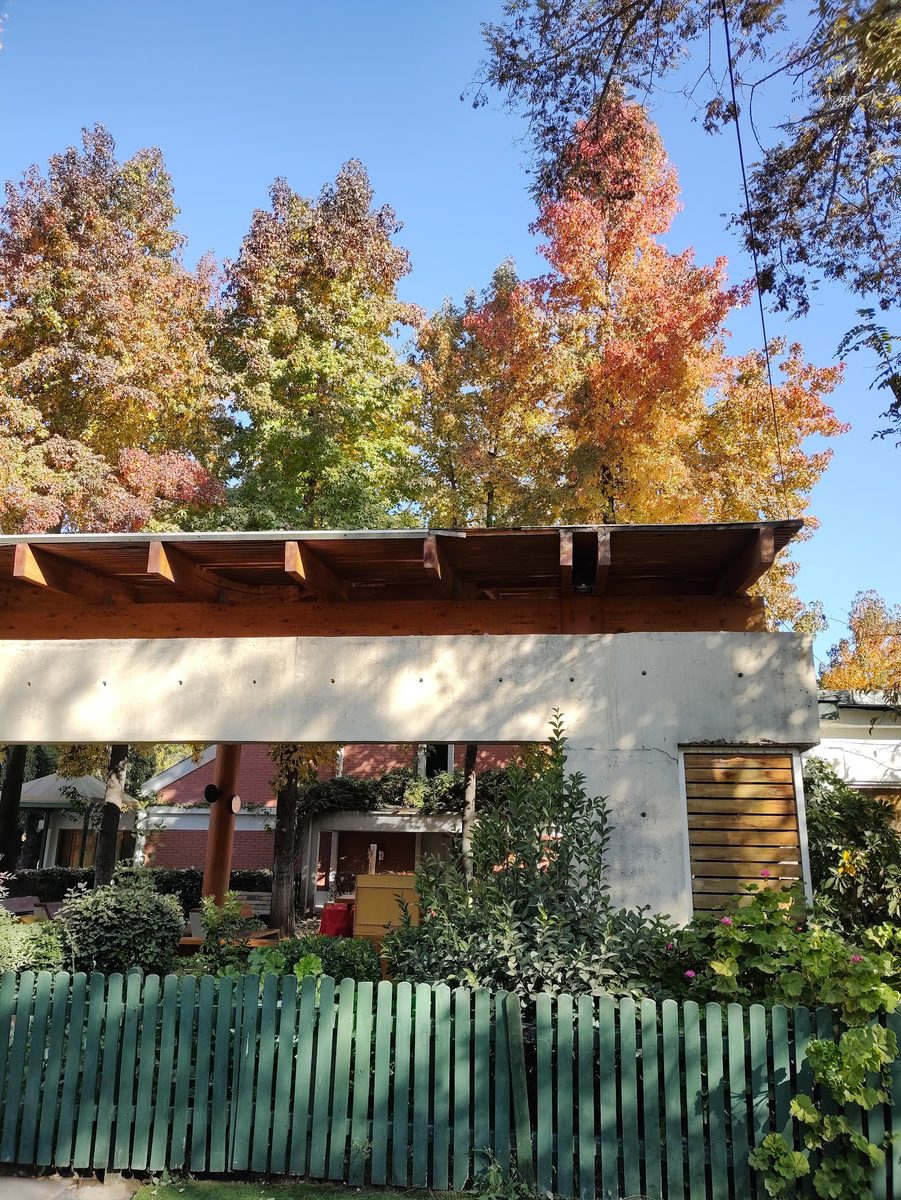
Saint George's College Santiago
Santiago · Chile
A Holy Cross foundation in Vitacura since 1936 that has quietly seeded a third of Chile's top-200 corporate boardrooms.
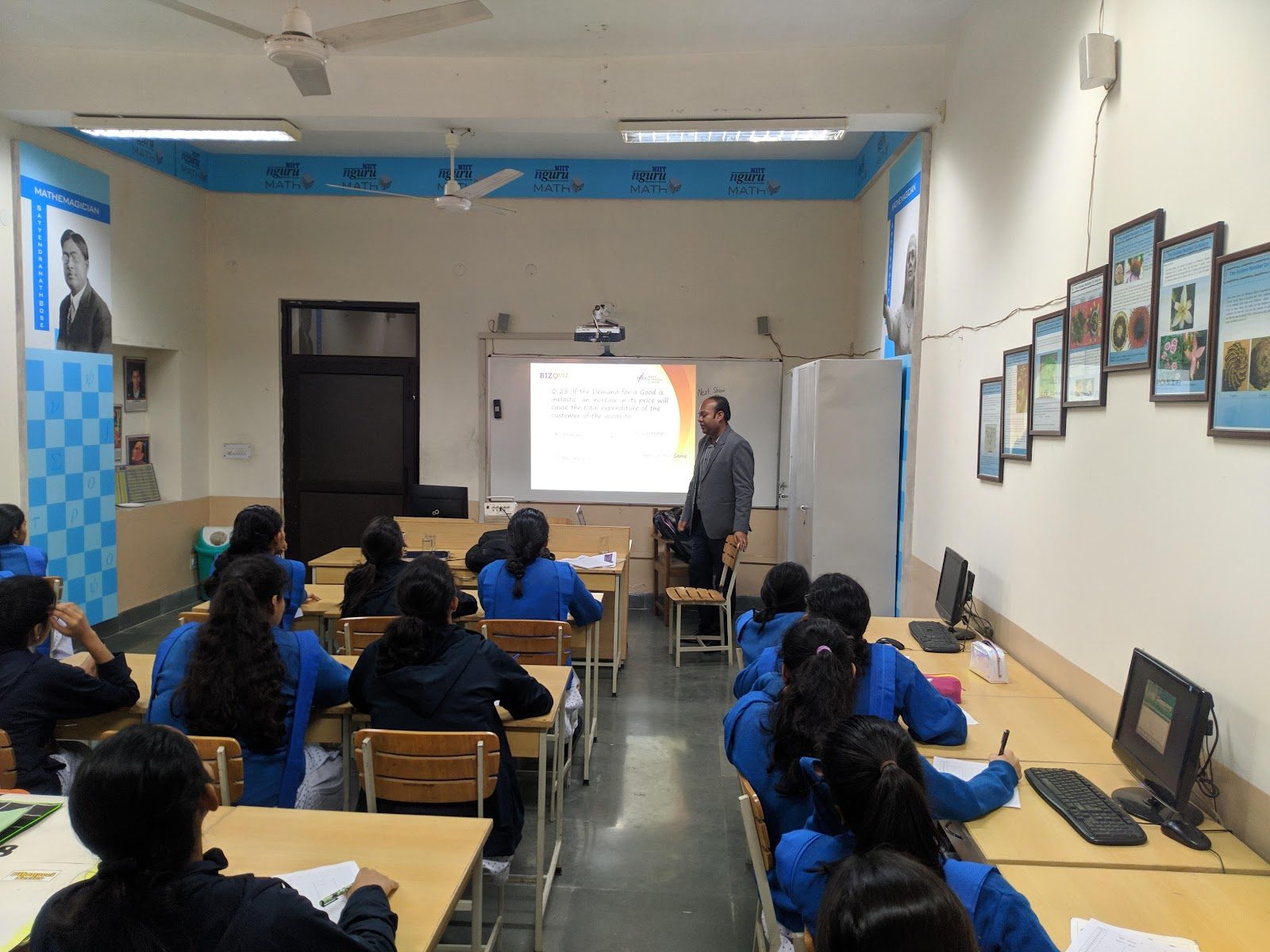
Welham Girls' School
Dehradun · India
Founded in 1957 as a bold counterpart to boys-only boarding, with bird-named houses and a legacy museum honoring the women who dared.
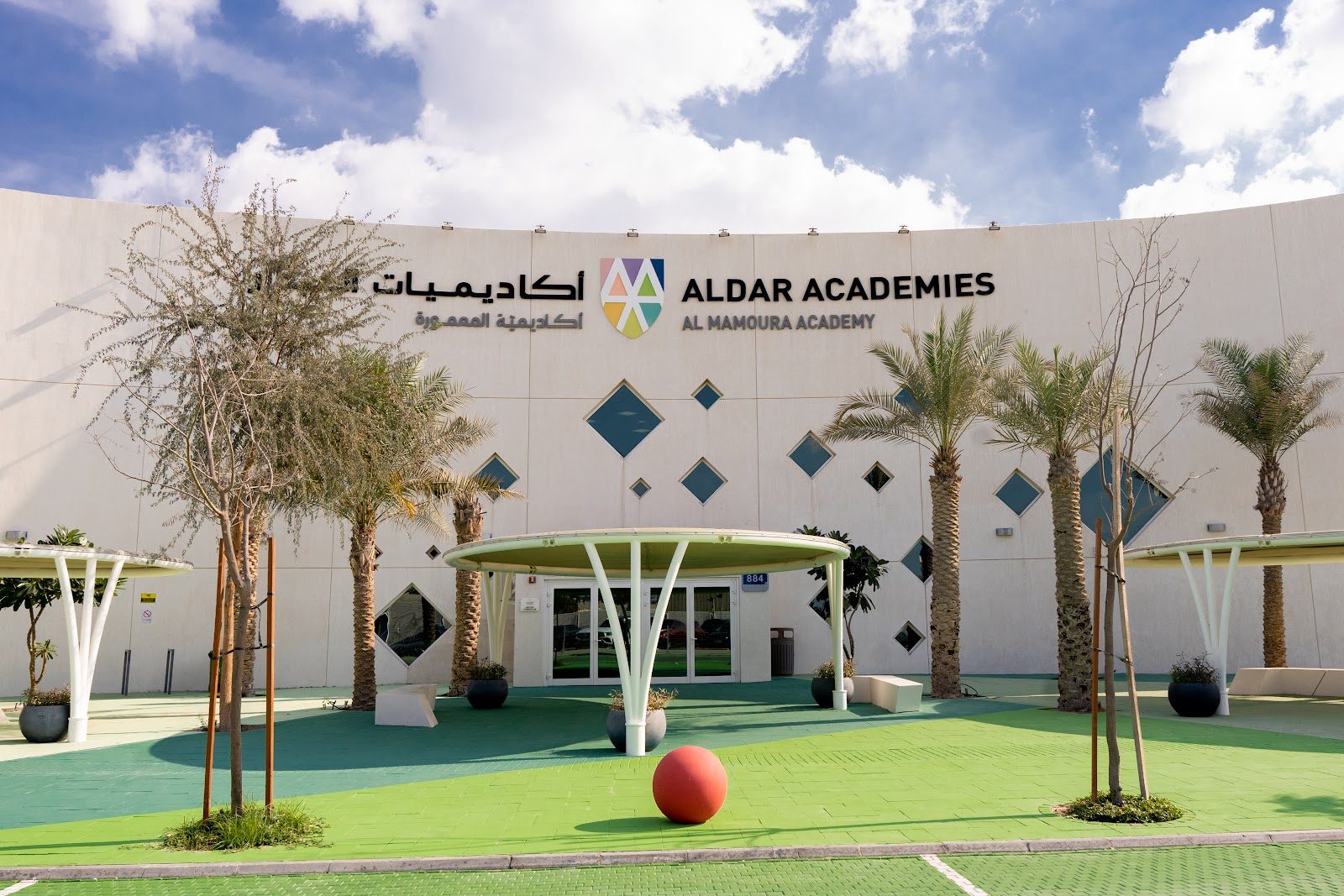
Al Mamoura Academy
Abu Dhabi · United Arab Emirates
Structured industry partnerships with the Louvre Abu Dhabi and Khalifa University run from nursery through sixth form.
Same country and curriculum — closest matches within ±10 points either way