
Leicestershire
Leicester Grammar School
low confidence· 2/6 cats · 2.5 avg sourcesFounded to replace Leicester's lost grammar schools, it still opens every pupil's timetable with compulsory Latin from Year 7.
Type
Day
Ages
10–18
Curriculum
British
Qualifications
A-Level · GCSE
Ratio
—
The Verdict
Editor's commitment
Right for
Families wanting a non-religious, English-medium day school in Great Glen with HMC membership and academic ambition from ages 10–18.
Wrong for
Parents seeking boarding, a religious ethos, or a broad curriculum menu beyond the school's British route from 10 to 18.
Watch out for
Founded in 1981, Leicester Grammar School is young by independent-school standards, and the school does not publish headline exam data here.
Ranking breakdown
Leicester Grammar School · # of 1591
Composite score 62.6. 8 weighted criteria.
By criterion
Academic Outcomes
Weight 20%
#1002
of 1529 scored
University Placement
Weight 16%
#1015
of 1529 scored
Prestige & Heritage
Weight 12%
#953
of 1571 scored
Alumni Network
Weight 12%
#566
of 1530 scored
Facilities
Weight 12%
#994
of 1534 scored
Transparency & Communications
Weight 8%
#870
of 1532 scored
Peer & Industry Review
Weight 10%
#1319
of 1548 scored
Admissions Selectivity & Demand
Weight 8%
#943
of 1529 scored
Peer & Industry Review
How Leicester Grammar School is regarded in the sector
62
Respected · medium confidence
Within Leicestershire and the wider East Midlands, Leicester Grammar School is generally regarded as a credible, academically serious day-school alternative to the grammar-school system, sitting alongside schools such as Loughborough Grammar and Leicester High School for Girls in local parental comparisons. It does not, however, feature in the national league tables or peer commentary that surround England's historic public schools; its profile is regional rather than national. Independent-education commentary (of the kind found in guides covering Midlands day schools) tends to describe it in terms of solid, consistent results and good pastoral care rather than standout Oxbridge or elite-university pipelines. University destinations reported by the school itself point to a broad Russell Group spread rather than the concentrated Oxbridge cohorts associated with top-tier national schools. There is no substantial evidence of rival heads or national newspapers singling it out for distinction, nor of a significant presence at peer conferences such as HMC flagship events beyond standard membership. Its reputation, in short, is that of a respected but essentially regional institution.
Editors' overview
Leicester Grammar School occupies a specific niche in the East Midlands market: a selective, co-educational day school founded in 1981 to replace Leicester’s lost state grammar schools, and still carrying that academic purpose with unusual clarity. The defining quirk is not cosmetic. Compulsory Latin from Year 7 signals a school that values formal intellectual training, linguistic discipline and an old-fashioned respect for scholarship. For parents who want a school with a serious academic spine rather than a lifestyle brand, that matters. The age range, 10–18, also gives it a cleaner through-school journey into sixth form than many competitors that require a major reset at 11 or 13.
Its strengths are plain. It sits within the Leicester Grammar School Trust, on an extensive green campus in Great Glen, and benefits from shared leadership, facilities and a trust-wide culture of academic ambition. It is also a day school, which keeps the proposition focused: this is not a pastoral holding pen with glossy boarding wrapped around it, but a place built for families who want strong teaching, structure and daily routine. The school’s market position rests on selective local heft, disciplined scholarship and a clear sense of purpose. Parents looking for flashy theatre or a cosmopolitan boarding scene should look elsewhere. Leicester Grammar’s appeal is more grounded: steady confidence, academic expectation and a school day organised around work.
That directness also defines the child who will thrive here. The best fit is a bright, teachable pupil who enjoys academic stretch, accepts rules, and does not need constant hand-holding or endless reinvention of the curriculum to stay engaged. Children with a taste for languages, analysis and traditional classroom habits will feel at home. So will families who want independent schooling without the performative grandeur found in some older public schools. This is a school for pupils who value intellectual rigour over fuss, and for parents who want substance, not spin.
Academic Performance
Leicester Grammar School trades on academic seriousness, but the public picture on results is thin. The trust states that Leicester Grammar School and its junior counterpart have “established a strong reputation for academic success”. That is endorsement, not data. We have not seen aggregate GCSE grade distributions, A-level grade profiles, Oxbridge numbers, medicine and dentistry offers, or any multi-year results tables in the public domain from the sources here. For a selective independent school, that absence matters. Schools with genuinely strong outcomes publish them cleanly. When a school does not, parents lose an obvious yardstick for judging whether the academic pitch converts into external results.
That does not place Leicester Grammar in weak company; it places it in opaque company. The trust’s language points to a school with high expectations and an exam-focused culture, and the school’s identity supports that reading. Still, relative to peers, the issue is not underperformance proven by numbers; it is performance left undescribed. In the East Midlands independent market, parents comparing academically selective day schools need published evidence, not reputation alone. Until the school discloses headline GCSE and A-level outcomes, Leicester Grammar sits in a frustrating middle ground: clearly ambitious, plainly selective, but harder to rank with confidence against stronger-reporting rivals.
Facilities
Facilities are a trust-level strength here, though the public detail is thinner than parents deserve. The most concrete point is the setting: Leicester Grammar School and its junior counterpart occupy large, modern buildings on an extensive green campus, with certain facilities shared across the trust’s 3 schools. That matters. Shared provision can widen access to specialist spaces and ease pressure on timetabling in a way smaller stand-alone independents cannot match. It also gives the site more institutional depth than many compact urban day schools operating out of adapted houses or constrained town plots. For families comparing local options, that places Leicester Grammar on solid ground for space, day-to-day practicality and breadth of physical provision.
The limitation is disclosure. The school does not publish a clear, parent-friendly breakdown of its key facilities in the sources here: no proper inventory of science labs, sports provision, performing arts spaces, design and technology rooms, libraries or sixth-form areas. Against strong peer schools, that is a real weakness. Good facilities are not just owned; they are explained. At present, Leicester Grammar benefits from a campus that reads as substantial and well-resourced, but the absence of hard detail stops it short of the top tier, where schools back every claim with specifics and images that let parents judge quality for themselves.
Leicester Grammar School trades on academic seriousness, but the public picture on results is thin
Prestige
Leicester Grammar carries real regional prestige, but not the kind that travels far on name alone. In the East Midlands, it holds weight as a selective independent school with a clear academic identity and a long-established role in the local market. The trust structure adds institutional solidity: it sits within a 3-school family with shared leadership, shared expectations and shared facilities. That gives it more heft than a stand-alone boutique school. The compulsory Latin mentioned elsewhere also feeds the image: traditional, scholarly, and unapologetically geared towards intellectual discipline rather than trend-chasing. Among local professional families, that combination has status. Nationally, the brand is modest. This is not a school whose name alone opens doors in the way the biggest London or historic public-school names do.
That is why the prestige rating here sits in the strong-but-local bracket. It has credibility, seriousness and trust-backed stability, but not the broad public cachet of the country’s top independent names. The missing piece is public proof. Schools with higher prestige publish clean outcomes, university destinations and hard performance indicators that reinforce reputation with evidence. Leicester Grammar does not do that in the sources here, and that caps its standing. So the value of a Leicester Grammar education rests less on social theatre or national brand power, and more on being known in its own patch as a serious academic school for families who care about standards more than polish.
The trust states that Leicester Grammar School and its junior counterpart have “established a strong reputation for academic success
Communications
Parent communication is serviceable, but not a strength. The trust site gives a clear structural picture: families can see the school sits inside a family of 3 schools, with shared leadership, shared values and shared facilities. That helps parents understand who runs what and where decisions sit. The tone is orderly and institutional rather than warm or chatty, which suits a school built around standards and routine. There is also useful practical architecture around the trust pages — inspection reports, policies, calendars and leadership information are easy to locate from the main navigation. That counts in the school’s favour. Parents do not need marketing gloss; they need clean access to the documents that govern school life.
The weakness is depth. Communication explains the trust’s ethos in broad terms, but gives too little school-specific substance where ambitious parents will want it most. Academic outcomes are the clearest example, but the issue runs wider: the public-facing information leans on reassurance and shared ambition instead of hard detail. Facilities, day-to-day academic expectations and concrete measures of success all need sharper treatment. For a selective independent school, that leaves communication competent but controlled: polished enough to orient families, not transparent enough to answer the hard questions before a visit. In practice, that means Leicester Grammar communicates best with parents already inclined to trust its judgement, and less well with those who want evidence before commitment.
Uniqueness
What marks Leicester Grammar out is not novelty for its own sake, but a deliberate act of replacement. The school exists because Leicester lost its grammar schools, and that origin still shapes the proposition now: selective, academically loaded, and less interested in lifestyle embellishment than in maintaining a serious route for able local children. The compulsory Latin from the first years is the sharpest expression of that. Many schools keep Latin as an optional flourish for a self-selecting minority; Leicester Grammar puts it at the centre of every pupil’s timetable. That creates a clear intellectual culture: grammar, structure, vocabulary and close attention to language are treated as core training, not enrichment. For students, the benefit is obvious. They get daily exposure to disciplined thinking and a school environment that treats scholarship as normal, not eccentric.
Its other distinguishing feature is trust membership without loss of identity. Within a 3-school family, Leicester Grammar gains shared leadership, shared facilities and cross-school expertise, but it still keeps a distinct academic edge inside that wider structure. That combination matters. Students get the stability and resources of a broader organisation without the sprawl or diluted standards that multi-school groups can produce. The result is a school with a specific educational temperament: academically ambitious, structurally tidy, and better suited to pupils who like clarity, routine and stretch than to those who need endless choice or constant soft cushioning.
It has credibility, seriousness and trust-backed stability, but not the broad public cachet of the country’s top independent names
Student Profile
The pupils who fit Leicester Grammar are the ones who do not need schooling turned into entertainment. This is a place for children who can sit still, listen carefully, cope with selective pressure and accept that academic effort is the baseline, not an occasional burst before exams. The trust describes Leicester Grammar as part of a family of 3 co-educational schools with shared expectations of excellence, and that matters for student fit: the culture rewards pupils who respond well to structure, adult authority and a school day organised around purposeful work. The strongest match is a child with intellectual stamina, good classroom habits and a genuine tolerance for being stretched among other able peers.
It is less well suited to pupils who need constant pastoral cushioning, heavy differentiation or a highly permissive atmosphere. The trust’s language centres academic and personal development, safety and well-being, but the dominant note is still high expectation, not therapeutic softness. Children who are curious, teachable and willing to be part of a disciplined academic culture will do well here; children who resist rules, drift without close supervision or need a looser, more experimental environment will find the tone unforgiving. Socially, the co-educational day format keeps the intake rooted in local family life rather than boarding-school theatre. That gives the student body a grounded, workmanlike character rather than a glossy one.
Compulsory Latin from Year 7 signals a school that values formal intellectual training, linguistic discipline and an old-fashioned respect for scholarship
Co-curricular strengths
Arts & sport, on a separate axis
Overall 8.02/10
Scored 0-10 from the school's own published evidence. This axis is editorial-only — it does not feed the main WTS ranking.
Sports
8.3/10
High-performance UK independent day athletic powerhouse; fields nationally competitive swimming, cricket, and rugby programs.
Drama
8.3/10
Ambitious theater curriculum utilizing an exceptional on-campus theater venue, providing deep training in scriptwriting and tech.
Dance
6.5/10
Active afternoon co-curricular activity offering structured contemporary and jazz choreography classes.
Music
8.7/10
Outstanding musical depth; supports world-famous chapel choirs, massive symphonies, and elite ensembles.
Visual Arts
8.3/10
Breathtaking visual studios producing top-tier design portfolios, digital multimedia creations, and fine art pieces.
Strengths
- +A through-route across the trust from ages 3 to 18, with the senior school covering 10–18
- +Co-educational, non-religious British day school with a selective academic ethos
- +ISI-accredited and an HMC member
- +State-of-the-art sports, music and arts facilities on a modern rural campus
- +Outstanding co-curricular sport, with strong swimming, cricket and rugby
Considerations
- −Day school only; no boarding option
- −Great Glen's rural location entails daily travel and limits city access
- −Comparatively young foundation (1981), so no historic alumni network or national brand
Availability
Primary entry gate & tests
Written Exams + Interview
Parent reviews
Have you sent your child here?
Voice reviews carry the strongest trust badge — we transcribe them for you to tidy up before they go live. Prefer to type? A written review is fine too.
Add your voice
In 60 seconds, tell other parents: what's the best thing about Leicester Grammar School, and what surprised you when your child joined?
We ask for a Google sign-in so every review has a real face behind it — no anonymous drive-by attacks on schools, and no faked positive reviews. Your email is never shown publicly.
Send this profile to a friend
International parents rely on word-of-mouth. Share this review with someone weighing the same decision.
Schools with places
Similar schools to Leicester Grammar School with places available now.
Christ's Hospital
Horsham · United Kingdom
- 2026-27
- CLOSEDStandard route closed
- 2027-28
- PLACES OPEN2027 entry assessment timetable active
Badminton School
Bristol · United Kingdom
- 2026-27
- CLOSEDStandard route closed
- 2027-28
- PLACES OPENCloses Oct/Nov '26
St Swithun's School
Winchester · United Kingdom
- 2026-27
- CLOSEDStandard route closed
- 2027-28
- PLACES OPENCloses Nov '26
Royal Grammar School, Guildford
Guildford · United Kingdom
- 2026-27
- CLOSEDStandard route closed
- 2027-28
- PLACES OPEN11+ / 13+ / 16+ active
Availability first, then country, area, curriculum, price, co-curricular
Consider also
Also worth looking at alongside Leicester Grammar School.

Lady Eleanor Holles School
Hampton · United Kingdom
Since 1710 on a 24-acre Hampton site, a Thames boathouse has bred record-holding rowing eights alongside Oxbridge-track academics.
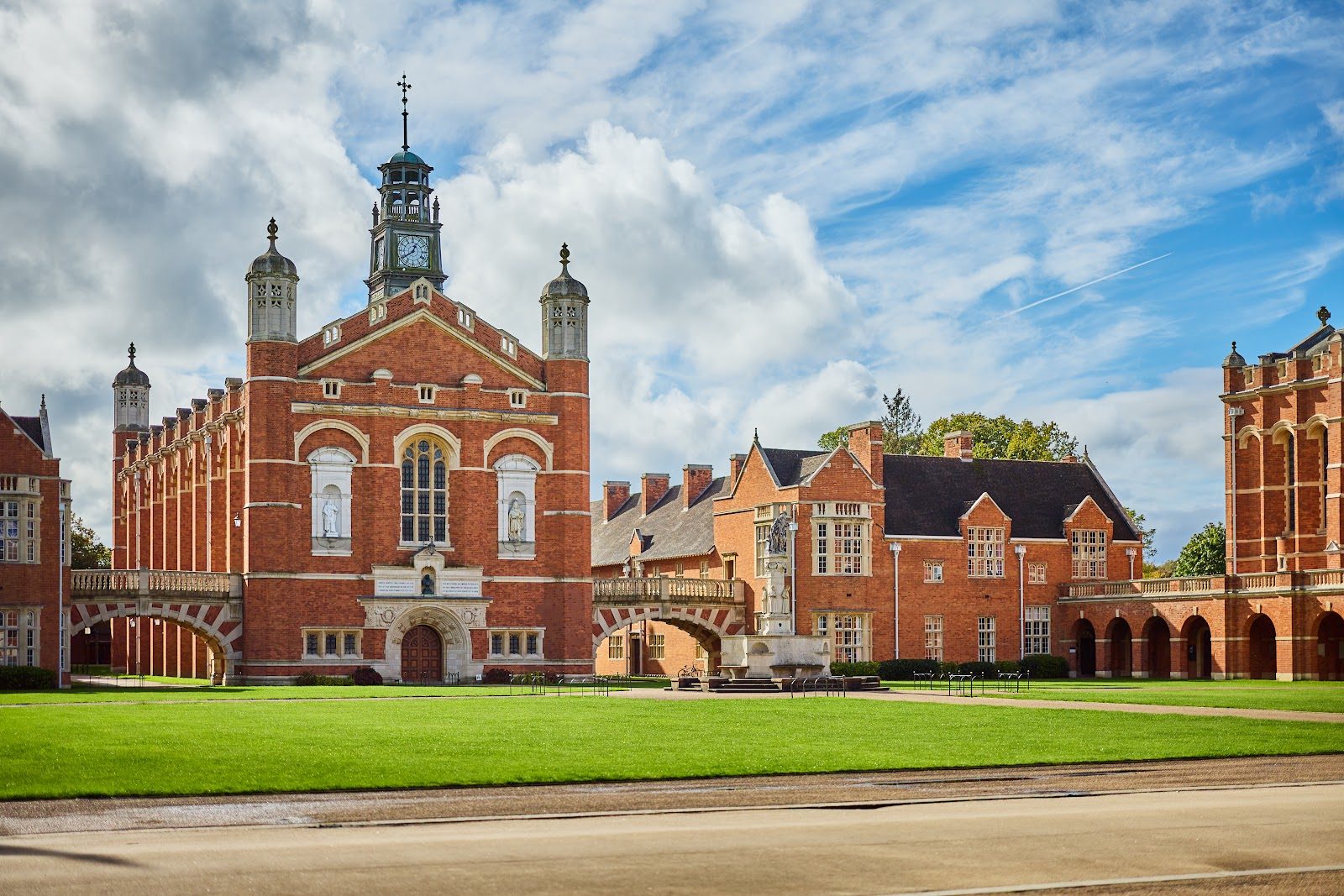
Christ's Hospital
Horsham · United Kingdom
Tudor bluecoat uniforms unchanged since 1552 meet a bursary scheme that funds most pupils, set across 1,200 acres of Sussex countryside.
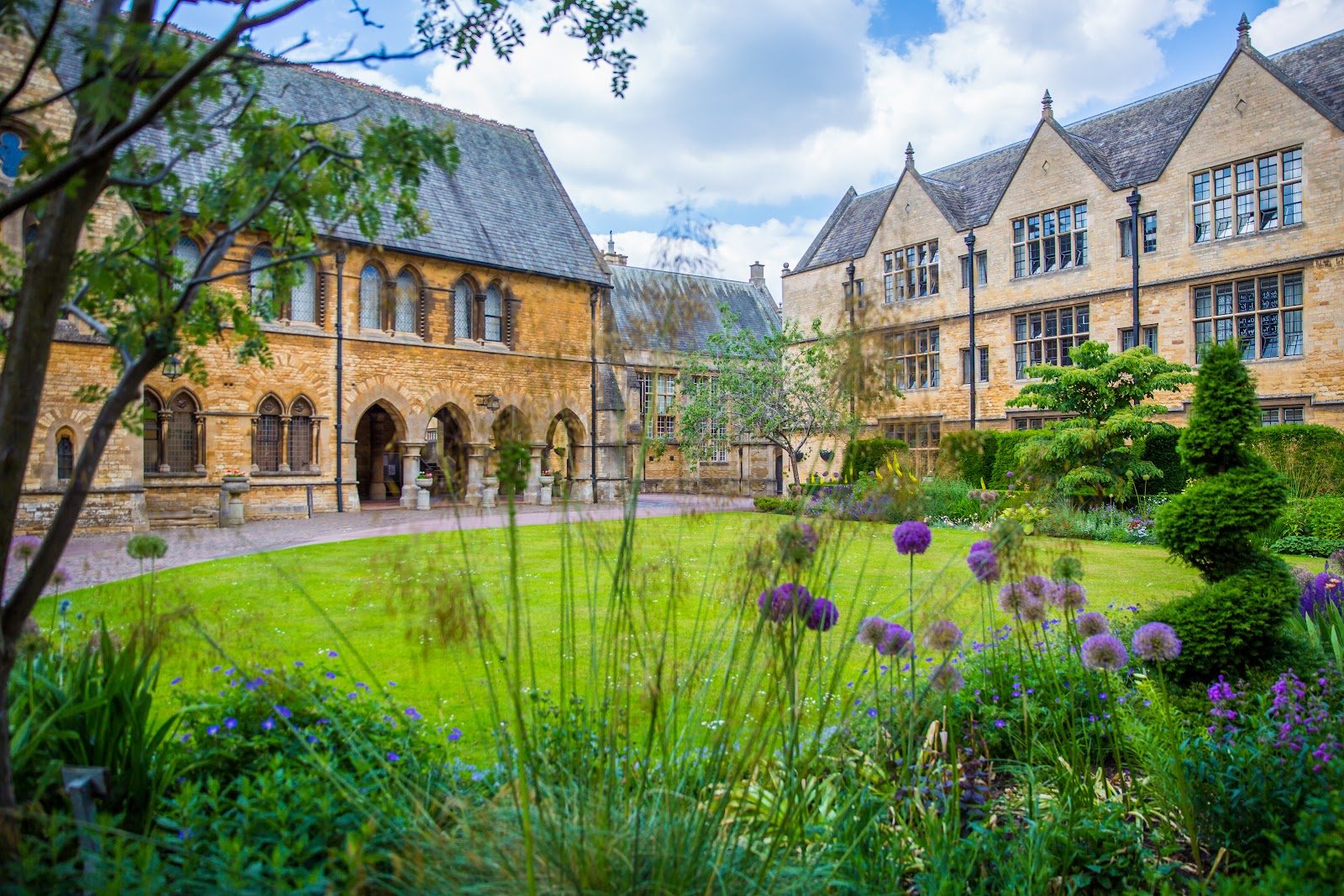
Uppingham School
Uppingham · United Kingdom
A Rutland boarding school where Thring's music-first Victorian philosophy still shapes seven-day house life today

Badminton School
Bristol · United Kingdom
On a Bristol campus where girls have played cricket since 1858, science labs for women followed decades ahead of the curve
Same country and curriculum — closest matches within ±10 points either way