
Bogotá
Instituto Alberto Merani
Born to nurture gifted minds, this Bogota school engineered a homegrown pedagogy later exported to reshape Ecuador's curriculum reform.
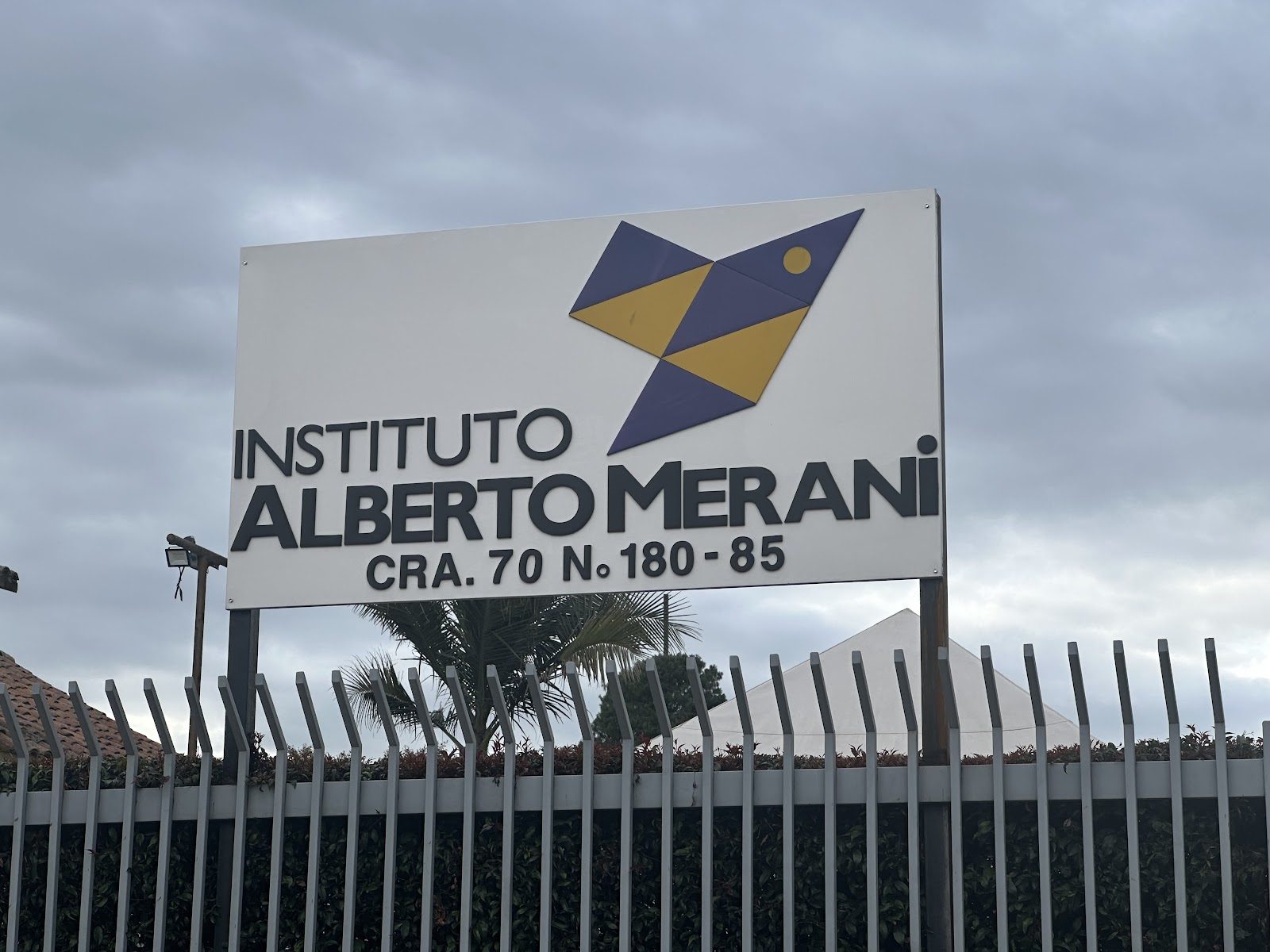
Photo © Instituto Alberto Merani via Google Maps
Type
Day
Ages
3–18
Curriculum
Colombian
Qualifications
Colombian national curriculum (gifted / cognitive-development track)
Ratio
—
The Verdict
Editor's commitment
Right for
Gifted children who need a day school in Bogotá, ages 3–18, with a Colombian curriculum and a school-built pedagogy.
Wrong for
Families wanting boarding, a conventional imported curriculum, or schooling outside Spanish and English will hit limits fast at this 1988-founded school.
Watch out for
Merani talks forcefully about innovation and emotional education, but it does not publish aggregate exam outcomes for its Colombian programme.
Ranking breakdown
Instituto Alberto Merani · # of 1591
Composite score 58.9. 8 weighted criteria.
By criterion
Academic Outcomes
Weight 20%
#511
of 1529 scored
University Placement
Weight 16%
#1227
of 1529 scored
Prestige & Heritage
Weight 12%
#953
of 1571 scored
Alumni Network
Weight 12%
#1165
of 1530 scored
Facilities
Weight 12%
#1375
of 1534 scored
Transparency & Communications
Weight 8%
#1150
of 1532 scored
Peer & Industry Review
Weight 10%
#640
of 1548 scored
Admissions Selectivity & Demand
Weight 8%
#888
of 1529 scored
Peer & Industry Review
How Instituto Alberto Merani is regarded in the sector
68
Respected · medium confidence
Within Colombia, Instituto Alberto Merani is regarded less as a conventional prep school and more as a pedagogical laboratory. It is consistently classified in the 'muy superior' band of the ICFES Saber 11 national exam, the benchmark used by newspapers such as El Tiempo and Semana Educacion when compiling their annual school league tables, and it is repeatedly cited there as a reference point for non-traditional academic models. Its founder, Julian de Zubiria Samper, and the school's 'Pedagogia Conceptual' framework are widely referenced in Colombian and Latin American education literature, and other private schools across the region have adopted or studied its cognitive-development curriculum, giving it outsized influence relative to its size. It lacks the international boarding-school profile covered by outlets like WhichSchoolAdvisor or the Good Schools Guide, so its press footprint is concentrated in Spanish-language education journalism and academic conference circuits rather than global rankings. University-facing reputation centers on Colombian institutions (Universidad de los Andes, Universidad Nacional) rather than Ivy League admissions offices, with alumni progression cited anecdotally in Colombian press rather than through formal university data-sharing.
Editors' overview
Instituto Alberto Merani occupies a rare position in Bogotá: a school with its own intellectual tradition, not a local copy of an imported model. Founded in 1988, it runs a Colombian curriculum for ages 3–18, in Spanish and English, and stakes its reputation on “Pedagogía Dialogante”, critical reading, argument, research and socio-emotional education. The school’s strongest point is not polish or prestige signalling; it is pedagogical authorship. Merani built a homegrown approach over four decades, then turned that work into publications, teacher formation and wider influence in Colombia and Latin America. That gives it weight. Parents who want a school with a clear educational thesis, rather than a generic promise of “excellence”, will find serious intent here.
What marks Merani out is the blend of cognitive ambition and emotional infrastructure. The school talks in concrete terms about project of life, resilience, autonomy, family support and care through programmes such as PAF and CÜIDARIUM. It also gives students visible outlets for independent work: final-year thesis defences, student media through Ícaro, inter-school seminars, and “Aulas de Excelencia” where students choose areas such as arts, cooking, music, mathematics and philosophy. The result is a school that values intellectual independence and earned confidence, not passive compliance. English matters too, with Berlitz support, but this is not an English-first international school. It is a Colombian school with a strong internal philosophy and a bilingual dimension.
It belongs on a shortlist for families who want more than exam preparation and more than pastoral slogans. Merani has substance, a long educational memory, and a public record of research, publication and outreach. Its mention for CÜIDARIUM in the El Espectador education awards in 2022 adds external validation, and the school also points to strong Saber 11 balances during the pandemic. Still, parents need to choose it for the right reason. This is not the school for families chasing a conventional, highly standardised academic machine or an Anglo-brand international pathway. It is for families drawn to deliberate thinking, emotional seriousness and a school culture that treats ideas, debate and personal formation as central rather than decorative.
The best fit is a student who likes asking why, not just memorising what; a student who will use freedom well; a student willing to read, argue, present and sustain long-term projects. Creative students with academic depth, reflective children who need adults to take their inner life seriously, and adolescents who thrive when school connects knowledge with society will do well here. Children who need relentless structure, heavy-handed competition or a narrow performance script will find the model less comfortable. Merani suits families looking for a school with a mind of its own and students ready for work with purpose.
Academic Performance
Merani does not publish the hard exam data that would let parents place it cleanly against Bogotá’s strongest academic schools. No average Saber 11 score, no subject breakdown, no university placement table, no multi-year trend line. That opacity matters. For a school that trades on intellectual seriousness, the public academic case is less robust than it should be. The one direct claim on record is stronger than fluff but still narrow: the school points to “mejores balances” in Pruebas Saber 11 during the pandemic. That signals competent performance across the paper rather than a narrow spike in one area, and it fits a model built around argument, reading and sustained thinking. It does not tell parents where Merani sits in the top tier.
The stronger academic evidence lies in the school’s internal architecture rather than in published league-table metrics: final-year thesis defences, inter-school seminars in sciences and social sciences, and student work pushed to “excelencia” in selected areas. Those are serious academic habits, not decorative enrichment. They matter most for students who can handle extended writing, oral defence and independent inquiry. Parents seeking a school with public, comparable exam dominance will find the picture incomplete. Parents seeking a school that cultivates deep intellectual formation and then performs credibly in national testing will find enough to take Merani seriously, but not enough to call it an exam powerhouse.
Facilities
Merani’s facilities read less like a polished international-school estate and more like a working academic base organised around choice, discussion and student output. The school points to “Aulas de Excelencia” across arts, cooking, music, mathematics, philosophy and other areas, plus a student media platform, a musical ensemble, sports teams and dance. That mix matters. It gives pupils places to make, perform, publish and argue, not just sit through lessons. The school also gives emotional support a physical and programmatic home through CÜIDARIUM, which sets it apart from peers that talk about wellbeing in generic terms. The published address places it on a conventional urban campus rather than a vast suburban spread, and nothing in the school’s public case points to lavish infrastructure, elite athletic plant or showpiece architecture.
Against Bogotá peers, that puts Merani in a distinct bracket. Families looking for Olympic-scale sports provision, multiple specialist labs trumpeted in marketing copy, black-box theatres or country-club facilities will find stronger options elsewhere. Families looking for spaces tied tightly to pedagogy will find Merani more interesting. The standout facilities here are the ones that support its educational thesis: rooms for elective excellence, platforms for student voice, and structures that connect emotional care with daily school life. That is a purpose-built intellectual environment, not a campus designed to impress on tour. For the right child, that focus is far more valuable than gloss.
Instituto Alberto Merani occupies a rare position in Bogotá: a school with its own intellectual tradition, not a local copy of an imported model
Prestige
Merani’s prestige rests on authorship, not social cachet. In Bogotá’s school market, that is a narrower but more durable form of status. This is a school other educators study, borrow from and invite into wider pedagogical debate. Its own site pushes that case hard, and with reason: continuous publication, teacher formation work across Colombia, a long run of educational research, and a model that has travelled beyond its own classrooms give it real intellectual standing. The magazine issue numbered 133, devoted to socio-emotional education and built from the school’s own practice, reinforces that point. So does its claim to 15 years of pedagogical work in different settings across the country. That is not inherited prestige. It is earned authority.
The limit is clear. Merani does not carry the broad, instantly legible prestige of an elite Anglo-brand school with widely published university destinations, old-boy networks or headline exam tables. Its reputation is specialist rather than grand. Among families, academics and educators who value pedagogy, critical thinking and student research, the name carries weight. Among parents who equate prestige with social polish, foreign pathways or public metrics, it carries less force. The honour for CÜIDARIUM in a national education award adds credible external recognition, but the school’s strongest claim remains this: Merani matters because it has shaped educational thinking, not because it has mastered status performance.
The school publishes a lot; it does not curate it with the precision of a top-tier parent information system
Communications
Merani communicates like a school that has a lot to say and no fear of saying it at length. The public-facing channels are busy, current and varied: event notices, admissions invitations, research features, family programming, student media, videos, podcast links and social feeds all sit in active rotation. Parents are not left guessing whether the school is alive. They can see the rhythm of the place, from open events to holiday closures to community grief. That range gives the communication a human, unsanitised quality that many schools lack. It also reinforces the school’s core identity: ideas, debate, emotional care and family involvement are not hidden in a handbook but pushed into view. The family support structure is especially clear, with PAF and CÜIDARIUM treated as operational parts of school life rather than decorative pastoral branding.
The weakness is discipline. The website is crowded, date-heavy and structurally messy, with overlapping notices, repeated calls to register and a cluttered front page that asks parents to work hard to sort signal from noise. There is useful substance here, but not clean hierarchy. Admissions information exists, including FAQs and booking routes, yet the user journey lacks elegance. For current families, that density may feel manageable because the school’s culture values engagement. For new families, it can feel chaotic and old-school. Communication is effective in content and weak in editing: rich, immediate and sincere, but short on restraint. The school publishes a lot; it does not curate it with the precision of a top-tier parent information system.
Uniqueness
What makes Merani unusual is that it did not import its educational identity from an overseas brand, exam board or fashionable consultancy. It built one. “Pedagogía Dialogante” sits at the centre of the school’s claim on the market, and the distinctive point is not the slogan but the ecosystem around it: continuous research, sustained publication, family formation, socio-emotional work, student media, thesis defence, and elective “Aulas de Excelencia” that push students into chosen domains rather than keeping everyone on the same narrow academic rail. The reference to magazine issue 133 gives that intellectual production a concrete marker. So does the school’s statement that its approach has been studied in universities and implemented in public and private institutions. That is rare institutional authorship in a school sector crowded with imitation.
For students, that brings a form of schooling with real internal coherence. Ideas taught in class connect to debate, writing, public presentation, emotional literacy and social inquiry. The school’s own research topics — bullying after the return to in-person schooling, family life during the pandemic, sociopolitical violence after the peace accords — show a culture that treats student thinking as serious civic work, not classroom theatre. The gain for the right child is intellectual self-possession: the ability to argue, defend, question and connect knowledge to life beyond school. The trade-off is clear too. This model asks more of a student’s mind and character than a conventional, tightly scripted school. That demand is the point.
The school’s strongest point is not polish or prestige signalling; it is pedagogical authorship
Student Profile
The best fit is a child with intellectual appetite and enough self-command to use freedom well. Merani suits students who want to question, test ideas, read beyond the set task and defend a point in front of others. The school gives real weight to argument, research, thesis work, student publication and elective spaces that range across arts, mathematics, philosophy, music and even cooking. That mix favours the self-propelled, the verbally confident and the student who gains energy from discussion rather than from rote routine. Children with a strong inner life also benefit: emotional education, family work and care structures are not side programmes here; they shape the daily culture.
The weaker fit is just as clear. Students who need constant external pressure, tight scripting or a simple reward-and-ranking culture will find Merani demanding in a different way. It asks for maturity, reflection and a willingness to sustain long projects without the theatrics of a conventional high-performance machine. The admissions age cap published for one entry route — 11 years + 11 months — also signals that the school wants to bring students into its model early rather than bolt them on late. This is a strong choice for curious, reflective, independent-minded children. It is not for the passive, the status-chaser or the child who wants school reduced to test prep.
Parents who want a school with a clear educational thesis, rather than a generic promise of “excellence”, will find serious intent here
Co-curricular strengths
Arts & sport, on a separate axis
Overall 6.6/10
Scored 0-10 from the school's own published evidence. This axis is editorial-only — it does not feed the main WTS ranking.
Sports
7/10
Drama
5.5/10
Dance
7/10
Music
6.5/10
Visual Arts
7/10
Strengths
- +Founded in 1988 in Bogota by a group of researchers and teachers, the school has run its own pedagogical model, Pedagogia Dialogante, for over three decades.
- +In 2000 the institution took the decision to open its doors to children of all intellectual capacities, moving beyond its original remit as a program for exceptional learners.
- +Founder and director Julian de Zubiria Samper created, around 1985 with his brother Miguel and other educators, the model known as Pedagogia Conceptual and later Pedagogia Dialogante, both recognized in Latin America.
- +Secondary students receive intensified English instruction through a partnership with the well-known language school Berlitz.
- +Campus facilities include academic and sports spaces, computer labs, art rooms, a canteen and laboratories.
Considerations
- −Formal admission is aimed at children from about 4 years and six months up to 9 years of age, which narrows the realistic entry window for families arriving with older children.
- −The school operates on Colombia's Calendar A academic year using its own home-grown curriculum rather than an internationally benchmarked programme such as the IB.
- −Independent school-comparison sites estimate monthly tuition (pension) at approximately COP 2 million, a recurring cost on top of enrolment and registration fees that families must budget for.
- −The school is not an institution with an emphasis on giftedness, having abandoned that model more than 25 years ago, so families assuming a gifted-and-talented focus based on its founding history should verify current practice.
Availability
Primary entry gate & tests
Academic Record + Interview
Gallery
Photo © Dyr via Google Maps
Photo © Hansen Hernández via Google Maps
Photo © Hansen Hernández via Google Maps
Photo © Hansen Hernández via Google Maps
Photo © Hansen Hernández via Google Maps
Photo © Hansen Hernández via Google Maps
Photo © Sebastian Zamudio via Google Maps
Parent reviews
Have you sent your child here?
Voice reviews carry the strongest trust badge — we transcribe them for you to tidy up before they go live. Prefer to type? A written review is fine too.
Add your voice
In 60 seconds, tell other parents: what's the best thing about Instituto Alberto Merani, and what surprised you when your child joined?
We ask for a Google sign-in so every review has a real face behind it — no anonymous drive-by attacks on schools, and no faked positive reviews. Your email is never shown publicly.
Send this profile to a friend
International parents rely on word-of-mouth. Share this review with someone weighing the same decision.
Schools with places
Similar schools to Instituto Alberto Merani with places available now.
Colegio Nueva Granada
Bogotá · Colombia
- 2026-27
- WAITPOOLVacancy-dependent
- 2027-28
- WAITPOOLVacancy-dependent
The English School
Bogotá · Colombia
- 2026-27
- CLOSEDStandard route closed
- 2027-28
- WAITPOOL2027/28 enquiries underway
Availability first, then country, area, curriculum, price, co-curricular
Consider also
Also worth looking at alongside Instituto Alberto Merani.
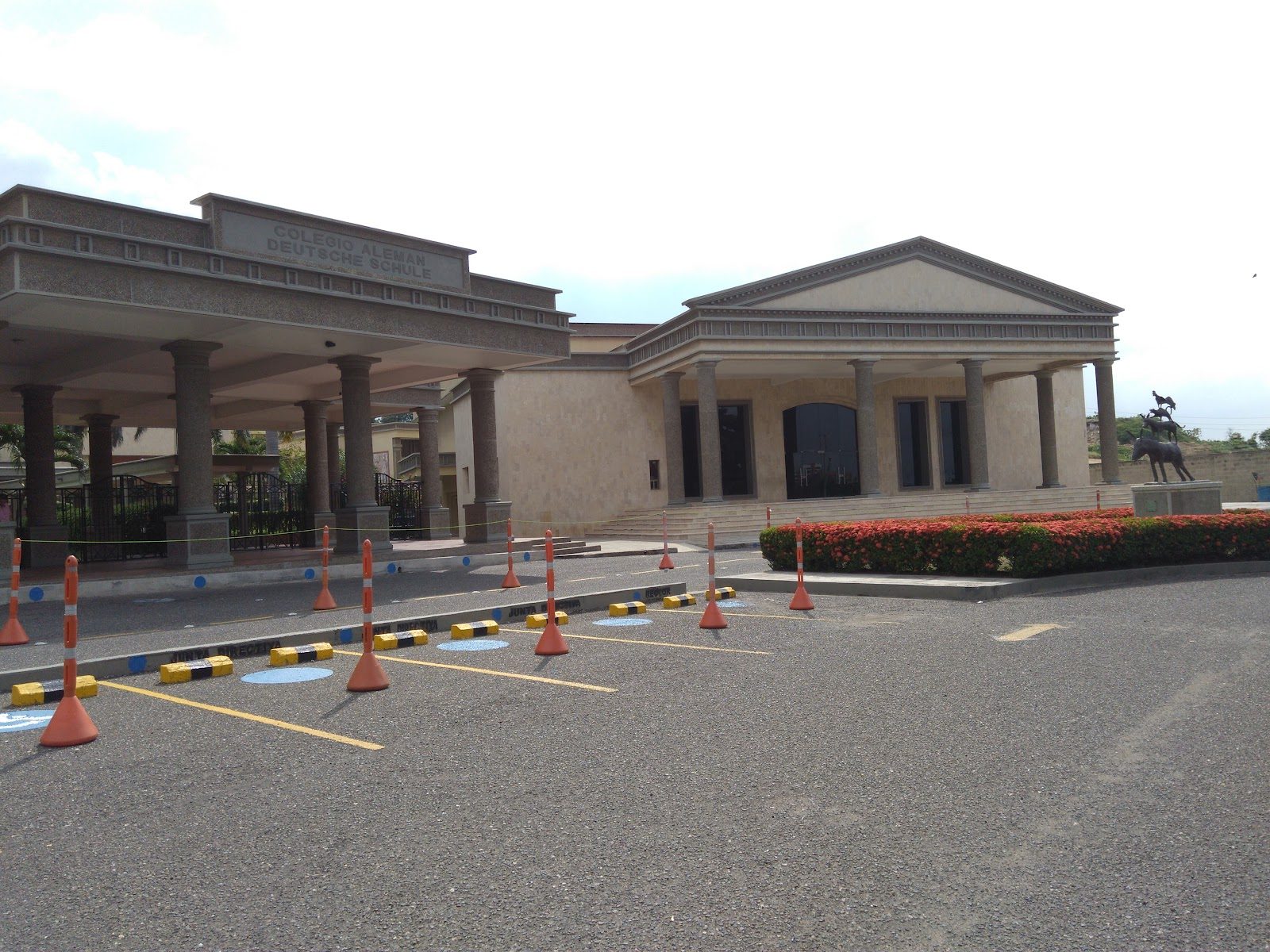
Colegio Alemán de Barranquilla
Barranquilla · Colombia
On Colombia's Caribbean coast, a century-old German school pairs Abitur rigor with the IB diploma in three languages.
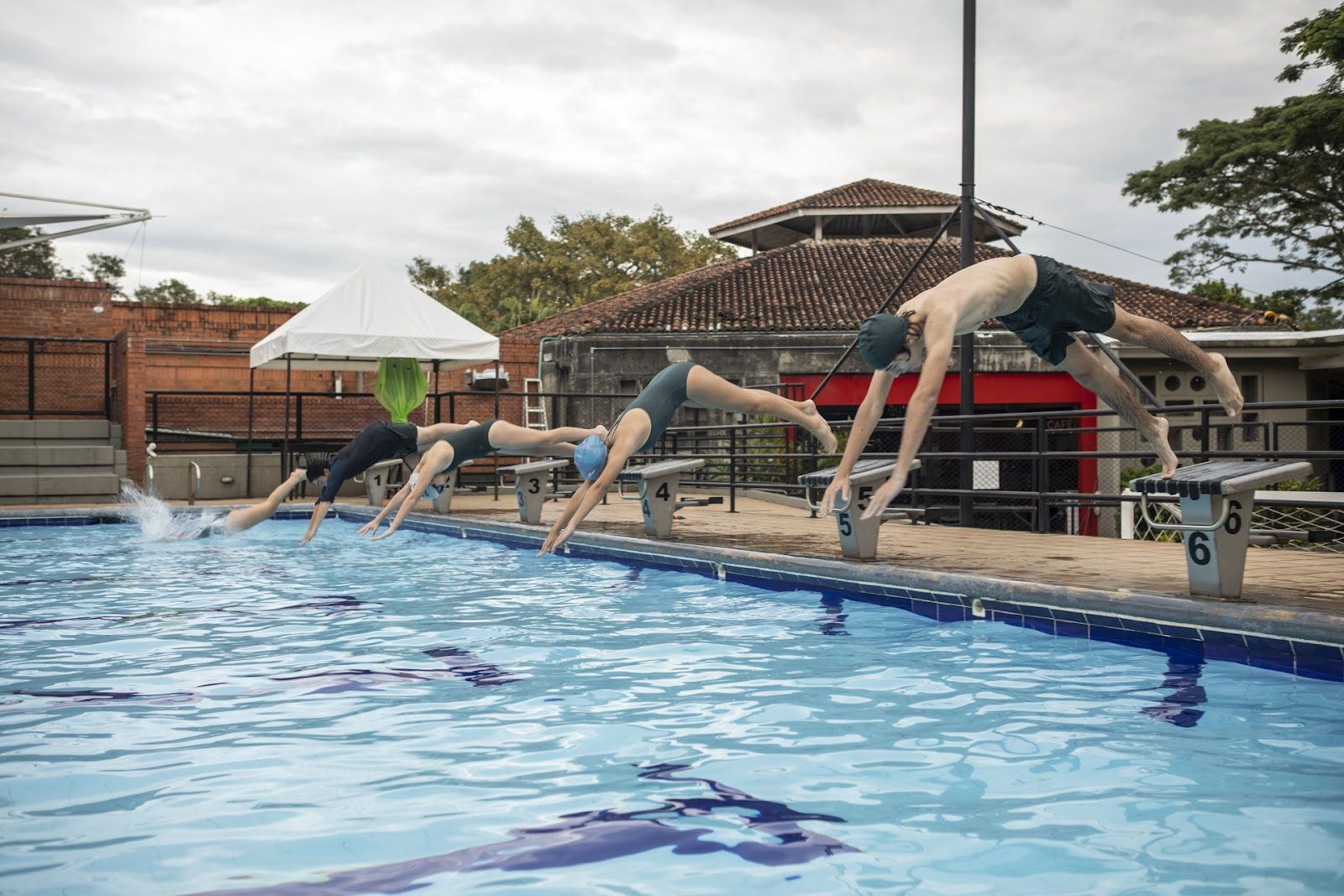
Colegio Colombo Británico Cali
Cali · Colombia
Founded in 1956 on English pedagogy, Cali's only CIS-accredited school runs the full IB continuum with a Round Square ethos of service and exchange.
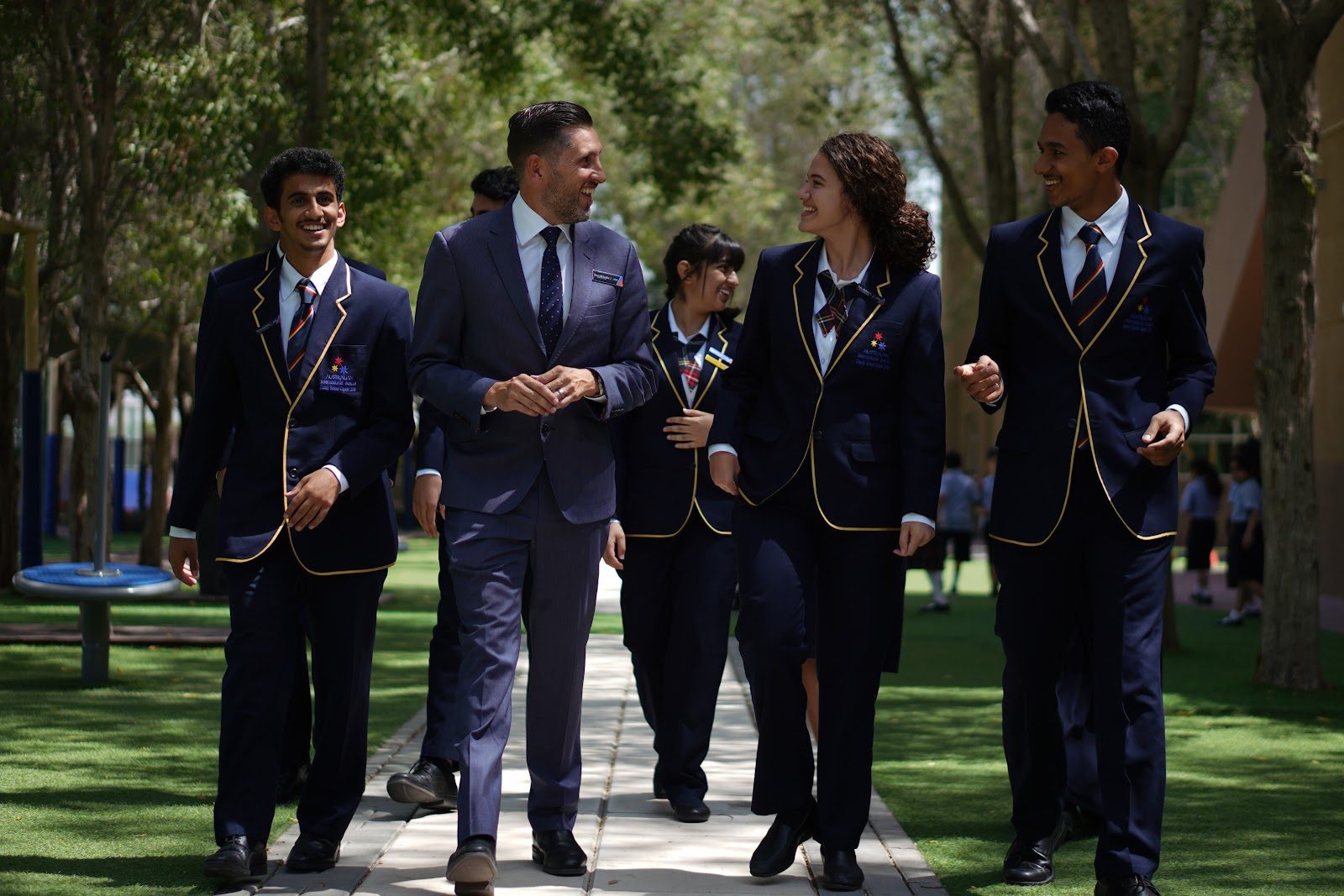
Australian International School Sharjah
Sharjah · United Arab Emirates
The UAE's only full Australian Curriculum school, pairing Queensland's QCE/ATAR pathway with deep Emirati cultural grounding since 2005.
Loreto Kirribilli
Kirribilli · Australia
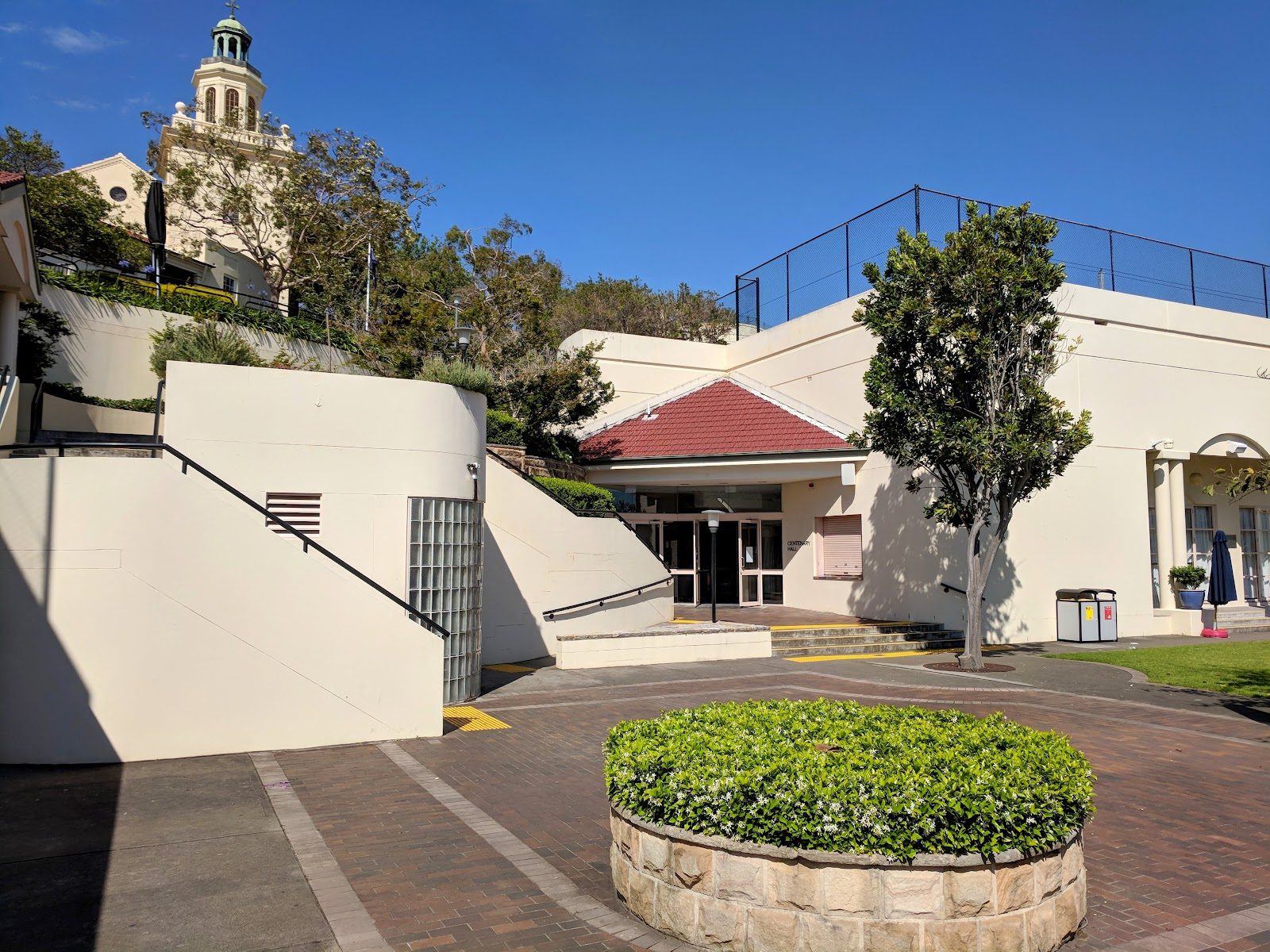
On Sydney Harbour since 1908, its chapel tower once guided sailors--now it anchors a top-performing Catholic girls' school.
Same country and curriculum — closest matches within ±10 points either way