
Hong Kong
Hong Kong Academy
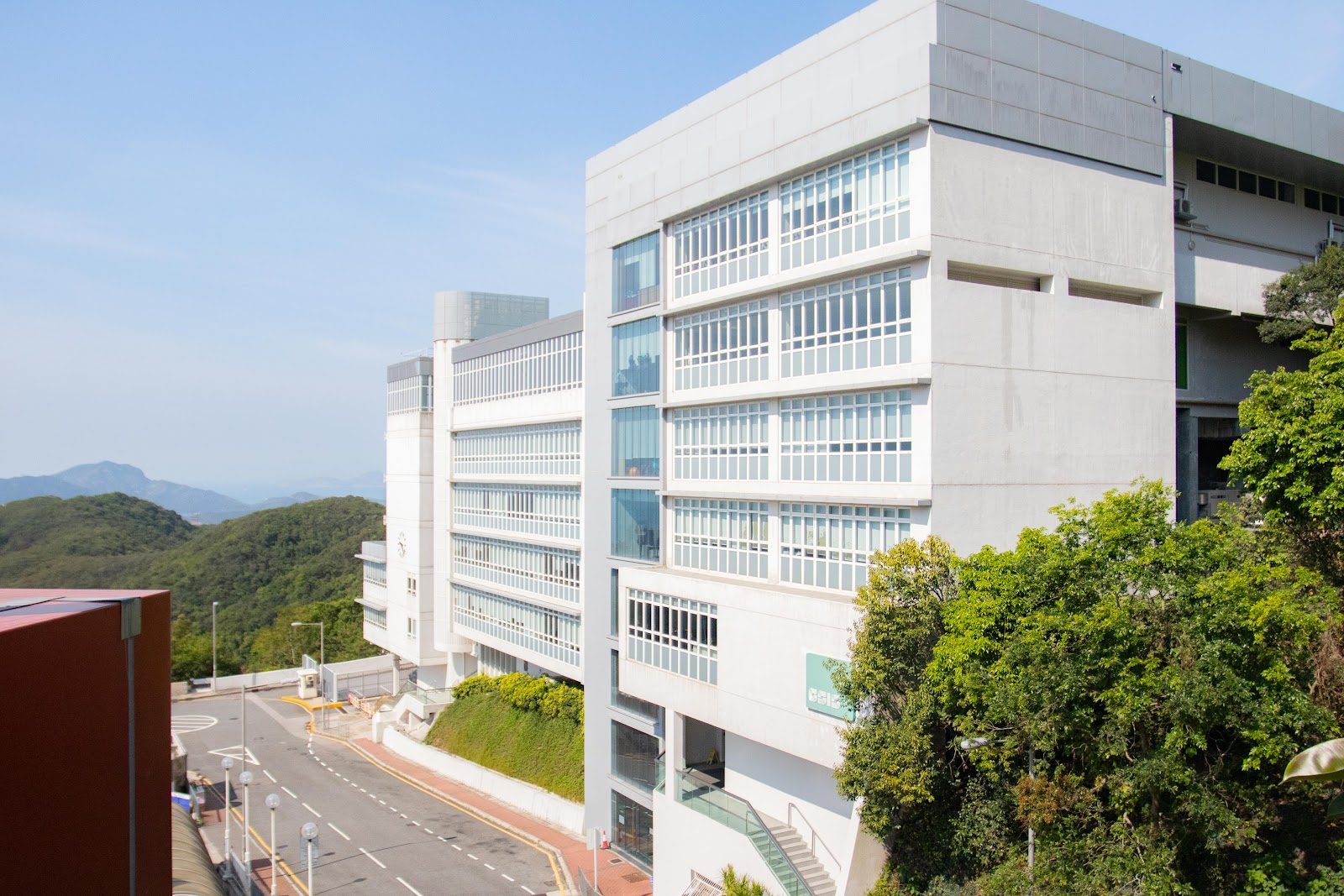
low confidence· 6/6 cats · 0 avg sourcesSai Kung's Gold BEAM Plus campus, global host of the Global Citizen Diploma, makes sustainability part of the IB continuum.
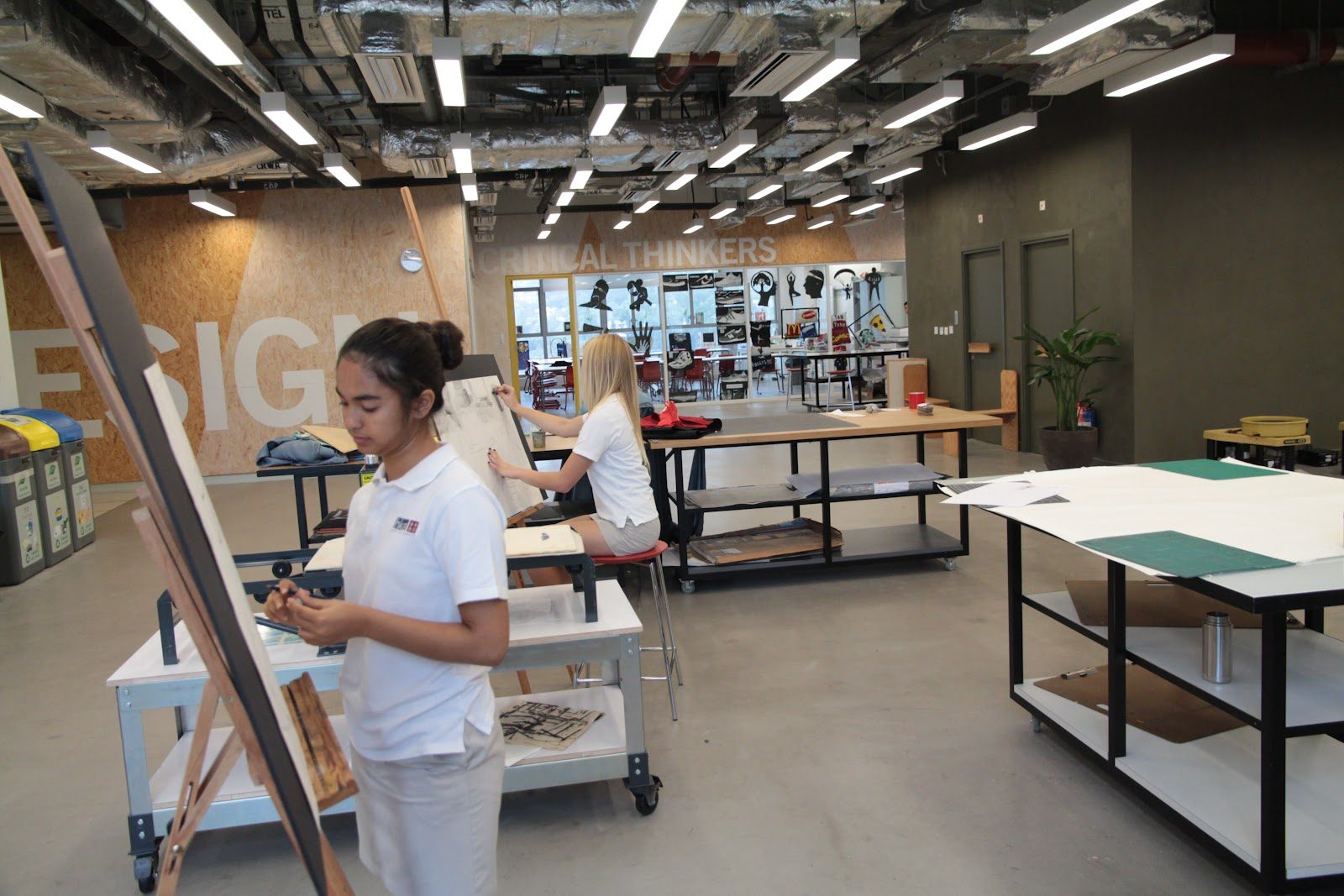
Photo © Hong Kong Academy via Google Maps
Type
Day
Ages
5–18
Curriculum
IB (Diploma, MYP, PYP)
Ratio
8:1
The Verdict
Editor's commitment
Right for
Families who want a non-profit IB school, ages 5–18, on a Gold BEAM Plus Sai Kung campus with sustainability embedded.
Wrong for
Parents who want lower fees than HK$227,660 a year on average, or a curriculum outside the PYP, MYP and Diploma.
Watch out for
Class size averages 24, and the school spans Pre-K to Grade 12; check whether your child gets enough individual stretch.
Ranking breakdown
Hong Kong Academy · # of 1591
Composite score 69.2. 8 weighted criteria.
By criterion
Academic Outcomes
Weight 20%
#585
of 1529 scored
University Placement
Weight 16%
#584
of 1529 scored
Prestige & Heritage
Weight 12%
#678
of 1571 scored
Alumni Network
Weight 12%
#427
of 1530 scored
Facilities
Weight 12%
#478
of 1534 scored
Transparency & Communications
Weight 8%
#592
of 1532 scored
Peer & Industry Review
Weight 10%
#640
of 1548 scored
Admissions Selectivity & Demand
Weight 8%
#438
of 1529 scored
Peer & Industry Review
How Hong Kong Academy is regarded in the sector
68
Respected · medium confidence
Hong Kong Academy occupies a respected niche in the territory's crowded international school market, prized less for headline exam tables than for its curricular distinctiveness and community feel. Tatler Asia includes it among its Best International Schools in Hong Kong, noting HKA's status as administrative home of the Global Citizen Diploma, while WhichSchoolAdvisor's review highlights its unusually low 1:6 teacher ratio and "personal, individualised approach" as genuine differentiators. Good Schools Guide's independent profile confirms it as one of only eight fully authorised three-programme IB World Schools in the city, a rare accreditation that peer schools recognise. Coverage is consistent but not exhaustive, and parent commentary flags Learning Support staffing and the Sai Kung commute as recurring caveats, keeping it a solid regional player rather than a top-tier name.{ "score": 68, "confidence": "medium", "rationale": "Hong Kong Academy occupies a respected niche in the territory's crowded international-school market, valued less for headline exam tables than for curricular distinctiveness and community feel. Tatler Asia includes the Sai Kung school in its Best International Schools in Hong Kong collection, noting it is the administrative home of the Global Citizen Diploma and also hosts the International Schools Theatre Association. WhichSchoolAdvisor's review highlights its low teacher to student ratio of 1:6 as evidence of the "personal, individualised approach" the school promotes. The Good Schools Guide's independent SCMP-hosted profile confirms HKA is one of
Editors' overview
Sai Kung is the point here. Hong Kong Academy has built a campus identity around place, sustainability and a full IB continuum, and that gives it a more distinctive shape than many Hong Kong internationals that rely on central convenience and generic “global mindedness”. It is a non-profit day school, founded in 2000, teaching in English from age 5 to 18, with the PYP, MYP and Diploma in place. The campus carries Gold BEAM Plus credentials, and sustainability is not a decorative add-on when the school also hosts the Global Citizen Diploma. That combination matters: families looking for an IB school with a clear civic and environmental thread will find a coherent proposition here, not a loose collection of initiatives.
The school sits in the expensive end of Hong Kong’s international market, with an average annual fee of HK$227,660 across its age range. Parents are paying for more than an IB badge. HKA also holds CIS accreditation and authorisation from the International Baccalaureate, and it belongs to networks including ACAMIS, Next Frontier Inclusion and SENIA. Those affiliations reinforce two things the school wants to be judged on: inclusion and outward-facing partnership. The average class size of 24 is not intimate by boutique-school standards, so this is not a tiny, hand-held environment. It is better read as a substantial community school with a deliberate values structure and enough scale to support varied pathways, theatre links and student support without feeling corporate.
The children who thrive here are those who want an IB education with a visible moral frame. This is a good fit for internationally minded students who enjoy discussion, service, intercultural work and the language of sustainability, and for families who want a non-religious school that treats belonging and inclusion as operational priorities rather than admissions copy. It is less persuasive for parents who want hard public data on academic outcomes: the school does not publish aggregate IB Diploma results in the public domain in the material here, and that weakens the academic case when compared with Hong Kong schools that put results front and centre. Even so, HKA belongs on a shortlist for families who value purpose-built identity over prestige theatre: an English-medium, all-through IB school in Sai Kung with a strong campus story, established accreditations, and a student culture geared to engaged, outward-looking children rather than narrow score-chasing.
Academic Performance
Hong Kong Academy makes an unusually opaque academic case for a school charging at the top end of the market. We have not seen aggregate IB Diploma averages, pass rates, top scores or subject-by-subject breakdowns in the public domain. That matters. In Hong Kong, the stronger academically driven internationals publish headline outcomes and use them to anchor their sixth-form credibility. HKA does not. The school talks instead about multiple graduation pathways, university and careers support, and an education built around global citizenship. That broadens the offer, but it also leaves parents without the hard comparative data needed to place the school cleanly against the city’s more results-forward competitors.
That does not mean weak outcomes; it means undisclosed outcomes. Those are different things, and schools know the difference. HKA’s first IB Diploma cohort graduated in 2012, so this is not a new senior school still finding its feet. It has had time to build a settled post-16 record. The absence of published aggregate exam data now reads as a deliberate choice, not an early-stage gap. Relative to peers, that puts HKA in a less convincing academic bracket for families who rank examination performance and selective university entry above ethos, sustainability and community life. For parents who want a school with a clear moral centre and are content to ask for results privately, that trade-off may be acceptable. For data-minded families, it is a real weakness.
Facilities
Facilities are one of Hong Kong Academy’s strongest cards. The school leans hard on its purpose-built Sai Kung campus, and with reason: the building gives it a more considered, less improvised physical environment than many Hong Kong internationals operating across adapted towers or tighter urban plots. The standout is the sustainability infrastructure built into the campus itself, which lifts the estate beyond cosmetic “green” branding and into something students use and inhabit daily. That matters in a market where environmental language is cheap and genuinely integrated design is rarer. The school also advertises a wide co-curricular platform, with 100-plus primary after-school activities each semester, which points to the supporting specialist spaces parents expect: sports provision, performing arts areas and flexible rooms that can handle a broad activities programme without constant compromise.
Against peers, this is a campus with real physical presence. Families choosing between Sai Kung and more central schools need to weigh that advantage against journey time, because HKA’s site offers freedoms that denser Hong Kong campuses cannot match. The trade-off is obvious: convenience loses, campus quality wins. For students who want room to move, perform, play and spend a full day in a setting that does not feel cramped or makeshift, HKA has an edge. It does not have the old-school grandeur of the territory’s legacy heavyweights, but it does offer something many competitors do not: a coherent, modern learning environment whose facilities support the school’s values rather than merely decorate them.
Hong Kong Academy makes an unusually opaque academic case for a school charging at the top end of the market
Prestige
Hong Kong Academy carries selective local prestige, not the automatic social cachet of Hong Kong’s oldest, most oversubscribed brand-name internationals. Its standing rests on a different set of signals: non-profit status, a purpose-built campus with environmental credentials, and a strong identity around inclusion, service and global citizenship. That gives it credibility with families who want substance over status performance. It does not give it the same shorthand prestige as schools whose names function as a proxy for exam dominance, legacy networks or corporate-expat hierarchy. In Hong Kong terms, this is earned esteem rather than inherited glamour.
Why rate it this way? First, the price point is unmistakably premium at HK$227,660, which places HKA in a bracket where parents expect both educational seriousness and social recognition. Second, the school has enough scale to offer breadth, with 100-plus after-school activities in the primary years alone, and it has built international connections through memberships and the Global Citizen Diploma. Those features strengthen reputation. But prestige has limits when academic outcomes remain publicly underpowered as a story. Families comparing elite options in this market look for published headline results and university destinations that travel instantly in dinner-party conversation. HKA’s reputation is stronger among parents who value a clear ethical identity and a community-minded culture than among those chasing the city’s most status-laden school names.
Hong Kong Academy carries selective local prestige, not the automatic social cachet of Hong Kong’s oldest, most oversubscribed brand-name internationals
Communications
Hong Kong Academy’s parent communications are well structured and easy to access. The public-facing system is clear: parent portal, ManageBac, FAQs, term calendar, direct admissions email and phone, tour booking, and a visible quick-links menu that does the practical work without fuss. That matters because schools with sprawling programmes need a communications spine that handles logistics cleanly. HKA also signals community life with more substance than many rivals: events, PTCO, alumni, media coverage, bus information, food service, summer programme and co-curricular pages all sit in plain view. The message is deliberate: this is a school that expects families to engage with the life of the place, not just drop children at the gate. The offer of 100-plus primary activities reinforces that need for organised, regular parent-facing information.
What is missing is the sharper academic disclosure that many fee-paying parents now expect. The school communicates ethos, belonging, sustainability and student experience fluently; it communicates outcomes less well. We have not seen aggregate diploma results in the public domain, and that weakens trust at the point where communication matters most: evidence of what the school delivers at the end of the journey. So the verdict is mixed but clear. Day-to-day communication looks competent, modern and serviceable. Strategic communication is less convincing, because it asks parents to buy into mission and culture without putting enough hard attainment data alongside them.
Uniqueness
What sets Hong Kong Academy apart is not the IB label. Hong Kong has no shortage of IB schools. HKA’s distinction lies in how tightly it connects campus, community and civic purpose. The school has made Sai Kung part of the educational proposition rather than a postal address, and that gives student life a different texture from the city’s more transactional, tower-based internationals. The environmental agenda also has more weight here than at schools that treat sustainability as an annual theme week. An award-winning sustainable campus changes the daily experience of school; students learn inside a building that reinforces the values being taught. Add the Global Citizen Diploma and the result is a school with a clear ideological spine: service, inclusion, intercultural fluency and environmental literacy are built into the culture, not bolted on.
That brings real gains for the right child. Students who want to debate, organise, perform, join clubs and connect classroom work to public questions get a more coherent sense of purpose than they do at schools where activities feel detached from the academic day. The breadth matters too: 100-plus after-school activities in the primary years point to a school that expects participation, not passive attendance. HKA also offers multiple graduation pathways, which widens the definition of success beyond a single narrow finishing line. That suits families who want an internationally minded education with visible values and room for different strengths. It suits score-maximisers less well.
Hong Kong Academy’s parent communications are well structured and easy to access
Student Profile
The pupils who fit best here are outward-facing, articulate and happy in a school where values are not background wallpaper but part of the daily brief. This suits children who like discussion, group work, performance, service and the business of joining in. A student who wants to disappear into the back row or define success only through exam rankings will find the culture a poor match. The social tone is earnest in a good way: community-minded, internationally mixed, and comfortable with the language of inclusion. With average classes of 24, pupils need enough confidence to be known without needing constant individual spotlight. This is not a hothouse for narrow academic grinders; it is a school for children who want to do school in full, not just collect grades and leave.
The strongest fit is the child who will use the place properly: clubs, sport, performing arts, student initiatives, environmental projects, the whole lot. The school advertises 100-plus after-school activities in the primary years alone, and that breadth tells you something important about the student body it wants — busy, participatory, civically switched-on. Families also need to buy into a peer group shaped by high fees and a substantial parent community, without the old-money stiffness or status theatre some Hong Kong schools still trade on. For thoughtful, socially confident students with a visible moral compass, this is a compelling environment. For children who want anonymity, brute competition or a relentlessly results-first atmosphere, it is not.
We have not seen aggregate IB Diploma averages, pass rates, top scores or subject-by-subject breakdowns in the public domain
Co-curricular strengths
Arts & sport, on a separate axis
Overall 7.66/10
Scored 0-10 from the school's own published evidence. This axis is editorial-only — it does not feed the main WTS ranking.
Sports
7.5/10
Drama
8/10
Dance
7.6/10
Music
8/10
Visual Arts
7.2/10
Strengths
- +One of only eight schools in Hong Kong fully authorized by the IB to deliver all three programmes (PYP, MYP and DP) under a single through-train continuum.
- +Mid-sized, diverse community of roughly 550-600 students drawn from more than 40 nationalities, allowing a genuinely international mix rather than a dominant single-nationality cohort.
- +Purpose-built 2013 Sai Kung campus was awarded a Gold BEAM Plus certificate by the Hong Kong Green Building Council for its environmentally friendly design.
- +Government Education Bureau data show small average class sizes (around 24 students) with only one to three classes per grade level.
- +The school offers merit-based scholarships of up to 100% of tuition and a means-tested financial aid programme with fee abatements of up to 90% for eligible families.
Considerations
- −Campus is in Sai Kung, a New Territories location generally cited as a 45-60+ minute commute from Central or Wan Chai, a real factor for families based on Hong Kong Island.
- −Entry carries substantial upfront cost beyond tuition: a mandatory family debenture reported at around HK$630,000, on top of annual tuition fees that rise to roughly HK$264,700 in the senior grades.
- −Some independent parent reviews from 2022-2024 have raised concerns about learning-support staffing levels and responsiveness, despite the school's inclusive-education aims.
- −As a single, non-network campus with a moderate enrolment of a few hundred students, subject and co-curricular breadth at the senior end may be narrower than at larger multi-campus international schools.
Availability
Primary entry gate & tests
Academic Record
Gallery
Photo © Hong Kong Academy via Google Maps
Photo © Hong Kong Academy via Google Maps
Photo © Hong Kong Academy via Google Maps
Photo © Hong Kong Academy via Google Maps
Photo © Hong Kong Academy via Google Maps
Photo © Hong Kong Academy via Google Maps
Photo © Hong Kong Academy via Google Maps
Photo © Hong Kong Academy via Google Maps
Photo © Hong Kong Academy via Google Maps
Parent reviews
Have you sent your child here?
Voice reviews carry the strongest trust badge — we transcribe them for you to tidy up before they go live. Prefer to type? A written review is fine too.
Add your voice
In 60 seconds, tell other parents: what's the best thing about Hong Kong Academy, and what surprised you when your child joined?
We ask for a Google sign-in so every review has a real face behind it — no anonymous drive-by attacks on schools, and no faked positive reviews. Your email is never shown publicly.
Send this profile to a friend
International parents rely on word-of-mouth. Share this review with someone weighing the same decision.
Schools with places
Similar schools to Hong Kong Academy with places available now.
Harrow International School Hong Kong
Hong Kong · Hong Kong
- 2026-27
- WAITPOOLSpace-dependent
- 2027-28
- OPENS SOONOpens 1 Sept '26
Li Po Chun United World College of Hong Kong
Hong Kong · Hong Kong
- 2026-27
- CLOSEDStandard route closed
- 2027-28
- WAITPOOLVaries by National Committee / Direct
Kellett School
Hong Kong · Hong Kong
- 2026-27
- WAITPOOLSpace-dependent
- 2027-28
- PLACES OPENRolling
German Swiss International School
Hong Kong · Hong Kong
- 2026-27
- PLACES OPENRolling
- 2027-28
- PLACES OPENRolling
Availability first, then country, area, curriculum, price, co-curricular
Consider also
Also worth looking at alongside Hong Kong Academy.
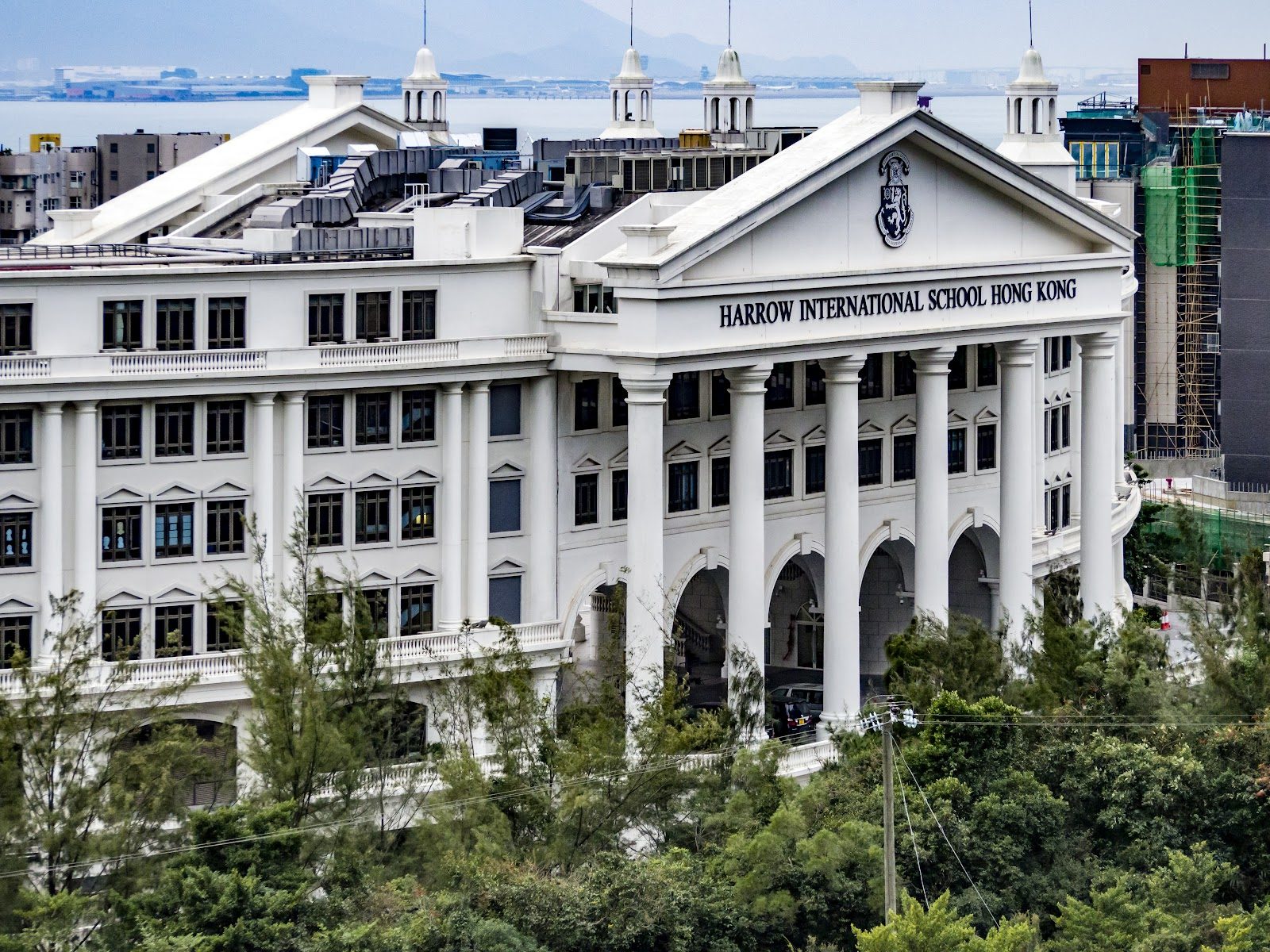
Harrow International School Hong Kong
Hong Kong · Hong Kong
A crescent-shaped Tuen Mun campus, modelled on Bath's Royal Crescent, houses Hong Kong's only formal weekly boarding and house system.
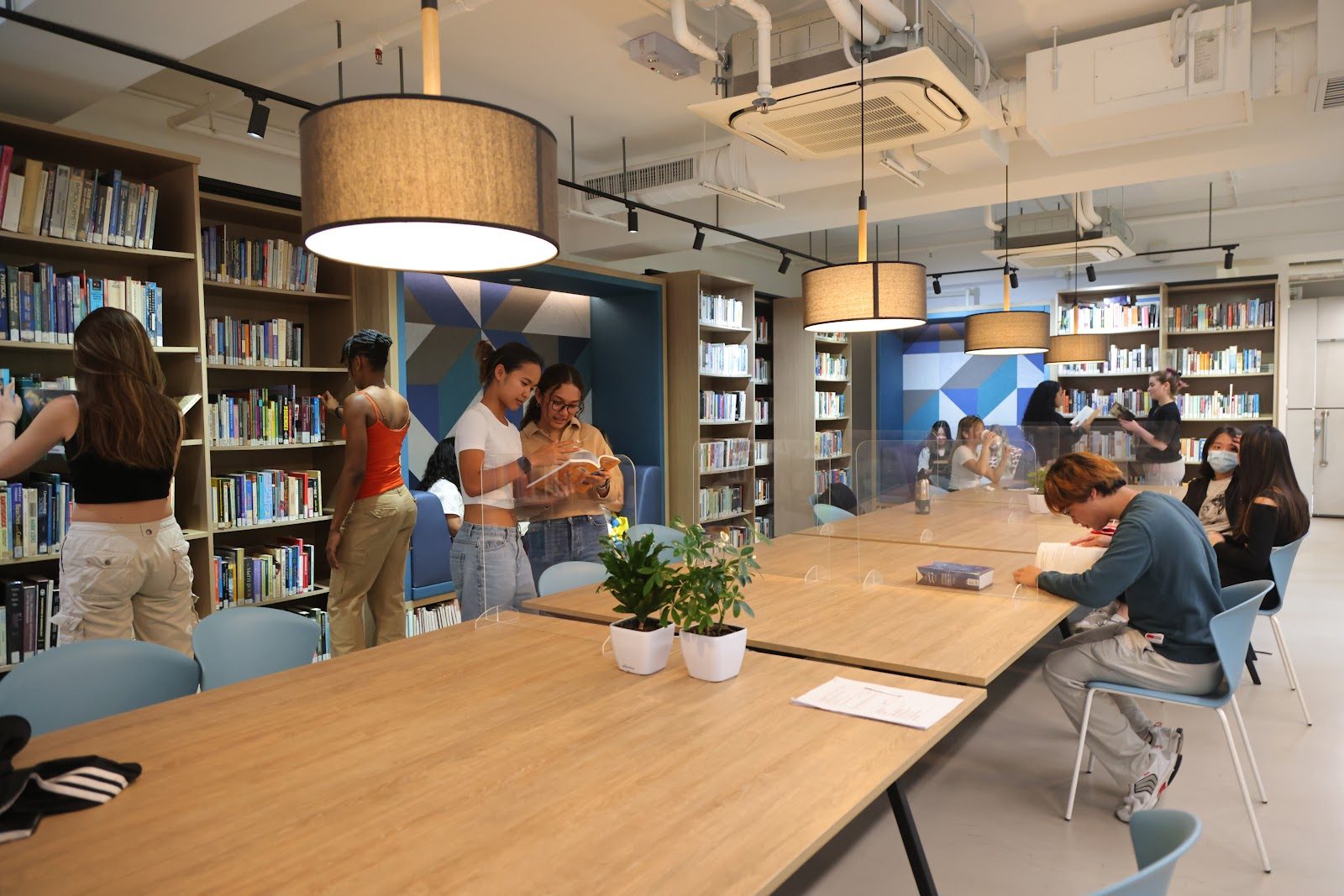
Li Po Chun United World College of Hong Kong
Hong Kong · Hong Kong
Perched above Tolo Harbour, this United World College gathers scholars from 90 nations for a service-driven IB Diploma.
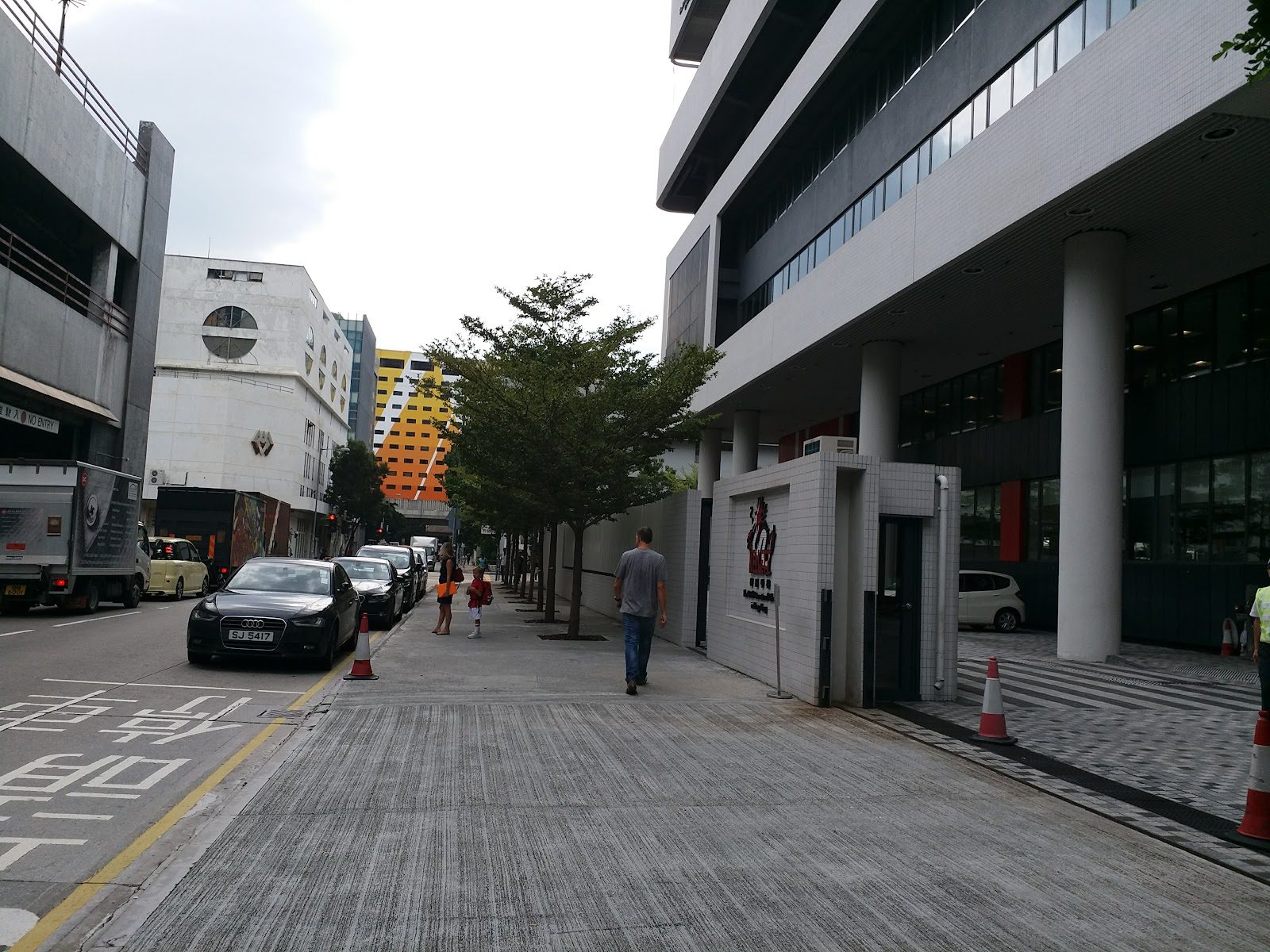
Kellett School
Hong Kong · Hong Kong
Long-established, parent-founded British international day school in Hong Kong, taking pupils through GCSEs and A-Levels from age 4 to 18.
German Swiss International School
Hong Kong · Hong Kong
Perched on the Peak since 1969, twin German Abitur and IB streams share one campus and one house system.
Same country and curriculum — closest matches within ±10 points either way