
Beijing
Harrow International School Beijing
medium confidence· 4/6 cats · 2.88 avg sourcesSix centuries-old Harrow houses transplanted to Chaoyang, anchored by China's largest LAMDA drama centre and a British A-Level core.

Photo © oscar hernandez sandoval via Google Maps
Type
Day
Ages
3–18
Curriculum
British
Ratio
—
The Verdict
Editor's commitment
Right for
Families who want a British day school in Beijing, founded in 2005, with A-Levels, English-Mandarin teaching and COBIS membership.
Wrong for
Parents expecting boarding, a non-British curriculum or a school detached from Harrow ritual; this Chaoyang campus runs houses and Harrow traditions.
Watch out for
Brand strength is clear, but BSO and COBIS do not answer the key question: the school does not publish aggregate A-Level outcomes here.
Ranking breakdown
Harrow International School Beijing · # of 1591
Composite score 67.4. 8 weighted criteria.
By criterion
Academic Outcomes
Weight 20%
#513
of 1533 scored
University Placement
Weight 16%
#516
of 1529 scored
Prestige & Heritage
Weight 12%
#963
of 1580 scored
Alumni Network
Weight 12%
#742
of 1530 scored
Facilities
Weight 12%
#391
of 1540 scored
Transparency & Communications
Weight 8%
#553
of 1547 scored
Peer & Industry Review
Weight 10%
#524
of 1564 scored
Admissions Selectivity & Demand
Weight 8%
#887
of 1529 scored
Score history
Harrow International School Beijing · 2026
Movement across 2024–2026. Peer average overlaid.
Overall — 2024–2026
67.4/ 100
▲ +25.4 vs 2025
year on year
Peer & Industry Review
How Harrow International School Beijing is regarded in the sector
75
Strong · medium confidence
Harrow Beijing is one of the earliest and most established British international schools in China, frequently cited in expat parent forums (e.g. Beijing-expat forums, ExpatDen, InterNations discussions) as a top-tier option alongside Dulwich and Western Academy of Beijing. It benefits from the wider reputational halo of the Harrow International Schools group, which is regularly referenced in specialist education press covering British schools abroad, though independent inspectorate or Tatler-style rankings specific to Beijing campuses are sparse due to China's restricted foreign media access and school inspection opacity.
Evidence sources
Editors' overview
Harrow International School Beijing occupies a clear niche in the Beijing market: a British day school with the full Harrow apparatus of houses, traditions and leadership rhetoric, but delivered in Chaoyang for families who want an English-medium education without boarding. Founded in 2005, it trades on inherited prestige from Harrow School in London and does so with unusual consistency: six houses, pastoral framing, co-curricular breadth and a Sixth Form built around A Levels. The school teaches in English and Mandarin, serves ages 3–18, and carries BSO and COBIS accreditation. What distinguishes it from many “British” schools in China is not a vague international gloss but a deliberate transplantation of Harrow culture. For some families that creates real institutional gravity; for others it will feel too ceremonial by half.
The strongest point of differentiation sits outside the standard academic pitch. Harrow Beijing pushes hard on performance, public speaking and confidence-building, and the editorial tagline gets to the heart of it: the school is anchored by China’s largest LAMDA drama centre alongside a British A Level core. That combination matters. Plenty of schools offer polished facilities; fewer build communication and stagecraft into the school’s identity with this level of intent. Add aquatics, football, service, expeditions and a formal house system, and the proposition becomes *highly structured, high-expectation, high-participation*. Parents looking for a soft progressive environment will not find it here. Parents who want visible standards, competition, routine and an old-fashioned insistence on turning children into articulate performers very well might.
Why shortlist it? Because Harrow Beijing offers a recognisable product in a market crowded with schools that promise “global citizens” and publish little of substance. Here, the offer is legible: British curriculum, A Levels, Harrow traditions, bilingual reach, strong co-curricular programming, and a day-school model in Beijing rather than a remote boarding compromise. The school also enrols both Chinese and foreign students, which gives it a broader local-international mix than schools built only for expatriate passports. The weakness is also plain: the brand risks overshadowing the child. Families need to want the Harrow machinery, not just the Harrow name. This is an expensive, status-conscious segment of the market, and the school sits in it comfortably.
The right student for Harrow Beijing is ambitious, resilient and happy inside a defined system. Children who thrive on teams, houses, performance, leadership posts and public recognition will find a powerful engine room. So will pupils targeting A Levels and selective university admissions who benefit from structure rather than freedom. Quieter, deeply independent students can also do well here, but only if they are content in an environment with strong social choreography and constant participation. In blunt terms: this school suits families who want their child stretched, polished and pushed into the arena, not left to drift at their own pace.
Academic Performance
Harrow Beijing publishes individual university-destination stories and celebratory student profiles, but that is not the same thing as a serious account of academic performance. We have not seen aggregate A Level outcomes, cohort-wide pass rates, top-grade distributions, average point scores, or year-on-year examination trends in the public domain. That gap matters. In this fee bracket, parents need more than anecdotes about offers and admissions wins; they need hard data. Without it, the school’s academic standing sits in a frustratingly opaque category: clearly ambitious, clearly selective in its self-presentation, but not transparent enough for a clean comparison with stronger-reporting British international peers in China and Hong Kong.
That does not mean weak results; it means undisclosed results. The distinction is important. The school’s public emphasis on student outcomes, university guidance and high aspiration points to a results-conscious culture, and the Harrow name raises expectations to a demanding level. But expectation is not evidence. Schools at the top of this market publish the numbers that let families judge whether the academic engine matches the brand. Harrow Beijing does not. Relative to peers, then, it fits the group with serious reputational weight and thin statistical disclosure. For parents who value certainty, that is a real weakness. For parents already sold on the school’s broader proposition, it will not kill the case, but it does leave an avoidable question mark.
Facilities
The most important facilities here are the ones tied to the school’s identity rather than generic campus bragging rights. The standout is China’s largest LAMDA drama centre, which gives Harrow Beijing a rare point of seriousness in speech, performance and public presentation. Plenty of premium schools in China advertise theatres and black-box spaces; far fewer build a dedicated drama-and-communication infrastructure into the spine of the school. Add aquatics, a football academy, arts provision, and the formal house framework that drives participation, and the campus reads as purpose-built for visibility: competition, performance, training and public recognition. For families who want children on stage, in teams, and under regular scrutiny, that matters more than a glossy atrium.
Against direct peers, this is a strong co-curricular plant rather than the most expansive sports estate in the market. Some rival Beijing flagships offer larger land footprints, more eye-catching specialist labs, or broader headline facility lists. Harrow Beijing’s edge sits elsewhere: it uses facilities to reinforce a high-control, high-participation culture with unusual consistency. The school also offers a 360° campus tour, which helps, but it does not publish the kind of granular facilities detail that would let parents benchmark every studio, court or lab with precision. That leaves a clear verdict nonetheless: this is a campus with a distinctive performance bias, stronger in drama, presentation and organised activity than in sheer physical scale or publicly documented technical specification.
Schools at the top of this market publish the numbers that let families judge whether the academic engine matches the brand
Prestige
Prestige here rests first on the Harrow name, and that carries real weight. This school borrows from one of England’s most recognisable public-school traditions and imports the symbols with unusual discipline: houses, speech-day culture, visible pastoral architecture, leadership language, and a strong emphasis on performance and presentation. That gives it instant social currency with internationally minded families in Beijing and with Chinese families who want a British school brand that signals status without sending a child away to boarding. The school also sits inside a wider Harrow overseas alliance spanning 6 other campuses, which adds network value and reinforces the sense of an established, high-status institution rather than a standalone local venture.
That said, prestige here is stronger in brand recognition and cultural theatre than in published academic proof. The school has the institutional polish and ceremonial confidence of an upper-tier name, and facilities such as China’s largest LAMDA drama centre add a memorable point of distinction beyond the usual “global education” boilerplate. It also benefits from the parent-school halo of more than 450 years of Harrow history. But prestige built on inheritance still needs hard outcomes behind it. Because the school does not publish aggregate examination data, its standing lands below the most transparent academic heavyweights. In plain terms: socially prestigious, highly legible, and powerful as a badge — but not fully evidenced where demanding parents most need evidence.
Some rival Beijing flagships offer larger land footprints, more eye-catching specialist labs, or broader headline facility lists
Communications
Harrow Beijing communicates with parents through a dense, formal school-facing apparatus rather than a minimalist app-and-email model. The public structure is clear: a full parent section, named parent representative bodies in both lower and upper school, a Friends of Harrow network, a Parents Partnership Programme, calendars, key events, news updates, annual reporting, open-day booking and direct contact routes. That matters because it tells parents how the school thinks: communication here is part of governance, culture and participation, not just logistics. The upside is institutional clarity. Families who want channels, committees and visible points of contact will find a well-ordered system. The downside is that this architecture carries a whiff of managed formality. Parents looking for a loose, conversational relationship with school leaders may find it too structured.
Effectiveness is stronger on organisation than on transparency. The school does a competent job of signalling where parents should go and how they should plug in; the site map alone is expansive, and the parent-facing ecosystem is not hidden. The school also pushes regular community storytelling and event culture with real discipline. But communication is not only about access and activity. It is also about disclosure. Here the record is weaker. Harrow Beijing publishes student-outcome pages and annual-report references, yet withholds the aggregate exam data serious parents need. That leaves a split verdict: strong on channels, polished on community messaging, weaker on the hard information that turns communication into accountability.
Uniqueness
What marks Harrow Beijing out is not the standard international-school bundle of clubs, labs and university talk, but the intensity with which it imports one inherited culture and makes children live inside it. The house system is not decorative. The school keeps the six Harrow house names — a direct transplant rather than a loose homage — and couples them with Lions, Cubs, Duckers, hats, mottos, speech-day ritual and a visible leadership grammar. That creates a school with strong internal identity and a social structure children can understand quickly: belong, compete, perform, contribute. For pupils who thrive on ceremony, public recognition and team allegiance, that can be a serious advantage. It gives school life shape, momentum and a shared language beyond the timetable.
The second point of difference is the school’s fixation on communication as a taught discipline, not a vague aspiration. The LAMDA centre matters because it pushes speaking, acting and self-presentation into daily school culture rather than leaving confidence to chance. Combined with service, expeditions, sport and student leadership, the result is an education designed to produce pupils who can hold a room, not just pass an exam. That brings real gains: clearer speech, greater stage confidence, better interview presence and more comfort under scrutiny. It also brings pressure. This is a high-exposure environment. Children who dislike performance, ceremony or constant participation will find parts of the Harrow model hard-edged. Children who want structured challenge and visible standards will get them in full.
The school teaches in English and Mandarin, serves ages 3–18, and carries BSO and COBIS accreditation
Student Profile
The best fit is a pupil who likes structure, status markers and being visible. Harrow Beijing enrols both Chinese and foreign students, so the social mix carries more range than a pure expatriate enclave, but the school culture is not casual. Children are expected to step into houses, events, performances, sport and leadership activity with intent. This suits students who enjoy belonging to a clearly defined institution and who do not mind public comparison. The Harrow inheritance is not a background motif; it is an organising system, carried through 6 houses and a full set of rituals and internal labels. For confident joiners, that creates strong social traction. For children who resist group identity, it can feel over-scripted.
The strongest candidates here are articulate, coachable and comfortable with scrutiny. Pupils who like speaking, acting, competing or representing the school will find a high-expectation arena that rewards presence as much as private competence. Ambitious students with selective university aims will also value the school’s adult tone and its insistence on polish. The weaker fit is easy to identify: deeply reserved children, anti-ceremonial teenagers, or students who want to disappear into a low-pressure environment. They can survive here, but they will work against the grain. Harrow Beijing suits families who want their child shaped by the institution, not protected from it; pupils who prefer independence without constant performative demand will find the culture hard-edged.
What distinguishes it from many “British” schools in China is not a vague international gloss but a deliberate transplantation of Harrow culture
Co-curricular strengths
Arts & sport, on a separate axis
Overall 8.56/10
Scored 0-10 from the school's own published evidence. This axis is editorial-only — it does not feed the main WTS ranking.
Sports
8.8/10
Dedicated provision for aquatics and a Football Academy, and lists multiple sports including football, basketball, swimming, tennis and badminton, indicating specialist infrastructure plus broad participation.
Drama
9.2/10
Drama is evidenced through 'Drama productions' in the extracurriculars and dedicated provision for LAMDA in the facilities review, which indicates a notable structured performance programme.
Dance
7.5/10
Music
8.8/10
Music ensembles and choir, giving clear evidence of organised music activity, but it provides no named music facility, department or specialist staff.
Visual Arts
8.5/10
The facilities review refers broadly to 'dedicated provision for the arts', which is only vague implicit evidence for visual arts without any medium-specific detail.
Editor first-pass · editor-reviewable · 7/27/2026
Strengths
- +Established in 2005; longer track record than newer schools.
- +British curriculum declared by the school.
- +Part of Harrow Overseas Member Alliance.
- +Emphasis on leadership, service, sports and arts.
Considerations
- −Harrow branding may mean more tradition than flexibility.
- −British curriculum may not suit non-British preferences.
- −School does not publish accreditations here.
Availability
Primary entry gate & tests
Academic Record
Gallery
Photo © oscar hernandez sandoval via Google Maps
Photo © goodmiumiu via Google Maps
Photo © goodmiumiu via Google Maps
Photo © goodmiumiu via Google Maps
Photo © goodmiumiu via Google Maps
Photo © goodmiumiu via Google Maps
Photo © 赵雅祺 via Google Maps
Parent reviews
Have you sent your child here?
Voice reviews carry the strongest trust badge — we transcribe them for you to tidy up before they go live. Prefer to type? A written review is fine too.
Add your voice
In 60 seconds, tell other parents: what's the best thing about Harrow International School Beijing, and what surprised you when your child joined?
We ask for a Google sign-in so every review has a real face behind it — no anonymous drive-by attacks on schools, and no faked positive reviews. Your email is never shown publicly.
Send this profile to a friend
International parents rely on word-of-mouth. Share this review with someone weighing the same decision.
Schools with places
Similar schools to Harrow International School Beijing with places available now.
Availability first, then country, area, curriculum, price, co-curricular
Consider also
Also worth looking at alongside Harrow International School Beijing.
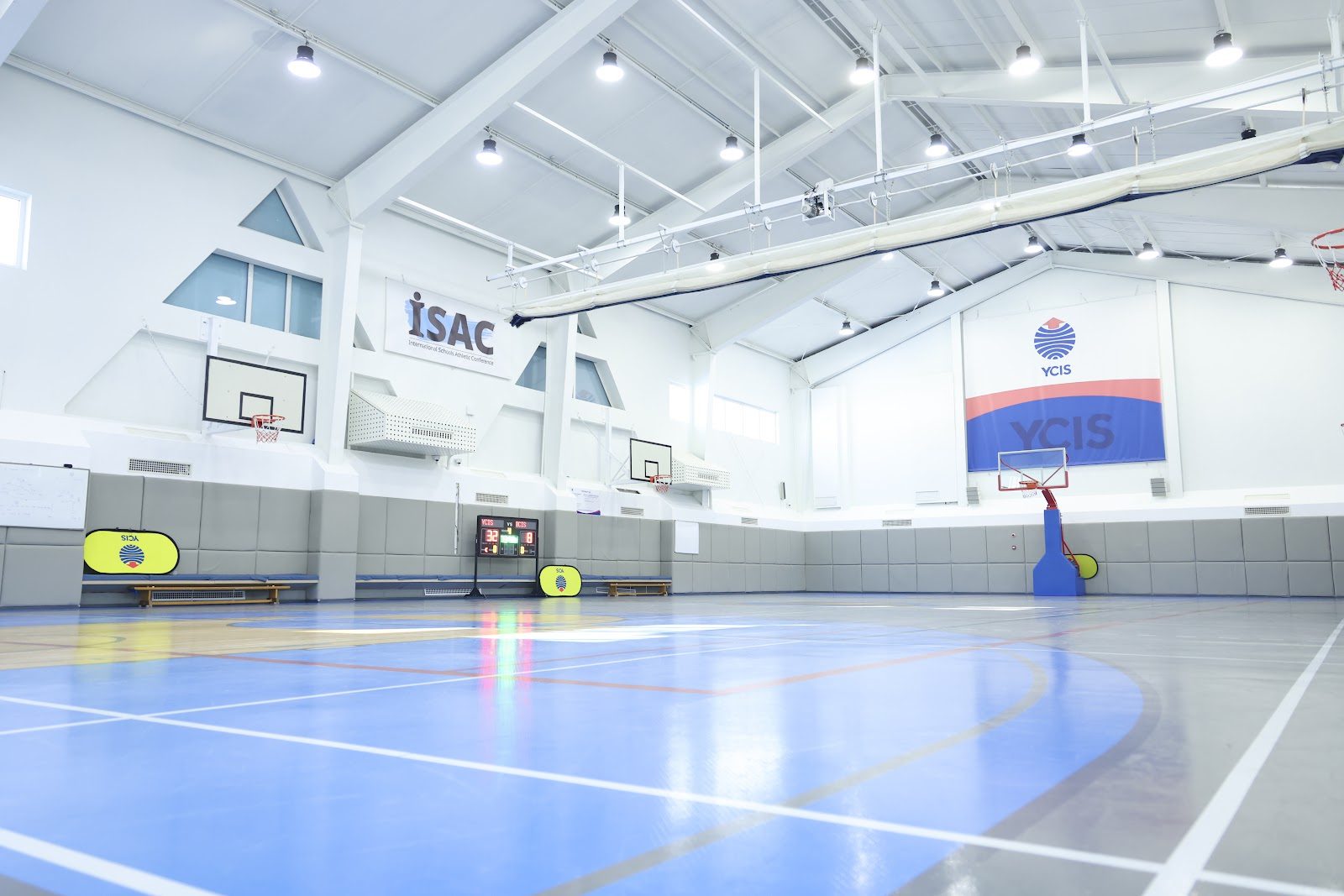
Yew Chung International School of Beijing
Beijing · China
Every classroom pairs a Western and a Chinese teacher, threading bilingual learning through a parkland Chaoyang campus.
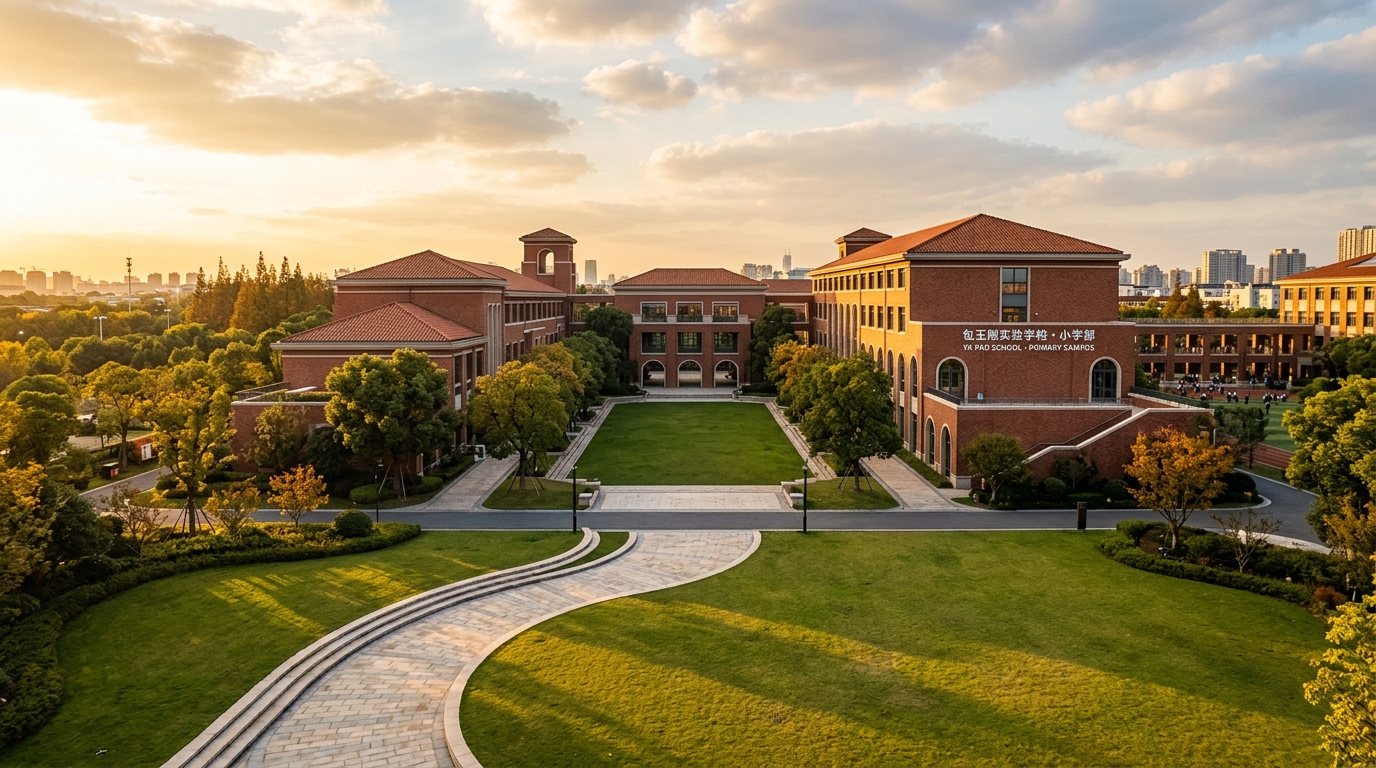
YK Pao School
Shanghai · China
Mandarin-English immersion anchors an IB and IGCSE track, with senior boarders housed in a Tudor-style village in Songjiang.
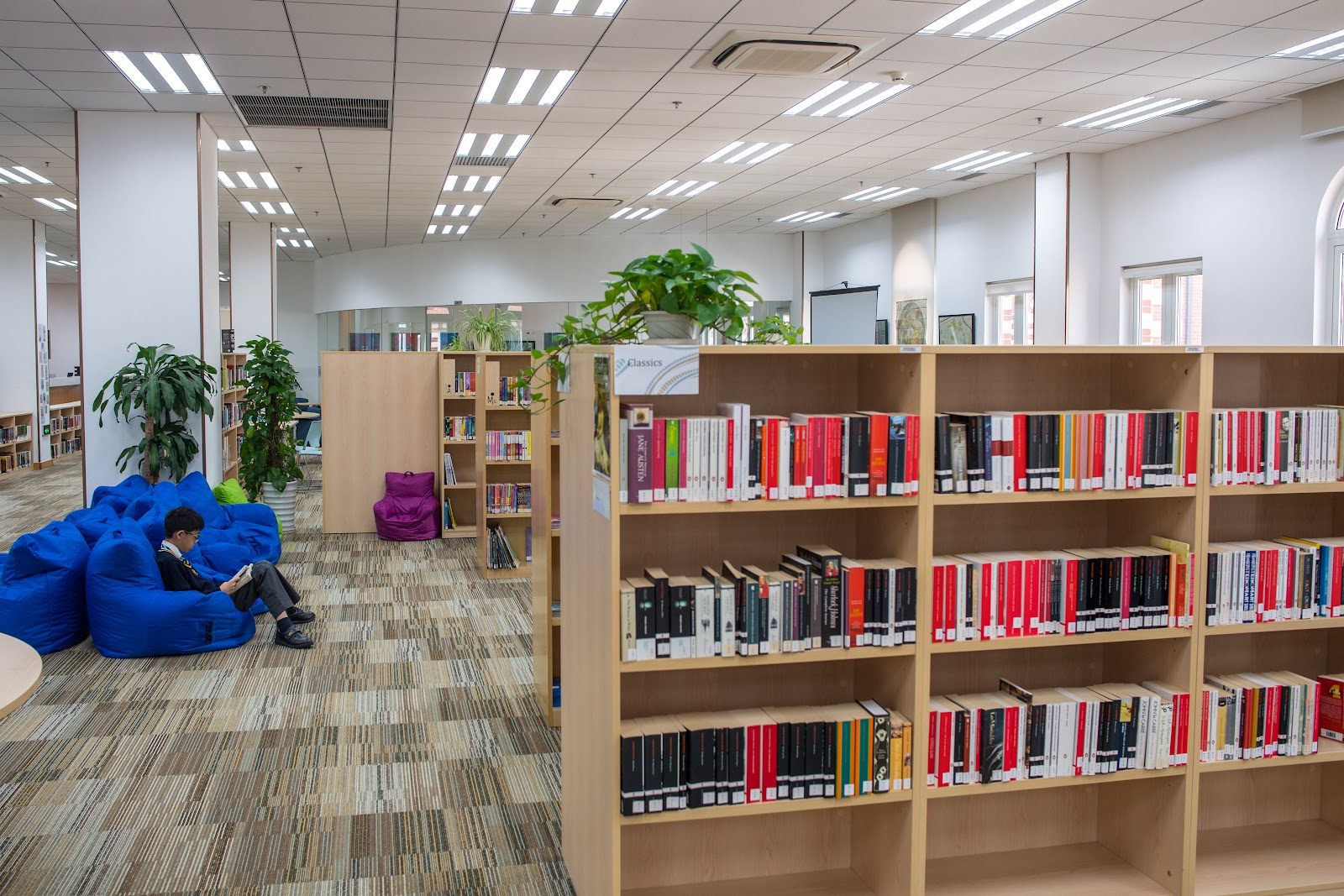
Wellington College International Shanghai
Shanghai · China
Rooted in an 1859 British foundation, this Pudong riverside campus channels house spirit into IB scores averaging 37 points.

UWC Changshu China
Changshu · China
On an island in Kuncheng Lake, mainland China's first UWC pairs the IB diploma with mandatory Mandarin study and a student-run Zhixing service programme.
Same country and curriculum — closest matches within ±10 points either way