
Perthshire
Glenalmond College
low confidence· 6/6 cats · 0 avg sourcesA Butterfield-designed chapel anchors 300 acres of Perthshire wilderness, where seven boarding houses forge lifelong loyalty.
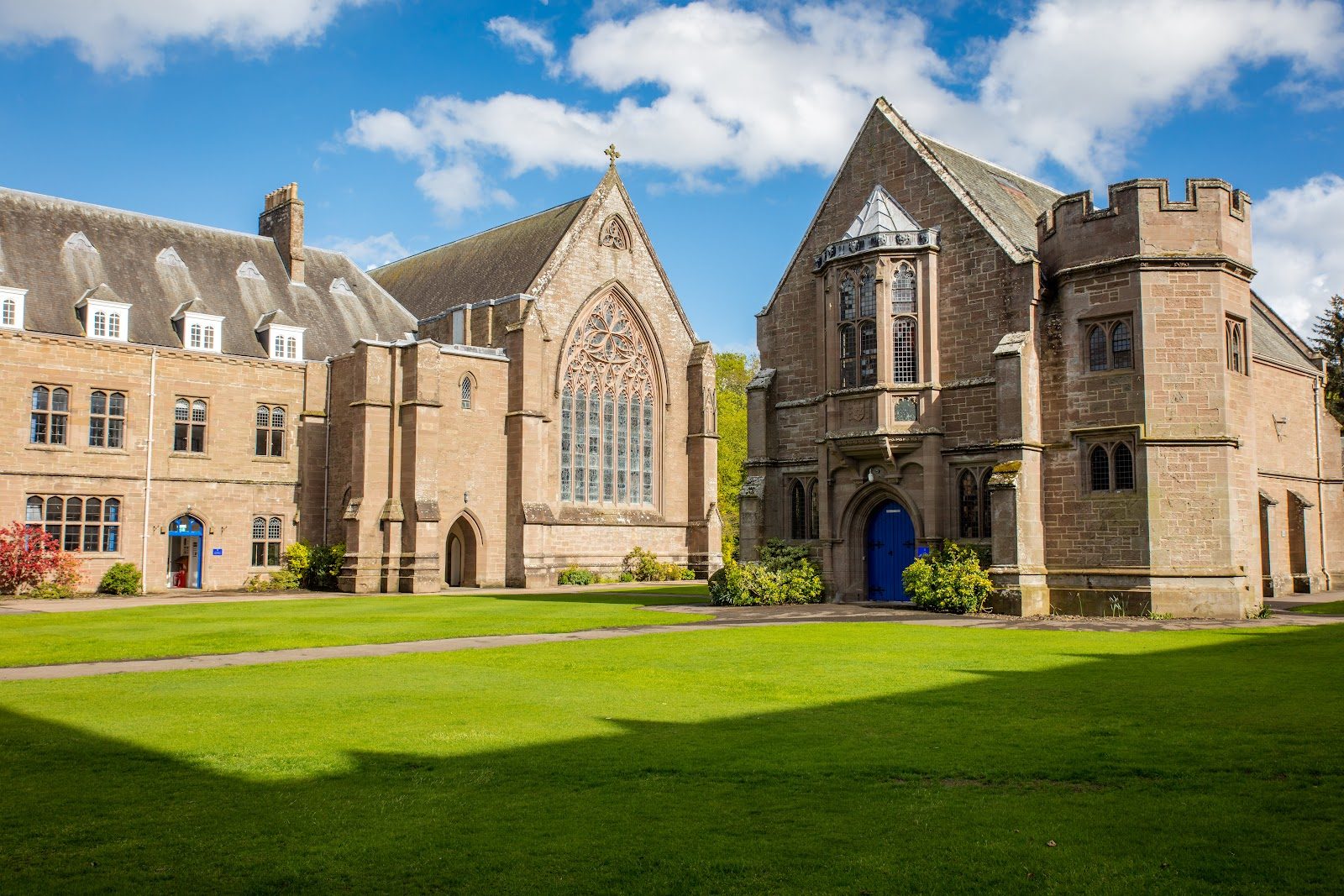
Photo © Glenalmond College via Google Maps
Type
Both
Ages
13–18
Curriculum
British
Ratio
7:1
The Verdict
Editor's commitment
Right for
Teenagers aged 13–18 who want full boarding-school immersion on 300 Perthshire acres, with a 7:1 ratio and 14-pupil classes.
Wrong for
Families wanting an all-through school, London convenience or bargain fees: Glenalmond stops at 13 and averages £32,610 day, £53,695 boarding.
Watch out for
This is a British senior school with boarding at its core; if your child dislikes house life, seven boarding houses will feel inescapable.
Ranking breakdown
Glenalmond College · # of 1591
Composite score 60.1. 8 weighted criteria.
By criterion
Academic Outcomes
Weight 20%
#1191
of 1529 scored
University Placement
Weight 16%
#1201
of 1529 scored
Prestige & Heritage
Weight 12%
#953
of 1571 scored
Alumni Network
Weight 12%
#597
of 1530 scored
Facilities
Weight 12%
#960
of 1534 scored
Transparency & Communications
Weight 8%
#1150
of 1532 scored
Peer & Industry Review
Weight 10%
#998
of 1548 scored
Admissions Selectivity & Demand
Weight 8%
#991
of 1529 scored
Peer & Industry Review
How Glenalmond College is regarded in the sector
68
Respected · medium confidence
Glenalmond College is regarded as a solid, rising performer among Scotland's boarding schools rather than a fixture of the very top tier. The Good Schools Guide's verdict is notably upbeat, declaring the school "set for a cracking future" and urging parents to "get in fast" while it remains attainable rather than oversubscribed. Tatler's Schools Guide has featured it repeatedly, praising an atmosphere that is "warm, vibrant and busy" and crediting it with setting "pupils up for life." Its alumni roster, from actor Robbie Coltrane to former Lord Chancellor Charles Falconer, lends genuine historical weight, and around 40 per cent of leavers progress to Russell Group universities. A 2025 change of ownership under a new investment group adds a note of transitional uncertainty to an otherwise steadily improving reputation.
Editors' overview
Glenalmond’s selling point is not subtle: 300 acres of Perthshire grounds, a Butterfield chapel at the centre, and a boarding structure that still shapes the school’s identity. This is a co-educational British school for ages 13 to 18, founded in 1841, and it trades on the pull of the full senior boarding experience rather than on urban convenience or glossy innovation rhetoric. The numbers support that pitch. A 7:1 student-teacher ratio and average class size of 14 give it the scale for personal attention without turning it into a small tutorial college. Parents looking for a school with a strong sense of place, routine and house loyalty will find Glenalmond compelling; parents who want a slick metropolitan sixth form with broad curriculum disclosure and heavy public exam data will find it more opaque than ideal.
What puts it on a shortlist is the combination of serious boarding culture and breadth beyond the classroom. The school gives real prominence to boarding houses, chapel, outdoor learning, sport, golf, drama, music, pipe band, CCF and Duke of Edinburgh’s Award. That points to a pupil experience built around participation, stamina and shared institutional life, not just classroom performance. The school also advertises academic support, tutoring, English as an Additional Language and learning support, which matters for families who want structure around the edges of the mainstream curriculum. Fees place it firmly in the traditional independent boarding market: an average annual day fee of £32,610 and an average annual boarding fee of £53,695. That is expensive, but standard for a full-fat UK boarding school with land, houses and staffing to maintain.
The right student for Glenalmond is one who wants to throw themselves into school life and can live happily within a strongly residential, organised, community-minded environment. Boarders who like house identity, outdoor activity, games, chapel rhythms and a busy co-curricular week will thrive. So will day pupils who want access to that same infrastructure rather than a narrowly academic day school existence. The weaker point is disclosure: the school’s public-facing information highlights experience and community far more than hard academic outcomes. That does not disqualify Glenalmond, but it does mean hard-nosed parents should press for leavers’ destinations, subject performance and value-added evidence before signing up.
Academic Performance
Glenalmond does not publish the kind of exam breakdown that strong academic operators use to make their case. We have not seen public aggregate GCSE or A-level tables, no subject-by-subject headline set, and no clear value-added picture. That leaves parents with an incomplete view of academic performance and makes peer comparison harder than it needs to be. In a crowded UK independent-school market, that is a real weakness. Schools with top-tier academic ambition publish hard outcomes because hard outcomes do the work. Glenalmond’s public emphasis sits elsewhere: curriculum support, tutoring, EAL, learning support and the wider life of the school.
That does not place Glenalmond in the academic basement; it places it in the opaque middle. The school’s small classes and low staffing ratio give it the structural conditions for strong teaching, and the age range keeps the focus on the exam years rather than dispersing attention across a prep school. But until the school discloses consistent external-results data, parents cannot rank it with confidence against academically aggressive Scottish and English boarding rivals that publish A-level and GCSE outcomes in full. The sensible reading is straightforward: Glenalmond offers a broad, residential education with academic support built in, but families choosing on results first need to ask for destination lists, grade distributions and performance by subject before treating it as a proven exam school.
Facilities
Facilities are central to Glenalmond’s case. The school’s site gives pride of place to the chapel, boarding houses, social spaces and the outdoor estate, and that hierarchy tells you a lot: this is a campus built for immersion, not for drop-off convenience. The standout asset is the 300-acre Perthshire setting on the River Almond, which gives the school room for sport, outdoor learning and the kind of daily movement that urban day schools cannot match. Add dedicated provision for drama, music, pipe band, golf, Combined Cadet Force and Duke of Edinburgh, and the picture is of a school with serious operational depth beyond classrooms. For boarders, the houses matter as facilities in their own right. At schools of this type, house quality shapes weekends, friendships and pastoral reality as much as any teaching block.
Against peer boarding schools, Glenalmond is strong where land, atmosphere and all-day use of campus count most. It beats cramped town schools on space and on the integration of sport, outdoors and residential life. It also has the infrastructure to keep pupils busy in a properly full-boarding rhythm. The trade-off is familiar. Families seeking cutting-edge academic centres, design-led sixth-form spaces or heavily publicised specialist labs will find less public detail here than at competitors that market facilities with forensic precision. Glenalmond’s estate looks impressive and lived-in rather than glossy. For many families, that is a strength. For others, it raises a simple question: how much of the investment sits in buildings and grounds, and how much in visibly documented academic infrastructure?
Schools with top-tier academic ambition publish hard outcomes because hard outcomes do the work
Prestige
Glenalmond carries real old-guard cachet within the British boarding world, but it is not a universal status trophy in the way that the most famous southern English names are. Its prestige rests on a different base: land, architecture, continuity, chapel-centred ritual, and a boarding culture that still runs through the institution rather than sitting at the edge of it. The setting matters here. A school with 300 acres, dedicated houses and a highly organised co-curricular structure projects institutional heft in a way newer or more corporate independents do not. That gives Glenalmond strong appeal for families who want a recognisably traditional senior school with a Scottish identity and a serious residential spine.
The limit to that prestige is academic visibility. Top-flight prestige in this market now depends on two things at once: social history and hard public outcomes. Glenalmond has the first in abundance; it does not publish enough of the second. That holds it below the truly dominant boarding schools whose exam results and university placements do their own advertising. The fees reinforce the point: at an average of £53,695 for boarding, this sits in the price band where parents can demand both heritage and evidence. Glenalmond delivers the heritage, the atmosphere and the tribal house loyalty. It has not made an equally strong public case on measurable academic clout.
Top-flight prestige in this market now depends on two things at once: social history and hard public outcomes
Communications
Glenalmond’s parent communication has the bones in place, but it does not rank among the most transparent operators in the market. The website is well structured around the practical things parents need to find: admissions, fees, scholarships and bursaries, term dates, transport, policies and reports, parent updates, calendar information, and portals for staff, pupils and parents through ISAMS, plus CPOMS. That indicates a school that treats communication as an operational requirement, not an afterthought. The navigation also gives boarding, pastoral care and pupil life plenty of space, which fits the school’s residential character. For current families, that mix points to a serviceable, orderly system with clear channels for logistics and day-to-day school business.
Where Glenalmond falls short is depth and candour. It communicates the experience of school life more fluently than it communicates outcomes, standards or institutional performance. Parents can find the shape of the week and the pastoral architecture; they get less public evidence on academic delivery, destination strength or how the school measures success. That imbalance matters more at a school charging an average of £53,695 for boarding and £32,610 for day pupils. At that price, parents can expect more than atmosphere and navigation. They can expect hard-edged clarity. Glenalmond’s communication is competent, warm on community, and less rigorous than it should be on the data that justify the investment.
Uniqueness
What sets Glenalmond apart is the force of its setting and the way the school uses it. Plenty of British senior schools trade on history; fewer still organise daily life around a campus this expansive and this self-contained. The River Almond setting, the Butterfield chapel and the house system create a school that feels deeply rooted, ritualised and intensely communal. That matters because it gives adolescence shape. Pupils do not just attend lessons and go home; they live inside a shared institutional world with its own rhythms, loyalties and expectations. For the right child, that produces unusually strong belonging and the sort of friendships that survive long after school.
The second point of difference is breadth with purpose. Glenalmond does not treat co-curricular life as decorative trim to the academic core. Boarding, outdoor learning, sport, golf, drama, music, pipe band, CCF and Duke of Edinburgh sit close to the centre of the offer, and that mix is distinctively old-school in a good sense: it rewards stamina, commitment and contribution to the group. The school’s 7:1 staffing ratio and average classes of 14 support that model by giving staff room to know pupils properly, whether in class, in house or on the games field. The downside is clear enough. This is not a loose, anonymous sixth form for self-inventing urban sophisticates. It is a strongly shaped world, and students who flourish here are the ones willing to join it fully.
For the right child, that produces unusually strong belonging and the sort of friendships that survive long after school
Student Profile
The best fit is a teenager who wants school to occupy more than lesson time. Glenalmond suits pupils who are energised by houses, fixtures, rehearsals, outdoor programmes and the social density of a campus where staff know them well. The low staffing ratio — 7:1 — and classes of 14 support close oversight, which helps students who benefit from structure, encouragement and adults who notice drift early. Confident joiners do well here, but so do quieter pupils who want a contained, high-contact environment rather than a sprawling, anonymous sixth form. The school also flags tutoring, learning support and English as an Additional Language, which broadens the intake beyond the narrow self-starter who never needs help.
The weaker fit is easy to identify. Independent, highly urban teenagers who want maximum personal latitude, a low-ritual atmosphere or a cooler, more transactional school culture will chafe. This is a place for pupils willing to buy into collective life and accept its demands. Sporty pupils, committed musicians, actors, cadets and outdoors-minded students have obvious routes in; those who dislike organised participation or recoil from institutional tradition will find it constraining. Glenalmond suits families who value loyalty, belonging and durable habits of contribution. It does not suit children who want to dip in for classes and keep the rest of themselves elsewhere.
A 7:1 student-teacher ratio and average class size of 14 give it the scale for personal attention without turning it into a small tutorial college
Co-curricular strengths
Arts & sport, on a separate axis
Overall 7.96/10
Scored 0-10 from the school's own published evidence. This axis is editorial-only — it does not feed the main WTS ranking.
Sports
8.8/10
Drama
8.4/10
Dance
5.5/10
Music
8.8/10
Visual Arts
8.3/10
Strengths
- +Elite-band sport provision (co-curricular score 8.8)
- +Elite-band music, including a strong pipe-band tradition (score 8.8)
- +Established boarding community with over 80% of pupils boarding
- +Favourable 7:1 student-teacher ratio and average class size of 14
- +Co-educational British curriculum for ages 12–18
Considerations
- −Rural Perthshire location is remote and comparatively insular during term time
- −Boarding-led model may not suit families wanting a day-only school
- −A-level outcomes referenced by the school but not independently verifiable here
- −Teaching is in English only, with a firmly British rather than globally hybrid character
Availability
Primary entry gate & tests
Written Exams + Interview
Gallery
Photo © James Sutherland via Google Maps
Photo © James Sutherland via Google Maps
Photo © Beth Anderson Gillard via Google Maps
Photo © James Sutherland via Google Maps
Photo © Libby via Google Maps
Photo © Libby via Google Maps
Photo © Iwan Thomas via Google Maps
Photo © Tony Patriarche via Google Maps
Photo © Glenalmond College via Google Maps
Parent reviews
Have you sent your child here?
Voice reviews carry the strongest trust badge — we transcribe them for you to tidy up before they go live. Prefer to type? A written review is fine too.
Add your voice
In 60 seconds, tell other parents: what's the best thing about Glenalmond College, and what surprised you when your child joined?
We ask for a Google sign-in so every review has a real face behind it — no anonymous drive-by attacks on schools, and no faked positive reviews. Your email is never shown publicly.
Send this profile to a friend
International parents rely on word-of-mouth. Share this review with someone weighing the same decision.
Schools with places
Similar schools to Glenalmond College with places available now.
Thomas's Battersea
London · United Kingdom
- 2026-27
- CLOSEDStandard route closed
- 2027-28
- PLACES OPENRegistration open for Sept 2027 and beyond
Millfield School
Street · United Kingdom
- 2026-27
- CLOSEDStandard route closed
- 2027-28
- PLACES OPEN11+ / 13+ / 16+ active
Badminton School
Bristol · United Kingdom
- 2026-27
- CLOSEDStandard route closed
- 2027-28
- PLACES OPENCloses Oct/Nov '26
Christ's Hospital
Horsham · United Kingdom
- 2026-27
- CLOSEDStandard route closed
- 2027-28
- PLACES OPEN2027 entry assessment timetable active
Availability first, then country, area, curriculum, price, co-curricular
Consider also
Also worth looking at alongside Glenalmond College.
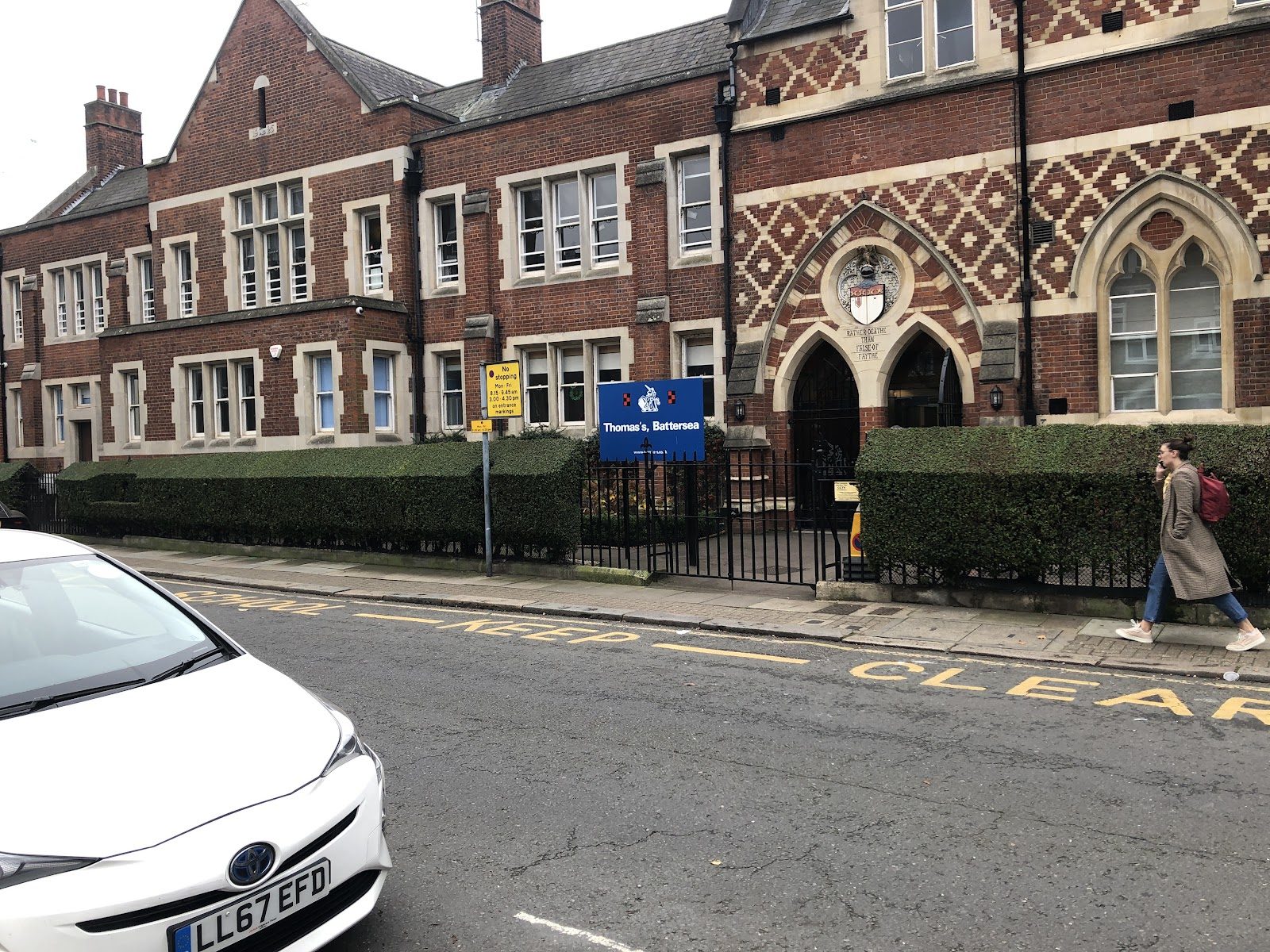
Thomas's Battersea
London · United Kingdom
In a former Victorian art school, an 'enquiry mindset' and a 'Be Kind' ethos feed London's top senior schools.
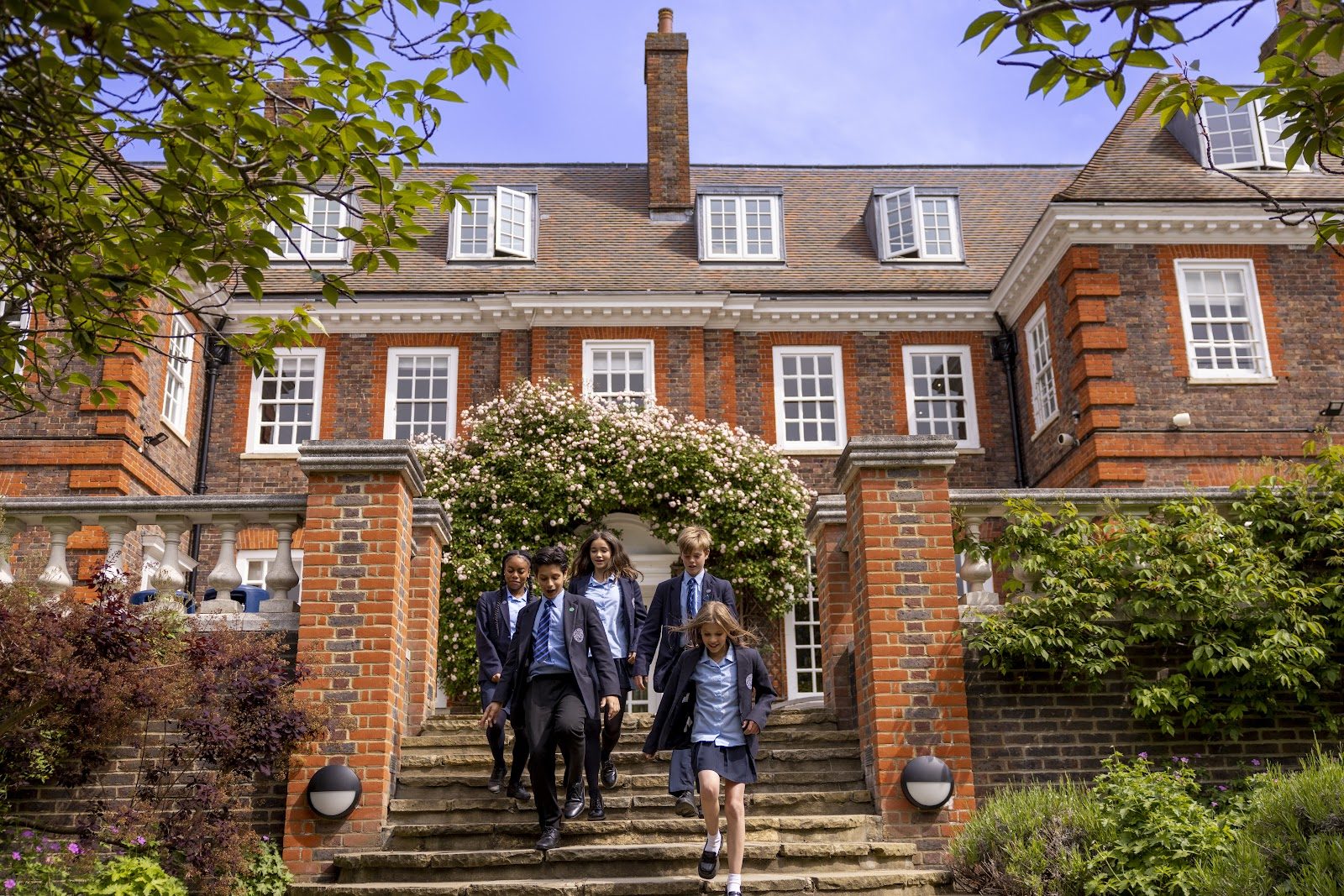
Ibstock Place School
London · United Kingdom
On the fringe of Richmond Park, a Froebel-founded day school has championed co-education since 1894.
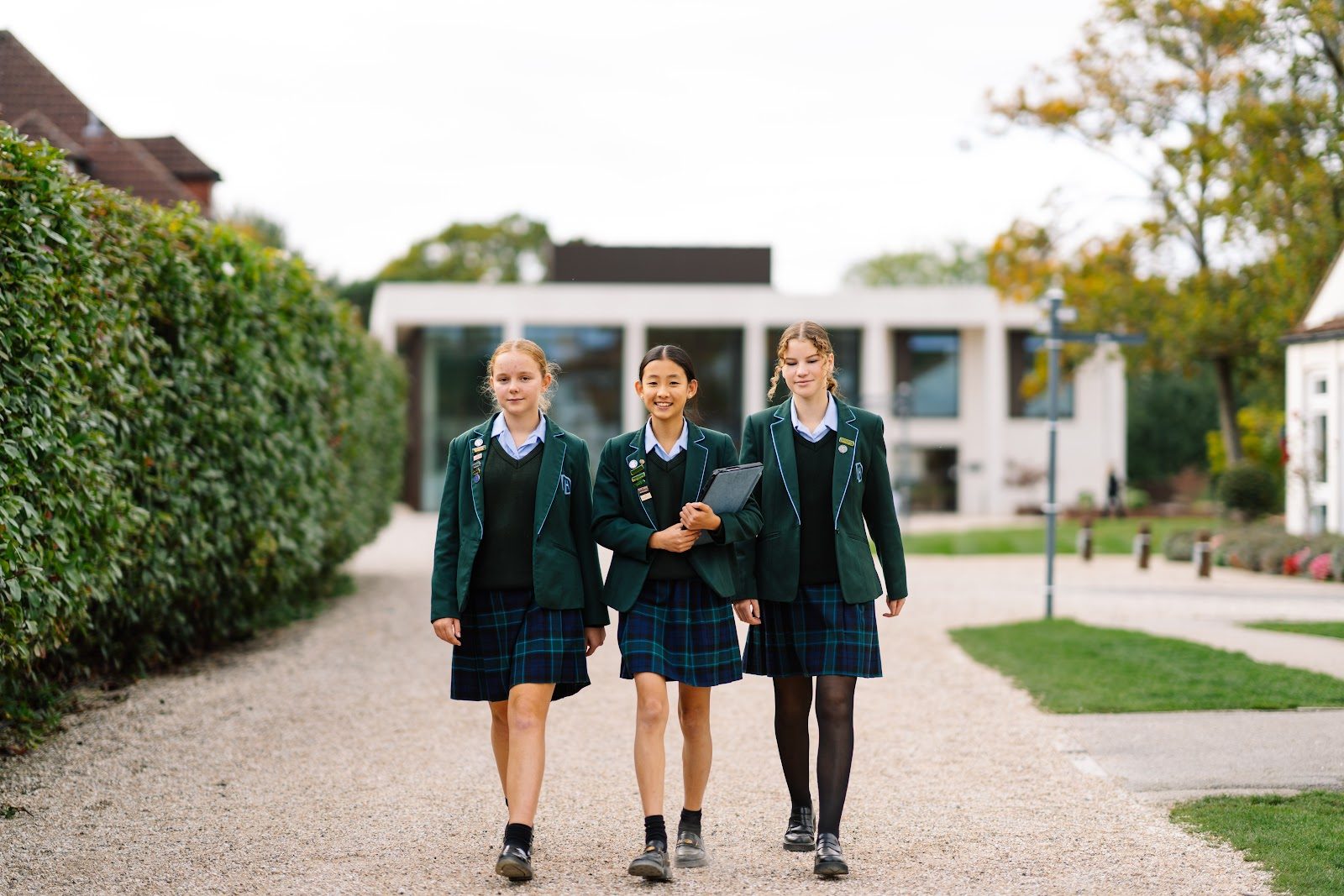
Downe House School
Cold Ash · United Kingdom
Rooted in Charles Darwin's former home, now a 110-acre Berkshire estate where science thrives and Oxbridge ambition runs deep.

Oakham School
Oakham · United Kingdom
Where a 1584 market-town foundation meets Rutland Water sailing, early co-education, and a long-standing IB Diploma alongside A-levels.
Same country and curriculum — closest matches within ±10 points either way