
Edinburgh
George Watson's College
low confidence· 6/6 cats · 0 avg sourcesA merchant's 18th-century bequest built Scotland's largest co-educational day school on one 52-acre Merchiston campus.
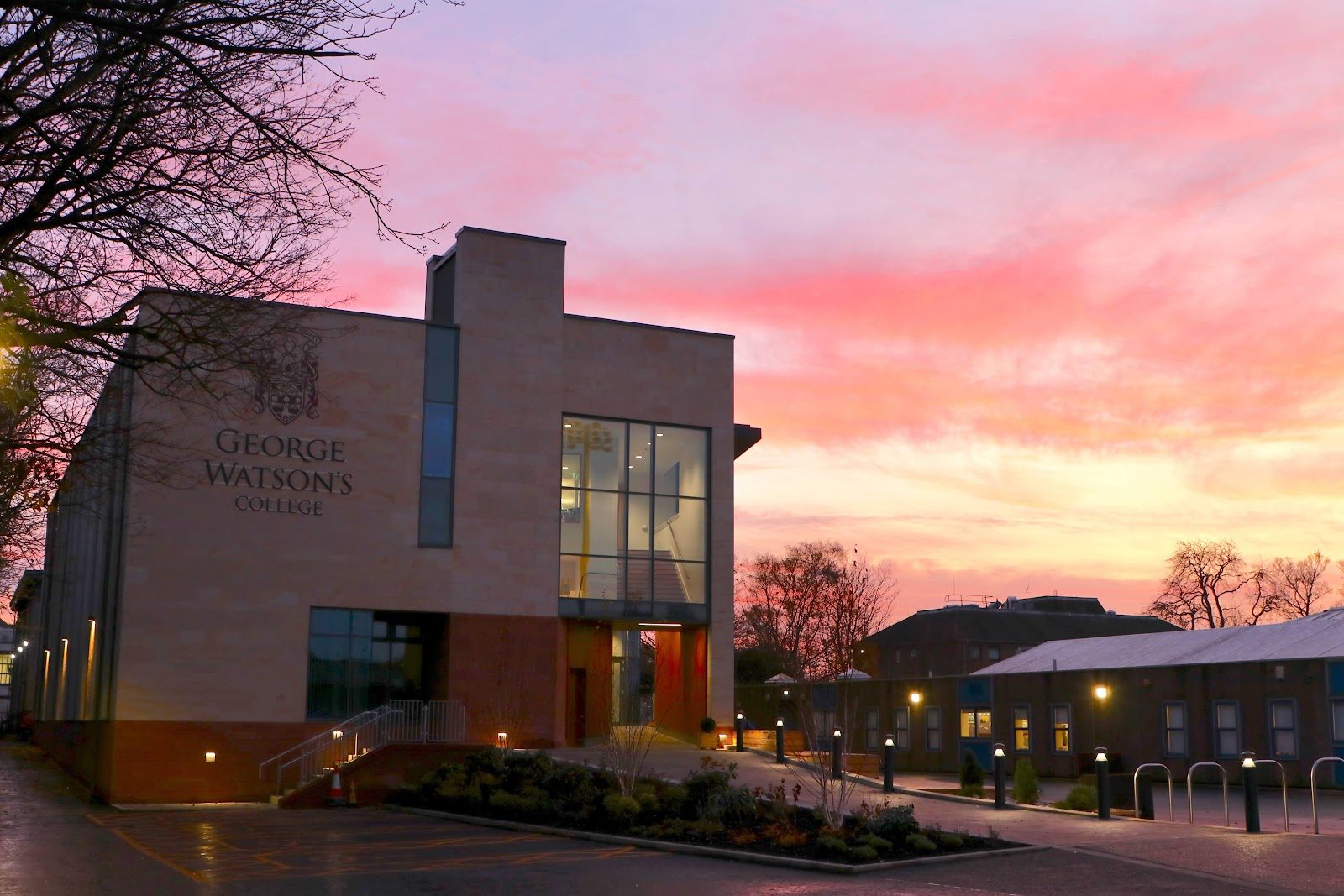
Photo © George Watson's College via Google Maps
Type
Day
Ages
13–18
Curriculum
British
Ratio
11:1
The Verdict
Editor's commitment
Right for
Families wanting a serious Edinburgh day school: 1741 roots, 52-acre Merchiston campus, 11:1 ratio, and Scottish qualifications through Advanced Highers.
Wrong for
Anyone wanting boarding, religious formation, or a small sixth form: this is a non-religious day school within a 2,477-pupil operation.
Watch out for
At ages 13–18, you are buying into the senior end of Scotland’s largest co-educational day school; average class size is 20, not tutorial-scale.
Ranking breakdown
George Watson's College · # of 1591
Composite score 62.0. 8 weighted criteria.
By criterion
Academic Outcomes
Weight 20%
#1049
of 1529 scored
University Placement
Weight 16%
#1057
of 1529 scored
Prestige & Heritage
Weight 12%
#900
of 1571 scored
Alumni Network
Weight 12%
#566
of 1530 scored
Facilities
Weight 12%
#1081
of 1534 scored
Transparency & Communications
Weight 8%
#1073
of 1532 scored
Peer & Industry Review
Weight 10%
#998
of 1548 scored
Admissions Selectivity & Demand
Weight 8%
#760
of 1529 scored
Peer & Industry Review
How George Watson's College is regarded in the sector
71
Respected · medium confidence
George Watson's College carries a genuinely distinguished reputation within Scottish independent education, underpinned by three centuries of history as an Edinburgh Merchant Company foundation and membership of the Headmasters' and Headmistresses' Conference. The Good Schools Guide, the UK's most trusted independent school review authority, describes it as "something of a Leviathan... with a distinguished and deserved reputation," singling out its breadth of extracurricular opportunity and its long-standing role in pioneering SEN provision in Scotland. Locally it is regarded, in the Guide's own phrase, as the school Edinburgh's "Edinbourgeoisie, wannabes and incomers" take for granted as the city's top choice, with particular sector kudos for its rugby and piping traditions. Coverage sits within UK-focused review outlets rather than the pan-regional advisory press used to benchmark international schools, marking it as a formidable, well-established national name rather than one with a globally referenced footprint.
Evidence sources
Editors' overview
George Watson’s College occupies a powerful position in the Edinburgh market: a large, established, non-religious day school with the scale to offer real breadth and the coherence of a single 52-acre campus. That matters. Preschool, junior and senior pupils all share one site, and by the time students reach the 13–18 phase they inherit facilities that many smaller schools cannot match: dedicated sports provision, music, art, technology and drama all within easy reach. The school’s special quality is not mystique or exclusivity; it is range, organisation and momentum. With 2,477 pupils across the whole school, Watson’s has the size to run an unusually wide co-curricular programme and the operational muscle to do it properly. For parents who want a school that feels busy, ambitious and full of life, this is a serious contender.
Academically, the offer is clear and Scottish: National 5, Highers and Advanced Highers. That places Watson’s firmly in the camp of families who want a strong British education without the social coding of a traditional English boarding school. The published 11:1 student-teacher ratio and average class size of 20 point to a school that remains workable in the classroom despite its overall scale. The attraction here is breadth rather than seminar-style intimacy. Watson’s suits students who want options: around 25 sports, substantial performing arts, and enough critical mass for clubs, trips and peer networks to have real depth. The campus and programme create a sense of possibility that smaller schools struggle to reproduce.
The trade-off is straightforward. This is not a tiny, cosseting school where every child moves through a hushed, bespoke environment. It is a major institution. Students need enough independence to navigate a large community and enough appetite to take advantage of it. Those who thrive here are energetic, socially confident or willing to grow into confidence, and keen to join in rather than sit on the edges. A child who wants constant stimulation, room to grow and a school day packed with sport, performance or activity will find plenty to work with. A child who needs a very quiet atmosphere or a highly rarefied academic culture may prefer a smaller setting.
Why shortlist it? Because Watson’s delivers something difficult to replicate in Scotland: a long-established Edinburgh day school with scale, continuity and a broad senior offering on one site, without religious framing. Its roots run back to 1741, and that history now supports a modern co-educational model shaped by inclusion, participation and visible institutional confidence. For the right student, it offers real breadth, serious opportunity and a campus experience that feels expansive rather than constrained.
Academic Performance
George Watson’s College does not publish external examination outcomes in the source set here, and that matters. For a large independent school with a strong market position, opaque results reporting is a weakness. Parents can see the qualifications on offer, but not the aggregate pass rates, top-grade distributions or subject-by-subject strength that would show where Watson’s sits against Edinburgh rivals. We have not seen published figures for National 5, Higher or Advanced Higher performance, and we have not seen comparative destination data tied to those results. That leaves a gap at the centre of any academic assessment.
Even so, the school’s scale, staffing ratio and breadth of provision place it in the part of the market where families expect solid to strong outcomes rather than a narrow, results-at-all-costs culture. Its membership of HMC adds weight, but not proof; the decisive evidence is published attainment, and Watson’s does not disclose it here. Relative to peers, that puts the school at a disadvantage in editorial scrutiny. Schools with clear exam tables and grade profiles make an easier academic case. Watson’s may well deliver strong results, but parents should ask for the last 3 years of Higher and Advanced Higher outcomes, the share of A grades, and university destinations before treating academic performance as a settled strength.
Facilities
Facilities are one of Watson’s clearest selling points. The decisive advantage is concentration: pupils move around one 52-acre site rather than being split across scattered buildings, and that gives the school a level of day-to-day operational ease that many urban rivals lack. The key assets are not exotic signature spaces but a serious, well-integrated set of specialist departments within walking distance of each other: sports facilities, a dedicated music school, art, technology and drama studios. That matters more than brochure gloss. In practice, it supports a school day where academic lessons, rehearsals, training and clubs can all happen without wasted transit time. For a large day school, that is a material competitive edge.
Against peer schools in Edinburgh and the wider Scottish independent sector, Watson’s strength is breadth and convenience rather than architectural spectacle or boutique exclusivity. The sports offer stands out most sharply, with around 25 sports available and enough space to sustain participation at scale. Families looking for high-frequency involvement in sport, music or productions will find more infrastructure here than at schools constrained by tighter city-centre footprints. The limit is equally clear: parents seeking intimate, college-like specialist spaces or the hush of a smaller senior school may find Watson’s campus busy rather than rarefied. Still, for a non-boarding school, the facilities package is substantial, versatile and hard to match.
With 2,477 pupils across the whole school, Watson’s has the size to run an unusually wide co-curricular programme and the operational muscle to do it properly
Prestige
George Watson’s carries real local weight. In Edinburgh, it sits in the top tier of name recognition: old, large, established, and socially legible to employers, universities and other parents. That prestige rests less on aristocratic mystique than on institutional reach. A school with 2,477 pupils across the whole age range, one campus, and a place in HMC commands attention. Its link to the Merchant Company of Edinburgh adds another layer of civic standing. This is not a niche entrant or an ambitious upstart. It is part of the city’s educational architecture, and families choosing it buy into that visibility as much as the teaching itself.
That said, Watson’s prestige has a distinct texture. It is mainstream elite rather than rarefied, high-status without being socially theatrical. The school’s co-educational model, non-religious footing and emphasis on participation widen its appeal and make the brand feel current, not museum-piece traditional. For many families, that is a strength: prestige without boarding-school affectation. The limit is academic opacity. A school of this stature should publish clearer attainment and destination data. Without that, its reputation rests heavily on history, scale, extracurricular breadth and market position rather than hard public proof of academic dominance. The prestige is still substantial, but it is *earned as much through presence and reach as through published outcomes*.
In Edinburgh, it sits in the top tier of name recognition: old, large, established, and socially legible to employers, universities and other parents
Communications
George Watson’s communicates like a large, confident institution that expects regular parent contact to matter. The public-facing tone is polished and orderly, with a clear stress on values, pupil wellbeing, participation and the breadth of school life. That tells parents what the school wants them to notice: not just classroom teaching, but the whole daily experience. For a school with 2,477 pupils across all ages and one shared campus, that broad narrative matters because families need a steady sense of how sport, performances, trips and pastoral support fit together. The message is coherent, institutionally disciplined and easy to follow. It is also selective. The school talks fluently about culture and opportunity, but gives less public weight to hard academic proof.
That imbalance limits effectiveness. Communications are strong at expressing ethos and the rhythm of school life; they are weaker where parents need plain evidence rather than reassurance. We have not seen aggregate examination data, detailed destination reporting or much that tests the school’s claims against measurable outcomes. For some families, that will not matter much: the combination of visible activity, pastoral language and an inclusive tone will feel reassuring and energetic. For more exacting parents, the gap is obvious. Good school communications do two jobs: they explain what the place feels like, and they disclose how well it performs. Watson’s does the first job well. The second remains underpowered.
Uniqueness
What sets George Watson’s apart is not a single trophy feature but the way scale, continuity and culture lock together. Few schools give teenagers access to a campus life shaped from the earliest years on the same site, with senior pupils growing up inside a large, settled institutional rhythm rather than joining a fragmented sixth-form enclave. That creates a strong internal identity and a full-spectrum school experience: older students are not operating in isolation, and leadership, mentoring and performance have a visible place in the daily life of the whole community. The values language — aim high, be kind, join in, respect all — is standard school prose, but at Watson’s the emphasis on participation has substance because the school has the numbers and infrastructure to sustain it. In a school of 2,477, joining in is not a slogan; it is the operating model.
For students, that brings both opportunity and pressure. The opportunity is real breadth: enough peers, teams, ensembles and productions to let adolescents test different versions of themselves without exhausting the school’s capacity. The pressure is that anonymity is harder to hide behind than parents might expect in a large institution with a deeply embedded culture of contribution. Watson’s is distinctive because it combines big-school energy with a non-religious, civic-minded tradition rooted in the Merchant Company rather than a chapel or boarding house. For the right student, that means a school life with momentum, visibility and genuine room to participate at scale.
The school’s special quality is not mystique or exclusivity; it is range, organisation and momentum
Student Profile
The student who fits Watson’s is one who wants a busy, public, participatory school life rather than a sheltered niche. This is a large senior environment inside an even larger all-through institution, so students need enough self-possession to navigate crowds, routines and expectations without constant hand-holding. The school’s own values language matters less than the behaviour it points to: joining teams, ensembles, productions, trips and committees; contributing rather than observing; coping with a timetable that can fill up fast. With around 25 sports and a substantial co-curricular machine behind them, physically active students and those who like performing, organising or competing have a lot to work with. Social confidence helps, but raw extroversion is not the requirement. The better fit is a pupil with forward momentum.
Students who struggle most here are those who need a quiet, highly protected atmosphere or a very narrow academic identity. Watson’s has the staffing and pastoral structures of a serious school, and its emphasis on wellbeing and peer support has clear practical value, but the dominant tone is still one of visible engagement. Teenagers who enjoy being one among many, and who find energy in a broad peer group, will settle more easily than those who want an intimate, hushed sixth-form culture. For families, the key question is simple: does your child want to join in, or do they prefer to stand back? At Watson’s, standing back is possible; flourishing depends on stepping forward.
For parents who want a school that feels busy, ambitious and full of life, this is a serious contender
Co-curricular strengths
Arts & sport, on a separate axis
Overall 8.54/10
Scored 0-10 from the school's own published evidence. This axis is editorial-only — it does not feed the main WTS ranking.
Sports
9/10
Drama
8.7/10
Dance
7/10
Music
9/10
Visual Arts
9/10
Strengths
- +National 5s, Highers and Advanced Highers available across the senior phase
- +World-class sport (9.0), music (9.0) and visual arts (9.0), with elite drama (8.7)
- +11:1 student-teacher ratio and average class size of 20 keep teaching manageable
- +Expansive single campus keeps sport, arts and academics together
Considerations
- −Senior pupils sit within a much larger 3–18 all-through institution
- −On available evidence a day school; no boarding for overseas families
- −Scottish qualifications, not A-levels or IB
- −Large enrolment means quieter pupils must be proactive to be noticed
Availability
Primary entry gate & tests
Written Exams + Interview
Gallery
Photo © George Watson's College via Google Maps
Photo © George Watson's College via Google Maps
Photo © George Watson's College via Google Maps
Photo © George Watson's College via Google Maps
Photo © George Watson's College via Google Maps
Photo © George Watson's College via Google Maps
Photo © George Watson's College via Google Maps
Photo © George Watson's College via Google Maps
Photo © George Watson's College via Google Maps
Parent reviews
Have you sent your child here?
Voice reviews carry the strongest trust badge — we transcribe them for you to tidy up before they go live. Prefer to type? A written review is fine too.
Add your voice
In 60 seconds, tell other parents: what's the best thing about George Watson's College, and what surprised you when your child joined?
We ask for a Google sign-in so every review has a real face behind it — no anonymous drive-by attacks on schools, and no faked positive reviews. Your email is never shown publicly.
Send this profile to a friend
International parents rely on word-of-mouth. Share this review with someone weighing the same decision.
Schools with places
Similar schools to George Watson's College with places available now.
Availability first, then country, area, curriculum, price, co-curricular
Consider also
Also worth looking at alongside George Watson's College.

Badminton School
Bristol · United Kingdom
On a Bristol campus where girls have played cricket since 1858, science labs for women followed decades ahead of the curve
Malvern College
Malvern · United Kingdom
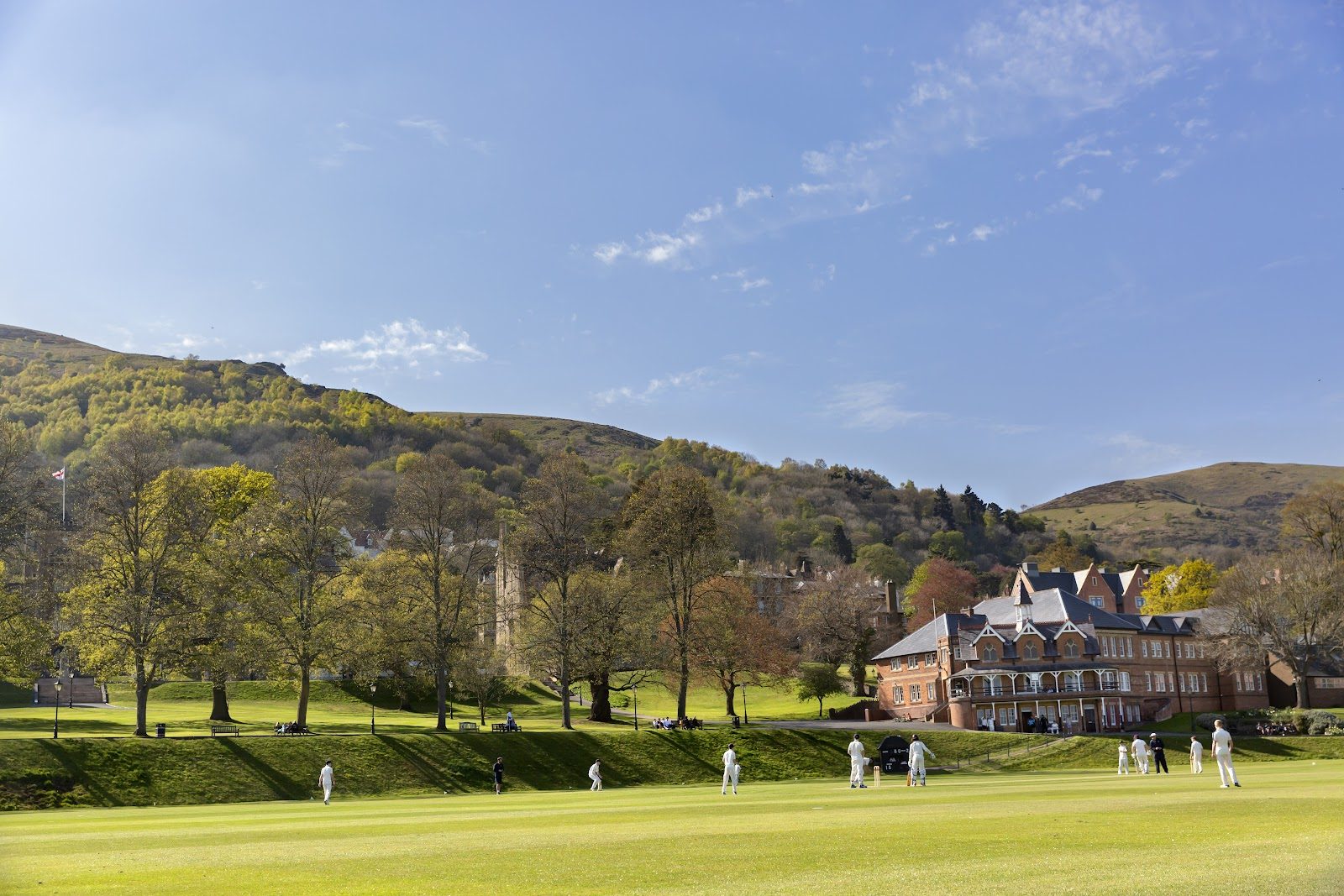
Beneath the Malvern Hills, a campus that once housed wartime radar research has produced four Nobel Prize winners.
Uppingham School
Uppingham · United Kingdom
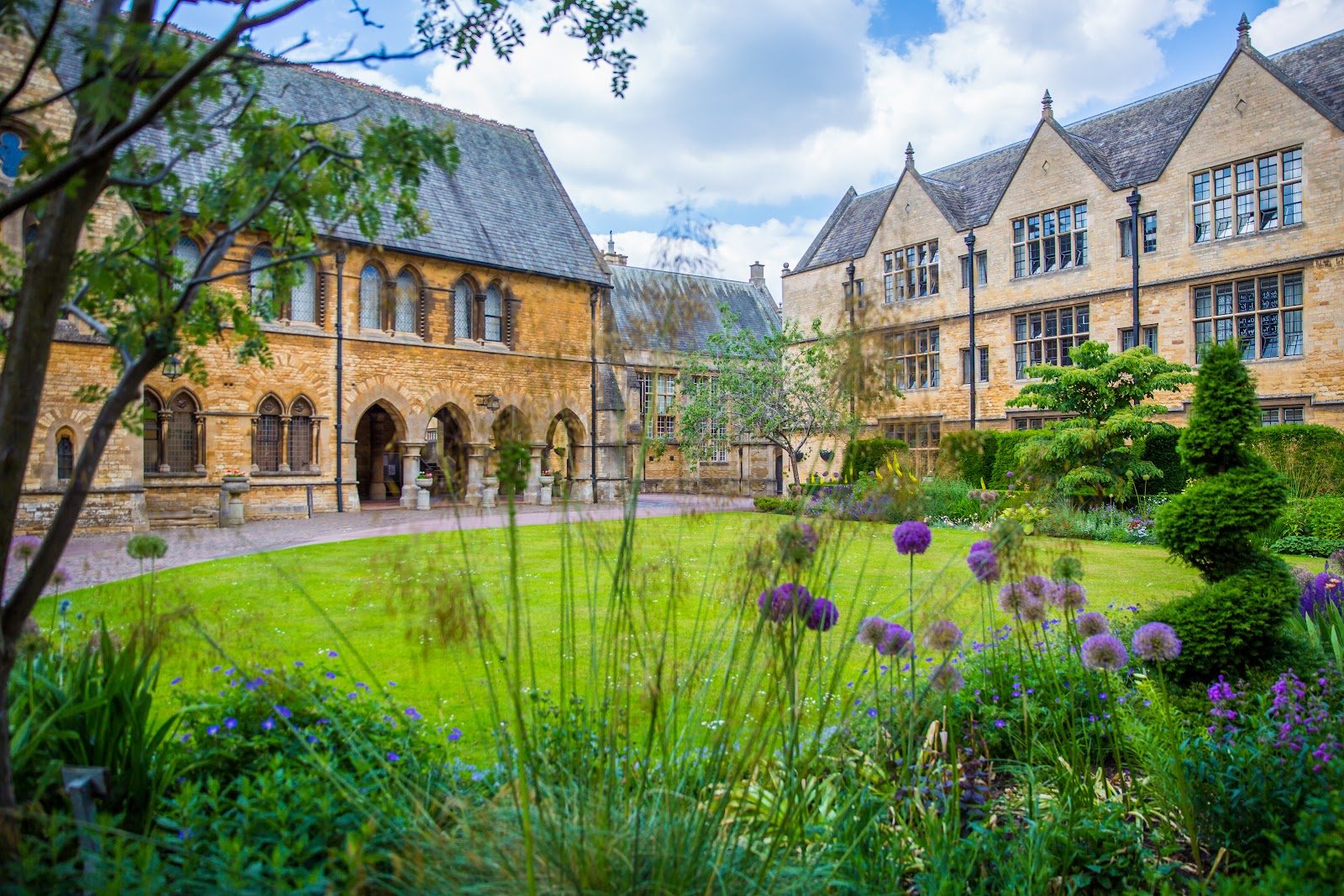
A Rutland boarding school where Thring's music-first Victorian philosophy still shapes seven-day house life today

Lady Eleanor Holles School
Hampton · United Kingdom
Since 1710 on a 24-acre Hampton site, a Thames boathouse has bred record-holding rowing eights alongside Oxbridge-track academics.
Same country and curriculum — closest matches within ±10 points either way