
Lisbon District
Deutsche Schule Lissabon
Rooted in an 1848 foundation, this Lumiar campus stands as the Iberian Peninsula's oldest German school, still charting students to the Abitur.
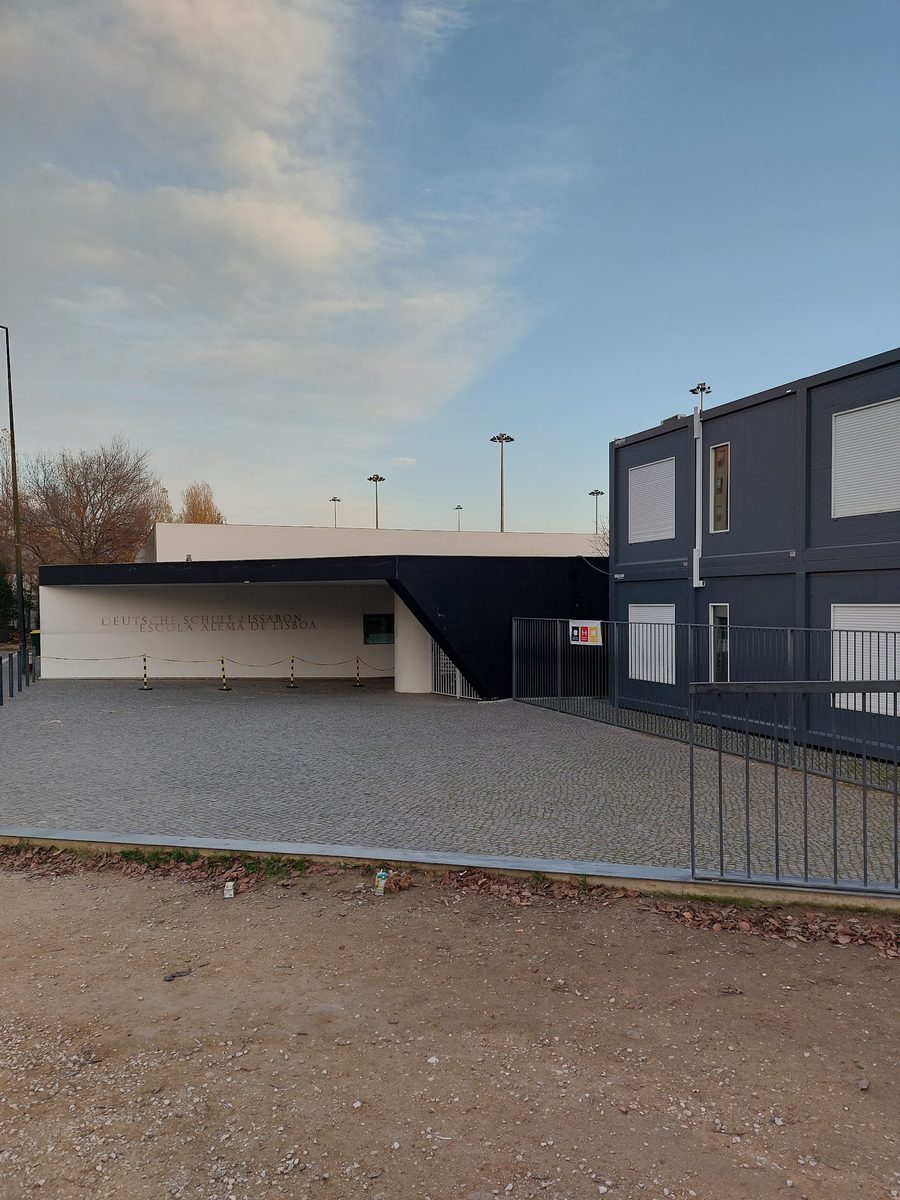
Photo © João Sousa via Google Maps
Type
Day
Ages
3–19
Curriculum
German
Qualifications
German Abitur
Ratio
—
The Verdict
Editor's commitment
Right for
Families in Lisbon who want a German day school, founded in 1848, teaching in German and Portuguese through to age 19.
Wrong for
Parents wanting boarding, English-medium teaching or a non-German curriculum; Deutsche Schule Lissabon is secular, day-only and school-declared German.
Watch out for
ZfA accreditation carries weight, but the school does not publish public exam outcomes here; test Abitur results, destinations and Portuguese-German balance.
Ranking breakdown
Deutsche Schule Lissabon · # of 1591
Composite score 58.4. 8 weighted criteria.
By criterion
Academic Outcomes
Weight 20%
#957
of 1529 scored
University Placement
Weight 16%
#1089
of 1529 scored
Prestige & Heritage
Weight 12%
#723
of 1571 scored
Alumni Network
Weight 12%
#1165
of 1530 scored
Facilities
Weight 12%
#1102
of 1534 scored
Transparency & Communications
Weight 8%
#1021
of 1532 scored
Peer & Industry Review
Weight 10%
#1415
of 1548 scored
Admissions Selectivity & Demand
Weight 8%
#1232
of 1529 scored
Peer & Industry Review
How Deutsche Schule Lissabon is regarded in the sector
58
Credible · medium confidence
Deutsche Schule Lissabon sits inside the tightly regulated Auslandsschulwesen network overseen by Germany's Zentralstelle fur das Auslandsschulwesen (ZfA), so its standing is defined more by state accreditation than by independent press coverage. Within that peer group it is discussed alongside the other Iberian German schools (Madrid, Barcelona, Valencia) as a smaller, steady Abitur-granting institution rather than a flagship. English-language international-school guides such as WhichSchoolAdvisor and the Good Schools Guide International, which dominate expat-parent decision-making in Lisbon, give it little to no dedicated review, reflecting their Anglophone-curriculum bias rather than any quality signal. Portuguese national outlets (Publico, Expresso) rarely single it out in the international-school rankings that focus on British and American-curriculum schools favoured by expatriate professionals. On the university side, its dual Abitur/Portuguese secondary diploma is uncontroversially recognised by German and EU universities as standard Abitur credentialing, with no distinct admissions-office commentary attached to the school specifically. In short, its reputation is procedural and institutional -- solid within the German diplomatic-school system -- rather than one actively promoted or debated by rival heads or education journalists.
Editors' overview
Deutsche Schule Lissabon occupies a narrow but important niche: a German day school in Lisbon with real historical weight and a clear academic destination. Founded in 1848, it is the oldest German school on the Iberian Peninsula, and that matters because long-settled schools tend to know exactly what they are for. Here, the purpose is plain: a German education, taught in German and Portuguese, carried through to the Abitur. That gives the school a sharper identity than many international schools that pile up programmes and call it breadth. Parents looking for institutional seriousness, cultural depth and a route tied closely to the German system will find that focus attractive.
What sets it apart is not gimmickry or a resort-style campus pitch. It is continuity. Deutsche Schule Lissabon serves ages 3–19 and keeps its academic centre of gravity firmly in the German curriculum. In a Lisbon market crowded with English-medium international options, that makes it distinct at once. The school suits families with a genuine commitment to German-language education, German-speaking households, Portuguese-German families, and parents who want their child to move comfortably between Portuguese life and German academic culture. The ZfA accreditation adds official credibility rather than decorative branding.
This is not the right school for everyone. Families who want an Anglo-American pathway, a loose bilingual model, or a broad “global citizen” pitch wrapped around multiple curricula should look elsewhere. Deutsche Schule Lissabon is for students who thrive with structure, linguistic precision and academic sequence; children who benefit from clear expectations rather than constant choice. It will also appeal to parents who value historic permanence and academic direction over novelty. In market terms, this is a specialist school, not a catch-all international brand. That specialism is exactly why it belongs on a serious shortlist.
Academic Performance
Deutsche Schule Lissabon does not publish aggregate external exam results in the public domain. That matters. For a school whose academic identity rests on a single, clearly defined route to final examinations, parents need more than institutional reputation and historic standing; they need hard outcome data. We have not seen school-wide Abitur averages, subject distributions, top grades, pass rates, or university destination patterns. That leaves a real gap in accountability. In a market where stronger schools increasingly disclose at least headline results, this level of opacity is hard to defend.
That does not place the school in weak academic company; it places it in the category of academically serious European schools that still rely on system credibility rather than public performance reporting. The German leaving qualification carries weight in its own right, and a long-established German school with a full through-school structure does not need to manufacture academic status. Still, parents comparing this school with more data-rich international competitors will find the picture less transparent and the benchmarking less exact. Relative to peers, the school reads as institutionally credible but publicly under-evidenced on outcomes. Families who care about measurable performance should ask for the last 3 years of Abitur results, pass rates, grade distributions, and destination lists before treating the academic case as proven.
Facilities
The public picture on facilities is thin, and that in itself matters. We can place the school on a campus in Lumiar, but we have not seen a clear published inventory of specialist spaces, sports provision, performing arts rooms, libraries, laboratories, or early years environments. For parents, that leaves a blunt information gap. Schools with serious physical assets tend to show them plainly: not as lifestyle fluff, but as evidence of what pupils can actually use each day. Here, that evidence is under-published. The absence does not prove weak provision, but it does weaken scrutiny and makes comparison with rival schools less exact.
Against Lisbon’s better-known international competitors, that puts Deutsche Schule Lissabon on the back foot in one respect: facility transparency. Many peers now publish detailed campus maps, photography of specialist rooms, and concrete information on sport and arts infrastructure. This school does not give the same level of public detail. That makes it harder to judge whether the campus matches the demands of a full through-school serving ages 3–19. Parents should ask direct questions: how many science labs are in regular use, what indoor and outdoor sports spaces pupils access, how the library is stocked, and whether music, art and drama have dedicated rooms or shared teaching space. Until those answers are clear, the facilities case remains credible but unproven, and weaker in public presentation than the strongest schools in its competitive set.
What makes Deutsche Schule Lissabon distinctive is not novelty but institutional continuity with a clear national education tradition outside its home country
Prestige
Deutsche Schule Lissabon carries real prestige, but it is a specific kind of prestige. This is not the glossy, status-signalling sort built on celebrity alumni, aggressive expansion or relentless self-promotion. Its standing rests on something sturdier: continuity, cultural legitimacy and membership of the long-established German school world abroad. For families who value the German academic tradition, that counts for a great deal. In Lisbon, where many international schools trade on English-language demand and lifestyle branding, this school holds a sharper, more serious identity. It serves a narrower constituency, but within that constituency its name has institutional weight. The through-school span to age 19 reinforces that seriousness: this is a full educational track, not a partial international offering dressed up as one.
We rate its prestige as high within its lane and limited outside it. That distinction matters. Among German and German-speaking families, binational households, and parents who want a child embedded in a recognisable European academic culture, the school has earned authority. Among families shopping for global prestige in the Anglo-American mould, it carries less cachet, because that is not the market it serves. The school’s age range from 3 onwards adds to the sense of permanence and trust, but public opacity around outcomes stops the prestige story short of the top tier. In plain terms: historic, credible and respected, but not universally magnetic.
Deutsche Schule Lissabon occupies a narrow but important niche: a German day school in Lisbon with real historical weight and a clear academic destination
Communications
Parent communication reads as functional rather than polished. The school’s public-facing presence establishes the essentials — who it is, where it sits, the age range it serves — but it does not publish the kind of detailed operational information that reassures busy parents day to day. That matters in a through-school stretching from nursery to graduation. Families need clear calendars, assessment explanations, campus logistics, staff visibility and timely notice of changes. We have not seen enough public evidence of that level of communication discipline. The pattern across the school’s published profile is consistent: institutionally serious, but not strong on disclosure. That makes the communication style feel more inward-facing than parent-centric.
Effectiveness, then, looks mixed. For families already comfortable with the school’s culture and expectations, a restrained communication style may suit; not every serious school needs to broadcast itself like a consumer brand. For prospective parents, though, the gaps are hard to ignore. A school serving ages 3–19 needs communication that does more than state identity. It needs to show how families are kept informed across academic transitions, daily routines and pastoral matters. Here, the public picture does not do that job well enough. The result is a communication standard that feels credible but underpowered: competent at the institutional level, weaker at demonstrating openness, responsiveness and practical clarity.
Uniqueness
What makes Deutsche Schule Lissabon distinctive is not novelty but institutional continuity with a clear national education tradition outside its home country. In Lisbon’s international market, many schools chase breadth, flexibility and English-medium demand. This school does the opposite. It keeps a tight educational identity and asks families to opt into it rather than dilute it. That brings coherence. Students move through one system, inside one academic culture, with fewer of the mixed messages that plague schools trying to satisfy every market at once. The age span from 3 to 19 matters here: children can grow up inside the same expectations, rituals and standards instead of being reset at each phase.
Its other point of difference lies in cultural position. This is not a generic international school with a German label attached; it sits at the junction of German schooling and Portuguese life, which gives pupils a more rooted bilingual formation than the airport-lounge internationalism sold elsewhere. For the right child, that is quietly powerful. Students gain not just access to an academic pathway, but entry into a defined intellectual tradition with its own habits of precision, discipline and sequence. The trade-off is obvious: this is a specialist environment, less elastic than broad-market international schools and less forgiving of families who want constant optionality. For students who fit it, that narrowness is a strength.
Deutsche Schule Lissabon serves ages 3–19 and keeps its academic centre of gravity firmly in the German curriculum
Student Profile
The right student for Deutsche Schule Lissabon is not a casual international-school drifter. This school suits children who do well with clear hierarchy, steady routines and a defined academic culture that does not bend itself around every preference. It will fit German-speaking families, Portuguese-German households and parents who want their child educated inside a recognisable continental tradition rather than the looser social atmosphere found in many English-medium schools. Students who are linguistically agile, patient with structure and comfortable being measured against firm expectations will settle best. Those who need constant novelty, a wide menu of academic pathways or a more consumer-friendly school experience will not.
Socially, the school will work best for families who value belonging through alignment rather than belonging through endless flexibility. Because it serves children from the early years through to graduation, pupils who stay the course gain the benefit of a long internal arc: friendships deepen, norms harden, and the community develops a settled, self-contained character. That can be a strength for grounded children who like continuity and know how to work within a shared culture. It can be harder for late arrivals, for teenagers used to looser classroom codes, or for families expecting a soft landing into international-school life. In plain terms, this is a school for students who are comfortable with seriousness and for parents who want substance before ease across ages 3–19.
Deutsche Schule Lissabon does not publish aggregate external exam results in the public domain
Co-curricular strengths
Arts & sport, on a separate axis
Overall 8/10
Scored 0-10 from the school's own published evidence. This axis is editorial-only — it does not feed the main WTS ranking.
Sports
8.5/10
Drama
8/10
Dance
6.5/10
Music
9/10
Visual Arts
8/10
Strengths
- +Founded in 1848, the Deutsche Schule Lissabon is the oldest German school in the Iberian Peninsula, giving it a long institutional history and established local reputation.
- +It offers education from Kindergarten through the German International Abitur at the end of Grade 12, with Abitur taken at the end of Grade 12 and recognised for university admission in Portugal, giving families a clear, dual-recognised exit qualification.
- +The language sequence covers German, Portuguese, English and French, giving pupils a genuinely multilingual academic diet rather than a single-language track.
- +A broad range of artistic and cultural activities is offered, including music with orchestras, bands, and choir, as well as theatre and circus programs, with about 55 clubs (AGs) available from primary through secondary levels.
- +Annual tuition of roughly EUR 8,141 to EUR 9,238 for 2026/27 sits well below the EUR 10,470 to EUR 26,760 per year typically charged by Lisbon's Anglophone international schools, making it comparatively affordable.
Considerations
- −Instruction is overwhelmingly in German: instruction is in German across Grundschule (primary) and Gymnasium (secondary), so families without existing German (beyond the two stated entry ages) face a steep adjustment.
- −The school follows only the German Abitur pathway rather than offering an IB or dual-diploma alternative, which narrows options for families uncertain whether they will stay in the German system long-term.
- −At least one parent review flags concerns that das Niveau der deutschen Sprache in der Schule sei nicht ausreichend, und das akademische Niveau nicht mit dem in Deutschland vergleichbar after a return to Germany required grade repetition; this is a single anecdotal account rather than an inspection finding, but it points to variability worth probing at interview.
- −The school in Estoril, some 30 km outside Lisbon, only covers kindergarten and primary years, so families based on the coast must plan for a longer secondary-school commute into Lisbon.
Availability
Primary entry gate & tests
Academic Record + Language
Gallery
Photo © joaquim abreu via Google Maps
Photo © joaquim abreu via Google Maps
Parent reviews
Have you sent your child here?
Voice reviews carry the strongest trust badge — we transcribe them for you to tidy up before they go live. Prefer to type? A written review is fine too.
Add your voice
In 60 seconds, tell other parents: what's the best thing about Deutsche Schule Lissabon, and what surprised you when your child joined?
We ask for a Google sign-in so every review has a real face behind it — no anonymous drive-by attacks on schools, and no faked positive reviews. Your email is never shown publicly.
Send this profile to a friend
International parents rely on word-of-mouth. Share this review with someone weighing the same decision.
Schools with places
Similar schools to Deutsche Schule Lissabon with places available now.
Availability first, then country, area, curriculum, price, co-curricular
Consider also
Also worth looking at alongside Deutsche Schule Lissabon.
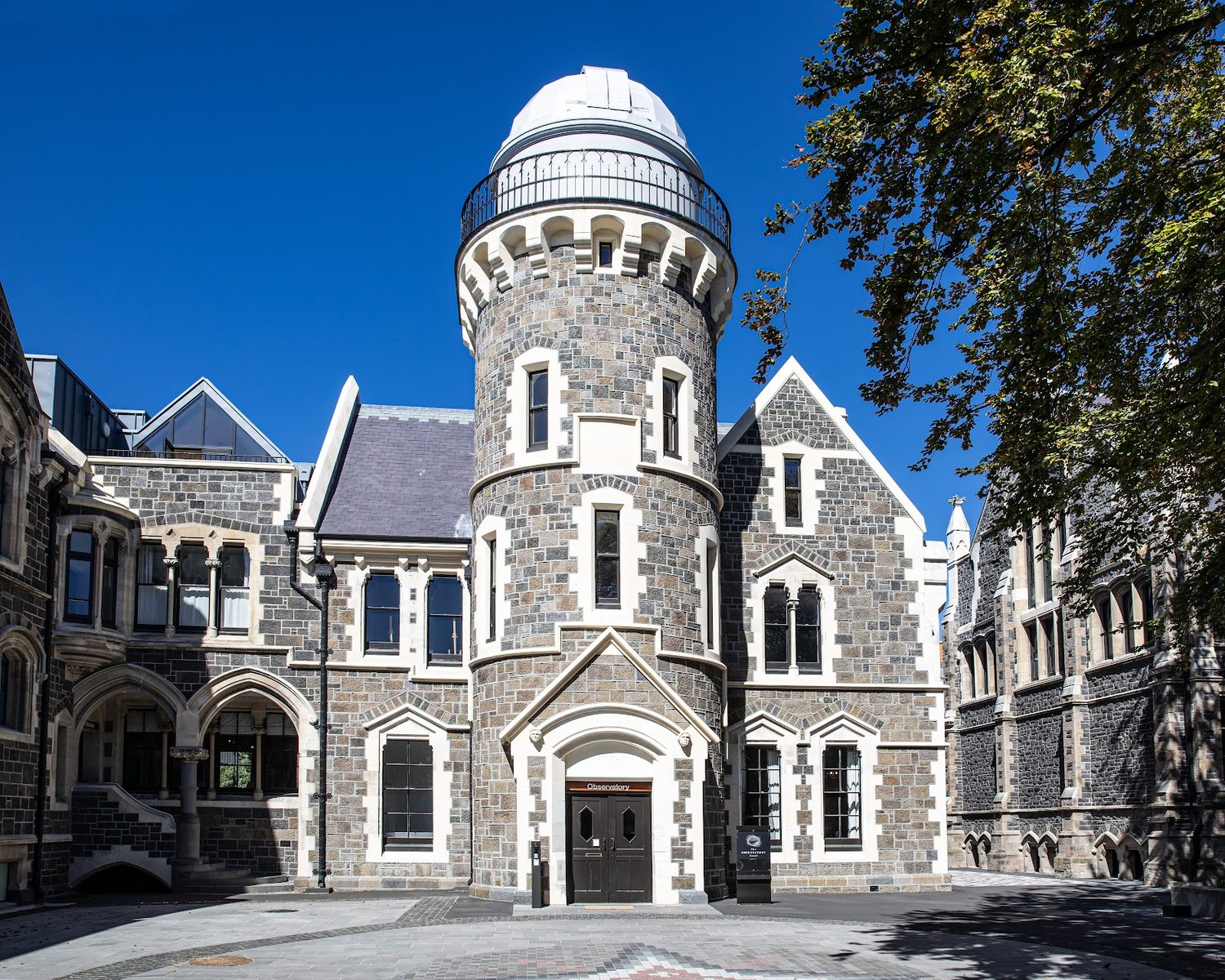
Christ's College
Christchurch · New Zealand
New Zealand's oldest independent school, its neo-Gothic quadrangle and chapel choir anchoring a boys' boarding tradition beside Hagley Park.
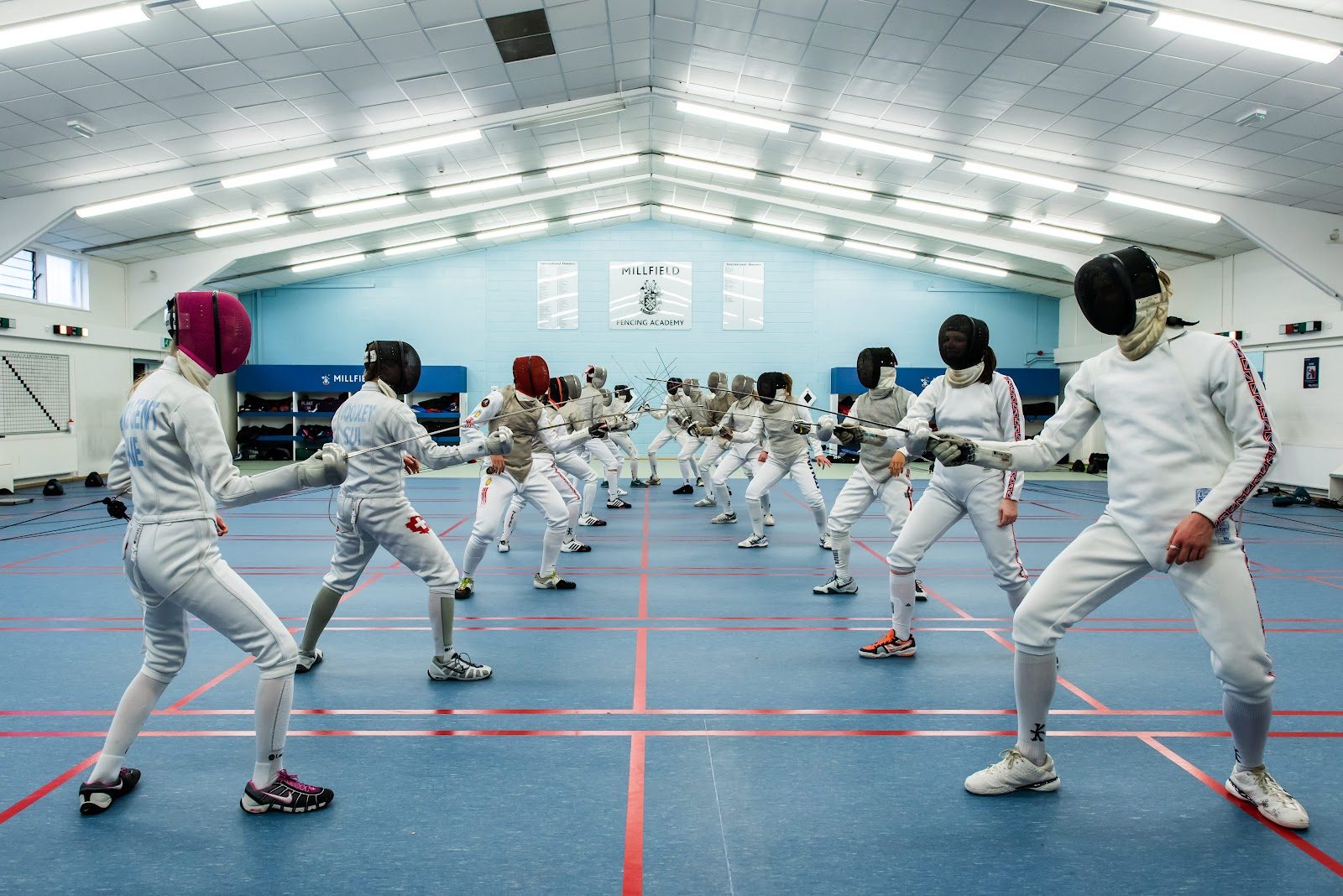
Millfield School
Street · United Kingdom
Sixty-plus sports and an Olympic-length pool anchor a 240-acre Somerset campus built for athletes and scholars alike.
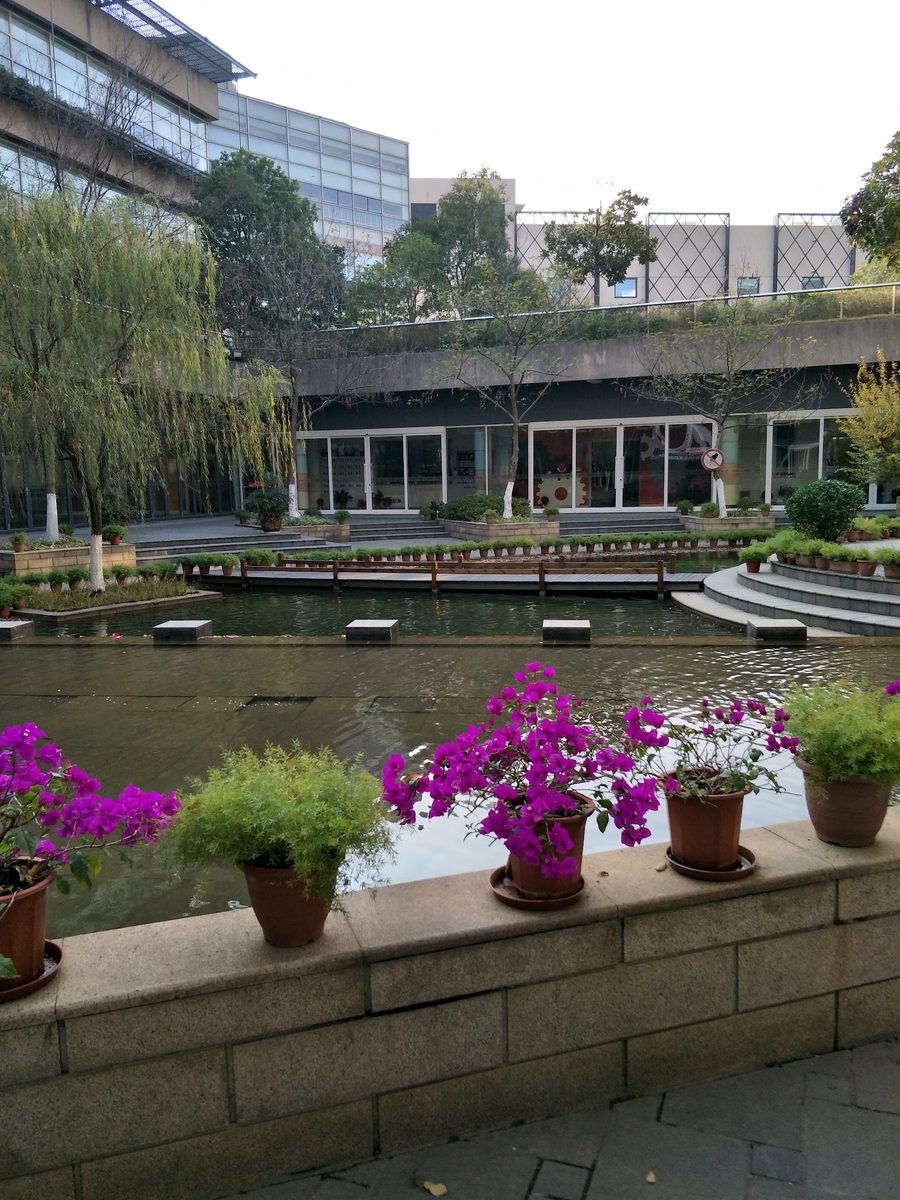
Shanghai Singapore International School
Shanghai · China
Singapore maths rigour anchors an IGCSE-to-IB pathway, threaded with banded Chinese immersion in Minhang's expatriate heartland.
Colegio Base
Madrid · Spain
Rooted in the Institucion Libre de Ensenanza since 1962, this La Moraleja campus runs three Baccalaureate tracks under one roof.
Same country and curriculum — closest matches within ±10 points either way