
Las Condes
Colegio Alemán de Santiago
medium confidence· 4/6 cats · 1.67 avg sourcesFounded in 1891 by Santiago's German colony, this three-campus academy remains Chile's only school pairing Begegnungsschule status with the German Abitur.
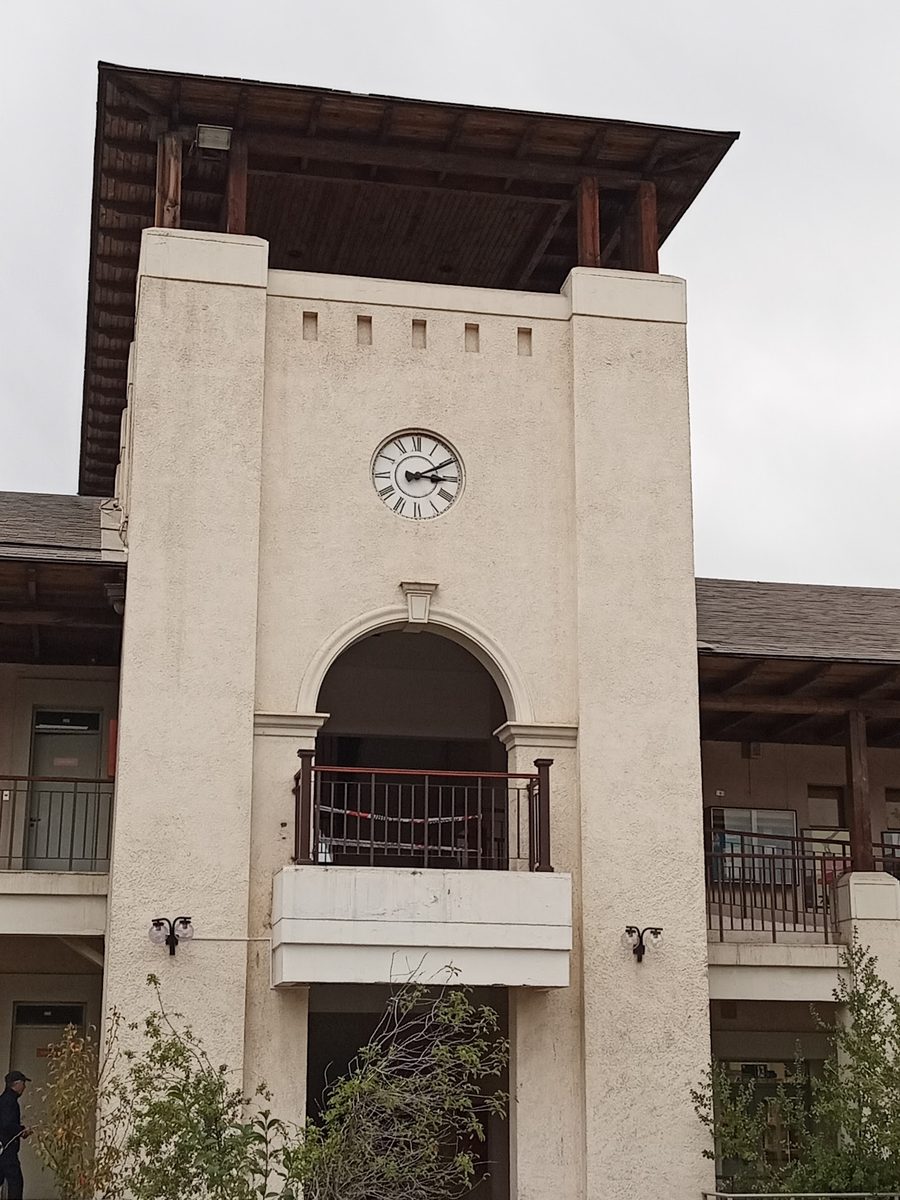
Photo © Hans Paulsen via Google Maps
Type
Day
Ages
3–18
Curriculum
German Abitur
Ratio
—
The Verdict
Editor's commitment
Right for
Families in Santiago who want German and Spanish instruction, a 3–18 day school, and Chile’s only German Abitur route.
Wrong for
Parents wanting boarding, a religious ethos, or an English-medium education; this 1891 school is non-religious and teaches in German and Spanish.
Watch out for
The average annual fee is CLP 4,728,833, and the academic pitch rests on the German Abitur and Excellent German School Abroad status.
Ranking breakdown
Colegio Alemán de Santiago · # of 1591
Composite score 57.4. 8 weighted criteria.
By criterion
Academic Outcomes
Weight 20%
#1191
of 1529 scored
University Placement
Weight 16%
#1201
of 1529 scored
Prestige & Heritage
Weight 12%
#1200
of 1571 scored
Alumni Network
Weight 12%
#791
of 1530 scored
Facilities
Weight 12%
#1218
of 1534 scored
Transparency & Communications
Weight 8%
#1224
of 1532 scored
Peer & Industry Review
Weight 10%
#1108
of 1548 scored
Admissions Selectivity & Demand
Weight 8%
#991
of 1529 scored
Peer & Industry Review
How Colegio Alemán de Santiago is regarded in the sector
64
Respected · medium confidence
Colegio Alemán de Santiago is a long-established German international school in Chile with likely recognition within the German Auslandsschulen network (e.g., possible 'Exzellente Deutsche Auslandsschule' seal from Germany's Federal Foreign Office), but I could not locate at least two verifiable independent third-party sources (specialist education press, Tatler/Good Schools Guide equivalents, or documented alumni-network coverage) confirming its standing.
Editors' overview
Chile has no shortage of strong private schools, but Colegio Alemán de Santiago sits in a narrower lane: it is the country’s only school that combines Begegnungsschule status with the German Abitur. That matters. This is not just a bilingual day school with a European flavour; it is a 1891 institution built by Santiago’s German colony, still operating as a non-religious, German-Spanish school for ages 3 to 18, and still tied to the German system in a way few schools outside Germany manage. The scale also matters. The school talks openly about more than 130 years of history and more than 12,000 alumni, which places it firmly in the category of large, established legacy schools rather than a boutique newcomer trading on borrowed prestige.
What is special here is the depth of the German track and the cultural seriousness around it. The school’s own language is promotional, but the substance is clear enough: students face both Abitur and PAES at the top end, and the school runs a trilingual model within a German-Spanish teaching environment. That combination gives families a route into Chilean higher education and a direct line into the German academic sphere. The accreditation also carries weight: “Excellent German School Abroad” is a meaningful external marker, not brochure filler. Parents who want a school with institutional heft, an old-network alumni base and a curriculum identity that is sharply defined rather than fashionable will put this on the shortlist.
The trade-off is just as clear. This is not a loose, progressive, child-led school for families who want maximum flexibility or a soft academic culture. Any school preparing students for the Abitur, while also operating in Chile’s university admissions context, asks for discipline, stamina and comfort with structure. The school advertises extensive extracurricular activity and cites more than 150 students in its internal mathematics olympiad, so there is life beyond the classroom, but the academic core reads demanding and high-pressure. The average annual day fee across the full age range is CLP 4,728,833, which places it in the serious private-school bracket without drifting into the ultra-luxury end of the market.
The best fit is a student who can handle a rigorous, multilingual education and who gains energy from a school with tradition, rules and a clear sense of purpose. Children with German family ties, plans for German-speaking universities or parents who want a credible continental pathway will find a rare proposition here. So will academically sturdy students who thrive in big institutions with history behind them. It is not for the faint-hearted, and that is part of the appeal.
Academic Performance
Academic performance here sits in an awkward category: the school prepares pupils for two serious external endpoints, but it does not publish the aggregate outcomes that would let parents judge its standing cleanly against Santiago’s strongest academic competitors. We have confirmation that pupils in the final year face both the Abitur and Chile’s PAES, and the school’s own news flow treats those assessment periods as high-stakes and pressure-heavy. That tells you something about the culture. It does not tell you enough about results. No public Abitur average, no pass-rate series, no distribution of top grades and no consolidated PAES data are in the public domain. For a school with this pedigree, that opacity is a real weakness.
Even so, the structural indicators point to a demanding academic operation rather than a soft one. Internal mathematics olympiads have run since 1994, with more than 150 participants in the latest edition, which signals a deep bench rather than a token contest for a gifted fringe. The school also employs more than 40 native German teachers, a material factor for an academically credible German track. Relative to peers, that places Colegio Alemán in the serious-scholarship bracket on institutional design, but not yet in the top rank for public accountability. The ceiling may be high; the published proof is too thin.
Facilities
Facilities are spread across three sites, and that matters operationally as much as architecturally. Preschool sits on its own campus, primary on another, and the upper school with administration on the Las Condes site. That layout gives each age group room to work without the crush and compromise that can come with a single crowded urban campus. It also creates friction: families with children in different divisions face split logistics, and the school has to work harder to preserve one culture across separate locations. Among large legacy schools in Santiago, that is a serious advantage for age-appropriate space, but not a frictionless one for family life.
The school publishes less hard detail on specialist infrastructure than top peers now do, so parents do not get a clean inventory of theatres, labs, makerspaces or high-performance sports provision. What is visible points instead to breadth of use: a long list of after-school activities, team sports, athletics, artistic gymnastics and psychomotor development, plus internal academic events substantial enough to absorb 150-plus pupils at a time. That signals facilities with real working capacity, not token rooms used for prospectus photography. Still, against the best-resourced Santiago competitors, the public picture is too opaque. Families can infer a broad physical plant from the school’s scale and split-campus model; they cannot inspect it properly without a visit.
What sets Colegio Alemán de Santiago apart is not “international mindedness” in the generic private-school sense
Prestige
Prestige here rests on institutional standing, not fashionable branding. In Chile, this school occupies a rarefied lane: it is the country’s only school combining Begegnungsschule status with the Abitur, which gives it a level of academic and cultural legitimacy that ordinary bilingual private schools do not match. That distinction carries weight with families who care about German higher education, German corporate circles and the old social networks that attach to established European schools in Latin America. Its alumni base of more than 12,000 reinforces that reach. This is a school with deep roots, a recognisable identity and enough scale to sustain traditions, internal competitions and a broad co-curricular life without feeling improvised or thin.
That said, prestige here is earned through seriousness, not glamour. The three-campus structure signals a substantial operation rather than a compact boutique school, and the presence of more than 40 native German teachers gives the German side of the school real substance. The “Excellent German School Abroad” mark also matters; it is a hard currency credential in this niche. The school’s prestige is strongest among families who value rigour, continuity and access to German-speaking academic pathways. It is weaker in circles that prize public exam transparency, because the school does not publish the headline outcome data that top-tier prestige schools now disclose as a matter of course. That gap keeps it from the fully unquestioned top bracket.
No public Abitur average, no pass-rate series, no distribution of top grades and no consolidated PAES data are in the public domain
Communications
Parent communication is active, public and serviceable, but it carries the stamp of a large institution speaking at scale rather than a school cultivating intimacy. The homepage pushes admissions, scholarship notices, news items and event updates with clear signposting, and the school gives parents direct contact routes by phone, email and campus address. News coverage is frequent and concrete: recent items range from stress-management sessions for final-year pupils to classroom projects and mathematics competitions. That steady stream does useful work. It shows a school that documents daily life instead of hiding behind slogans. It also reveals priorities. Academic pressure points, student welfare interventions and long-running internal traditions all get airtime, which gives parents a clear operational picture of what matters inside the school.
What the school does less well is depth. Public communication is polished but selective: plenty of celebratory storytelling, thin hard data, and little by way of the forensic academic disclosure that demanding parents now expect. Testimonials from current families add warmth, but they are predictable marketing furniture, not serious evidence. The split-campus structure also raises the bar for communication; families navigating different sites need disciplined, exact information flow on routines, events and division-specific matters. The school’s public-facing channels show organisational competence and regular output. They do not show much candour about outcomes, and that limits trust at the top end. Effective day-to-day, yes. Fully transparent, no.
Uniqueness
What sets Colegio Alemán de Santiago apart is not “international mindedness” in the generic private-school sense. It offers a rare dual belonging: rooted in Chile, but tied into the German educational sphere with real institutional force. For students, that produces something more demanding and more valuable than simple bilingualism. They are educated inside a school culture where German academic norms, Chilean university preparation and a trilingual operating model all run at once. That combination is hard to replicate and academically exacting. It gives pupils a direct encounter with more than one intellectual tradition, more than one public exam culture and more than one route out of school. The presence of 40+ native German teachers strengthens that claim; this is not a token import of German branding attached to a local private school.
The other distinctive feature is continuity at scale. This is a serious legacy institution with enough breadth to sustain its own traditions, internal competitions and a wide extracurricular programme without feeling stitched together for admissions season. Children move through separate age-specific campuses rather than being folded into one all-purpose site, which supports sharper developmental staging from the early years to the senior school. For the right student, that brings a strong sense of belonging and a clear cultural grammar: expectations are defined, the identity is coherent and the pathway is not improvised. The downside is obvious. Students who want looseness, constant choice-making or a low-pressure atmosphere will find the model too structured.
Relative to peers, that places Colegio Alemán in the serious-scholarship bracket on institutional design, but not yet in the top rank for public accountability
Student Profile
The students who thrive here are comfortable with structure, external benchmarks and a school culture that treats effort as a baseline rather than a special virtue. This is a strong fit for children who can move between German and Spanish with confidence, or who have the aptitude and family backing to grow into that environment without constant rescue. It also suits pupils who do not need classroom life to feel loose or endlessly personalised. The school’s scale brings range — more than 40 native German teachers, a deep extracurricular menu and internal competitions that draw 150-plus entrants — but it also brings expectations, routines and a social world that rewards self-management. The best-fit child is academically durable, linguistically agile and at ease with pressure.
There is also a clear cultural fit. Families with German connections, European university ambitions or a taste for old-school institutional discipline will find the student body easier to navigate than families chasing a softer, more therapeutic model. Children who enjoy team activities, established traditions and a community with visible norms will settle faster than those who resist hierarchy or need high adult mediation to stay on track. This is not a refuge for the chronically disorganised or the fragilely motivated. It suits students who want a serious peer group, can absorb correction without drama and gain confidence from being held to account.
They do not show much candour about outcomes, and that limits trust at the top end
Co-curricular strengths
Arts & sport, on a separate axis
Overall 8.1/10
Scored 0-10 from the school's own published evidence. This axis is editorial-only — it does not feed the main WTS ranking.
Sports
8.5/10
Drama
8/10
Dance
8/10
Music
8.5/10
Visual Arts
7.5/10
Editor first-pass · editor-reviewable · 7/30/2026
Strengths
- +One of the oldest German schools in Latin America, with roots going back to the 19th century, giving it long institutional continuity in Santiago.
- +Offers dual certification via the German Abitur alongside the Chilean Licencia de Enseñanza Media, supporting university entry in both Germany and Chile.
- +Operates within the official Deutsche Auslandsschulen network overseen by Germany's Zentralstelle für das Auslandsschulwesen (ZfA), which includes external quality review.
- +Provides genuine German-Spanish bilingual immersion from early years, a depth of German-language instruction uncommon among other Santiago international schools.
- +Staffed in part by teachers seconded directly from Germany, bringing continuity with German pedagogical standards.
Considerations
- −The German Abitur pathway requires sustained, high-level German proficiency, which can disadvantage families with no prior German exposure.
- −As a bilingual immersion school, non-German-speaking children face a steeper early adjustment curve than at English-medium international schools in the city.
- −Public information on fees and cost structure is limited in English, making it harder for relocating international families to budget in advance.
- −The Abitur-centred curriculum is less internationally portable than the IB offered by some competitor schools, a consideration for families unsure of long-term relocation.
Availability
Primary entry gate & tests
Academic Record
Gallery
Photo © Philipp via Google Maps
Photo © Eddie Morais via Google Maps
Photo © Eddie Morais via Google Maps
Photo © Eddie Morais via Google Maps
Photo © Eddie Morais via Google Maps
Parent reviews
Have you sent your child here?
Voice reviews carry the strongest trust badge — we transcribe them for you to tidy up before they go live. Prefer to type? A written review is fine too.
Add your voice
In 60 seconds, tell other parents: what's the best thing about Colegio Alemán de Santiago, and what surprised you when your child joined?
We ask for a Google sign-in so every review has a real face behind it — no anonymous drive-by attacks on schools, and no faked positive reviews. Your email is never shown publicly.
Send this profile to a friend
International parents rely on word-of-mouth. Share this review with someone weighing the same decision.
Schools with places
Similar schools to Colegio Alemán de Santiago with places available now.
Santiago College
Santiago · Chile
- 2026-27
- WAITPOOLSpace-dependent
- 2027-28
- PLACES OPENRolling
The Grange School
Santiago · Chile
- 2026-27
- CLOSEDStandard route closed
- 2027-28
- WAITPOOLEnquiries underway
Nido de Águilas
Santiago · Chile
- 2026-27
- WAITPOOLSpace-dependent
- 2027-28
- PLACES OPENRolling
Availability first, then country, area, curriculum, price, co-curricular
Consider also
Also worth looking at alongside Colegio Alemán de Santiago.
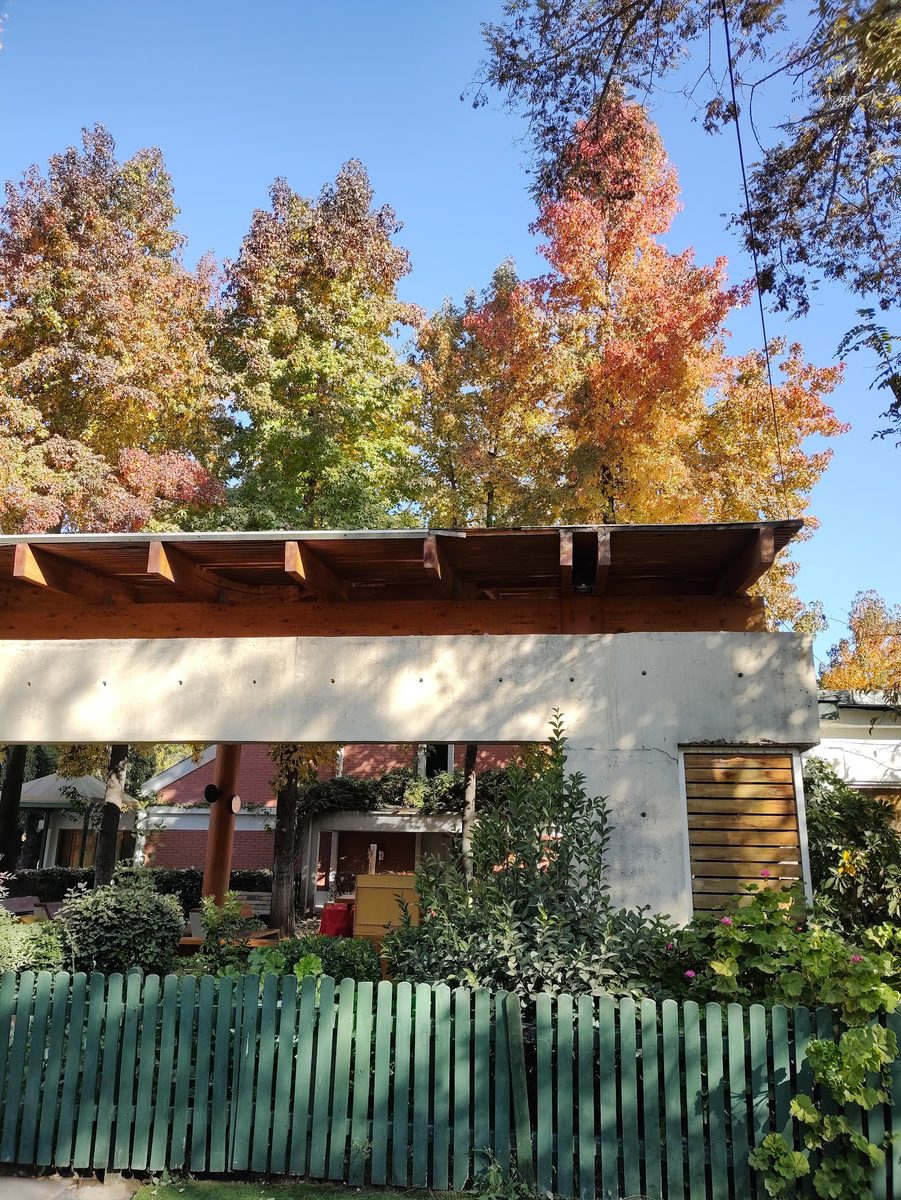
Saint George's College Santiago
Santiago · Chile
A Holy Cross foundation in Vitacura since 1936 that has quietly seeded a third of Chile's top-200 corporate boardrooms.
Craighouse School
Santiago · Chile
A Scottish surname turned school name, blending British house tradition with a full IB continuum on a 24-hectare Andean campus.
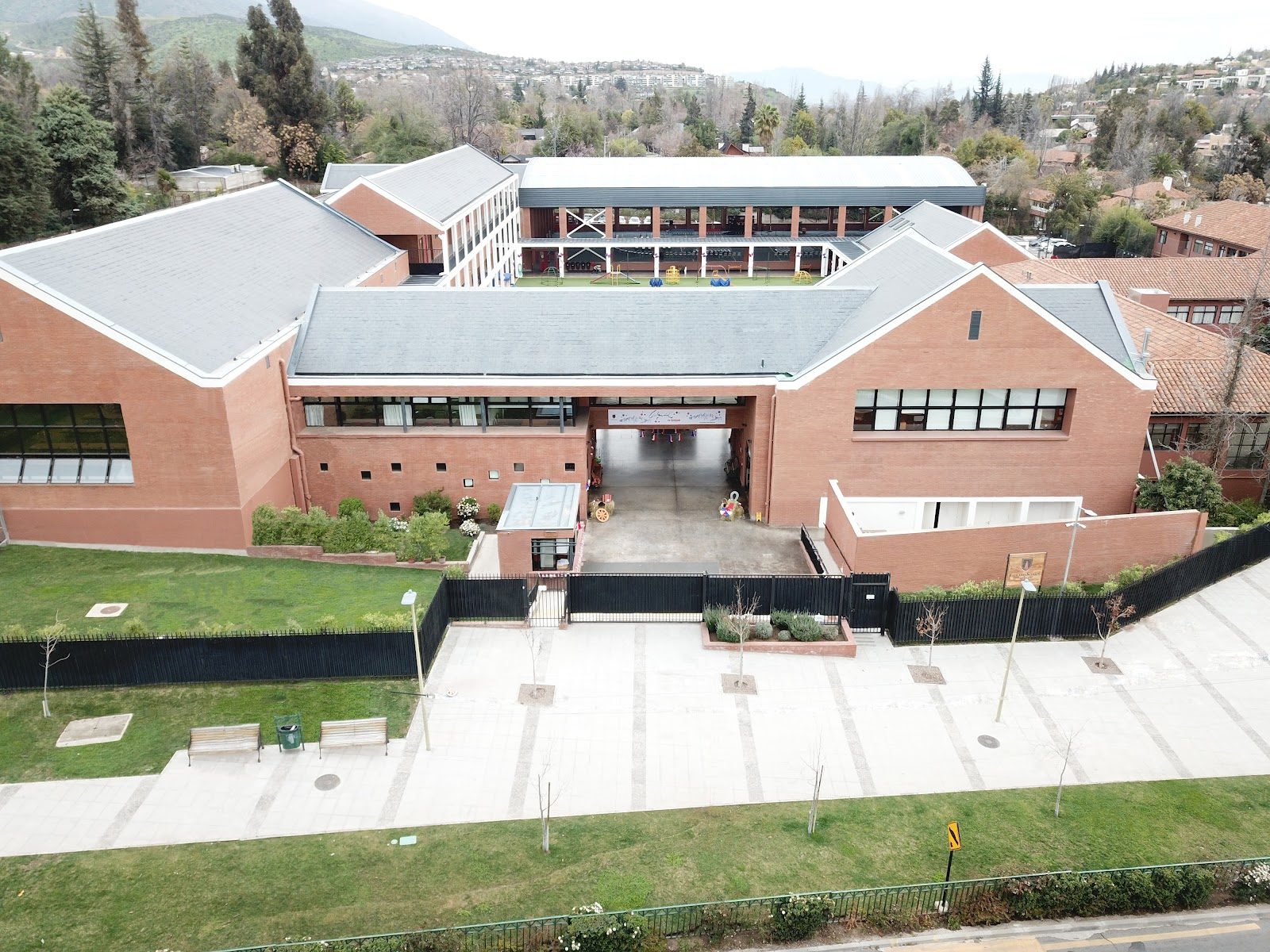
Redland School
Santiago · Chile
On a 24-hectare foothill campus in Las Condes, IB rigor meets Chile's national curriculum and a mountain-bike circuit.
Santiago College
Santiago · Chile
From an 1880 Methodist girls' boarding school to Chile's first IB pioneer, now coeducational in the Andean foothills.
Same country and curriculum — closest matches within ±10 points either way