
Guatemala Department
American School of Guatemala
medium confidence· 4/6 cats · 3 avg sourcesSince 1945, a Ministry-recognized laboratory school pairing a US diploma with Guatemala's Bachillerato across four generations of alumni.
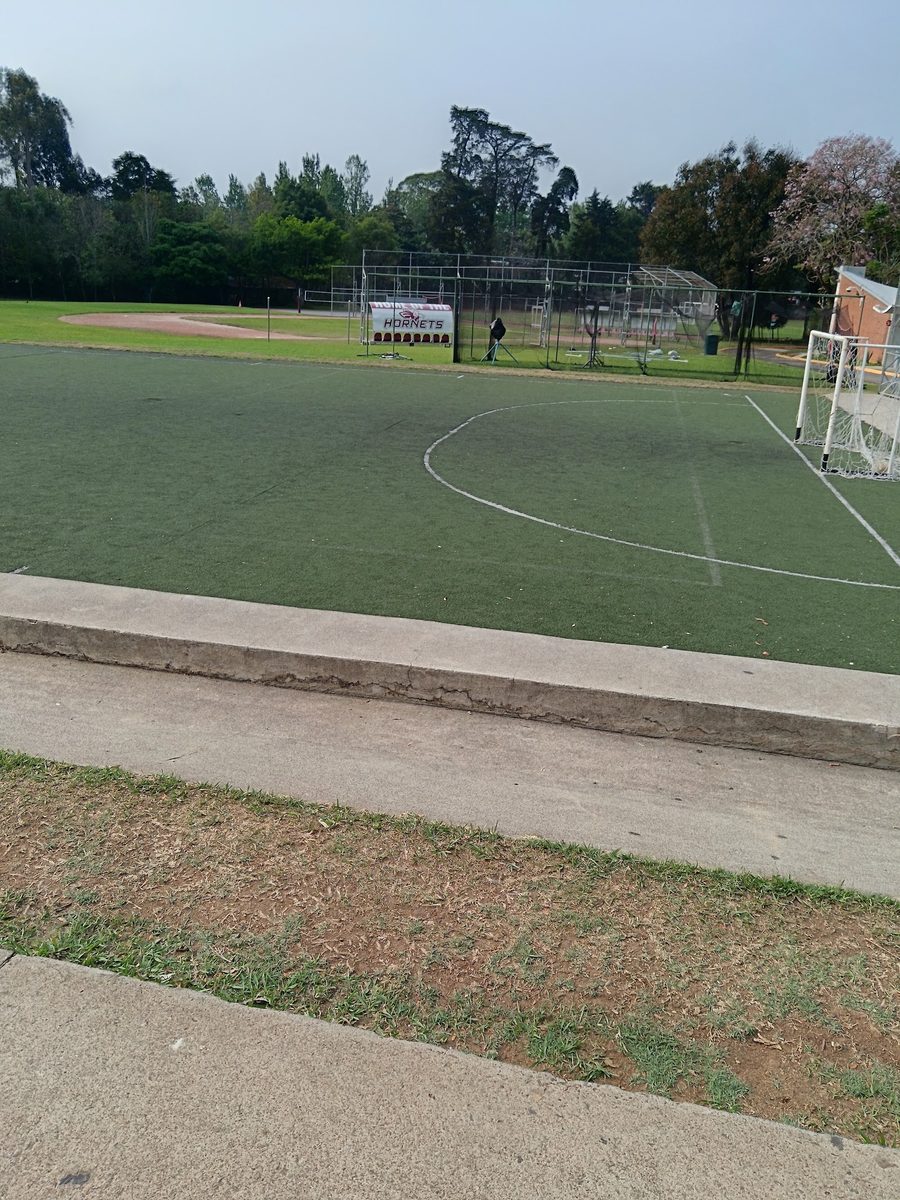
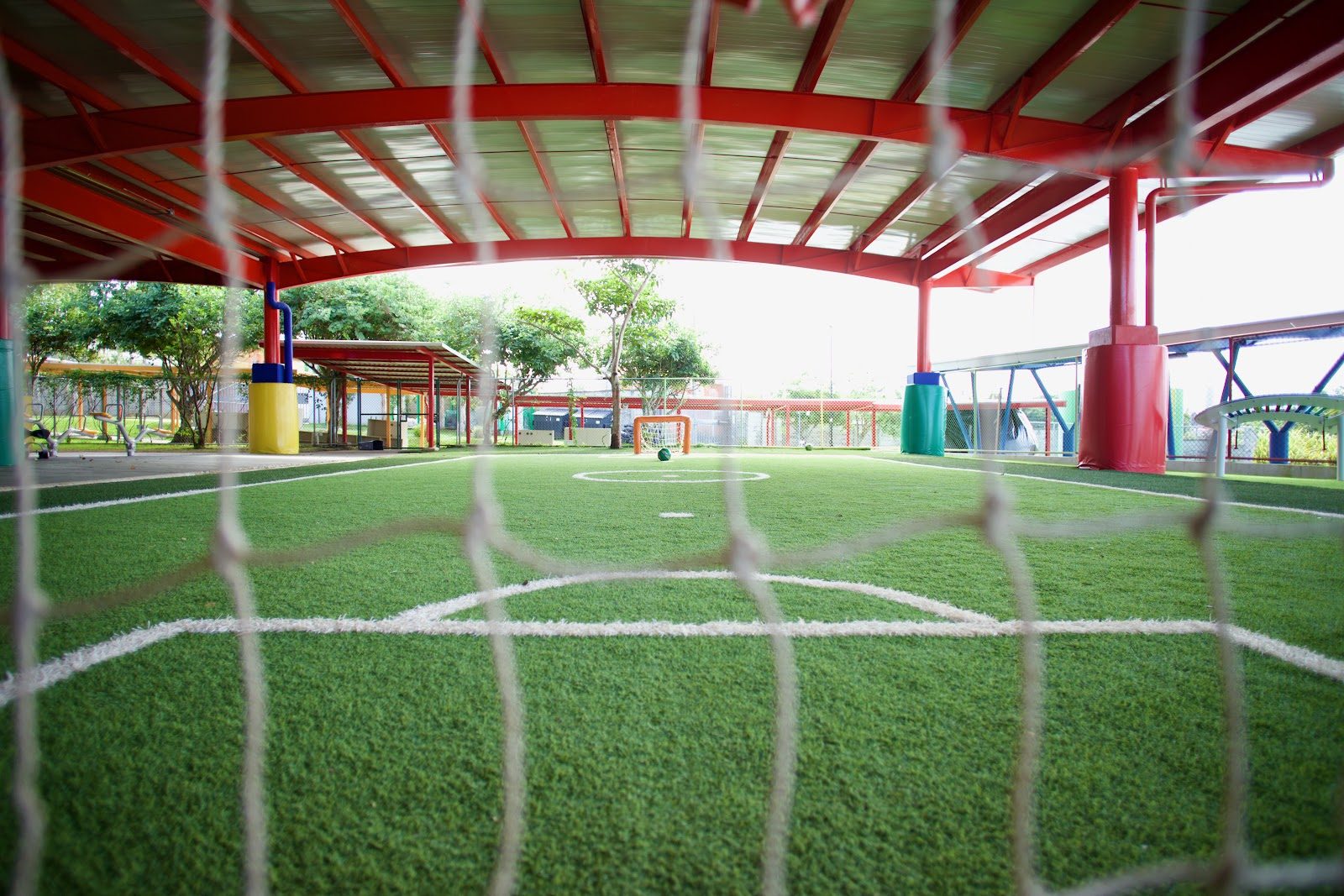
Photo © Adolfo Melgar via Google Maps
Type
Day
Ages
3–18
Curriculum
American
Qualifications
AP · US High School Diploma
Ratio
—
The Verdict
Editor's commitment
Right for
Families wanting a day school in Guatemala City with English instruction, a US-style curriculum and Guatemala's Bachillerato under one roof.
Wrong for
Parents chasing boarding, religious formation or an IB badge; this is a non-religious day school founded in 1945 and accredited by Cognia.
Watch out for
The school trades on 1945 heritage and four generations of alumni, but it does not publish public exam outcomes or destination data.
Ranking breakdown
American School of Guatemala · # of 1591
Composite score 65.6. 8 weighted criteria.
By criterion
Academic Outcomes
Weight 20%
#855
of 1529 scored
University Placement
Weight 16%
#848
of 1529 scored
Prestige & Heritage
Weight 12%
#805
of 1571 scored
Alumni Network
Weight 12%
#510
of 1530 scored
Facilities
Weight 12%
#848
of 1534 scored
Transparency & Communications
Weight 8%
#910
of 1532 scored
Peer & Industry Review
Weight 10%
#791
of 1548 scored
Admissions Selectivity & Demand
Weight 8%
#647
of 1529 scored
Score history
American School of Guatemala · 2026
Movement across 2024–2026. Peer average overlaid.
Overall — 2024–2026
65.6/ 100
▲ +18.7 vs 2025
year on year
Peer & Industry Review
How American School of Guatemala is regarded in the sector
60
Respected · low confidence
The American School of Guatemala (Colegio Americano) is consistently listed as one of the top American-curriculum international schools in Guatemala City by the U.S. State Department's Office of Overseas Schools network and is frequently referenced favorably in expat-parent forums (e.g., InterNations, ExpatExchange) as a leading choice for American/international families in the country. However, it lacks coverage in specialist rankings like Tatler, Good Schools Guide, or Sunday Times School Awards, and independent alumni-network press mentions are sparse, limiting verification beyond regional/expat community consensus.
Evidence sources
Editors' overview
American School of Guatemala occupies a specific niche in Guatemala City: a long-established, private, university-preparatory day school that delivers an American curriculum in English while also carrying local recognition. The key fact is structural, not cosmetic. Founded in 1945, it has had time to build institutional muscle, alumni continuity and parental trust across generations. The school’s own positioning as a laboratory school recognised by Guatemala’s Ministry gives it an added layer of local relevance; this is not an imported school operating at arm’s length from the national system. For families who want a US-style education without losing sight of Guatemala’s academic framework, that dual track is the central attraction. That combination has weight. *It gives the school a stronger local anchor than many international competitors.*
What puts it on a shortlist is the blend of continuity, language and academic portability. Students study in English from ages 3–18, work towards a US diploma, and also complete Guatemala’s Bachillerato. That matters for families who want options: universities in the United States, universities elsewhere, and a clean route through local recognition. The school is also old enough to avoid the start-up fragility that dogs newer entrants. There is institutional memory here. There is also a clear sense of purpose. Cognia accreditation adds a recognised external benchmark, though parents should still ask harder questions about university destinations, subject breadth in the upper years and how the school serves students who do not fit the high-achieving mainstream.
The right student for American School of Guatemala is academically serious, comfortable working in English and ready for a conventional college-preparatory structure rather than a progressive or experimental one. This suits children who benefit from clear expectations, steady routines and a school community with deep roots in the city. It also suits Guatemalan and internationally minded families who want long-term stability more than novelty. *For the right child, that is reassuring rather than dull. For the wrong child, it can feel narrow.* Parents who prize radical curricular flexibility, alternative pedagogies or a strongly specialised arts or athletic identity will need to probe further. The school’s appeal rests on something sturdier: history, recognition, bilingual-world outcomes through an English-medium education, and a model that has lasted for nearly 80 years.
Academic Performance
Academic performance is the section where public disclosure runs thin. The school states that it is college preparatory, but it does not publish aggregate external examination data, cohort pass rates, score distributions, or university placement breakdowns. There are no public AP, SAT, ACT, IB or A-Level results to interrogate, and no comparative data that would let parents place its sixth-form outcomes against Guatemala City rivals or stronger regional American schools. That is a real gap. For a school with this level of history and status, result transparency should be routine. In its absence, parents are being asked to trust reputation, longevity and anecdote. That is not enough for an academically ambitious family making an expensive decision.
Where does that leave the school relative to peers? In the opaque middle. It has the structure of a serious university-preparatory school and the local standing to attract families who expect solid outcomes, but there is no published evidence that it sits in the top academic tier of Latin American American schools, and no data that marks it down either. The floor is competence; the ceiling is unproven. Parents should press for hard numbers: graduating cohort size, mean and median standardised test scores, subject-by-subject results, and destination lists over the last 3 to 5 years. Without that, any claim of academic strength rests on trust rather than proof.
Facilities
Facilities are hard to judge because the school does not publish a usable account of them. There is no clear public inventory of specialist science labs, performing arts spaces, design workshops, indoor sports provision, library scale, or technology infrastructure. That is a serious disclosure failure. For a school of this stature, parents should not have to infer the physical offer from reputation alone. In this category, the school sits behind better-run peers in the region, which now give families virtual tours, campus maps, room counts and clear descriptions of how space supports learning. Here, the public picture is thin, old-fashioned and needlessly opaque.
That does not mean the campus is weak; it means the school has not made the case. Parents should ask direct questions on four fronts: the standard of laboratories for upper-school science, the quality and frequency of access to sports facilities, the range of arts spaces beyond ordinary classrooms, and whether the library functions as a proper research hub rather than a token room. They should also ask what has been renewed in the last 5 years and what capital works are planned for the next 3. Against peer schools competing for internationally minded families, a credible facilities story needs more than vague reassurance. At present, this is a school where the campus may be perfectly serviceable yet still ranks as an information blind spot.
That is why the rating sits in the upper-middle band rather than the top tier
Prestige
Prestige here rests on age, continuity and local standing, not on global cachet. This is a school with a long presence in its market and a parent body that has returned across generations; that matters in Guatemala because reputation compounds through family networks faster than through published league-table data. The Ministry-recognised laboratory-school status adds institutional weight and gives the school a stronger civic foothold than a private operator with no local educational role. The floor for prestige is solid. The ceiling is lower than at the region’s most internationally visible American schools, because the public case is underpowered: no published destination pattern, no published score profile, no published evidence of elite university conversion. Prestige without transparent outcomes remains incomplete prestige.
That is why the rating sits in the upper-middle band rather than the top tier. Among local families, the school has real social credibility and the advantage of deep alumni memory; the verified public alumni floor of 3 notable names points to some external reach, even if it does not define the whole picture. Beyond Guatemala, the brand carries far less force. It does not command the automatic recognition of the strongest schools in Mexico City, São Paulo or Buenos Aires, and the school does not publish enough to close that gap. In practical terms, this is established rather than elite, respected rather than magnetic: a school whose prestige is strongest at home and weaker in the wider international market.
In a market crowded with schools selling international aspiration, that is a distinctive advantage
Communications
Parent communication is another area where the public standard falls short. The school gives no strong public demonstration of how it handles routine parent information: no visible parent handbook, no clear explanation of reporting cycles, no published outline of communication channels, and no obvious archive of newsletters or principal updates that would let families judge tone, frequency or candour. That matters because schools with a long-established local reputation can lapse into closed-circle habits: current families know how things work, while outsiders are left to decode the system for themselves. For a school serving children from age 3 to 18, that is not good enough. Parents need to know who replies, how fast concerns are escalated, how academic concerns are flagged, and whether day-to-day messaging is disciplined or scattershot.
The most sensible reading is that communication is functional for insiders and under-explained for prospective families. Schools with deep community continuity often rely on personal networks, informal familiarity and parent-to-parent transmission more than polished public-facing communication. That can work once a family is inside the gate; it is less reassuring before enrolment, when clarity is the service. We have not seen enough to call this a communications strength. Parents should test it directly: send admissions questions, ask for sample reporting, ask how absence, wellbeing and discipline are communicated, and note whether answers arrive with precision or institutional vagueness. In this category, the school earns trust only if staff respond with crisp, accountable detail.
Uniqueness
What marks this school out is not novelty but institutional entanglement. It sits inside Guatemala’s educational fabric more deeply than many international schools that operate as parallel systems for mobile families. The laboratory-school status matters because it ties the school to teacher development and to the national education conversation, not just to fee-paying parents. For students, that brings a form of local legitimacy that travels beyond the campus gates. They are not studying in an expatriate bubble cut off from the country around them; they are in a school with civic standing, public recognition and a multigenerational place in local society. In a market crowded with schools selling international aspiration, that is a distinctive advantage.
The other point of difference is continuity. Four generations of alumni is not a branding line; it changes how a school functions. Families know the institution from the inside, expectations are transmitted with unusual clarity, and students inherit a network that is rooted rather than assembled. That can produce a strong social compact: a clear sense of how to behave, how to work and where the school fits in the city’s professional class. For the right student, that brings confidence, belonging and durable contacts. The trade-off is obvious. A school with this much inherited identity can feel tradition-bound, even insular, for families who want a looser or more internationally fluid culture.
Founded in 1945, it has had time to build institutional muscle, alumni continuity and parental trust across generations
Student Profile
The best fit is a student who values structure, clear academic expectations and a community with deep local roots. This is not the place for a child who needs constant reinvention, a loose educational culture or a highly personalised menu of pathways. It suits families who want a school that channels students towards conventional university preparation and who are comfortable with a social environment shaped by continuity and established norms. Children who thrive here tend to be steady, self-disciplined and socially at ease in a peer group where many families know the institution well already. The school spans 3–18, so it also favours parents looking for one long institutional home rather than a series of tactical school moves.
The strongest match is a student who can work confidently in an academically serious setting without needing a school to perform its support publicly. That last point matters. Public disclosure around outcomes, facilities and communication is thin, so this school asks families to tolerate a degree of institutional opacity. For confident local families, that is manageable. For newcomers, more independent children and parents who want every process spelled out, it will feel closed-circle and at times insider-led. The social fit matters as much as the academic one. A child who wants rootedness, consistency and a familiar professional-class culture can do well here; a child who wants a more open-textured, visibly international or unconventional environment will press against the grain.
For families who want a US-style education without losing sight of Guatemala’s academic framework, that dual track is the central attraction
Co-curricular strengths
Arts & sport, on a separate axis
Overall 8.26/10
Scored 0-10 from the school's own published evidence. This axis is editorial-only — it does not feed the main WTS ranking.
Sports
9/10
Explicitly names multiple sports—basketball, soccer, volleyball, swimming, and track and field—showing a solid multi-sport offering.
Drama
8.3/10
Drama appears explicitly only as 'Drama club' in the extracurricular list, with no further detail.
Dance
7/10
Music
8.5/10
Music is evidenced only by 'Choir' in the extracurricular list.
Visual Arts
8.5/10
Editor first-pass · editor-reviewable · 7/28/2026
Strengths
- +Founded 1945; long-established Guatemala City school.
- +Day school only; no boarding disruption.
- +Ages 3–18 on one continuous campus.
- +English instruction suits anglophone expatriate families.
Considerations
- −American curriculum may not suit British-pathway families.
- −English-only instruction may challenge non-anglophone children.
- −Day-only model excludes families needing boarding.
Availability
Primary entry gate & tests
Academic Record
Gallery
Photo © Edgar Cumes via Google Maps
Photo © Edgar Cumes via Google Maps
Photo © Edgar Cumes via Google Maps
Photo © K Walker via Google Maps
Photo © Evelyn adler via Google Maps
Parent reviews
Have you sent your child here?
Voice reviews carry the strongest trust badge — we transcribe them for you to tidy up before they go live. Prefer to type? A written review is fine too.
Add your voice
In 60 seconds, tell other parents: what's the best thing about American School of Guatemala, and what surprised you when your child joined?
We ask for a Google sign-in so every review has a real face behind it — no anonymous drive-by attacks on schools, and no faked positive reviews. Your email is never shown publicly.
Send this profile to a friend
International parents rely on word-of-mouth. Share this review with someone weighing the same decision.
Schools with places
Similar schools to American School of Guatemala with places available now.
Friends Seminary
New York City · United States
- 2026-27
- WAITPOOLLate/held pending openings
- 2027-28
- OPENS SOONExpected Sept '26
Lower Canada College
Montreal · Canada
- 2026-27
- CLOSEDRegular cycle closed
- 2027-28
- PLACES OPENActive now — opened 6 July '26
Nord Anglia International School Rotterdam
Rotterdam · Netherlands
- 2026-27
- WAITPOOLSpace-dependent
- 2027-28
- PLACES OPENRolling
Lincoln School
San José · Costa Rica
- 2026-27
- WAITPOOLSpace-dependent
- 2027-28
- PLACES OPENRolling
Availability first, then country, area, curriculum, price, co-curricular
Consider also
Also worth looking at alongside American School of Guatemala.
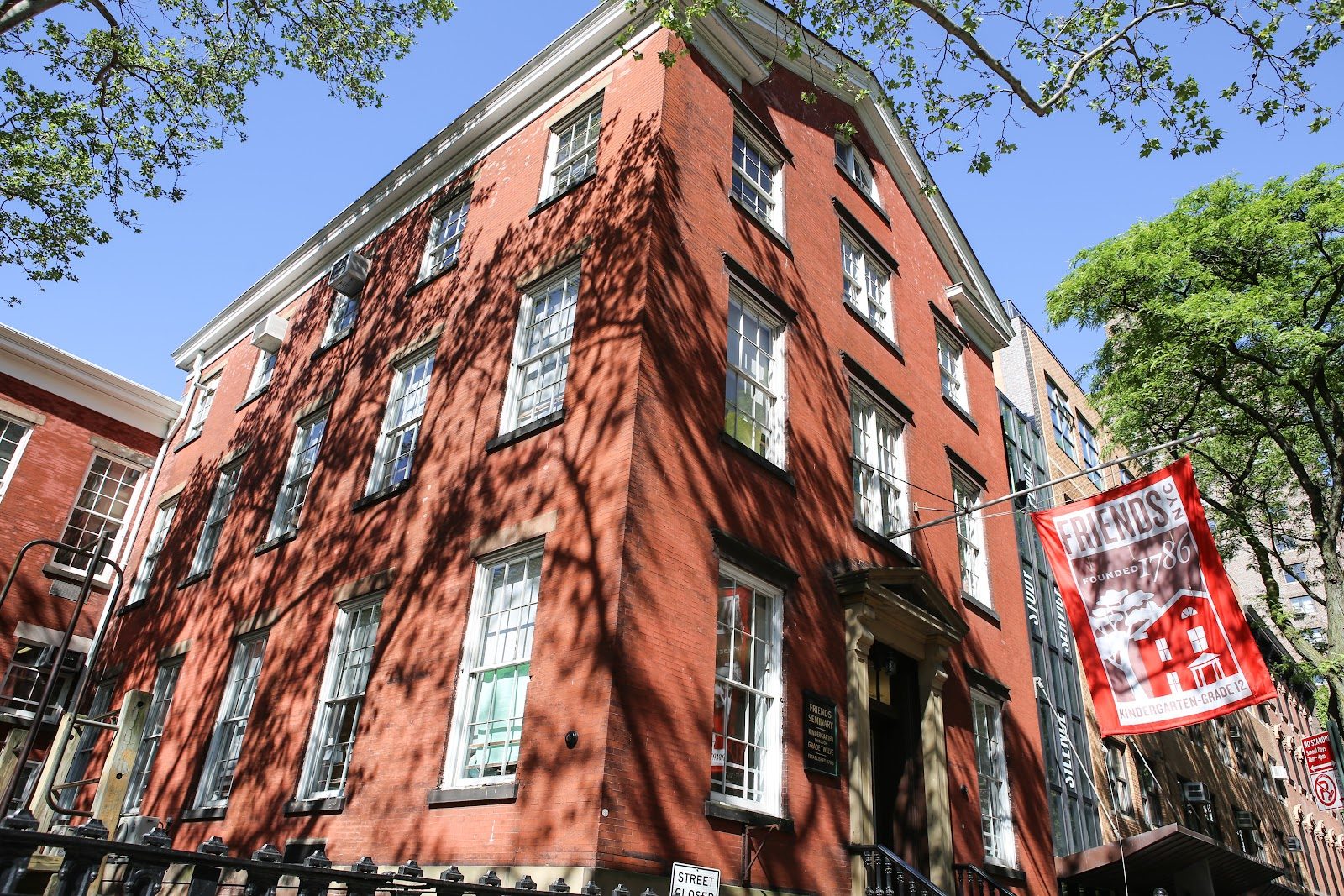
Friends Seminary
New York City · United States
Founded in 1786, the oldest coeducational school in New York City still teaches Quaker simplicity and peace amid Manhattan's bustle
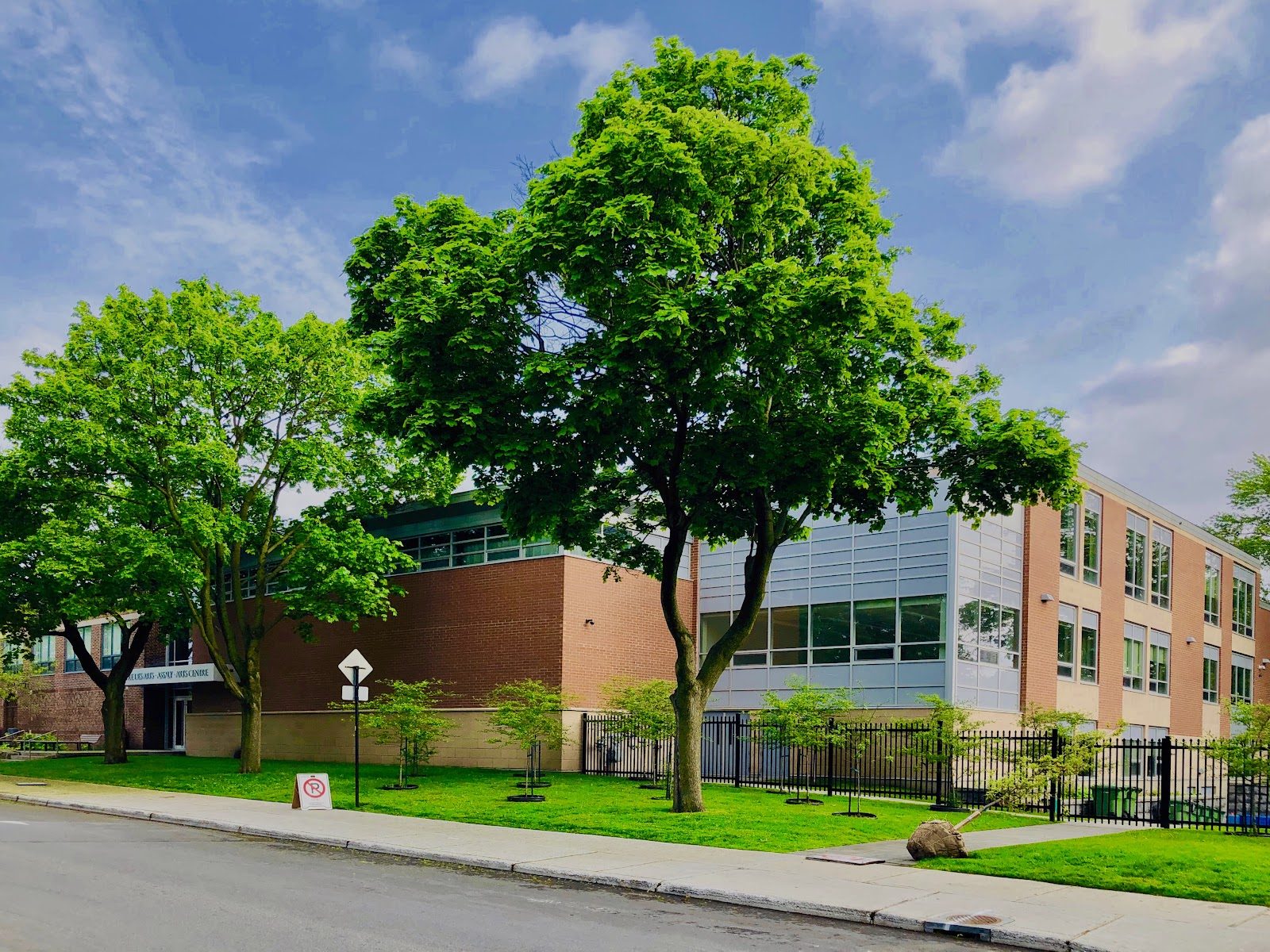
Lower Canada College
Montreal · Canada
Rooted in an 1861 boarding-school lineage, the only English-language Quebec school running both IB Middle Years and Diploma Programmes side by side
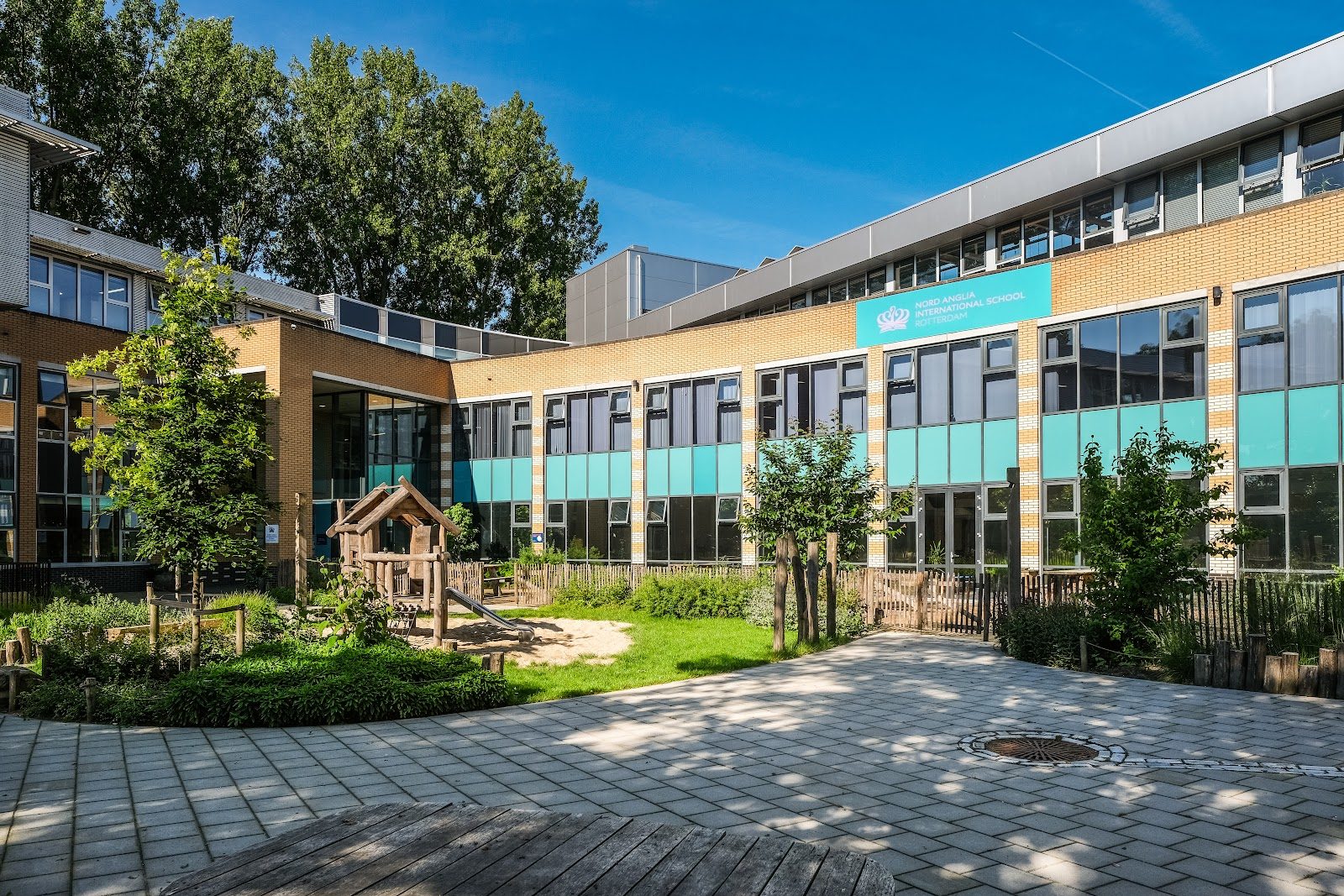
Nord Anglia International School Rotterdam
Rotterdam · Netherlands
Born from a 1959 American community, this Hillegersberg school pairs IB rigor with MIT-designed STEAM and Juilliard arts training.
Lincoln School
San José · Costa Rica
Since 1945, a bicultural Costa Rican campus where graduates can earn American, IB, and national diplomas side by side.
Same country and curriculum — closest matches within ±10 points either way