
Catalonia
American School of Barcelona
low confidence· 6/6 cats · 1.12 avg sourcesA 1962-founded trilingual pioneer near Barcelona blending an American diploma track with the IB Diploma and Career-related pathways.
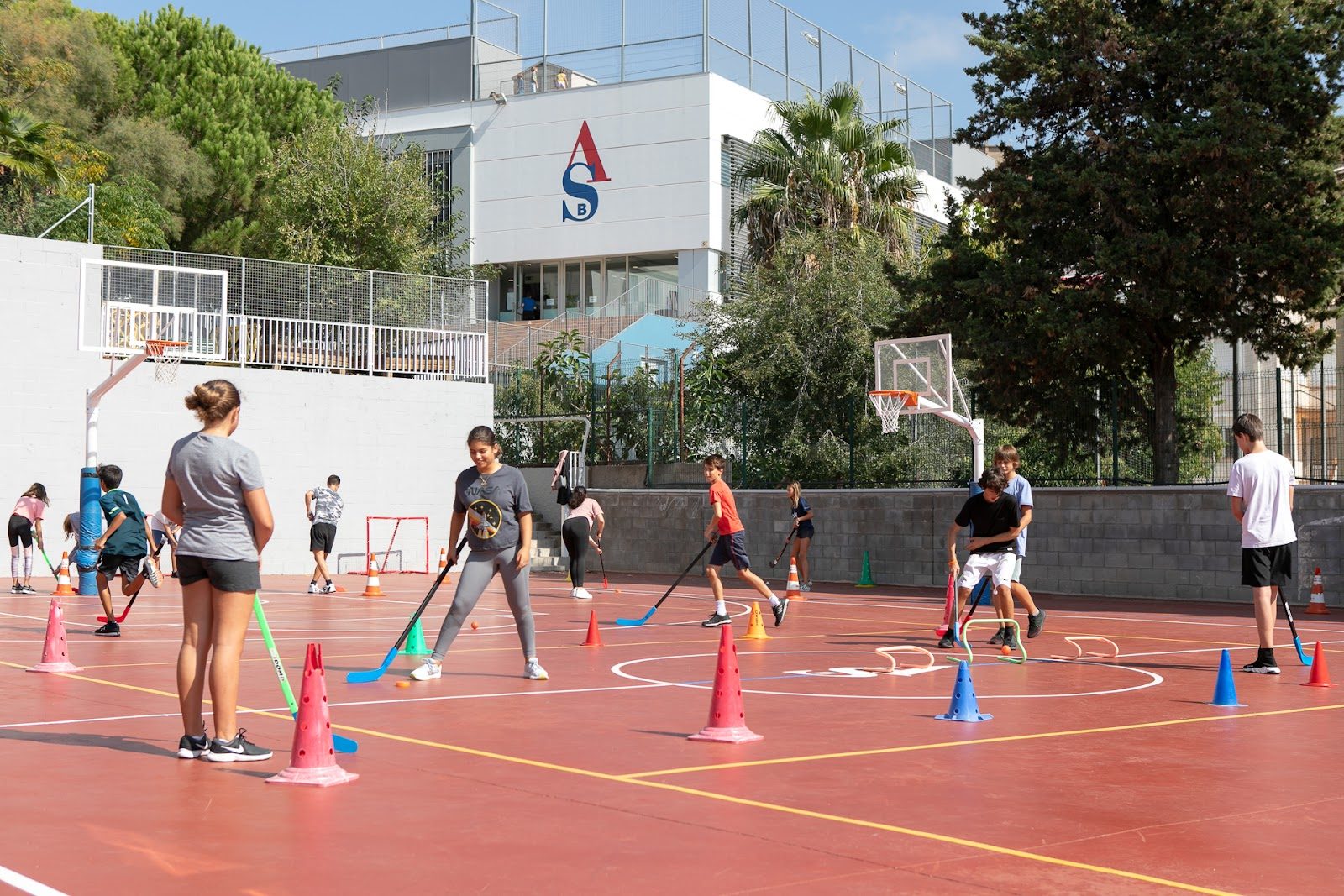
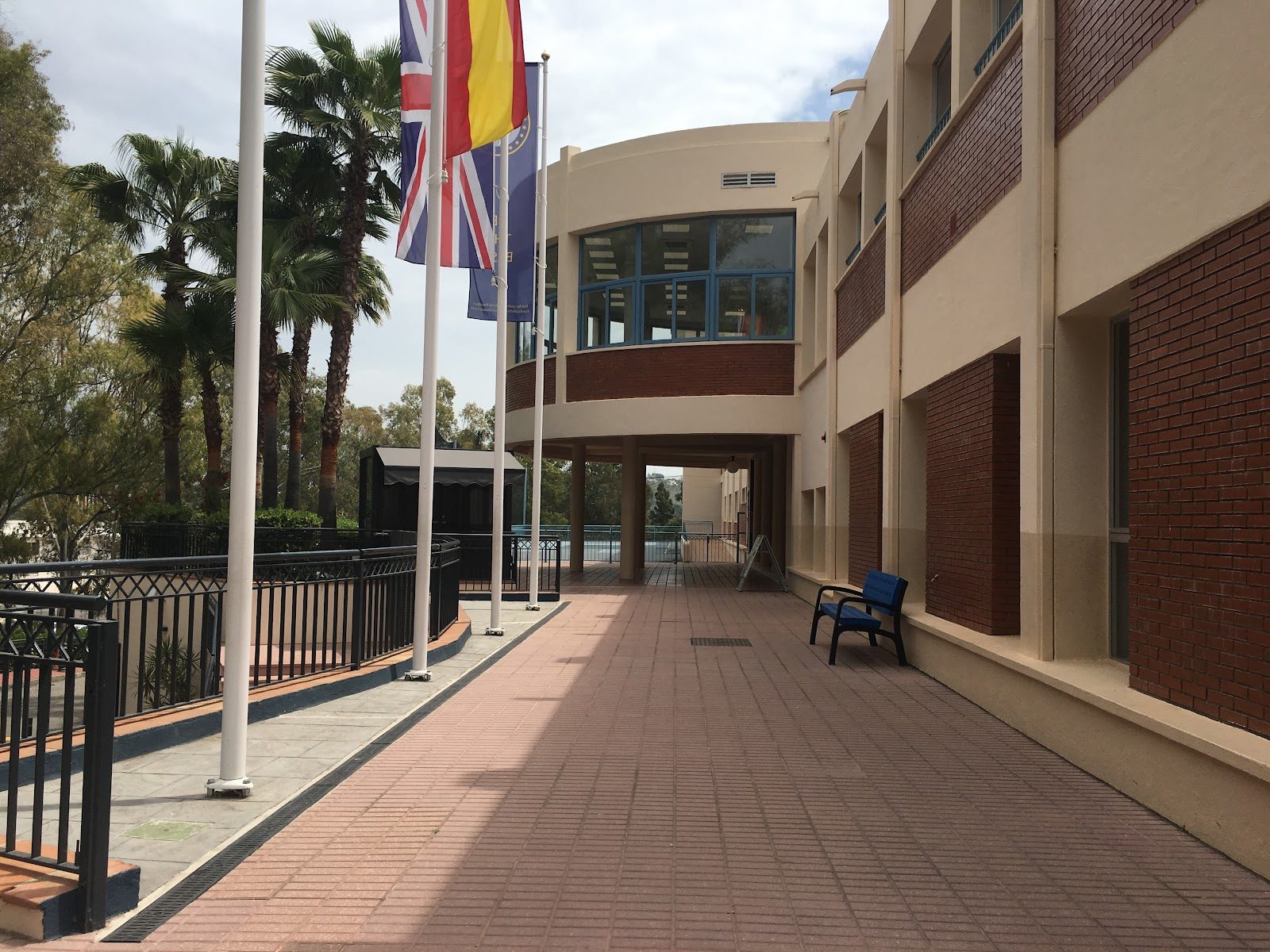
Photo © The American School of Barcelona via Google Maps
Type
Day
Ages
3–18
Curriculum
American
Qualifications
AP · IB Diploma · US High School Diploma
Ratio
—
The Verdict
Editor's commitment
Right for
Families wanting English-medium schooling from age 3 to 18, with an American curriculum and IB World School status near Barcelona.
Wrong for
Parents seeking a cheap option, a religious ethos or boarding: this 1962-founded day school averages €18,444 a year.
Watch out for
High school offers American diploma and IB pathways, but the school does not publish broad destination patterns beyond single admits to Babson, Arizona State and American University.
Ranking breakdown
American School of Barcelona · # of 1591
Composite score 68.6. 8 weighted criteria.
By criterion
Academic Outcomes
Weight 20%
#669
of 1533 scored
University Placement
Weight 16%
#649
of 1529 scored
Prestige & Heritage
Weight 12%
#602
of 1580 scored
Alumni Network
Weight 12%
#661
of 1530 scored
Facilities
Weight 12%
#549
of 1541 scored
Transparency & Communications
Weight 8%
#457
of 1549 scored
Peer & Industry Review
Weight 10%
#636
of 1565 scored
Admissions Selectivity & Demand
Weight 8%
#759
of 1529 scored
Peer & Industry Review
How American School of Barcelona is regarded in the sector
55
Credible · low confidence
American School of Barcelona is a long-established (since 1962), NEASC/Cognia-accredited international school frequently mentioned in expat-parent forums (e.g., Barcelona expat and International School Parents forums) as a solid choice for American-curriculum families, but it rarely appears in specialist rankings such as Tatler, Good Schools Guide, or Sunday Times School of the Year coverage, which tend to focus on British-curriculum schools in Spain. Its reputation appears credible but regionally limited, without strong third-party press validation.
Evidence sources
Editors' overview
American School of Barcelona sits in an unusual niche: an American school in Spain with a full senior offer that extends beyond the standard US diploma. The core proposition is clear. Students study in English, in a non-religious day school in Esplugues de Llobregat, and older pupils can pursue an American diploma track alongside the IB Diploma and IB Career-related pathways. That mix matters. It gives internationally mobile families a US-style school structure without closing off the IB route at the point when university planning sharpens. Founded in 1962 and accredited by NEASC as well as recognised as an IB World School, ASB has enough institutional weight to reassure parents who want a school with real continuity rather than a newer market entrant still defining itself.
What sets it apart is not glamour but breadth with purpose. The school pitches “deeper learning” across divisions and backs that with a visible all-through structure from age 3 to 18, plus a co-curricular offer that covers athletics, visual arts, performing arts, music and service learning. Plenty of schools promise balance; fewer sustain it across the whole age range while also keeping multiple senior pathways in play. For Barcelona, the average annual day fee of €18,444 places ASB in the expensive but credible bracket: this is not a bargain local option, but neither is it priced as an untouchable luxury outlier. The recent university destinations disclosed in the context — American University, Arizona State University and Babson College — point to a school with a functioning US admissions pipeline, even if the school does not publish the sort of aggregate destinations data that would allow a more forensic read of outcomes.
The pupil who will want ASB is internationally minded, comfortable in an English-medium environment and best served by a school that keeps choices open into the sixth form years. It suits families who value an American educational frame but do not want to forfeit the IB. It also suits children who want a broad school life rather than a narrow exam factory; the public face of the school puts as much emphasis on arts, athletics and service as on classroom study. This is less the right choice for parents chasing a hard-edged academic hothouse or those who want a deeply Spanish local school experience. It belongs on a shortlist because it offers a rare combination in this market: 1962 heritage, English-language American schooling, IB options at the top end, and a coherent 3–18 day-school model in greater Barcelona.
Academic Performance
ASB gives parents one concrete academic marker: an average IB score of 37. That is a strong result in any international context and a serious one in Spain, where many international schools talk more freely about destinations than exam performance. It places ASB above the global IB average by a clear margin and signals that the top end of the senior school is delivering. The figure also carries more weight because the school runs more than one pathway in the upper years. Good scores in a mixed-pathway setting matter; they show the school can sustain academic standards without forcing every older student down a single exam track. What ASB does not publish is the fuller set of data that would let parents judge depth as well as peak performance: no pass rate, no subject breakdown, no proportion of the cohort taking the diploma, and no multi-year trend.
Set against peers, that leaves ASB in a credible but not fully transparent position. The published IB figure is better than what many schools achieve and good enough to put it in the upper tier of broadly selective international schools in the Barcelona market. It does not, on its own, justify placing ASB among Europe’s hard-driving academic flagships, where schools publish richer exam data and year-on-year patterns. The academic story here is positive, but it is also incomplete. Parents who want a school with clean, inspectable outcomes will want more than one headline number.
Facilities
ASB’s facilities profile is broad rather than spectacular. The school advertises dedicated provision across athletics, visual arts, performing arts and music, plus a steady rhythm of trips, clubs and service learning. That matters because many city-edge international schools in Spain can offer classrooms and a sports court, then lean on the city itself to fill the rest. ASB looks better equipped than that. The performing arts offer reaches full-scale musical theatre, the visual arts span photography and digital design as well as the standard studio disciplines, and the sports programme runs at a scale large enough to sustain 25 competitive teams. With 175 teaching staff for an all-through school, parents can also infer a campus with enough specialist rooms and adult capacity to support more than a token co-curricular programme. This is a serious all-rounder, not a glossy showcase campus built to impress on tour.
Against peers, the strength lies in range and usability, not in iconic architecture or boarding-school extravagance. Schools at the very top end of the international market publish more about standout science labs, elite theatres, aquatic centres or expansive grounds; ASB is less chest-beating than that. What it does show is a campus that supports daily student life across the full age span without obvious weak spots. The average class size of 22 also points to teaching spaces designed for workable, human-scale learning rather than packed urban density. For families who want facilities that students will actually use, rather than vanity-project infrastructure, that is a respectable place to land.
American School of Barcelona sits in an unusual niche: an American school in Spain with a full senior offer that extends beyond the standard US diploma
Prestige
ASB carries solid international prestige, not elite mystique. Its standing rests on durability, a broad expatriate and internationally mixed parent body, and a senior offer that reaches beyond the standard American-school script. In Barcelona, that matters. Plenty of international schools can sell atmosphere; fewer can point to a long-established reputation with a genuinely global student mix and a sixth-form structure that keeps more than one serious university-prep route open. The school’s own published profile reinforces that scale and reach: 75% international students, 60 countries represented and an average class size of 22. Those are not decorative statistics. They indicate a school with enough diversity and institutional mass to carry weight with mobile professional families.
The prestige ceiling sits below Europe’s blue-chip boarding names and the ultra-selective academic powerhouses that dominate reputation tables through relentless exam disclosure and legacy cachet. ASB does not trade on that kind of old-world status, and it does not publish the depth of outcomes data that top-tier prestige schools use to prove superiority. Its reputation is stronger in the international-schools market than in the old independent-school hierarchy. That still gives it real market credibility: parents choosing Barcelona for diplomatic, executive or internationally mobile lives will recognise ASB as a serious address, not a fashionable newcomer and not a bargain operator. The result is earned prestige: substantial, practical and well above the local average, without entering the rarefied top bracket.
It places ASB above the global IB average by a clear margin and signals that the top end of the senior school is delivering
Communications
ASB communicates in a clean, parent-facing way. The website does the practical job well: each division is defined in plain language, the senior school pathways are explained without jargon, and the co-curricular offer is laid out with enough specificity for parents to understand what daily life includes. Contact details are easy to find, leadership messaging is not buried, and the school gives more than a token sense of where graduates go. The published fast facts also help. A school that tells parents it has 960 pupils, 175 teachers and an average class size of 22 is giving them usable context, not just sloganry. That creates a competent, orderly impression.
The limitation is depth. ASB is strong on narrative and broad programme explanation, but thinner on the hard information that matters once a family moves from browsing to scrutiny. We have one headline IB figure, but not the fuller outcomes picture. University destinations are shared as examples and regional patterns, not as a complete annual destination list. That weakens confidence at the point where serious parents want forensic clarity. The tone is also polished in the standard international-school way: warm, expansive, and keen on values language. It avoids empty brochure bluster, which is to its credit, but it still stops short of full transparency. Effective, then, for first engagement and family feel; less effective for parents who want every claim backed by published evidence.
Uniqueness
What makes ASB distinctive is the way it combines an American school structure with genuine choice at the top end, then threads that through a student body that is international in more than name. Plenty of schools offer an American frame abroad; fewer keep multiple serious exit routes open without turning the senior years into a fragmented compromise. That matters for students. It gives them room to mature before locking into one academic identity, and it suits families whose university plans shift between countries. The school’s scale also changes the experience. With 60 countries represented and 75% international students, children grow up in a community where cross-border movement is normal, not an occasional talking point. That produces a cosmopolitan default setting: students learn to work across cultures, handle difference without fuss, and read global classrooms accurately.
The second point of difference is cultural rather than structural. ASB pushes a broad school life with unusual consistency, from sport and arts to service, leadership and trips. Many schools bolt those activities onto the timetable as image management; here they sit near the centre of the proposition. For students, that brings breadth without the thin, over-programmed feel that plagues some international schools. A child can be academic, musical, athletic and community-minded without being treated as an outlier. That mix does not create an exam-cram powerhouse. It creates graduates with range, confidence and a practical ease in international settings.
It does not, on its own, justify placing ASB among Europe’s hard-driving academic flagships, where schools publish richer exam data and year-on-year patterns
Student Profile
ASB suits children who are internationally mobile in outlook and socially adaptable in practice. This is a school for pupils who can thrive in a community where national mix is part of daily life, not an annual poster line. With 60 countries represented and 75% international students, the social centre of gravity is unusually cosmopolitan. New arrivals who are confident joining mixed peer groups, switching registers between home and school life, and taking classmates from many backgrounds in stride will fit well. So will students who want to do more than attend lessons. The school puts real weight on sport, arts, service, trips, clubs and student leadership, which makes it a good home for the all-round joiner and a weaker one for the child who wants a narrow, grades-only routine.
The strongest fit is a pupil who wants options kept open into the later years without a high-pressure hothouse culture. ASB is built for students who are self-possessed, curious and willing to participate, rather than children who need a rigidly traditional or intensely competitive environment to stay on track. Creative students, keen athletes, and socially aware teenagers will find room here. So will families who value an international peer group but do not want a school that feels rootless or transactional. A child looking for a deeply local Spanish experience, or for a hard-edged academic proving ground, will find a mismatch.
ASB does not trade on that kind of old-world status, and it does not publish the depth of outcomes data that top-tier prestige schools use to prove superiority
Co-curricular strengths
Arts & sport, on a separate axis
Overall 7.46/10
Scored 0-10 from the school's own published evidence. This axis is editorial-only — it does not feed the main WTS ranking.
Sports
8.2/10
Drama
7.8/10
Dance
5.5/10
Music
7.8/10
Visual Arts
8/10
Editor first-pass · editor-reviewable · 7/29/2026
Outcomes & destinations
Where students go next
Top destinations
275 placements
- American University· 1
- Arizona State University· 1
- Babson College· 1
- Barnard College· 1
- Bates College· 1
- Baylor University· 1
- Bentley University· 1
- Boston University· 1
- Brandeis University· 1
- Brown University· 1
- California Baptist University· 1
- California College of the Arts· 1
- California Polytechnic State University, San Luis Obispo· 1
- California State University, Long Beach· 1
- Case Western Reserve University· 1
- Chapman University· 1
- Chatham University· 1
- Claremont McKenna College· 1
- Clark University· 1
- Clarkson University· 1
- Clemson University· 1
- College of the Holy Cross· 1
- Columbia University· 1
- Cornell University· 1
- Drexel University· 1
- Duke University· 1
- Embry-Riddle Aeronautical University· 1
- Emerson College· 1
- Florida International University· 1
- Foothill-De Anza Community College· 1
- Fordham University· 1
- George Washington University· 1
- Georgetown University· 1
- Georgia Institute of Technology· 1
- Georgia Southern University· 1
- Georgia State University· 1
- Gonzaga University· 1
- Grand Valley State University· 1
- Harvey Mudd College· 1
- Haverford College· 1
- Hofstra University· 1
- Illinois Institute of Technology· 1
- Indiana University Bloomington· 1
- Ithaca College· 1
- Kent State University· 1
- Louisiana State University· 1
- Loyola Marymount University· 1
- Lynn University· 1
- Macalester College· 1
- Miami University· 1
- Michigan State University· 1
- Middlebury College· 1
- Misericordia University· 1
- New York Institute of Technology· 1
- New York University· 1
- North Carolina State University· 1
- Northeastern University· 1
- Northwestern University· 1
- Ohio State University· 1
- Old Dominion University· 1
- Pennsylvania State University· 1
- Pepperdine University· 1
- Point Loma Nazarene University· 1
- Pomona College· 1
- Pratt Institute· 1
- Providence College· 1
- Purdue University· 1
- Rensselaer Polytechnic Institute· 1
- Rice University· 1
- Rochester Institute of Technology· 1
- Rutgers University-New Brunswick· 1
- San Diego State University· 1
- Santa Clara University· 1
- Savannah College of Art and Design· 1
- Southern Methodist University· 1
- Stanford University· 1
- Suffolk University· 1
- Susquehanna University· 1
- Syracuse University· 1
- Temple University· 1
- Texas A&M University· 1
- The New School· 1
- Pennsylvania State University· 1
- University of Tampa· 1
- University of Texas at Austin· 1
- Trinity University· 1
- Tufts University· 1
- Tulane University of Louisiana· 1
- University of Arizona· 1
- University of California, Berkeley· 1
- University of California, Davis· 1
- University of California, Irvine· 1
- University of California, Los Angeles· 1
- University of California, San Diego· 1
- University of California, Santa Barbara· 1
- University of California, Santa Cruz· 1
- University of Chicago· 1
- University of Cincinnati· 1
- University of Colorado Boulder· 1
- University of Delaware· 1
- University of Georgia· 1
- University of Illinois Chicago· 1
- University of Illinois Urbana-Champaign· 1
- University of Iowa· 1
- University of Kansas· 1
- University of La Verne· 1
- University of Louisville· 1
- University of Maryland· 1
- University of Massachusetts Amherst· 1
- University of Massachusetts Boston· 1
- University of Miami· 1
- University of Michigan· 1
- University of Missouri-Columbia· 1
- University of North Carolina at Chapel Hill· 1
- University of Notre Dame· 1
- University of Pennsylvania· 1
- University of Pittsburgh· 1
- University of San Francisco· 1
- University of Southern California· 1
- University of Virginia· 1
- University of Washington· 1
- University of Wisconsin-Madison· 1
- Vanderbilt University· 1
- Villanova University· 1
- Virginia Polytechnic Institute and State University· 1
- Wake Forest University· 1
- Washington University in St Louis· 1
- Wesleyan College· 1
- Williams College· 1
- Yale University· 1
- Aalto University· 1
- Brussels School of Governance· 1
- Copenhagen Business School· 1
- Dundalk Institute of Technology· 1
- ESCP Business School - Paris· 1
- ESMOD· 1
- Frankfurt School of Finance and Management· 1
- Istituto Europeo di Design· 1
- Istituto Marangoni· 1
- KU Leuven· 1
- LUISS Guido Carli· 1
- Parsons Paris - The New School· 1
- Politecnico di Milano· 1
- Politenico de Torino· 1
- Sciences Po· 1
- Technical University of Munich· 1
- University of Galway· 1
- University of Targu Mures Medical Campus· 1
- Webster University Vienna· 1
- Aston University, Birmingham· 1
- BIMM University· 1
- Birkbeck, University of London· 1
- British Academy of Jewellery· 1
- Brunel University London· 1
- Cardiff University· 1
- City, University of London· 1
- Coventry University· 1
- Durham University· 1
- Edge Hill University· 1
- Glasgow School of Art· 1
- Goldsmiths, University of London· 1
- Keele University· 1
- King's College London· 1
- Kingston University· 1
- Lancaster University· 1
- Leeds Arts University· 1
- London School of Economics and Political Science· 1
- London South Bank University· 1
- Loughborough University· 1
- Manchester Metropolitan University· 1
- MetFilm· 1
- Middlesex University· 1
- Newcastle University· 1
- Queen Mary University of London· 1
- Regent's University London· 1
- Royal Holloway, University of London· 1
- SOAS University of London· 1
- St George's, University of London· 1
- St Mary's University, Twickenham· 1
- University of Edinburgh· 1
- University College London· 1
- University of Aberdeen· 1
- University of Bath· 1
- University of Birmingham· 1
- University of Bristol· 1
- University of Chichester· 1
- University of East London· 1
- University of Exeter· 1
- University of Glasgow· 1
- University of Huddersfield· 1
- University of Kent· 1
- University of Leeds· 1
- University of Leicester· 1
- University of Liverpool· 1
- University of Manchester· 1
- University of Nottingham· 1
- University of Portsmouth· 1
- University of Reading· 1
- University of Salford· 1
- University of Sheffield· 1
- University of Southampton· 1
- University of St Andrews· 1
- University of Stirling· 1
- University of Surrey· 1
- University of Sussex· 1
- University of the Arts London· 1
- University of Warwick· 1
- University of West London· 1
- University of Westminster, London· 1
- University of York· 1
- Abat Oliba CEU University· 1
- CETT - Barcelona· 1
- CEU San Pablo University· 1
- CUNEF Universidad· 1
- ESADE Business School· 1
- EU Business School· 1
- ICADE Business School· 1
- IE University· 1
- Institute of Arts, Barcelona· 1
- Instituto Quimico de Sarria (IQS)· 1
- La Salle - Ramon Llull University· 1
- Ramon Llull University· 1
- TAI University Center of ARts· 1
- Ramon Llull University TAI University Center of Arts· 1
- Toulouse Business School· 1
- U-TAD: University of Technology, Arts and Design· 1
- Universidad Europea de Canarias· 1
- Universidad Europea de Madrid· 1
- Universitat Autònoma de Barcelona· 1
- Universitat Internacional de Catalunya· 1
- Universitat Politècnica de Catalunya· 1
- Universitat Pompeu Fabra· 1
- University of Barcelona· 1
- University of Navarra· 1
- Amsterdam University College· 1
- Amsterdam University of Applied Sciences· 1
- Delft University of Technology· 1
- Eindhoven University of Technology· 1
- Erasmus University College· 1
- Erasmus University Rotterdam· 1
- Hanze University of Applied Sciences, Groningen· 1
- Hotel School, The Hague· 1
- Leiden University· 1
- Leiden University College· 1
- Maastricht University· 1
- NHL Stenden University of Applied Sciences· 1
- Saxion University of Applied Sciences· 1
- The Hague University of Applied Sciences· 1
- Tilburg University· 1
- University College Maastricht· 1
- University College Twente· 1
- University College Utrecht· 1
- University of Amsterdam· 1
- University of Groningen· 1
- University of Twente· 1
- Utrecht University· 1
- Vrije Universiteit Amsterdam· 1
- Carleton University· 1
- Concordia University· 1
- Emirates Aviation University· 1
- ESSEC Asia Pacific· 1
- International Christian University· 1
- Keio University· 1
- McGill University· 1
- McMaster University· 1
- Nanyang Academy of Fine Arts· 1
- Osaka University of Human Sciences· 1
- Queen's University· 1
- Sophia University· 1
- The Hong Kong Polytechnic University· 1
- The University of British Columbia· 1
- The University of Hong Kong· 1
- The University of Tokyo· 1
- University of Toronto· 1
- Waseda University· 1
Reported by the school. Confirm with admissions.
Strengths
- +Barcelona's oldest American K-12, founded 1962
- +Offers both AP and IB Diploma pathways
- +English-medium teaching throughout ages 3–18
- +NEASC-accredited and IB World School
Considerations
- −Day school only; no boarding option
- −Suburban Esplugues location, not central Barcelona
- −American curriculum may not suit all families
Availability
Primary entry gate & tests
Academic Record
Gallery
Photo © The American School of Barcelona via Google Maps
Photo © The American School of Barcelona via Google Maps
Photo © The American School of Barcelona via Google Maps
Photo © The American School of Barcelona via Google Maps
Photo © The American School of Barcelona via Google Maps
Parent reviews
Have you sent your child here?
Voice reviews carry the strongest trust badge — we transcribe them for you to tidy up before they go live. Prefer to type? A written review is fine too.
Add your voice
In 60 seconds, tell other parents: what's the best thing about American School of Barcelona, and what surprised you when your child joined?
We ask for a Google sign-in so every review has a real face behind it — no anonymous drive-by attacks on schools, and no faked positive reviews. Your email is never shown publicly.
Send this profile to a friend
International parents rely on word-of-mouth. Share this review with someone weighing the same decision.
Schools with places
Similar schools to American School of Barcelona with places available now.
Availability first, then country, area, curriculum, price, co-curricular
Consider also
Also worth looking at alongside American School of Barcelona.
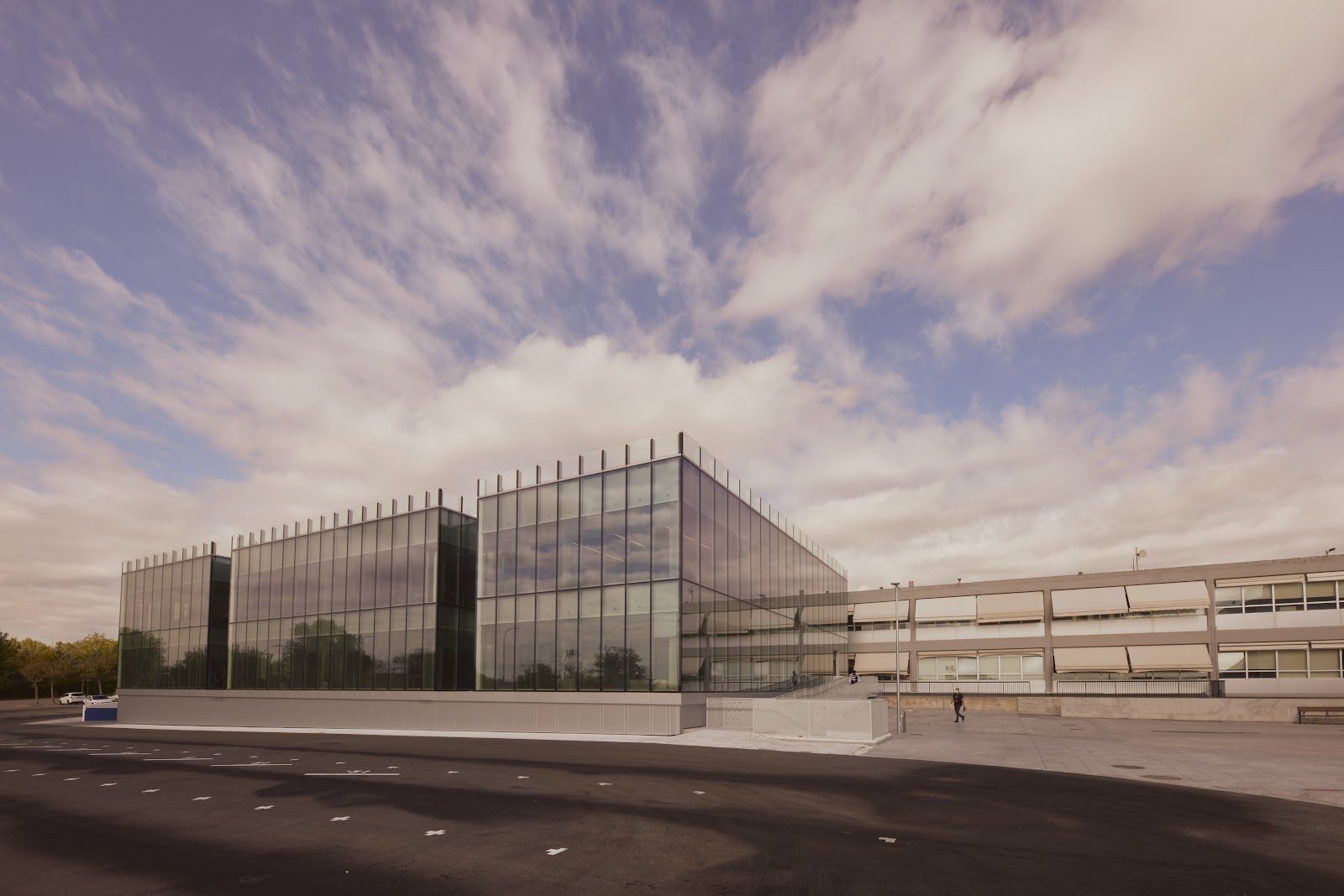
American School of Madrid
Madrid · Spain
On Calle America in Pozuelo, a 1961 founding became the first Spanish school to pair a US diploma with the full IB Diploma Programme.
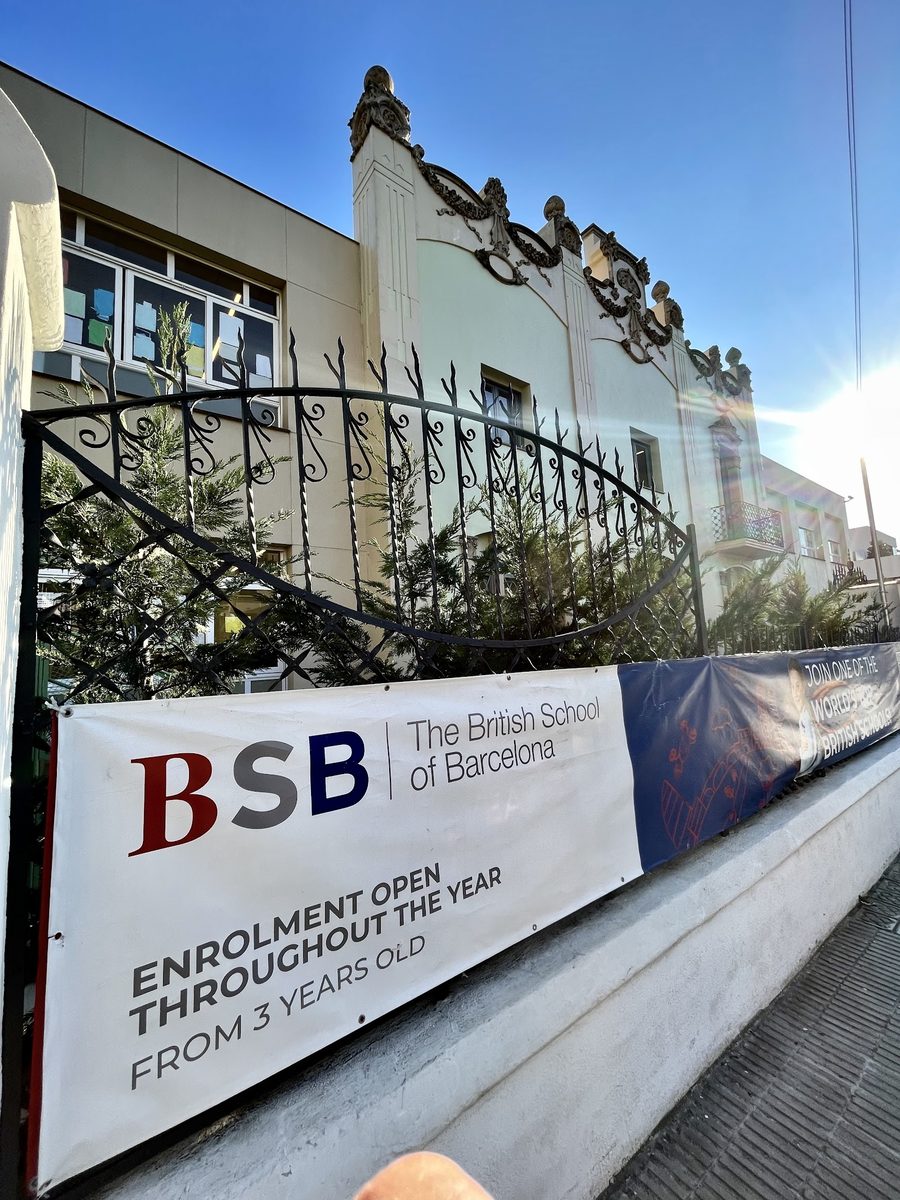
The British School of Barcelona
Sitges · Spain
An intimate Sitges campus for the early years, delivering the English National Curriculum minutes from the beach.
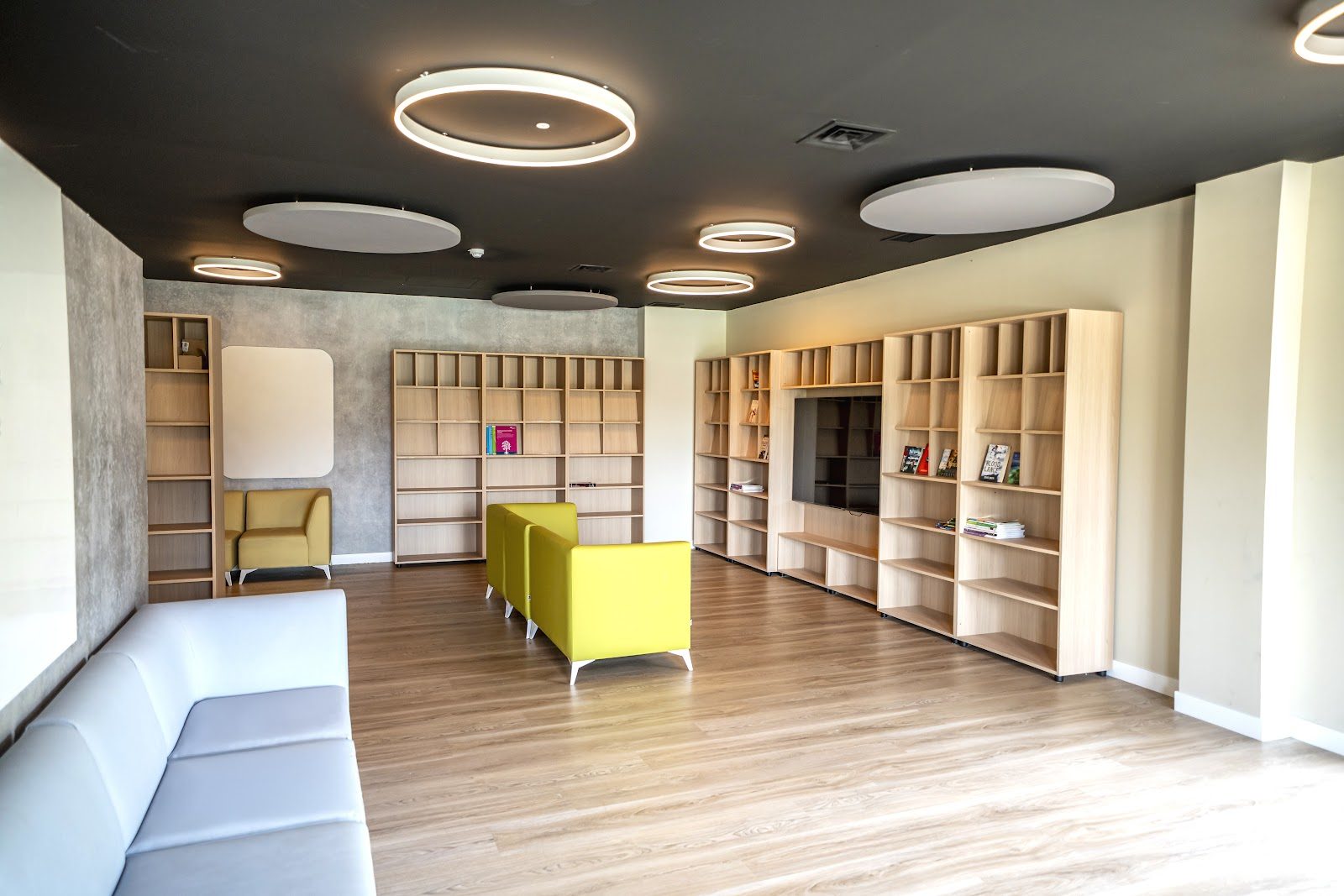
King's College, Soto de Viñuelas
Madrid · Spain
On a 12-acre campus between Madrid and the Sierra de Guadarrama, the only school in the capital offering both A-Levels and the IB in English.
Aloha College
Marbella · Spain
Founded in 1982 by six teachers as a parent-run, not-for-profit trust, among the first in Spain to teach the IB Diploma.
Same country and curriculum — closest matches within ±10 points either way