
Dubai
Steps from Dubai Creek's old quarter, this Baccalaureate campus weaves an American section into its French core.
Know this school? Rate it
No community ratings yet — be the first.
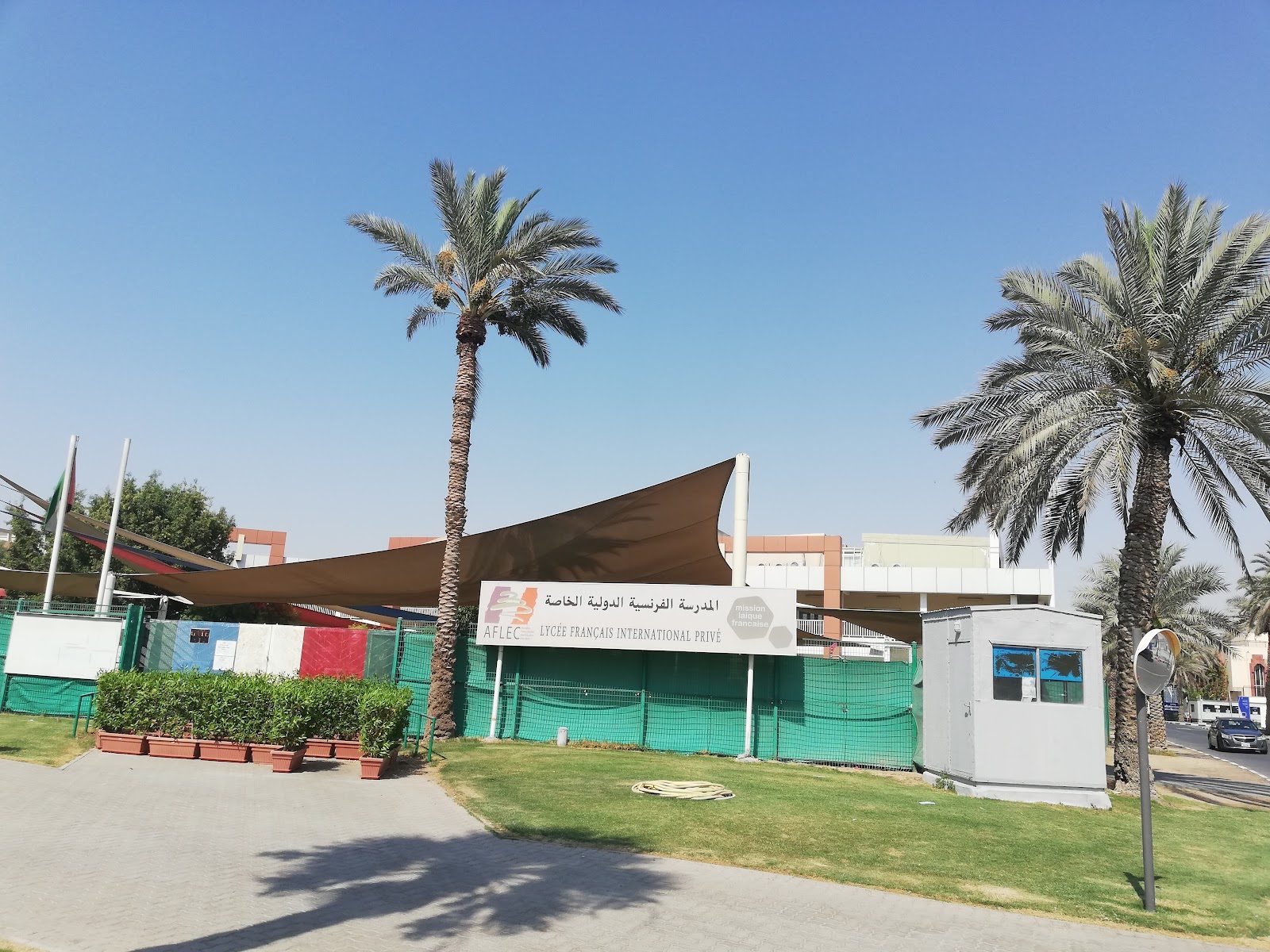
Photo © Important Advice via Google Maps
Type
Day
Ages
3–18
Curriculum
French Baccalaureate
Ratio
—
The Verdict
Editor's commitment
Right for
Families committed to French schooling with English in the mix: AEFE-backed, ages 3–18, and KHDA rates it Outstanding.
Wrong for
Parents wanting a British or IB route should look elsewhere; this is KHDA-attested French, not a curriculum supermarket, across 2 campuses.
Watch out for
The average annual fee is AED 40,542, and 3,273 pupils across 2 campuses means scale, not an intimate boutique setting.
Peer & Industry Review
How AFLEC Lycée Français International is regarded in the sector
65
Respected · medium confidence
AFLEC's Lycée Français International in Oud Metha has evolved from perennial understudy to genuine sector benchmark within Dubai's French curriculum market. WhichSchoolAdvisor's review credits it with strengthening its position to being on a par with rival Georges Pompidou after consecutive Very Good ratings, and notes the school has evolved into one of the leading French curriculum schools not only in Dubai, but across the Gulf region following its Outstanding KHDA rating in 2023-24. Scale reinforces the standing too, with the review describing a school attended by over 3,000 students aged from three to 18, drawn from more than 60 nationalities. AFLEC's expansion into a new Mudon campus, also profiled by WhichSchoolAdvisor, signals confidence in the brand, though independent press coverage remains largely confined to that one specialist outlet rather than the broader UAE schools media.
Evidence sources
Editors' overview
The draw here is not hard to spot: AFLEC Lycée Français International offers a French state-aligned education in Dubai with genuine scale and a sharper profile than many francophone schools in the city. The school runs across 2 campus and serves 3273 élèves, with teaching in French and English, AEFE accreditation and a KHDA rating of Outstanding for 2023/24. Its headline distinction is the mix of a French Baccalaureate core with an American section woven into the offer. That gives AFLEC a broader shape than a straight French-curriculum school and makes it a serious option for internationally mobile families who want the discipline and academic continuity of the French system without cutting students off from an English-speaking environment.
It is also a school with unusually explicit performance markers. AFLEC publishes 100 DNB and 100 BAC, alongside a KHDA wellbeing judgement of 100 at “very high level”. Those figures need context — the school does not publish the detail parents would want on top grades, subject breakdowns or university destinations in the public domain — but they still signal a school that takes outcomes seriously and is prepared to state them plainly. The scale matters too: 71 nationalities and 9 langues enseignées point to a campus that is far more international than the stereotype of a narrowly French expatriate enclave. This is a large, operationally complex school, not a boutique lycée, and parents who prefer intimate settings should register that early.
At an average annual day fee of AED 40,542, AFLEC sits in a keenly priced bracket for a Dubai school carrying an Outstanding KHDA judgement. That gives it real market force. It is not selling marble-lobby theatre; it is selling regulatory credibility, exam structure and a long age range from 3 to 18. The old-quarter Oud Metha location also suits families who want central Dubai rather than an outer-suburb school run, though the presence of a Mudon campus widens the catchment. The weak point is transparency beyond the topline: the school flags diplomas, exam results and post-bac orientation, but the public picture on destinations and granular academic data remains thinner than it should be for a school of this size.
The student who fits AFLEC is one who thrives with structure, external exams and a clear academic frame. This is a strong shortlist school for francophone families, bilingual households and parents planning future moves within the French system. It also suits students who want a more international daily experience than a purely national school offers, without switching into a British or IB model. It is less suited to children who need a highly flexible, low-pressure ethos or families who want exhaustive public disclosure on outcomes before applying. In market terms, AFLEC is a serious, high-volume French international school with regulatory strength, broad reach and fees that undercut much of Dubai’s premium tier.
Academic Performance
AFLEC is unusually direct about its exam topline: it publishes 100% success in both the Diplôme National du Brevet and the Baccalauréat. That is a strong public claim and, in Dubai’s French-school market, it places the school in the company of campuses that deliver secure baseline attainment at scale rather than leaving parents to infer performance from reputation alone. The catch is obvious. A pass rate, on its own, does not settle the harder questions. The school does not publish grade distributions, mentions, subject-level strength, cohort selectivity or the share of students taking the full route through to the terminal exams. Without that, parents cannot judge whether results are merely clean or genuinely high-performing.
Relative to peers, AFLEC sits in the credible upper tier on regulatory standing and pass-rate disclosure, but not in the small group of schools that publish a richer academic dossier. For a school of this size, that gap matters. Large institutions have enough data to say more, and families choosing a French-system school in Dubai need more than a victory-line headline. Still, the combination of 100% at both key exam points and an Outstanding KHDA judgement gives AFLEC a firm academic floor. That makes it easier to trust the school’s core academic machinery than some lower-fee competitors. It does not, however, prove elite academic sharpness in the absence of deeper published evidence.
Facilities
Facilities at AFLEC are defined first by scale and spread. The school runs on 2 campus, which matters: this is not a compact single-block lycée where everything sits within a short walk. Parents need to think in terms of operational range rather than one self-contained site. The public-facing structure points to the essentials of a large all-through school done properly: dedicated pages for cultural and sporting activities, school catering, transport, health, inclusion and special educational needs, uniforms, textbooks and digital access. That does not make the estate glamorous. It makes it functionally complete. The visible emphasis falls on *throughput, organisation and student support* rather than on architectural theatre or the resort-style sports branding common in Dubai’s premium tier.
What stands out more than any single showpiece facility is the breadth of school life the campus infrastructure supports: sciences, arts, theatre, student media, visiting speakers, university guidance and a substantial languages offer. For a school serving 3273 pupils, that breadth is a necessity, not a luxury, and AFLEC clears that bar. Against peer French schools, the offer reads as bigger, busier and more layered than the smaller francophone campuses that do the academic core well but offer less beyond it. Against Dubai’s top-end British and IB heavyweights, the school is less performative on facilities and less explicit in public about specialist spaces. If you want marble foyers and branded wow-factor, look elsewhere. If you want a campus platform that supports a serious, high-volume school day, AFLEC has it.
AFLEC is unusually direct about its exam topline: it publishes 100% success in both the Diplôme National du Brevet and the Baccalauréat
Prestige
AFLEC’s prestige rests on institutional legitimacy and market standing, not on old-school glamour. In Dubai’s French-school landscape, AEFE status carries weight because it ties the school into the official French network rather than a private imitation of it. The regulator’s top judgement reinforces that standing. Add the school’s scale, its broad national mix and its public declaration of 100% success at both French exam checkpoints, and you get a school with serious institutional heft. That matters more than polished branding. Parents buying into AFLEC are buying a system school with real operational credibility, not a niche outpost trading on French cachet alone.
That said, prestige here has limits. AFLEC does not occupy the rarefied end of the market where exclusivity, ultra-high fees or a long roll call of headline university destinations do the work. Its public profile is stronger on structure than on mystique. The school projects competence, regulatory confidence and breadth; it does not project elite scarcity. For many families, that is a strength. A large French international school with 71 nationalities and 9 languages taught carries a form of prestige rooted in reach, seriousness and durability. The rating, then, sits in the upper band: high-status within its educational lane, but not a globally magnetic name on the level of the most internationally fetishised schools.
It is also a school with unusually explicit performance markers
Communications
AFLEC communicates with parents through a dense, workmanlike set of channels rather than a polished concierge model. The website gives families direct access to admissions, fee information, school regulations and policies, calendars and timetables, transport, catering, health, uniforms, textbooks, inclusion support and post-bac guidance. Parent-facing portals are clearly signposted, including Pronote for each campus, a parents’ section, parent representatives and the APELFI association. That matters because a school of this scale cannot run on informal corridor updates. It needs systems, and AFLEC has them. The public site also pushes a steady stream of news, event listings and social media updates, which gives parents a live sense of school activity rather than a static brochure. The weakness is presentation: the site feels busy, cluttered and at points hard to navigate, with too many links competing for attention.
That leaves the overall picture mixed but competent. Parents who value structure, documents and formal channels will find enough here to function well. Parents who want elegant curation, instant clarity and a single clean dashboard will find the experience less refined. The strongest evidence in AFLEC’s favour is breadth: few schools publish this many practical touchpoints in one place, and the inclusion of named parent bodies and dual-campus portal access shows a communications operation built for volume. The strongest criticism is that abundance does not equal clarity. AFLEC communicates seriously and at scale; it does not communicate with much grace.
Uniqueness
What sets AFLEC apart is not a gimmick but a structural choice: it keeps a French academic spine while building in an American section, on a scale that few francophone schools sustain cleanly. That matters because it changes the daily texture of the school. Students do not sit in a narrow national enclave; they move through a campus with 71 nationalities and 9 languages taught, where French institutional discipline meets a broader international mix. For families who want continuity with the French system but do not want their children sealed off from English-speaking academic and social life, that is a genuinely useful hybrid. It gives pupils a wider frame of reference without losing the hard-edged structure that draws parents to French education in the first place.
The second point of difference is scale paired with public confidence. AFLEC is big enough to support a fuller student life — sciences, arts, university guidance, inclusion, sport, student representation — without reading like a niche lycée with a thin extracurricular margin. The school also states its results and wellbeing markers with unusual bluntness, including 100% success at both main French exam checkpoints and a top-tier wellbeing judgement. That does not answer every serious parental question; the deeper outcome data still needs work. But for students, the benefit is clear: a high-volume, operationally mature school where academic expectations, pastoral systems and international exposure sit in the same place rather than in tension.
Without that, parents cannot judge whether results are merely clean or genuinely high-performing
Student Profile
AFLEC suits children who do well in a structured, adult-led environment and parents who want school to feel organised rather than improvisational. The student body is large, international and linguistically broad, so the child who thrives here does not need a tiny, intimate community; they need confidence navigating a busy, high-volume institution with clear routines and formal expectations. This is a good match for francophone families, bilingual households and internationally mobile parents who want continuity without a socially narrow peer group. It also fits students who can handle academic checkpoints without drama and who benefit from a school culture that treats attainment, conduct and attendance as normal business rather than optional extras. The breadth of the cohort — 71 nationalities and 9 languages taught — also makes it a strong social fit for children who are outward-facing and comfortable mixing across backgrounds.
It is a weaker fit for pupils who need a soft-edged, highly personalised atmosphere or who wilt in large systems. Children who require constant individual reassurance, or families who want a school to feel boutique and intimate, will find AFLEC too industrial in scale. The right student here is steady, adaptable and ready to work within established rules. They do not need flash; they need momentum. For ambitious but not necessarily showy students, that can be an excellent proving ground. For children who need looseness, therapeutic calm or a low-pressure educational culture, it is the wrong habitat.
Against Dubai’s top-end British and IB heavyweights, the school is less performative on facilities and less explicit in public about specialist spaces
Co-curricular strengths
Arts & sport, on a separate axis
Overall 8.14/10
Scored 0-10 from the school's own published evidence. This axis is editorial-only — it does not feed the main WTS ranking.
Sports
8.8/10
Multiple sports—Football, Basketball, Swimming, Athletics and Gymnastics—showing a solid multi-activity offering.
Drama
8.8/10
Drama club is explicitly named in the extracurriculars list.
Dance
6/10
Dance is explicitly listed as an activity.
Music
8.3/10
Choir is explicitly named in the extracurriculars list, which supports a basic music score, but there is no further detail on ensembles, teaching, facilities or performances.
Visual Arts
8.8/10
Art club is offered.
Editor first-pass · editor-reviewable · 7/27/2026
Official inspection · Dubai
KHDA report · 2023/24
Official · KHDAInspectorate
Knowledge & Human Development Authority
Dubai's mandatory education regulator; annual DSIB inspections.
Curriculum
French
Held vs previous cycle
Full report
KHDA report finderRating history
Strengths
- +KHDA Outstanding rating
- +French Baccalaureate pathway within the AEFE network
- +Covers ages 3 to 18 on a single all-through pathway
- +Instruction in French and English
- +Elite co-curricular provision in sport, drama and visual arts
Considerations
- −French curriculum may limit non-Francophone families
- −Dubai location may mean longer commutes
- −The school does not publish detailed fee information in the material available
Availability
Primary entry gate & tests
CAT4 / Assessment
Gallery
Photo © Pascal Bagnara via Google Maps
Parent reviews
Have you sent your child here?
Voice reviews carry the strongest trust badge — we transcribe them for you to tidy up before they go live. Prefer to type? A written review is fine too.
Add your voice
In 60 seconds, tell other parents: what's the best thing about AFLEC Lycée Français International, and what surprised you when your child joined?
We ask for a Google sign-in so every review has a real face behind it — no anonymous drive-by attacks on schools, and no faked positive reviews. Your email is never shown publicly.
Send this profile to a friend
International parents rely on word-of-mouth. Share this review with someone weighing the same decision.
Explore further
Schools families also compare with AFLEC Lycée Français International
Schools with places
Similar schools to AFLEC Lycée Français International with places available now.
Lycée Libanais Francophone Privé
Dubai · United Arab Emirates
- 2026-27
- PLACES OPENApps open / space-dependent
- 2027-28
- WAITPOOL2027/28 timetable TBC
Bilingual French International School Dubai
Dubai · United Arab Emirates
- 2026-27
- PLACES OPENApps open / space-dependent
- 2027-28
- WAITPOOL2027/28 timetable TBC
Lycee Francais International Georges Pompidou
Dubai · United Arab Emirates
- 2026-27
- CLOSEDStandard route closed
- 2027-28
- OPENS SOONOpens Jan/Feb '27
Availability first, then country, area, curriculum, price, co-curricular
Consider also
Also worth looking at alongside AFLEC Lycée Français International.
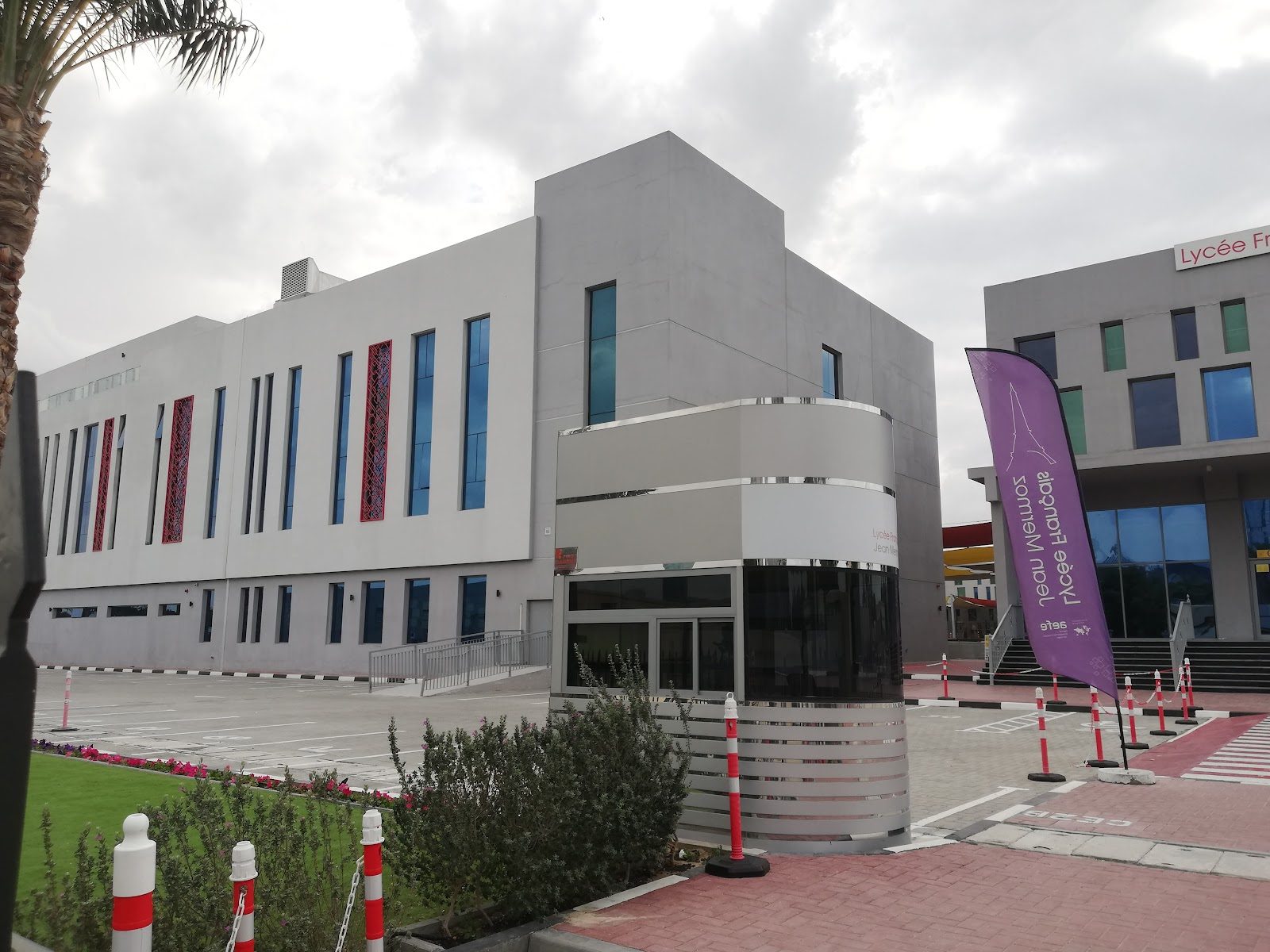
Lycée Français Jean Mermoz
Dubai · United Arab Emirates
Named for aviation pioneer Jean Mermoz, this AEFE campus caps classes at 26 across trilingual French, English and Arabic tracks.
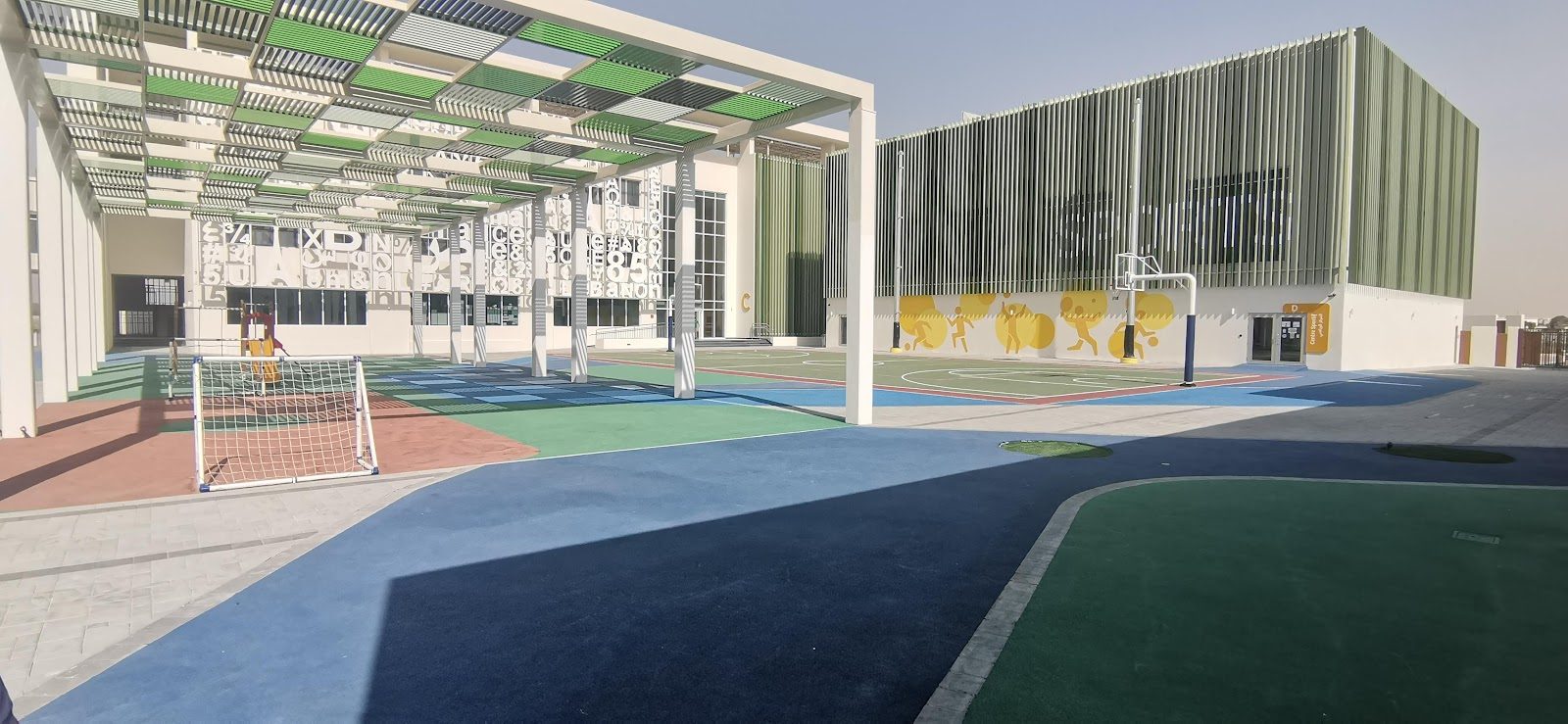
Lycée Libanais Francophone Privé
Dubai · United Arab Emirates
Rooted in Lebanese Francophone heritage, this trilingual lycee pairs rigorous French Baccalaureate study with a solar-powered Meydan campus.
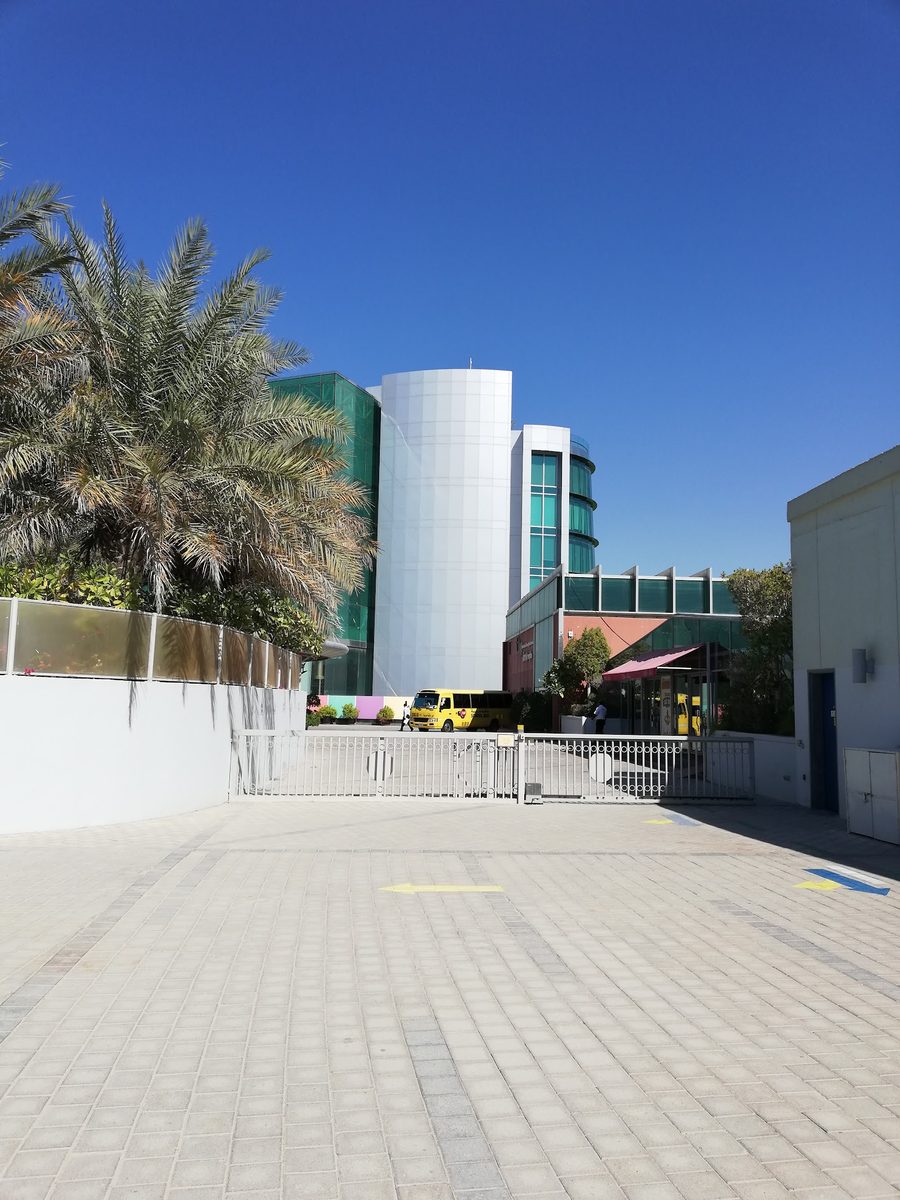
Bilingual French International School Dubai
Dubai · United Arab Emirates
Near Meydan's racecourse, four qualification pathways -- French Bac, IB, AP and Cambridge -- converge under one bilingual roof.
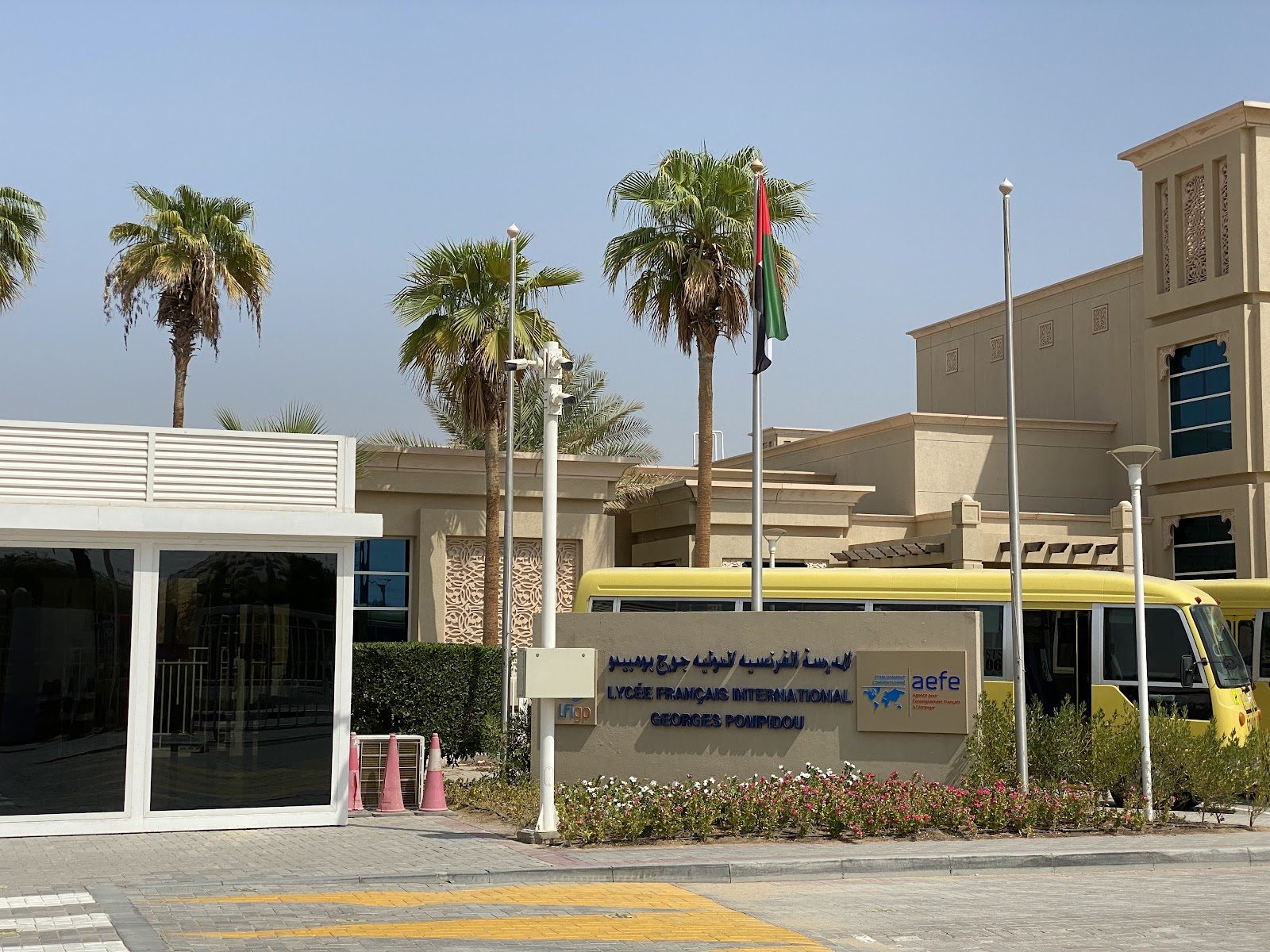
Lycee Francais International Georges Pompidou
Dubai · United Arab Emirates
Dubai's Very Good-rated French Baccalaureate school, delivering a bilingual French-English education for ages 3 to 18.
Same country and curriculum — closest matches within ±10 points either way